Plant Features
- Size: Typically 6–9 m (20–30 ft) tall, sometimes up to 15 m (49 ft) in favorable conditions; often develops a broad, rounded crown.
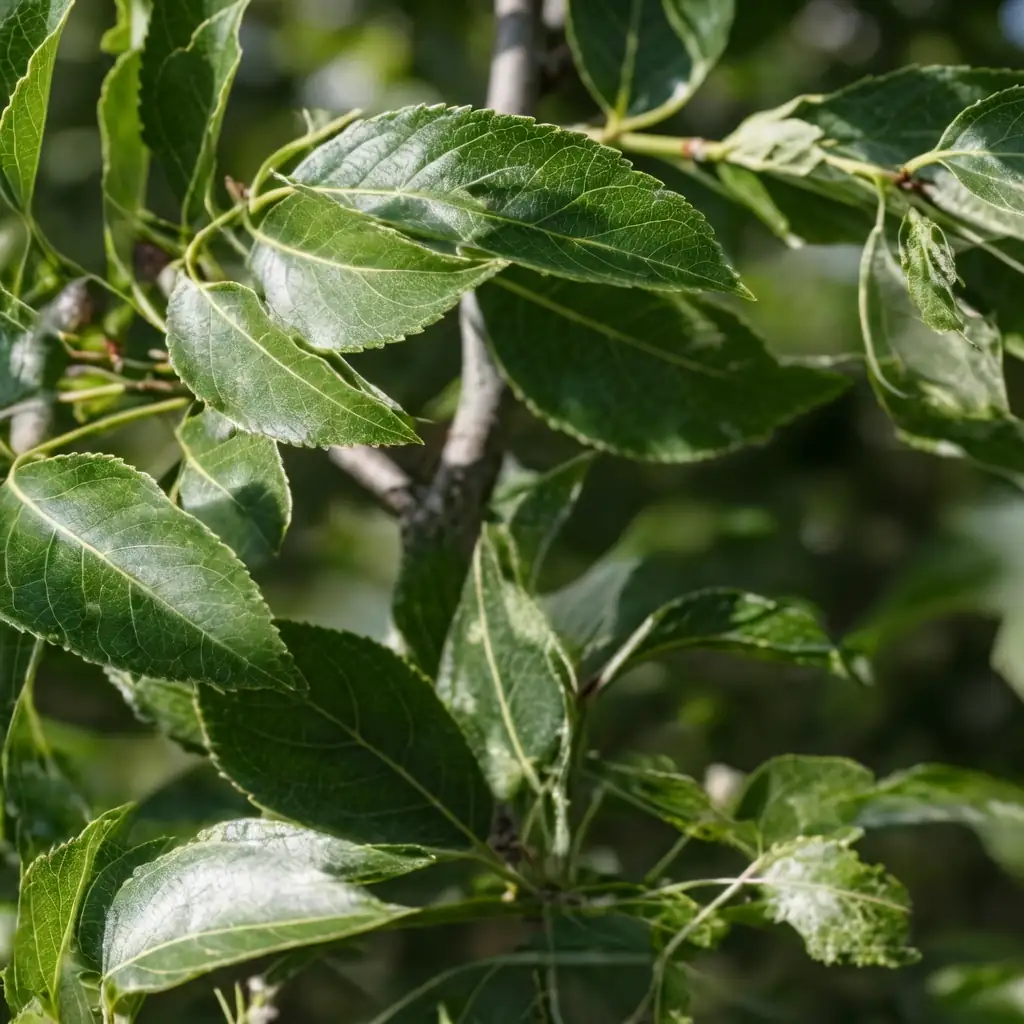
- Foliage: Leaves are alternate, simple, and distinctly heart-shaped to broadly ovate. Depending on cultivar, new foliage may emerge bronze and mature to deep burgundy-purple; autumn color can shift toward yellow tones.
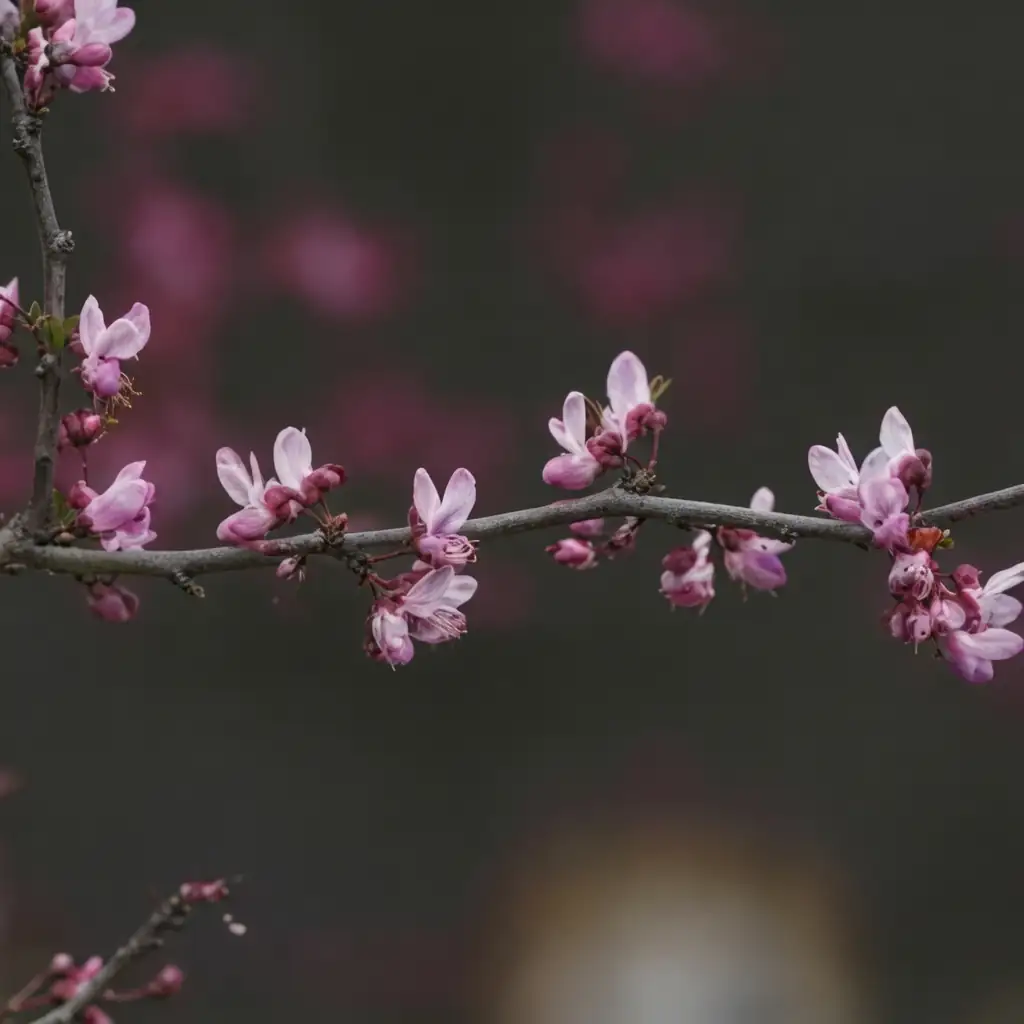
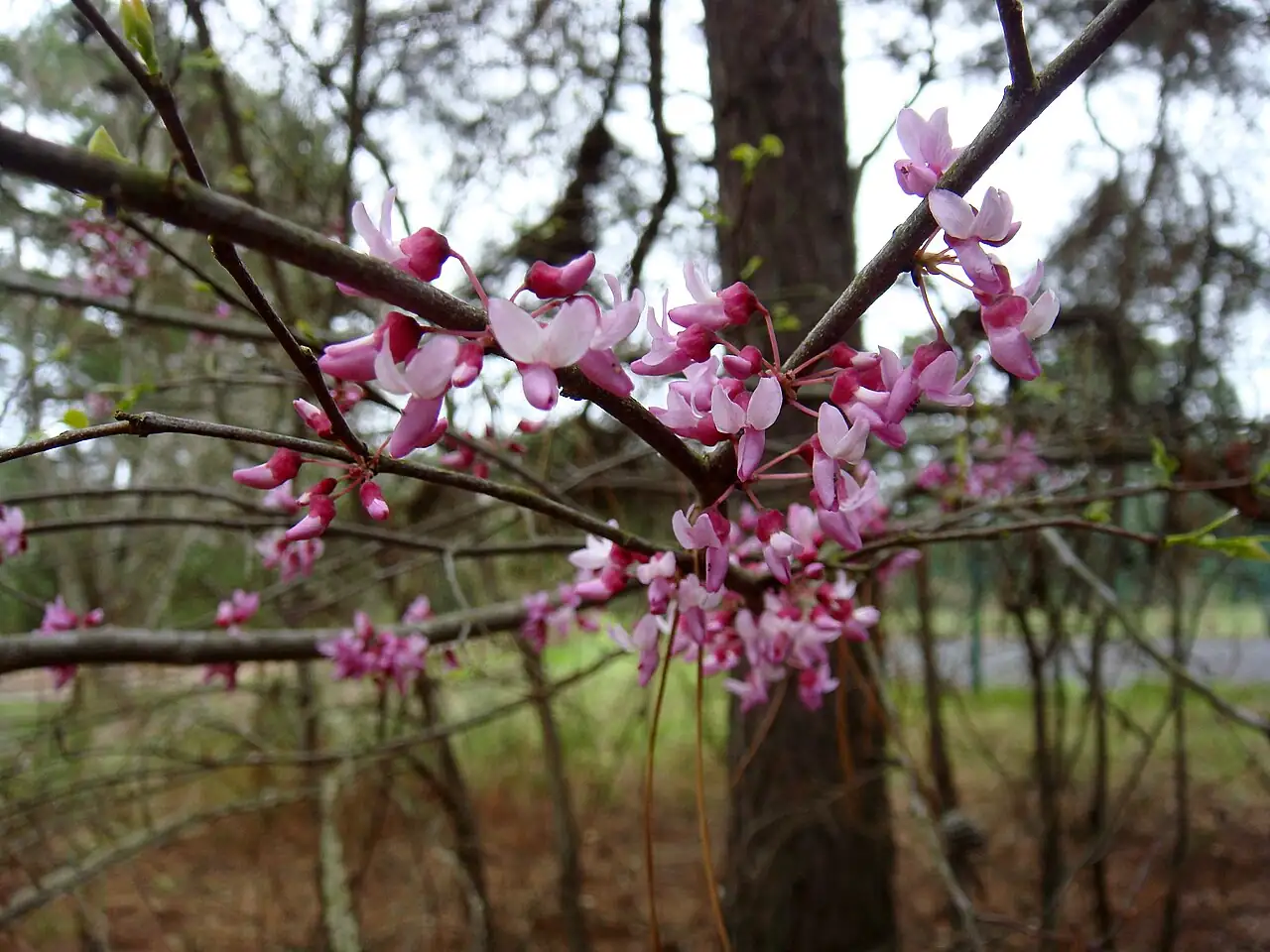
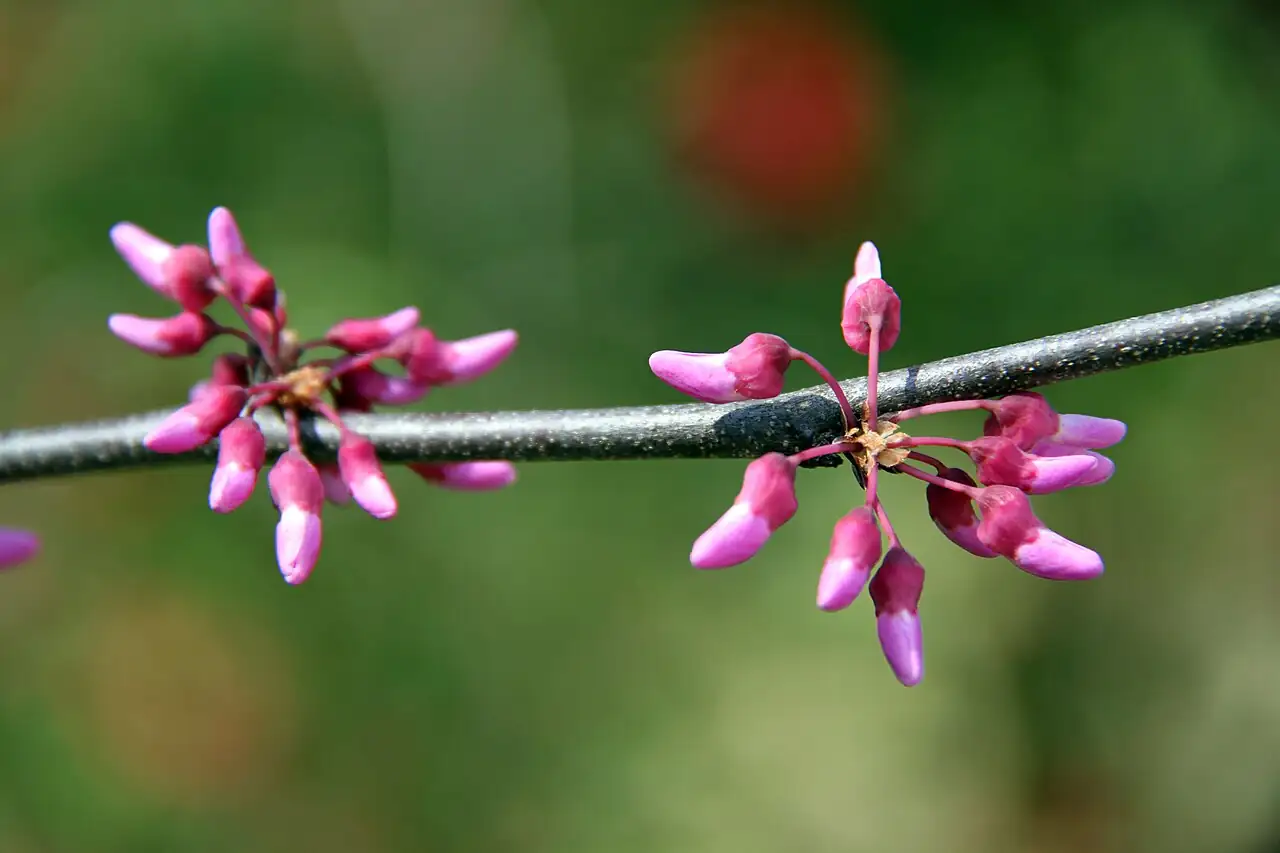
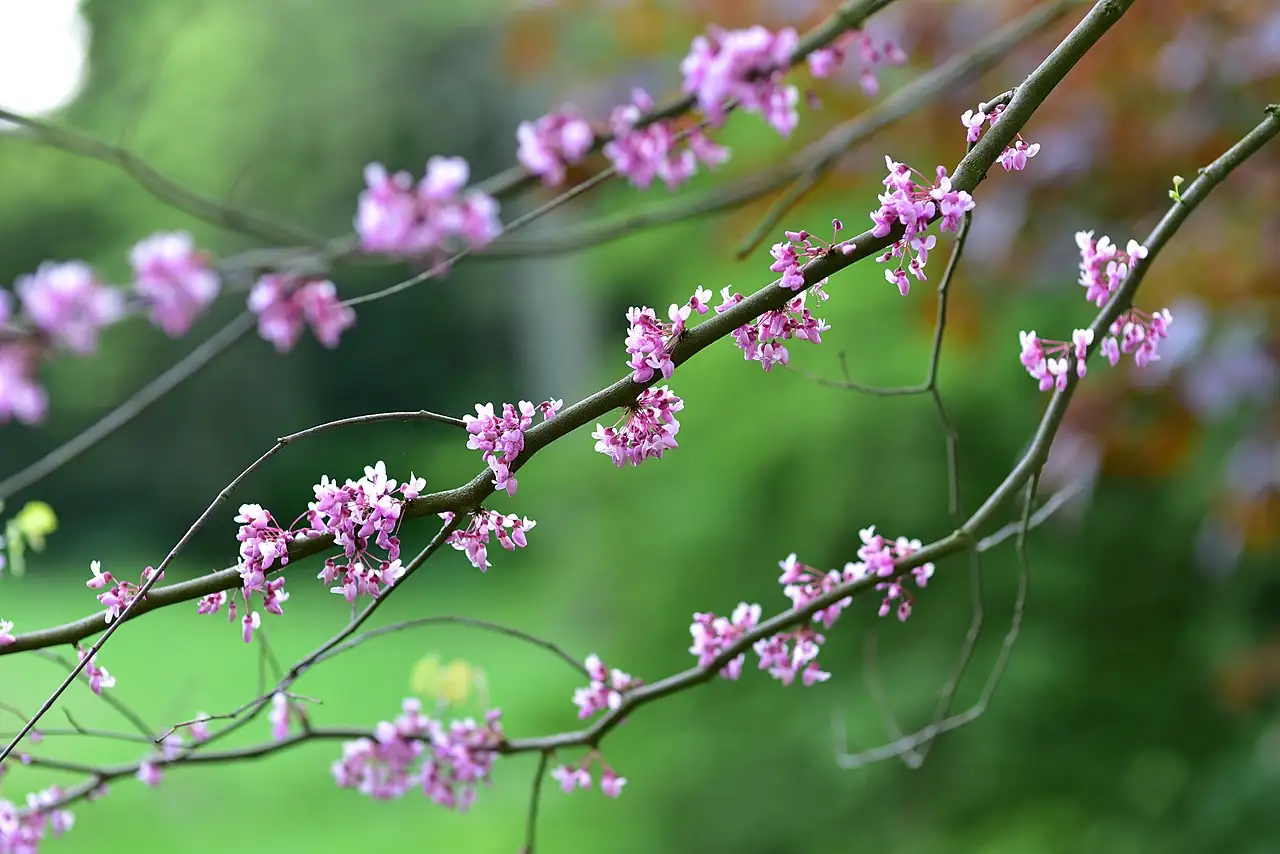
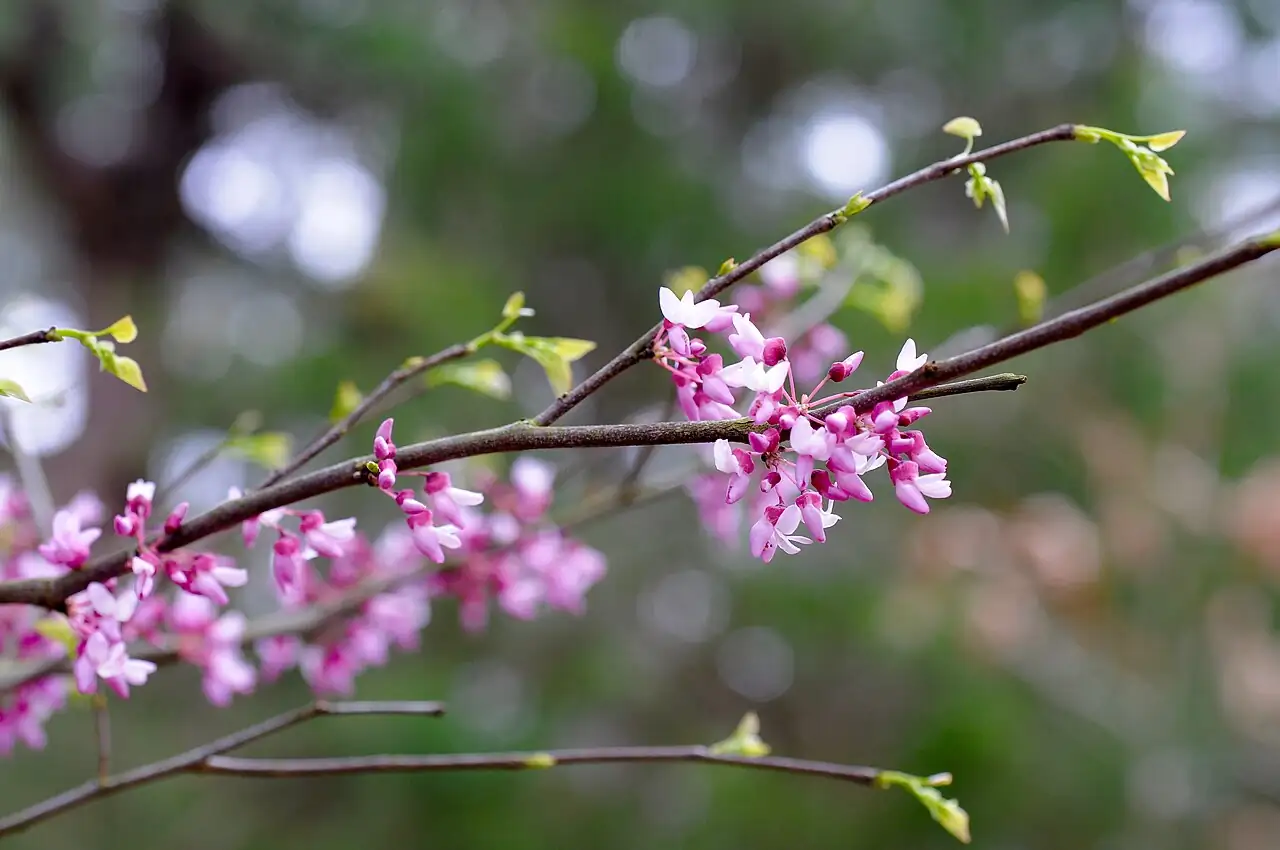
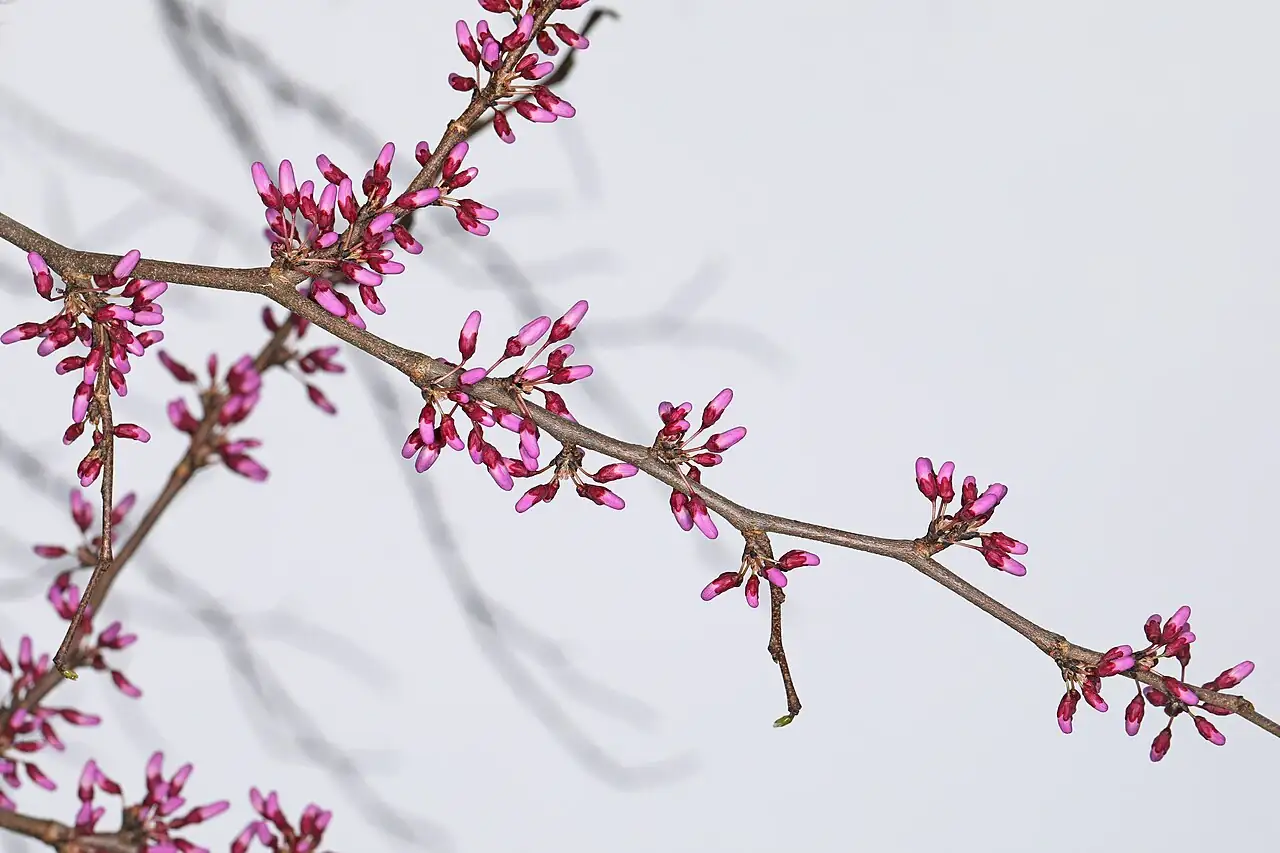
- Flower: Small, pea-like flowers open in tight clusters along older branches and sometimes directly on the trunk (a dramatic trait called cauliflory). Flowers are usually rosy pink to purplish-red and appear before the leaves in spring.
- Flowering Season: Early to mid-spring (typically March–May; often April–May depending on climate).
- Growth Habit: A deciduous small tree or multi-stemmed shrub with an upright-to-spreading form. After bloom it sets flat, elongated pods; pods commonly contain about 10–12 flattened brown seeds and may persist into winter.
Environment
Sunlight
Full sun to partial shade; for the heaviest flowering and a denser, more compact shape, aim for full sun (about 6+ hours/day).
Temperature
Cold-hardy and heat-tolerant. Grows best in roughly 15–30°C (59–86°F) during the growing season; young plants benefit from protection during extreme heat paired with drought.
Humidity
Adaptable to average outdoor humidity; tolerates some dryness once established. Avoid consistently soggy conditions, which can stress roots and invite disease.
Soil
Flexible as long as drainage is good. Performs best in loose, fertile, well-drained loam or sandy loam; avoid heavy, waterlogged, or poorly drained sites.
Placement
Best used outdoors in yards, courtyards, and parks as a specimen tree, edge planting, or mixed border feature. Give it room for a broad crown and keep it away from persistently wet low spots.
Hardiness
USDA Zone 4–9 (down to about -34°C [-30°F], depending on provenance/cultivar).
Care Guide
Difficulty
Easy to moderate: tough and adaptable once established, but young plants do best with steady moisture and well-drained soil during the first 1–2 years.
Buying Guide
Pick a plant with a healthy trunk (or multiple strong stems for multi-stem forms), well-spaced branches, and no obvious wounds or dieback. Avoid pot-bound trees with circling roots. If you want purple foliage, confirm the cultivar name so the leaf color stays reliably dark.
Watering
Water regularly after planting until well established. Afterward, water during extended dry spells. It handles drought better with age, but standing water and poor drainage can lead to root stress and decline.
Fertilization
Often unnecessary in decent garden soil. If growth is weak, use a balanced slow-release fertilizer in early spring at label rates. Avoid heavy nitrogen, which can encourage leafy growth at the expense of flowers.
Pruning
Prune lightly in late winter to very early spring (before bud break) or right after flowering. Remove dead, damaged, and crossing branches to improve airflow and structure. Avoid harsh pruning, which can reduce bloom.
Propagation
Commonly grown from seed; seeds often germinate better with scarification plus a cold stratification period. Named cultivars are usually propagated by budding/grafting or cuttings to keep their traits true. Seed pods commonly hold about 10–12 seeds.
Repotting
Not ideal as a long-term container tree. If growing a young plant in a pot, move up a size in early spring into a well-draining mix, prevent roots from circling, and plant out once the root system fills the container.
📅 Seasonal Care Calendar
Spring (March–May): enjoy bloom; mulch and keep evenly moist while establishing. Summer: water during drought, especially for young trees. Late summer–autumn (August–October): pods mature; foliage may color; reduce watering as temperatures cool. Winter: pods may persist; prune lightly as needed before spring growth.
Pests, Diseases & Safety
Common Pests & Diseases
Can develop canker/dieback, leaf spots, and verticillium wilt, especially when stressed by poor drainage or injury. Possible insect issues include scale and caterpillars. Prevention focuses on good drainage, avoiding trunk damage, and promptly pruning out infected wood.
Toxicity
Generally considered non-toxic to people and pets, though chewing or eating large amounts of plant material may cause mild stomach upset.
Culture & Symbolism
Symbolism: A classic symbol of spring renewal and fresh beginnings, since it flowers so boldly on bare branches.
History & Legends: The nickname “Judas tree” is sometimes loosely applied, but it more properly refers to the European species Cercis siliquastrum; for this plant, “eastern redbud” is the standard common name.
Uses: Primarily an ornamental landscape tree prized for its early spring flowers, attractive heart-shaped leaves (including purple-leaf forms), and decorative seed pods—excellent for gardens, courtyards, and urban parks.
FAQ
When does it bloom?
Early to mid-spring, typically March–May (often April–May; timing varies with local climate and cultivar).
When do the seed pods mature?
Usually from late summer into autumn—around August–October—and the pods may hang on into winter.
Where is it native to?
Eastern and central North America, including much of the United States, and extending into northeastern Mexico; it’s widely planted as an ornamental elsewhere.
How tall does it get?
Most commonly about 6–9 m (20–30 ft), though it can reach around 15 m (49 ft) in excellent conditions.
What growing conditions does it prefer?
Full sun to partial shade and well-drained soil. Keep it evenly moist while young; once established it tolerates heat, cold, and periods of drought, but it struggles in waterlogged ground.
Fun Facts
- It can flower on old wood and even the trunk—a showy habit called cauliflory.
- The flat, bean-like pods can persist into winter, adding texture after the leaves drop.
- Purple-leaf cultivars are grown as much for their foliage as for their spring flowers, and their fall color often shifts toward yellow.
- “Judas tree” is a common mix-up—more correctly used for Cercis siliquastrum, not Cercis canadensis.