Plant Features
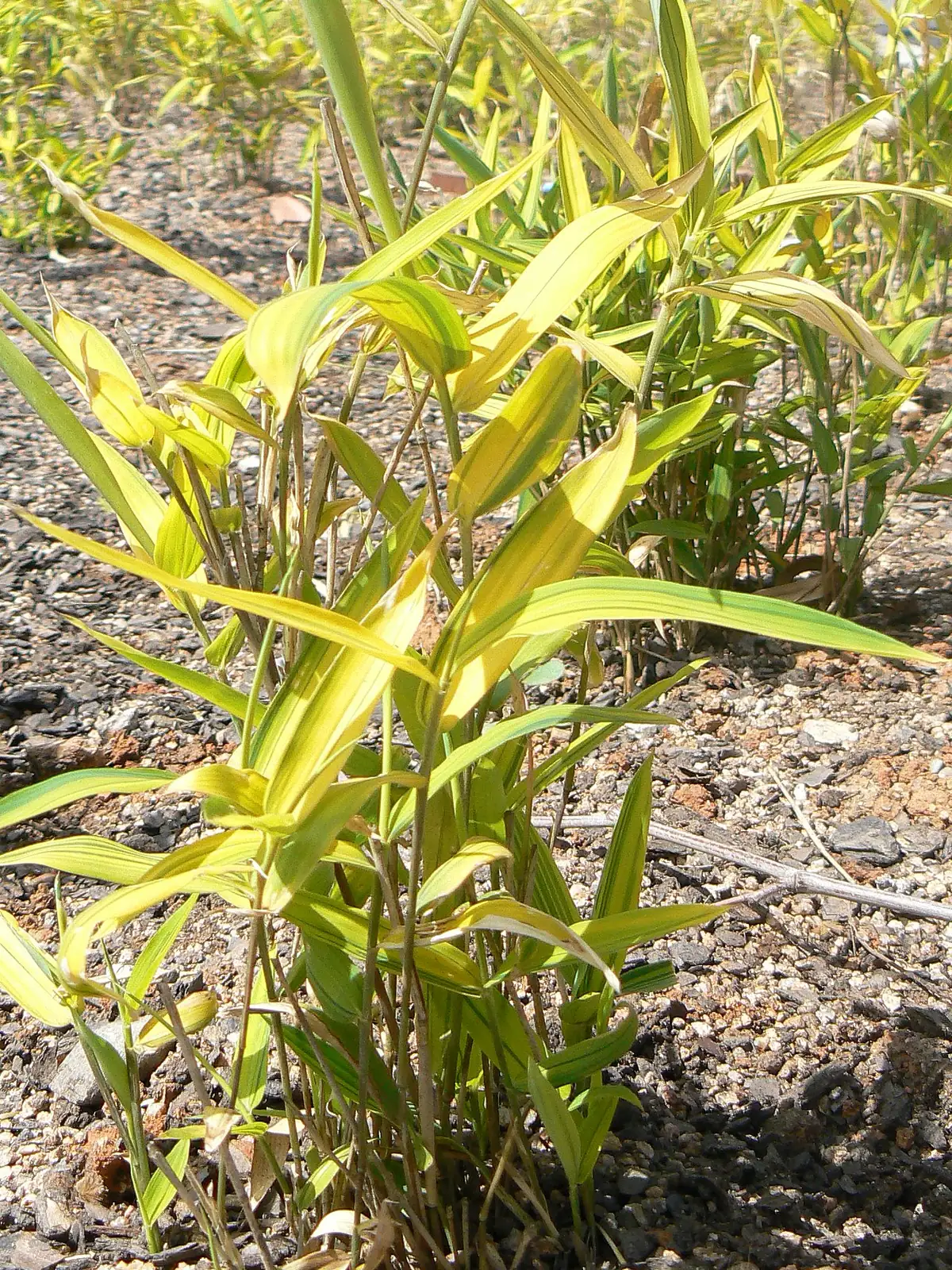
- Size: Typically 30–80 cm (12–31 in) tall; leaves about 10–30 cm (4–12 in) long.
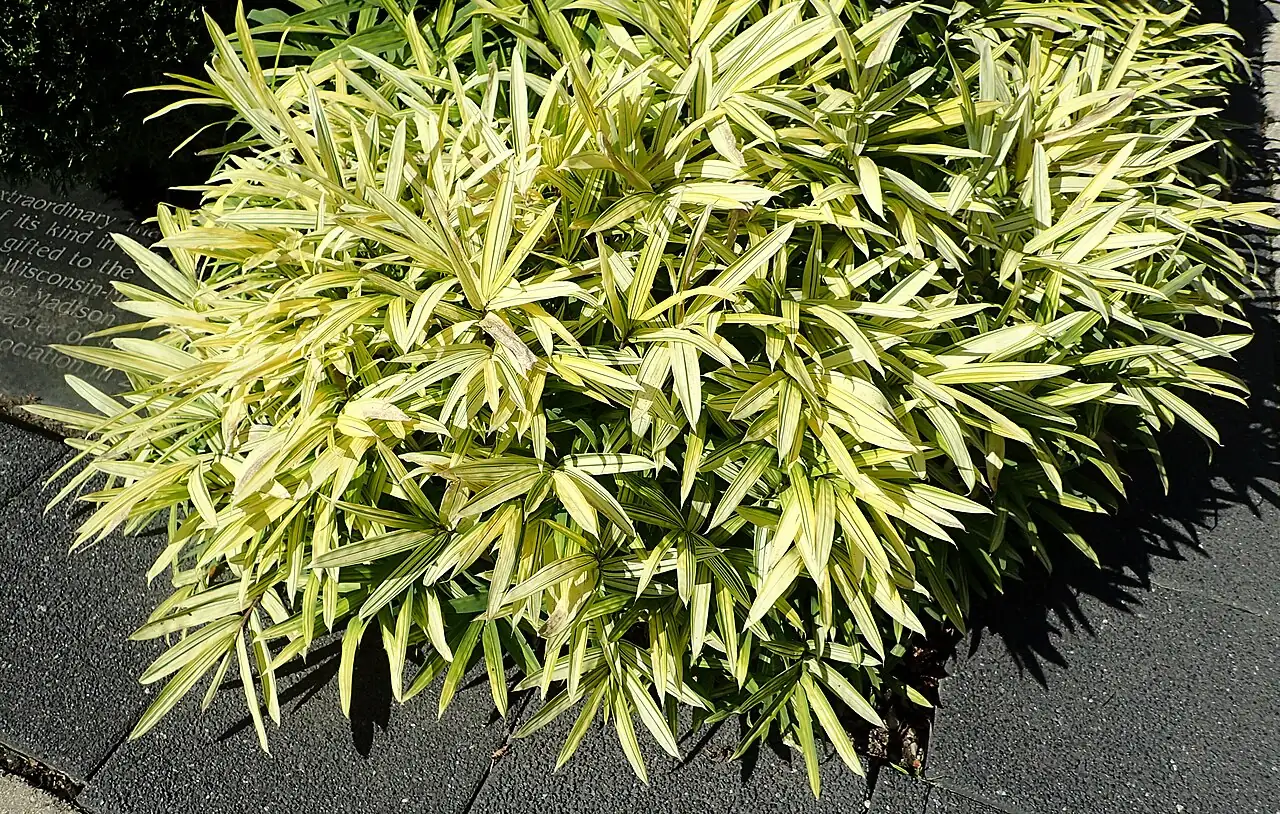
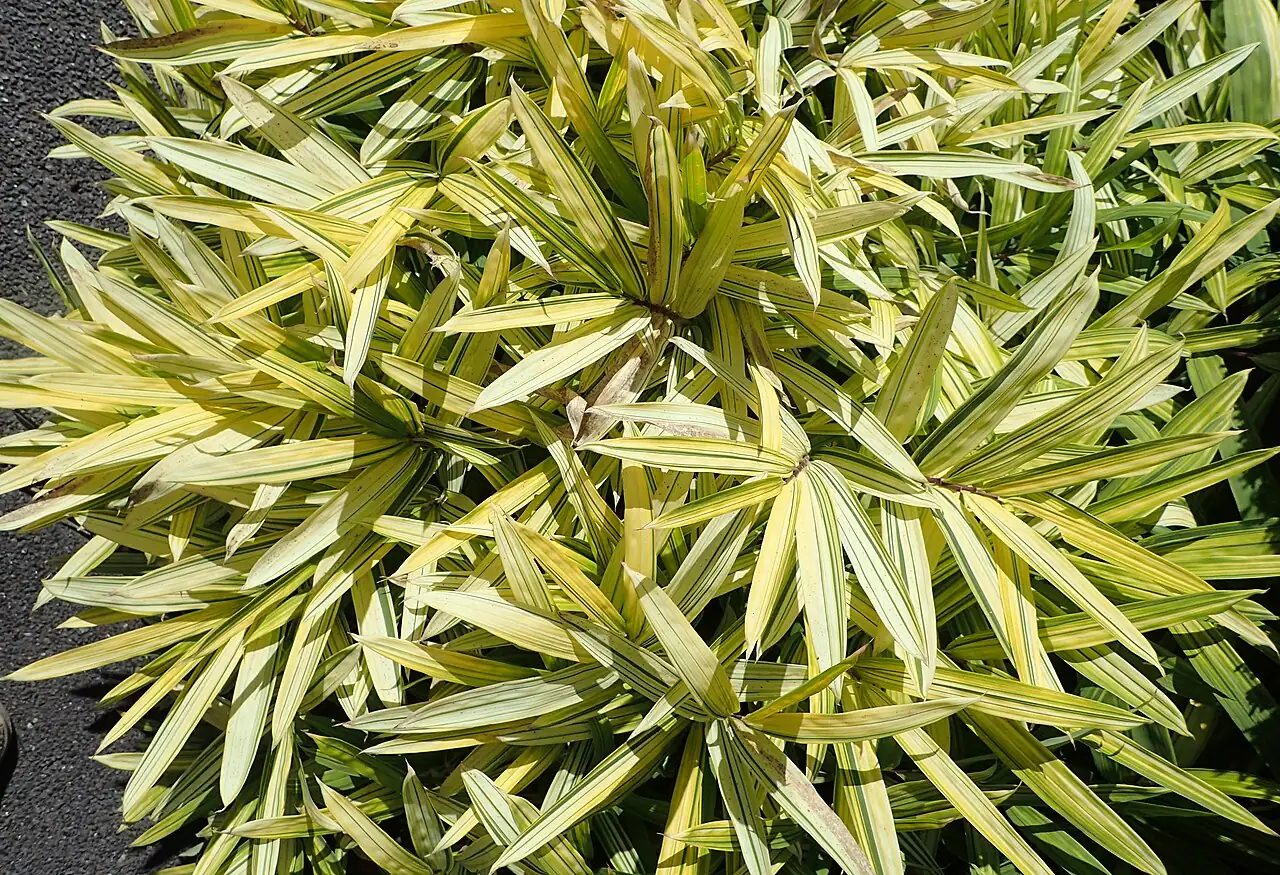
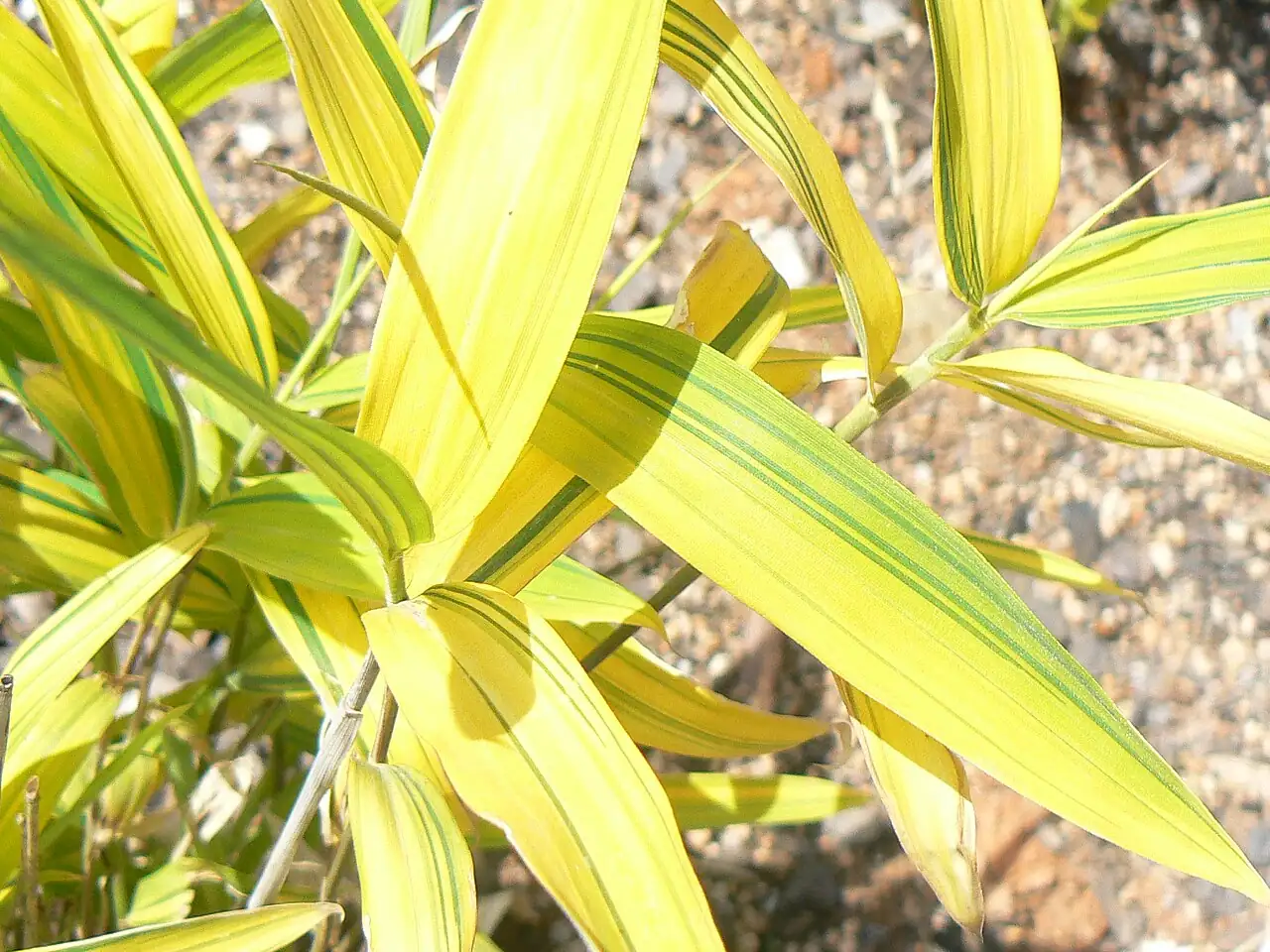
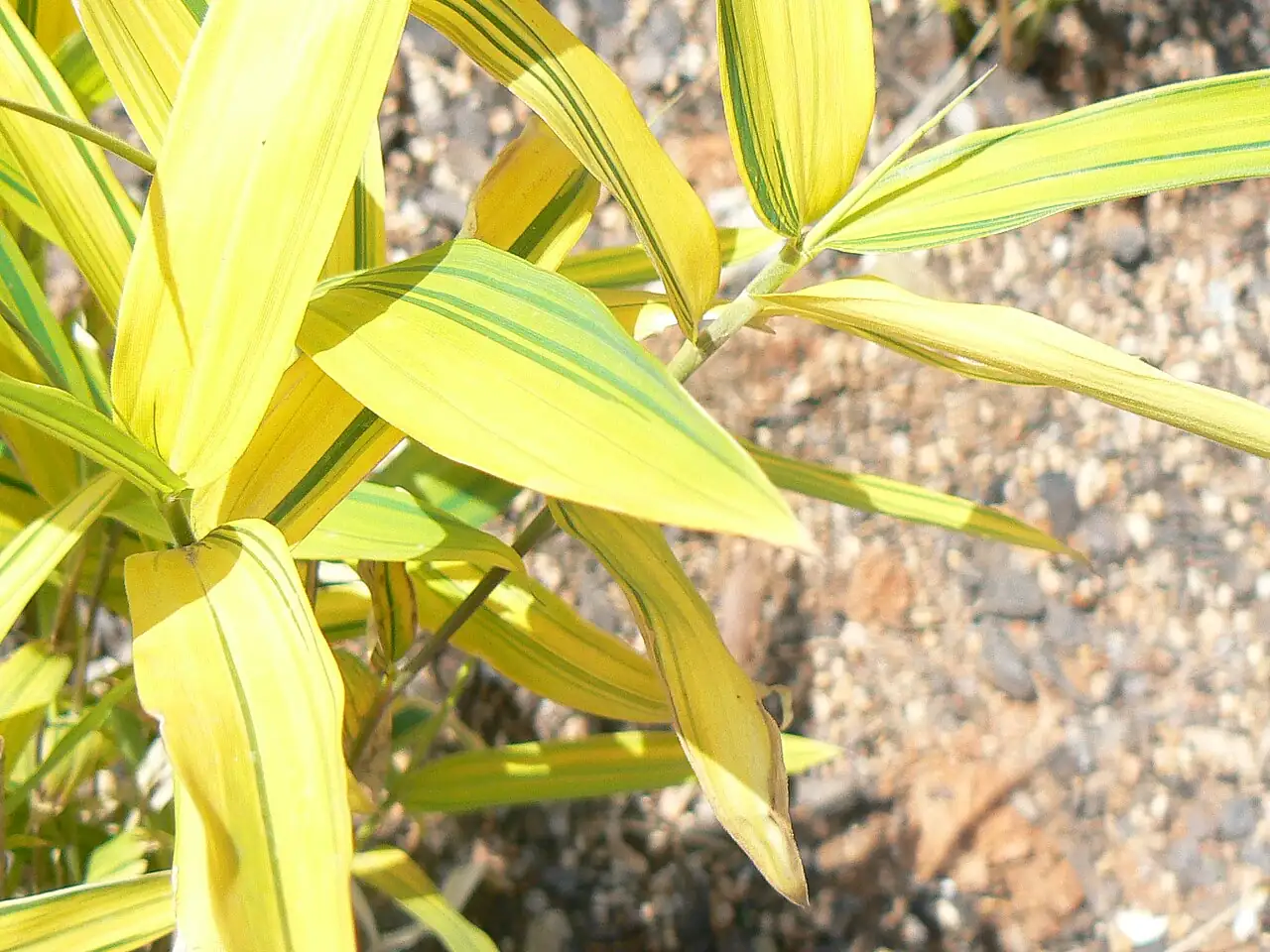
- Foliage: Leaves are relatively large for a dwarf bamboo. New growth is bright yellow with bold, clean green striping; with age, the striping softens and older leaves often become mostly green.
- Flower: Flowers are rarely seen in cultivation. Like many bamboos, flowering is infrequent, unpredictable, and not considered ornamental; heavy flowering can sometimes weaken bamboo stands.
- Flowering Season: Irregular/rare (sporadic bamboo flowering rather than a dependable annual season).
- Growth Habit: Low, rhizomatous, spreading bamboo that forms dense colonies. Shade-tolerant, can take some gentle sun if moisture is steady; suited to warm, humid conditions and can cope with relatively infertile soils.
Environment
Sunlight
Partial shade to dappled light. Tolerates shade well; can handle gentle sun if kept evenly moist (too much hot sun may scorch the yellow portions).
Temperature
Prefers warmth; best growth around 15–30°C (59–86°F). Protect from prolonged hard freezes, especially in containers.
Humidity
Moderate to high humidity is ideal; dry air can encourage spider mites.
Soil
Adaptable, including leaner soils, but happiest in well-drained, moisture-retentive loam enriched with organic matter. Mulch helps keep roots cool and evenly moist.
Placement
Courtyards and gardens as a groundcover, edging, or mass planting—especially in woodland-style plantings and shaded borders. Also suitable for containers if you want to limit spread.
Hardiness
Commonly grown in mild-temperate climates; roughly comparable to USDA Zones 6–9 (about −23 to −1°C / −10 to 30°F), depending on local conditions and winter protection.
Care Guide
Difficulty
Easy. Tough and adaptable, especially in partial shade; looks best with consistent moisture and reasonably warm conditions.
Buying Guide
Pick plants with fresh, strongly striped new leaves and minimal brown tips. Check for active, healthy rhizomes and avoid pots that are severely root-bound or have been allowed to dry out repeatedly.
Watering
Water deeply after planting and keep evenly moist while establishing. After that, water when the top 2–5 cm (1–2 in) of soil starts to dry; increase watering in hot weather, windy sites, or sunnier exposures.
Fertilization
Light feeding in spring: a balanced slow-release fertilizer or a top-dressing of compost. Avoid heavy nitrogen, which can cause overly soft growth and may reduce leaf striping in some conditions.
Pruning
Remove dead, weak, or winter-damaged culms at the base. For a tidy groundcover edge, shear or trim lightly in late winter to early spring before strong new growth begins.
Propagation
Best by division. Split clumps/rhizomes in spring or early autumn, ensuring each division has healthy roots plus several shoots for a quick recovery.
Repotting
For container plants, repot or divide every 1–2 years. Use a sturdy pot and refresh the mix—rhizomes can fill containers quickly.
📅 Seasonal Care Calendar
Spring: clean up, feed, and divide if needed. Summer: keep moisture even; mulch to conserve water. Autumn: plant/divide in mild climates and water until established. Winter: reduce watering in containers and protect roots from severe freezes.
Pests, Diseases & Safety
Common Pests & Diseases
Usually resilient. Watch for aphids, spider mites (especially with dry air), and scale insects. Leaf spot can appear with poor airflow and constantly wet foliage. Improve ventilation, rinse foliage, and use horticultural soap for outbreaks when needed.
Toxicity
Not known to be toxic to people or pets. However, the tough leaves may cause mild mouth irritation if chewed, and swallowing fibrous pieces could pose a minor choking or digestive risk if pets eat large amounts.
Culture & Symbolism
Symbolism: Like many bamboos, it’s associated with resilience, integrity, and graceful flexibility in East Asian garden culture.
History & Legends: Grown mainly as an ornamental variegated bamboo prized for its bright spring color and its ability to knit into an attractive groundcover, rather than for timber or showy flowers.
Uses: Ornamental landscaping—groundcover for shaded beds, woodland gardens, edging paths, and mass planting; also useful in containers or with root barriers where spread needs to be controlled.
FAQ
Why are the leaves turning greener and losing the yellow striping?
It’s normal: the newest leaves show the strongest yellow-and-green pattern, and they often green up as they mature. Deep shade can dull the contrast, while strong sun can scorch the yellow areas—aim for partial shade and steady moisture for the best color.
Will it spread too much?
It can. This bamboo spreads by rhizomes and can form a dense patch over time. Use edging, a root barrier, or grow it in containers if you want to keep it contained.
Fun Facts
- The boldest color show happens on fresh spring growth—bright yellow leaves with crisp green striping.
- Even though it’s a bamboo, it stays pleasantly low (about 30–80 cm / 12–31 in), which is why it works so well as groundcover.
- For a “dwarf” bamboo, the leaves can be surprisingly large—up to around 30 cm (12 in) long.
- In nature it’s linked with shady, moist woodland slopes in southern China.