

Plant Features
- Size: Typically 15–65 cm (6–26 in) tall; forms narrow clumps.
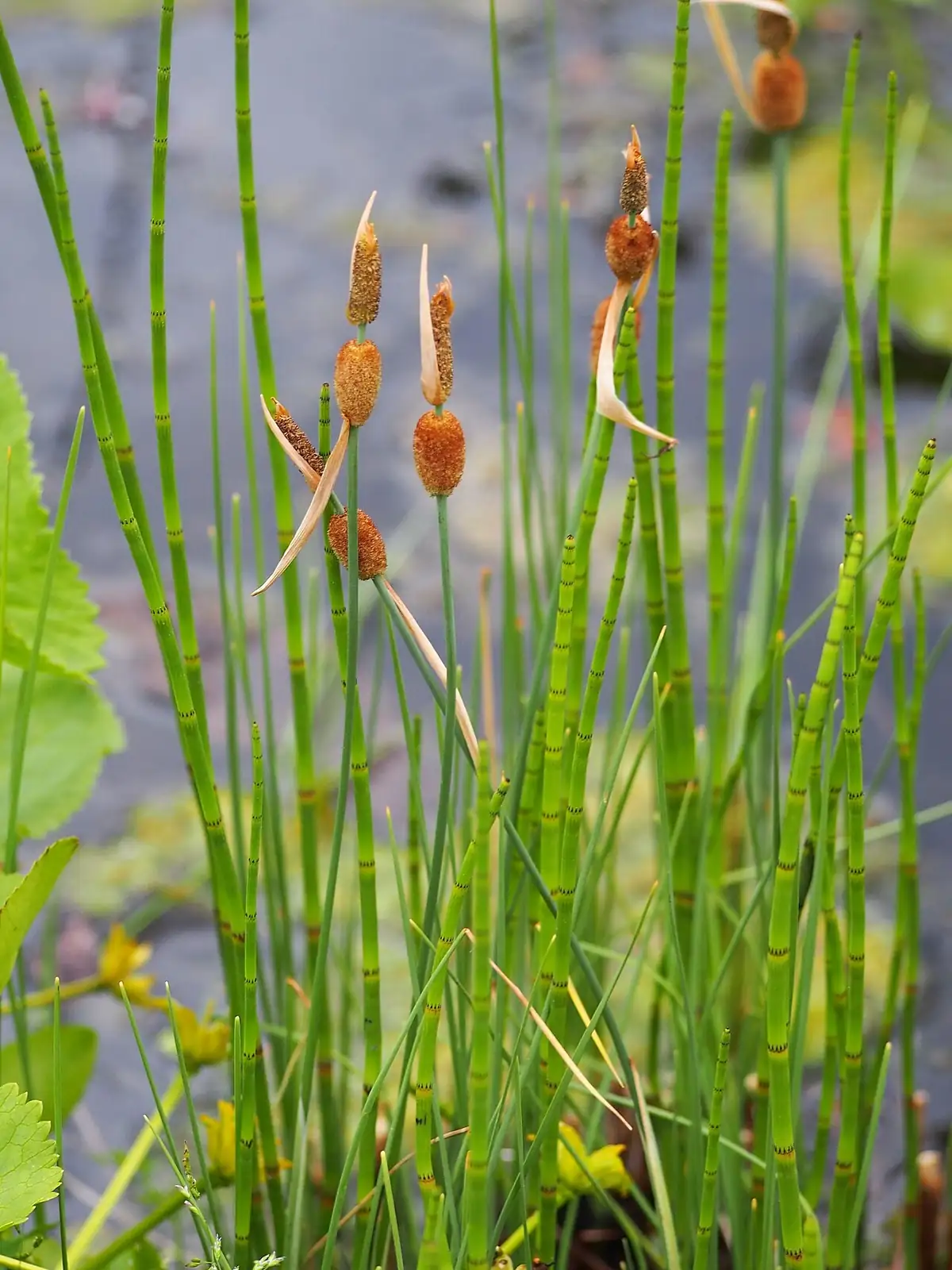
- Foliage: Slender, upright shoots with narrow, grasslike leaves that give a fine-textured, compact look. A leaflike bract is often visible near the base.
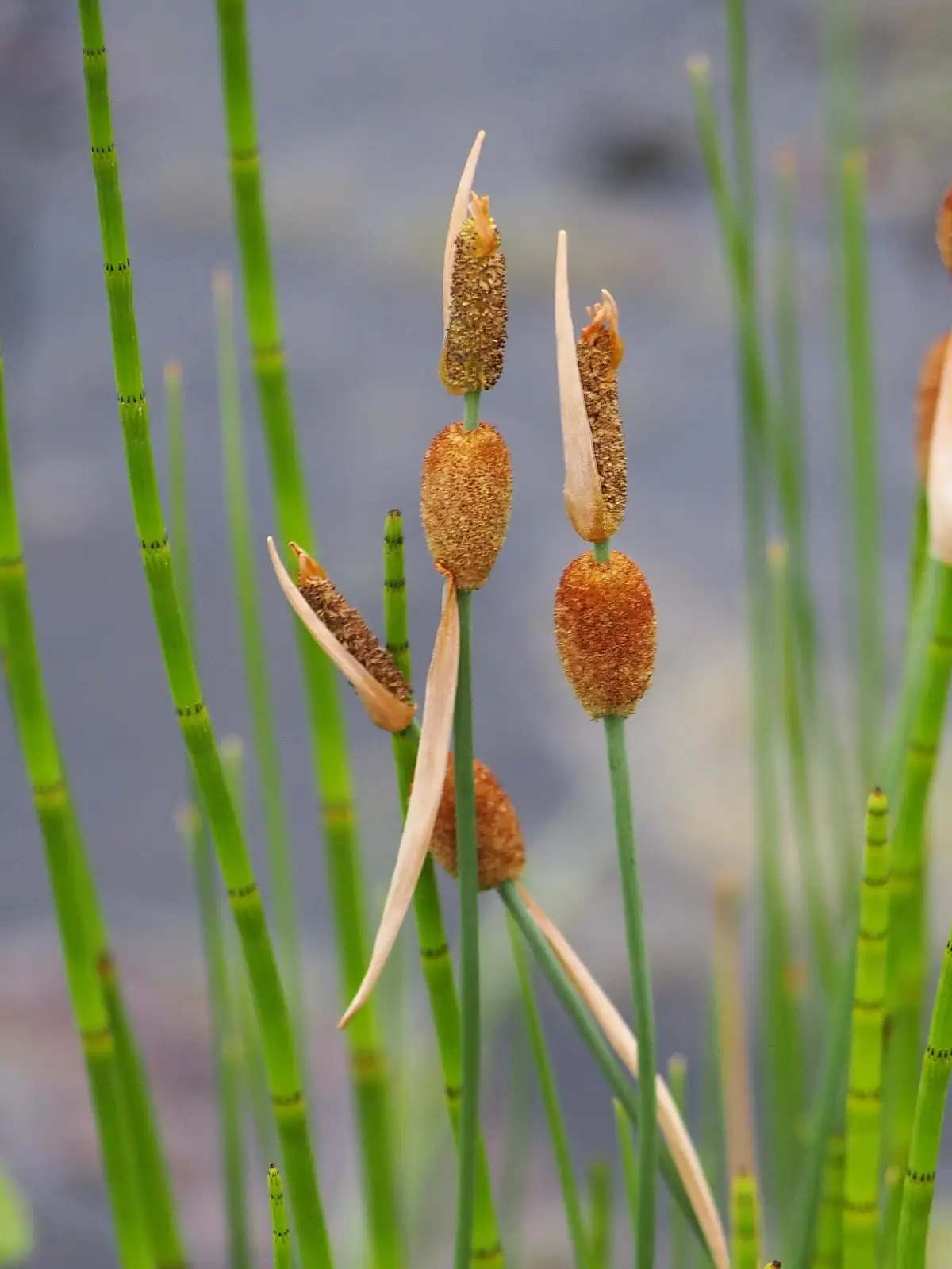
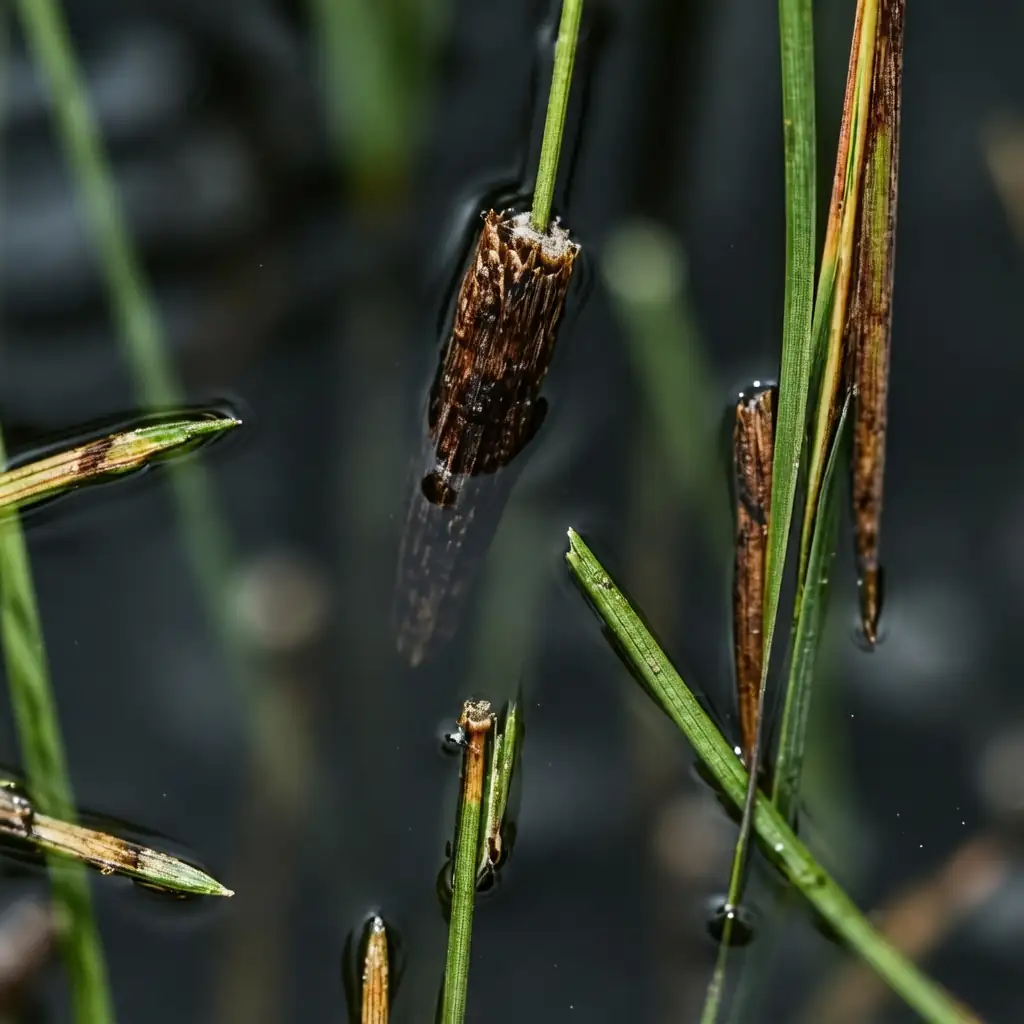
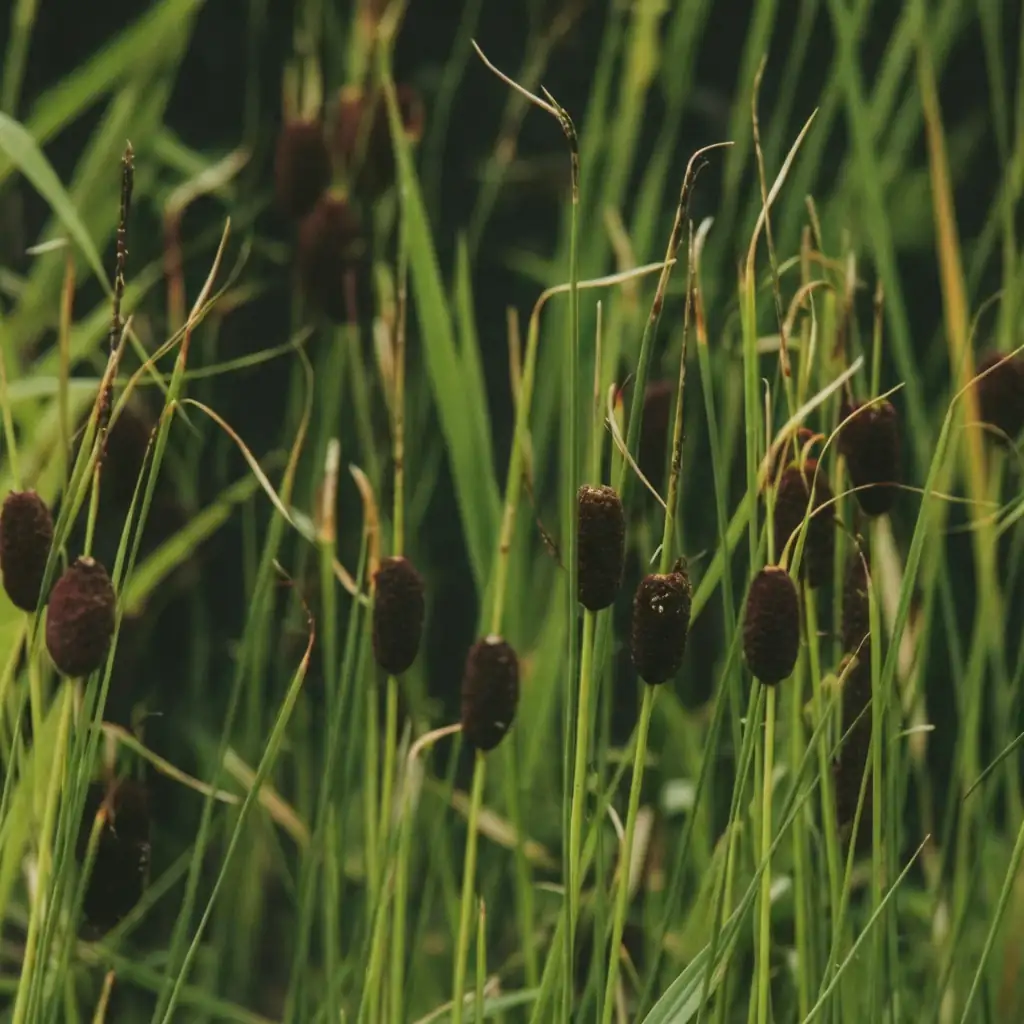
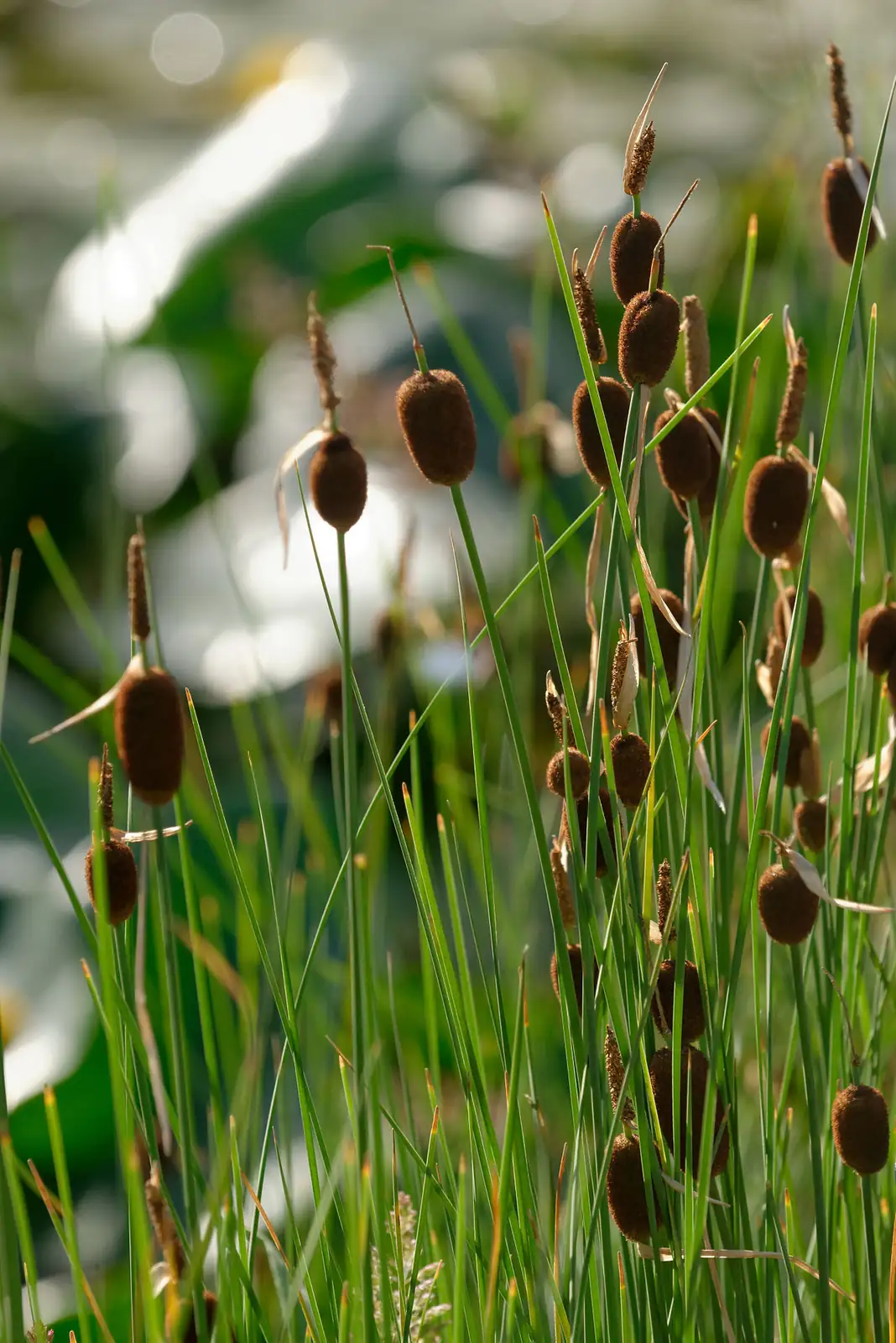
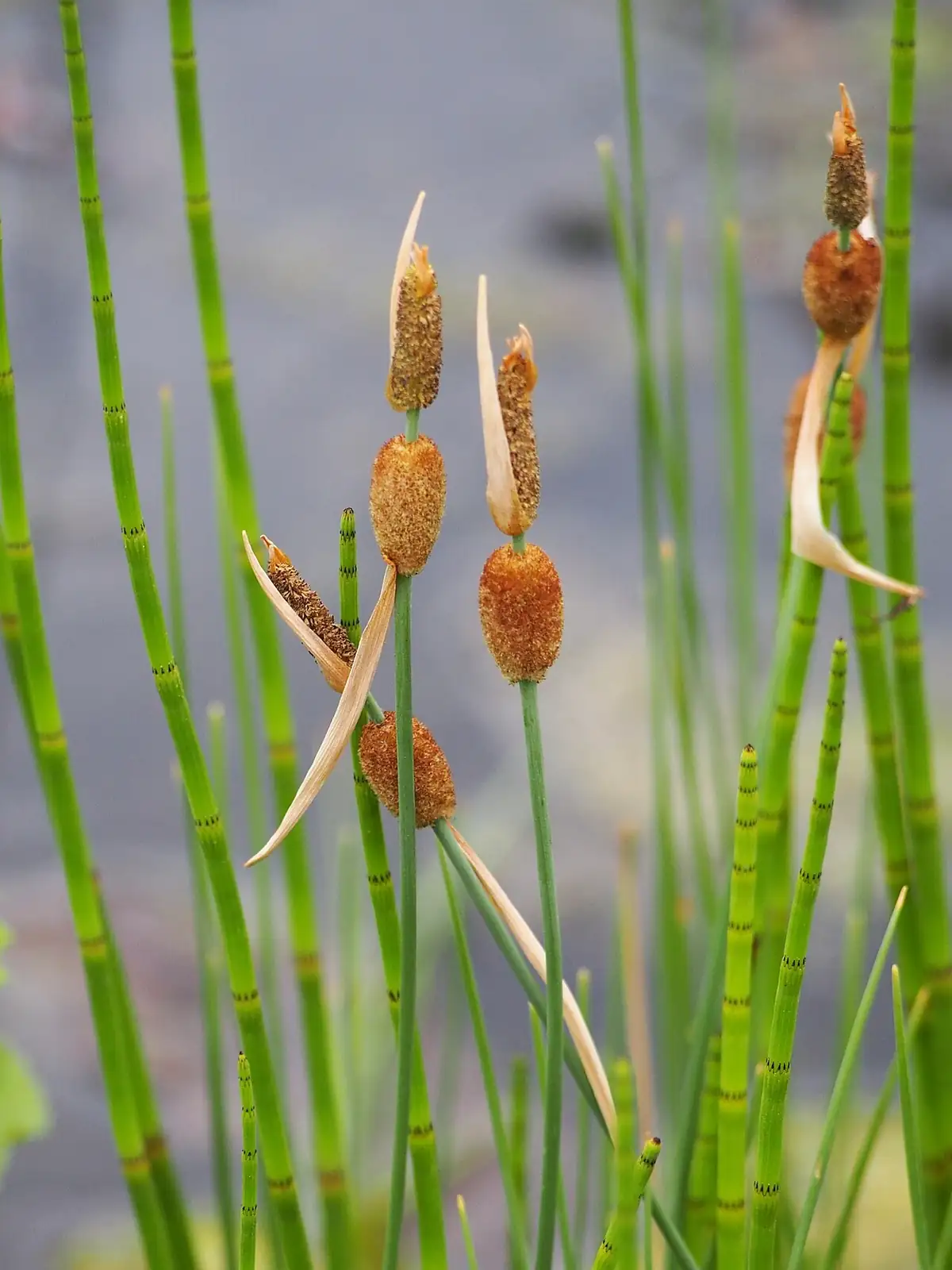
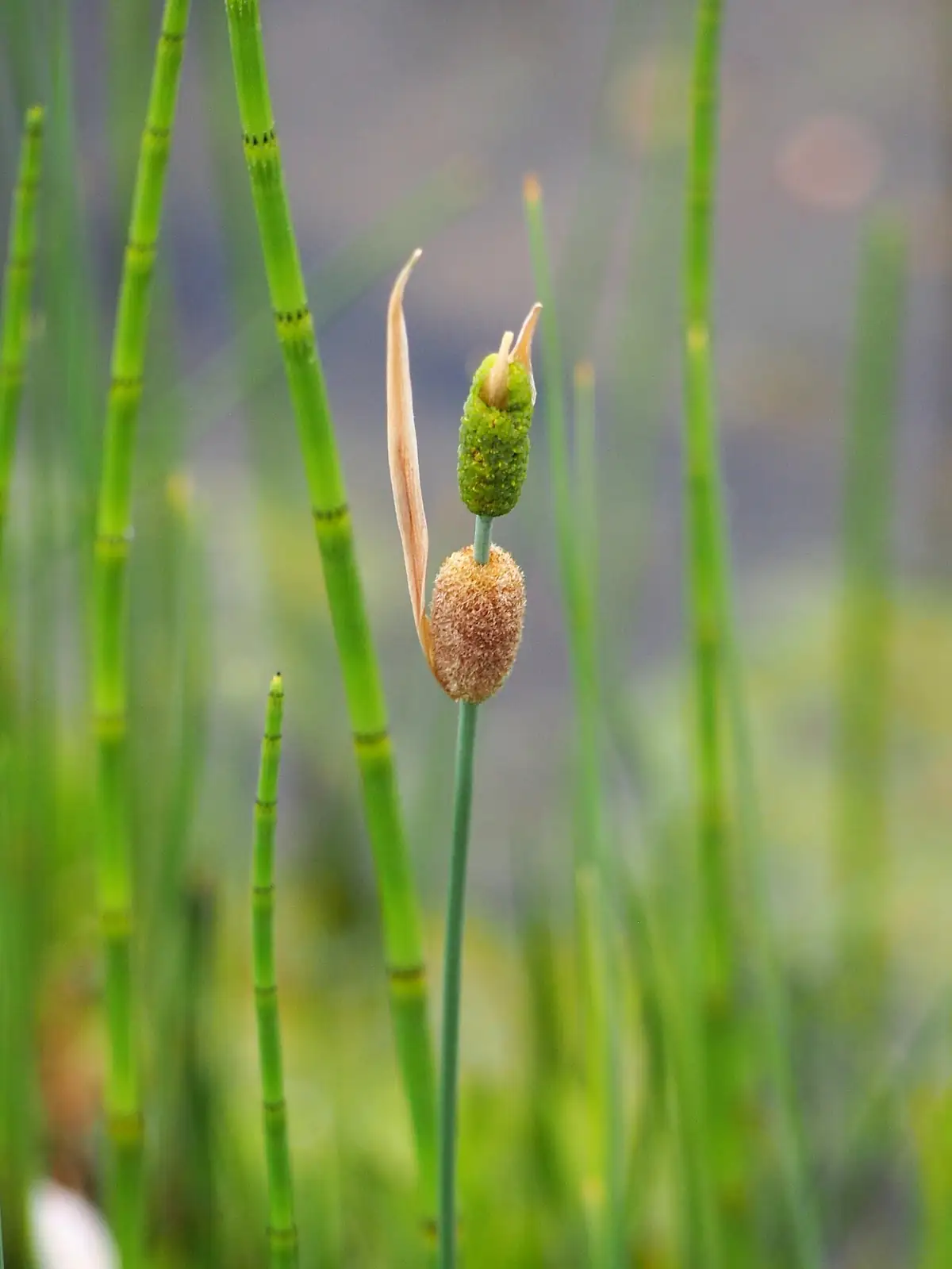
- Flower: Small cattail-like spikes with separate male and female sections: the male (upper) spike is usually longer than the female (lower) spike. The flowering axis is hairless, and a leaflike bract sits at the base of the inflorescence.
- Flowering Season: May–August
- Growth Habit: Perennial, clump-forming emergent aquatic (marsh) plant with slender, upright growth from rhizomes.
Environment
Sunlight
Full sun for best growth and flowering; tolerates light shade.
Temperature
Cold hardy and happiest in cool to temperate climates; roughly suitable for USDA Zones 3–8 (about −40 to −7°C / −40 to 20°F, depending on site conditions and water depth).
Humidity
Prefers consistently wet conditions; naturally grows along pond edges, ditches, and marshy margins.
Soil
Rich, fertile mud or loam that stays wet. In containers, use heavy garden loam in aquatic baskets; avoid very peaty mixes that can float.
Placement
Pond margins and shallow shelves, rain gardens, water features, and naturalistic borders where soil stays saturated.
Hardiness
Hardy when crowns/rhizomes are protected by water or reliably wet soil through winter; avoid letting the planting dry out in freezing weather.
Care Guide
Difficulty
Easy—as long as it never dries out and gets plenty of light.
Buying Guide
Pick vigorous divisions with firm, healthy rhizomes and fresh green shoots. Skip plants with blackened, mushy, or sour-smelling rhizomes (signs of rot) or crowns that look dried out.
Watering
Keep permanently wet. Ideal with the crown in saturated soil or with water sitting about 0–10 cm (0–4 in) above the soil surface. Never allow pots to dry out.
Fertilization
Often unnecessary in nutrient-rich pond mud. For container plants, a light spring top-dressing with a slow-release aquatic fertilizer is plenty—overfeeding can cause weak, overly soft growth.
Pruning
Cut back dead leaves and stems in late winter or early spring before new shoots emerge. Remove spent flower spikes if you want to limit self-seeding.
Propagation
Divide rhizomes in spring (or early autumn in mild climates) and replant immediately into wet soil or shallow water.
Repotting
For container-grown plants, repot or divide every 1–2 years in spring to prevent overcrowding and refresh the substrate.
📅 Seasonal Care Calendar
Spring: clean up old growth; divide/repot. Summer: maintain steady water level and full sun. May–August: flowering and seed set. Autumn–Winter: let foliage die back naturally, then cut back before spring regrowth.
Pests, Diseases & Safety
Common Pests & Diseases
Usually trouble-free. Aphids may appear on tender new growth. Rhizome/crown rot can occur if conditions turn stagnant and oxygen-poor, or if the crown is buried too deeply—especially in warm weather.
Toxicity
Not known to be toxic to people or pets. Avoid eating or using any wild-harvested material from potentially polluted waterways.
Culture & Symbolism
Symbolism: Often linked with wetlands, quiet resilience, and the soothing feeling of still water in naturalistic garden themes.
History & Legends: Bulrushes and cattails have a long tradition in everyday craftwork, especially for weaving and plant-fiber uses. Typha minima stands out as an ornamental, small-scale option that brings that classic marsh character to compact ponds.
Uses: Ornamental for pond edges, shallow shelves, and rain gardens; historically used in some places for weaving and papermaking.
FAQ
Can dwarf bulrush grow fully submerged?
No. It’s an emergent wetland plant: the roots and rhizomes sit in saturated mud or shallow water, while the leaves and flower spikes must grow above the waterline.
How deep should I plant it in a pond?
Keep it shallow—about 0–10 cm (0–4 in) of water over the soil surface, ideally on a pond shelf or in an aquatic basket.
Will it spread aggressively like some cattails?
It can expand slowly by rhizomes, but it’s generally much less pushy than larger Typha species. Growing it in a container and dividing every year or two keeps it tidy.
Fun Facts
- It’s essentially a miniature cattail—great for small ponds where standard cattails would be oversized.
- Its flower spike is split into male (top) and female (bottom) parts, with the male section usually longer.
- In the wild it naturally hugs pond edges and ditches, thriving in shallow water.
- Cattail relatives have been used for generations in weaving and papermaking traditions.
- Flowering and seed development commonly overlap from May to August.


