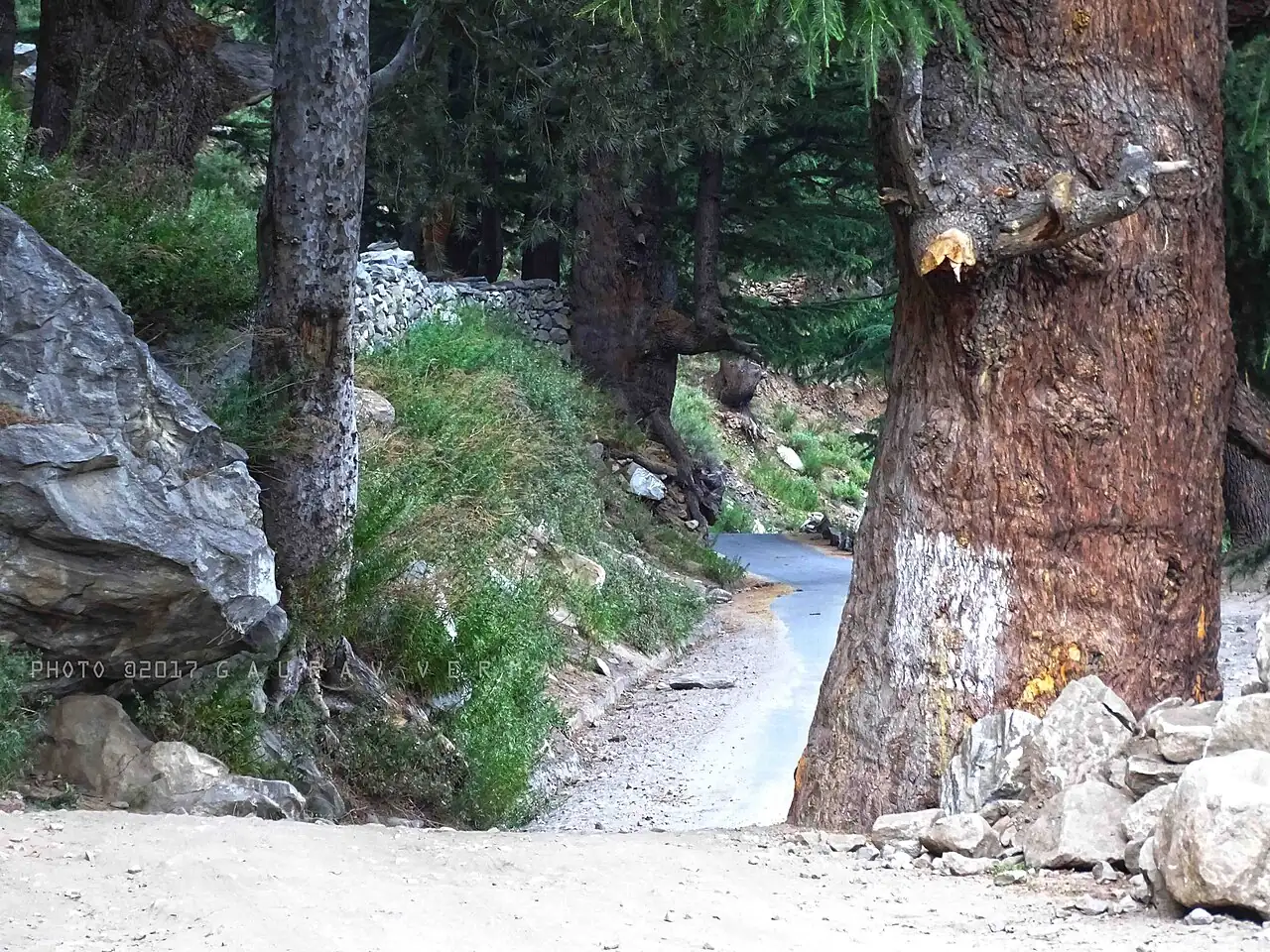
Plant Features
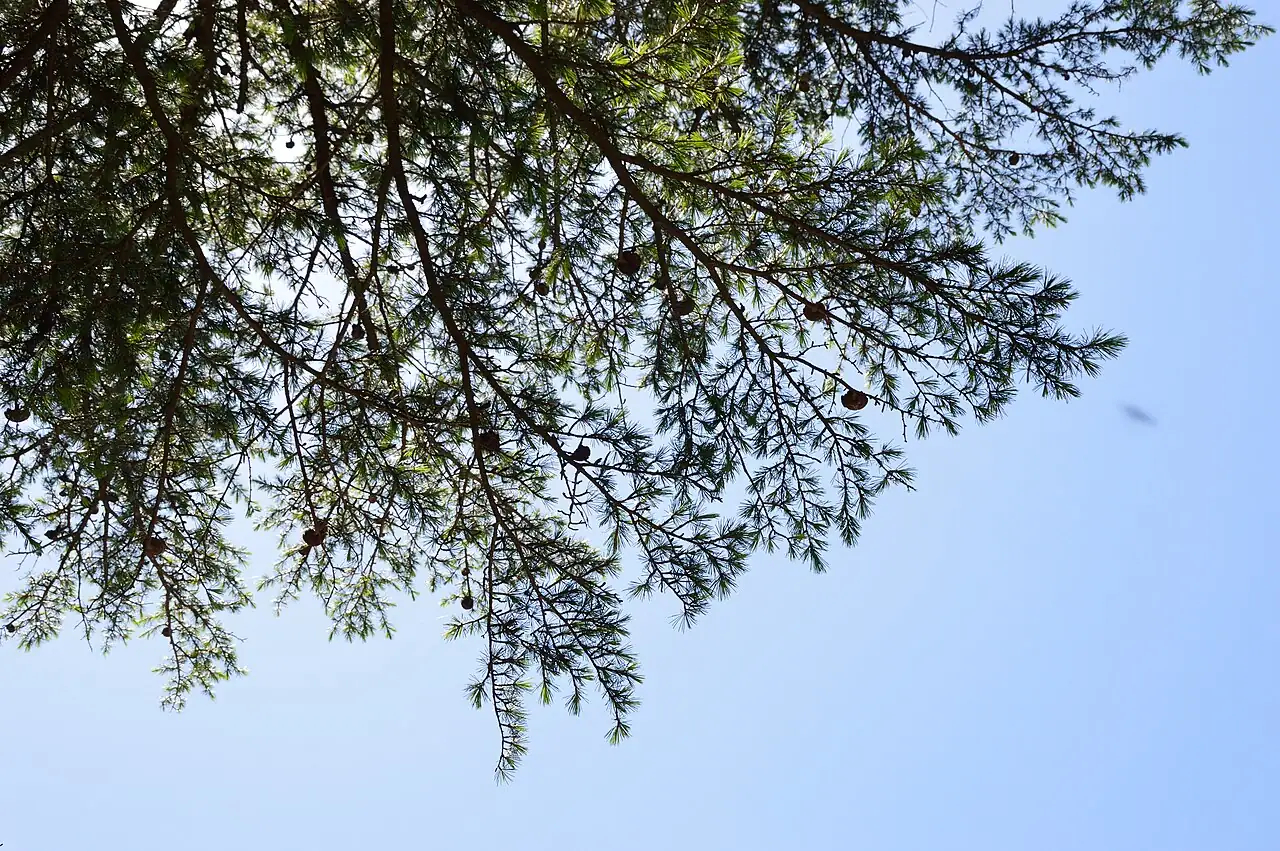
- Size: Typically 15–60 m (49–197 ft) tall, developing a broad conical crown that can become very wide with age.
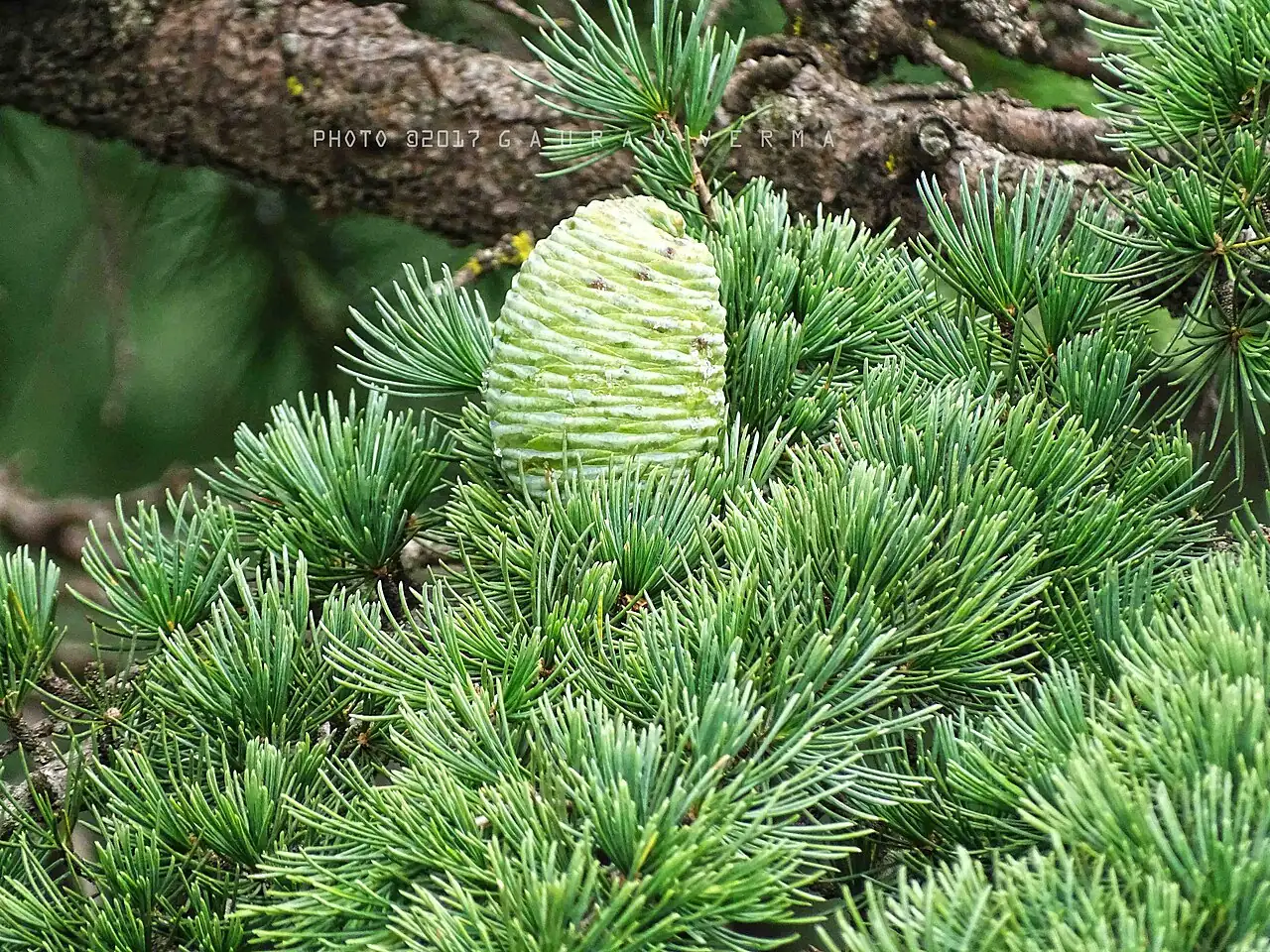
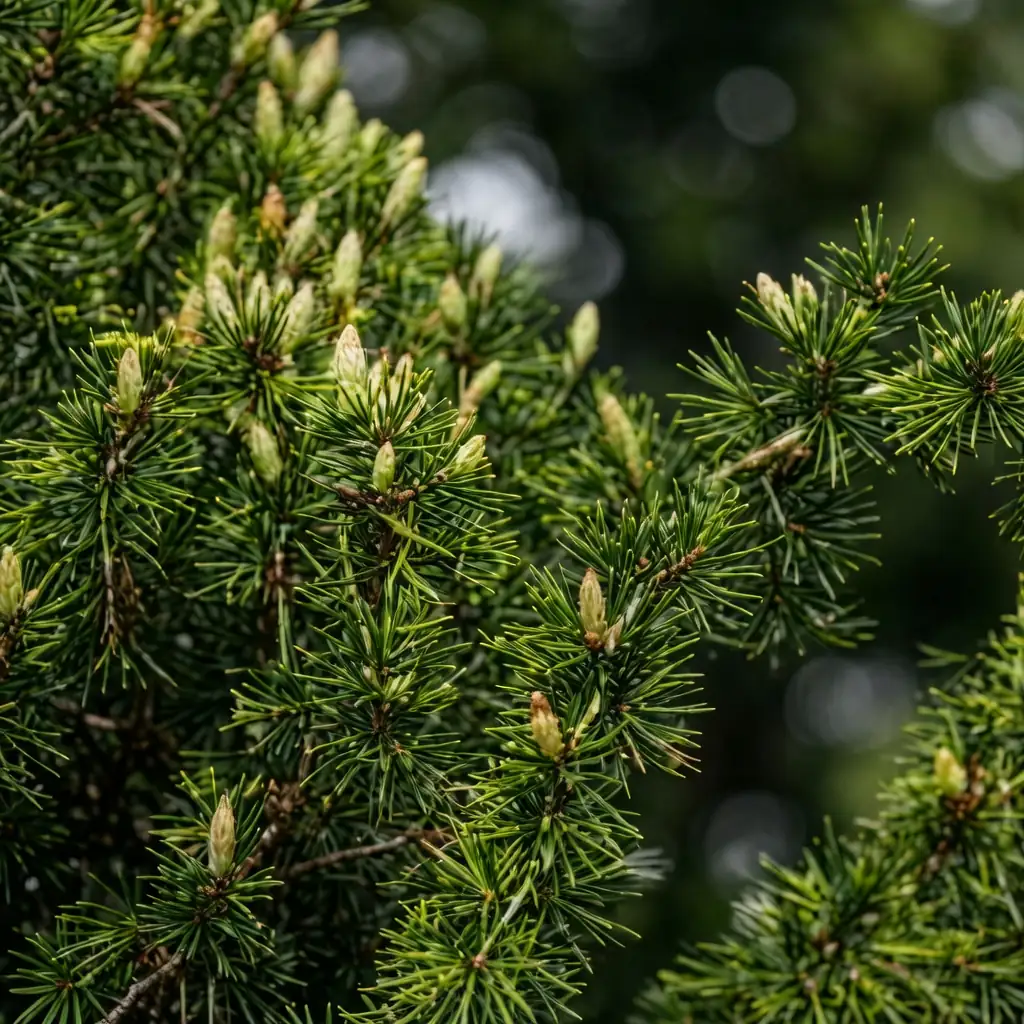
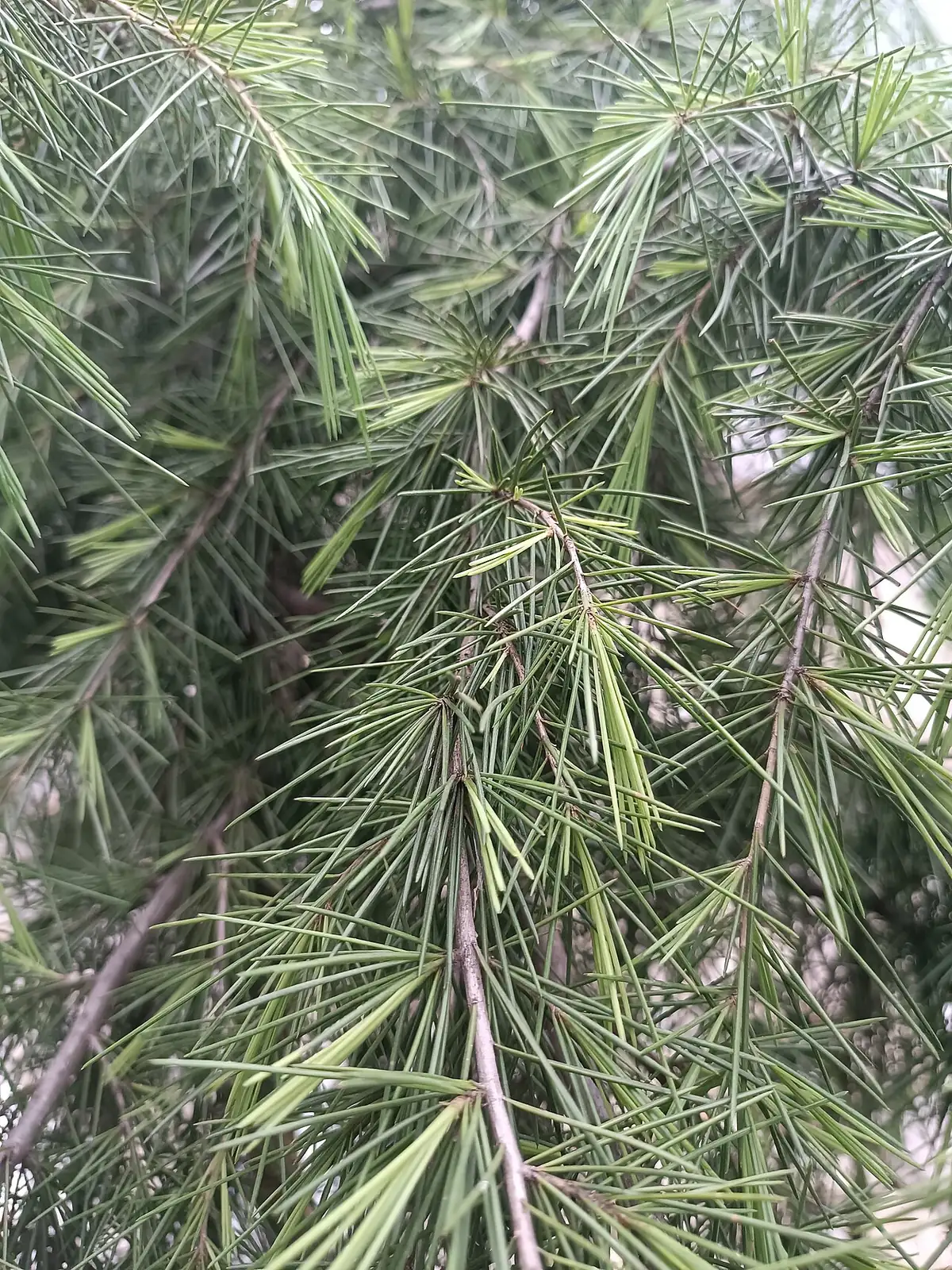
- Foliage: Leaves are stiff, needle-like, and three-angled in cross-section. They are spirally arranged on long shoots and appear in clusters on short shoots, creating a lush, deep-green look. Young foliage can be quite sensitive to sulfur dioxide (SO2) pollution, sometimes yellowing quickly and shedding needles in polluted air.
- Flower: Instead of showy flowers, it produces upright, oval to egg-shaped cones. When mature, the cones usually break apart on the tree to release winged seeds rather than dropping whole like many pine cones.
- Flowering Season: Autumn, typically October–November (Oct–Nov).
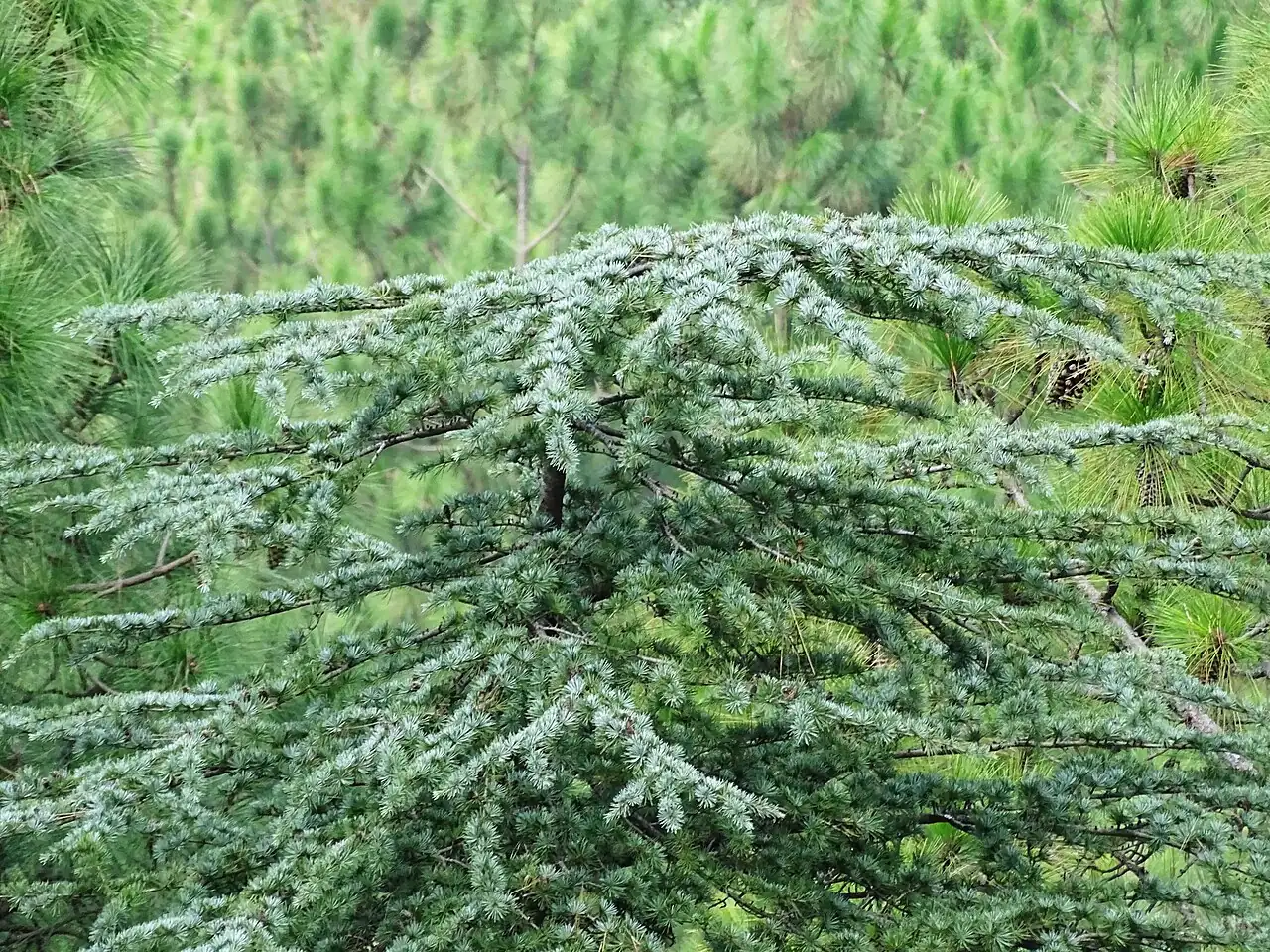
- Growth Habit: An evergreen, conical-crowned tree with strong horizontal branches arranged in irregular tiers; finer branchlets often droop slightly. It tends to be shallow-rooted, so it may be less wind-firm than deep-rooted trees, and it looks and performs best in deep, well-drained soil. Sun-loving, but it can tolerate light/partial shade.
Environment
Sunlight
Full sun for best density and form; tolerates light/partial shade.
Temperature
Prefers cool to mild climates. Once established it is fairly cold-hardy; a commonly cited growing tolerance is roughly -20 to 30°C (-4 to 86°F), depending on plant origin (provenance) and site conditions.
Humidity
Best with moderate humidity and good air circulation. Avoid stagnant, heavily polluted air—especially where sulfur dioxide is present.
Soil
Deep, fertile, well-drained soil (loam or sandy loam) is ideal. Avoid waterlogged ground; it tolerates a range of pH if drainage is good.
Placement
Give it space: ideal as a focal specimen on lawns, at park entrances, plazas, and building forecourts or along prominent approaches. Plant away from structures and overhead lines due to its eventual height and spread; consider shelter from strong winds while young.
Hardiness
USDA Zone 7–9 (approx. -17 to -1°C / 1 to 30°F winter minimums), varying with local conditions; generally frost tolerant but not for extreme continental cold.
Care Guide
Difficulty
Moderate outdoors: usually easy after establishment in the right site, but it dislikes poor drainage, can struggle in strong winds due to shallow roots, and may decline in polluted urban air (especially SO2).
Buying Guide
Pick a vigorous young tree with evenly green needles, no dieback, and a well-developed, non-circling root system. Avoid plants with yellowing tips, sparse foliage, or severely pot-bound roots. For windy sites, choose stock with a strong central leader and plan to stake during establishment.
Watering
After planting, water deeply and keep the soil evenly moist (never soggy) for the first 1–2 growing seasons. Once established, water during prolonged drought. Let the top few centimeters of soil dry slightly between waterings; chronic waterlogging can trigger root stress and decline.
Fertilization
Usually needs little feeding in the landscape. If growth is weak, apply a balanced slow-release fertilizer in spring. Avoid heavy nitrogen late in the season to reduce tender growth before winter.
Pruning
Minimal pruning is best. In late winter to early spring, remove dead, damaged, or crossing branches. Keep the central leader intact and avoid hard pruning, which can ruin its natural layered form.
Propagation
Mainly by seed: collect mature seed from cones and sow (cold stratification can improve germination). Named ornamental selections are commonly propagated by grafting in nurseries.
Repotting
Not suited to long-term container culture. If purchased container-grown and still young, pot up only one size at a time using a free-draining mix, then plant in the ground as soon as practical to prevent circling roots.
📅 Seasonal Care Calendar
Spring: plant, mulch, water regularly; optional light feeding. Summer: deep water during drought; watch for heat/pollution stress. Autumn: stop heavy feeding and keep soil evenly moist heading into winter. Winter: protect young trees from severe wind exposure; prune only if truly necessary during dormancy.
Pests, Diseases & Safety
Common Pests & Diseases
A key issue is sensitivity to sulfur dioxide (SO2) air pollution, which can cause rapid needle yellowing and drop and may lead to serious decline. Poor drainage can contribute to root stress and failure. Because it is shallow-rooted, windthrow risk can increase in exposed sites—especially in wet soils. Keep plants vigorous with proper siting, drainage, and deep watering during drought.
Toxicity
Generally not considered toxic to people or pets. However, resin/sap and sharp needles may cause mild irritation for sensitive individuals; discourage pets from chewing foliage.
Culture & Symbolism
Symbolism: Often linked with strength, dignity, endurance, and steadfastness—fitting for such a tall, evergreen presence.
History & Legends: Originating in the western Himalayas, deodar cedar has long been valued in temple grounds and historic landscapes. It later became a globally popular ornamental conifer and has been cultivated in China since the early 20th century.
Uses: Primarily an ornamental landscape tree. It’s especially prized as a single “centerpiece” specimen on lawns or in civic spaces, where its pagoda-like branching and winter beauty (snow resting on deep green needles) can be fully appreciated.
FAQ
Why are the needles turning yellow and dropping?
The most common triggers are air pollution (especially sulfur dioxide), drought stress, or poor drainage causing root problems. Improve drainage, water deeply during dry spells, and avoid heavily polluted locations with stagnant air.
Can deodar cedar handle shade?
It prefers full sun for the fullest, densest crown, but it can tolerate light/partial shade. Deep shade usually causes thinning and weaker growth.
Do the cones fall like pine cones?
Usually not. The cones stand upright and tend to break apart on the branches when mature, releasing winged seeds rather than dropping intact.
Fun Facts
- Its cones stand upright on the branches and often disintegrate at maturity to release winged seeds.
- Young foliage can be very sensitive to sulfur dioxide (SO2), so it’s not ideal for heavily polluted sites.
- The layered branching can look especially dramatic when dusted with snow.
- Although called “cedar,” it’s a true cedar in the genus Cedrus (not a juniper or cypress often sold as “cedar”).
- Introduced to China around 1920, it became a widely planted ornamental tree in many cities—especially across the Yangtze River basin.