Plant Features
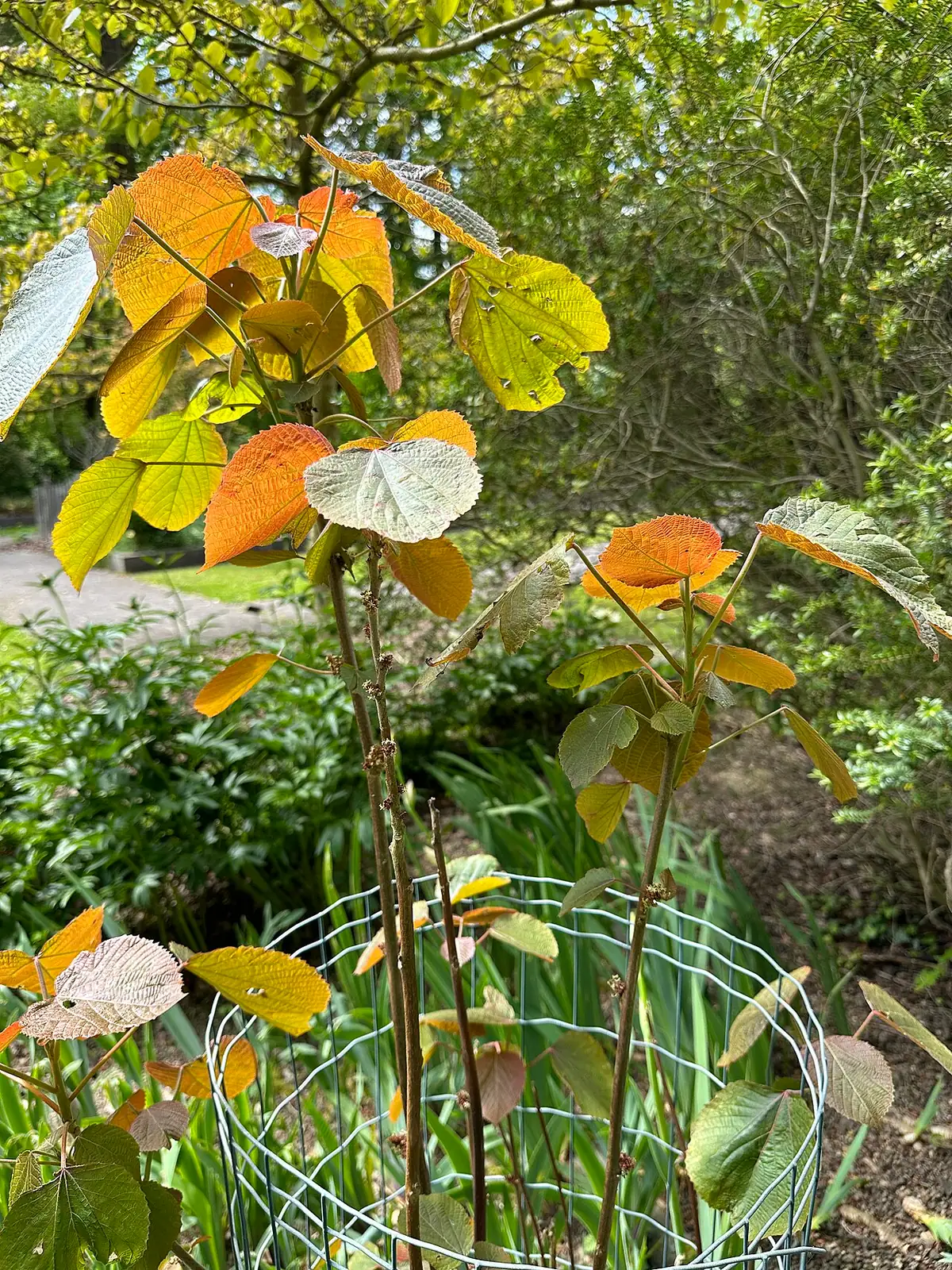
- Size:1–5 m (3.3–16.4 ft) tall, typically forming a clump of upright stems
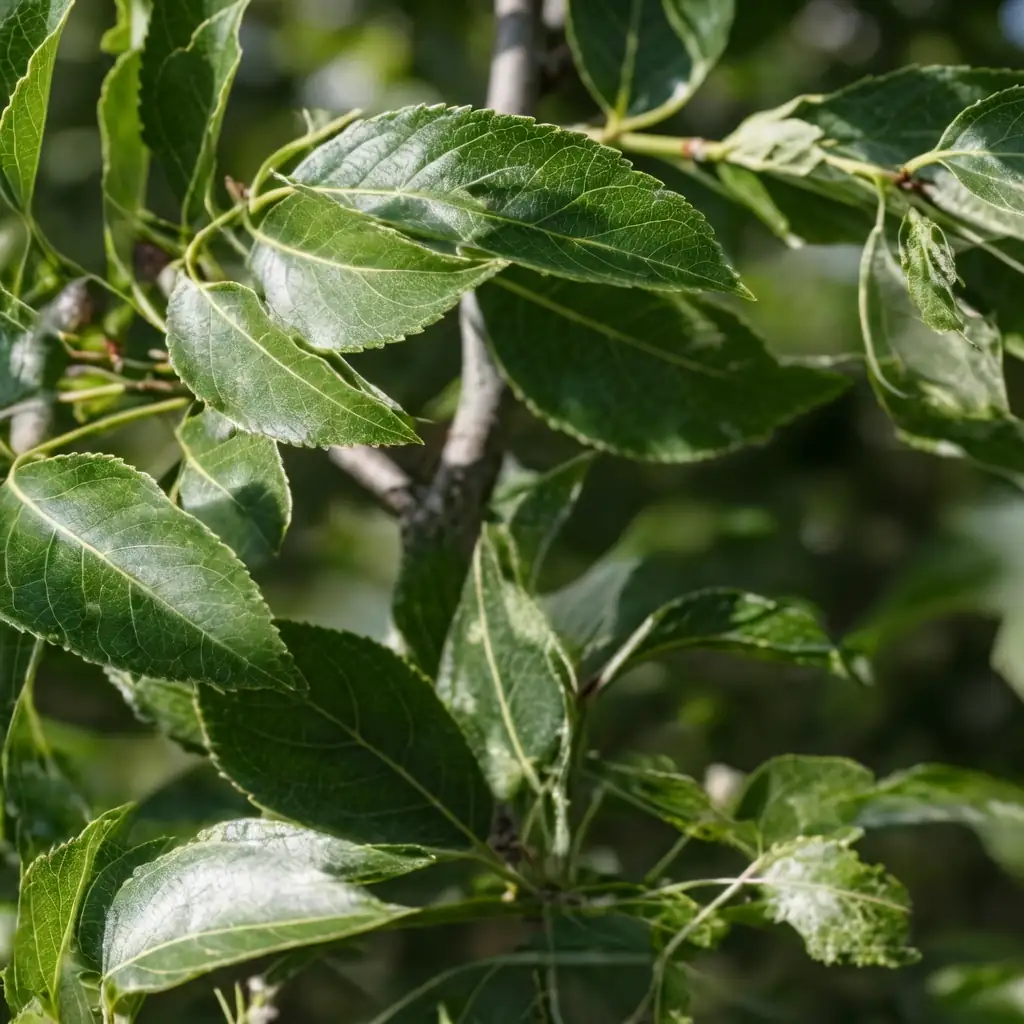
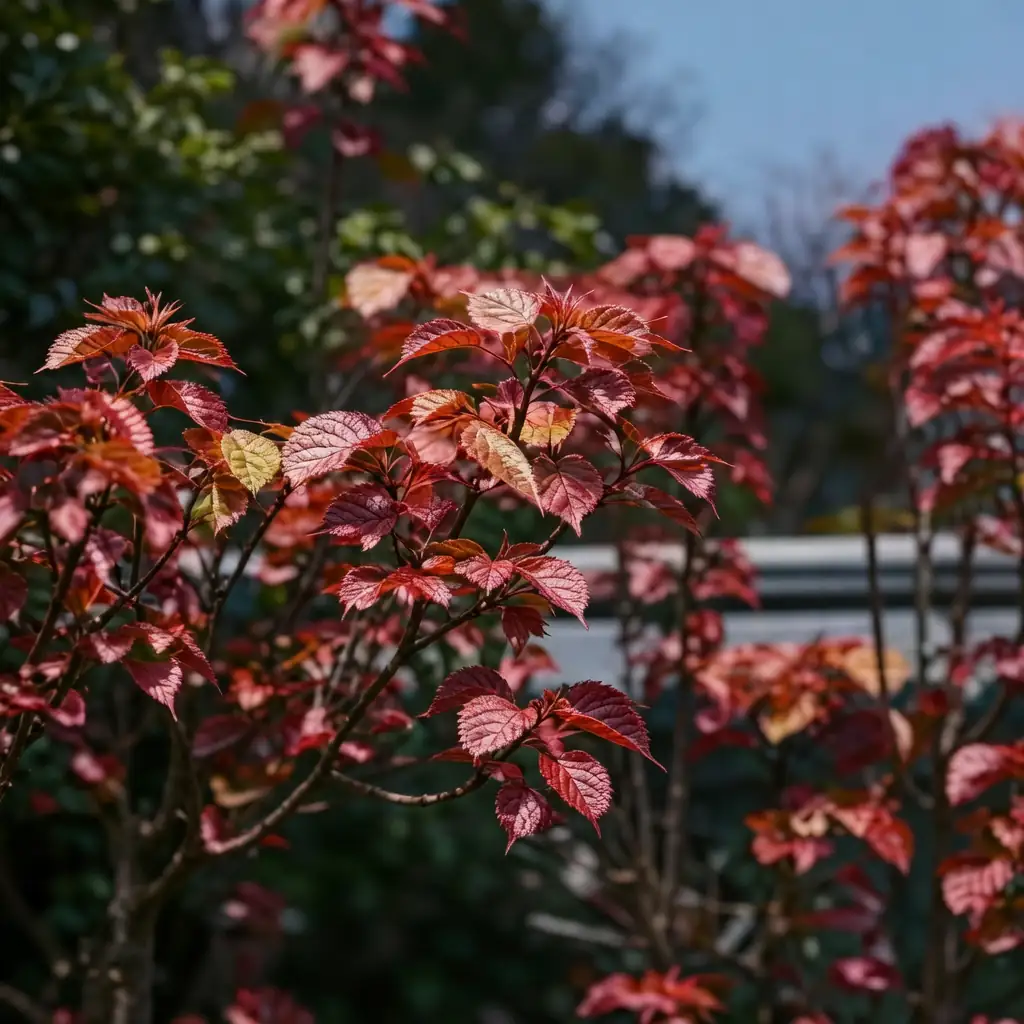
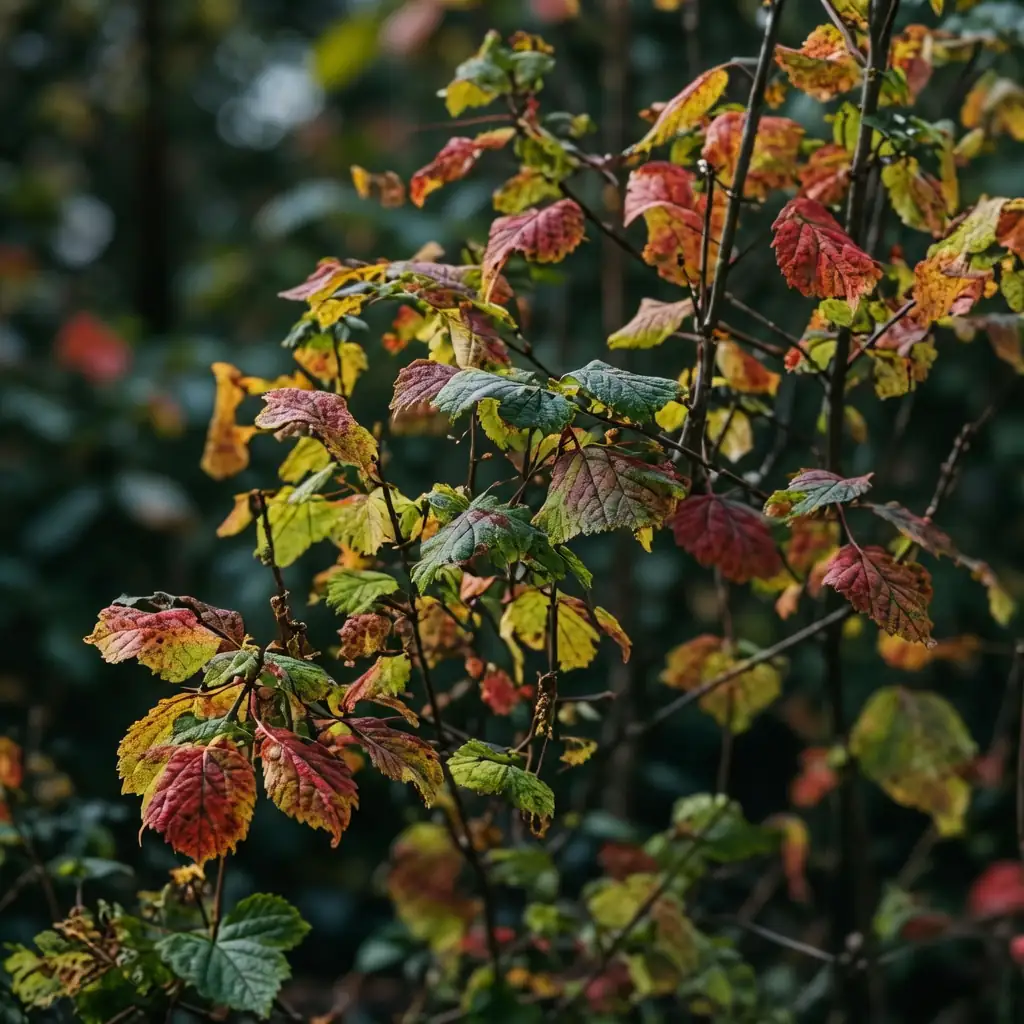
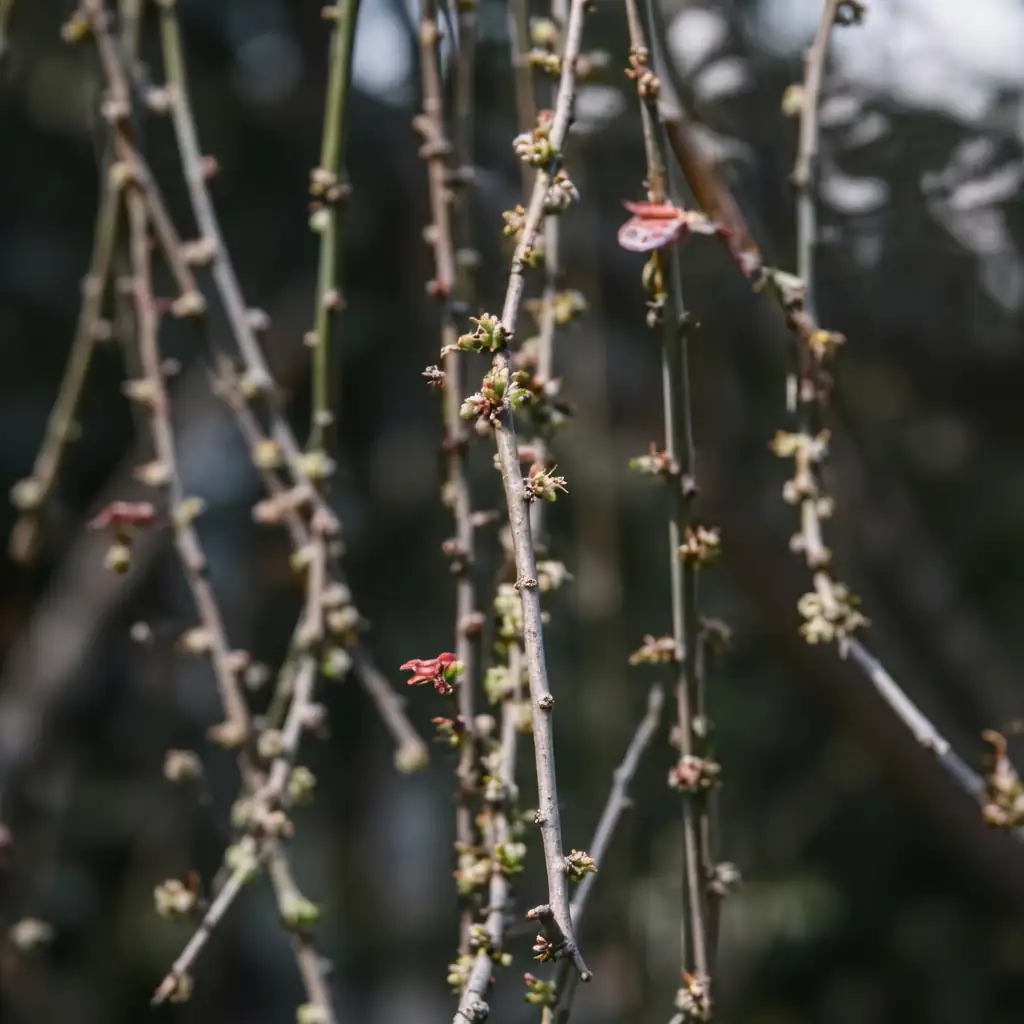
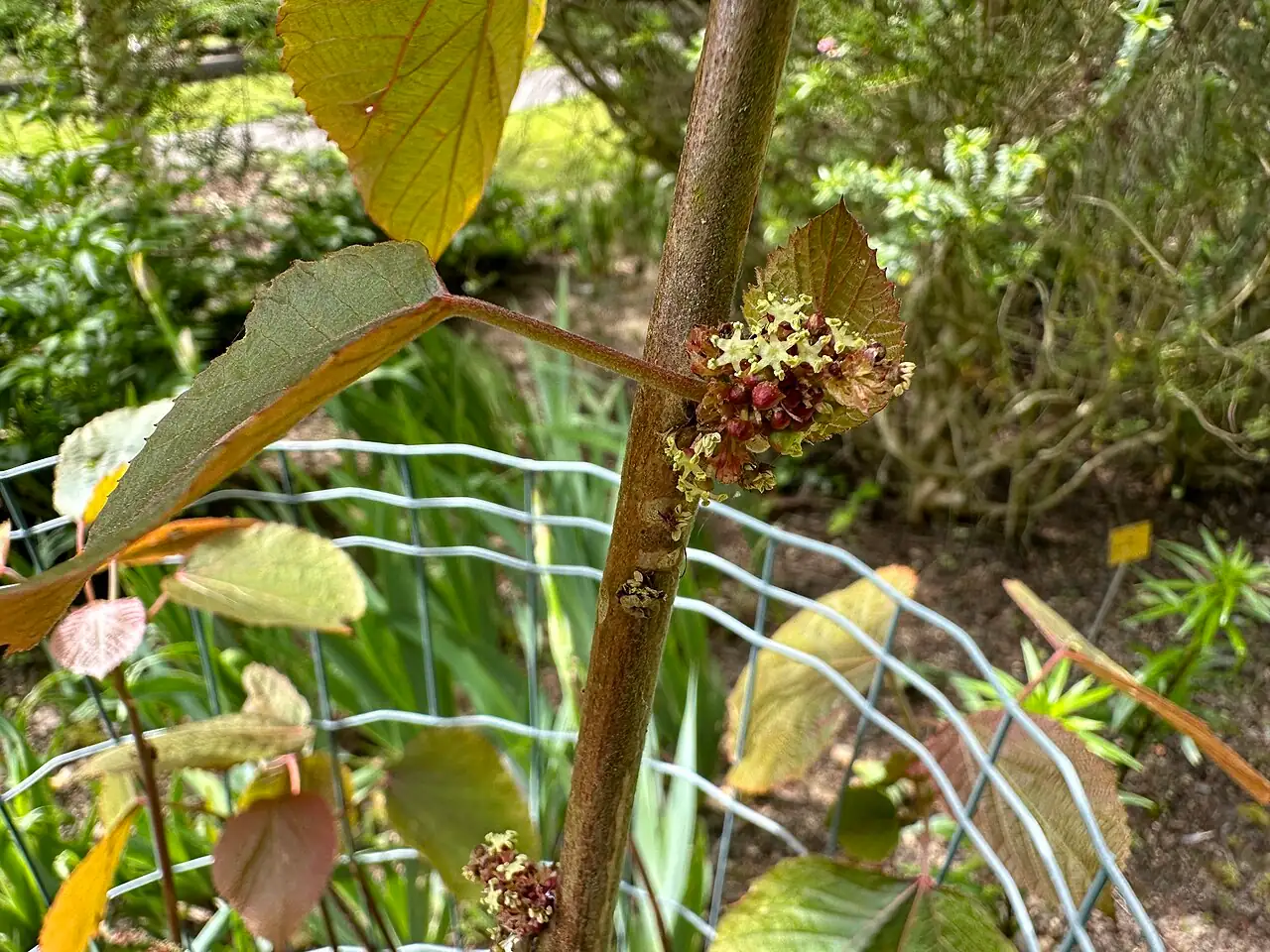
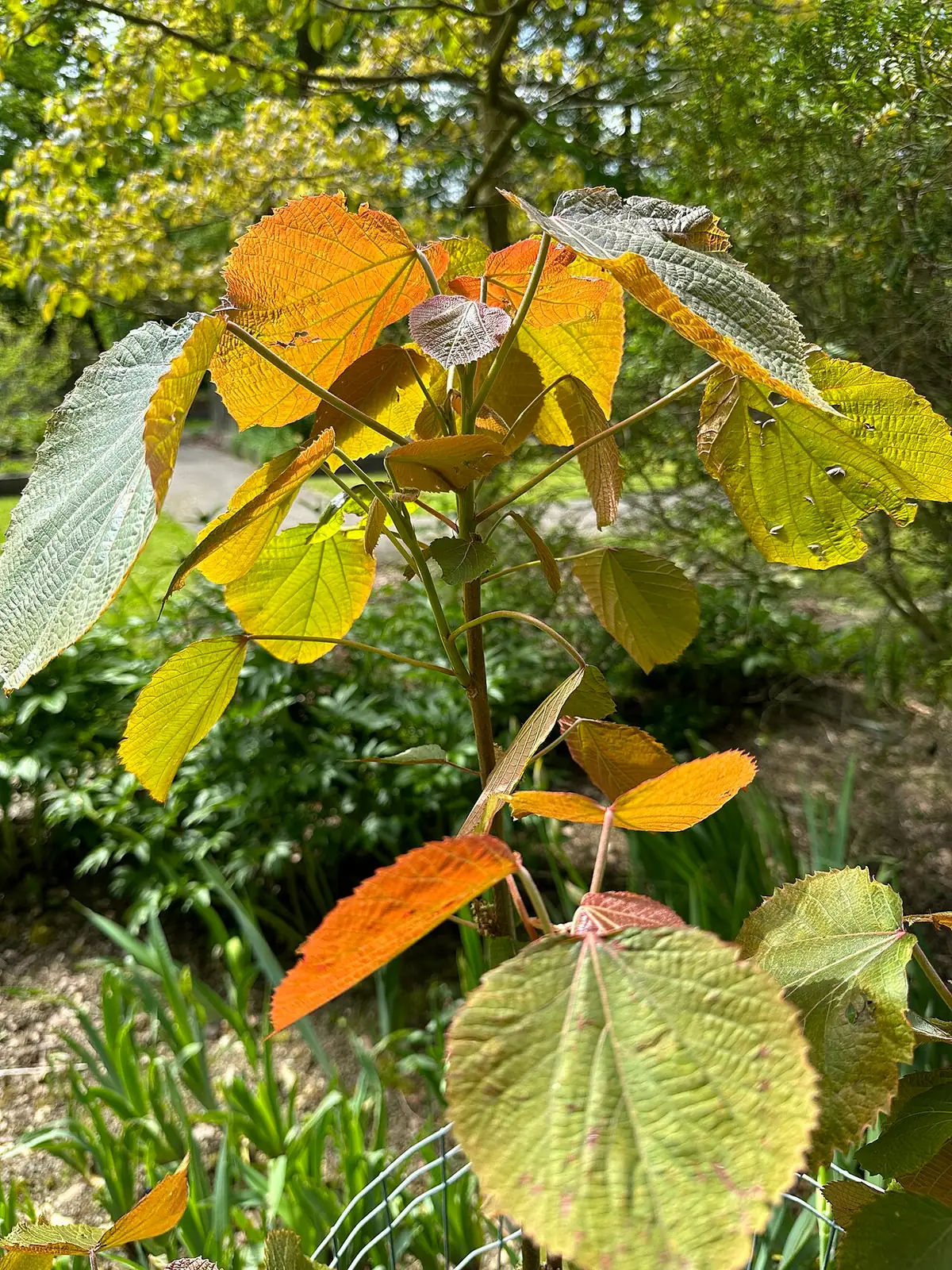
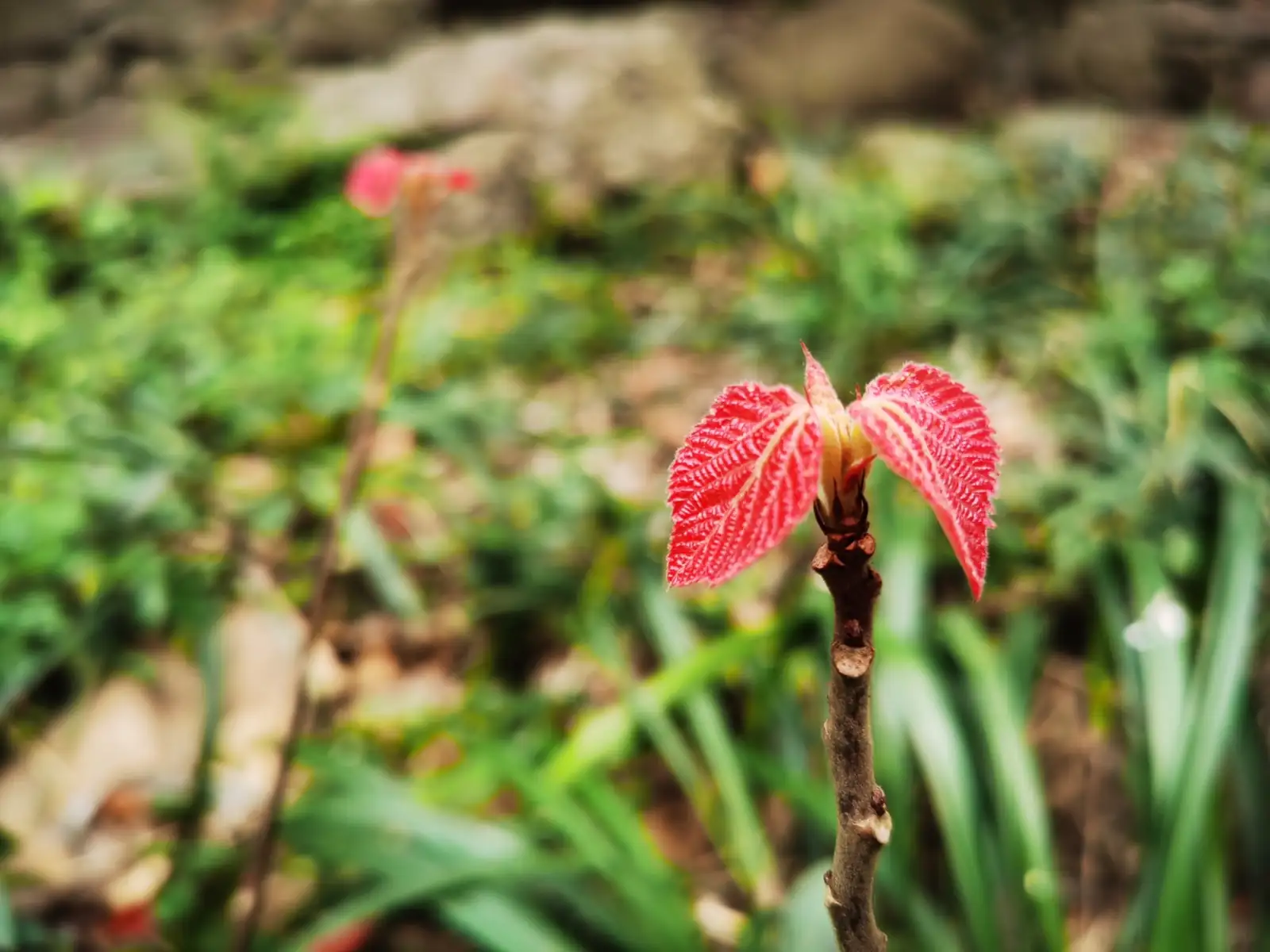
- Foliage: Leaves are broad-ovate to nearly round with three prominent basal veins and coarsely toothed margins. The upper surface is green, while the underside is often purple-tinged and densely velvety-hairy. In spring, new leaves and young shoots emerge in a striking purplish red before maturing.
- Flower: Unisexual flowers are borne on separate plants (dioecious). Male flowers are densely clustered in short, spike-like inflorescences, while female flowers are more loosely arranged in racemes. Fruits (on female plants) are flattened, globe-like capsules covered in short, soft hairs.
- Flowering Season: April–June (Apr–Jun)
- Growth Habit: Deciduous, clump-forming, upright shrub
Environment
Sunlight
Partial shade to full sun; tolerates light shade, but brighter light generally supports stronger spring color
Temperature
Prefers a warm, humid growing season and is fairly cold-hardy once established. A practical growing range is about 10–30°C (50–86°F); protect from severe freezes and drying winter winds, especially when young.
Humidity
Prefers moderate to high humidity and does best where both air and soil stay evenly moist (but not soggy).
Soil
Adaptable to many soils; performs best in well-drained yet moisture-retentive loam. Avoid waterlogged sites, but don’t let it bake dry for long periods.
Placement
Great for gardens as a spring foliage highlight: woodland edges, shrub borders, slopes with irrigation, and moist areas near streams or ponds (where drainage remains reasonable).
Hardiness
Cold-hardy for a temperate deciduous shrub; exact USDA zone is not reliably specified—provide winter protection in areas with severe freezes or exposed, drying winds.
Care Guide
Difficulty
Easy to moderate outdoors. It’s generally adaptable once established; the best foliage color comes from good light plus steady moisture.
Buying Guide
Pick sturdy, well-branched plants with healthy buds and no dieback. If you want fruit, confirm plant sex: only female plants fruit, and they need a nearby male plant for pollination.
Watering
Water regularly while establishing. Afterward, aim for evenly moist soil in spring and summer, especially on slopes where drying happens quickly. Avoid prolonged drought. In cooler seasons, reduce watering but don’t let the root zone dry out completely.
Fertilization
If growth looks weak, feed in spring with a balanced slow-release fertilizer or top-dress with compost. Avoid heavy feeding, which can cause overly soft, lush growth.
Pruning
Prune in late winter to early spring before vigorous growth begins. Thin older stems at the base to keep a tidy clump and to encourage fresh, colorful new shoots for spring.
Propagation
Propagate by fresh seed (when available) or semi-hardwood cuttings in summer. Because plants are dioecious, seedlings may turn out male or female.
Repotting
Mostly grown in the landscape. If container-grown, repot every 2–3 years into a slightly larger pot with a well-drained mix; refresh the top layer annually.
📅 Seasonal Care Calendar
Spring: keep moisture consistent to support the red flush; light feeding if needed. Summer: water evenly and watch for heat/drought stress. Autumn: stop heavy feeding so growth can harden. Winter: prune for structure and renewal; protect young plants from harsh exposure.
Pests, Diseases & Safety
Common Pests & Diseases
No single pest or disease is strongly associated with this shrub, but watch for aphids on tender spring growth, scale insects on stems, and leaf spot if conditions are humid and air is stagnant. Improve airflow and avoid frequent overhead watering if spotting appears.
Toxicity
Well-documented toxicity guidance is limited in common horticultural references. As a cautious rule, treat it as potentially irritating if chewed or ingested; keep away from children and pets, and wash hands after handling.
Culture & Symbolism
Symbolism: Often seen as a cheerful marker of spring renewal thanks to its vivid purple-red new growth.
History & Legends: No widely cited legends in English-language sources; it is mainly appreciated as a regional ornamental shrub in China.
Uses: Primarily grown as an ornamental shrub for its standout spring foliage (purple-red new leaves and shoots). Useful in naturalistic plantings, woodland-edge borders, and moist landscape areas.
FAQ
When does it flower?
April–June (Apr–Jun).
When does it fruit?
Typically July–August (Jul–Aug) on female plants, provided there is a nearby male plant for pollination.
How tall does it grow?
About 1–5 m (3.3–16.4 ft) tall.
Where does it grow naturally?
It’s native to China and is widely found in the Yangtze River basin, commonly in moist shrublands along riversides, stream banks, valley bottoms, and slopes.
What conditions does it prefer?
It tolerates partial shade, prefers warm and humid conditions with evenly moist (not waterlogged) soil, and is relatively cold-hardy once established.
Fun Facts
- Its spring flush can be intensely purple-red, making it a standout foliage shrub early in the season.
- The leaf undersides are often purple-tinged and velvety to the touch thanks to dense hairs.
- Male and female flowers occur on separate plants, so you’ll need both sexes nearby if you want reliable fruit set.
- The fruit is a flattened, globe-like capsule covered with short, soft hairs.