Plant Features
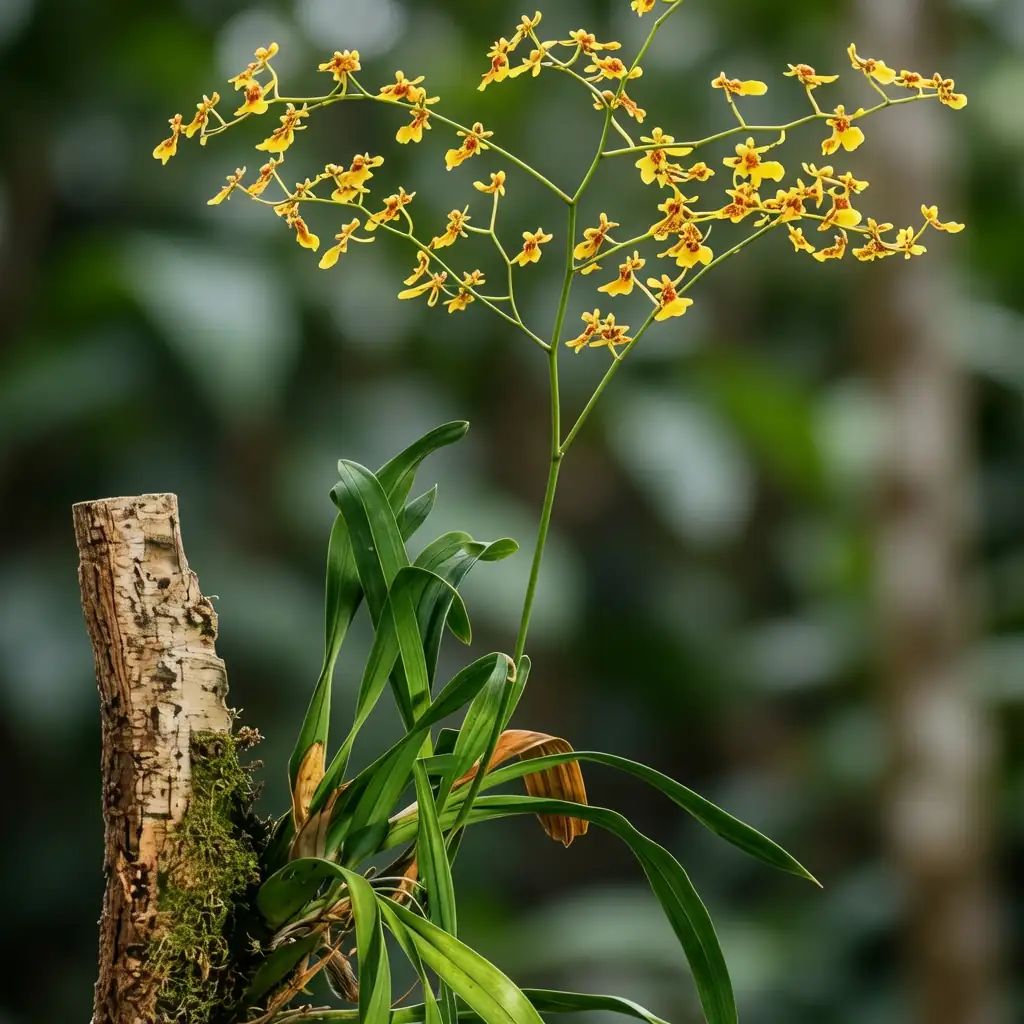
- Size: Varies by species and hybrid. Many potted plants reach about 20–60 cm (8–24 in) tall in foliage, with flower spikes typically 30–90 cm (12–35 in). Mature plants may be around 60 × 60 cm (24 × 24 in) overall.
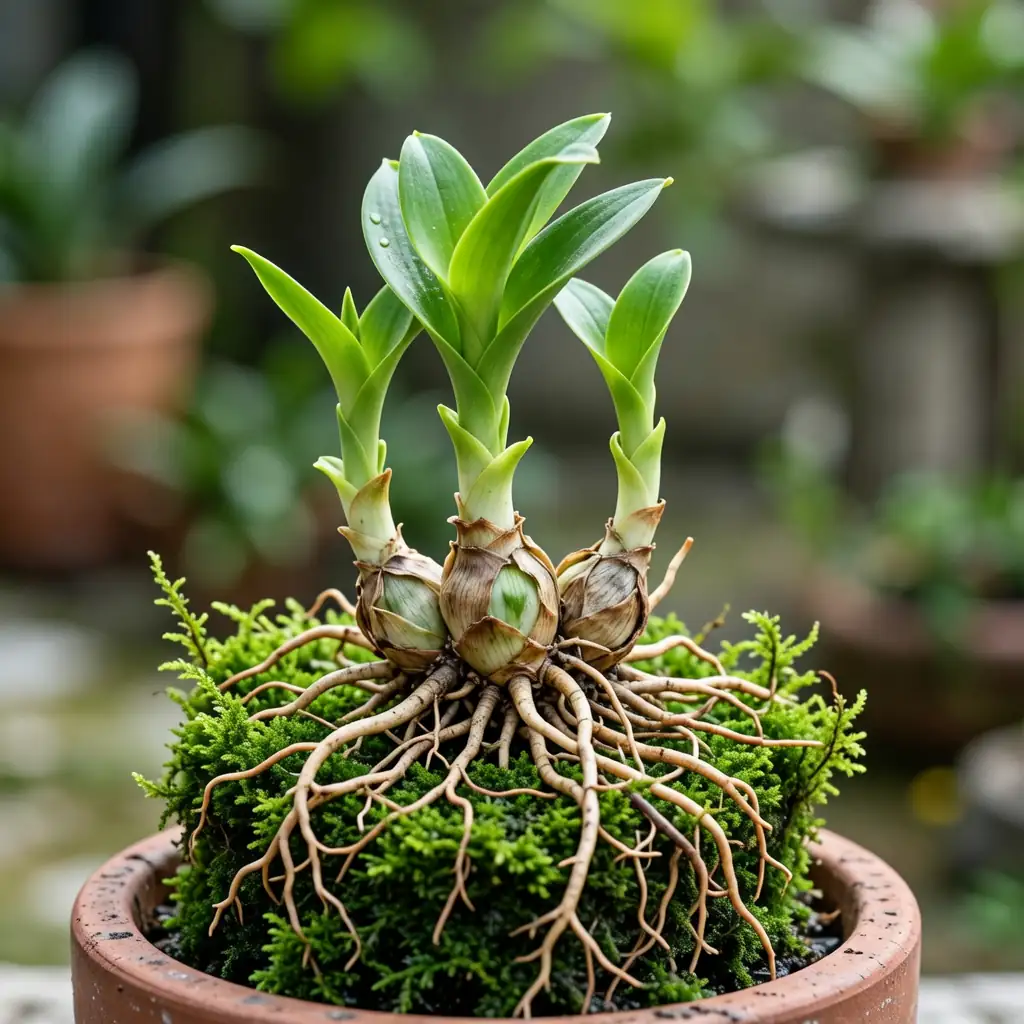
- Foliage: A clumping, sympodial orchid with distinct pseudobulbs (swollen stems that store water). Leaves are usually evergreen, medium green, and strap-like to lance-shaped, often slightly arching; details vary by species and hybrid.
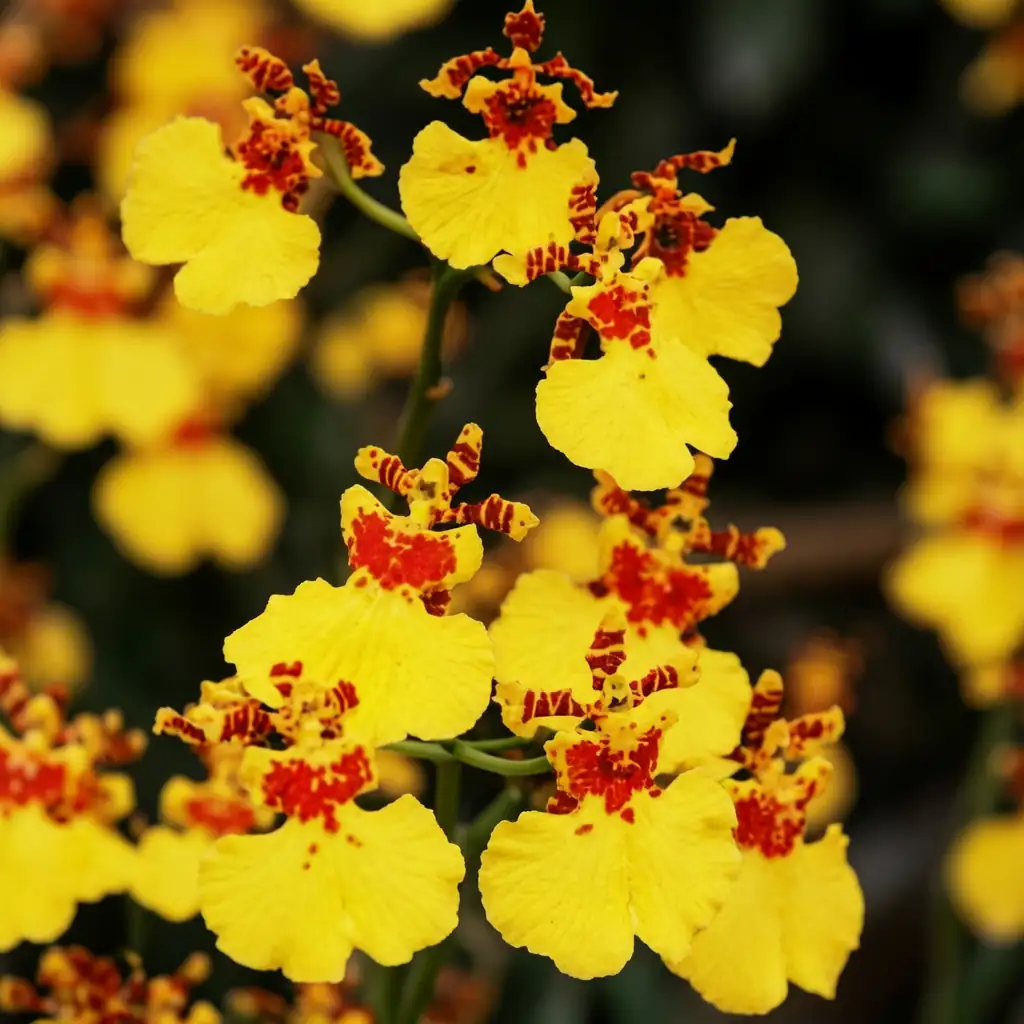
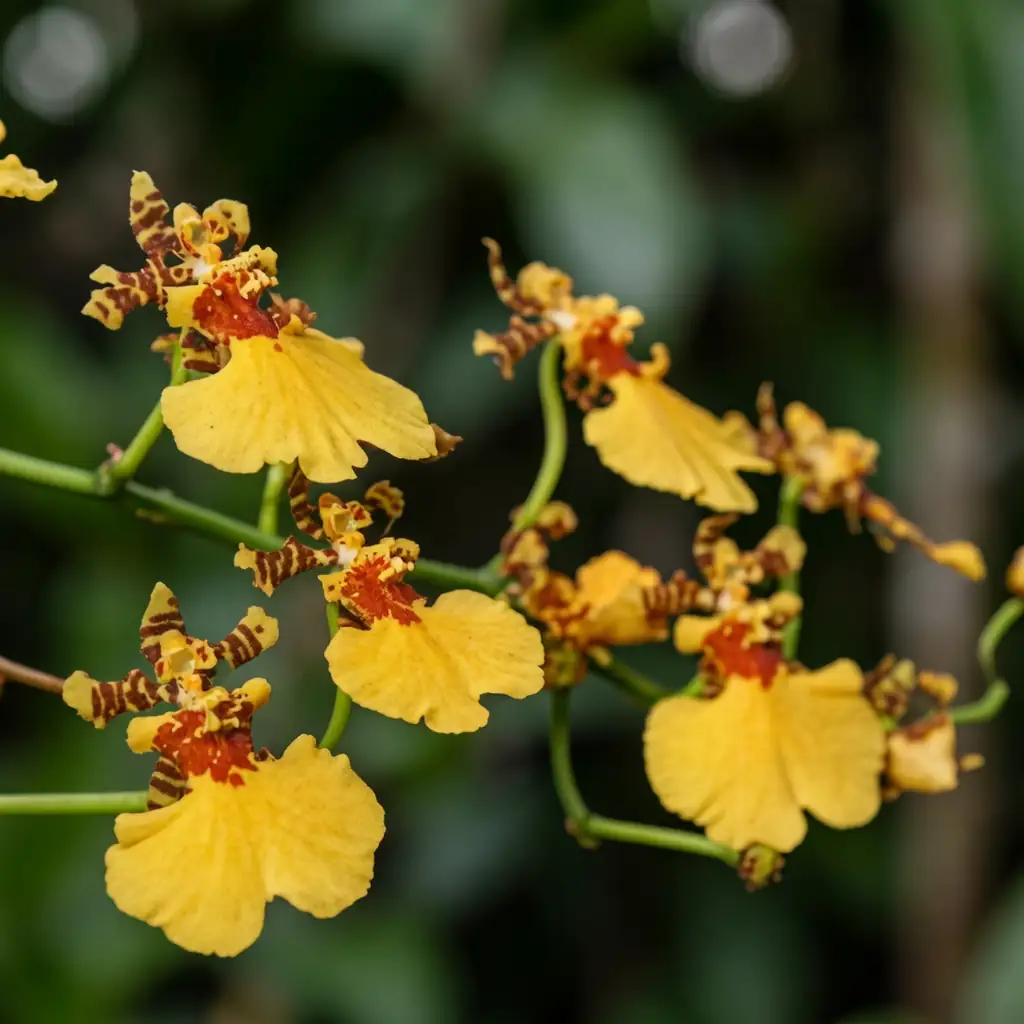
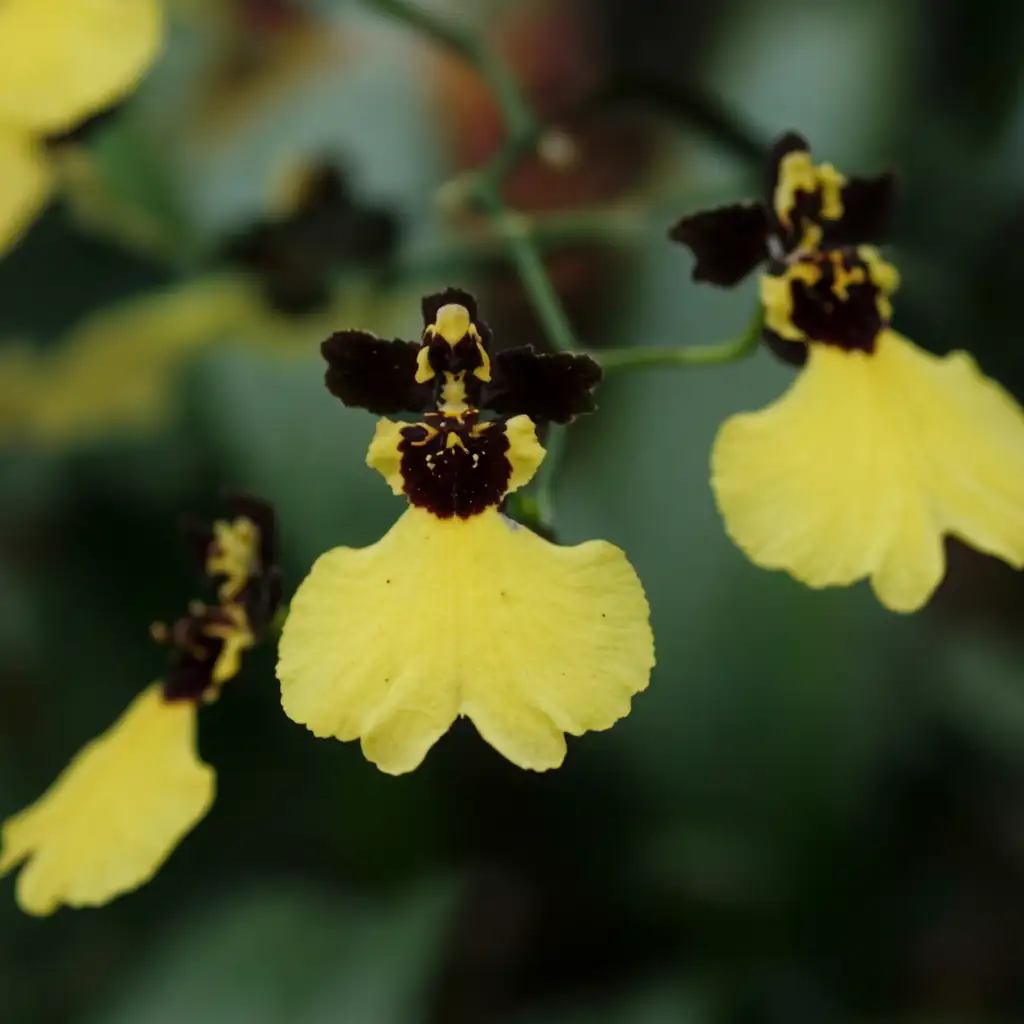
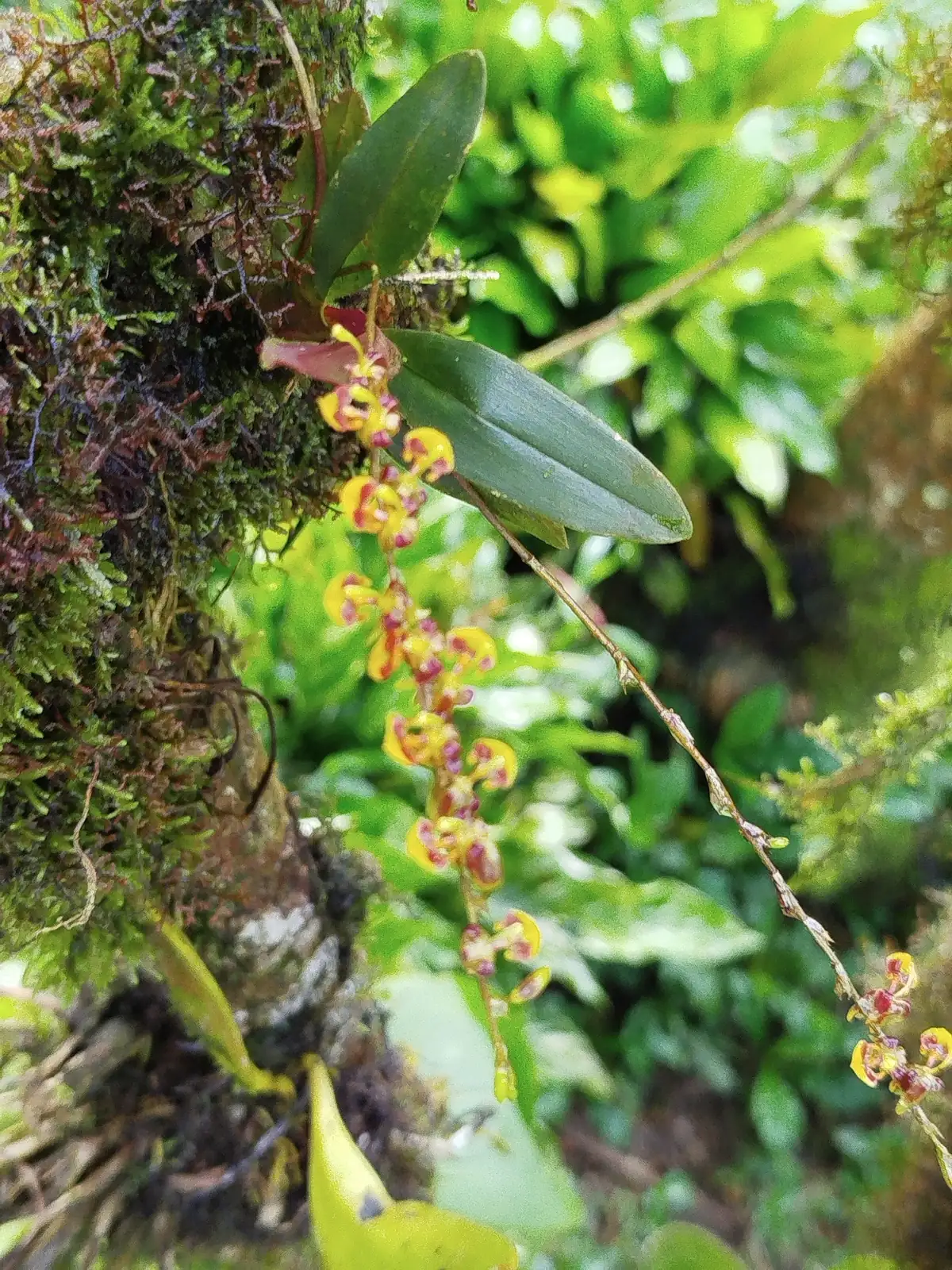
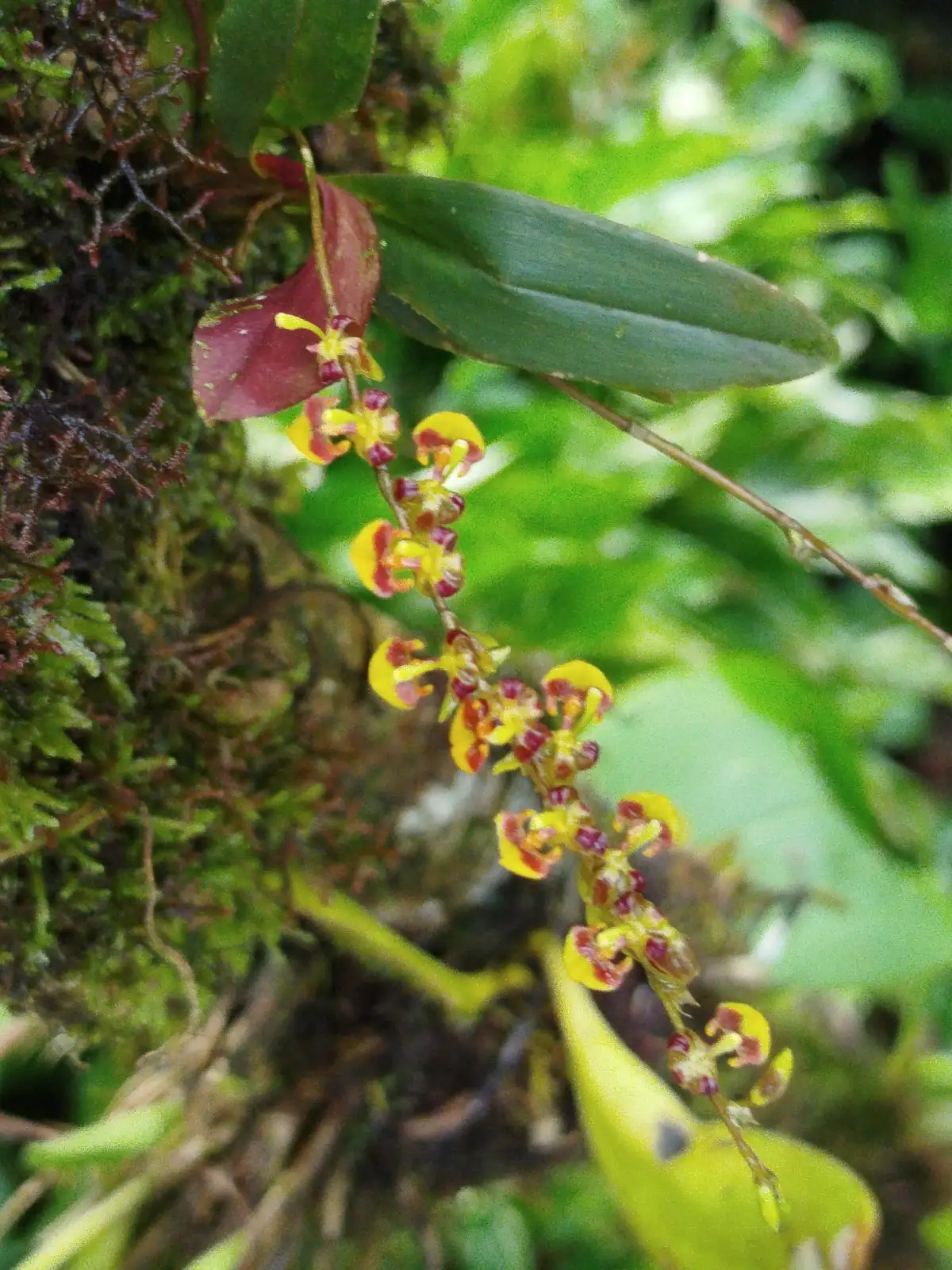
- Flower: Tall, often branching spikes carry dozens of small, fluttery flowers. The classic look is yellow with brown markings, but modern hybrids can be white, pink, red, bronze, or mixed tones. Some varieties are lightly fragrant, and the blooms are prized for their lively “dancing” effect.
- Flowering Season: Depends heavily on the hybrid/cultivar and conditions. Many commonly sold types bloom in autumn, but cultivars may flower in winter (December–January), spring (April–May), summer (June–August), or autumn (October–November). With a mix of cultivars, flowering can happen in most months of the year.
- Growth Habit: Epiphytic and clump-forming (sympodial): new growths/pseudobulbs develop along the rhizome and the plant slowly expands outward. Suitable for pots with coarse media or for mounting, and well-suited to division when mature.
Environment
Sunlight
Bright, filtered/indirect light to gentle part sun. Avoid harsh midday sun which can scorch leaves. Indoors, an east window is ideal; a lightly shaded south/west window can work. Outdoors in warm months, provide seasonal shade (about 30% in late spring/early summer, ~50% in midsummer, and 20–30% in autumn).
Temperature
Comfortable growth around 12–25°C (54–77°F), with cooler nights and warm days. Keep above about 8°C (46°F) in winter. For winter indoor display, many growers aim for about 13–15°C (55–59°F). If temperatures drop below about 10°C (50°F), keep much drier to avoid rot.
Humidity
Moderate humidity is ideal: about 40–60% (often cited 50–60%). Boost humidity with a pebble tray (pot above waterline), humidifier, and/or light morning misting—always paired with good airflow so leaves dry within a few hours.
Soil
Not regular potting soil. Use a very airy, fast-draining orchid medium such as fine-to-medium bark (often with perlite/charcoal), optionally blended with sphagnum moss for moisture balance and gritty aeration (pumice/lava rock/coarse sand/brick chips). Can also be mounted on bark/cork/slabs or grown in baskets/coconut husk with careful moisture management.
Placement
Indoors near a bright window with gentle airflow; a bright enclosed balcony also works. Keep away from hot, dry heating vents/radiators and avoid intense direct sun. Mounted plants do best where they can dry quickly after watering.
Hardiness
Not frost-hardy. Generally outdoor year-round only in warm, frost-free areas—roughly USDA Zone 10–12 (minimums around 10–13°C / 50–55°F), depending on the hybrid and local conditions.
Care Guide
Difficulty
Easy-to-moderate (often considered “easy for an orchid”). The key is bright filtered light, fresh airy media, good airflow, and a steady wet/dry rhythm—especially important during spikes and bloom.
Buying Guide
Look for firm, plump pseudobulbs, clean medium-green leaves, and a plant with multiple growths (more pseudobulbs = stronger plant and better blooming potential). Avoid mushy bulbs, blackened roots, or persistent spotting. For the longest show, choose one with a mix of buds and newly opening flowers; in winter, plants close to bloom usually perform best at home.
Watering
Water thoroughly, then let excess drain fully. Water again when the medium is just approaching dryness (surface starting to dry), rather than keeping it constantly wet. During bud and flowering stages, don’t let it dry too hard—irregular drought often triggers yellowing buds and bud drop. Practical guidance from the sources: summer (especially outdoors) may need watering about every 2 days; indoors in active growth, often 2–3 times per week. In winter many types rest semi-dormant: reduce watering strongly (some guidance suggests as little as roughly monthly), keeping just enough moisture to prevent severe shriveling. If temperatures fall below about 10°C (50°F), keep very dry/stop watering to reduce rot risk. Use rainwater or distilled water if your tap water is very hard, and mist only in the morning with airflow (avoid soaking blooms/buds).
Fertilization
Feed lightly during active growth and bud development (roughly March–October). Options that align across sources: use a balanced orchid fertilizer at low strength every 2 weeks, or at about 1/4 strength every 2–3 waterings. Flush with plain water occasionally to prevent salt buildup. Reduce or pause feeding when the plant is in full bloom and during the cooler winter rest.
Pruning
After flowering, cut the spent spike near the base once it browns. Remove only dead/damaged leaves or old, dried pseudobulbs. If a spike reaches about 30–40 cm (12–16 in) and starts to flop, stake and tie gently to prevent snapping.
Propagation
Best by division when the clump is large (typically spring or autumn, often timed with repotting). Remove old media, trim dead/rotted roots, then divide so each section has enough stored energy—commonly at least 3–4 healthy pseudobulbs for fastest recovery (some growers succeed with 2 growth points/bulbs if conditions are excellent). Pot into fresh airy medium with room for new growth. After division/repotting, keep in bright shade and go easy on water for about 1–2 weeks (light misting only) to reduce rot risk while cuts heal.
Repotting
Repot when the mix breaks down, roots decline, or the pot becomes crowded—often every 1–2 years. These orchids usually prefer a snug pot rather than a large one. Typical pot width is about 12.5–15 cm (5–6 in) for common home plants, adjusted to root mass. Best timing is often just before or as new growth begins (commonly spring; some guidance notes late April to mid-May). After repotting, keep slightly shaded and delay heavy watering for about 1–2 weeks.
📅 Seasonal Care Calendar
Spring: brighter filtered light; resume regular watering as new growth starts; begin light feeding (about every 2 weeks). Summer: protect from strong sun with about 30–50% shade; ensure airflow; water more often in heat (outdoors can be about every 2 days). Autumn: many hybrids bloom; keep bright indirect light and steady moisture. Winter: many types slow down—keep cooler and brighter rather than hot and stagnant; reduce watering sharply (especially below 10°C / 50°F); winter-blooming types may want slightly more consistent moisture and bright light.
Pests, Diseases & Safety
Common Pests & Diseases
Common pests include scale, mealybugs, spider mites, and aphids (often on tender growth and spikes). Diseases/issues include leaf spot/black spot, rust, soft rot, and root rot—usually tied to poor airflow, staying too wet, or water sitting on leaves and flowers. Prevention: airy media, excellent drainage, good spacing/air movement, and morning-only misting so foliage dries quickly. Treat pests with insecticidal soap or horticultural oil (orchid-safe), and address rot by cutting away damaged tissue, improving airflow, and refreshing the medium; follow label directions and local regulations.
Toxicity
Generally considered non-toxic to people and commonly listed as non-toxic to cats and dogs, though chewing can still cause mild stomach upset in some pets. It’s best to discourage nibbling.
Culture & Symbolism
Symbolism: Often associated with joy, celebration, lively elegance, and cheerful energy—perfectly matching the “dancing” look of the flower sprays. Commonly gifted and used in festive arrangements, including weddings.
History & Legends: Oncidium-type orchids became especially popular through horticultural hybridizing. Growers selected plants for big, branching sprays, long-lasting blooms, and better adaptability to home conditions—one reason modern “Dancing Lady” orchids are often easier than people expect.
Uses: Primarily ornamental: grown as a potted houseplant, displayed on balconies/windowsills, used as a mounted orchid feature, and frequently given as a gift. Also popular in wedding bouquets and floral arrangements.
FAQ
Why are my Dancing Lady Orchid buds turning yellow and dropping?
Most often it’s stress from drying out too much during bud development, sudden environmental changes (light/temperature), or very dry air. Keep a steadier water rhythm (moist, not soggy), raise humidity to around 40–60% with airflow, and avoid blasting buds with heater air or frequent spraying.
Why are my pseudobulbs wrinkling?
Wrinkling usually means the plant is running low on water—either you’re underwatering, the roots are damaged/rotting, or the air is very dry. Check roots and the condition of the mix; if roots are healthy, water a bit more consistently during active growth and boost humidity with good airflow.
Can I grow it mounted instead of in a pot?
Yes. Mounted plants mimic their natural epiphytic lifestyle and get lots of air around the roots, but they dry faster—so they usually need more frequent watering or misting than potted plants.
Does it need an opaque pot?
It can grow in either clear or opaque pots. Many growers like opaque pots for Oncidium-types to keep roots cooler and reduce algae, but what matters most is excellent drainage, an airy orchid mix, and not oversizing the pot.
Fun Facts
- The “dancing lady” nickname comes from the skirt-like lip on many flowers, making each bloom look like a tiny dancer.
- A well-grown mature plant can carry dozens—sometimes even hundreds—of blooms on branching spikes.
- Many store-sold “Oncidium” are actually complex hybrids involving several closely related genera, but they’re cared for in much the same way: airy roots, bright filtered light, and a steady wet/dry rhythm.