

Plant Features
- Size: Highly variable by variety. Many garden dahlias reach about 1.2–1.5 m (4–5 ft) tall; dwarf/container types stay much shorter and are often grown in 12–15 cm (4.7–5.9 in) pots. From seed to first bloom is commonly about 80–100 days.
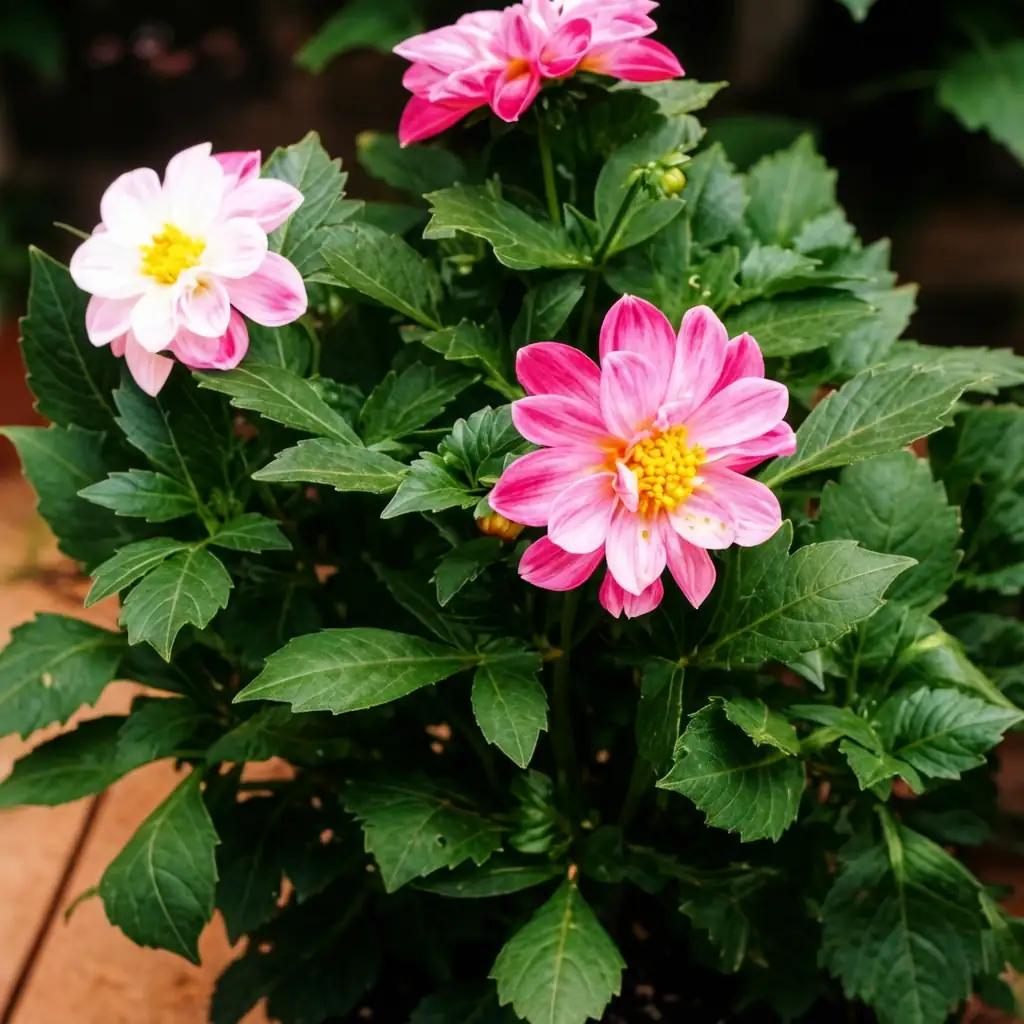
- Foliage: Lush, full foliage; leaves are often pinnately divided (sometimes less divided near the top), typically medium to deep green. Overwatering or heavy feeding—especially with nitrogen—can make growth soft, leggy, and prone to problems. In hot spells, light misting of stems/leaves can help cool plants, but avoid wetting open flowers.
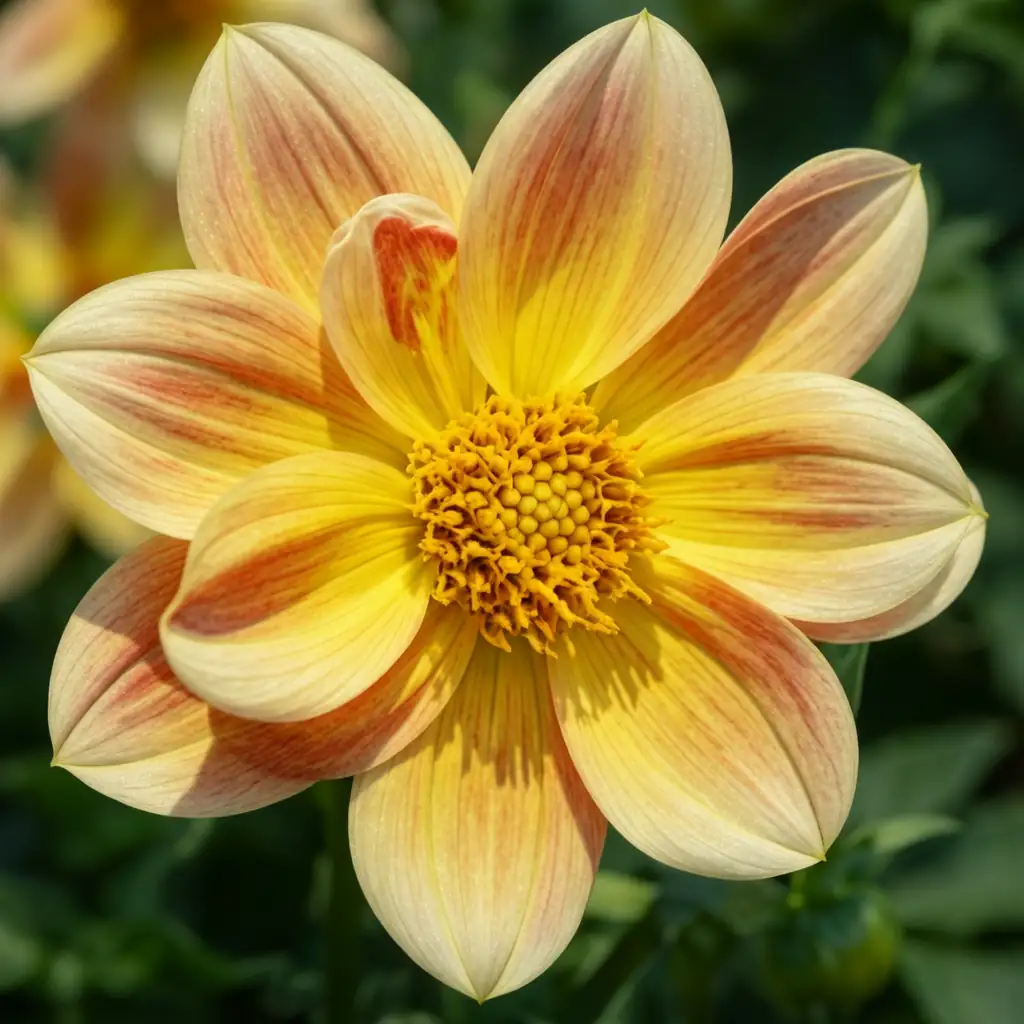
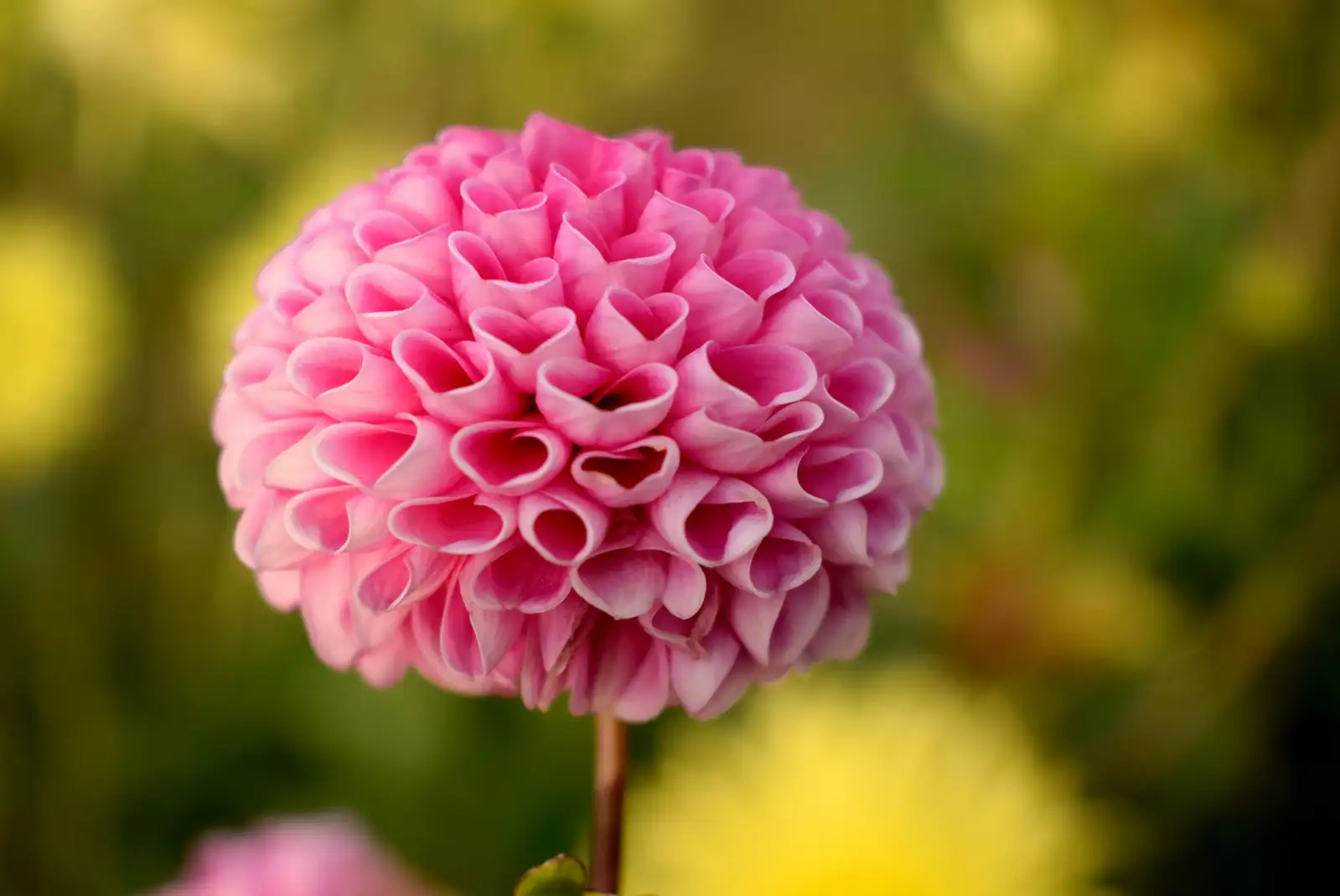
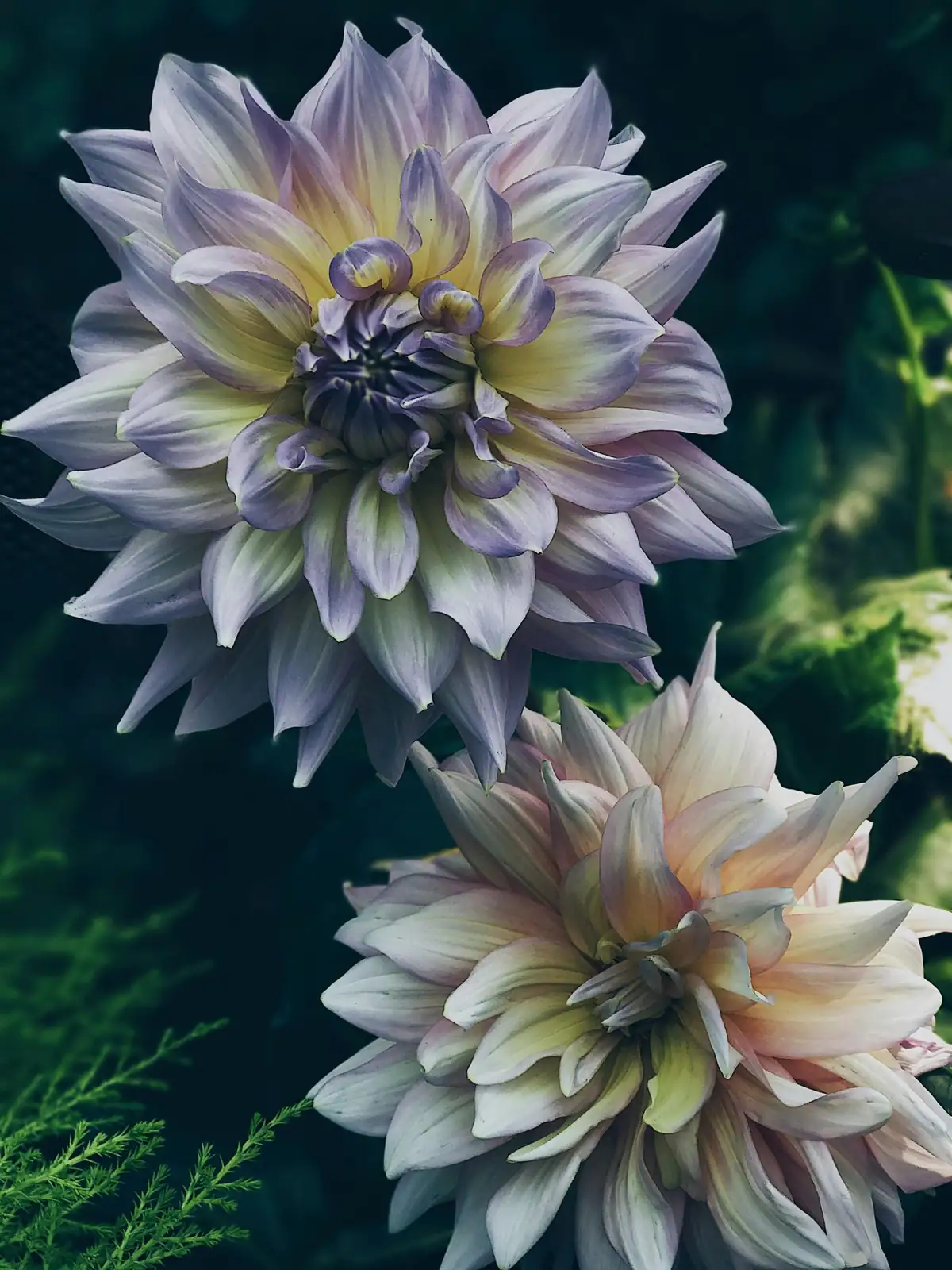
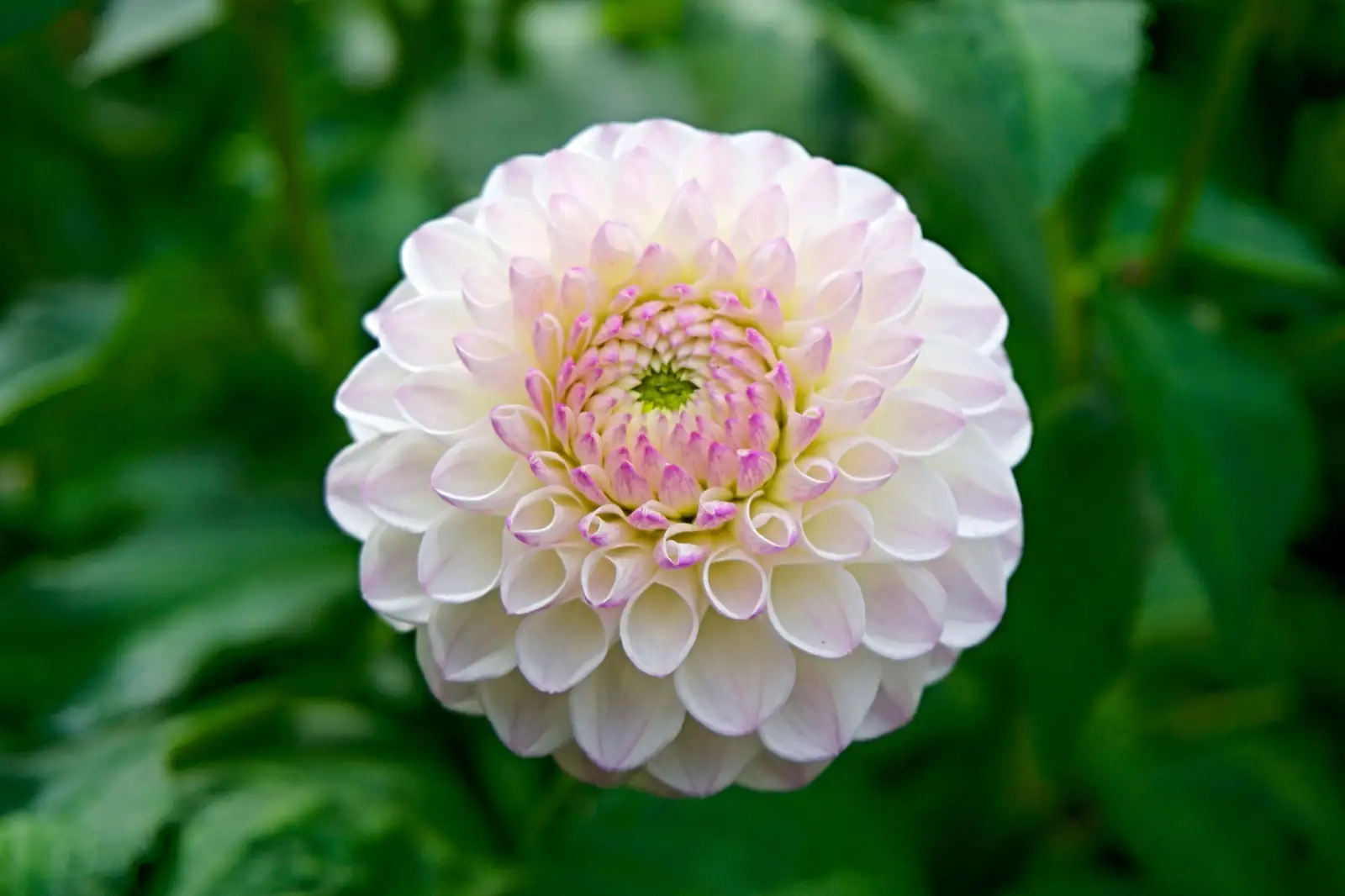
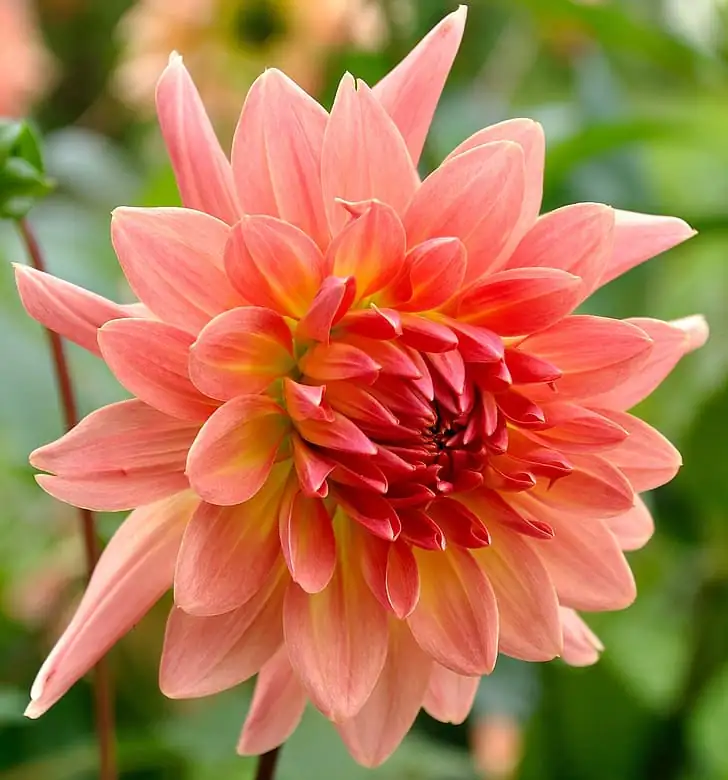
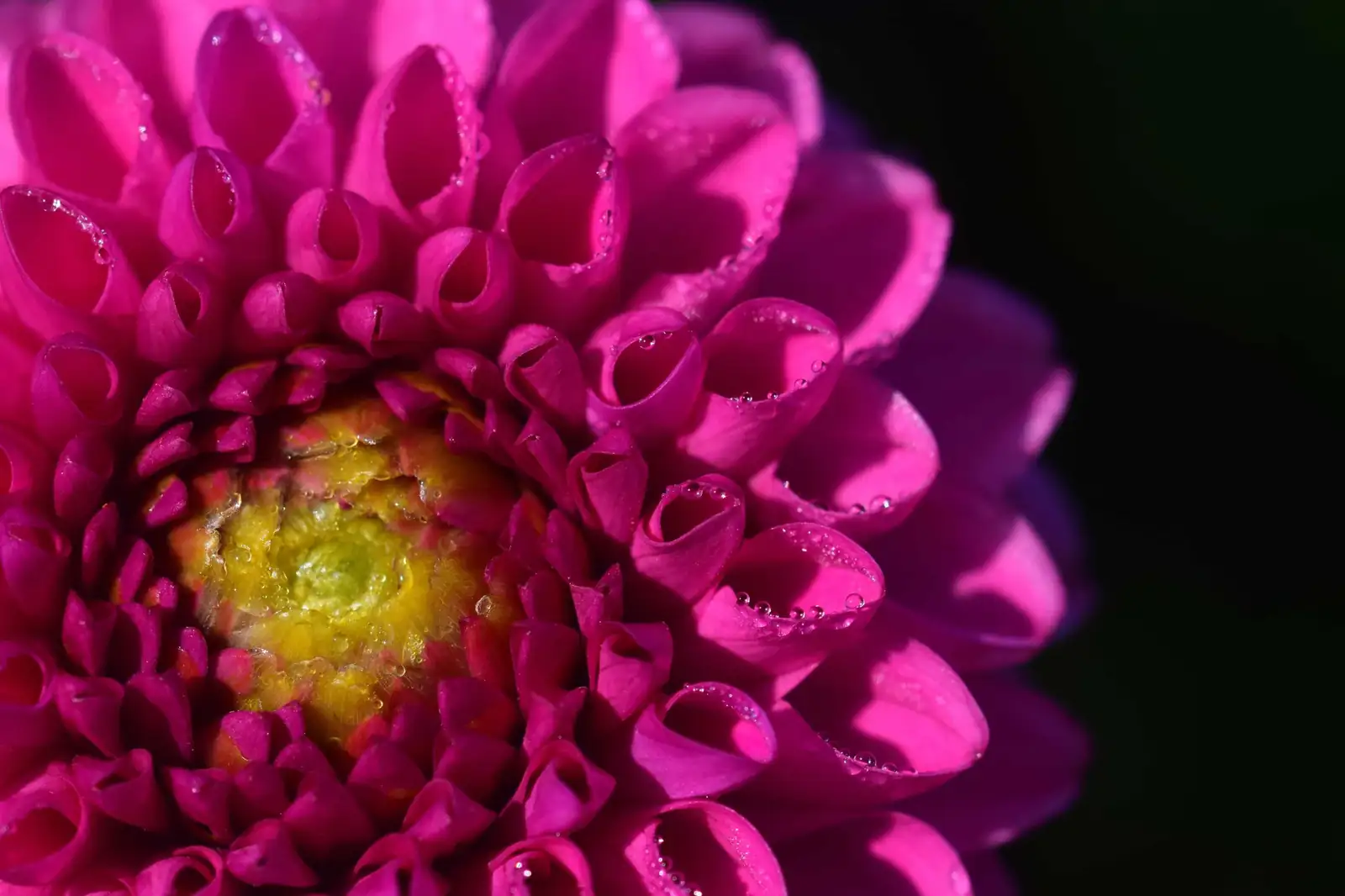
- Flower: Showy composite flower heads (capitula) in an enormous range of colors and forms—cactus, peony, anemone, collarette, waterlily, pom‑pon, and more. Flower size ranges from about 5 cm (2 in) mini blooms to 30–40 cm (12–16 in) “dinner plate” giants depending on cultivar. For cutting, stems perform best when flowers are already about three‑quarters open to fully open, before outer petals start to fade.
- Flowering Season: Summer through autumn; commonly July until the first frost (often peaking in September–October in many climates).
- Growth Habit: Herbaceous, upright, bushy, and branching. Perennial via tubers: top growth dies back with cold, while tubers can overwinter where winters are mild or when lifted and stored in colder regions.
Environment
Sunlight
Best with full sun to very bright light—about 6–8 hours of direct sun is ideal (morning sun is especially helpful). In hot-summer areas, some afternoon shade can reduce heat stress. Good airflow is important to reduce disease.
Temperature
Grows best around 15–25°C (60–77°F). Can tolerate roughly 8–35°C (46–95°F), but flowering often declines above 30°C (86°F). Not frost-tolerant; foliage blackens after frost and tubers can be damaged below 0°C (32°F).
Humidity
Prefers moderate moisture and evenly moist (not soggy) conditions; appreciates moderate humidity but needs airflow. Avoid prolonged wet foliage and avoid spraying open flowers.
Soil
Rich, fertile, well-draining soil or potting mix. Loose sandy loam is ideal; amend heavy clay with compost/aged manure for drainage. A slightly acidic to neutral pH around 6.0–7.5 suits most dahlias.
Placement
Sunny borders and flower beds for tall types; patios, steps, entryways, and balconies for dwarf/container dahlias. Excellent in cut-flower gardens; indoors only works short-term unless you can provide very strong light and airflow.
Hardiness
Typically grown as a tender perennial. Often treated as hardy in USDA Zone 8+ with protection (mulch); in colder zones, tubers are usually lifted and stored frost-free over winter.
Care Guide
Difficulty
Moderate overall: easy to love, but happiest with thoughtful watering, strong light, and good airflow. Many gardeners find them straightforward once they learn the two big rules—don’t let tubers rot early on, and don’t push leafy growth with too much nitrogen.
Buying Guide
For tubers, avoid shriveled, wrinkled, or rotten pieces; look for firm tubers with visible “eyes” (buds) or a little green growth. For potted plants, choose compact, sturdy growth with healthy leaves, upright stems, and no obvious spotting or mildew. If buying for cut flowers, pick blooms that are about 3/4 open to fully open—tight buds often won’t open well after cutting.
Watering
Water deeply but let the mix/soil partially dry between waterings—dahlias dislike both drought and waterlogging. After planting tubers, avoid heavy watering until shoots appear to reduce rot risk. Once established, water thoroughly (often 2–3 times per week in hot weather, less in cool/rainy periods), always adjusting to your soil and rainfall. For containers, ensure excellent drainage; in prolonged rain, protect pots from staying saturated. In heat, a light mist to stems/leaves can cool plants, but avoid spraying flowers and avoid keeping foliage wet for long.
Fertilization
Feed for flowers, not leaves. Use a low-nitrogen or bloom-leaning fertilizer (examples: 5-10-10, 10-20-20, or similar). A common approach is to start feeding about 30 days after planting and repeat every 3–4 weeks through mid-summer; avoid over-fertilizing, especially with nitrogen, which can cause lush foliage, fewer blooms, and weaker tubers. In very hot periods (around/above 30°C / 86°F), reduce or pause feeding if plants are stressed.
Pruning
Pinch for bushiness: when plants reach about 15–30 cm (6–12 in) tall, pinch the growing tip above a set of leaves to encourage branching and more flowers. Deadhead regularly to keep blooms coming. For exhibition-size flowers, disbud by removing side buds so the plant puts energy into one main bloom.
Propagation
Common methods include tuber division, cuttings, and seed. Division: in spring, split tuber clumps so each piece includes at least one eye from the crown. Cuttings: take young shoots (about 3–20 cm / 1.2–8 in depending on method) and root in a suitable medium; rooting commonly takes about 2–3 weeks. Seed: start warm (around 20–22°C / 68–72°F); germination often occurs in 10–14 days, with flowering roughly 80–100 days from sowing—seedlings may not come true to the parent variety.
Repotting
For container types, repot or refresh the potting mix at least yearly to reduce disease buildup and keep growth strong. Dwarf dahlias are often grown in 12–15 cm (4.7–5.9 in) pots depending on cultivar vigor; step up pot size if roots fill the container quickly. In cold-winter regions, many growers lift tubers and store them dry rather than keeping pots outdoors.
📅 Seasonal Care Calendar
Spring: plant tubers after danger of hard frost and when soil warms (often around 15–16°C / 60°F); divide stored tubers; stake tall varieties early. Late spring–early summer: pinch to branch; begin bloom-leaning feeding once plants are established. Summer: consistent deep watering, mulch to stabilize moisture, provide airflow, and offer afternoon shade in extreme heat; watch for mites and thrips in hot, dry weather. Autumn: keep deadheading for continuous flowering; adjust watering as temperatures drop; plan overwintering. Winter: after frost blackens tops, cut stems back to about 10–15 cm (4–6 in), lift tubers in colder zones, dry briefly, and store at about 4–10°C (40–50°F) in a dark, frost-free place; check monthly for rot or shriveling.
Pests, Diseases & Safety
Common Pests & Diseases
Problems can include powdery mildew, botrytis/flower rot, leaf spot, bacterial soft/stem rot, verticillium wilt, leafy gall, and viruses such as dahlia mosaic. Pests may include slugs/snails (especially on young growth), aphids, thrips, earwigs (bud damage), spider mites (in hot, dry weather), leafhoppers, and borers. Best prevention is bright light, strong airflow, well-drained soil, careful watering (avoid soggy roots and prolonged wet leaves), sanitation (remove diseased leaves/flowers), and prompt treatment when issues appear. Use insecticidal soap/neem for soft-bodied pests where appropriate; fungicides may help with fungal diseases following local label directions.
Toxicity
Generally considered low-toxicity to people and pets, though sap/foliage may irritate sensitive skin and some pets can get mild stomach upset if they chew plant material. Edibility is sometimes discussed (tubers contain inulin), but because ornamental dahlias aren’t grown under food-crop standards and identification can be confusing, treat them primarily as ornamental and avoid eating unless you’re certain of the source and safety.
Culture & Symbolism
Symbolism: Dahlias are often associated with elegance, inner strength, dignity, creativity, and graceful change. They’re also commonly linked with prosperity and good fortune in decorative traditions. Color meanings are popular with gardeners and gift-givers: red for passion and power, pink for kindness and romantic joy, white for purity, yellow for happiness, orange for enthusiasm, and purple for dignity and admiration.
History & Legends: Dahlias come from Mexico and were valued by Indigenous peoples including the Aztecs. Europeans encountered them in the 16th century, and they entered European horticulture in the 18th century. The genus was named for Swedish botanist Anders Dahl. Over time, intense breeding created tens of thousands of cultivars and a dazzling range of flower forms.
Uses: A star ornamental for beds, borders, and containers, and one of the best late-season cut flowers (often about a week in a vase with good care). Dwarf varieties are perfect for patios and entryway pots. Dahlias are also widely used in floral design thanks to their bold color range and sculptural shapes.
FAQ
Why aren’t my dahlias blooming much?
The usual culprits are not enough sun (aim for 6–8 hours), too much nitrogen fertilizer (lots of leaves, few flowers), or heat stress above about 30°C (86°F). Move to brighter light, switch to a bloom-leaning fertilizer, and give afternoon shade during extreme heat.
How do I overwinter dahlia tubers in cold climates?
After the first frost blackens the foliage, wait a few days, then cut stems back to about 10–15 cm (4–6 in). Lift the tubers, let them dry briefly under cover, and store in a dark, frost-free place around 4–10°C (40–50°F) in barely moist packing material (peat/sawdust/sand). Check monthly for rot or shriveling.
My leaves have spots—what should I do?
Leaf spot and mildew are common when airflow is poor or foliage stays wet. Remove badly affected leaves, increase spacing and ventilation, avoid wetting flowers, water at soil level, and treat early with an appropriate fungicide if needed (follow local label directions).
Why won’t my cut dahlia buds open in a vase?
Dahlias often don’t open well after cutting. Harvest when blooms are already about three-quarters open to fully open, before the outer petals start to fade.
Do dahlias need staking?
Tall varieties with large flowers often do. Insert stakes at planting time (often 1.5–1.8 m / 5–6 ft for big types) and tie stems loosely as they grow to prevent snapping.
Fun Facts
- Dahlias have an astonishing diversity of forms—there are many officially recognized flower types (like cactus, pom‑pon, collarette, and waterlily).
- Some cultivars produce truly huge “dinner plate” blooms around 30–40 cm (12–16 in) across.
- The more you cut and deadhead, the more dahlias tend to flower—great news for bouquet makers.
- Dahlias belong to the sunflower family (Asteraceae), alongside daisies, zinnias, and chrysanthemums.


