Plant Features
- Size: Up to about 7 m (23 ft) tall; typically grown as a large shrub or trained as a small tree.
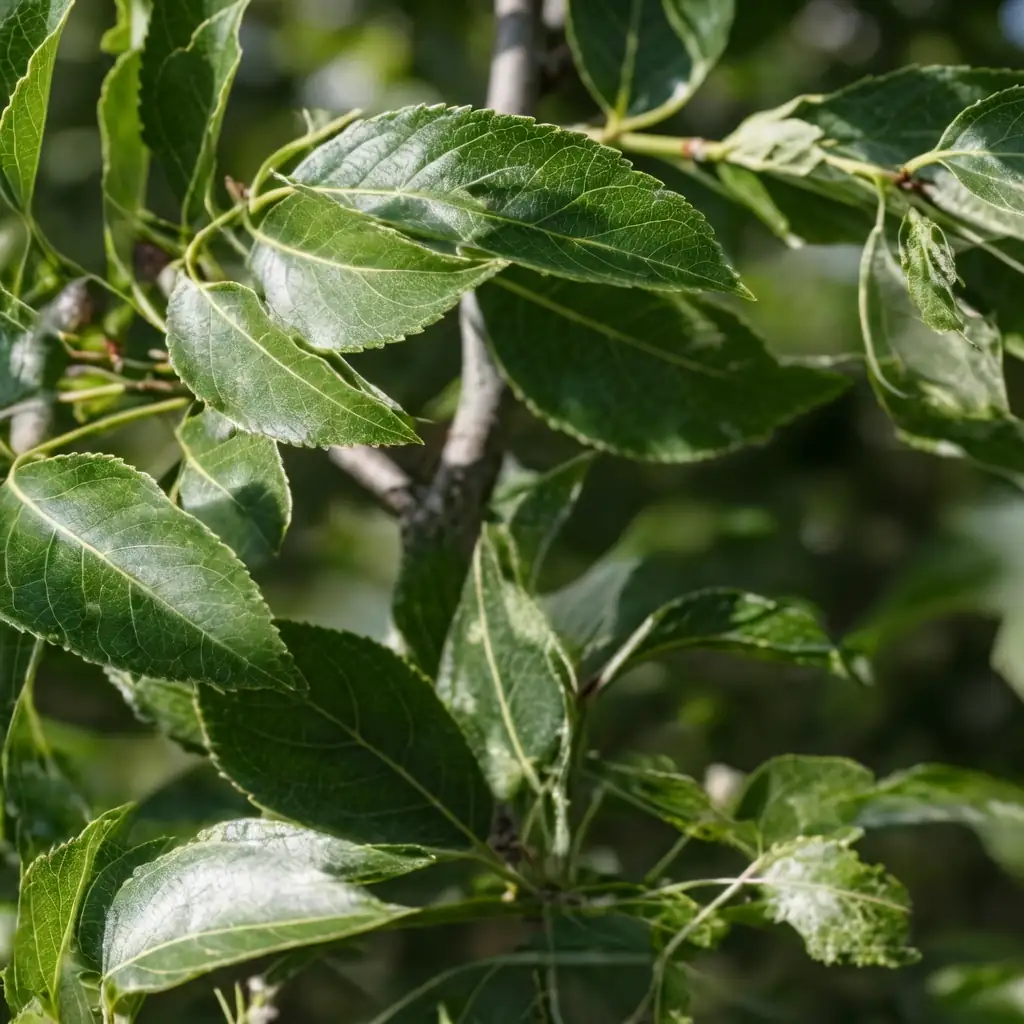
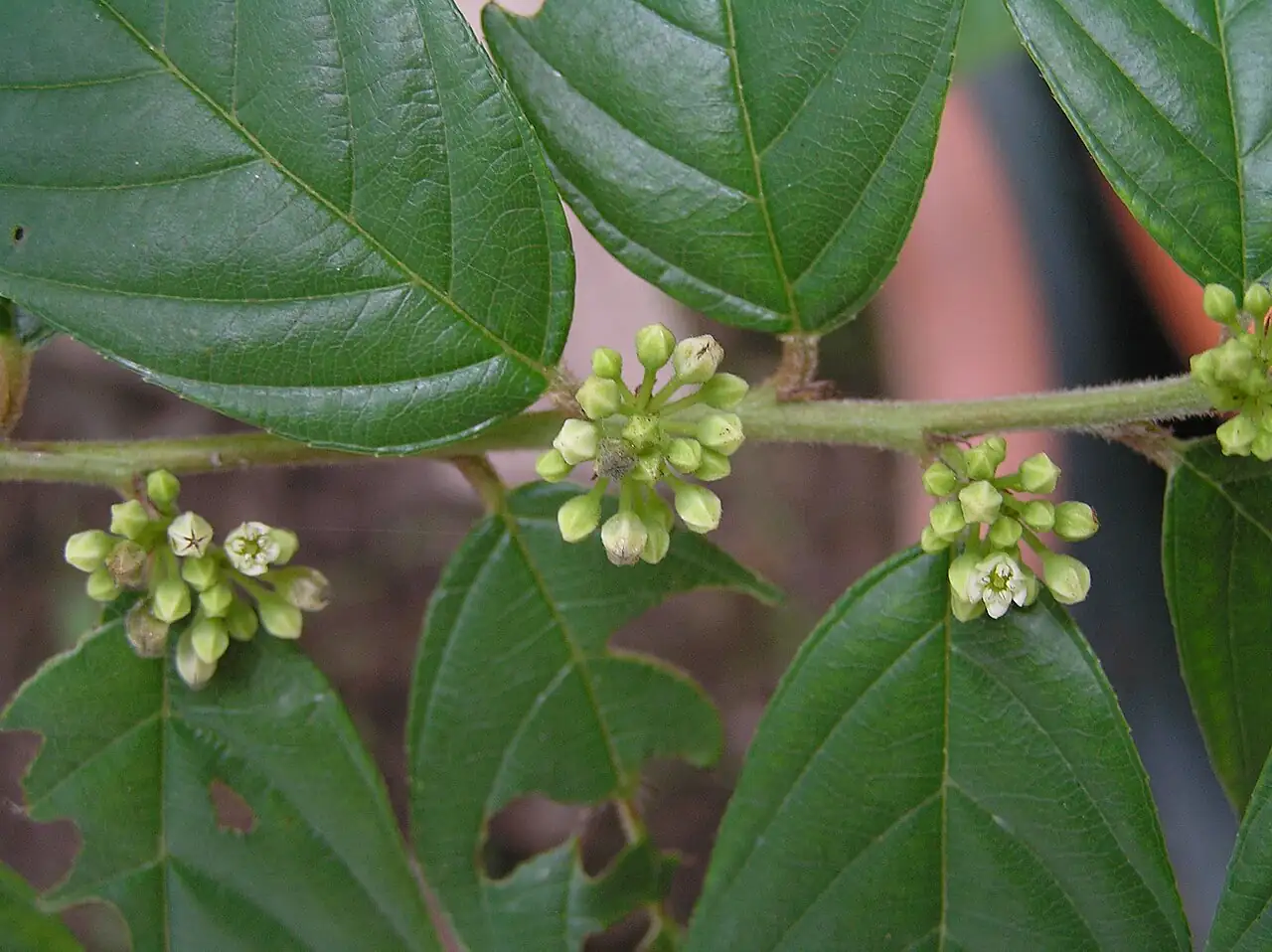
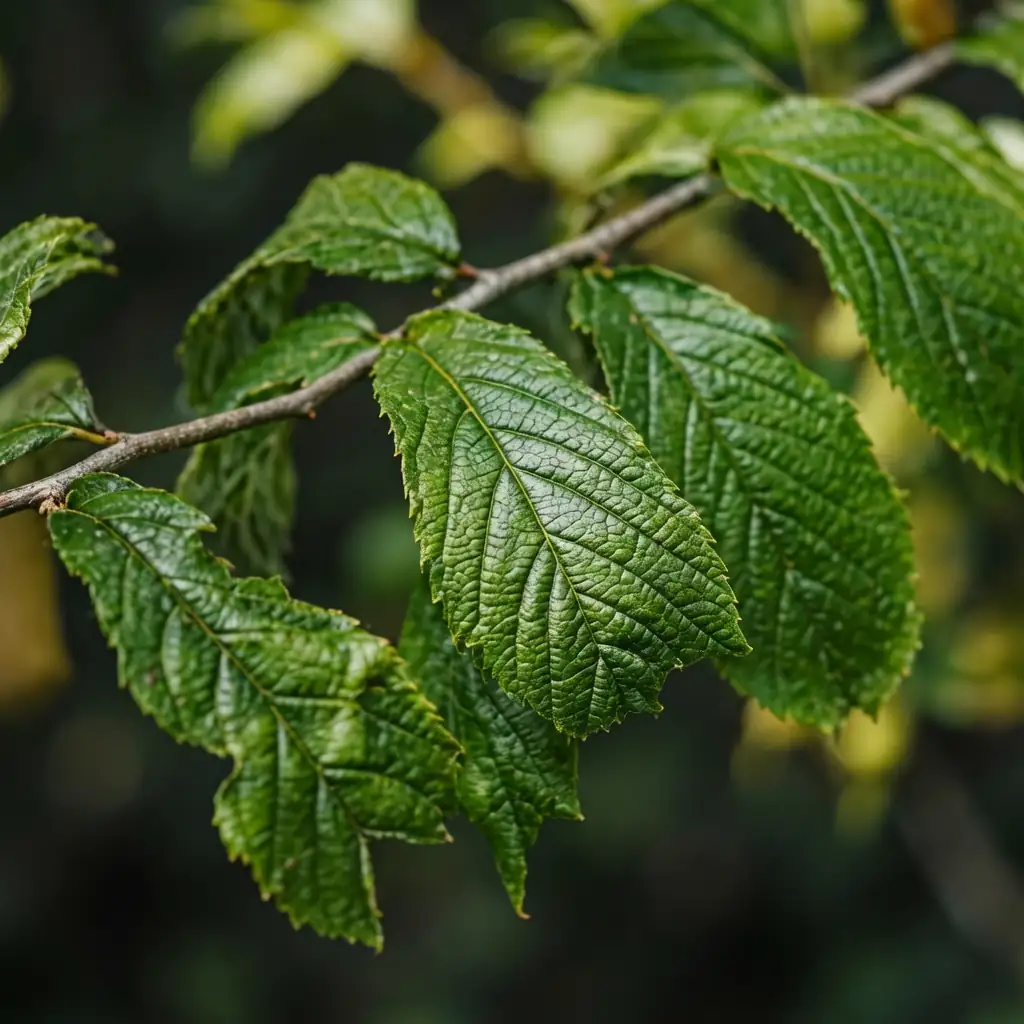
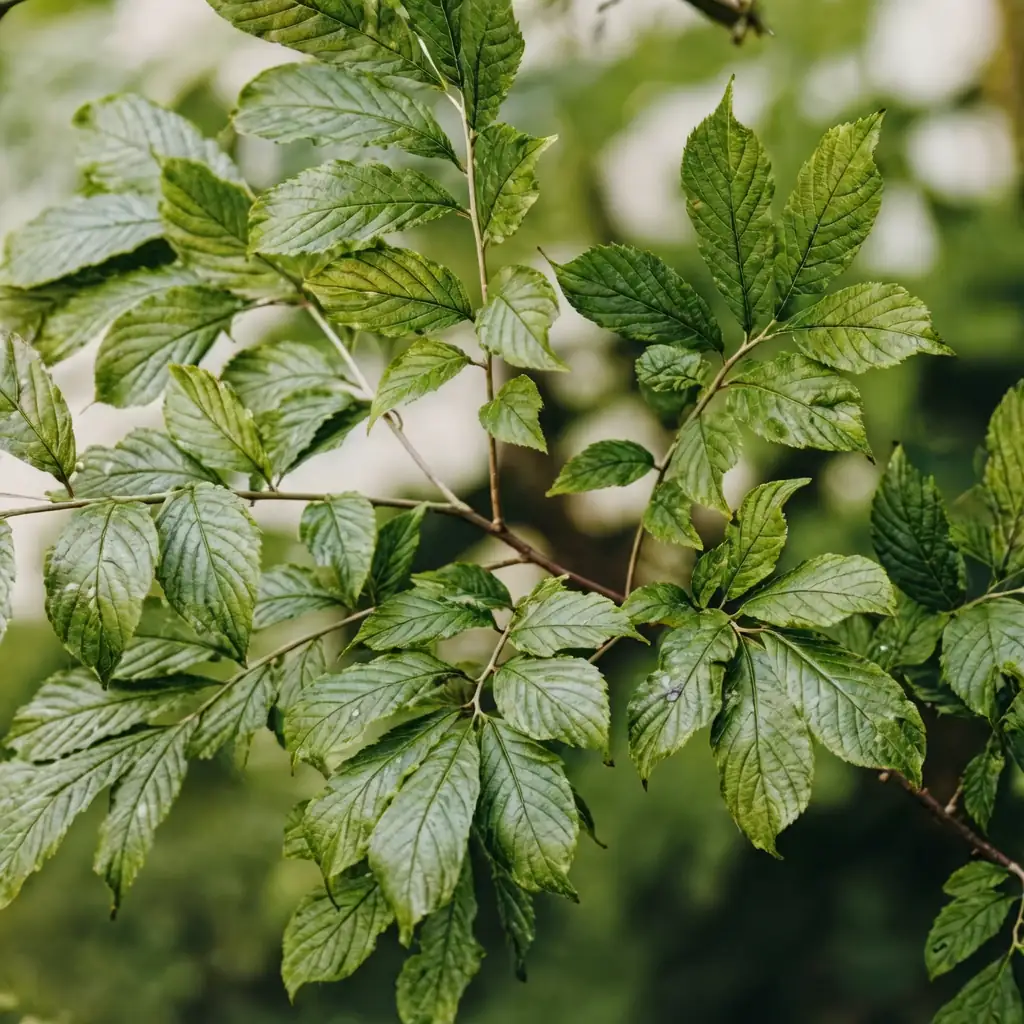
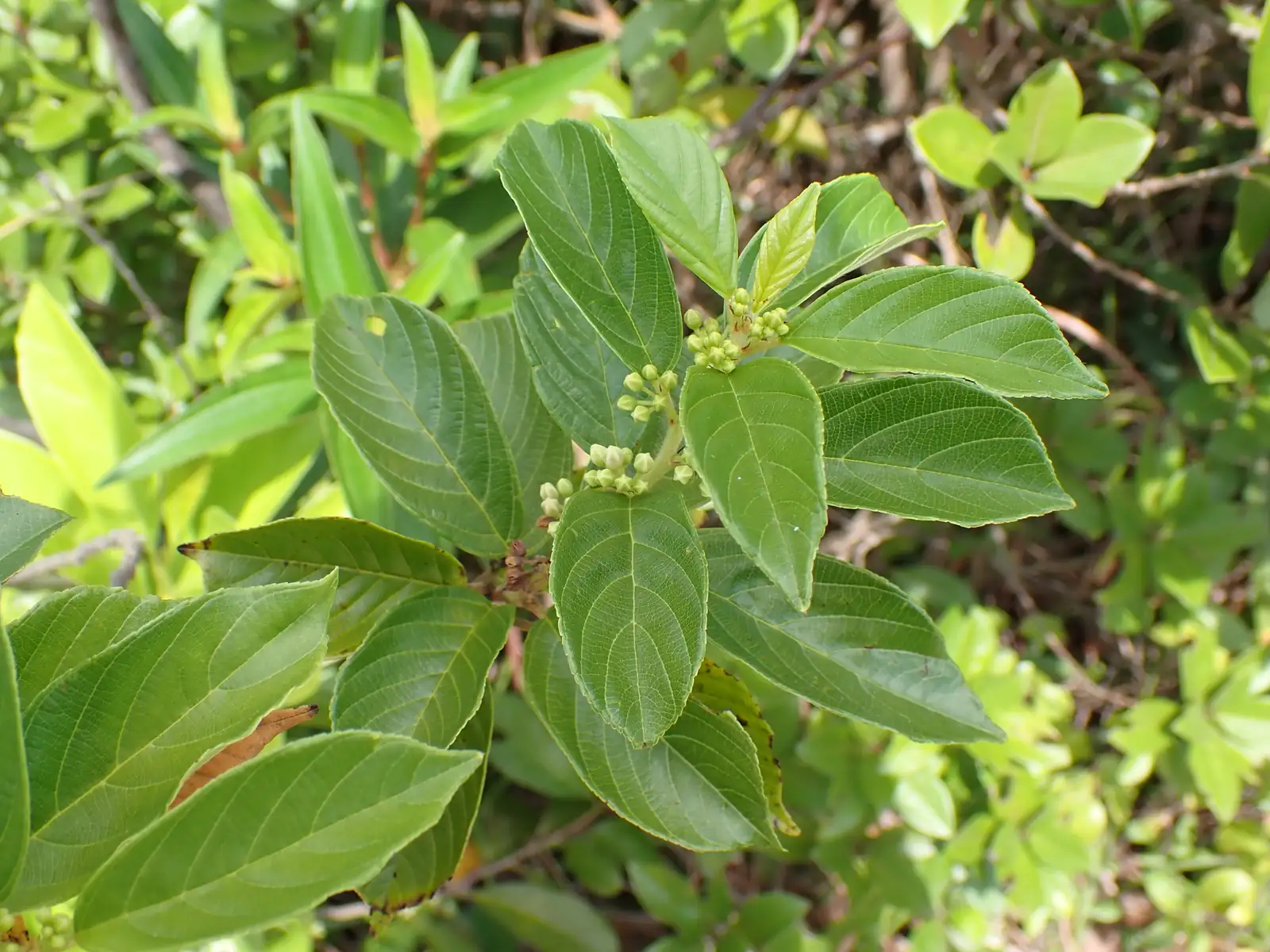
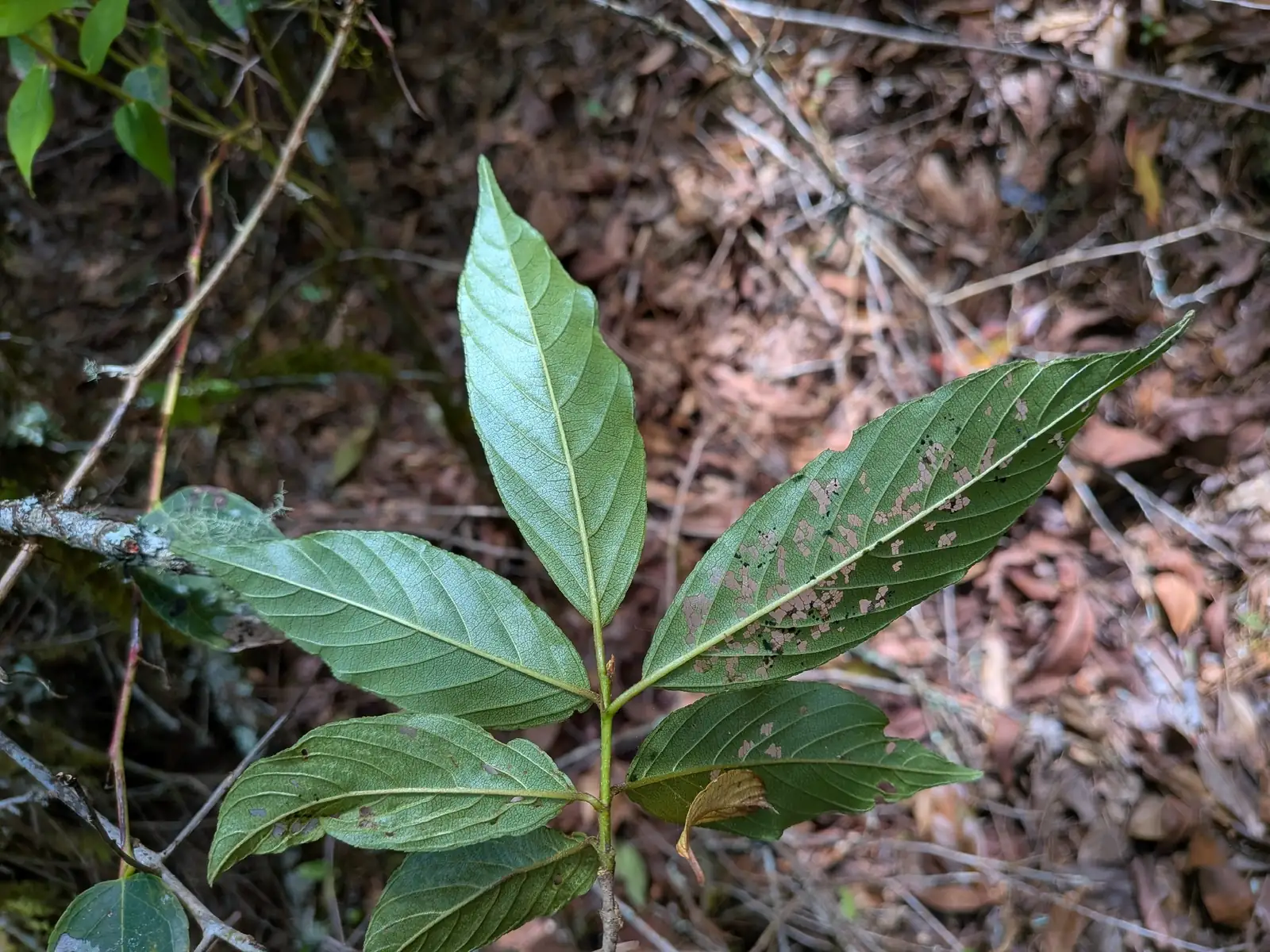
- Foliage: Young twigs may be covered with rusty, short, soft hairs that gradually shed with age. Leaves are long and elegant—elliptic-ovate to lanceolate (sometimes obovate)—with a pointed tip (acute to tail-like), a rounded base, and fine serrations (toothed edges) that give the plant a neat, textured look.
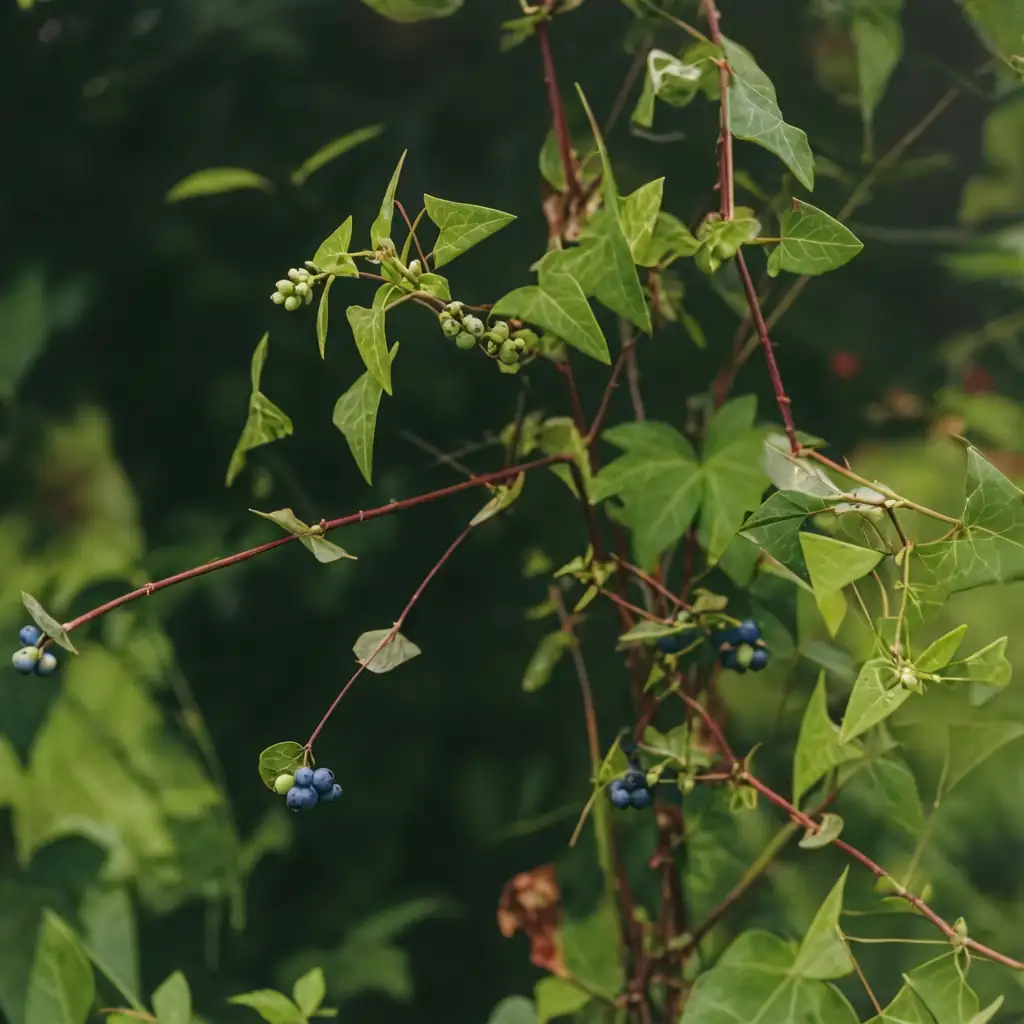
- Flower: Flowers are small and subtle, yellow-green, and carried in axillary cymes. The fruit is a nearly spherical drupe, ripening from red to black and adding an attractive late-season display.
- Flowering Season: May–August
- Growth Habit: Woody shrub to small tree. Naturally occurs on sunny slopes, woodland margins, and thickets; prefers brighter light but tolerates light shade, and it’s known for being adaptable—even coping with relatively less fertile soils when drainage is good.
Environment
Sunlight
Full sun to light shade; brightest light generally improves flowering and fruiting.
Temperature
Best suited to temperate conditions. Since widely published garden hardiness guidance is limited for this species, protect young plants from severe frost until you’ve confirmed its performance in your local winter.
Humidity
Average outdoor humidity is fine; no special humidity needs.
Soil
Adaptable, including poorer soils, but looks and grows best in loose, well-drained, reasonably fertile garden soil. Avoid persistently waterlogged sites.
Placement
Ideal for sunny borders, slopes, woodland edges, and naturalistic shrub plantings. Works well as a landscape ornamental where you can enjoy its foliage, modest blooms, and color-changing fruit.
Hardiness
Not reliably established in common English-language horticultural references; treat as a temperate outdoor woody plant and trial with winter protection in areas with harsh freezes.
Care Guide
Difficulty
Moderate overall: quite adaptable once established, with the main priorities being decent drainage and sufficient light.
Buying Guide
Choose plants with healthy, unscarred stems and firm buds/leaves. Avoid specimens that are root-bound, have tip dieback, or show obvious pest damage.
Watering
Water regularly during the first growing season to help it establish. After that, water during prolonged dry spells; aim for evenly moist (not soggy) soil and avoid waterlogging.
Fertilization
Often unnecessary in decent soil. If growth is weak, apply a balanced slow-release fertilizer in spring.
Pruning
Lightly prune after flowering or in late winter to shape the plant and remove dead, damaged, or crossing branches. It can also be gently trained into a small-tree form by selecting a main stem and gradually limbing up.
Propagation
Most commonly by seed (clean and sow; cold stratification may improve germination in some buckthorns) or by semi-ripe cuttings in summer.
Repotting
If grown in a container, repot in spring once roots fill the pot. Use a free-draining, loam-based mix and avoid moving into an overly large pot at once.
📅 Seasonal Care Calendar
Spring: light feeding if needed; tidy shaping. Summer: watch moisture during heat; take semi-ripe cuttings. Autumn: enjoy the ripening fruit; ease off watering as temperatures cool. Winter: protect young plants in colder areas; do structural pruning if required.
Pests, Diseases & Safety
Common Pests & Diseases
May encounter aphids and scale insects, and occasional leaf spot—especially in humid, poorly ventilated conditions. Improve airflow, avoid frequent overhead watering, and treat early with horticultural soap or oil when appropriate.
Toxicity
Species-specific toxicity information is limited. As a sensible precaution, do not eat the fruits or foliage, and keep plant parts away from children and pets.
Culture & Symbolism
Uses: Primarily used as an ornamental shrub/small tree for its refined leaf texture, subtle flower display, and decorative fruit that changes color as it ripens.
FAQ
Will it fruit without full sun?
It tolerates light shade, but you’ll usually get stronger growth and better flowering/fruiting in full sun or bright, open conditions.
Is it more like a shrub or a tree?
Both, depending on how you grow it: it’s naturally a large shrub, but it can be trained into a small tree and may reach about 7 m (23 ft).
Fun Facts
- Its nearly round drupes ripen from red to black, so the fruit display changes as the season progresses.
- Young twigs can wear a rusty, soft fuzz that fades as they mature.
- It’s recorded across many provinces in China, a good hint that it can handle a range of conditions.
- It offers multi-season interest—foliage, flowers, and then fruit.