

Plant Features
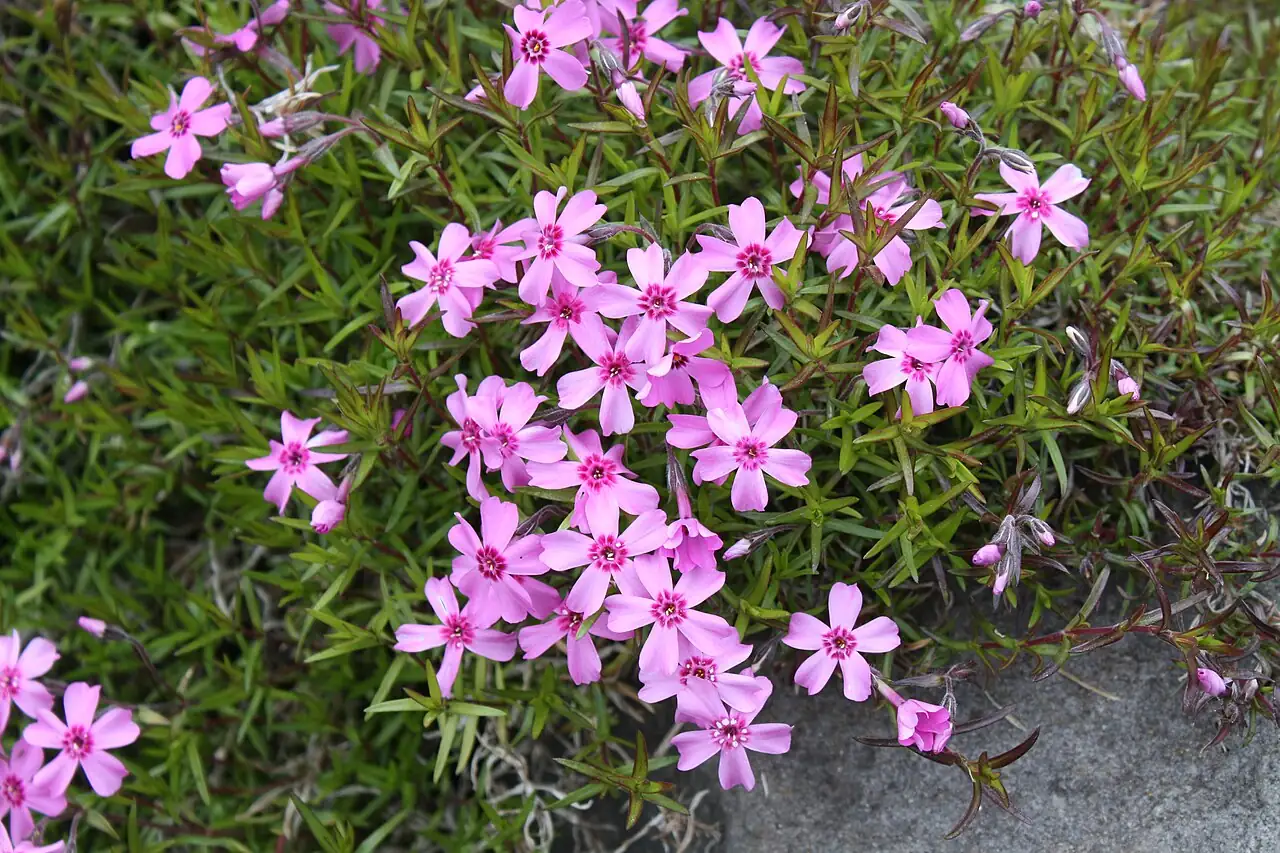
- Size: Typically 10–20 cm (4–8 in) tall; forms spreading mats that commonly reach about 30–60 cm (12–24 in) wide (and can expand further over time).
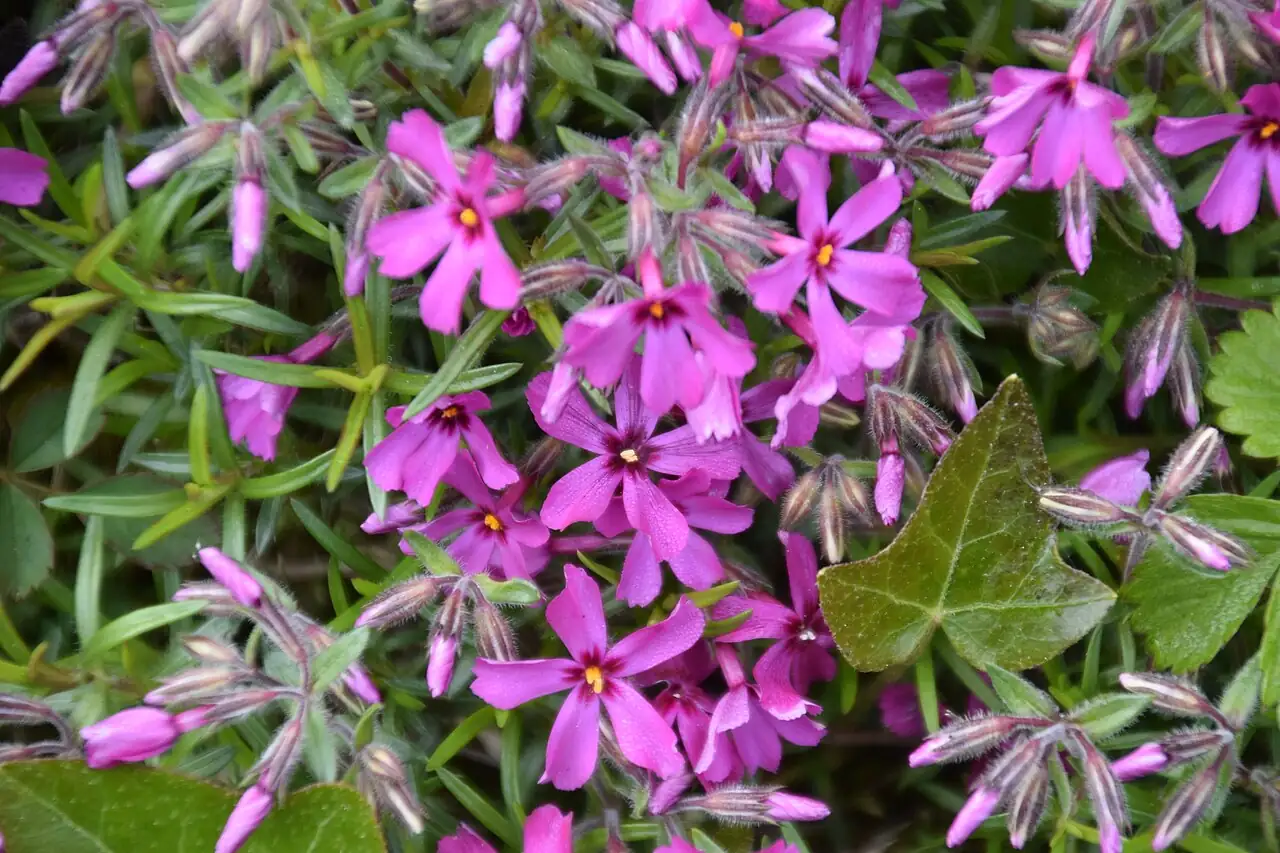
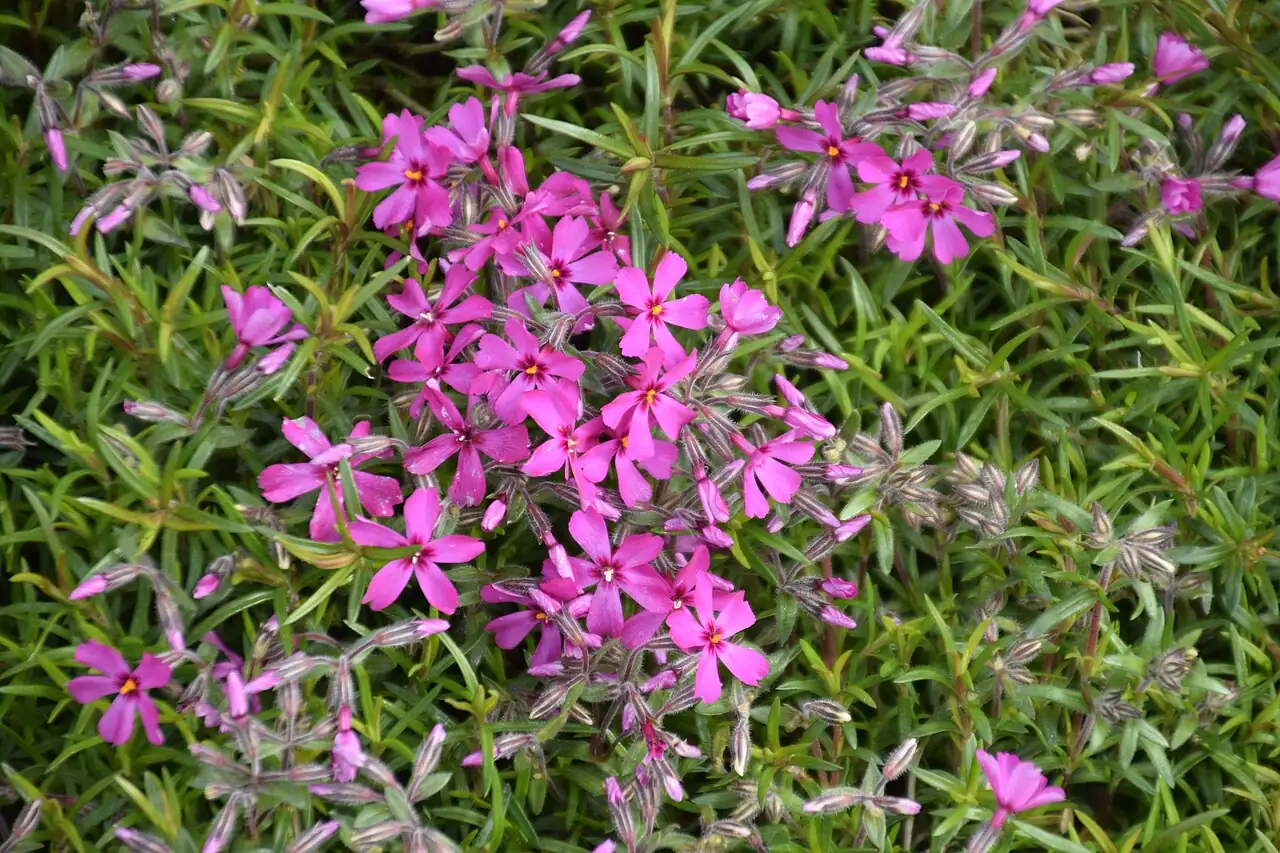
- Foliage: Evergreen to semi-evergreen. Leaves are opposite, very narrow, and awl-shaped (needle-like), giving the plant its signature mossy texture.
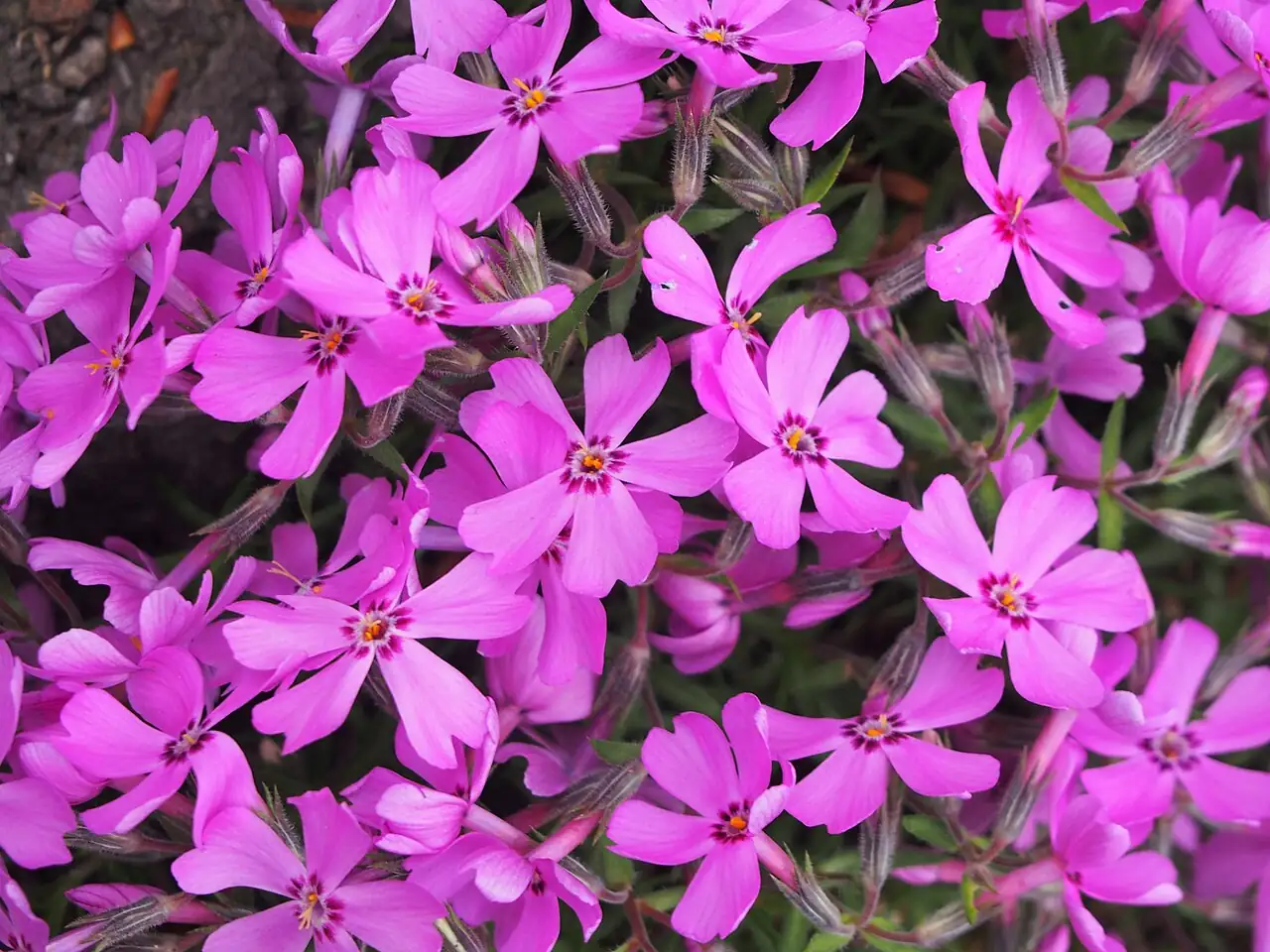
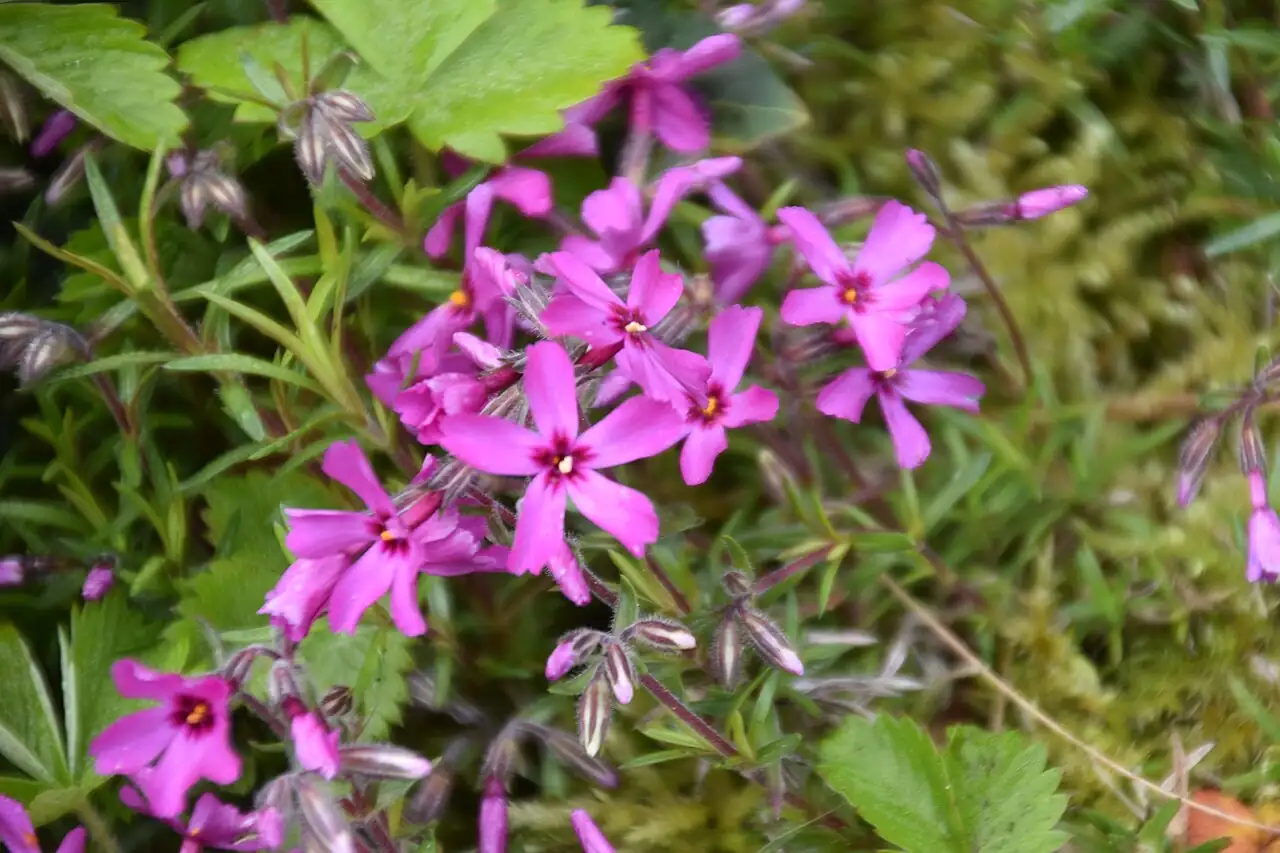
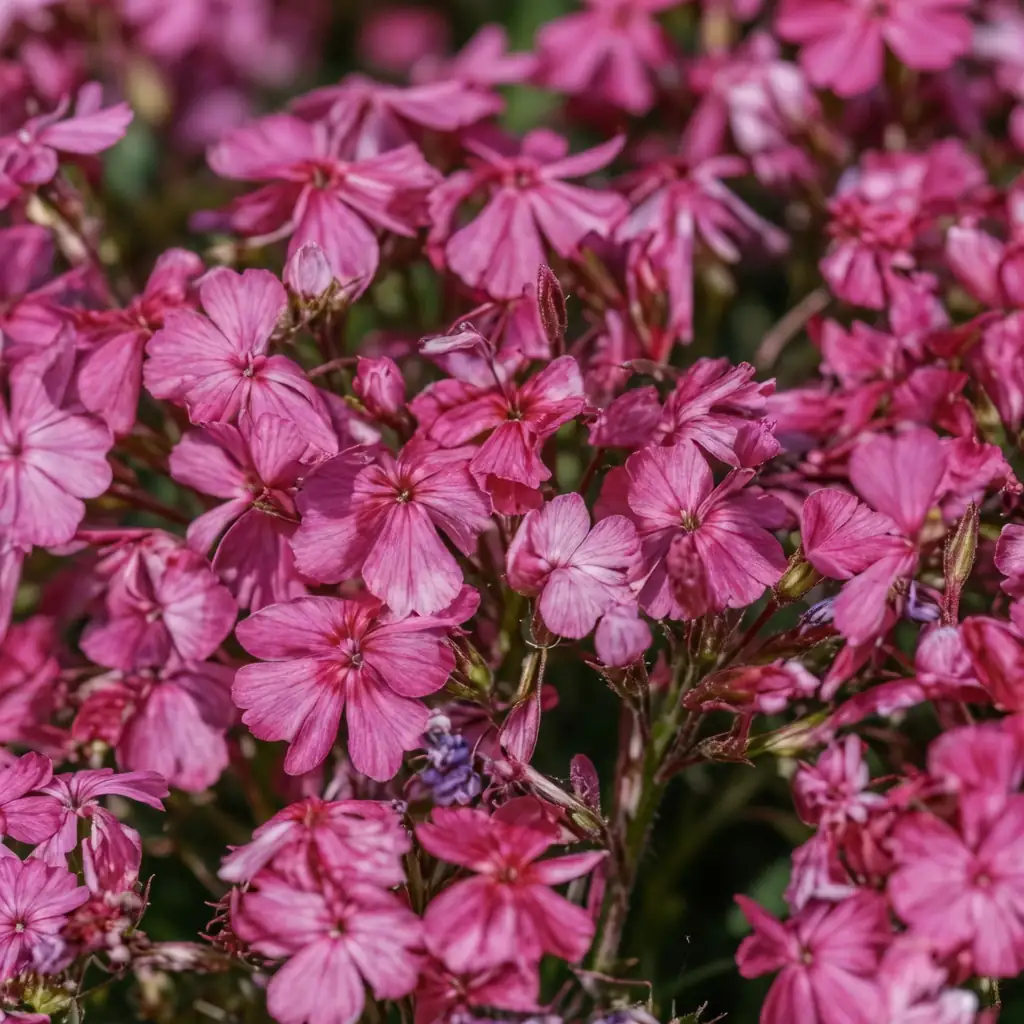
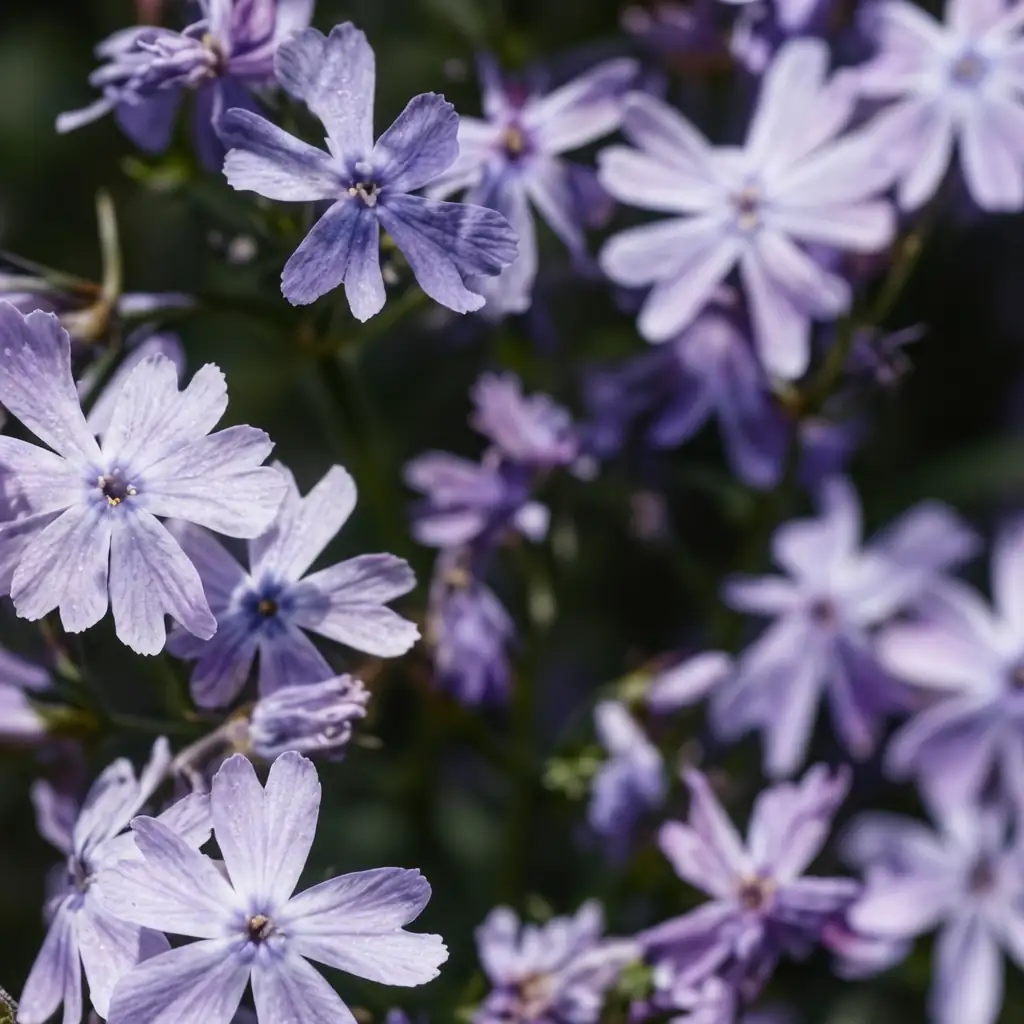
- Flower: Small, showy, five-lobed flowers held in clusters near the stem tips. Flower color depends on cultivar and commonly includes pink, purple, lavender, blue, or white. After flowering, it forms small oblong seed capsules around 4 mm (0.16 in) long.
- Flowering Season: Mid-spring to early summer (often May to June, depending on climate).
- Growth Habit: A low, creeping, freely-branching perennial that forms dense, carpet-like mats; can clump and knit together into broad drifts.
Environment
Sunlight
Full sun for the best flowering (aim for 6+ hours/day). Tolerates light shade but blooms less.
Temperature
Grows best around 15–26°C (59–79°F). Cold-hardy, but may struggle in prolonged high heat combined with humidity.
Humidity
Prefers moderate humidity and good air circulation; avoid persistently muggy, stagnant conditions.
Soil
Adaptable, but happiest in loose, well-drained loam or sandy/rocky soils. Avoid waterlogged or heavy, poorly drained sites.
Placement
Sunny flower beds, borders, rock gardens, slopes, and along paths; excellent for mass planting and for stabilizing sunny embankments.
Hardiness
USDA Zones 3–9. Tolerant of cold, lean soils, and short droughts once established; also tolerates some salinity/alkalinity.
Care Guide
Difficulty
Easy. It’s naturally tough—handling cold and lean soils well—and becomes fairly drought-tolerant once established. The main “secret” is avoiding soggy soil and giving it a quick tidy-up after blooming.
Buying Guide
Look for compact plants with dense, healthy green needle-like foliage and no blackened or mushy stems. Avoid pots that smell sour or seem waterlogged. If buying in bloom, choose plants with lots of buds for a longer flower show.
Watering
During establishment, water regularly to keep soil lightly moist but never soggy. Once established, water deeply only when the top 2–5 cm (1–2 in) of soil feels dry. Reduce watering in cool seasons; drainage matters more than frequency.
Fertilization
Light feeder. In early spring, top-dress with a thin layer of compost or use a low-nitrogen, balanced slow-release fertilizer at the label rate. Avoid heavy feeding, which can reduce flowering and make growth floppy.
Pruning
Shear lightly right after flowering to keep mats dense, neat, and sometimes encourage a small rebloom. In early spring, remove dead or winter-damaged stems.
Propagation
Easy by division in early spring or early fall. Also roots readily from stem cuttings taken late spring to summer. Natural layering happens where stems touch the soil.
Repotting
Usually grown in the ground. In containers, repot every 1–2 years in spring into a fast-draining mix and a pot with drainage holes; refresh the top layer annually.
📅 Seasonal Care Calendar
Spring: clean up, light feeding, enjoy peak bloom; shear after flowering. Summer: water during extended drought and keep airflow good. Fall: divide/plant if needed; avoid late heavy fertilizing. Winter: minimal care—focus on keeping soil from staying wet to prevent rot.
Pests, Diseases & Safety
Common Pests & Diseases
Generally low-maintenance. Spider mites can appear in hot, dry spells; powdery mildew can show up in humid, poorly ventilated sites. Prevention: full sun, good spacing/airflow, and avoid late-day overhead watering.
Toxicity
Commonly regarded as non-toxic to people and pets. As with many ornamentals, eating large amounts may still cause mild stomach upset in sensitive individuals.
Culture & Symbolism
Symbolism: Often associated with spring renewal, harmony, and a joyful sense of abundance—especially when it’s used to create sweeping carpets of color.
History & Legends: A classic groundcover in North American and temperate gardens, prized for rock gardens and slopes. Many ornamental cultivars have been selected for vivid colors, heavy bloom, and strong growth.
Uses: Mainly ornamental: mass groundcover in beds, borders, rock gardens, and along paths; excellent for bright color blocks and for helping stabilize sunny slopes or embankments.
FAQ
When does creeping phlox bloom?
Usually mid-spring to early summer—often May to June, depending on your local climate.
When does it set seed?
After flowering it forms small capsules; they typically mature from about June to October depending on region and weather.
How tall does it get?
Most plants stay around 10–20 cm (4–8 in) tall.
Where is it native, and where is it commonly grown?
It’s native to eastern North America and is widely introduced and cultivated elsewhere, including eastern China, where it’s often used in open grassy plantings and along river embankments.
Is it hardy and drought-tolerant?
Yes—it’s generally hardy in USDA Zones 3–9 and becomes drought-tolerant once established, though it dislikes prolonged extreme heat paired with high humidity.
Fun Facts
- Those tiny needle-like leaves are why it earned the nickname “moss phlox.”
- Planted in drifts, it can create striking spring “flower carpets” that look almost painted onto the ground.
- Its seed capsules are surprisingly small—around 4 mm (0.16 in) long.
- It’s tougher than it looks: it handles cold, lean soils, and short dry spells better than many common bedding flowers.


