

Plant Features
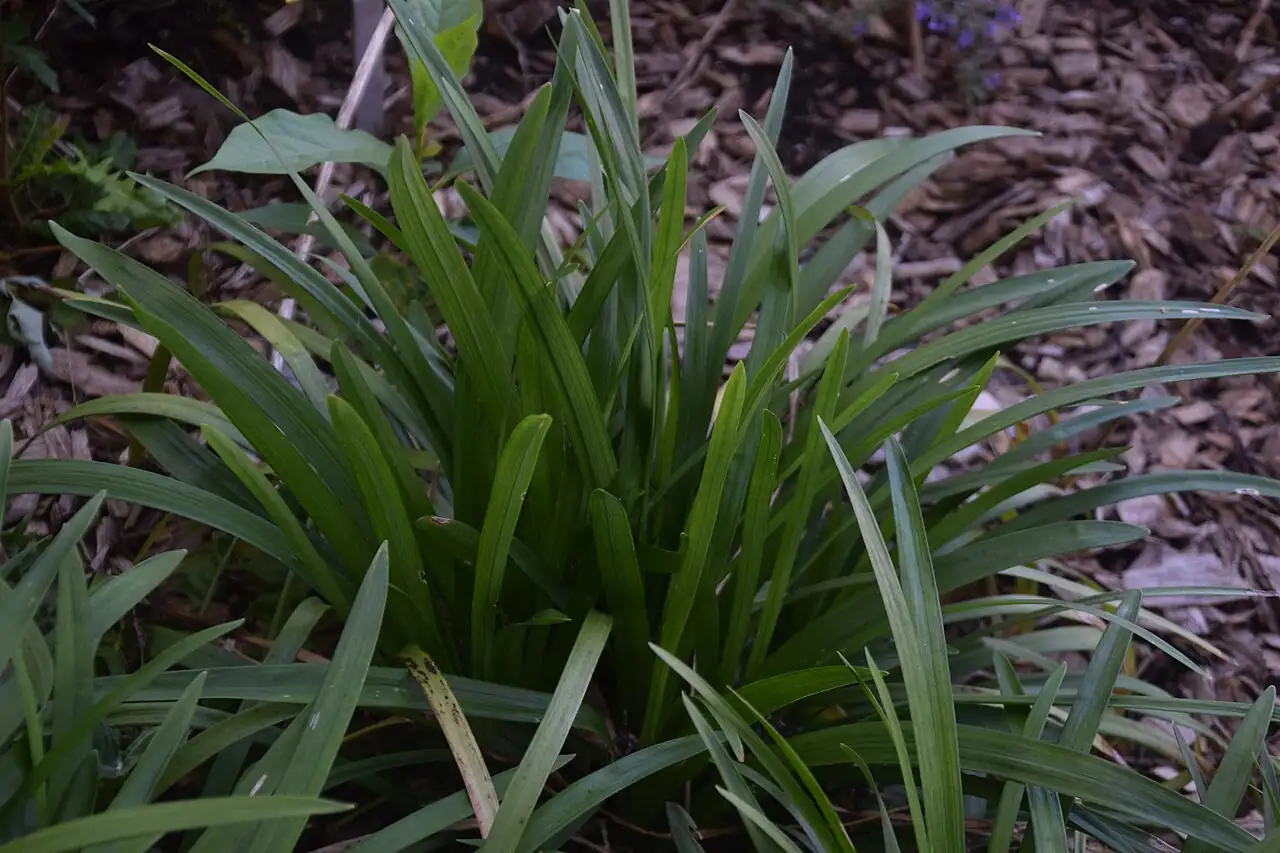
- Size: Typically 15–40 cm (6–16 in) tall; spreads outward to form mats and colonies via rhizomes.
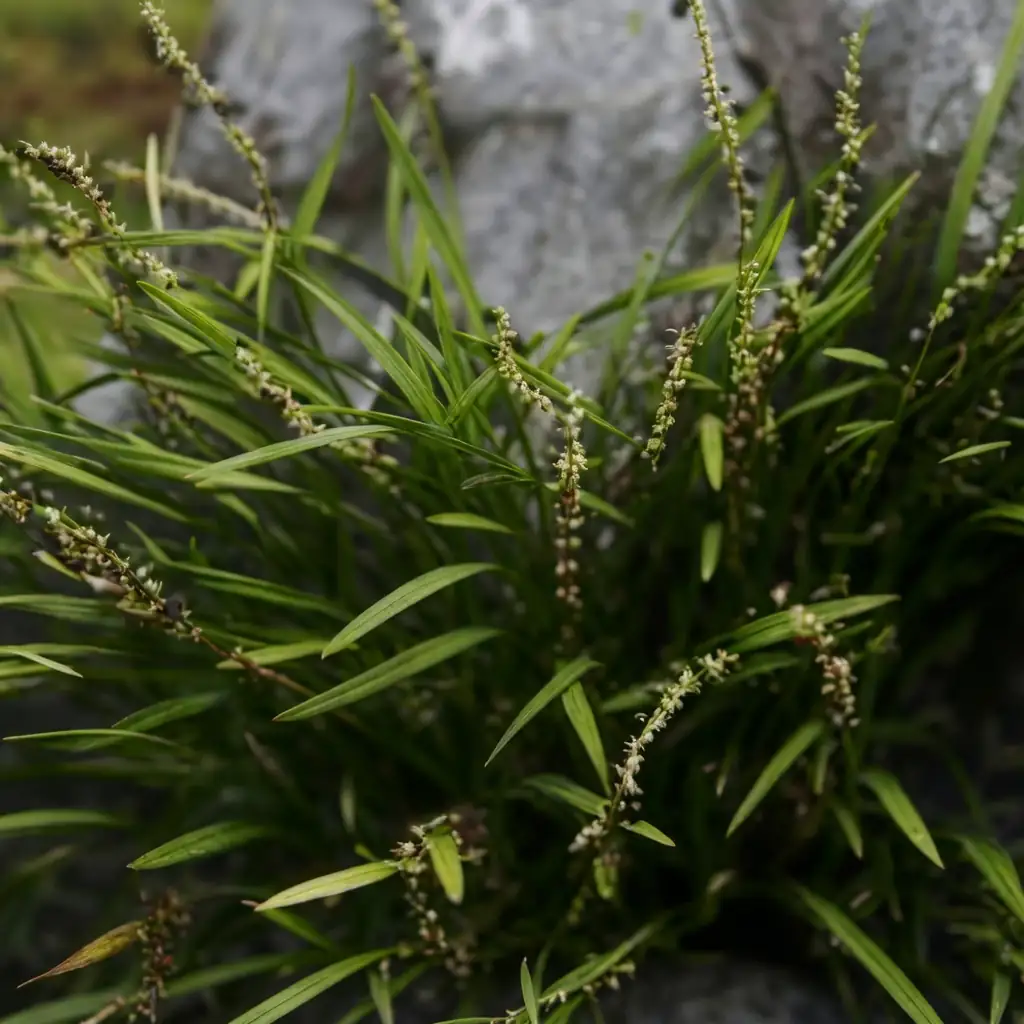
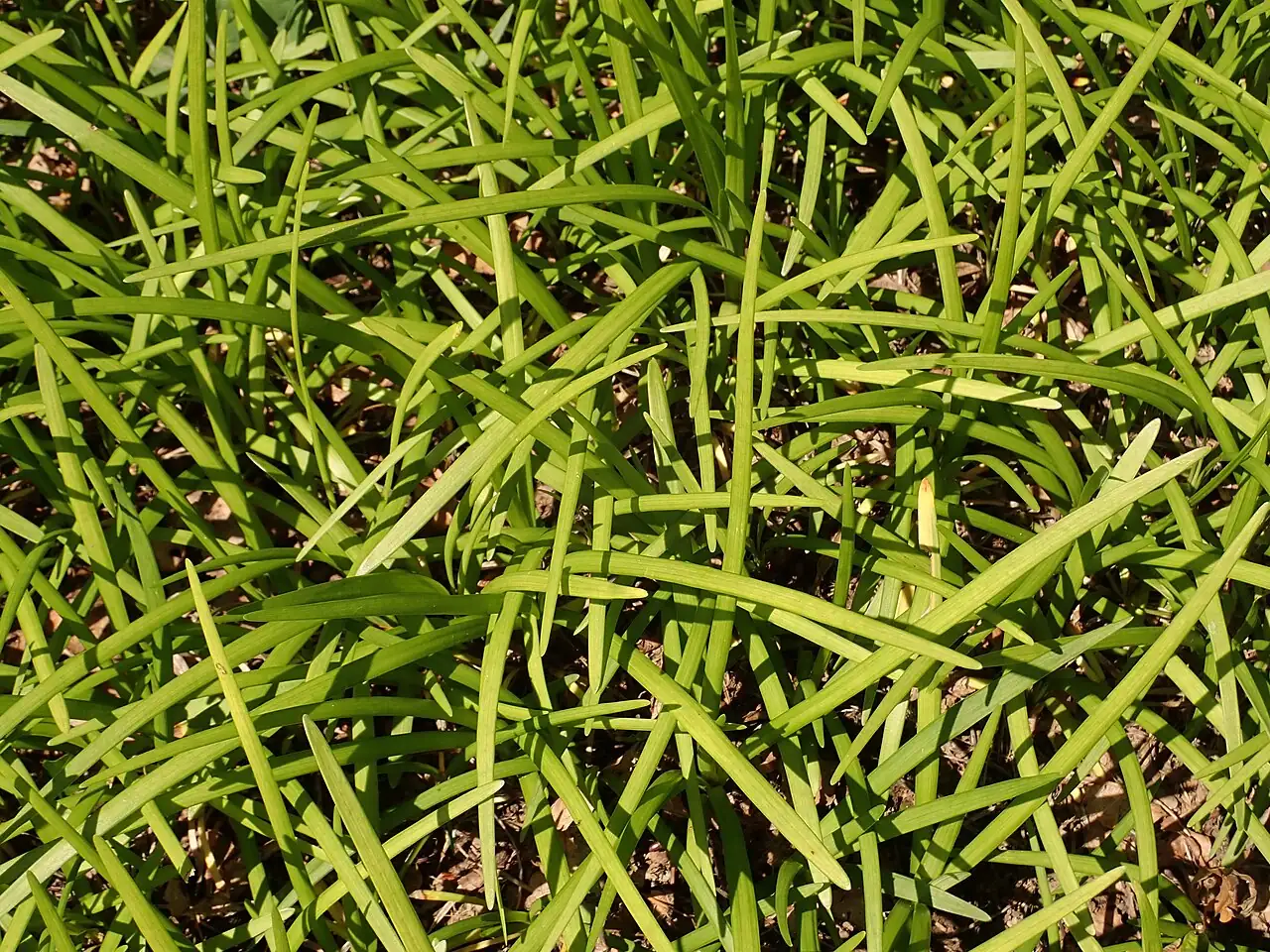
- Foliage: Narrow, arching, strap-like leaves with a fine, grassy look; usually deep green. Leaves are commonly 25–60 cm (10–24 in) long and about 4–8 mm (0.16–0.31 in) wide. Often evergreen where winters are mild.
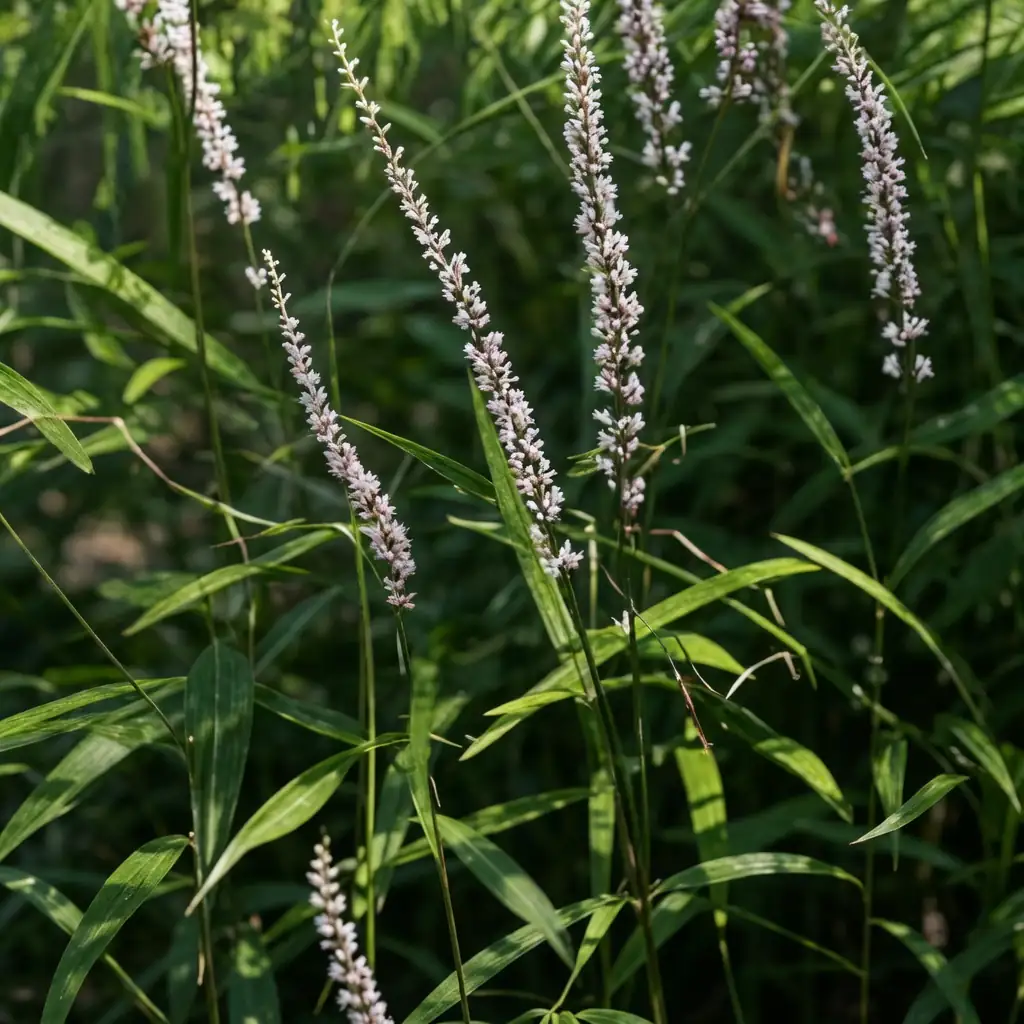
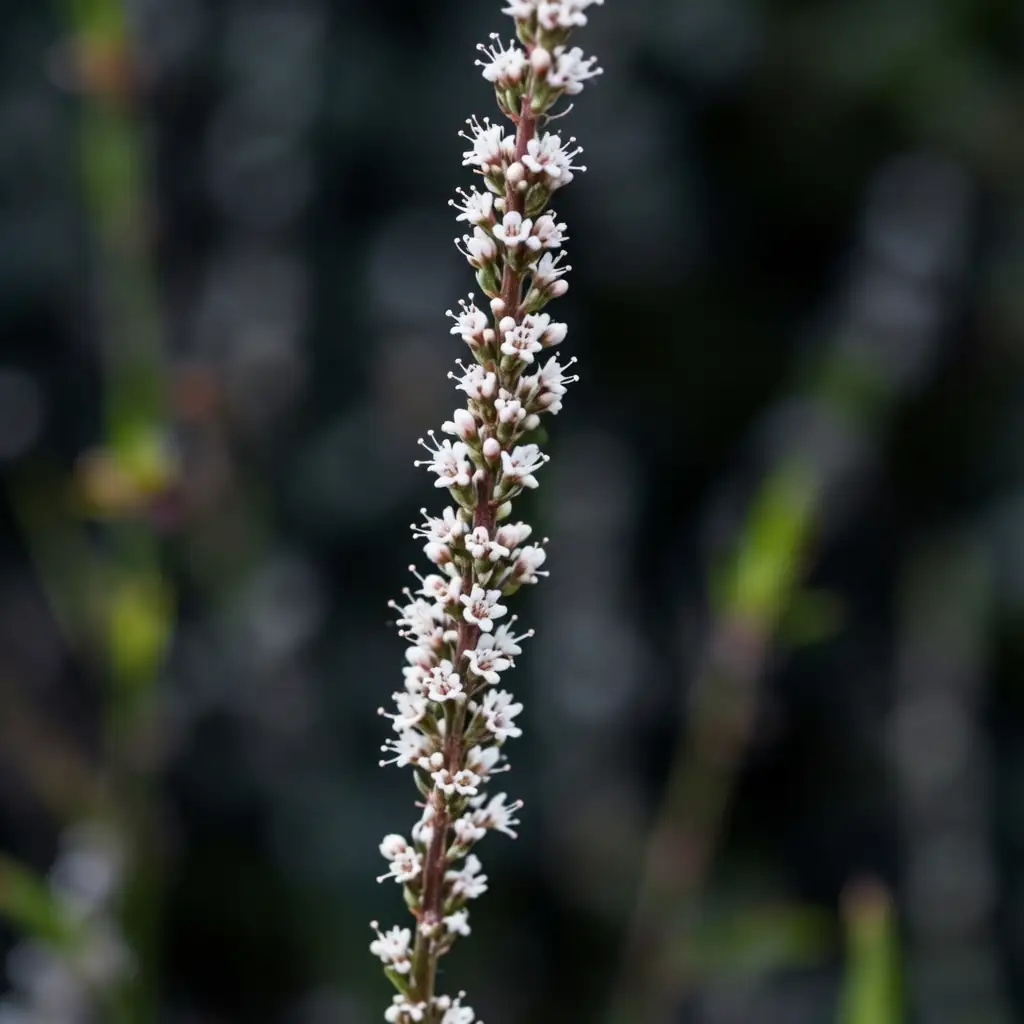
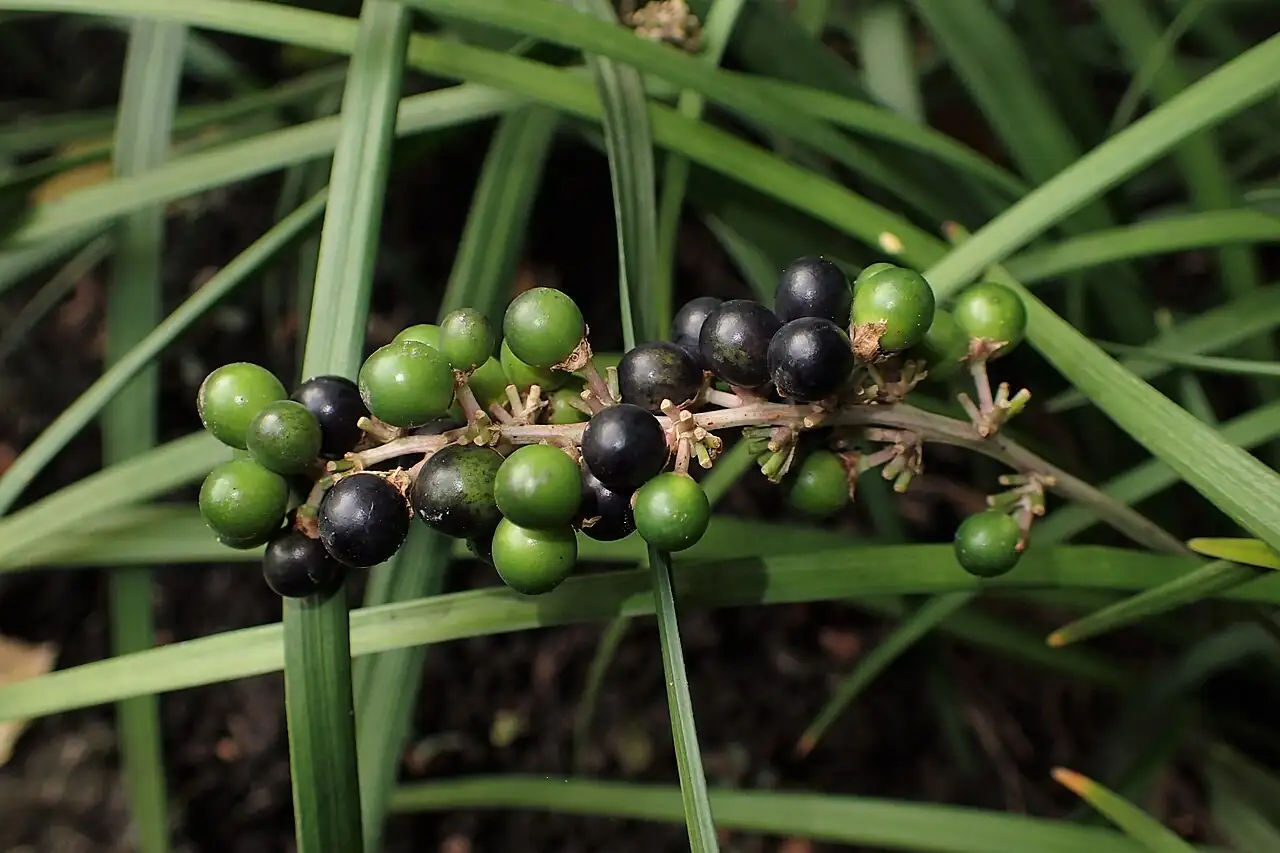
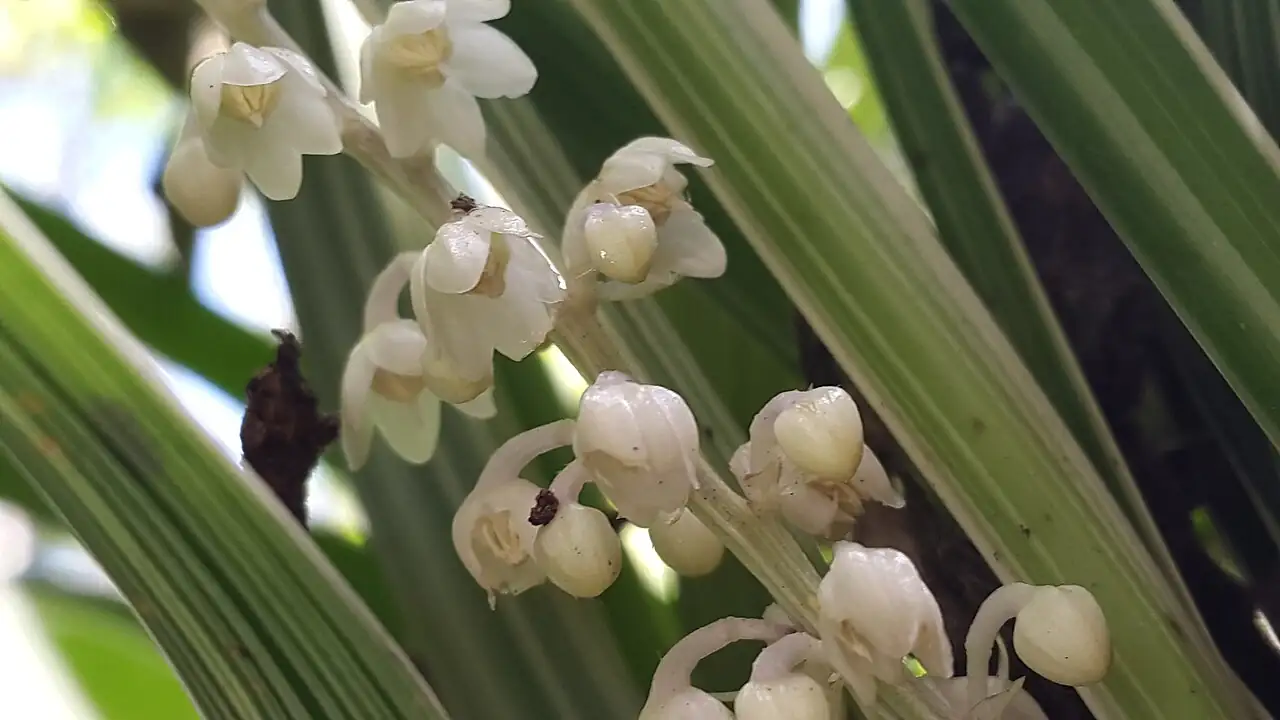
- Flower: Slender flower spikes carry many small lavender to purple blooms; spikes are usually as long as or slightly longer than the foliage (sometimes shorter). After flowering, it may produce near-spherical dark berries/seeds around 5 mm (0.2 in) across.
- Flowering Season: May–July (late spring to mid-summer)
- Growth Habit: A clump-forming perennial that also creeps and spreads by short rhizomes, creating carpets. Roots can be somewhat thick and branched, with small oblong to spindle-shaped fleshy tuber-like swellings near the tips.
Environment
Sunlight
Partial shade to full shade; can handle more sun if the soil stays evenly moist.
Temperature
Grows best around 15–30°C (59–86°F). Once established, it tolerates winter cold well for a groundcover.
Humidity
Prefers moderate to high humidity, but adapts if watering is consistent.
Soil
Loose, fertile soil that stays consistently moist yet drains well; sandy or loamy mixes are ideal. Tolerates neutral to slightly alkaline soil.
Placement
Great under trees, along shaded borders, woodland gardens, slopes (for erosion control), and as tidy edging or mass groundcover in landscapes. Also works in containers if drainage is excellent.
Hardiness
USDA Zone 4–10; generally handles light frosts once established (exact performance depends on local conditions and winter wetness).
Care Guide
Difficulty
Easy. It’s adaptable and forgiving—most issues come from soggy soil (rot risk) or prolonged drought in hot sun.
Buying Guide
Look for dense, fresh green foliage and firm crowns. Avoid yellowing plants or pots that smell sour or feel waterlogged. For quick outdoor coverage, choose vigorous divisions with multiple shoots and visible healthy roots/rhizomes.
Watering
During the first growing season, water regularly so the soil stays evenly moist (not muddy). After establishment, water when the top 2–5 cm (1–2 in) of soil has dried; increase watering during heatwaves or when grown in brighter sun.
Fertilization
In spring, give a light feeding with a balanced slow-release fertilizer or top-dress with compost. Skip heavy feeding—too much nitrogen can make growth floppy and reduce flowering.
Pruning
In late winter to early spring, shear or rake out browned leaves before new growth starts (you can cut back to about 5–10 cm / 2–4 in if needed). Remove spent flower stalks if you want a cleaner look.
Propagation
Divide clumps in spring or early autumn. Lift the plant, split into sections with roots and shoots, replant at the same depth, and keep evenly moist until established.
Repotting
In containers, repot or divide every 2–3 years in spring. Use a well-draining potting mix and a pot with drainage holes.
📅 Seasonal Care Calendar
Spring: plant/divide, light feeding, tidy old foliage. Summer: keep moisture steady; enjoy blooms. Autumn: optional division; reduce feeding; tidy up. Winter: minimal care; protect potted plants from deep freezes and waterlogged soil.
Pests, Diseases & Safety
Common Pests & Diseases
Usually trouble-free. Watch for slugs/snails on tender growth, and (in containers or stressed plants) occasional scale or spider mites. The biggest risk is crown/root rot in poorly drained, overly wet soil—improve drainage and avoid overwatering.
Toxicity
Not commonly listed as highly toxic, but chewing or ingestion may cause mild stomach upset in pets or people. Keep away from habitual plant-chewers and consult a veterinarian if symptoms appear.
Culture & Symbolism
Symbolism: Often linked with resilience and calm, dependable greenery—especially because it stays attractive in shade and quietly fills in bare spots.
History & Legends: Used for a long time in East Asian gardens and, more recently, widely adopted in modern landscaping as a reliable understory and edging plant—more prized for toughness than showy flowers.
Uses: Primarily ornamental: shady groundcover, edging along paths and beds, under-tree planting, and slope coverage for light erosion control. Also useful in low-maintenance, evergreen-style plantings.
FAQ
Will creeping lilyturf spread?
Yes. Liriope spicata spreads by rhizomes and can form colonies. If you want strict boundaries, use edging barriers or divide and thin it periodically.
Can it grow under trees?
Yes—this is one of its best uses. It handles shade well, but it looks its best with occasional deep watering during hot, dry stretches.
Why are the leaves turning brown?
Common causes include winter burn, drought stress, or simply old foliage. Shear it back in late winter/early spring and aim for consistent moisture with good drainage.
Fun Facts
- Its roots often develop small fleshy, tuber-like swellings near the tips.
- The leaves can be 25–60 cm (10–24 in) long but only 4–8 mm (0.16–0.31 in) wide—one reason it reads like a soft “grass” from a distance.
- Flower spikes are commonly as long as or slightly taller than the leaves.
- The berries/seeds are nearly spherical and about 5 mm (0.2 in) across.
- In nature it’s commonly found along woodland margins, valleys, slopes, roadsides, and other moist habitats.


