

Plant Features
- Size: Slender creeping stems typically 20–60 cm (8–24 in) long; forms a low, spreading mat-like groundcover.
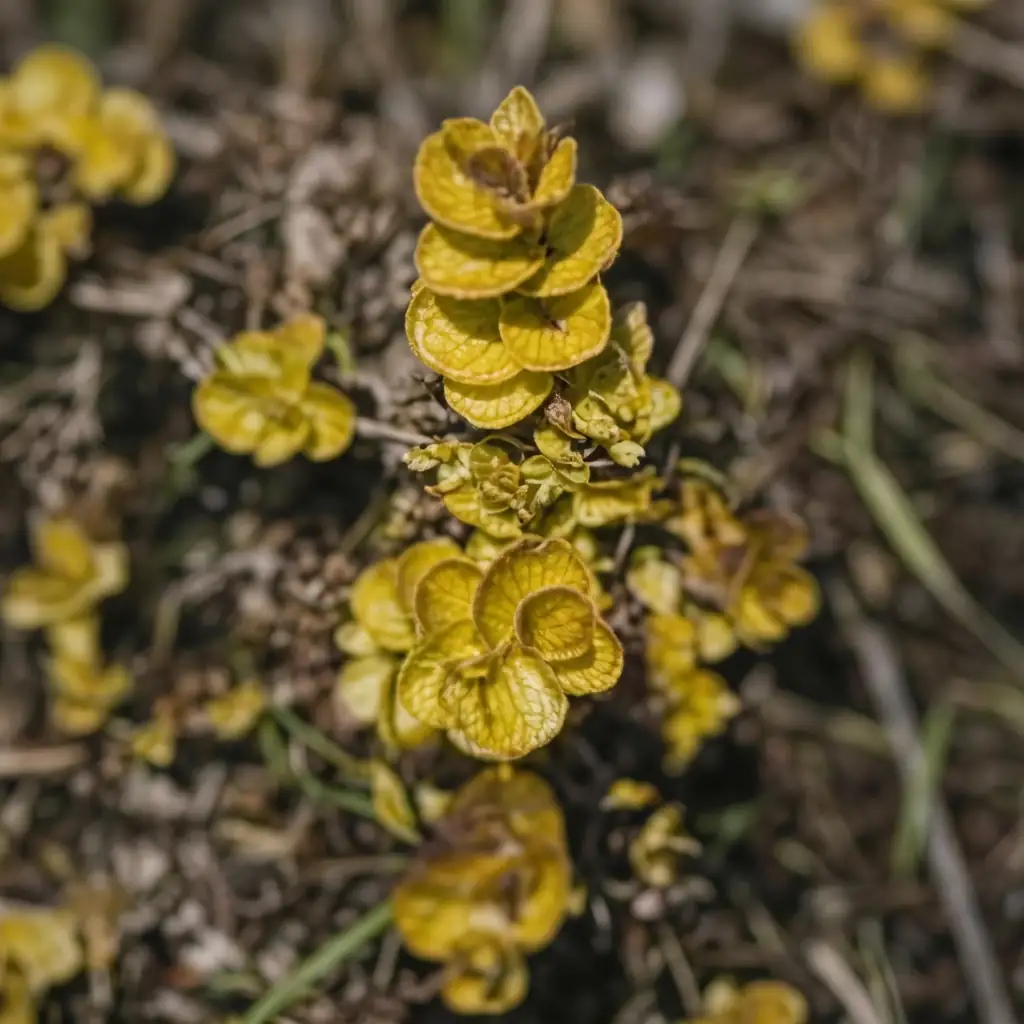
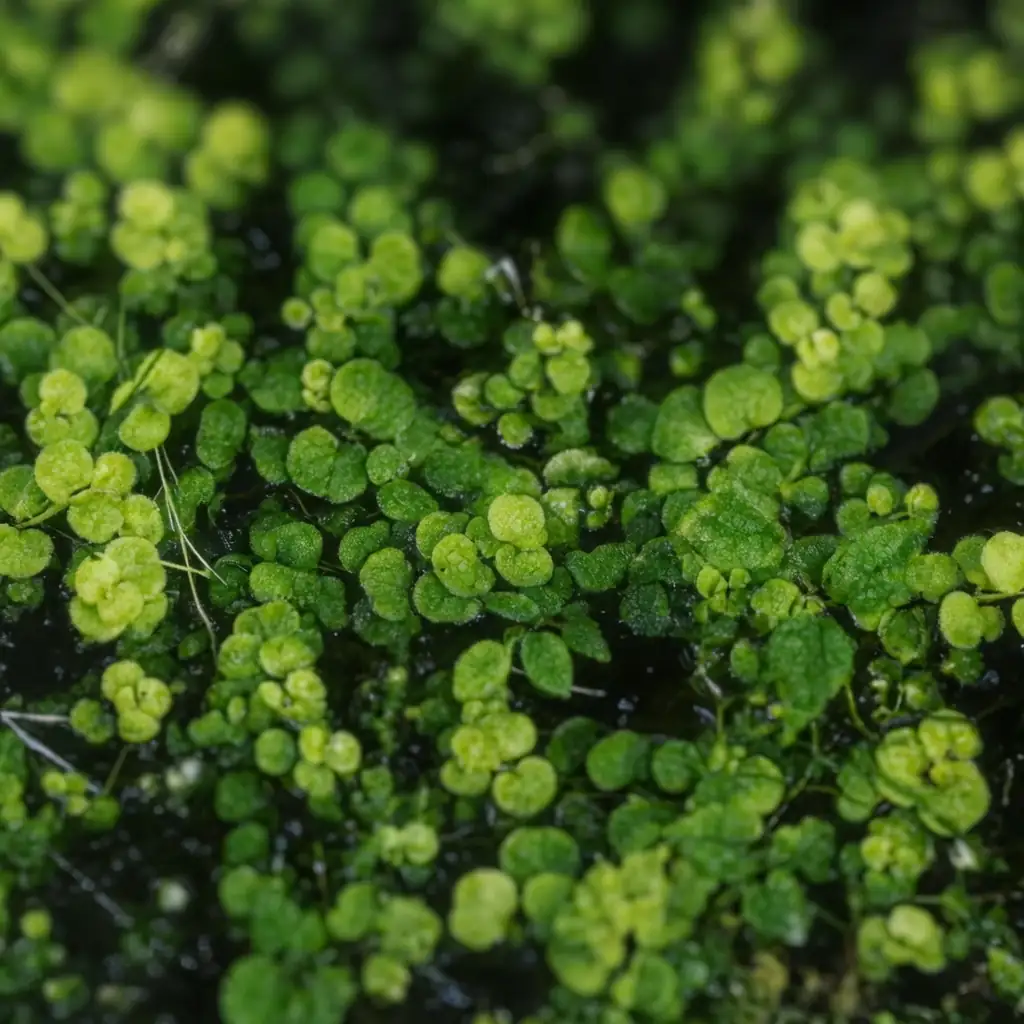
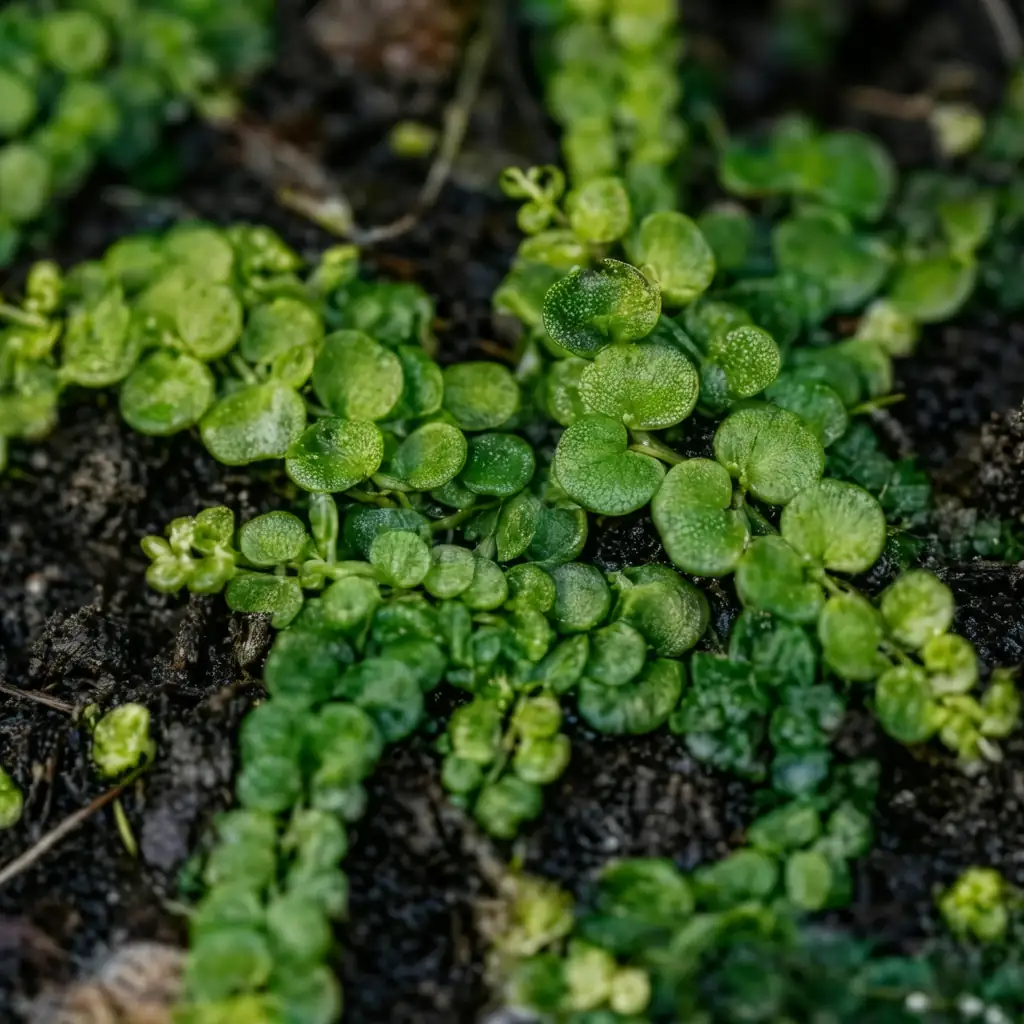
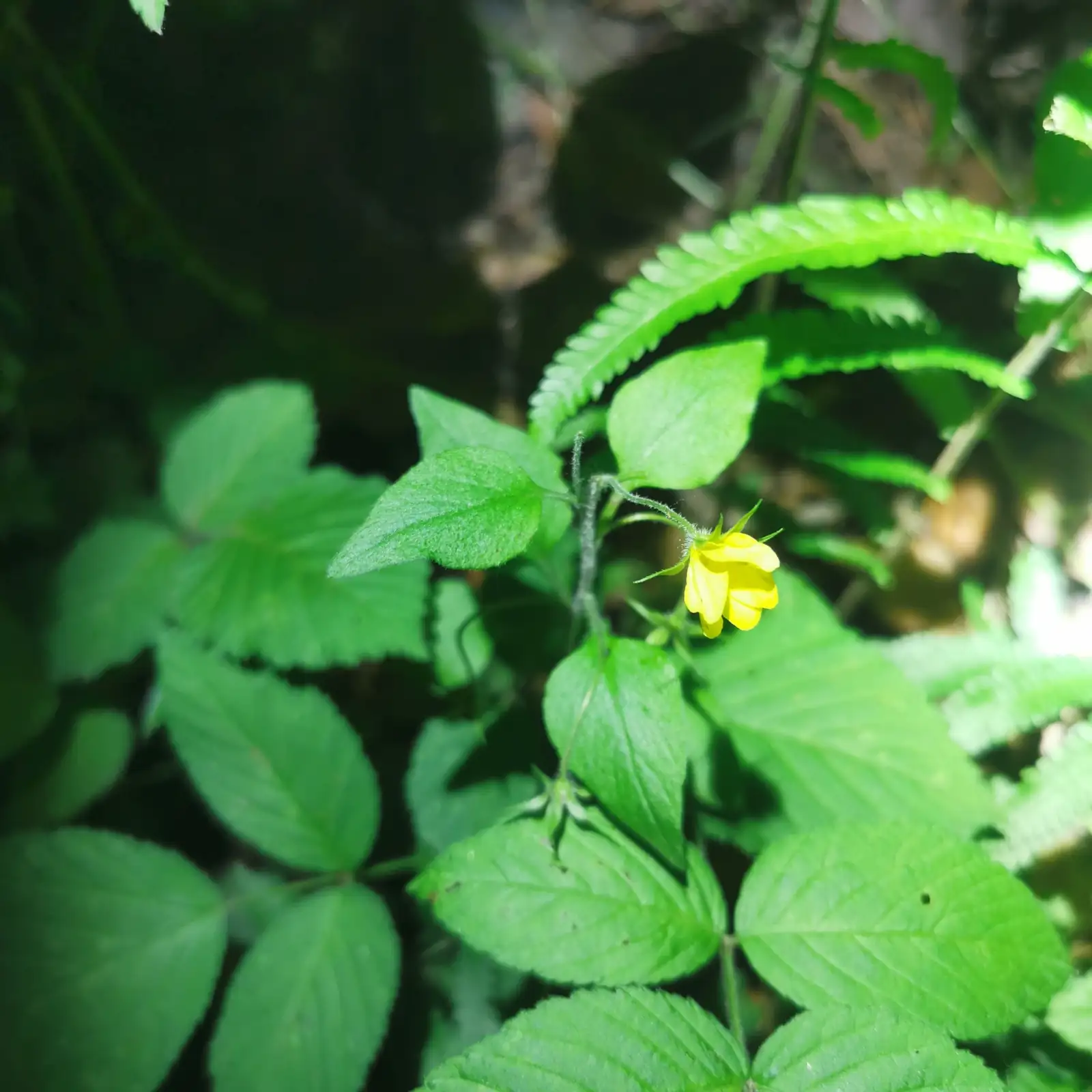
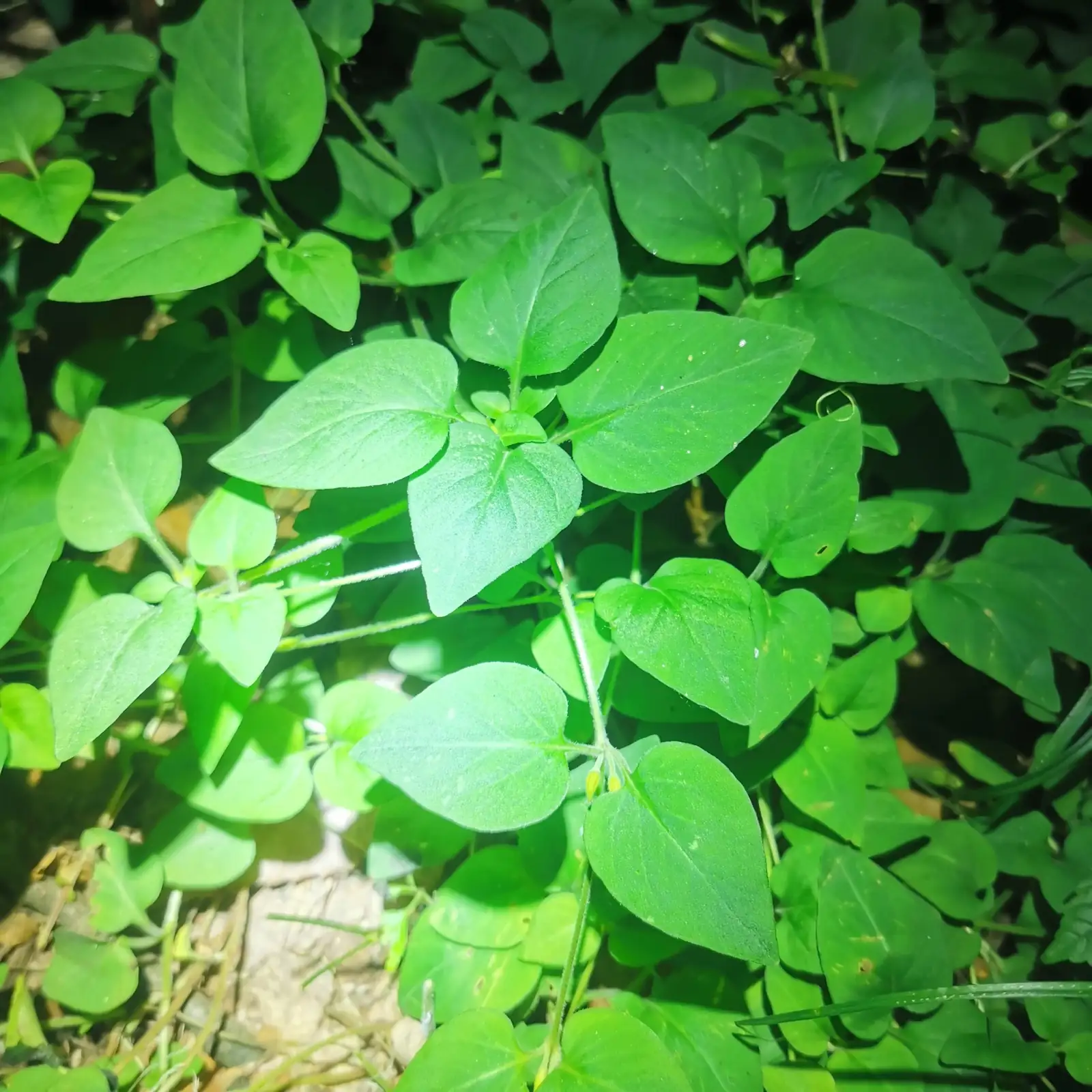
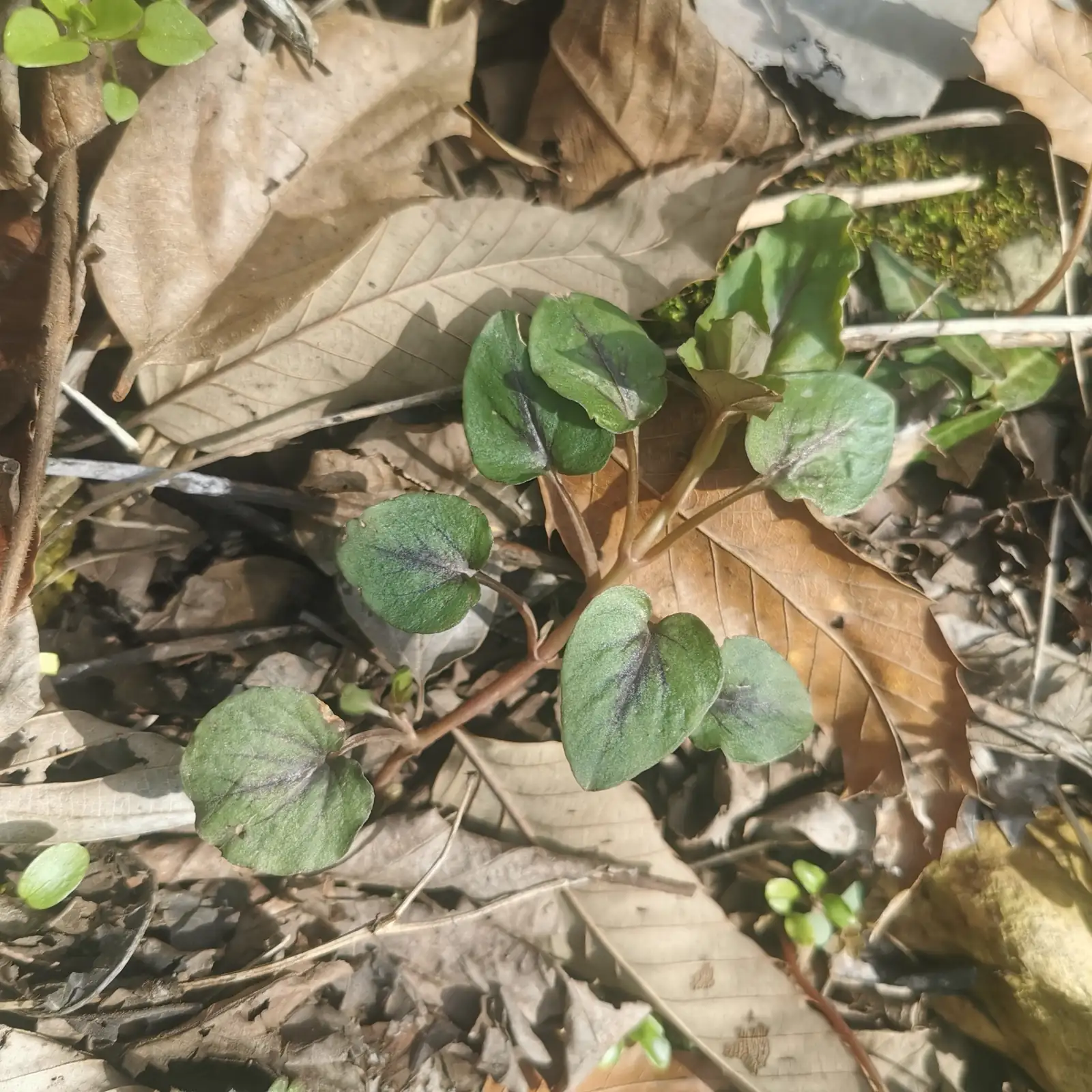
- Foliage: Leaves are opposite and broadly ovate to nearly round (sometimes kidney-shaped), giving a soft, coin-like look; foliage is fresh green and carried along trailing stems.
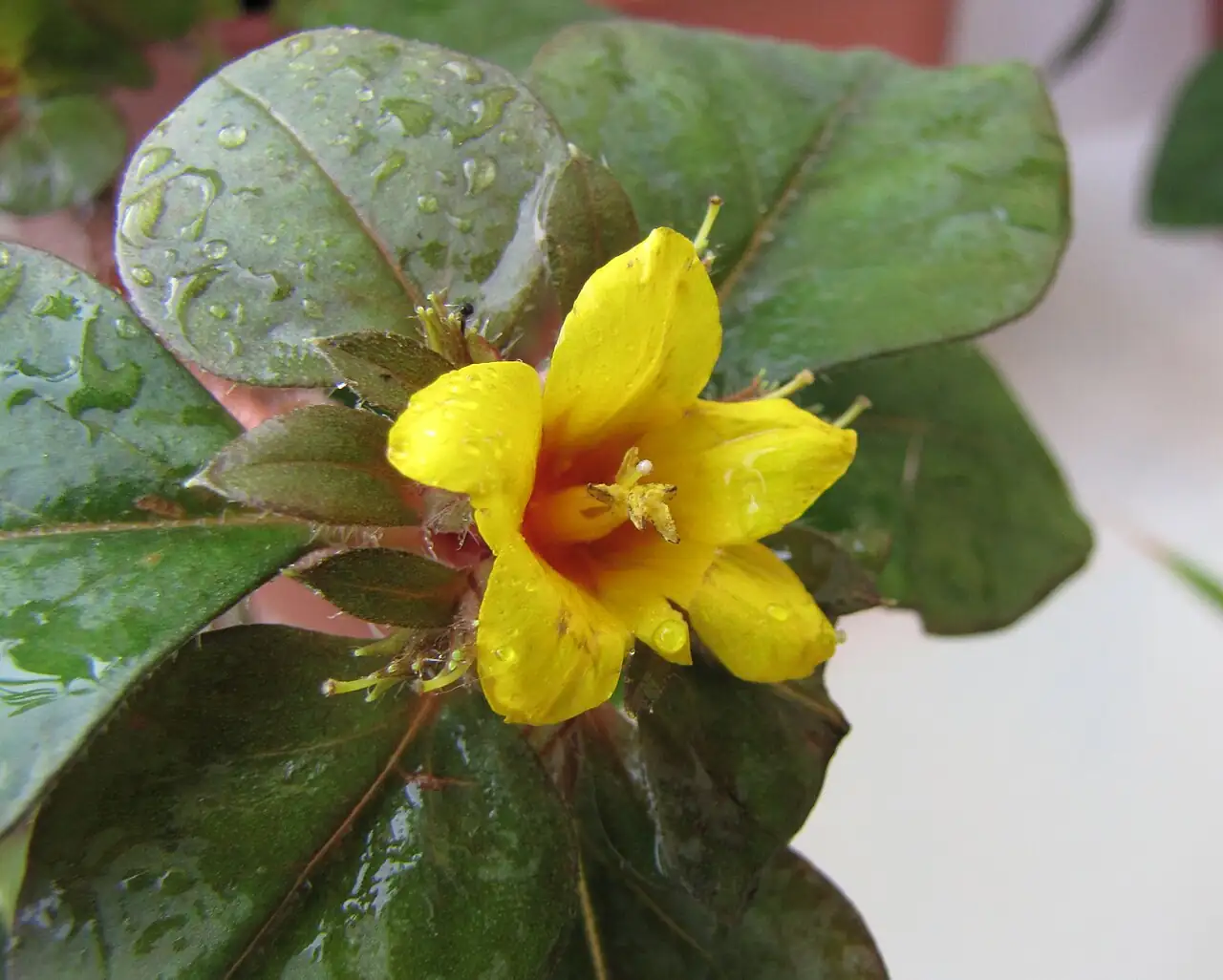
- Flower: Small flowers appear singly from the leaf axils and are usually bright yellow. After flowering, it can form a small spherical capsule fruit about 4–5 mm (0.16–0.20 in) across; the capsule is smooth (hairless) with sparse dark gland dots.
- Flowering Season: May–July
- Growth Habit: Creeping, trailing, mat-forming groundcover with weak, prostrate stems that spread along the soil surface.
Environment
Sunlight
Partial shade to shade; happiest in bright, filtered light rather than harsh direct sun.
Temperature
Prefers warm conditions; best around 15–30°C (59–86°F). Protect from frost and prolonged cold.
Humidity
Enjoys consistently moist conditions and does well with moderate to high humidity (around 50%+).
Soil
Fertile, humus-rich, loose sandy loam that stays evenly moist. Good drainage still matters—avoid stagnant, airless soil.
Placement
Great for shady, damp garden areas (woodland edges, along paths, near ditches/streams). Also useful for mass planting in landscape beds and green buffer/isolation strips.
Hardiness
Not frost-hardy; best in warm-temperate to subtropical regions (approximately USDA Zone 9–11). In colder areas, grow as a protected/container plant and overwinter frost-free.
Care Guide
Difficulty
Easy to moderate. It’s forgiving as long as it gets steady moisture and some shade; hot, dry sun can slow growth and scorch leaves.
Buying Guide
Look for plants with dense, green trailing stems and firm leaves. Avoid pots that smell sour (a sign of stagnant, waterlogged soil) or plants with blackened stem bases.
Watering
Keep the soil consistently moist. Water when the surface just begins to dry slightly, and avoid repeated full dry-outs. In hot weather, check more often. In cooler seasons, reduce watering but don’t let the root zone dry out completely.
Fertilization
Feed lightly in spring through summer with a balanced fertilizer at half strength every 4–6 weeks. Avoid heavy feeding, which can make growth overly lush and weak.
Pruning
Trim long runners to keep a tidy mat and encourage branching. Remove yellowing leaves and any damaged stems promptly.
Propagation
Very easy from stem cuttings or division. You can also peg a runner down so it roots at the nodes, then cut and replant once established. Division is best in spring or early autumn.
Repotting
Repot or refresh topsoil every 1–2 years, ideally in spring. Use a humus-rich mix with drainage holes; divide if it becomes crowded.
📅 Seasonal Care Calendar
Spring: resume feeding, divide/repot, pinch tips to encourage bushiness. Summer: keep evenly moist and provide shade from harsh sun. Autumn: reduce feeding; keep slightly moist. Winter: protect from frost; water sparingly but don’t allow complete drying.
Pests, Diseases & Safety
Common Pests & Diseases
Common issues include aphids, spider mites (especially in dry indoor air), and slugs/snails outdoors. Waterlogged, poorly aerated soil can cause root or stem rot. Improve airflow, avoid soggy conditions, and use insecticidal soap or appropriate controls when needed.
Toxicity
No widely cited serious toxicity for typical ornamental use. Still, chewing or ingestion may cause mild stomach upset in sensitive people or pets—best to discourage nibbling.
Culture & Symbolism
Symbolism: Often linked with “good fortune” and “coins,” thanks to its rounded, coin-like leaves (a common reason behind the nickname “moneywort”).
History & Legends: In Chinese herbal markets, the trade name “Jin Qian Cao” has been applied to multiple different plants depending on region. If it’s being considered for medicinal use, accurate identification is essential.
Uses: Primarily an ornamental groundcover for moist, shaded places; excellent for mass planting to create soft green carpets and for landscape buffer/isolation strips in suitable climates.
FAQ
Why is my Creeping Jenny getting sparse and leggy?
Most often it’s from low light or uneven watering. Move it to brighter filtered light, keep moisture steady, and pinch/trim runners to encourage branching.
Can it handle full sun?
It may tolerate gentle morning sun if the soil never dries out, but strong midday sun—especially with dry soil—often causes leaf scorch. Partial shade is usually the safest choice.
How do I propagate it quickly?
Take a 5–10 cm (2–4 in) cutting with a few nodes, remove lower leaves, and root it in water or moist soil. It roots readily from the nodes.
Fun Facts
- It typically flowers from May–July, then sets fruit from July–October.
- Its fruit is a tiny smooth (hairless) spherical capsule about 4–5 mm (0.16–0.20 in) across, sometimes speckled with dark gland dots.
- In the wild across China, it’s commonly found in cool, shady, damp places like ditch edges, roadsides, and woodland slopes.


