

Plant Features
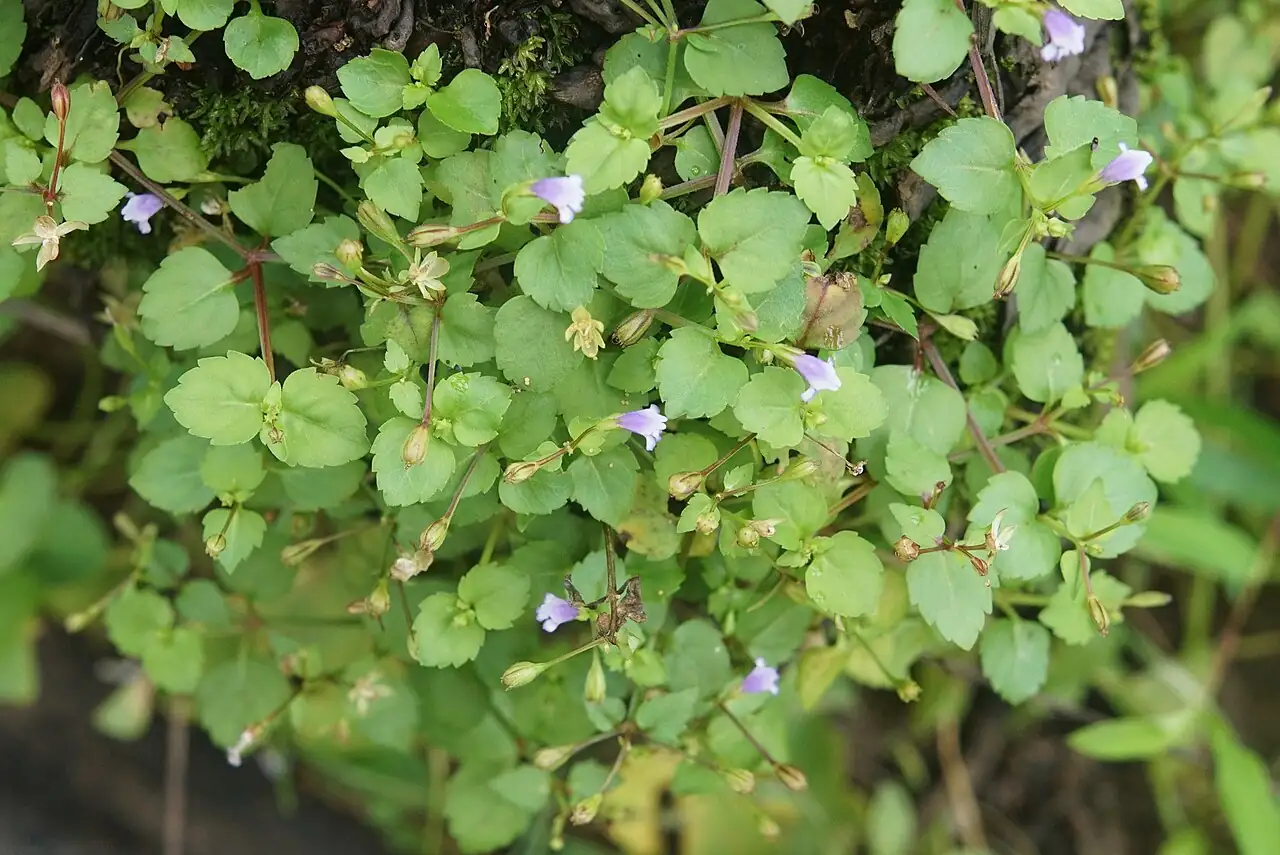
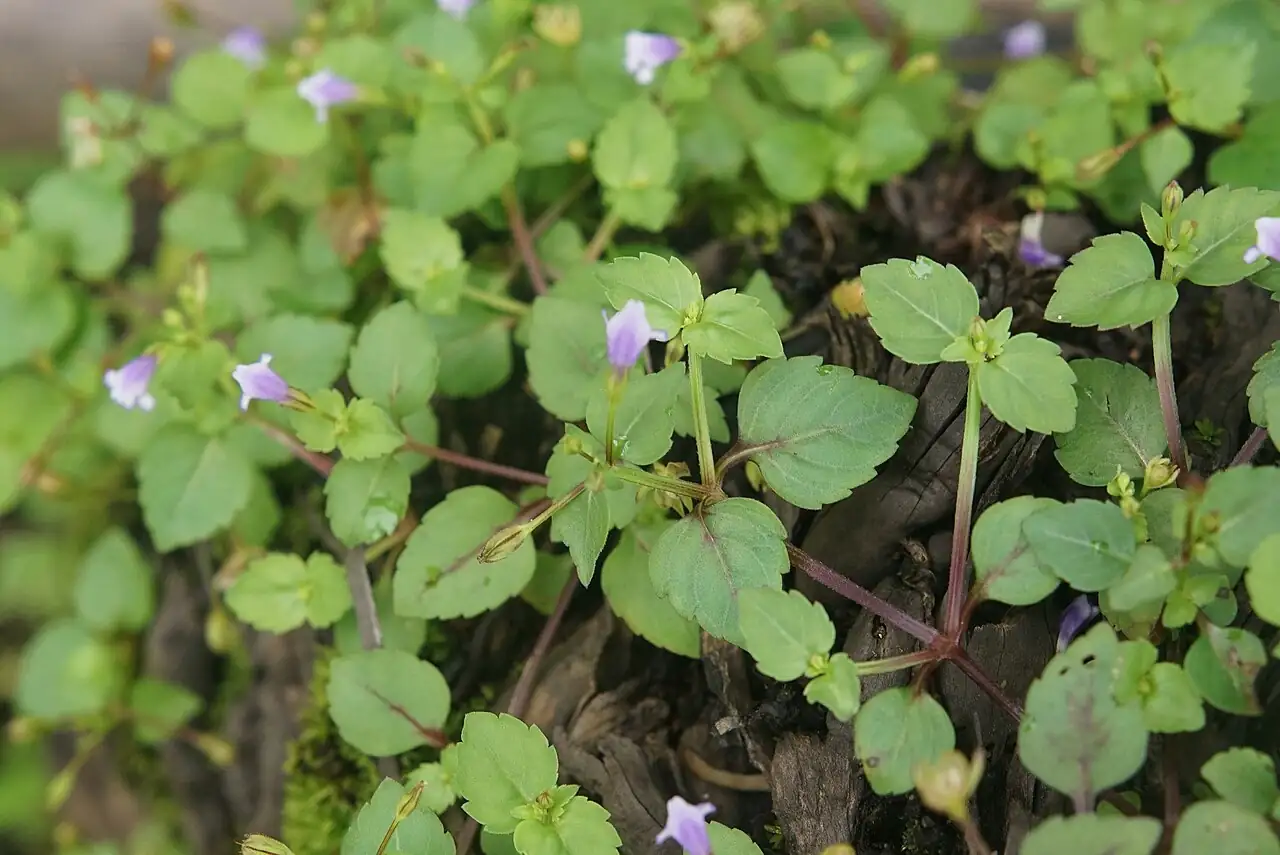
- Size:10–20 cm (4–8 in) tall; spreads into low, dense, creeping mats.
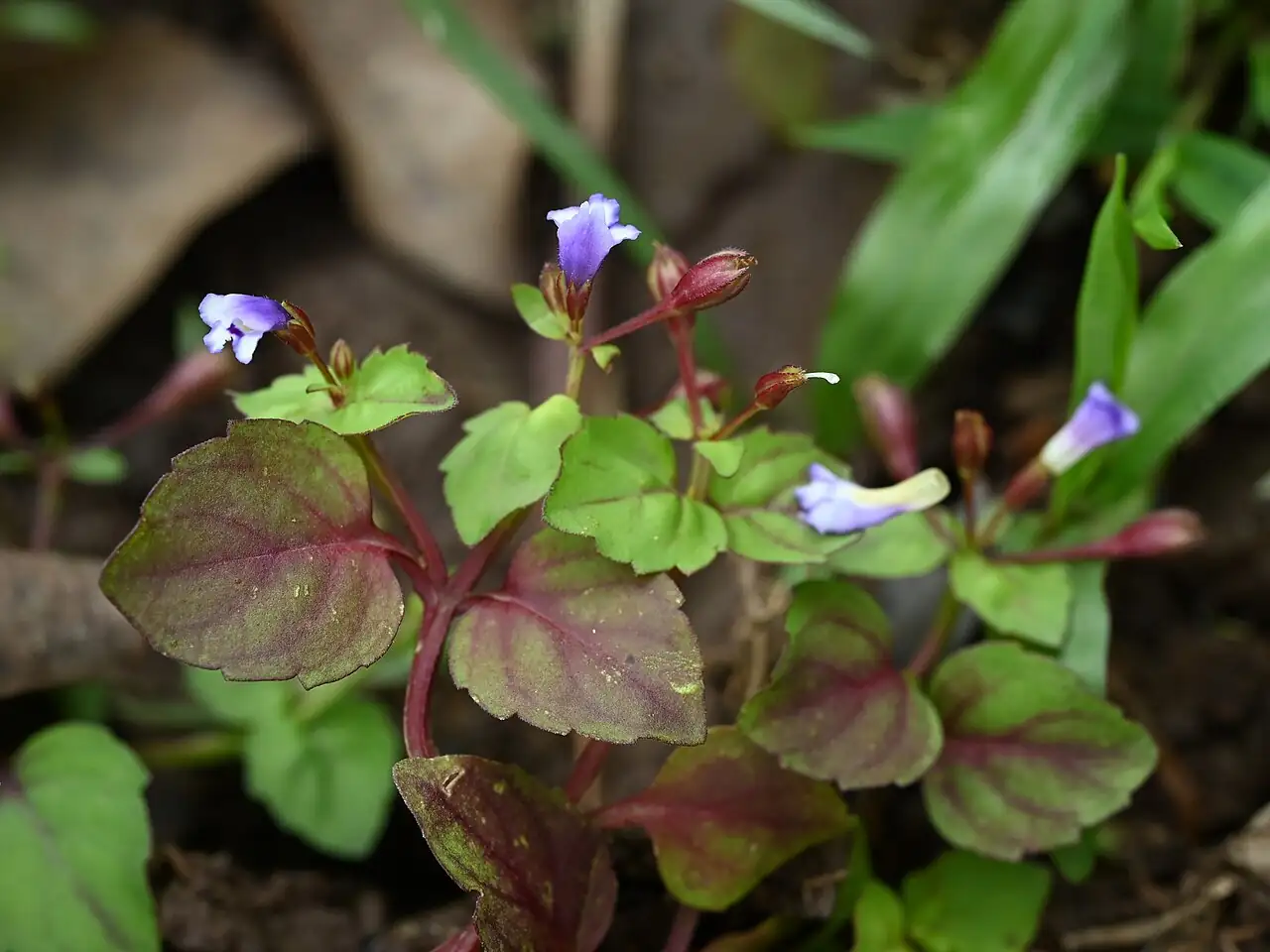
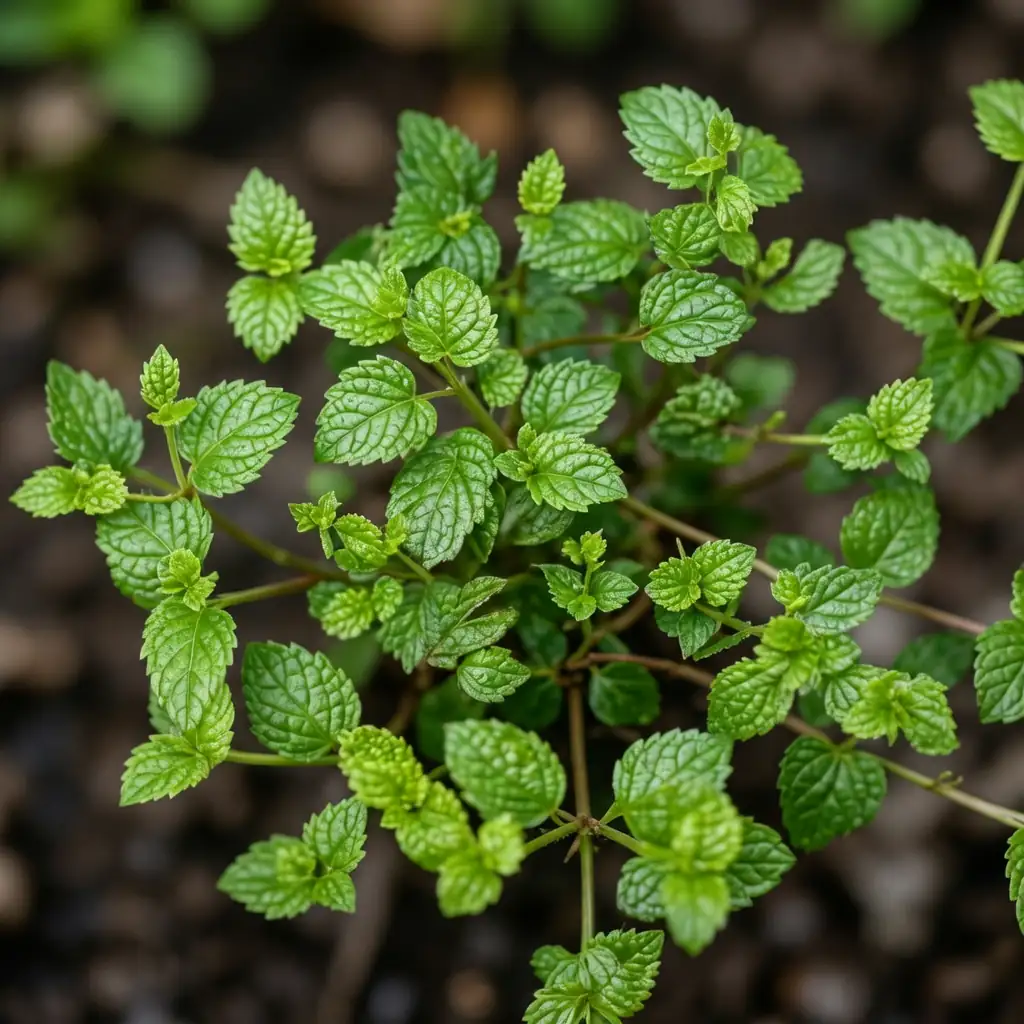
- Foliage: Leaves are triangular-ovate to broadly ovate. Plants are many-branched and generally hairless, with fibrous roots. Stems and the bases of the leaves often show a pale purplish-red tint, especially in good light or cooler moments.
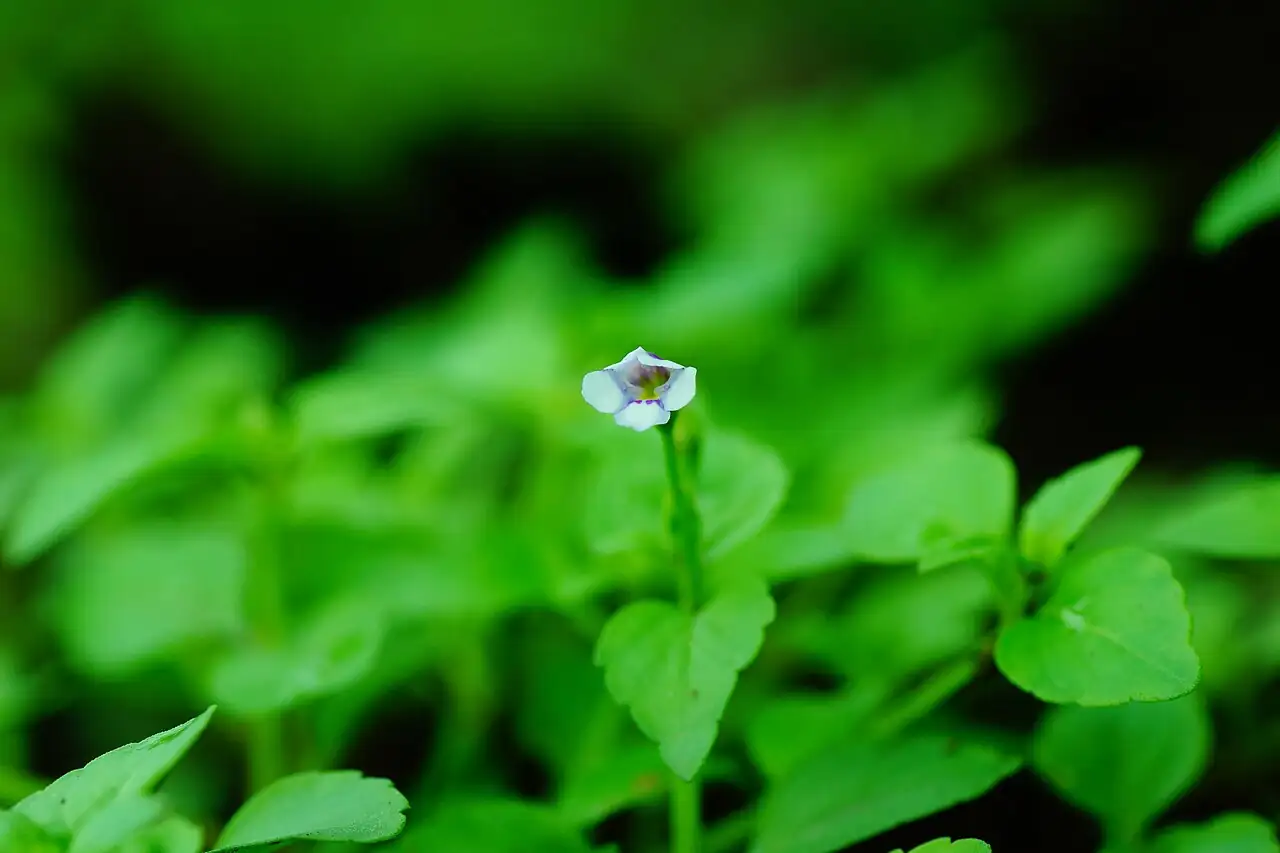
- Flower: Produces small flowers over a long season, especially where warmth and moisture stay steady. (Flower color and detailed shape were not specified in the source.)
- Flowering Season: Year-round (in suitable warm, moist conditions)
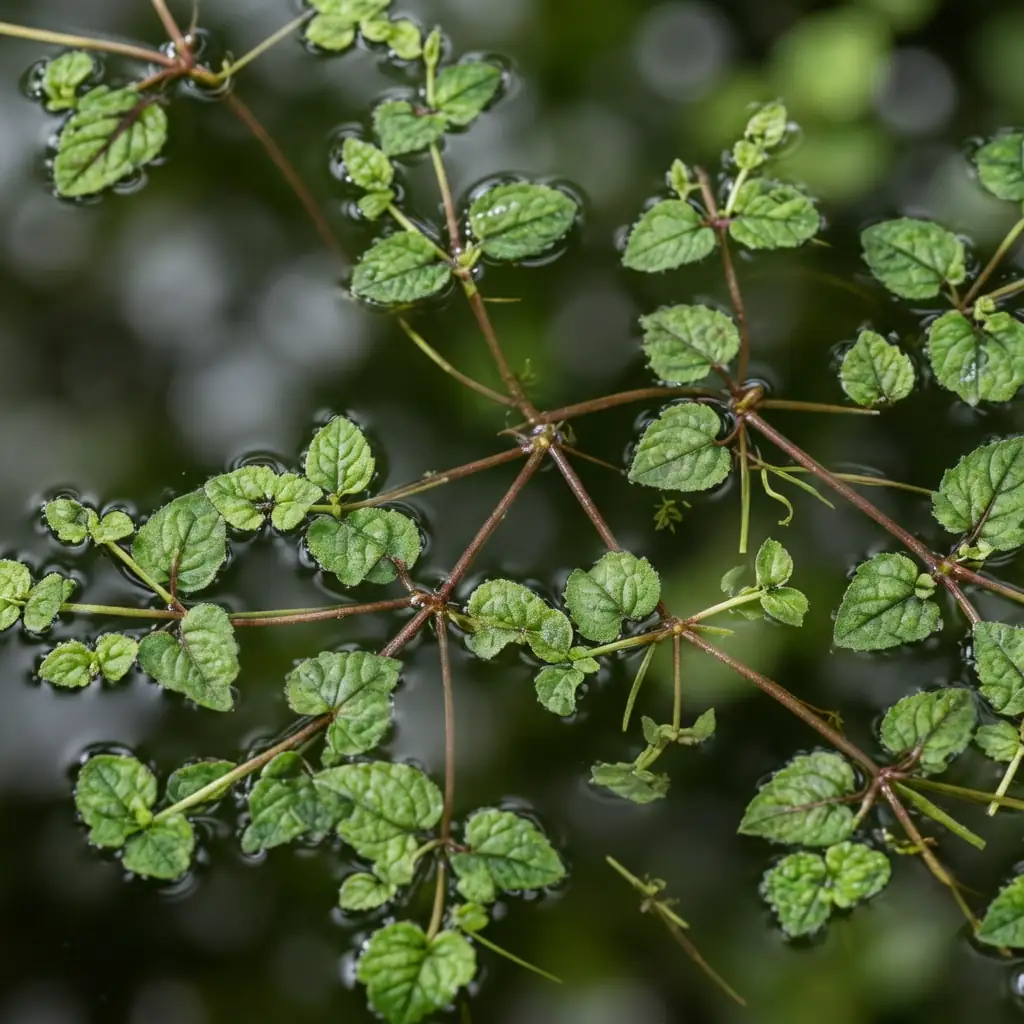
- Growth Habit: Low, creeping, mat-forming perennial herb; thrives in wet ground and tolerates shade. Common in rice paddies and other persistently damp sites.
Environment
Sunlight
Partial shade to shade; can take gentle morning sun if soil stays consistently moist.
Temperature
Grows best around 15–30°C (59–86°F). Protect from frost; temperatures below 0°C (32°F) can damage or kill growth.
Humidity
Prefers high humidity and constantly moist surroundings; struggles if the air/soil becomes dry.
Soil
Wet to boggy, water-retentive soil. Rich loam or clay loam works well as long as it never dries out; ideal for pond margins, marshy beds, and seasonally flooded ground.
Placement
Bog garden, pond edge, wet woodland-style planting, or any permanently moist area; useful as a naturalistic groundcover for shaded, damp spots.
Hardiness
Generally not frost-hardy; best in warm-temperate to subtropical regions (about USDA Zone 9–11, approximate).
Care Guide
Difficulty
Easy if you can provide constant moisture. Difficult in typical dry garden beds or pots that dry quickly.
Buying Guide
Pick plants with fresh green growth and no dry, crispy stems. Because it spreads readily, even a small pot can cover a wider area once established. Avoid plants that look wilted or browned at the base—signs they’ve been kept too dry.
Watering
Keep evenly wet at all times. For containers, don’t let the mix dry out; setting the pot in a shallow tray of water can help maintain moisture. In cooler weather when growth slows, you can reduce frequency slightly—but never allow the plant to fully dry.
Fertilization
Light feeding only. In spring and summer, use a half-strength balanced liquid fertilizer every 4–6 weeks, or top-dress lightly with compost. Avoid heavy feeding, which can make growth weak and overly lush.
Pruning
Lightly trim/shear to keep mats tidy and encourage branching. Remove yellowing or damaged stems promptly to reduce rot risk in constantly wet conditions.
Propagation
Very easy from stem cuttings (nodes root readily in wet soil) and by dividing established mats. It may also self-seed where conditions suit it.
Repotting
Repot in spring as growth resumes, or whenever the mat becomes congested. Choose a wider pot to allow spreading and use a moisture-retentive mix; keep consistently wet after repotting.
📅 Seasonal Care Calendar
Spring–Summer: keep constantly wet; light feeding; trim to shape. Autumn: maintain moisture; reduce feeding. Winter: protect from frost in cool climates; keep moist but feed less.
Pests, Diseases & Safety
Common Pests & Diseases
Usually trouble-free. In stagnant, overly airless wet conditions it may develop stem/root rot—remove affected parts and improve water movement/airflow. Aphids can occasionally appear on tender growth; rinse off or treat with insecticidal soap.
Toxicity
No reliable, widely accepted toxicity information is available for this species. Treat as toxicity-unknown and discourage ingestion by pets/children.
Culture & Symbolism
Uses: Primarily grown/used as a naturalistic groundcover for consistently wet places—bog gardens, pond edges, damp woodland borders, and other moisture-rich spots—where it creates a soft, meadow-like, “wild” look.
FAQ
Can it grow in shade?
Yes. It’s notably shade-tolerant, especially as long as the soil stays consistently wet.
Why is it declining or turning brown?
Drying out is the most common cause. This plant is adapted to wet ground, and even short dry spells can cause dieback.
Fun Facts
- With steady warmth and moisture, it can flower and set seed for much of the year.
- It commonly forms dense creeping mats in rice paddies and other low, wet places.
- The plant stays very low—about 10–20 cm (4–8 in)—and often shows a subtle purplish-red tint at the stems and leaf bases.


