Plant Features
- Size: Typically 3–8 m (10–26 ft) tall; often grown as a multi-stem shrub or trained into a small tree. Spread commonly 2–6 m (6.5–20 ft), depending on cultivar and how it’s pruned.
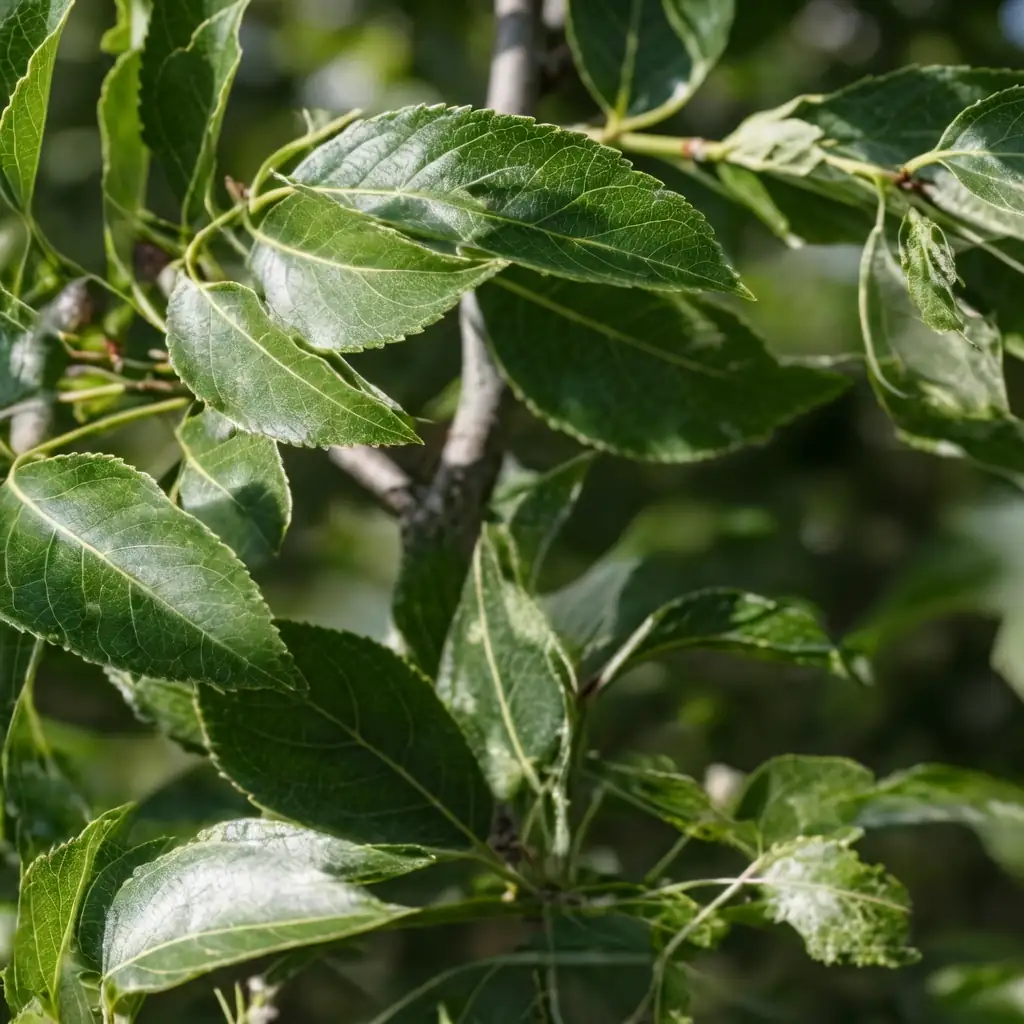
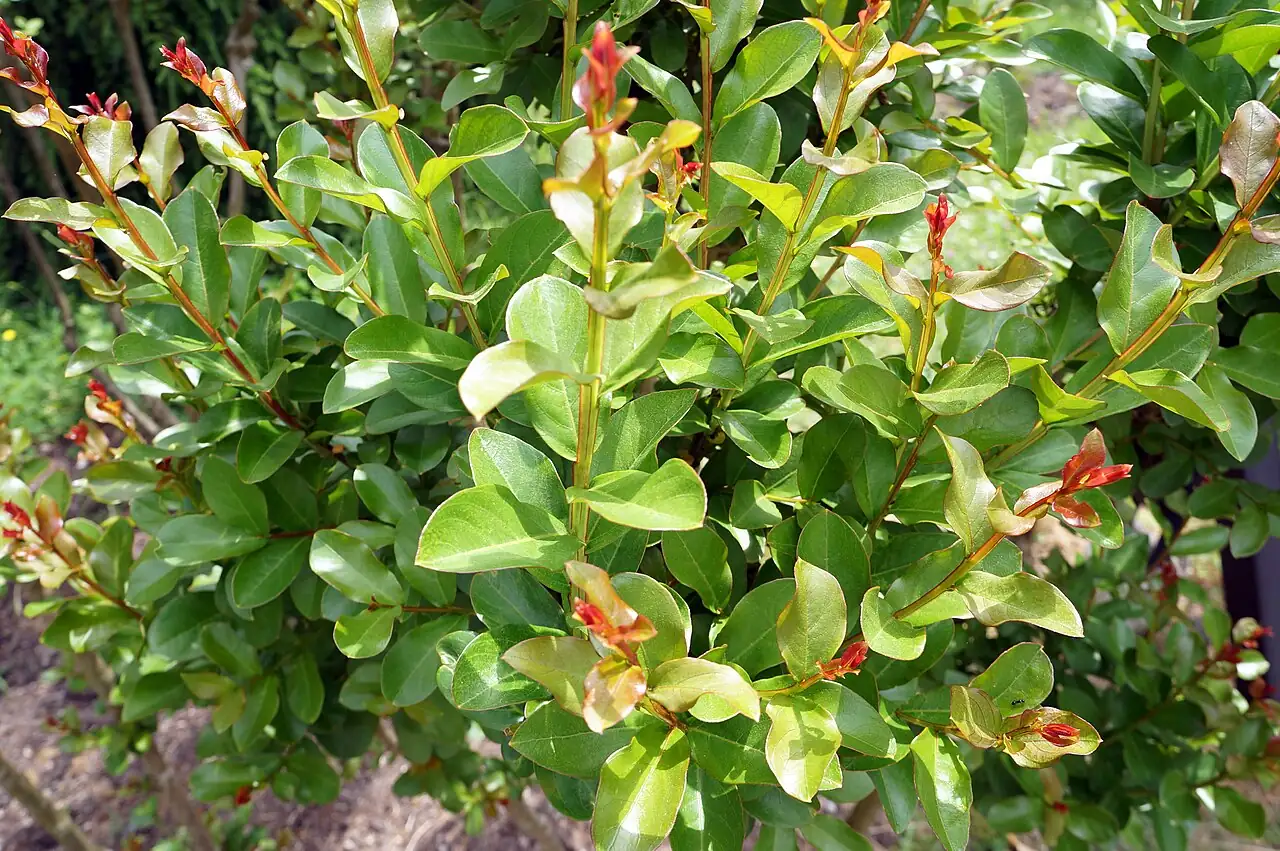
- Foliage: Leaves are simple, oval to obovate, usually opposite or sub-opposite (sometimes alternate), with a slightly papery texture. Bark is smooth gray to gray-brown and can exfoliate (peel in patches) as the plant matures, adding year-round ornamental interest.
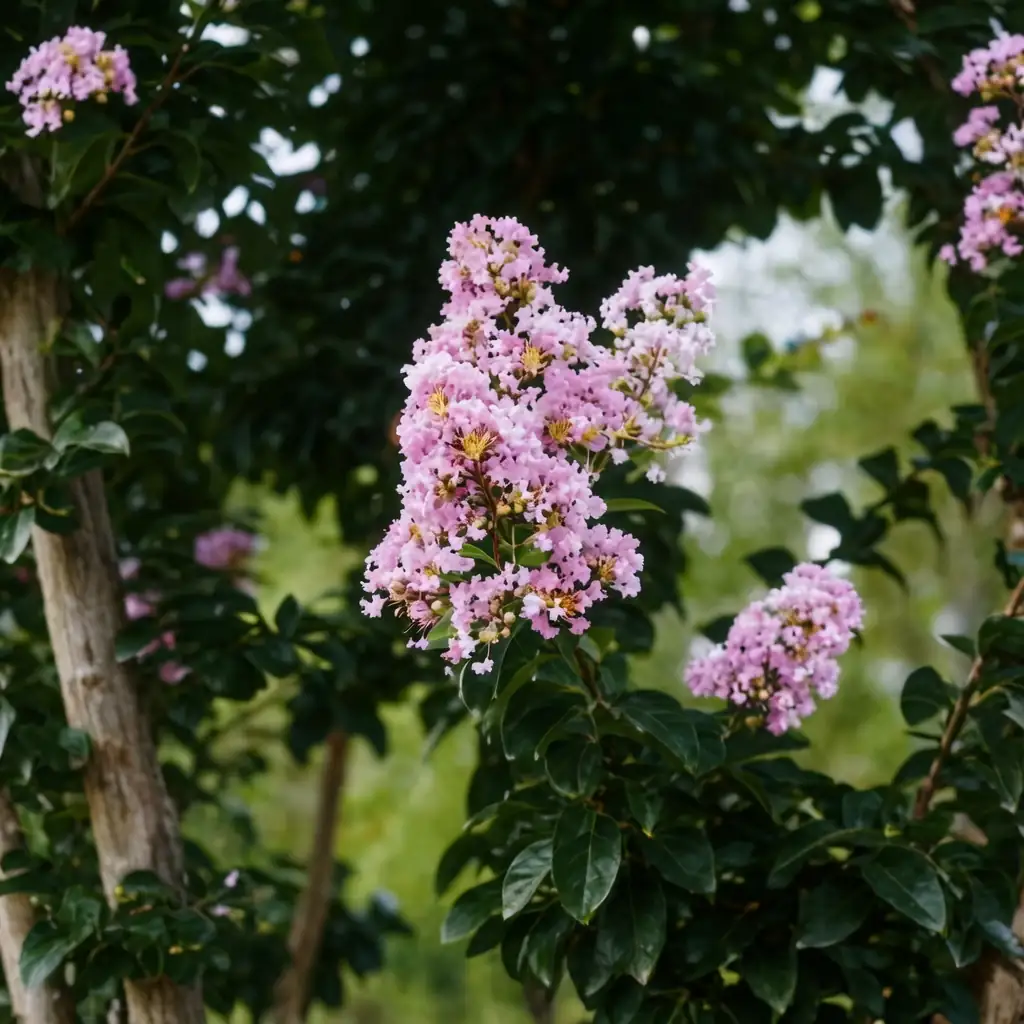
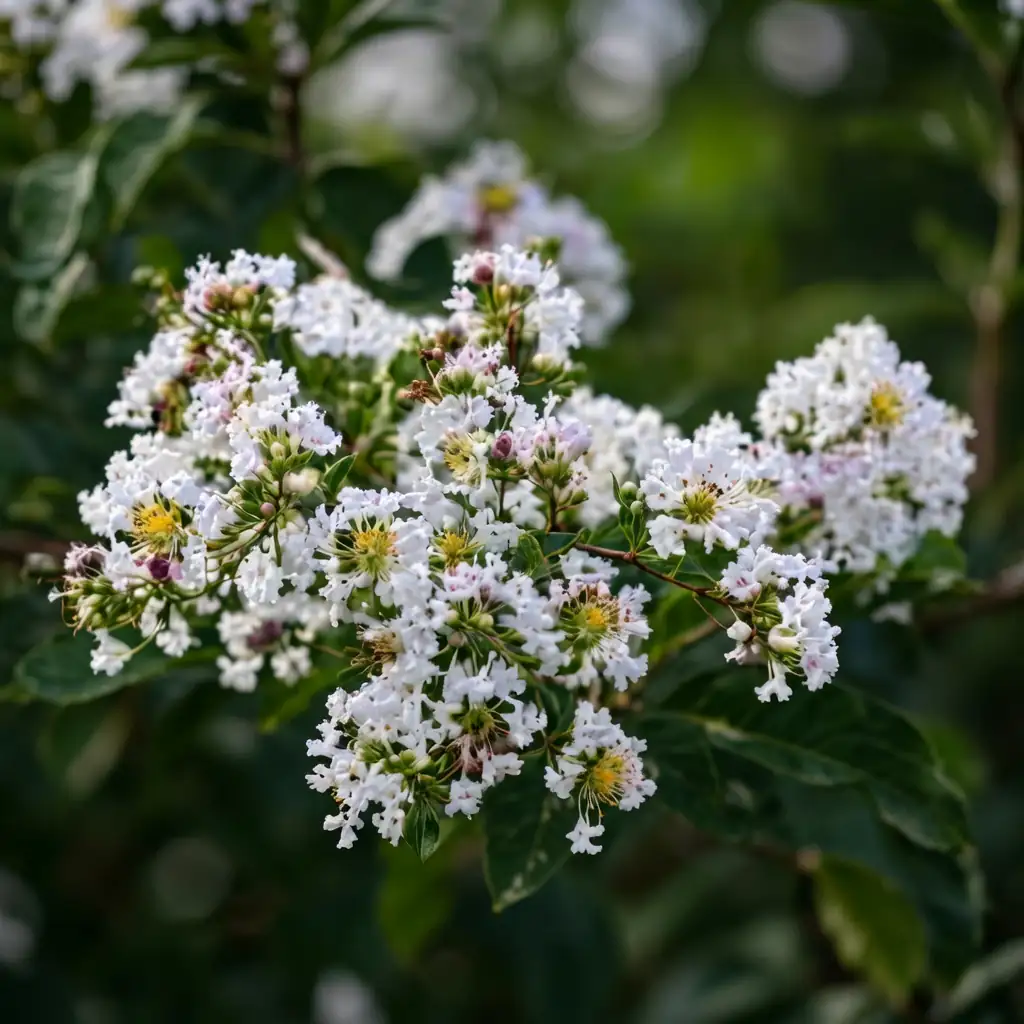
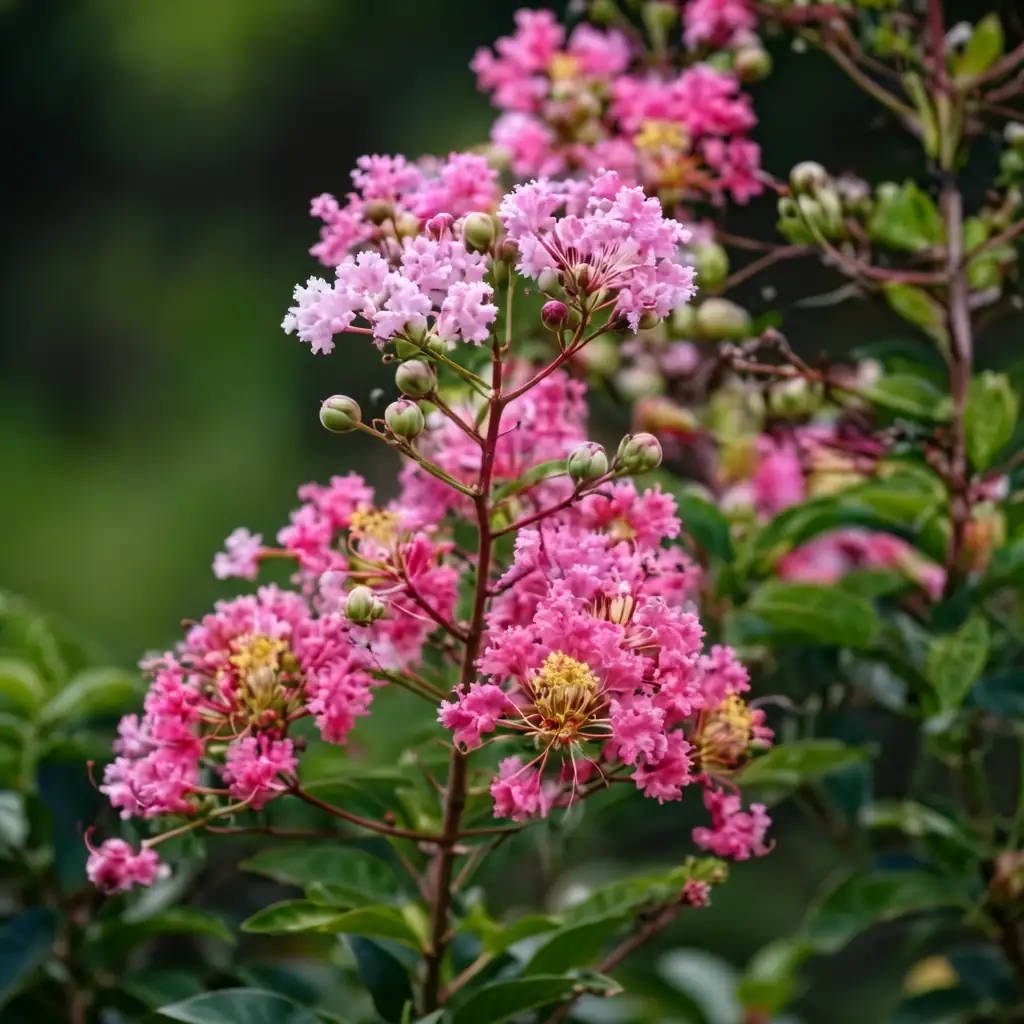
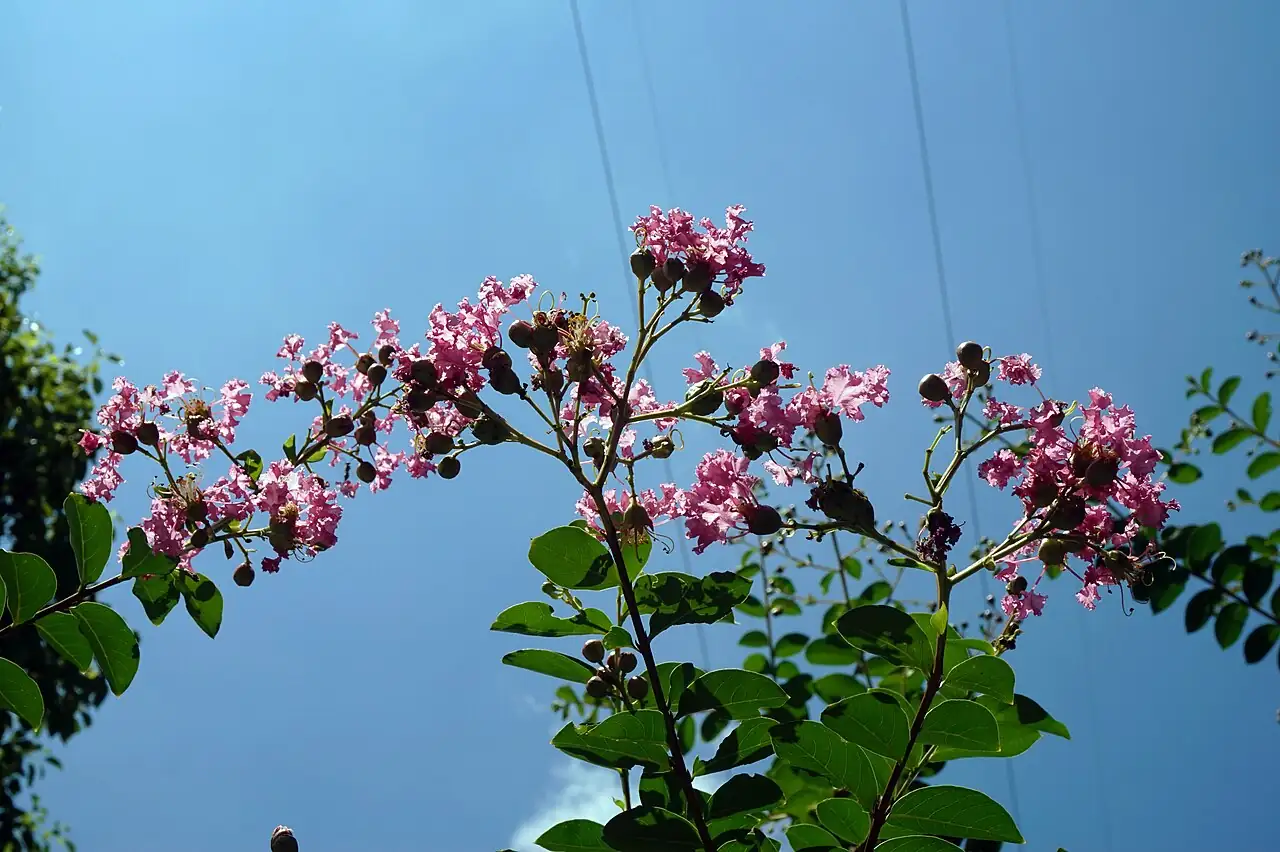
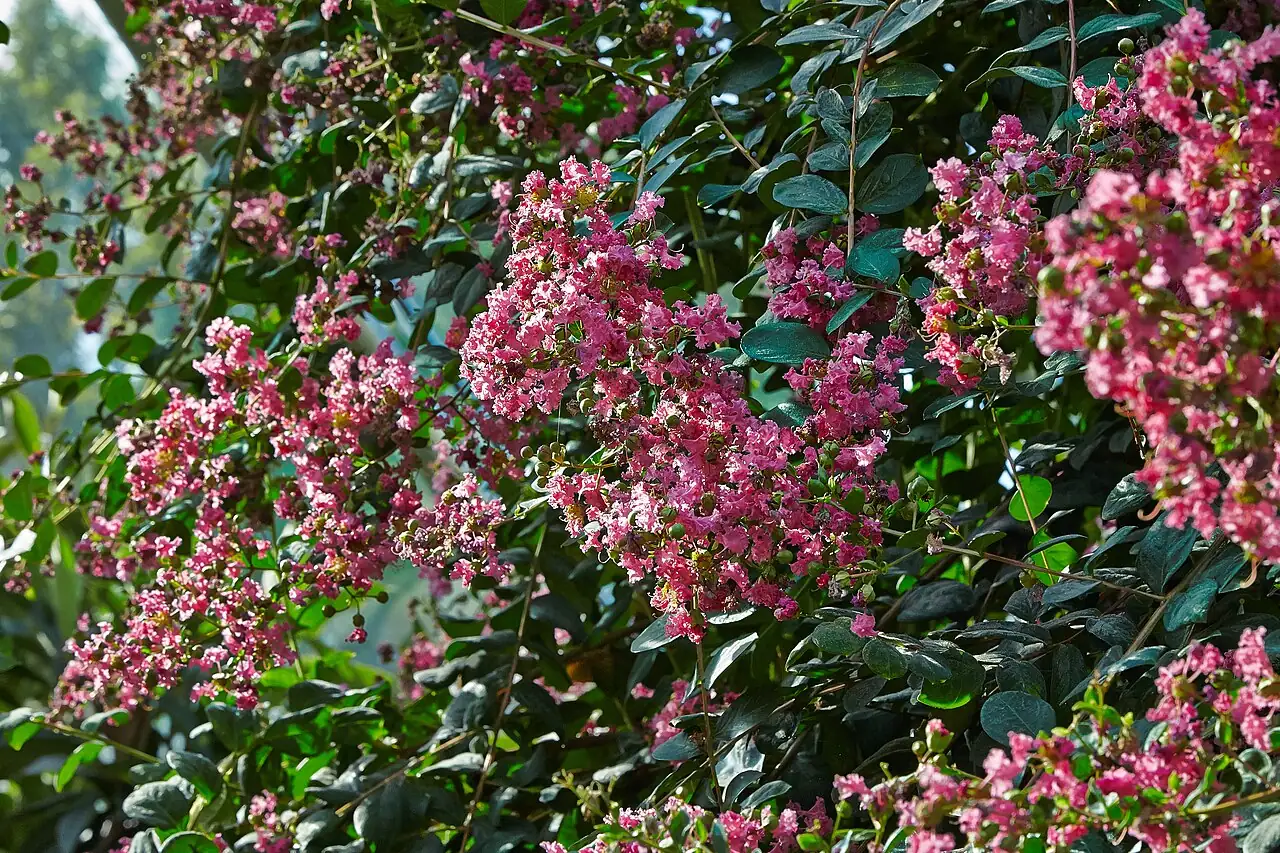
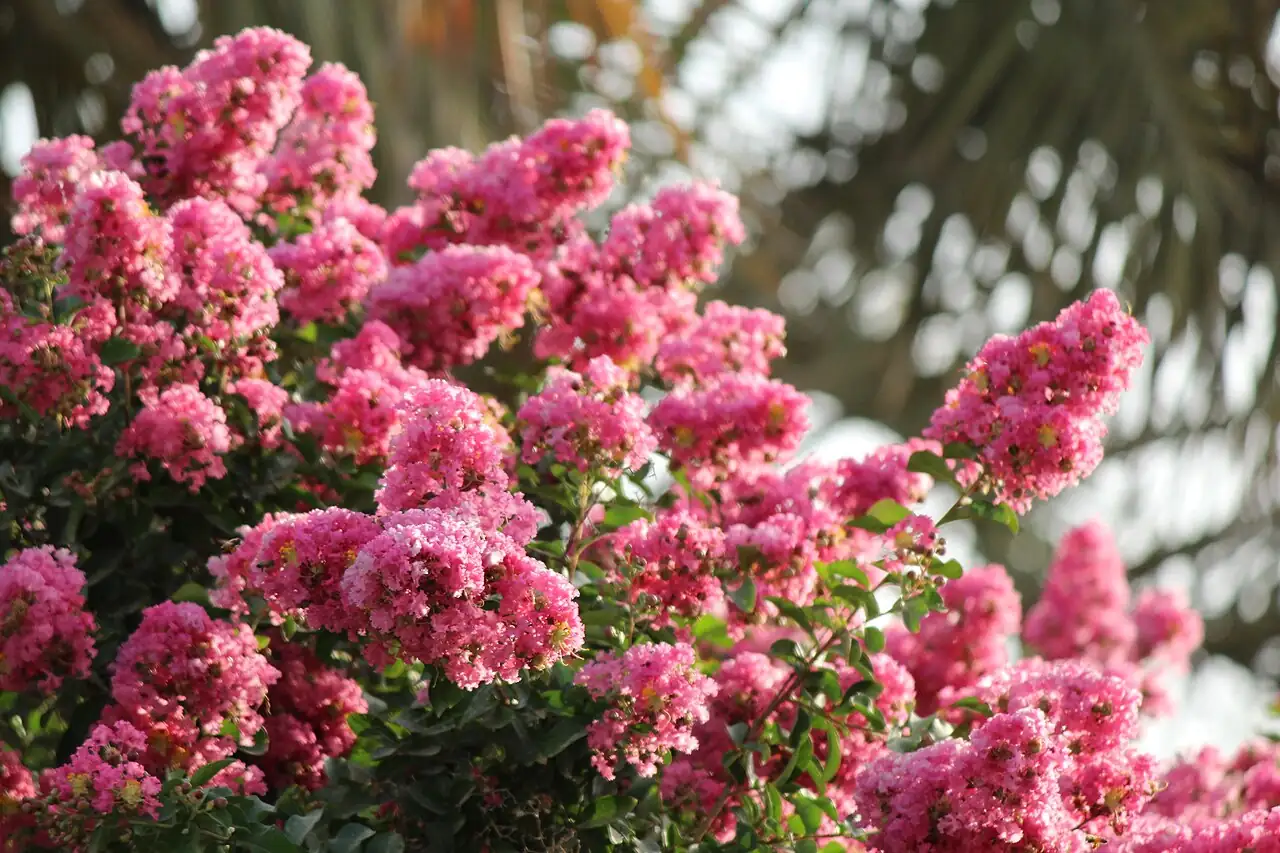
- Flower: Flowers appear in large, branched clusters with distinctly crinkled petals—like crepe paper—ranging from rose-pink and deep pink to red, purple, and white. After flowering, rounded to broadly oval seed capsules form; the winged seeds are about 8 mm (0.31 in) long.
- Flowering Season: June–September
- Growth Habit: Deciduous shrub or small tree; upright to vase-shaped, commonly multi-stemmed.
Environment
Sunlight
Full sun is best for heavy flowering and good plant health. It tolerates light shade, but bloom and airflow-related health tend to decline in shadier spots.
Temperature
Loves warm summers; strongest growth and flowering are typically in about 18–35°C (64–95°F).
Humidity
Adaptable to moderate humidity and can handle short dry periods once established. Avoid persistently wet, poorly drained conditions.
Soil
Prefers deep, fertile, well-drained sandy loam, but adapts to many soil types as long as drainage is good. Consistently waterlogged soil is a common cause of stress.
Placement
Best outdoors in a sunny garden, courtyard, streetscape, or park planting. Also works well in large containers in bright, open positions; a popular choice for bonsai in very bright light.
Hardiness
Generally hardy in USDA Zone 6–9 (approx. −23 to −1°C / −10 to 30°F depending on cultivar and site). Not tolerant of prolonged waterlogging or high water tables.
Care Guide
Difficulty
Easy to moderate. Very forgiving once established, but it performs (and flowers) best with strong sun and well-drained soil.
Buying Guide
Choose plants with firm stems, healthy buds, and clean foliage—avoid heavy powdery coating (powdery mildew), black spotting, or sticky residue from pests. Check that roots are well-developed but not severely pot-bound, and select a cultivar whose mature size fits your space to minimize drastic pruning later.
Watering
Water regularly during the first growing season so roots establish deeply. After that, water deeply during prolonged dry spells rather than frequent shallow watering. Aim for evenly moist—not soggy—soil; avoid standing water and poorly drained sites.
Fertilization
Feed in spring with a balanced, slow-release fertilizer. Avoid excessive nitrogen, which can encourage leafy growth at the expense of flowers; in good soil, light feeding is often enough.
Pruning
Prune in late winter to early spring to remove dead, weak, or crossing branches and to shape the framework. Avoid extreme topping (often called “crape murder”), which can lead to weak shoots and an awkward structure with fewer attractive branches.
Propagation
Can be grown from seed, but named cultivars are usually propagated by softwood or semi-hardwood cuttings to keep them true to type. Seeds are winged and about 8 mm (0.31 in) long.
Repotting
For container-grown plants, repot every 2–3 years in early spring into a fresh, free-draining mix. Trim circling roots and ensure the pot has excellent drainage.
📅 Seasonal Care Calendar
Main bloom: June–September. Seed capsules develop: September–December. Do major shaping/pruning in late winter to early spring; fertilize in spring; ease off watering as growth slows in autumn.
Pests, Diseases & Safety
Common Pests & Diseases
Powdery mildew is common, especially in shade or with poor airflow. Aphids can cause sticky honeydew that leads to sooty mold, and scale insects may also appear. Improve airflow, prioritize full sun, avoid excess nitrogen, and use horticultural soap or oil if infestations build up.
Toxicity
Generally considered low-toxicity to people and pets. Still, chewing or ingesting plant parts may cause mild stomach upset in sensitive individuals or animals.
Culture & Symbolism
Symbolism: Often linked with summer beauty, perseverance, and long-lasting elegance—fitting for a plant that blooms for months.
History & Legends: Long cultivated in East Asia as an ornamental, admired in classical gardens for its summer flowers and smooth, decorative bark. It later became a staple in warm-temperate landscapes around the world.
Uses: A top ornamental for gardens, courtyards, parks, and streetscapes; widely used as a specimen shrub or small tree, and especially popular for containers and bonsai.
FAQ
Why is my crape myrtle not flowering well?
Most often it’s getting too much shade, too much nitrogen fertilizer, or it was pruned too hard at the wrong time. Give it full sun, keep feeding balanced (don’t overdo nitrogen), and prune mainly in late winter/early spring for shape—not severe topping.
Can crape myrtle handle drought?
Yes—once established it’s fairly drought-tolerant. For the best flowering, though, give it an occasional deep watering during extended dry spells. Avoid waterlogged soil, which stresses the roots.
Fun Facts
- Its famously “crepe-like” petals are what give crape myrtle both its name and its signature texture in the garden.
- It’s valued not only for flowers, but also for its smooth, often peeling bark that looks especially striking in winter.
- The winged seeds (about 8 mm / 0.31 in long) sit inside rounded to broadly oval capsules that can persist after the bloom season.