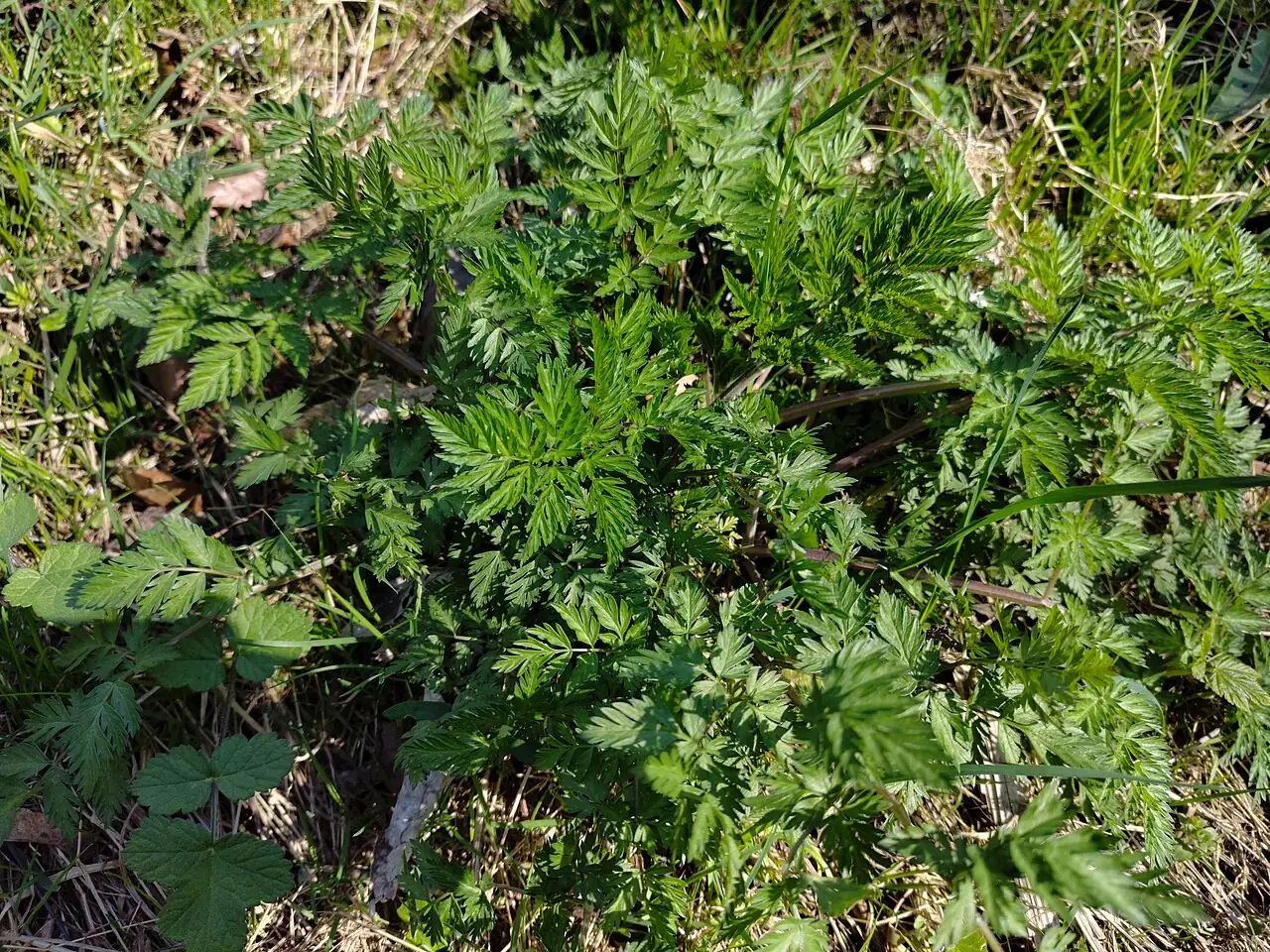
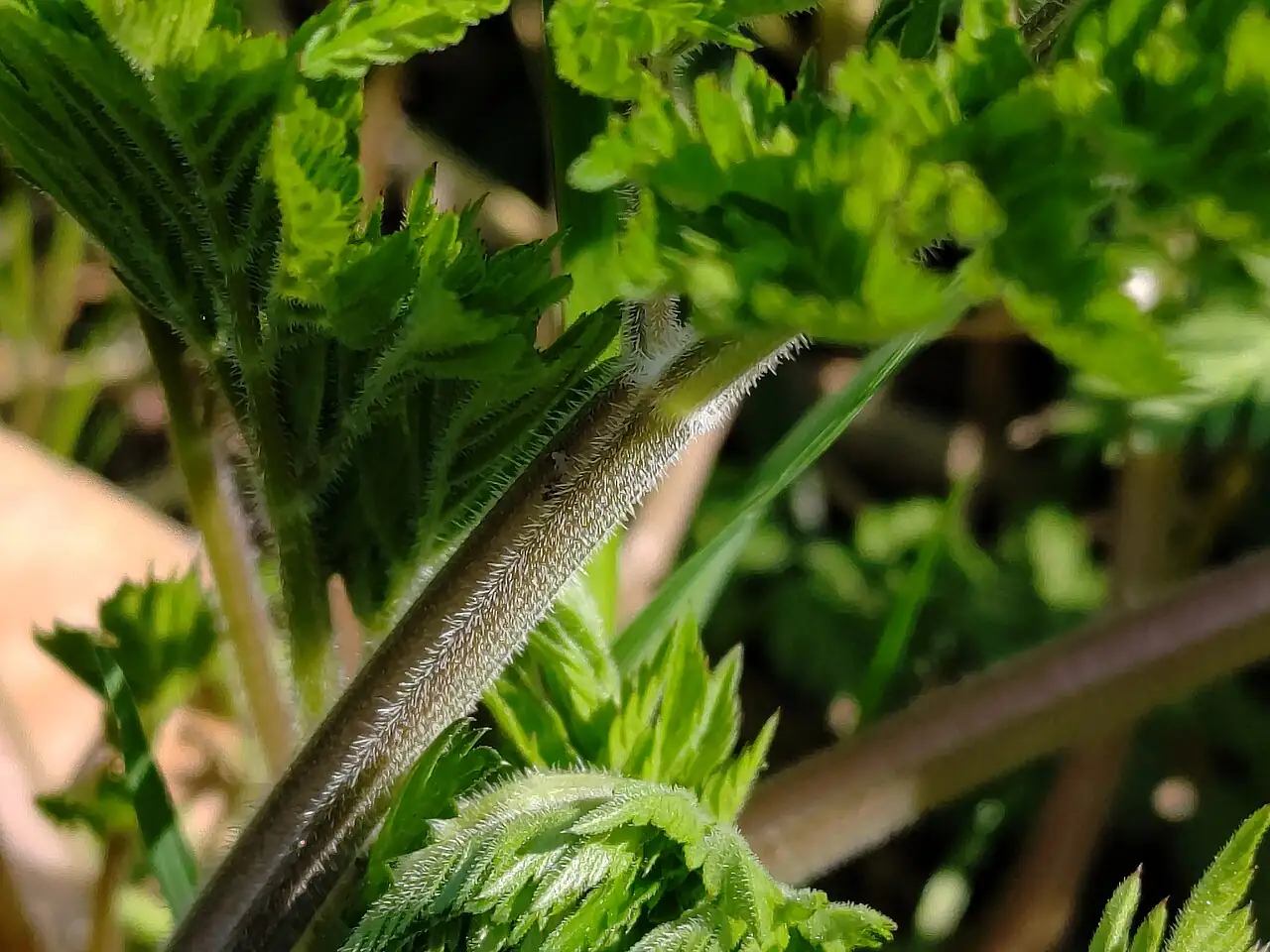
Plant Features
- Size:60–150 cm (24–59 in) tall; clump/spread commonly about 30–60 cm (12–24 in) depending on site.
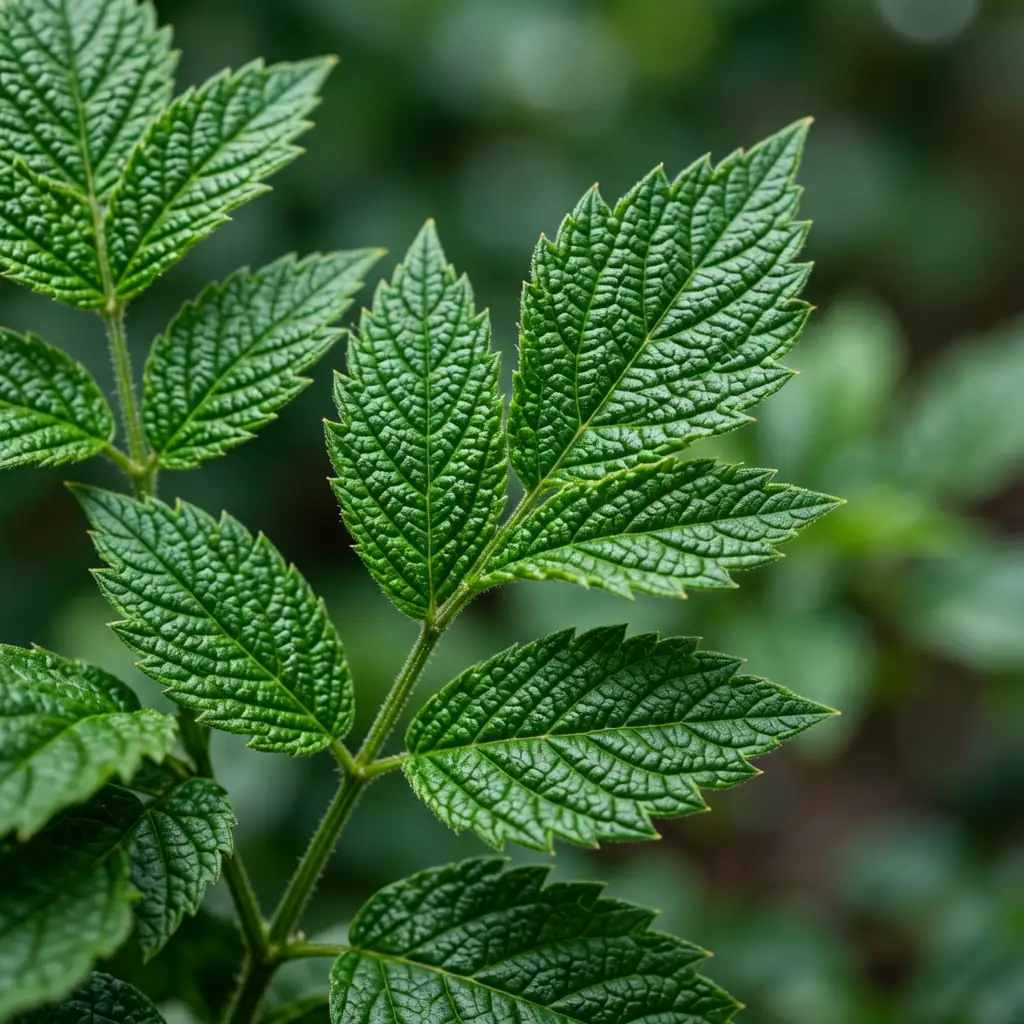
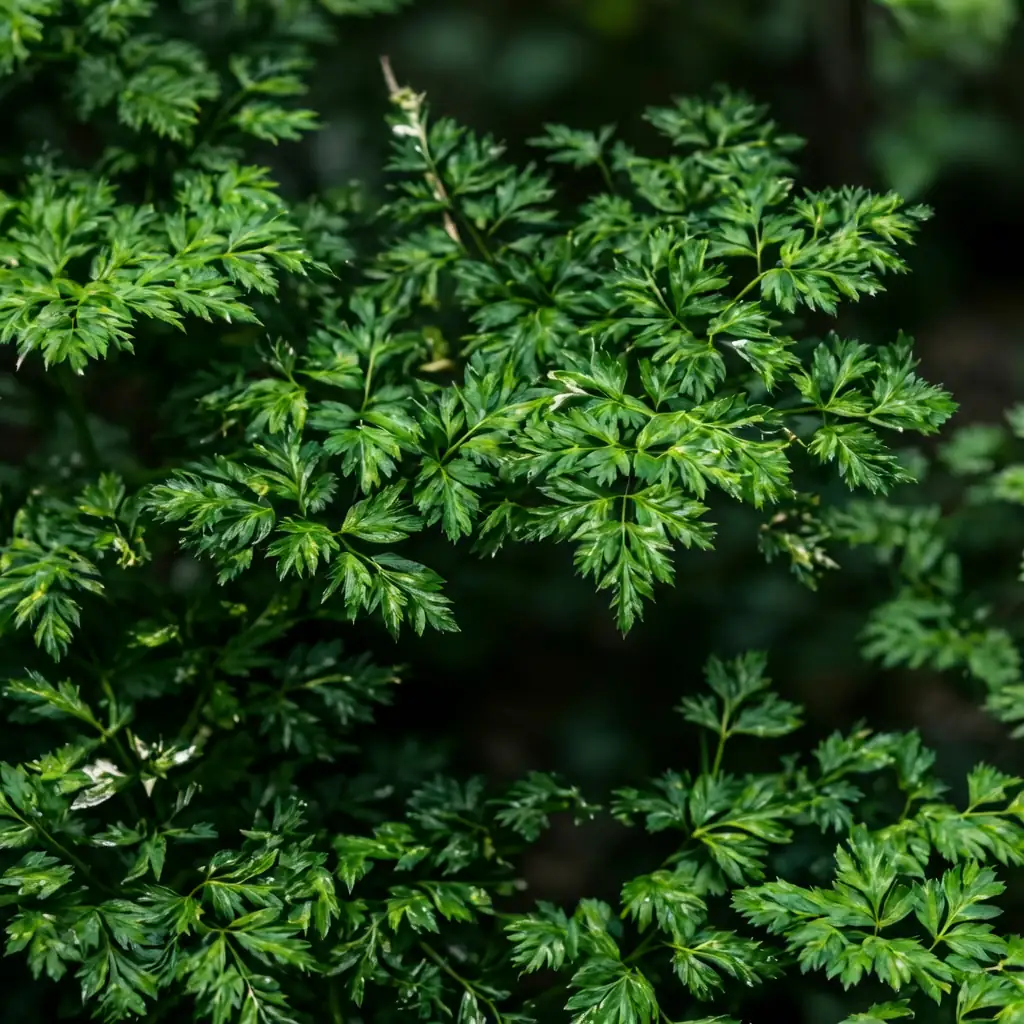
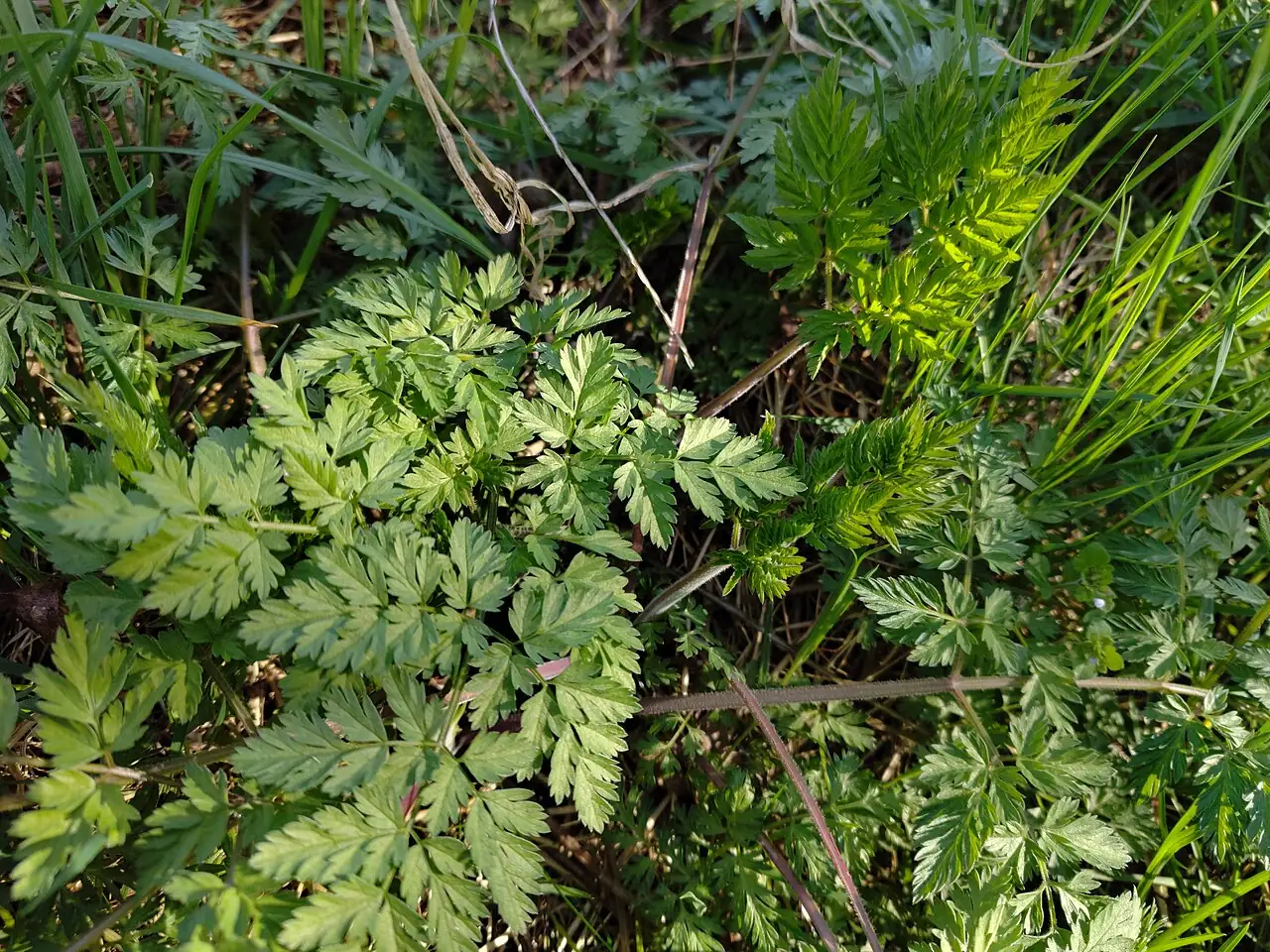
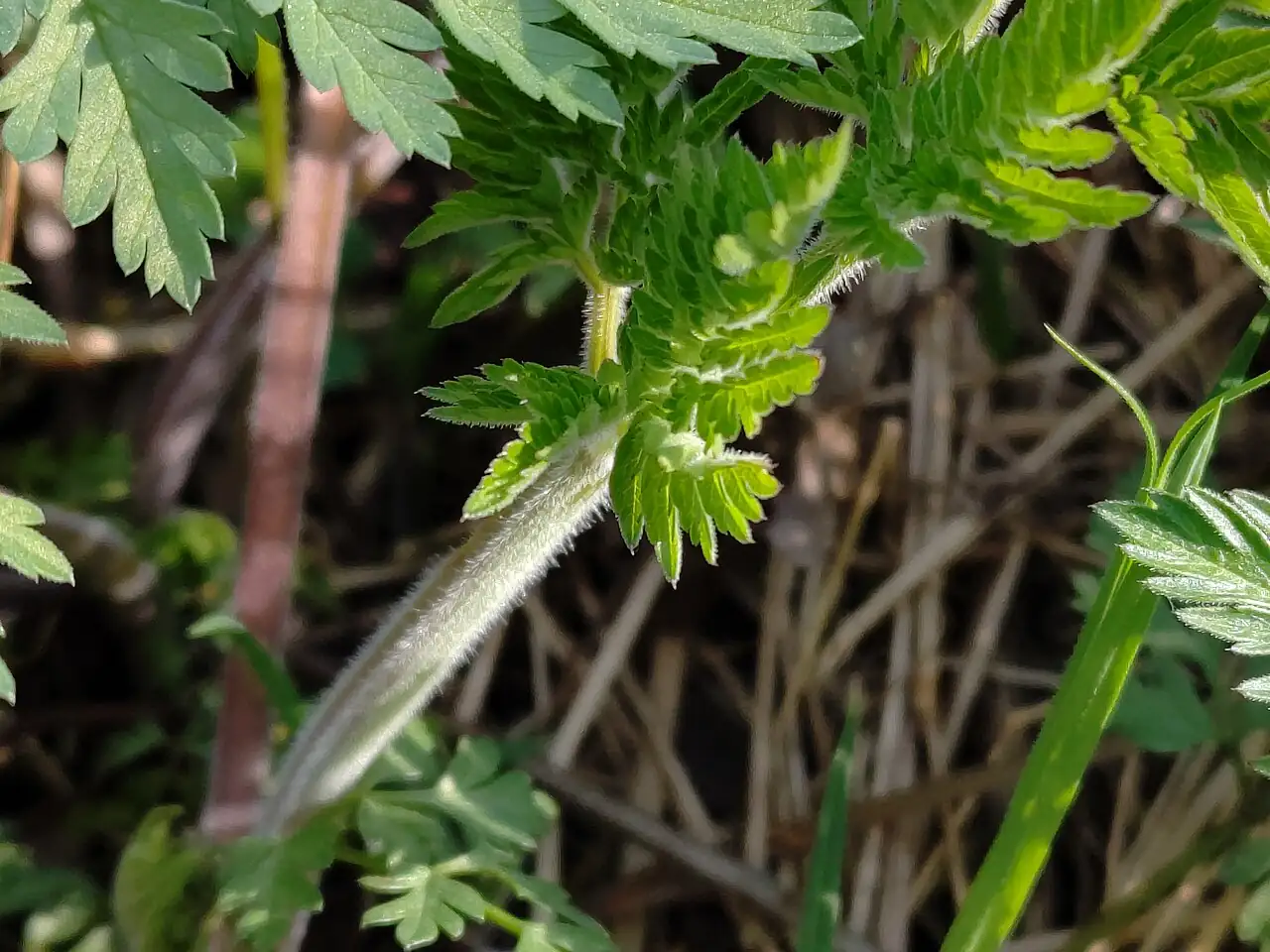
- Foliage: Leaves are broadly oval in overall outline but finely divided (deeply cut/pinnate) with coarser teeth; the undersides may carry sparse, soft hairs. Stems are fairly stout, giving the plant a sturdy, upright look despite its lacy texture.
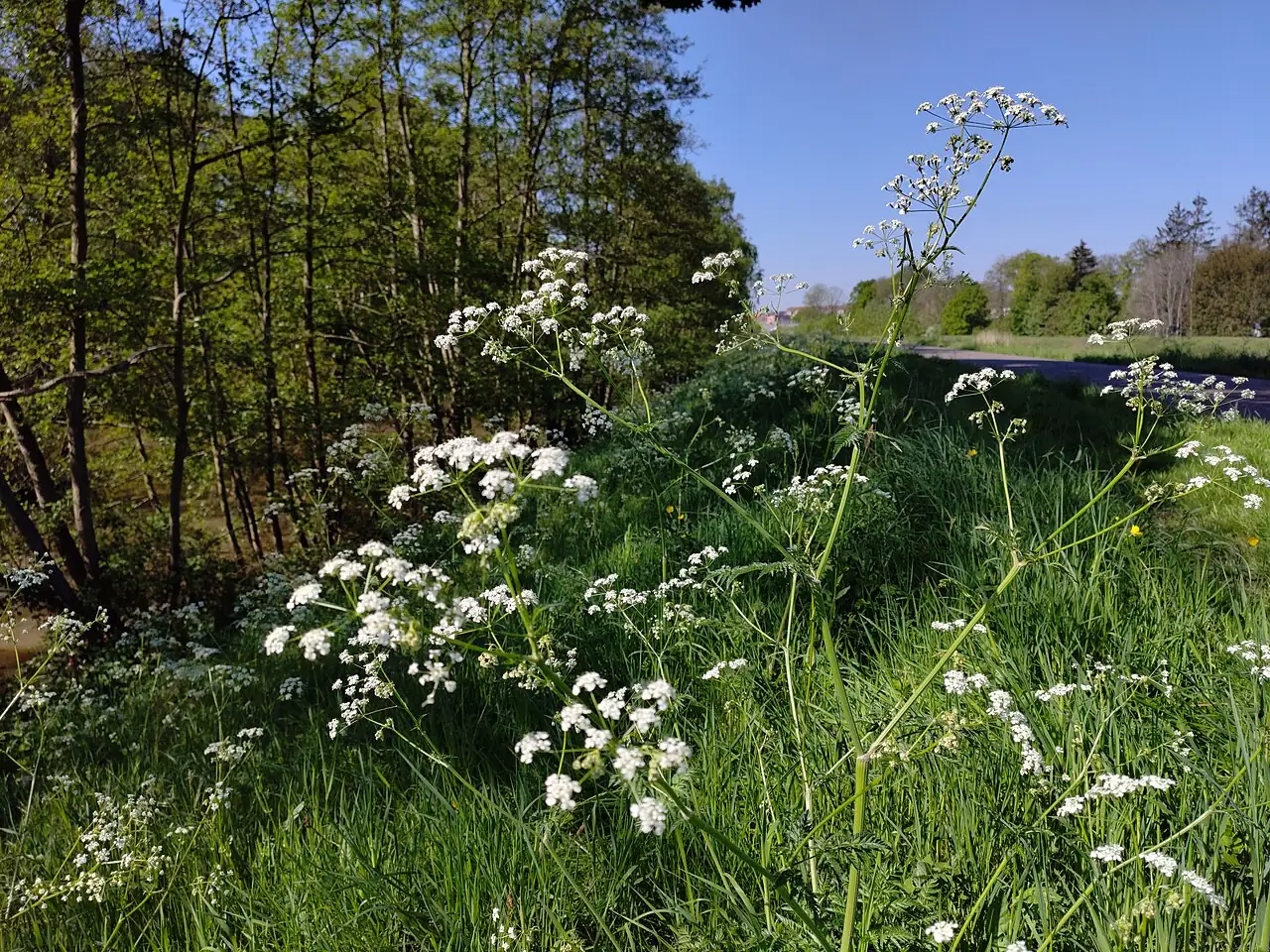
- Flower: Produces compound umbels of many small white flowers, sometimes with a slight greenish to yellowish cast. After flowering it forms elongated fruits (from long-ovoid to narrow oblong).
- Flowering Season: April–May
- Growth Habit: Upright herbaceous plant; typically biennial to short-lived perennial. It builds leafy growth first, then sends up flowering stems in spring; can self-seed freely if seed heads mature.
Environment
Sunlight
Partial shade to shade; happiest in dappled woodland light, but can tolerate brighter conditions if soil stays evenly moist.
Temperature
Cold tolerant; best growth in cool to mild conditions around 10–25°C (50–77°F).
Humidity
Prefers moist air and consistently moist conditions; tolerates short dry spells once established, but prolonged drought reduces vigor.
Soil
Moist, well-drained soil rich in organic matter (humus), similar to woodland soils. Can cope with rocky pockets and streamside crevices as long as drainage is good; avoid waterlogged ground.
Placement
Woodland garden, shaded border, naturalistic/hedgerow-style planting, or a cool semi-shaded outdoor spot; also works near a pond or streamside-style bed where soil stays evenly moist.
Hardiness
USDA Zone 4–8 (approx. −34 to −7°C / −30 to 20°F); generally frost hardy.
Care Guide
Difficulty
Easy in the ground outdoors in suitable climates. The main ‘challenge’ is that it may self-seed and wander if you let it set seed.
Buying Guide
Look for fresh, green, finely divided foliage and firm, upright stems. Avoid plants sitting in sour-smelling, waterlogged mix. If you don’t want it to spread, skip plants that are already forming lots of mature seed heads.
Watering
Keep soil evenly moist during active growth. Water when the top 2–3 cm (0.8–1.2 in) begins to dry. After flowering, reduce watering if the plant is naturally dying back (common in biennial/short-lived perennial habits).
Fertilization
Usually doesn’t need much feeding in decent garden soil. In lean soils, use a balanced fertilizer at half strength in spring—about every 4–6 weeks (roughly monthly) during active growth.
Pruning
Deadhead spent umbels to reduce self-seeding. After flowering, cut back flowering stems; tidy yellowing foliage as the plant declines.
Propagation
Most often grown from seed. Sow in autumn or early spring. Division may be possible where plants behave more perennially and form clumps, but seed is the standard method.
Repotting
Not typically kept as a long-term houseplant. If growing in an outdoor container, repot in early spring into a deeper pot to suit the root system and refresh the mix.
📅 Seasonal Care Calendar
Spring: keep evenly moist, optionally feed lightly; enjoy rapid growth and flowering. Late spring–summer: deadhead to prevent seeding, or let some seed ripen if you want it to naturalize; cut back after bloom. Autumn: sow or allow seed to drop for next season; otherwise remove remaining seed heads to keep it contained.
Pests, Diseases & Safety
Common Pests & Diseases
May attract aphids and leaf miners; slugs/snails can chew tender growth in damp shade. Overly wet conditions plus poor airflow can lead to fungal leaf spots—space plants, improve airflow, and avoid late-day overhead watering.
Toxicity
Not generally treated as a toxic ornamental, but foraging carries a serious identification risk: Apiaceae includes deadly look-alikes (notably poison hemlock). Only eat wild-picked material with expert confirmation; keep children and pets away from foraged/unknown plants.
Culture & Symbolism
Symbolism: A classic spring hedgerow and woodland-edge wildflower—often read as a sign of seasonal renewal and a little burst of “wild abundance.”
History & Legends: A widespread Eurasian wildflower that has also naturalized in many regions. In some places it has a long tradition as a seasonal gathered green and as part of local folk-herbal practice.
Uses: Ornamental/naturalistic planting: valued for its light, lacey spring display in woodland-style gardens. Culinary (with strict ID): young shoots and leaves are sometimes eaten as a wild vegetable. Traditional herbal use: the root is used in folk medicine contexts.
FAQ
When does it flower?
Usually in spring, most often April–May.
When does it set fruit/seed?
Typically from late spring into early summer after flowering; if seed heads mature, it may self-sow readily.
How tall does it get?
Commonly about 60–150 cm (24–59 in) tall, with a spread around 30–60 cm (12–24 in) depending on growing conditions.
Where does it grow naturally?
In China it’s recorded widely (Liaoning to Xinjiang), often on shaded mountain slopes under woodland, along roadsides, and in valleys—especially in crevices among streamside rocks.
Is it safe to eat?
Only if you are 100% certain of the identification. The carrot family has dangerously toxic look-alikes (like poison hemlock), so never taste-test unknown wild plants.
Fun Facts
- Its classic carrot-family umbels create a “white lace” look that seems to float above the foliage in spring.
- It often thrives exactly where many ornamentals struggle: semi-wild, humusy shade along woodland edges and stream valleys.
- Deadheading isn’t just for looks—removing seed heads is the easiest way to keep it from self-sowing everywhere.
- Accurate identification matters: Apiaceae contains both edible herbs and some of the most poisonous wild plants.