Plant Features
- Size: Typically 30–180 cm (1–6 ft) tall and about 30–90 cm (1–3 ft) wide, depending on variety.
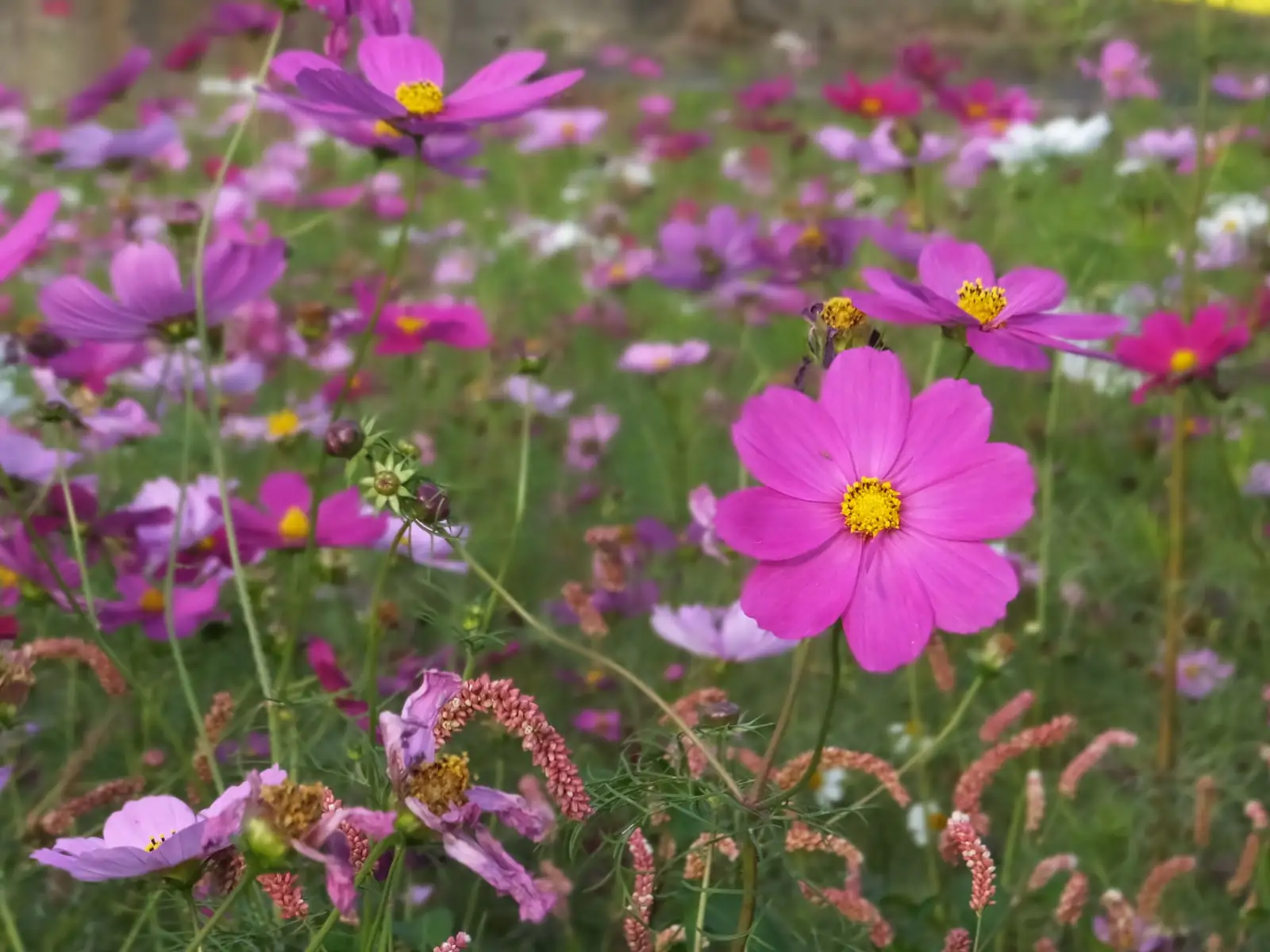
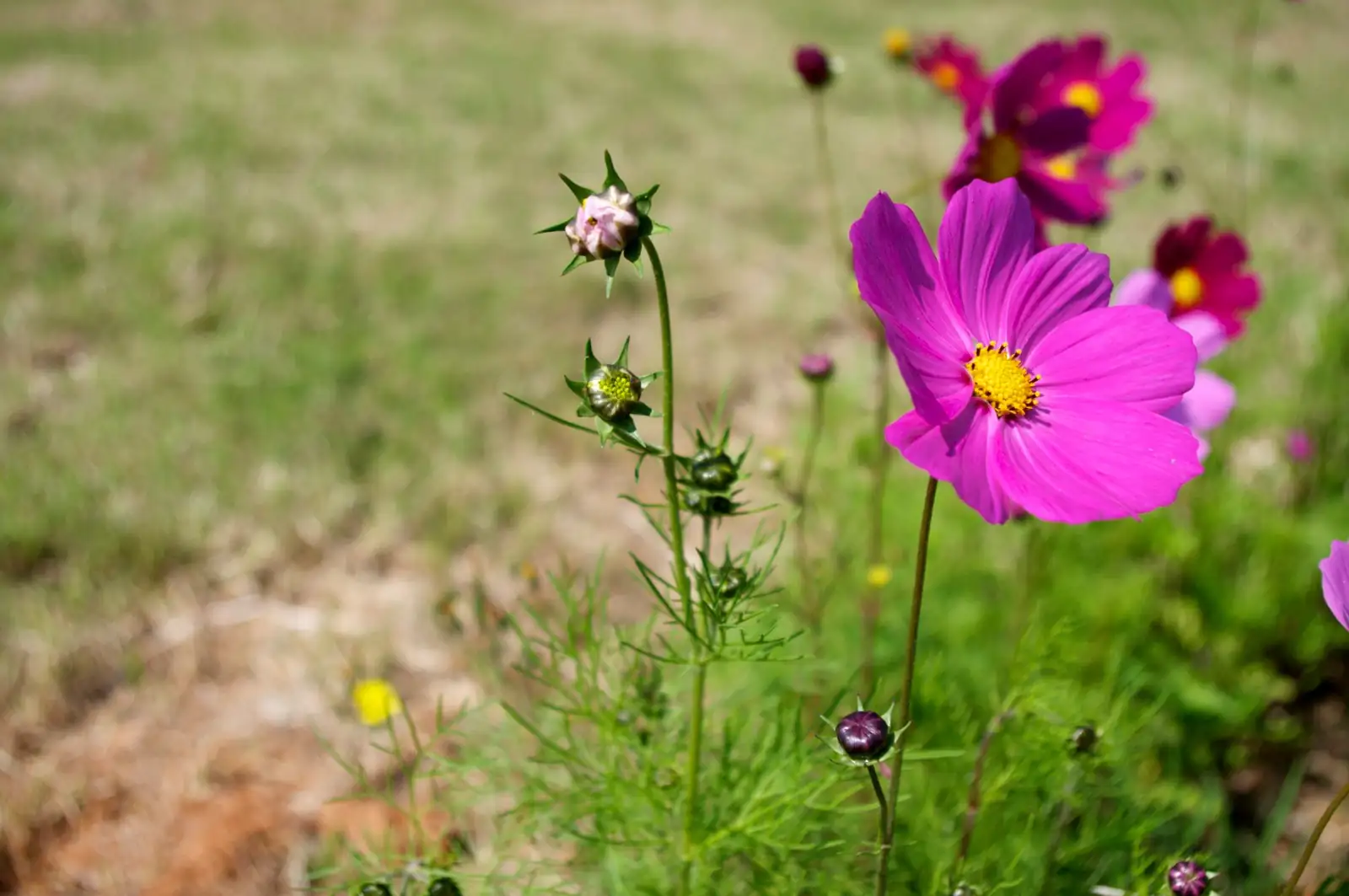
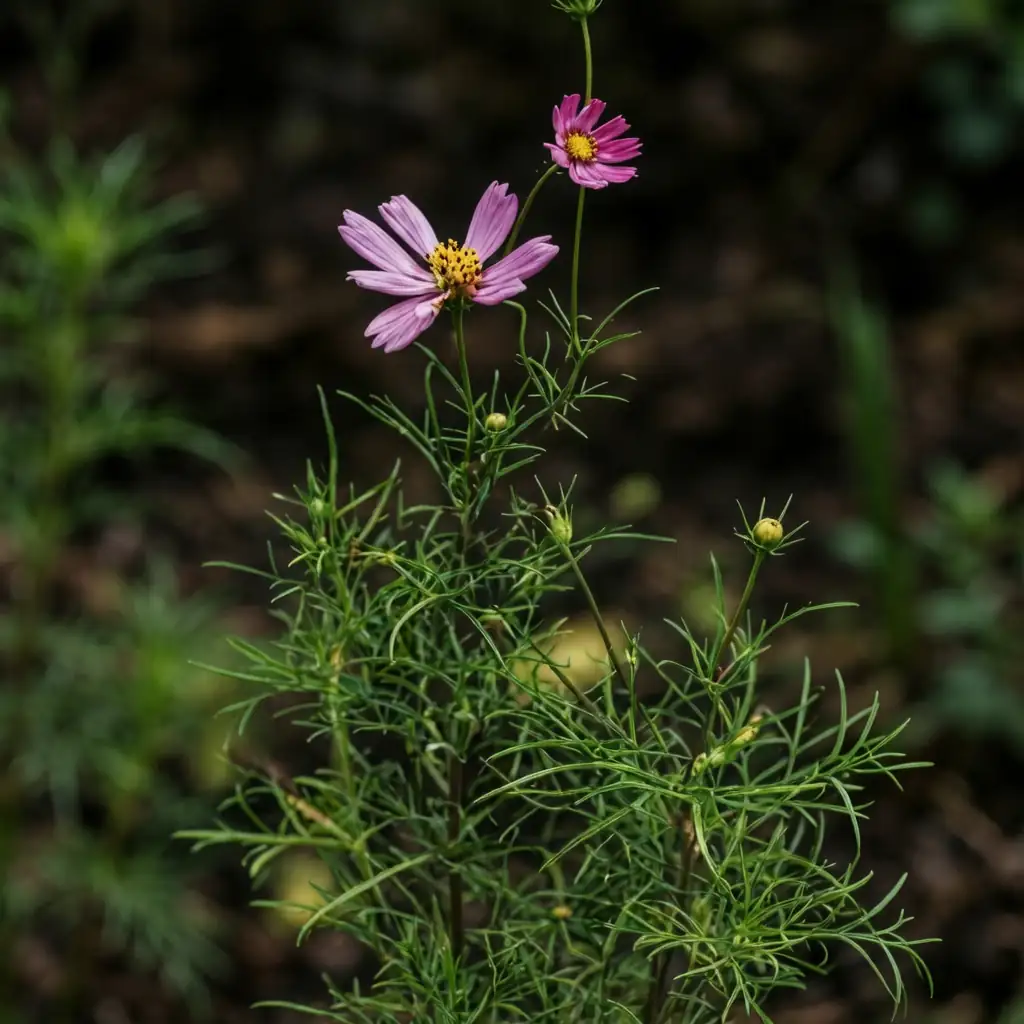
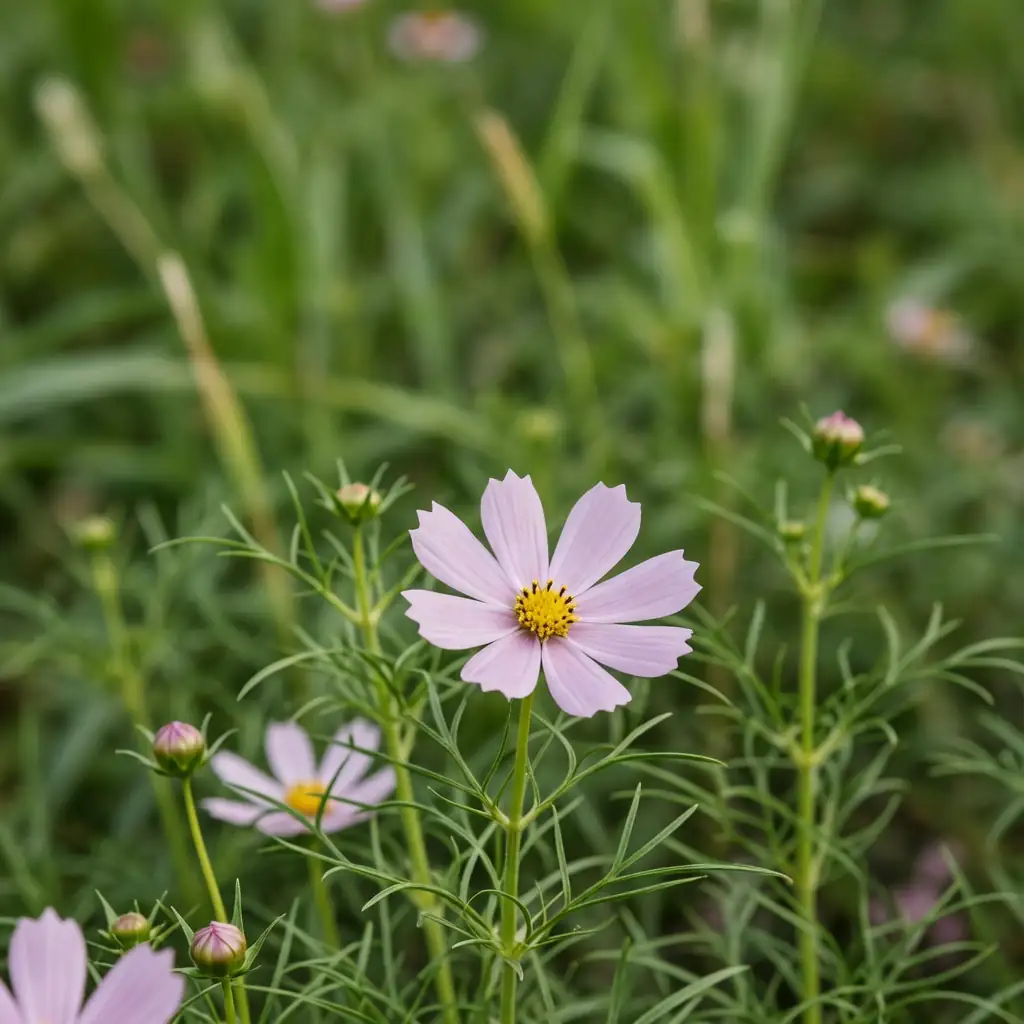
- Foliage: Leaves are opposite and finely divided (pinnate to bipinnate), creating a delicate, feathery, fern-like texture that keeps the plant looking light and airy even when it’s full-sized.
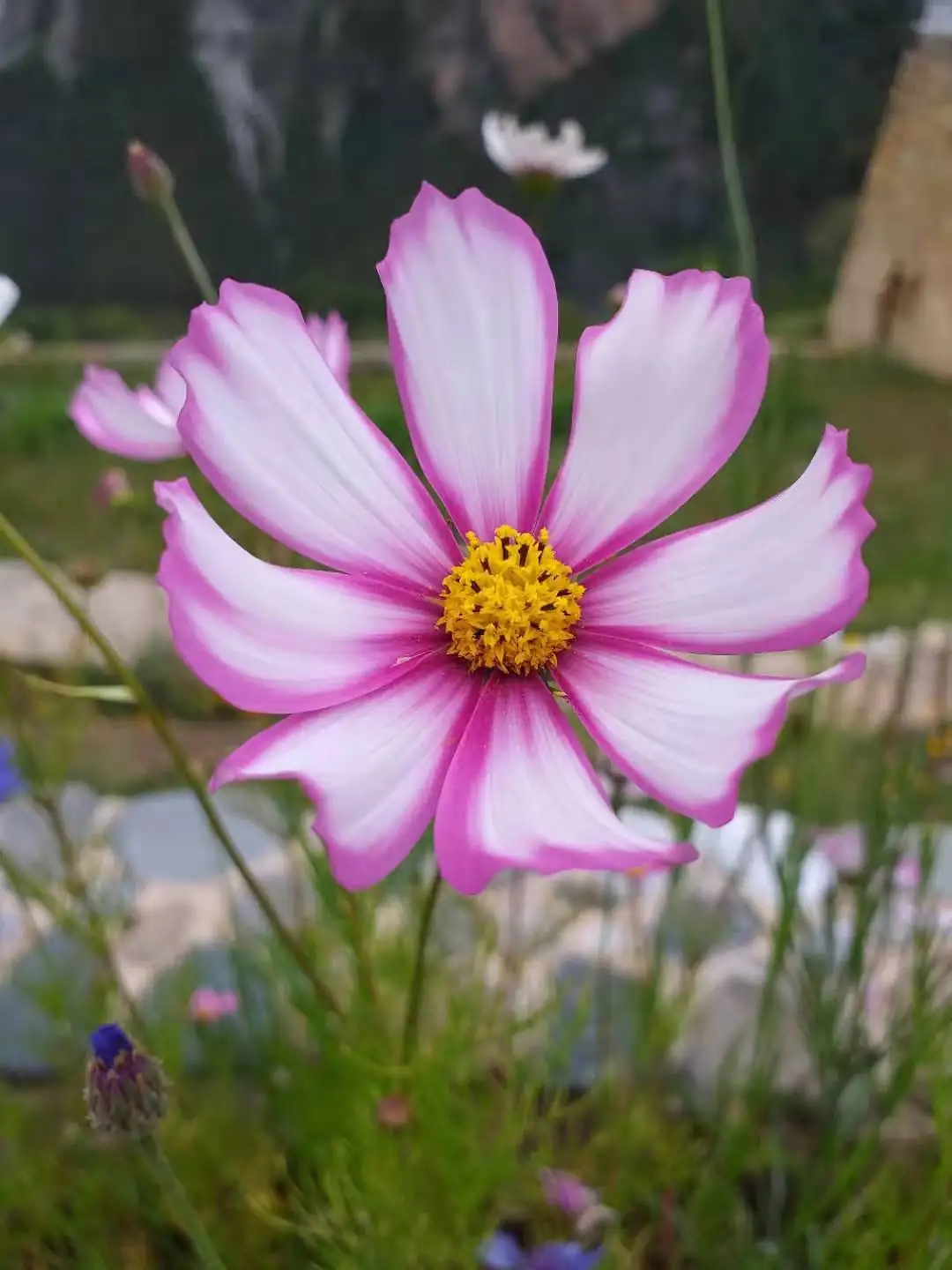
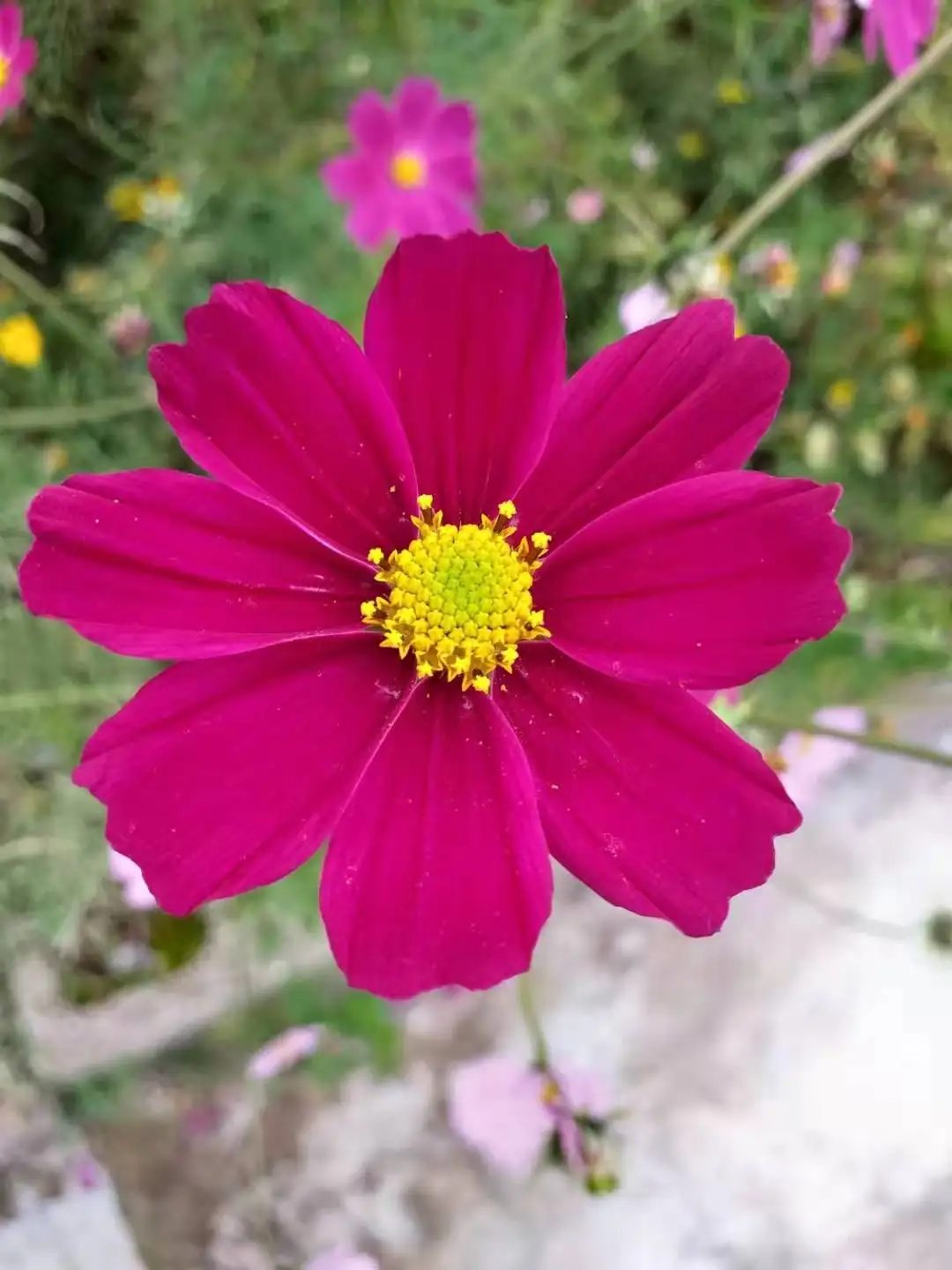
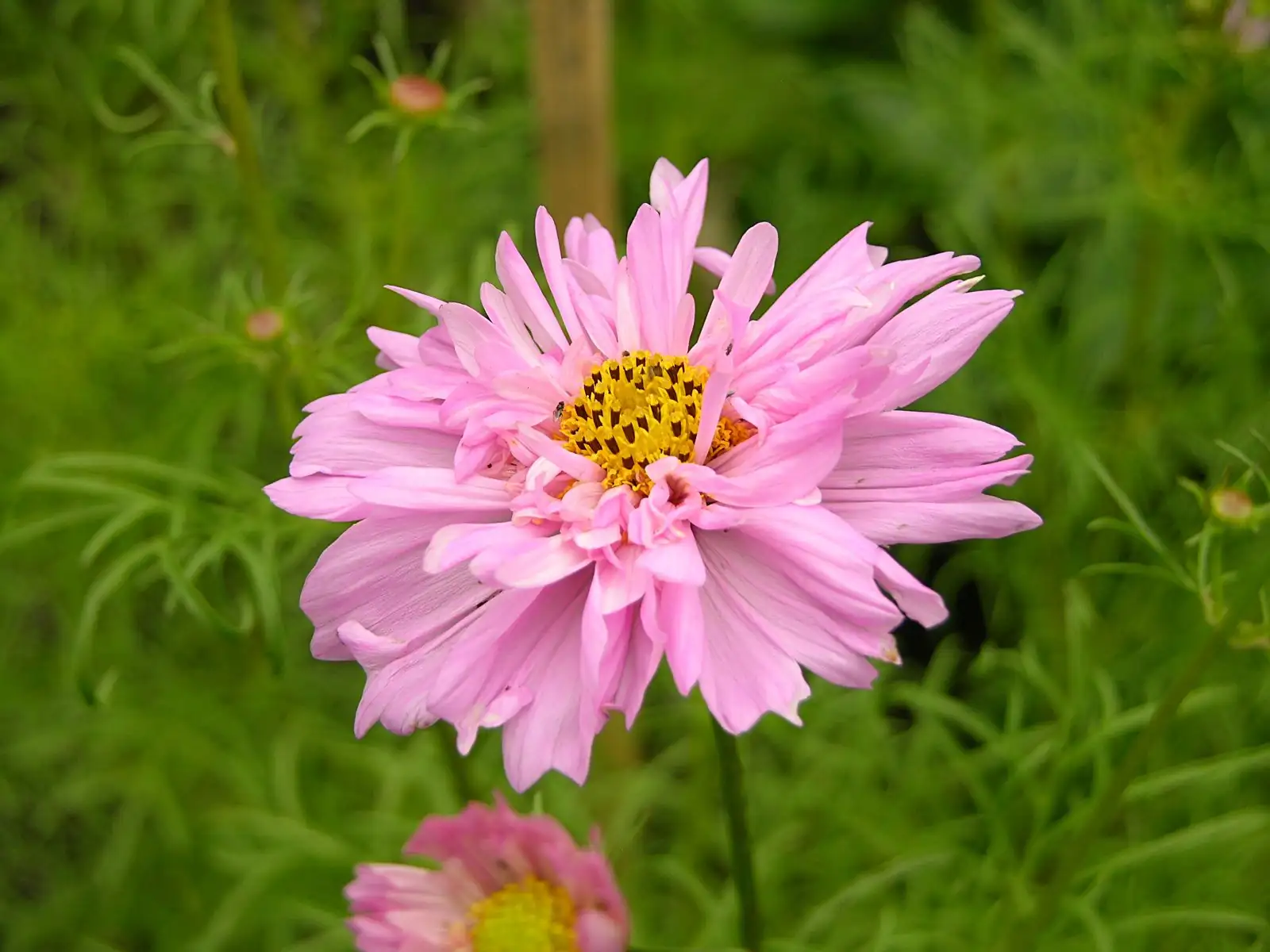
- Flower: Cheerful, daisy-like blooms are commonly 7.5–12.5 cm (3–5 in) across. The classic look is a single row of ray petals around a yellow (sometimes reddish) center, but many garden forms include doubles. Color ranges widely—white, pink, rose, red, burgundy, purple, and bicolors are common in cultivars.
- Flowering Season: Summer to fall, often from June/July until the first frost (and longer in mild climates).
- Growth Habit: Upright, branching, bushy annual with multiple stems; stands best when planted in groups, and taller varieties may need light staking in windier spots.
Environment
Sunlight
Full sun is best (about 6–8+ hours of direct light daily). It can tolerate partial shade, but flowering and vigor usually drop.
Temperature
A warm-season annual: grows best in warm weather, is heat tolerant, and is not frost-hardy (typically killed by the first hard frost). Seed germination is strongest around 24°C (75°F).
Humidity
Adaptable—handles a range of humidity levels as long as airflow is decent. Avoid persistently damp, stagnant conditions to reduce mildew risk.
Soil
Well-draining soil is the key. Cosmos thrive in poor to average soil (sandy or loamy is ideal) and prefer roughly neutral pH (about 6.0–8.0). Rich, highly fertilized soil often leads to lush foliage and fewer flowers, plus floppier stems.
Placement
Great for sunny borders, cottage gardens, cutting beds, meadows, and containers. Use tall forms toward the back of beds; choose dwarf varieties for edging and pots. A heavier pot (about 30 cm / 12 in or larger for tall types) helps prevent tipping.
Hardiness
Grown as an annual in most climates; commonly cultivated across USDA Zones 2–11 as a warm-season annual (not frost tolerant).
Care Guide
Difficulty
Very easy and beginner-friendly. Once established, it’s forgiving, drought tolerant, and usually blooms reliably with minimal fuss.
Buying Guide
Pick seedlings with fresh green growth and no obvious pests (like aphids) or leaf spotting. Seeds are usually the easiest and most economical route—germination is typically quick and dependable.
Watering
Water regularly until established, then switch to a light hand: water deeply only when the soil has dried out. Overwatering (and constantly wet soil) tends to reduce flowering and can invite disease.
Fertilization
Minimal feeding is best. Avoid high-nitrogen or frequent fertilizing—this often produces lots of leaves and fewer blooms. If your soil is extremely poor, a small amount of balanced fertilizer at planting is enough; a light, bloom-leaning (phosphorus-forward) feed can be used sparingly if flowering slows.
Pruning
Deadhead spent flowers to keep blooms coming. If plants get tired midseason, a trim back by about one-third can encourage a fresh flush. Pinching young plants promotes bushiness. Stake tall varieties if they lean or if the site is windy.
Propagation
Mostly grown from seed: direct sow outdoors after the last frost, or start indoors about 4–6 weeks before last frost. Seeds usually sprout in about 7–21 days at around 24°C (75°F). Cosmos also self-seeds readily if you leave some flower heads to mature; stem cuttings can work for some gardeners, but seed is the standard.
Repotting
In containers, use a well-draining mix (not overly enriched). Choose a sturdier/heavier pot (around 30 cm / 12 in minimum for taller varieties) and provide support if needed.
📅 Seasonal Care Calendar
Spring: sow after last frost (or transplant starts), then thin for airflow. Summer: deadhead often; water only during prolonged drought; stake if needed. Autumn: leave some seed heads if you want volunteers next year; remove plants after frost. Winter: in many gardens, dropped seed overwinters and sprouts when soils warm.
Pests, Diseases & Safety
Common Pests & Diseases
Usually trouble-free. Possible pests include aphids, thrips, flea beetles, and grasshoppers; often controlled with a firm water spray or insecticidal soap. Diseases can include powdery mildew, aster yellows, bacterial wilt, and fusarium wilt—best prevented with good spacing, sun, and airflow, plus avoiding chronically wet conditions.
Toxicity
Generally considered non-toxic to people and common pets (dogs/cats). The flowers are sometimes used as edible garnishes; as with any edible flower, avoid pesticides and confirm identity before eating.
Culture & Symbolism
Symbolism: Often associated with harmony, balance, peace, modesty, and simple joy. In old-style flower language it can suggest “joy in love and life.” Color meanings are commonly read as: white for purity/peace, pink for romance, and deeper reds/burgundies for passionate affection.
History & Legends: The genus name comes from the Greek “kosmos,” meaning an ordered, harmonious world—an affectionate nod to the flower’s neat symmetry. Cosmos were described and named in the late 18th century by the Spanish botanist Antonio José Cavanilles, and they spread through European gardens soon after. They were introduced to Japan in 1887 and became beloved there as well. Despite the Chinese common name hinting at “Persia,” the plant’s roots are firmly Mexican.
Uses: A favorite ornamental for borders and mass plantings, excellent as a cut flower (fresh or dried), and widely planted for pollinator support (bees and butterflies). It can also be used in casual meadow-style sowings and sometimes for light erosion control on slopes.
FAQ
How long does it take cosmos to bloom from seed?
Seeds usually germinate in about 7–21 days, and plants often bloom roughly 7–10 weeks after sowing (around 50–60 days after germination), depending on warmth and sun.
Why are my cosmos not blooming?
The usual culprits are not enough sun (aim for 6–8+ hours), soil that’s too rich, or too much fertilizer—especially nitrogen. Move to a sunnier spot and ease up on feeding.
Do cosmos come back every year?
Cosmos are annuals and die with frost, but they self-seed enthusiastically. If you leave some seed heads to ripen, you’ll often get volunteer seedlings next spring.
Can cosmos grow in pots?
Yes. Choose dwarf varieties for easiest container success, use a fast-draining mix, and keep them in full sun. Water when the top layer of soil dries.
Should I deadhead cosmos?
Deadheading keeps new flowers coming. Toward the end of the season, stop deadheading a few stems if you want seeds for next year (or for birds).
Fun Facts
- “Cosmos” is also the word used for the universe—so you’ll sometimes hear them called “universe flowers.”
- They’re famous butterfly magnets and are often included in pollinator seed mixes.
- Cosmos can thrive in gravelly, low-nutrient soil where fussier flowers struggle.
- Chocolate cosmos (Cosmos atrosanguineus) is a different species with deep red blooms known for a chocolate-like scent.