Plant Features
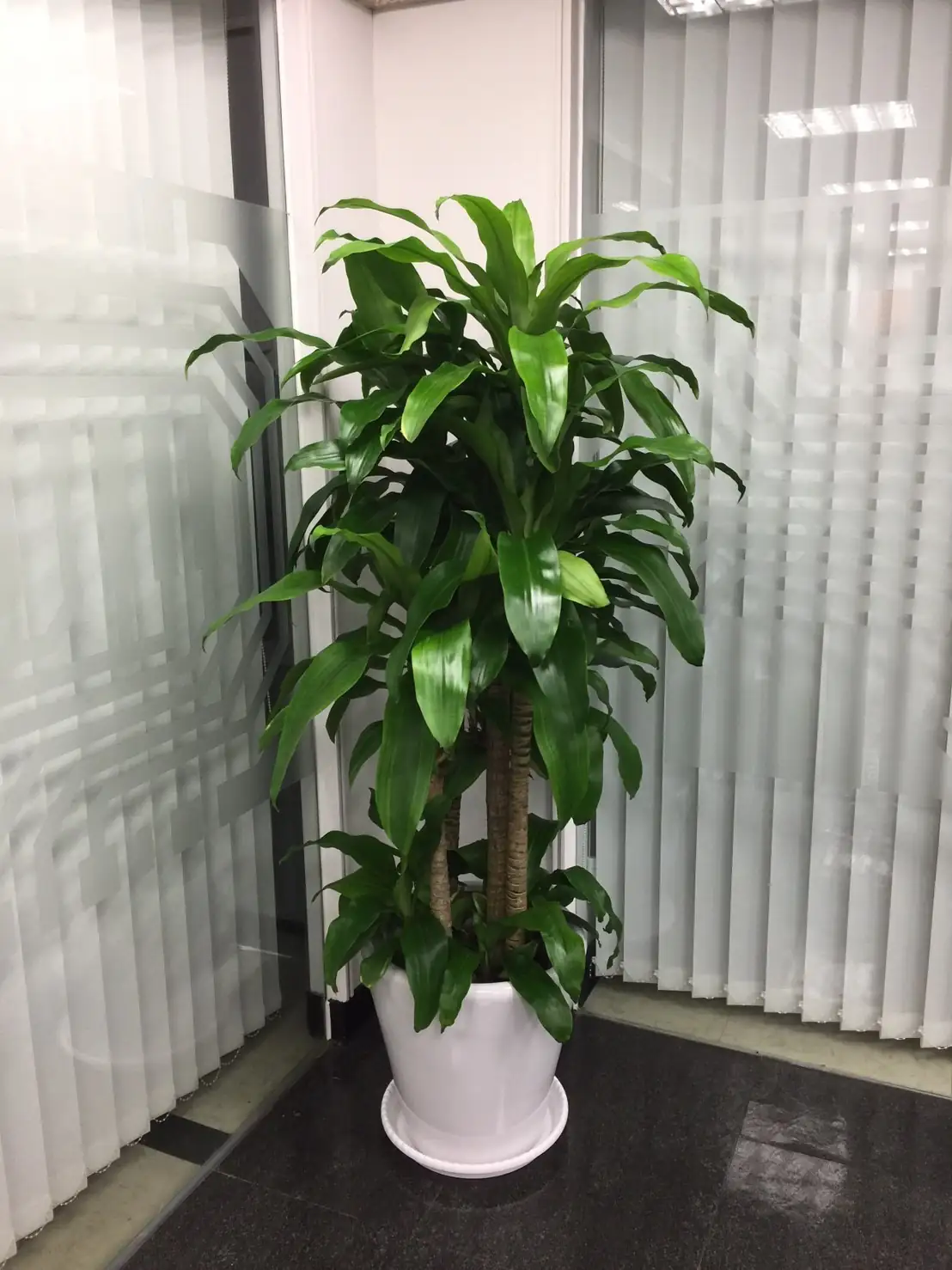
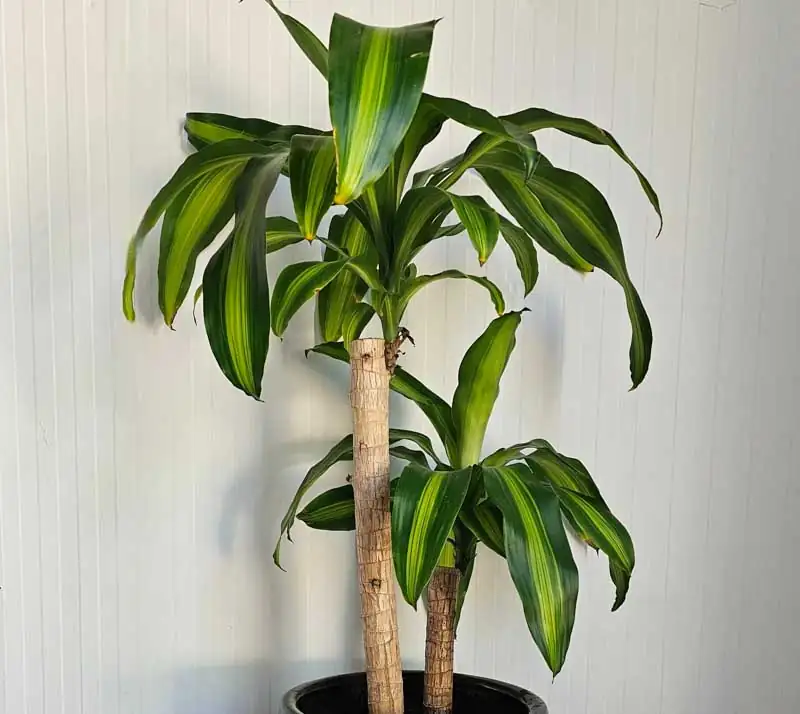
- Size: Indoors, it’s commonly sold as single-cane plants about 20–40 cm (8–16 in) tall, or multi-cane arrangements about 80–150 cm (31–59 in) tall. Typical pot sizes: 12–15 cm (4.7–5.9 in) diameter for smaller plants; 20–25 cm (7.9–9.8 in) diameter for larger plants. A single cane is often potted in 15–20 cm (5.9–7.9 in); three canes commonly use about 25 cm (9.8 in).
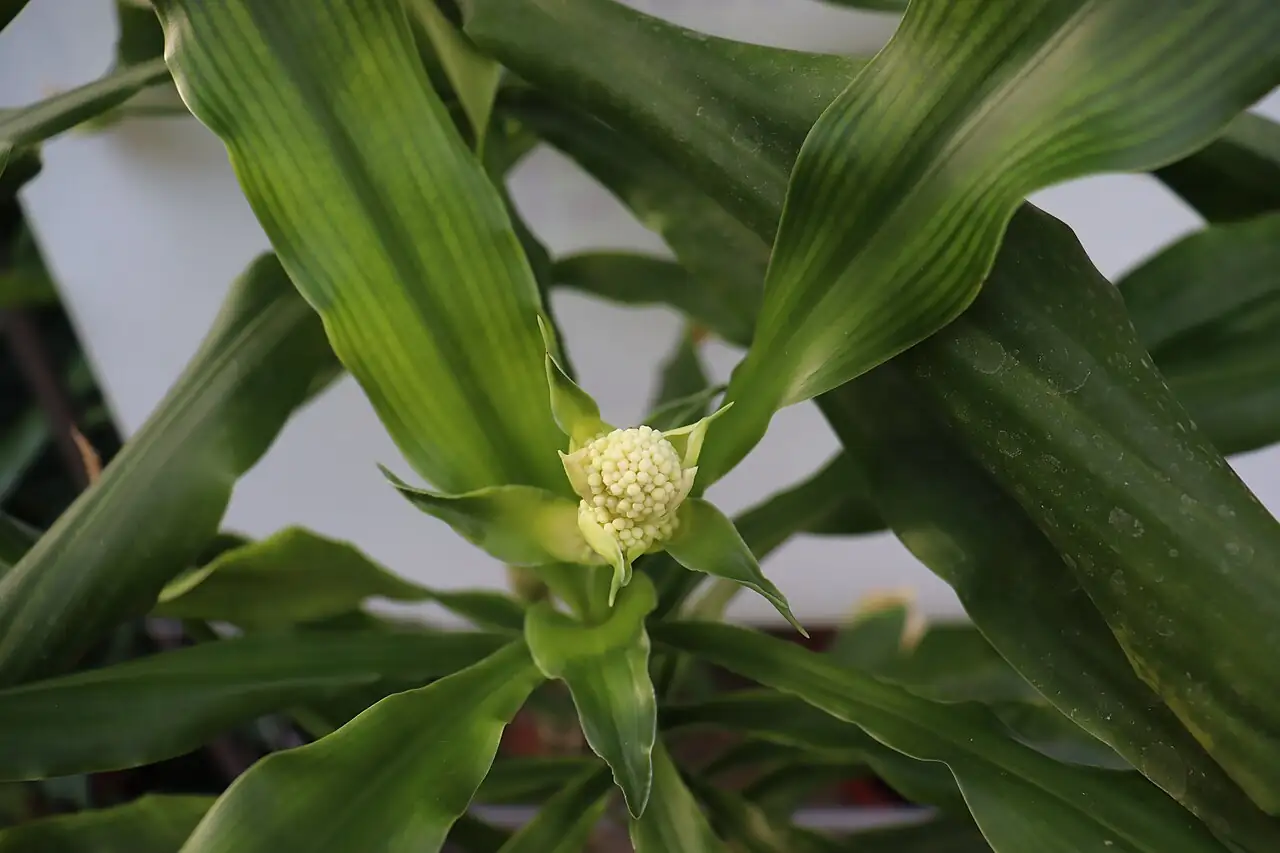
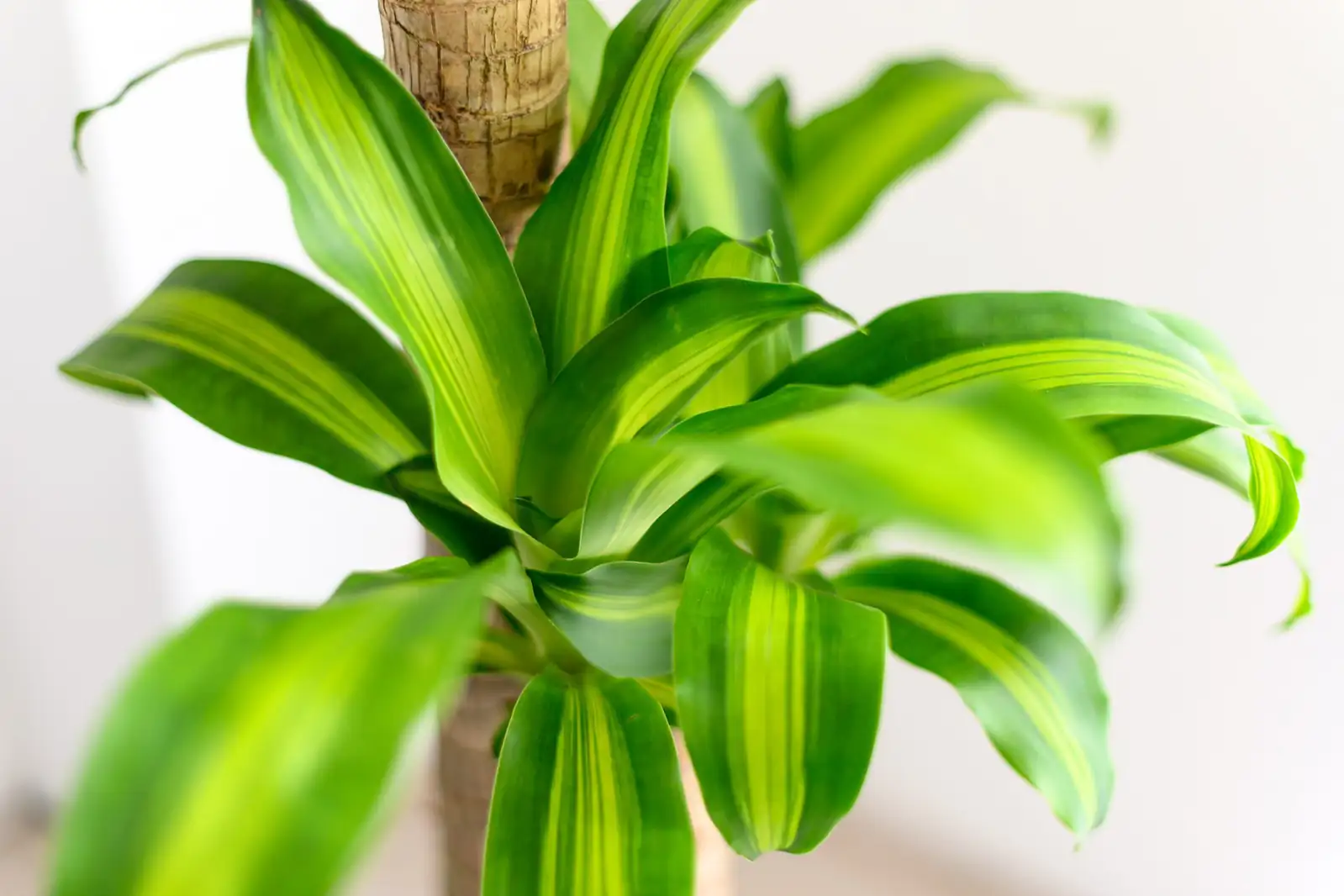
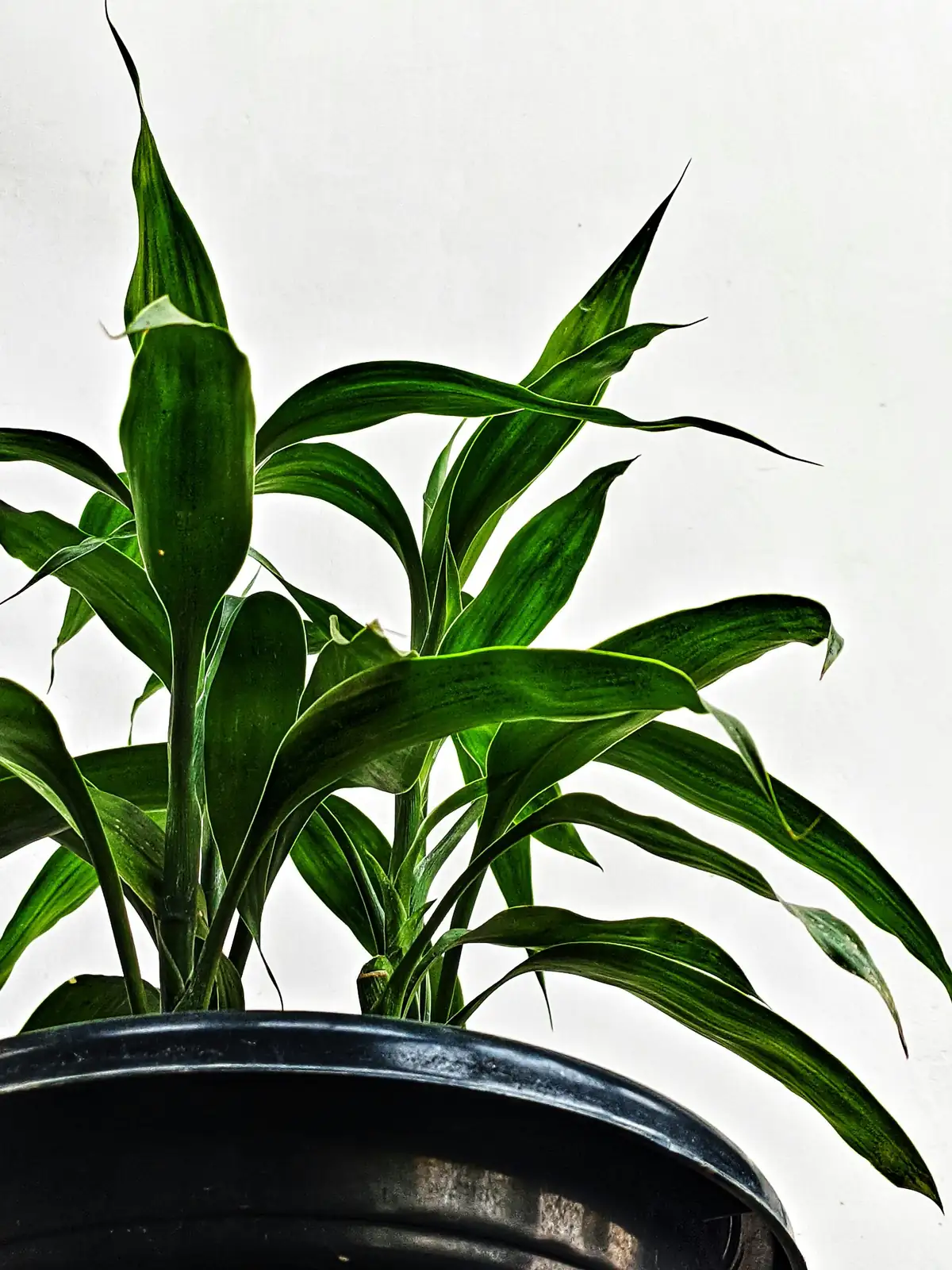
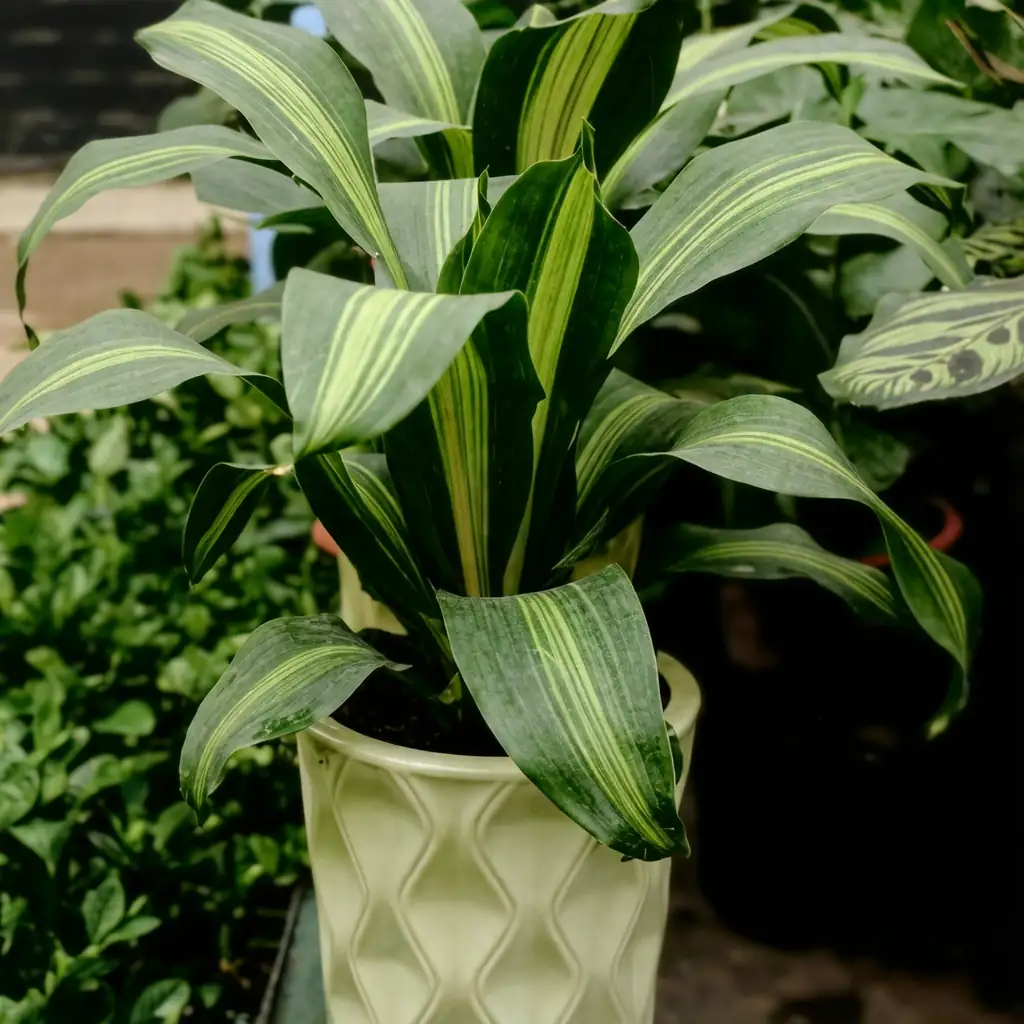
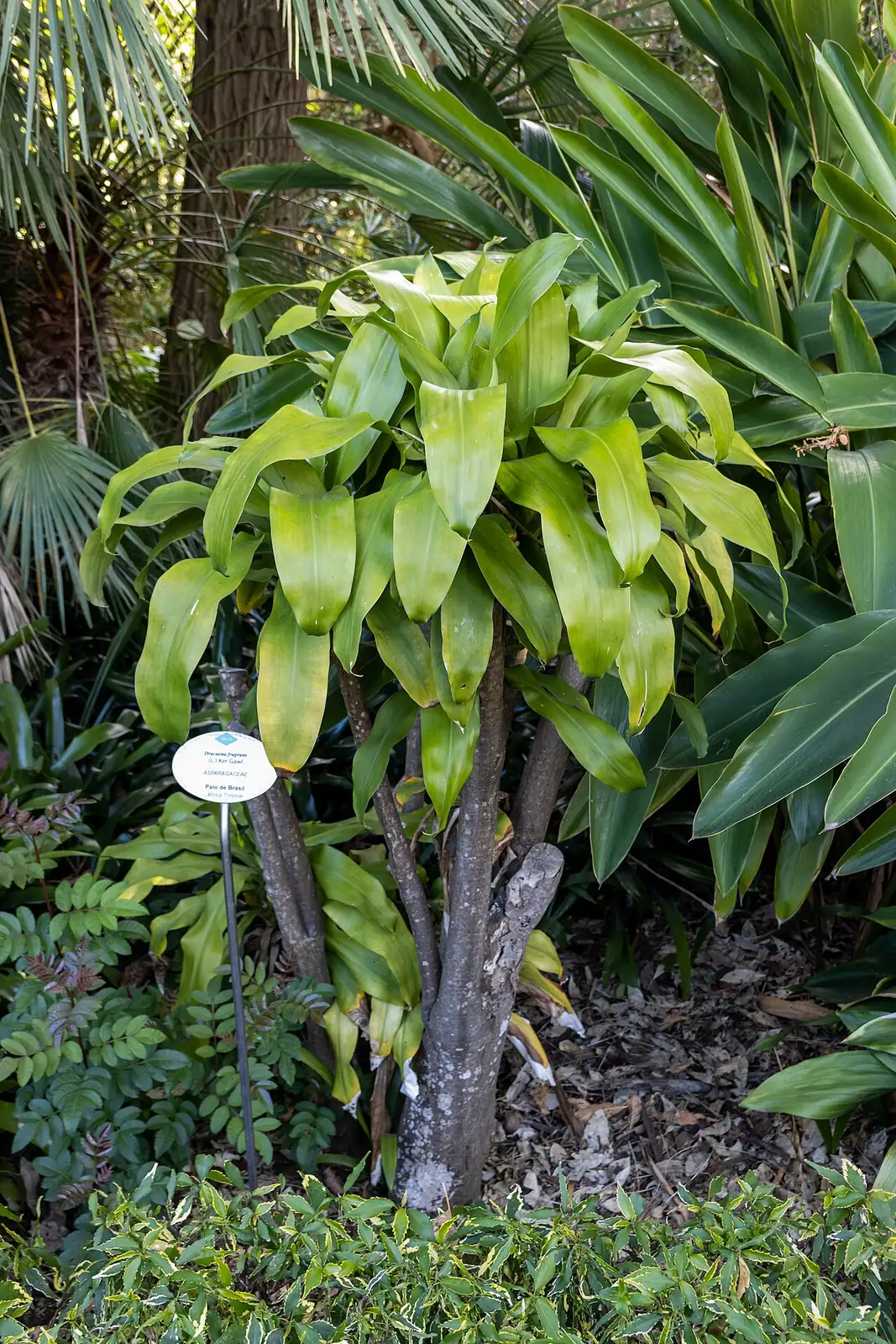
- Foliage: Leaves are strap- to sword-shaped and glossy green, often showing lighter striping/variegation in cultivated forms. A high-quality plant has intact leaves with clear patterning (if variegated), and no spotting, browning, or pest damage—especially along the undersides.
- Flower: It rarely flowers indoors, but when it does it produces clusters of small, creamy-white blooms that are notably sweet and fragrant.
- Flowering Season: Summer (rare indoors).
- Growth Habit: Upright, woody, cane-form shrub. Commonly grown as single canes or multi-cane clumps in pots; cut cane sections can sprout new heads after rooting.
Environment
Sunlight
Bright, indirect light is ideal. It tolerates medium to low light, but avoid harsh direct summer sun (leaf scorch risk). In hot seasons, filtered light/light shade is best.
Temperature
Best growth at 18–24°C (64–75°F). Growth slows noticeably below about 13°C (55°F). Cold injury is likely below about 5°C (41°F).
Humidity
Prefers moderate to high humidity; about 70–80% is excellent if you can manage it. Enjoys moist air but not soggy roots—good drainage matters more than frequent watering.
Soil
A fertile, well-draining potting mix (peat- or coir-based mix amended with perlite/grit/sand). Avoid heavy mixes that stay wet for long periods.
Placement
Indoors near a bright window with filtered light; great for living rooms, offices, desks, and side tables. A bright balcony/sunroom works if protected from strong midday sun and cold drafts.
Hardiness
Not frost-hardy; suitable outdoors year-round only in warm climates (roughly USDA Zone 10–12).
Care Guide
Difficulty
Easy and forgiving as a houseplant, and unusually friendly for propagation. Success comes down to three habits: keep it warm, give it decent humidity, and avoid extremes—no scorching sun and no waterlogged soil.
Buying Guide
Pick plants with thick, firm, upright canes and healthy leafy crowns. Common retail sizes include single-cane plants around 20–40 cm (8–16 in) tall and multi-cane arrangements around 80–150 cm (31–59 in) tall. Choose leaves that are clean, intact, clearly patterned (if variegated), and free of spots, scale, or mealybugs. After bringing it home, let it acclimate in bright shade (no harsh sun), raise humidity if your home is dry, and plan to repot later (often after about 1 year) if the mix becomes compacted or the roots are crowded.
Watering
Spring & autumn: keep the mix lightly and evenly moist—never wet or swampy. Summer: water thoroughly about every 5–7 days (adjust for your home), and always let excess drain away; don’t leave water sitting in a saucer. Winter: allow the top of the mix to dry more between waterings. Low humidity or letting it go bone-dry too long can trigger yellowing; chronic overwatering invites root trouble. Occasional misting can help in very dry homes, but prioritize soil drainage and airflow.
Fertilization
During active growth, feed about every 2 weeks with a balanced houseplant fertilizer at a diluted rate. Stop feeding when temperatures stay below about 13°C (55°F). Avoid overfeeding; in variegated types, too much nitrogen can make the yellow striping less crisp.
Pruning
If it gets too tall or bare at the base, cut back canes (or pinch growing tips) to stimulate branching and create a fuller crown. Remove old or yellowing lower leaves as needed to keep it tidy.
Propagation
Best in spring to summer. Take semi-mature stem cuttings or leafless cane sections about 5–10 cm (2–4 in) long and root them in moist sand/perlite or another free-draining medium. Warmth and humidity speed success: about 25–30°C (77–86°F) with ~80% humidity. Roots commonly form in about 4–5 weeks. Water propagation also works; keep temperatures above about 25°C (77°F) for best results.
Repotting
A single cane commonly sits in a 15–20 cm (5.9–7.9 in) pot; three canes are often grown in about a 25 cm (9.8 in) pot. Repot in spring when roots fill the container. Young plants may be repotted yearly; mature plants typically every 2–3 years, refreshing with a fertile, well-draining mix.
📅 Seasonal Care Calendar
Spring: prime time for repotting and taking cuttings; keep lightly moist. Summer: protect from strong sun, maintain airflow, water roughly every 5–7 days (as needed), and keep humidity higher. Autumn: continue steady moisture and moderate humidity. Winter: keep slightly drier, stop fertilizer if it’s cool, and protect from temperatures below 13°C (55°F)—never expose it to anything below about 5°C (41°F).
Pests, Diseases & Safety
Common Pests & Diseases
Can develop leaf spot or anthracnose, especially with poor airflow and persistently wet foliage. Improve ventilation, avoid wetting leaves late in the day, and remove affected leaves. Common pests include scale insects and mealybugs; rinse and wipe leaves (especially undersides) and repeat treatments such as insecticidal soap every 5–7 days until controlled.
Toxicity
Toxic to cats and dogs if chewed; may cause vomiting, drooling, and lethargy. Keep out of reach of pets and small children.
Culture & Symbolism
Symbolism: Often associated with resilience and steady growth—an easy-going “green companion” for homes and workplaces.
History & Legends: Despite the Chinese common name “巴西木” (often translated as “Brazil wood”), this plant is not Brazilian—most are Dracaena fragrans cultivars originally from tropical Africa. The nickname stuck through the houseplant trade, especially for cane-cuttings sold for indoor décor.
Uses: Primarily an ornamental indoor foliage plant. Frequently sold as potted cane sections, and it can also be displayed as canes rooted or maintained in water for minimalist interior decoration.
FAQ
Why do my corn plant’s leaves look dull and the color/striping is fading?
Most often it’s long-term low light, overwatering, or weak nutrition. Move it closer to a bright window with filtered light, water only when the top of the mix begins to dry, and feed lightly with diluted fertilizer during active growth.
How do I pick a good plant and help it settle in after bringing it home?
Choose thick, firm canes and clean leaves with no spots or pests. Acclimate it in bright shade for the first couple of weeks (no harsh sun), boost humidity if your home is dry, and repot later (often after ~1 year) if the mix is compacted or roots are crowded.
Fun Facts
- It’s often sold as cut “canes” that resprout new heads—one reason it’s so easy to propagate.
- Though grown mainly for foliage, it can bloom with surprisingly fragrant, creamy-white flowers—just not often indoors.
- Many plants sold under the trade name “Brazil wood” are Dracaena fragrans cultivars rather than plants from Brazil.