

Plant Features
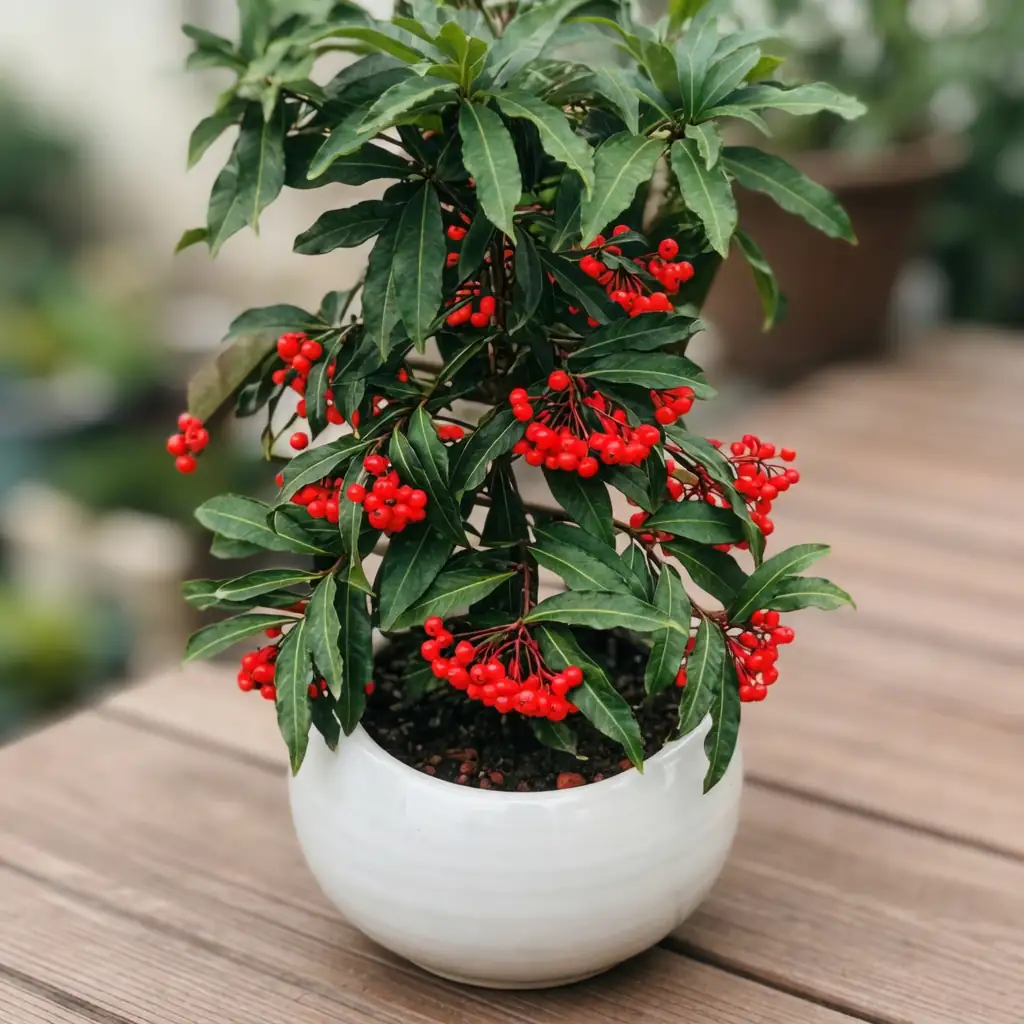
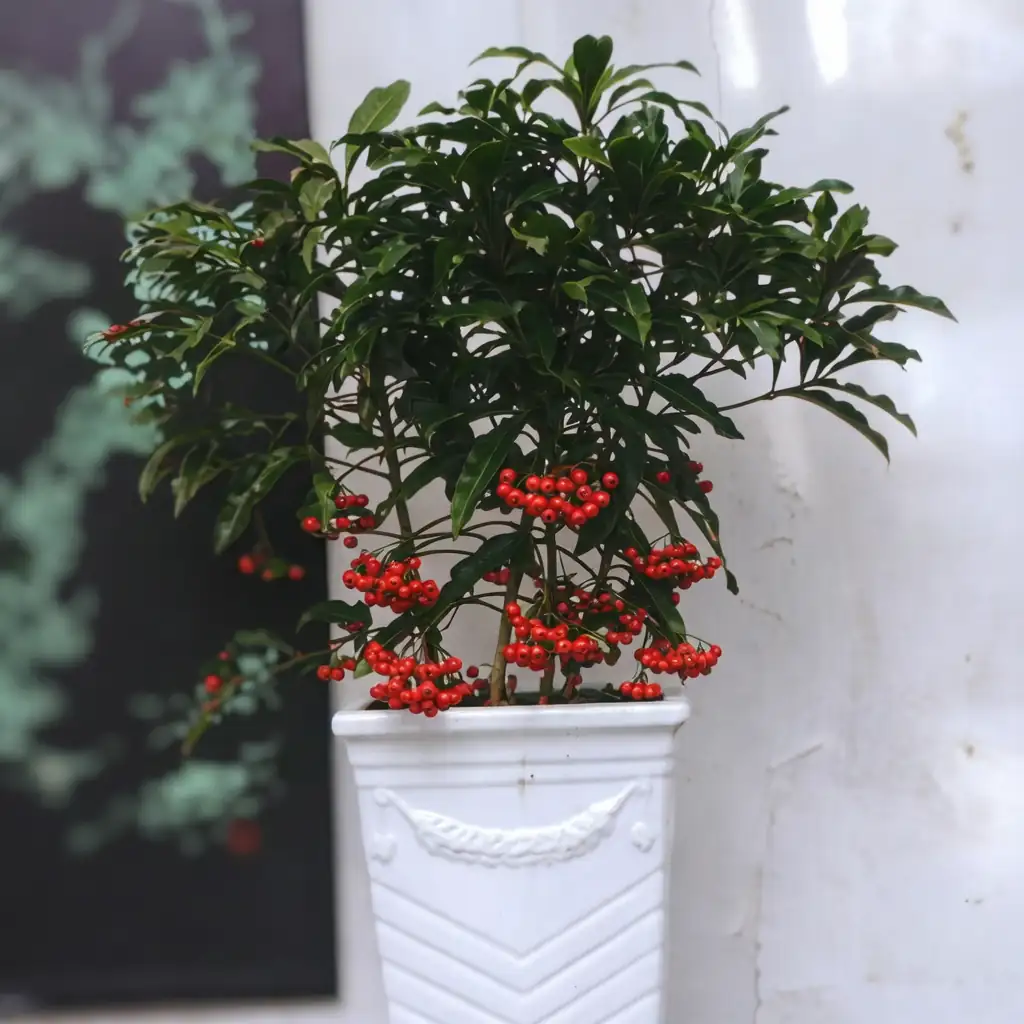
- Size: Typically about 30–120 cm (12–47 in) tall in cultivation with a similar spread; often kept smaller in pots. Many plants are compact/dwarf and very slow-growing.
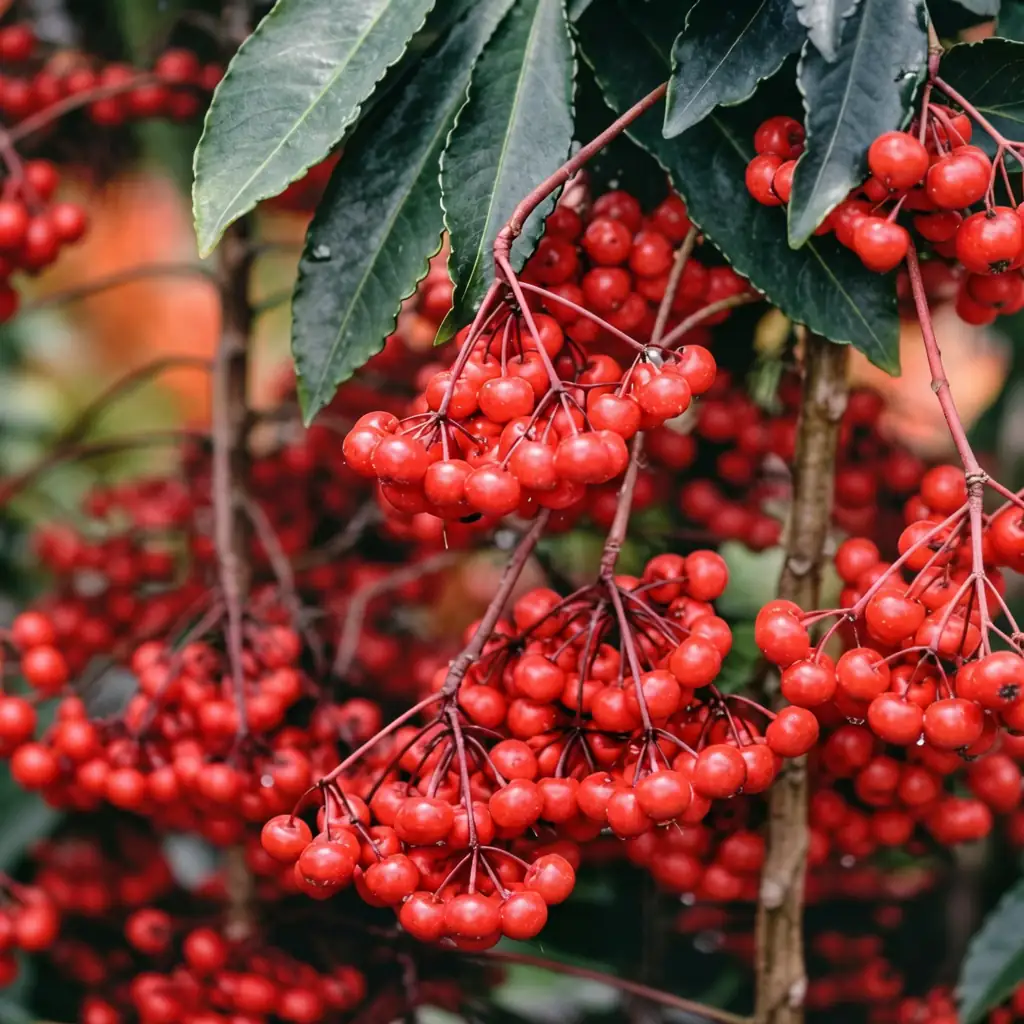
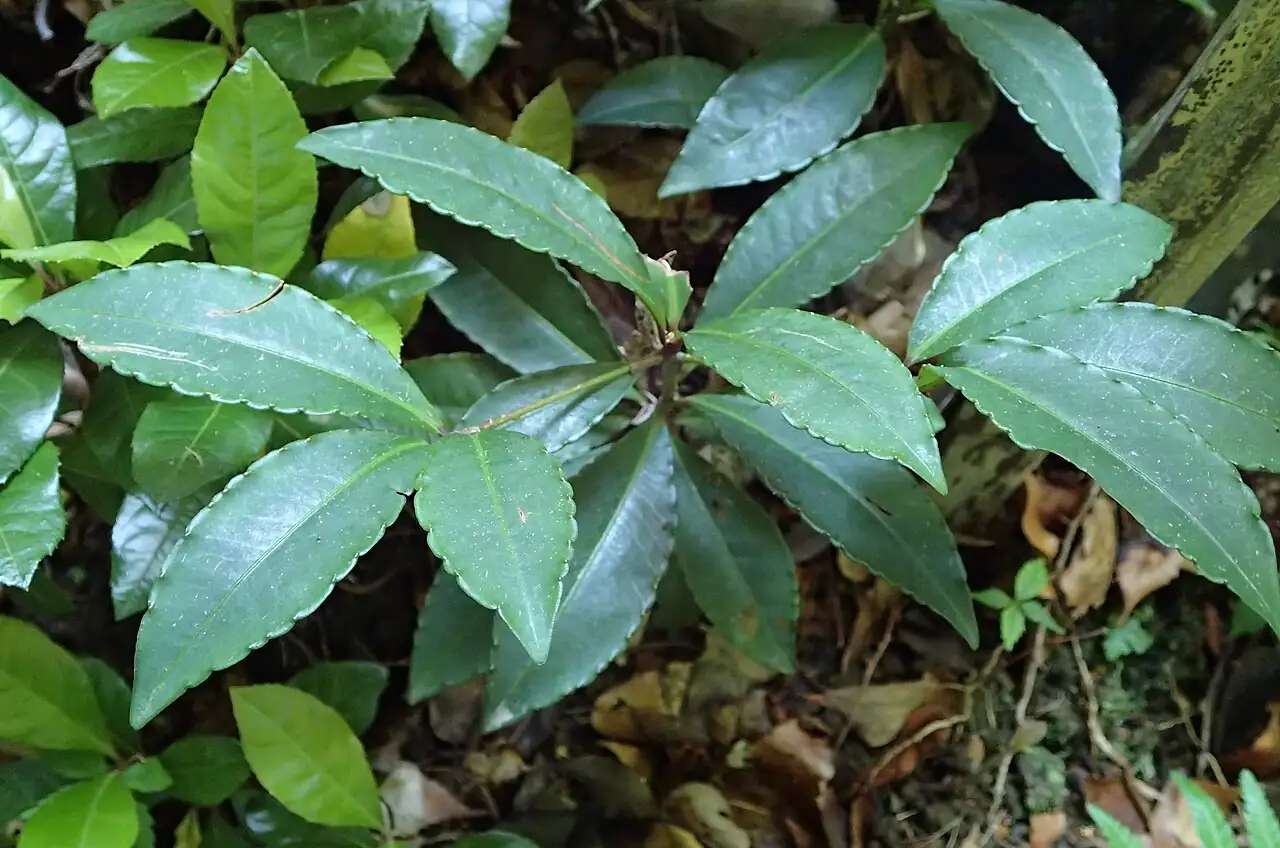
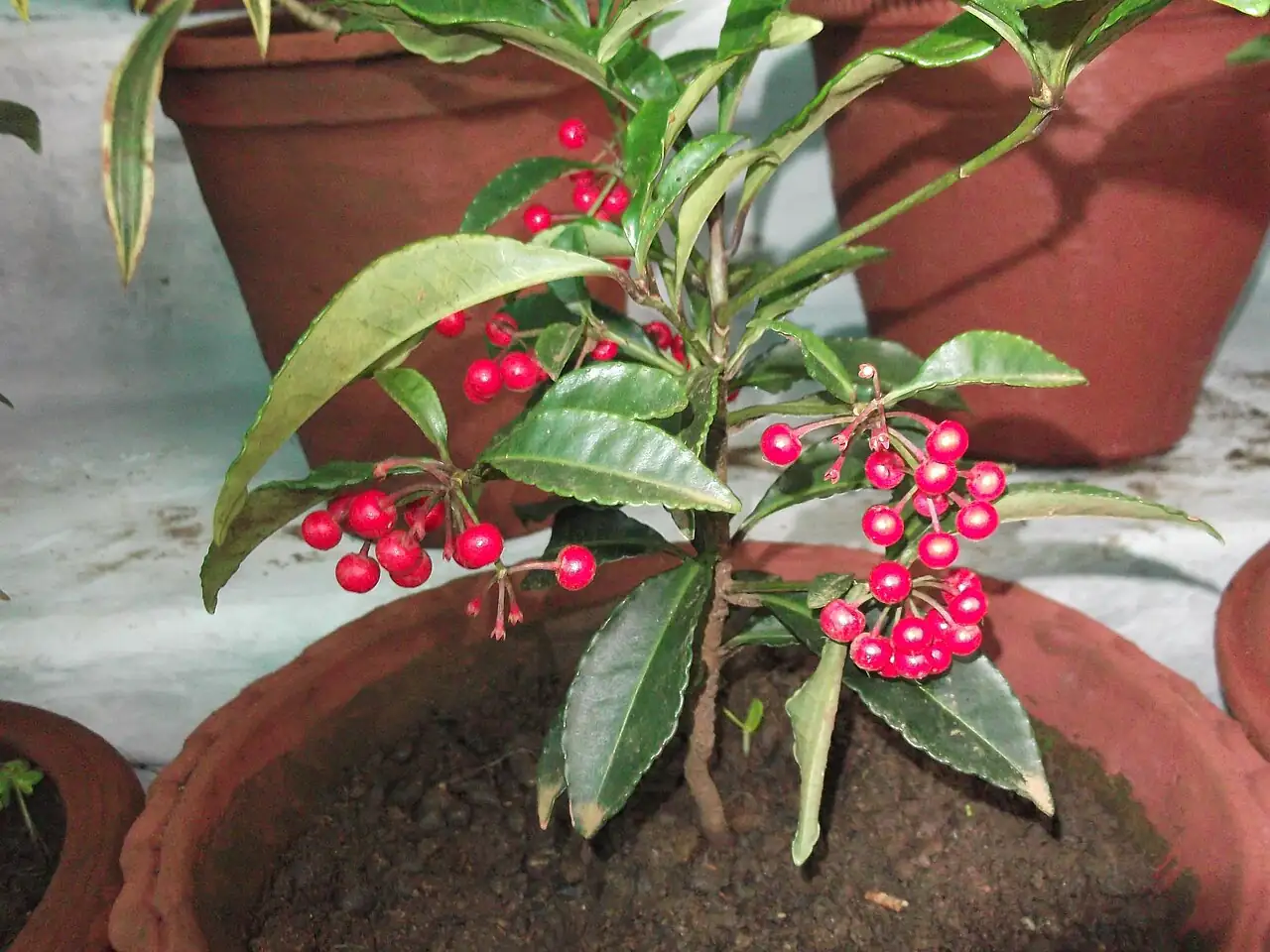
- Foliage: Dense, glossy, deep-green evergreen leaves, often with subtly scalloped (crenate) margins. A healthy plant looks full and richly colored rather than sparse or pale.
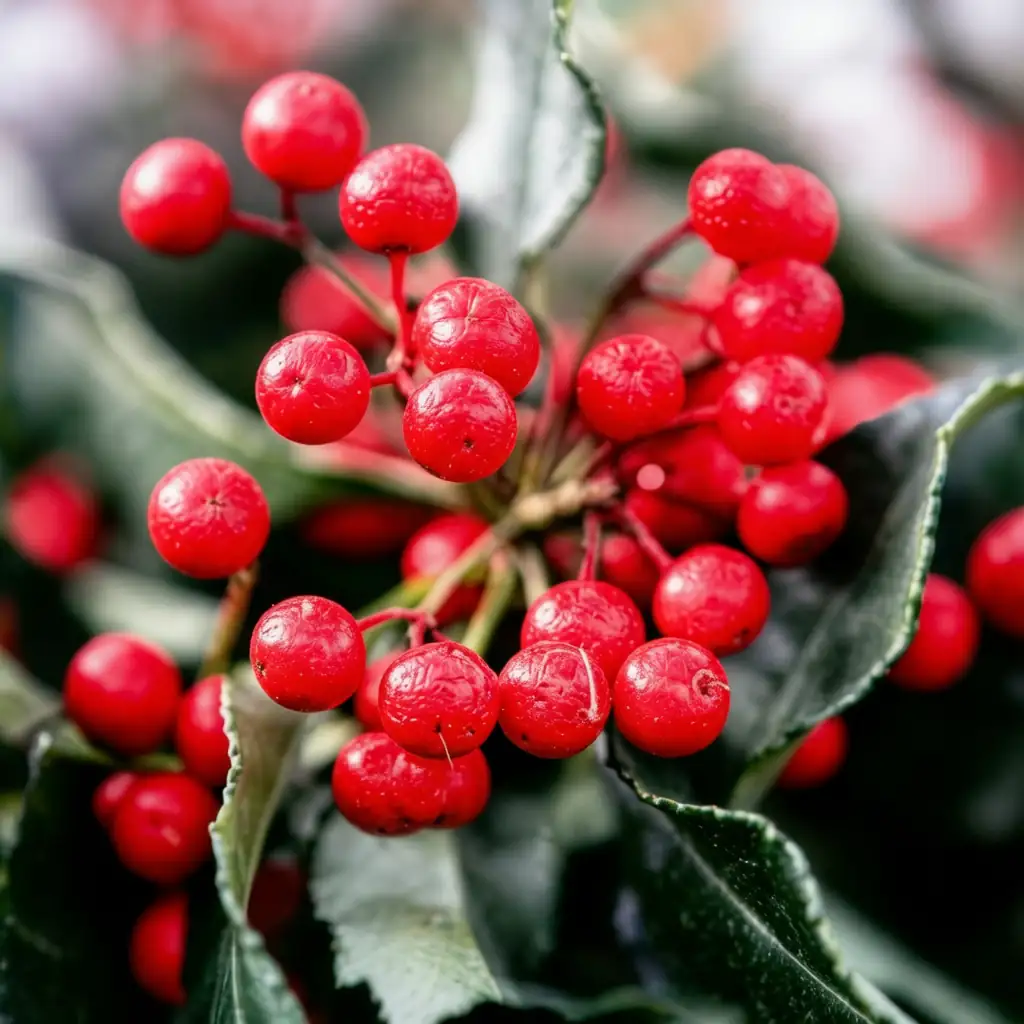
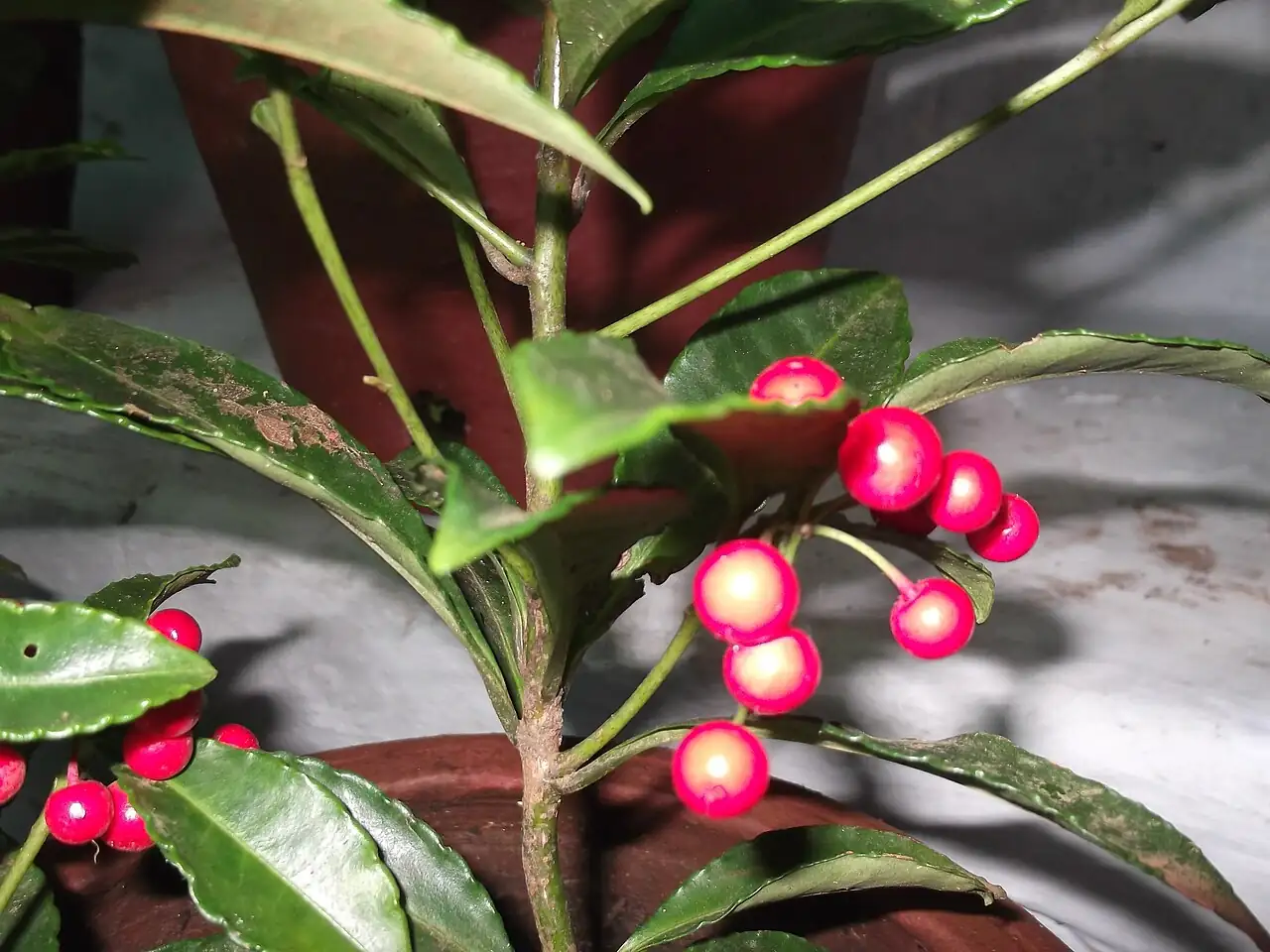
- Flower: Clusters of small, starry white to pale pink flowers, followed by heavy trusses of round berries. The berries ripen from green to bright red and can stay decorative for months (the main ornamental feature).
- Flowering Season: Flowers in late spring to summer; berries develop through autumn and commonly look best from winter into spring.
- Growth Habit: Upright to bushy, woody evergreen shrub; naturally compact and often clump-forming.
Environment
Sunlight
Bright, filtered light to partial shade. Avoid harsh midday sun, which can scorch leaves and dull the display. Indoors, an east-facing window or a south-facing window with a sheer curtain is ideal.
Temperature
Best growth at 13–27°C (55–81°F). Keep above 5°C (41°F) in winter; near or below 0°C (32°F) may trigger leaf and berry drop.
Humidity
Prefers moderate to high humidity (around 50%+ is a good target). Misting can help during hot/dry periods, but pair it with decent airflow to reduce leaf-spot issues.
Soil
Rich, fertile, well-drained, slightly acidic potting mix. Peat/coir-based mixes amended with coarse sand/perlite work well; avoid alkaline soils and waterlogged conditions. Light additions of slow-release organic matter are suitable.
Placement
Indoors: bright living room/study or near an east/south window with filtered light. Outdoors (warm seasons): a sheltered balcony/patio in partial shade. When heavily laden with berries, avoid moving or shaking the pot to prevent fruit drop.
Hardiness
Frost tender; roughly USDA Zone 9–11 outdoors. Protect from freezing temperatures.
Care Guide
Difficulty
Moderate. It’s not fussy once settled, but it does best with steady moisture (never waterlogged), decent humidity, gentle light (no harsh sun), and protection from cold. Indoors, reliable berry set may require hand-pollination.
Buying Guide
Choose a well-shaped, compact plant with dense, glossy deep-green foliage and lots of firm, plump, brightly colored berries. Avoid any with visible pests/disease or obvious leaf spotting. Gently shake the plant—berries shouldn’t drop easily. Once it’s heavily in fruit, minimize moving it to reduce berry drop.
Watering
Aim for “evenly moist, never soggy.” During active growth, water thoroughly when the top 2–3 cm (0.8–1.2 in) of mix starts to dry—often every 3–5 days in warm weather (or about twice a week in peak summer), depending on pot size and heat. In autumn and winter, reduce to about every 10 days, keeping the mix just slightly moist. If indoor air is very dry, occasional light misting can help, but avoid leaving foliage wet late in the day.
Fertilization
Feed every 2 weeks during the growing season with a balanced fertilizer at label rate. After buds form, add 2–3 extra feeds higher in phosphorus and potassium to support flowering/fruit set. Stop fertilizing in winter once berries have turned red.
Pruning
Pinch back soft new shoots when they reach about 10 cm (4 in) to encourage branching and a fuller crown. If the canopy becomes crowded, thin a few fruiting branches lightly to improve shape and airflow.
Propagation
Cuttings: in June–July, take semi-ripe cuttings about 5–6 cm (2.0–2.4 in) long; root in moist sand/vermiculite (warm, humid, lightly shaded conditions). Roots often form in about 3–4 weeks. Seed: use fully ripe bright-red berries; remove pulp and sow. Seeds can be soaked in warm water at 25–30°C (77–86°F) before sowing; cover lightly with about 0.5 cm (0.2 in) of mix (don’t bury deeply). Germination timing varies—commonly ~5–9 weeks. Transplant once seedlings are established and leaves expand. Grafting: can be done in early summer; keep humidity high afterward.
Repotting
For a typical potted specimen, a pot around 20 cm (8 in) in diameter is commonly used. Repot about every 2 years in spring; trim circling/overlong roots and refresh with a fertile, slightly acidic, well-drained mix.
📅 Seasonal Care Calendar
Spring: repot (about every 2 years); resume regular watering and feeding; pinch new growth for shape. Late spring–summer (flowering): keep in bright filtered light; if indoors, hand-pollinate with a soft brush to improve fruit set; protect flowers from heavy rain outdoors. Summer–autumn: most active growth—water as needed when the surface begins to dry; raise humidity during heat. After buds form: add 2–3 higher P/K feeds. Winter: once berries turn red, stop fertilizing; water sparingly (about every 10 days); keep warm and away from cold drafts, protecting from temperatures below 5°C (41°F).
Pests, Diseases & Safety
Common Pests & Diseases
Common pests include scale insects; remove manually and treat with horticultural oil or insecticidal soap, repeating as needed. Leaf spot can occur—improve airflow, avoid prolonged wet foliage (especially late-day watering/misting), and remove badly affected leaves; use an appropriate fungicide if necessary. Poor drainage can invite root problems; keep the mix airy and never waterlog.
Toxicity
Treat as potentially toxic if eaten. Some references report the berries as poisonous; others are cautious/uncertain. For safety, do not ingest any part and keep the plant out of reach of children and pets.
Culture & Symbolism
Symbolism: A classic “fortune” plant—often associated with prosperity, good luck, and a festive, welcoming home, especially around Lunar New Year and Christmas.
History & Legends: Long cultivated as an ornamental shrub and widely sold seasonally because its red berries last well into winter. Its naturally compact, slow-growing habit has made it a favorite “miniature woody shrub” for pots and gift plants.
Uses: Primarily ornamental: a container shrub for indoor display, balconies/patios in warm seasons, and holiday décor prized for long-lasting red berries.
FAQ
How can I get my coralberry to produce more berries indoors?
During flowering, hand-pollinate with a small soft brush by gently moving pollen between flowers (repeat over several days). Keep the plant in bright, filtered light, maintain steady moisture (not soggy), and after buds appear, give 2–3 feedings higher in phosphorus and potassium to support fruit set.
Why are my berries dropping off?
Sudden moves/shaking, cold stress (especially near 0°C/32°F), overly dry air, or waterlogging can all trigger drop. Keep it above 5°C (41°F), maintain even moisture, raise humidity moderately, and once it’s heavily in fruit, avoid relocating the pot.
How do I choose a good plant at the store?
Look for a compact, well-branched plant with dense glossy leaves and lots of firm, brightly colored berries. Avoid plants with sticky residue (possible scale), spotting, or soft stems, and don’t pick one that sheds berries when lightly jostled.
Fun Facts
- The berries can stay on the plant for months, often looking their best from winter into spring.
- In some warm regions outside its native range, Ardisia crenata can become invasive—check local guidance before planting outdoors.


