Plant Features
- Size: Typically about 10 cm (4 in) across as a houseplant; forms small clumps over time.
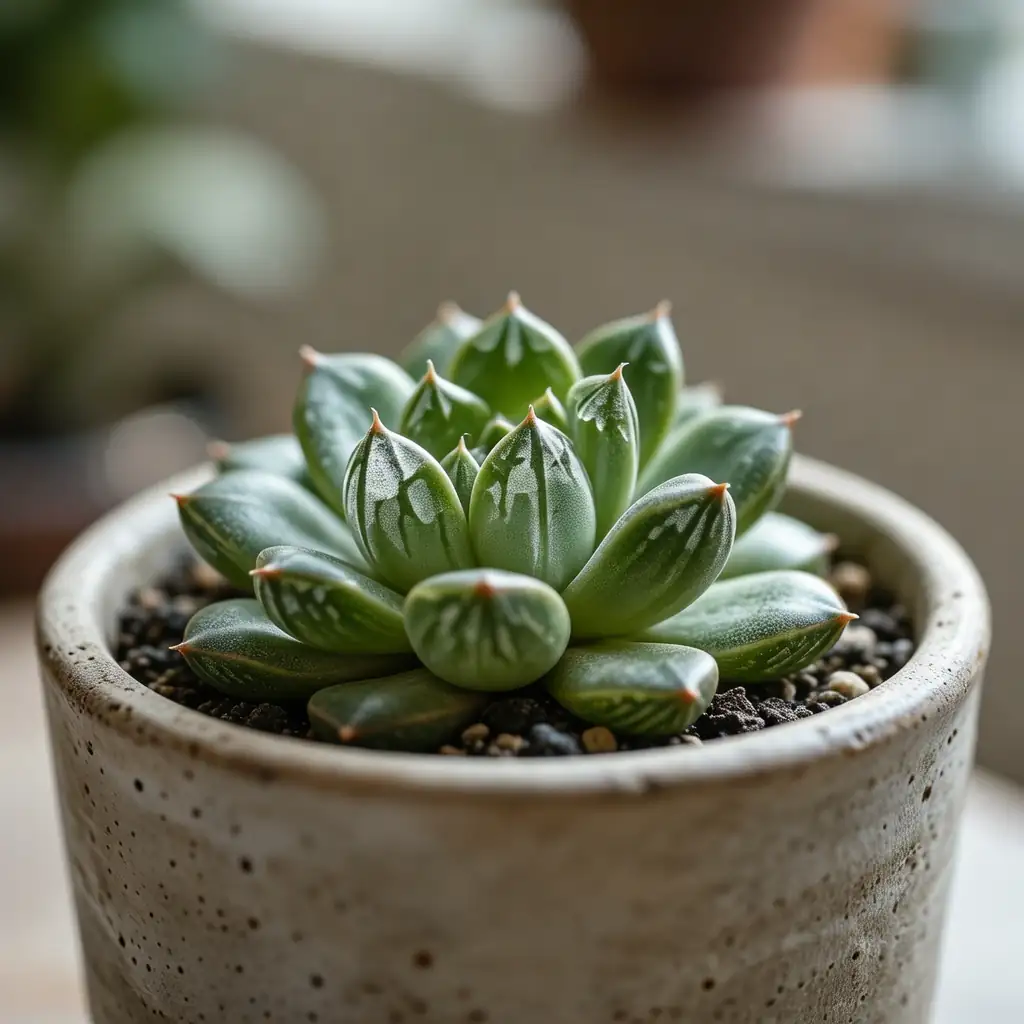
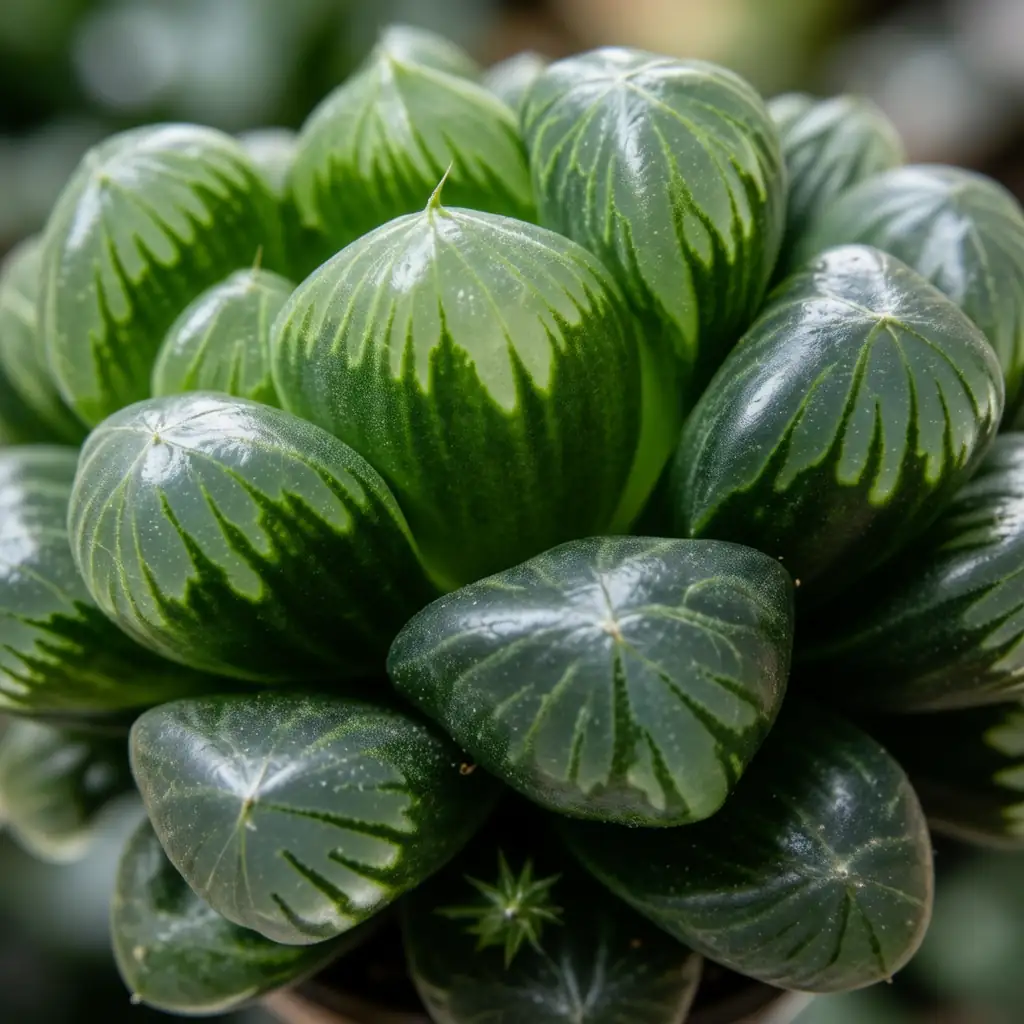
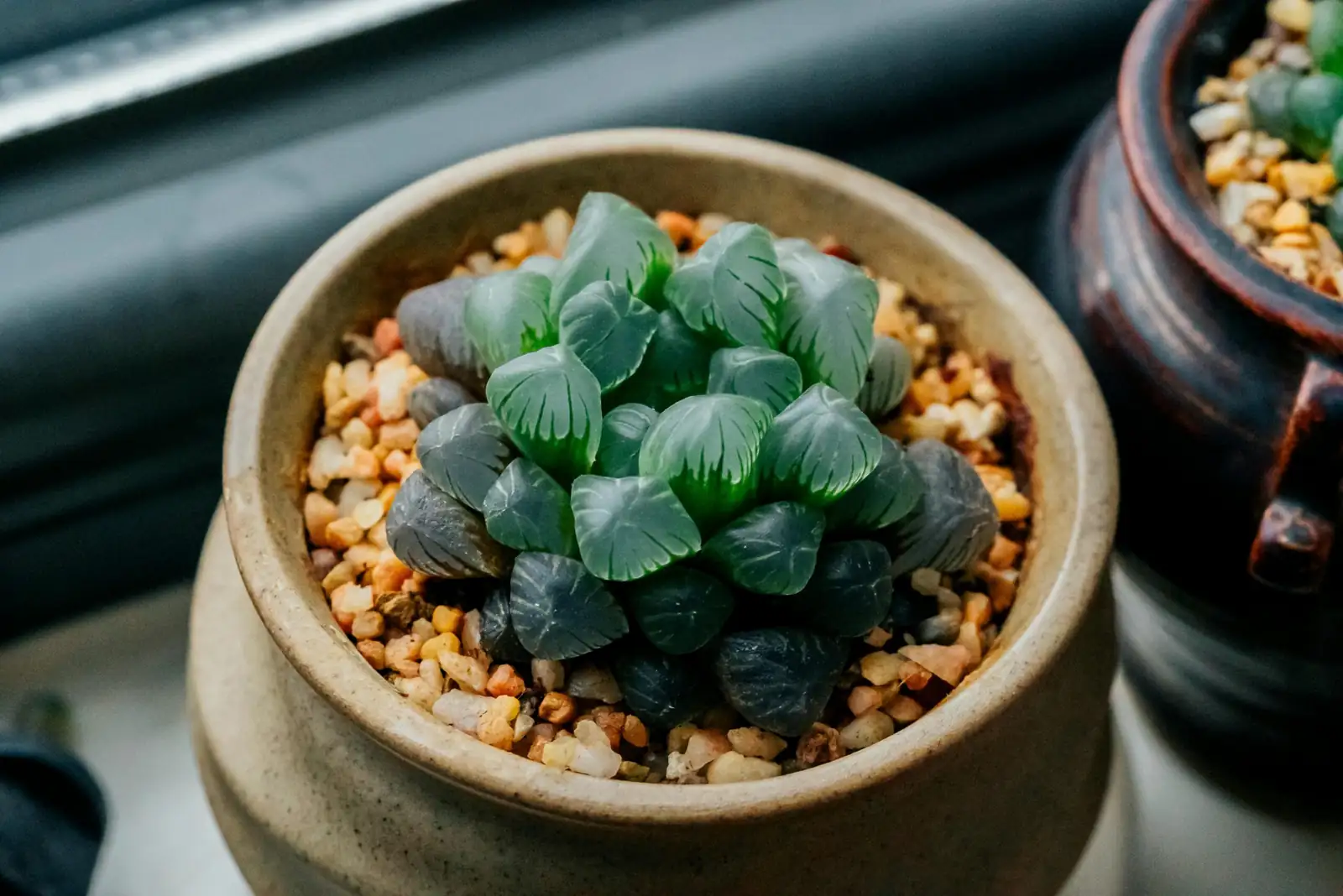
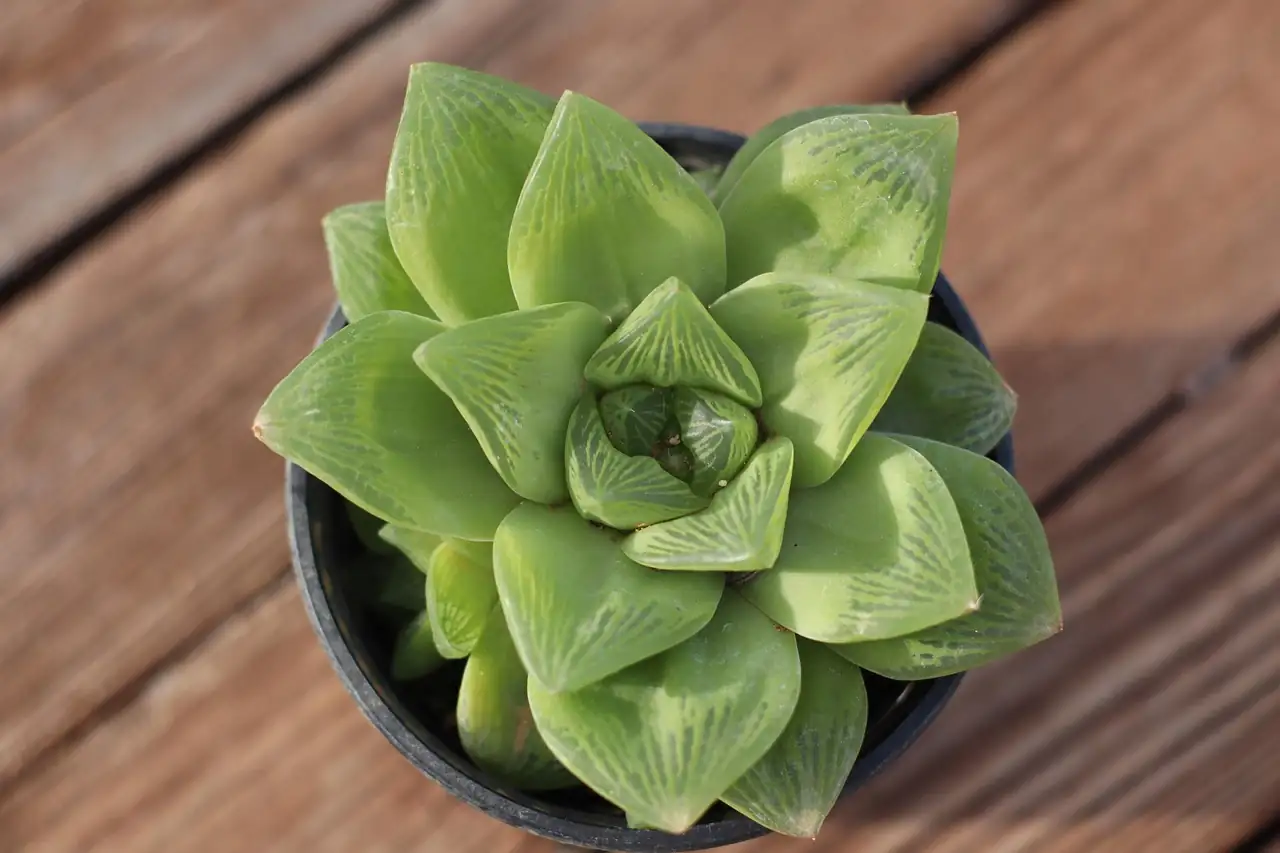
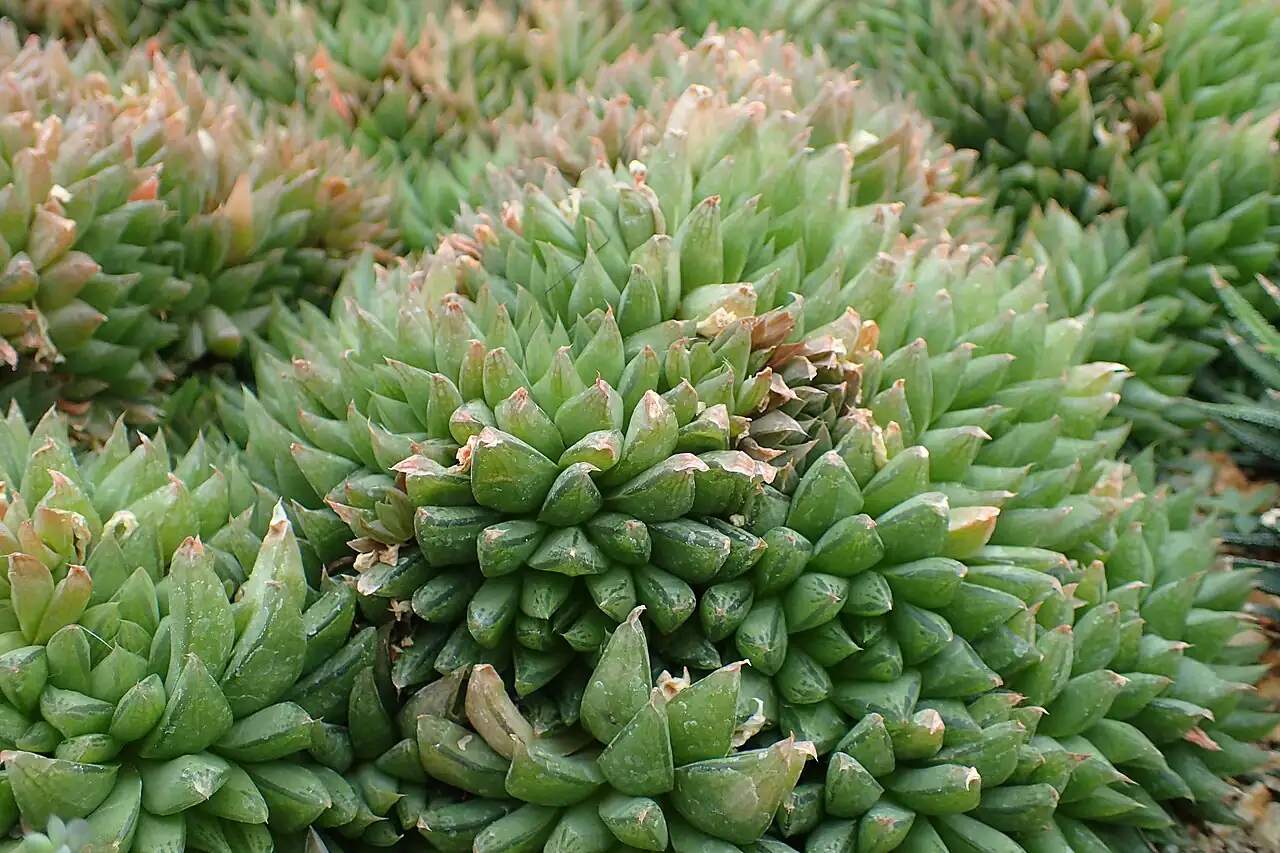
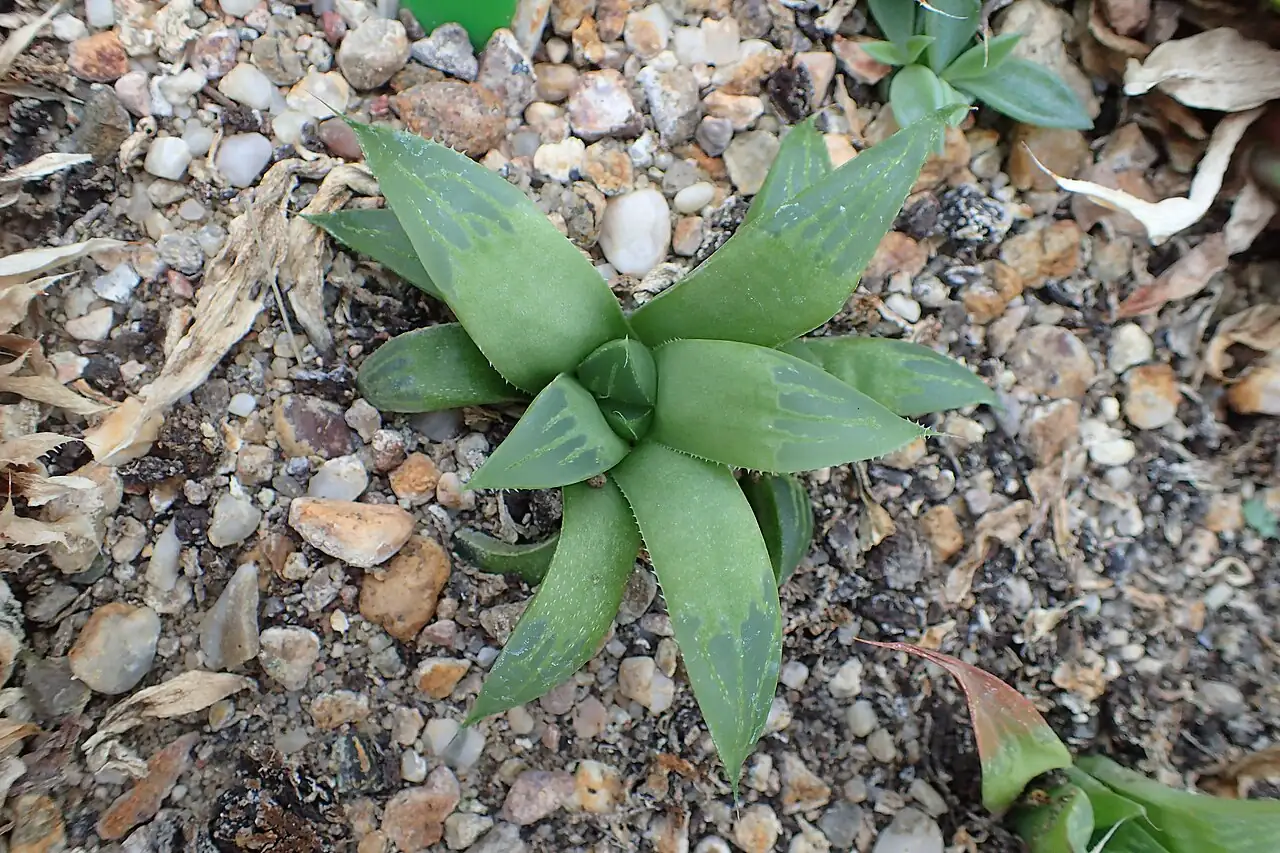
- Foliage: Thick, fleshy leaves packed into a tight rosette; usually light to medium green with darker, vein-like markings. The leaf tips are translucent (“windows”), creating a glassy, crystal effect—especially when the plant is grown in bright, filtered light.
- Flower: A slender flower stalk carries small, pale tubular flowers. The blooms are modest and usually not the main attraction compared with the foliage.
- Flowering Season: Spring
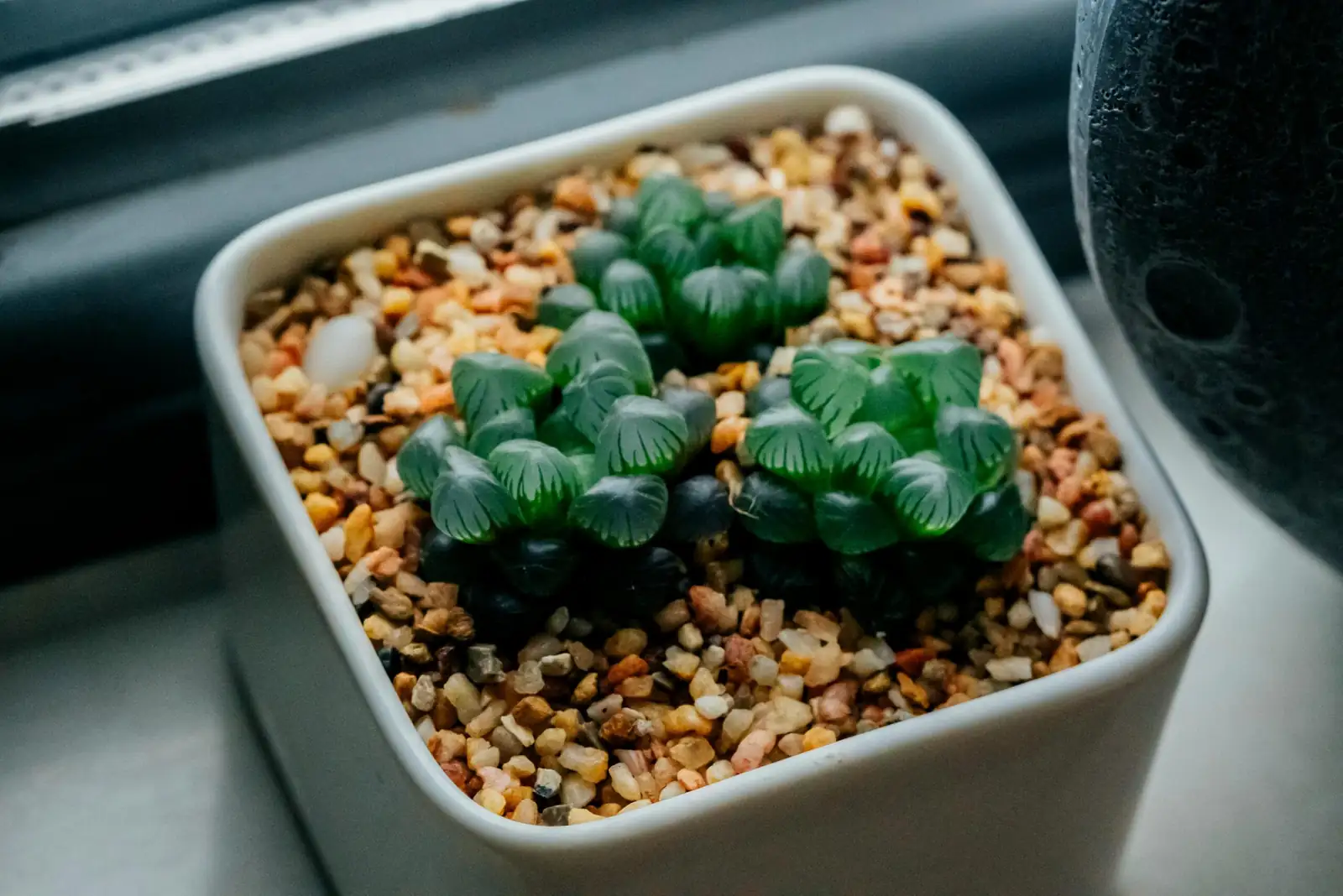
- Growth Habit: Compact rosette; clump-forming (offsetting).
Environment
Sunlight
Bright, filtered light to partial shade. Avoid harsh, direct midday sun (which can scorch). An east-facing window or a lightly shaded south-facing window is ideal.
Temperature
Ideal growth: 18–22°C (64–72°F). Keep above 5°C (41°F) in winter; protect from frost.
Humidity
Prefers dry to average indoor humidity and dislikes prolonged dampness. If the air is extremely dry, lightly mist the air around the plant (not into the rosette/crown), and prioritize airflow so water never lingers at the leaf bases.
Soil
Very free-draining, gritty succulent mix (mineral/sandy). Cactus soil amended with coarse sand, pumice, or grit works well; avoid water-retentive mixes.
Placement
Indoors on a desk, bedside table, or bright windowsill with filtered light; can also do well on a sheltered balcony with shade cloth and good airflow.
Hardiness
Not frost-hardy; best as an indoor plant or outdoors only in USDA Zone 10–11 if kept dry and protected from cold.
Care Guide
Difficulty
Beginner-friendly if kept on the dry side. The biggest pitfalls are overwatering (especially in warm weather) and leaf scorch from strong direct sun.
Buying Guide
Pick a sturdy, symmetrical rosette around 10 cm (4 in) across. Leaves should be firm and plump with clear translucent tips, with no brown scorch marks, no soft/rotting areas, and no visible pests or damage.
Watering
Water thoroughly only after the potting mix has dried. In active growth (often spring and fall), this can be about once per week in warm, bright indoor conditions—then adjust to your home and pot size. In hot midsummer, growth may slow; reduce watering significantly and keep the mix drier to prevent yellowing and basal/crown rot. In winter, keep above 5°C (41°F), give bright light, and water very sparingly.
Fertilization
During active growth, feed about once a month with a diluted balanced or low-nitrogen succulent/houseplant fertilizer. Avoid letting fertilizer solution sit in leaf bases, and don’t fertilize stressed or weak plants.
Pruning
Minimal. During spring repotting, remove shriveled lower leaves and trim old, hollow, or overly long roots. If any rot appears, cut back to healthy tissue, let cuts dry/callus, then repot into dry, gritty mix. Since flowers are not very showy, you can cut the flower stalk to keep the rosette neat and conserve energy.
Propagation
Offsets/division is easiest: separate pups (often in spring), let cut surfaces dry, then pot into gritty mix and water lightly at first. Leaf cuttings can work in late spring to early summer if the leaf is allowed to callus before setting into a free-draining medium. Seed sowing is possible indoors in spring; aim for 21–24°C (70–75°F), with germination often around ~2 weeks under steady warmth and bright light.
Repotting
Repot as needed (often annually in spring if the clump fills the pot). Use a pot with drainage; avoid overly deep containers due to the shallow root system. A 12–15 cm (4.7–5.9 in) pot is commonly suitable for mature clumps.
📅 Seasonal Care Calendar
Spring: active growth—water when dry (often ~weekly), feed monthly, repot, clean up dead leaves/roots, divide offsets. Summer: may rest in high heat—give shade, increase ventilation, and water much less; avoid enclosed humid “bottle” conditions. Autumn: growth often resumes—water when dry; only lightly mist surrounding air if extremely dry. Winter: keep above 5°C (41°F), maximize light, and water very sparingly to prevent rot.
Pests, Diseases & Safety
Common Pests & Diseases
Most problems come from excess moisture: root/crown/leaf rot can occur with overwatering and poor airflow. Mealybugs and whitefly may also appear. Use a gritty mix, ensure strong drainage and ventilation, remove affected tissue promptly, and treat sap-sucking pests with appropriate controls (e.g., insecticidal soap or labeled systemic products).
Toxicity
Generally considered non-toxic to humans and pets, though chewing or swallowing may still cause mild stomach upset. Keep out of reach of curious pets and small children.
Culture & Symbolism
Symbolism: Often linked with resilience and quiet determination—thriving with minimal water and fuss.
History & Legends: Not tied to major legends; it’s best known as a South African “window plant,” using translucent leaf tips to capture light efficiently in bright, dry habitats.
Uses: An ornamental favorite for small pots, dish gardens, and succulent collections—especially popular for desks and windowsills where its crystal-like leaf tips can be admired up close.
FAQ
How can I make the leaves look clearer and more “crystal-like”?
Aim for bright, indirect light and careful watering (only after the mix dries). Plump, well-hydrated leaves show the windows best—but avoid constant moisture. Some growers briefly use a clear cover to raise humidity, but it must be well-ventilated and should be avoided in hot weather to prevent overheating and rot.
Fun Facts
- Those translucent tips are real “leaf windows” that channel light deeper into the plant—an adaptation shared by several South African succulents.
- It often looks its best slightly pot-bound, as long as the soil is gritty and drainage is excellent.