

Plant Features
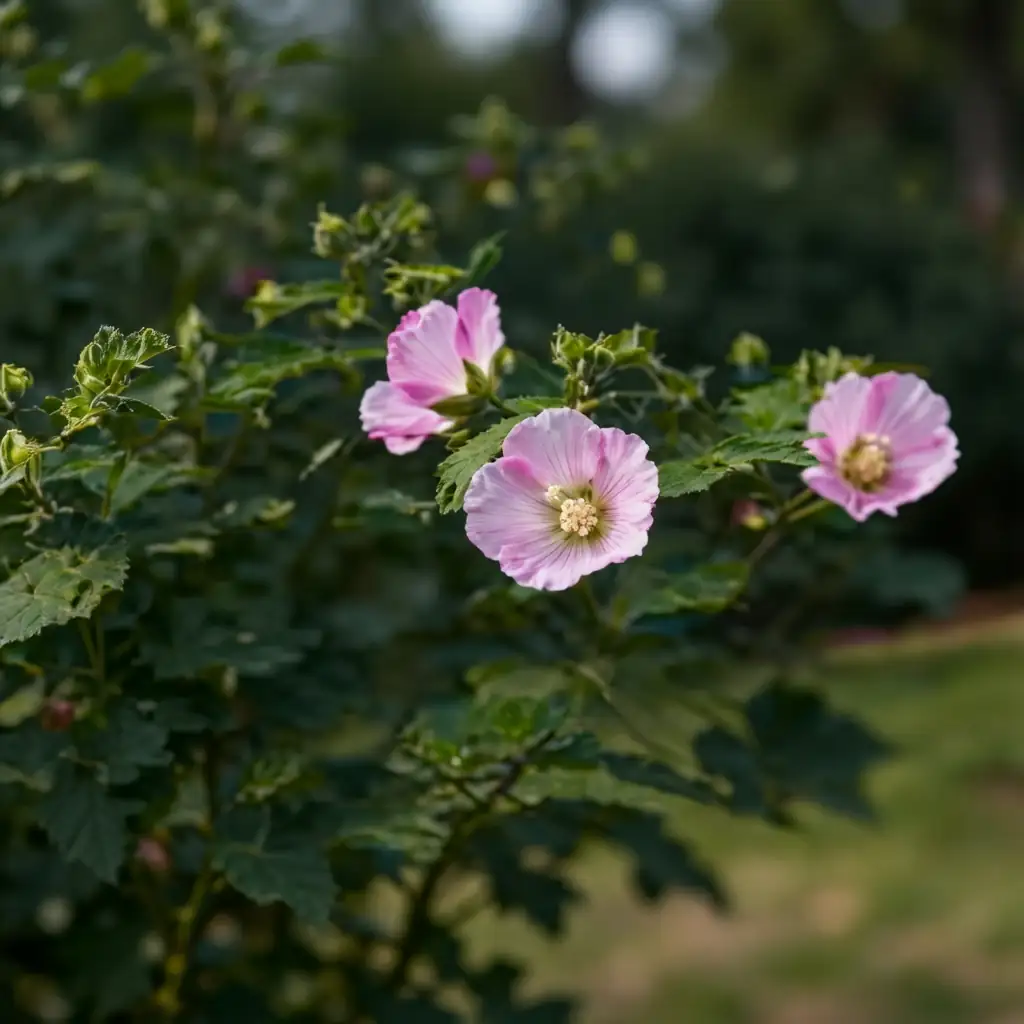
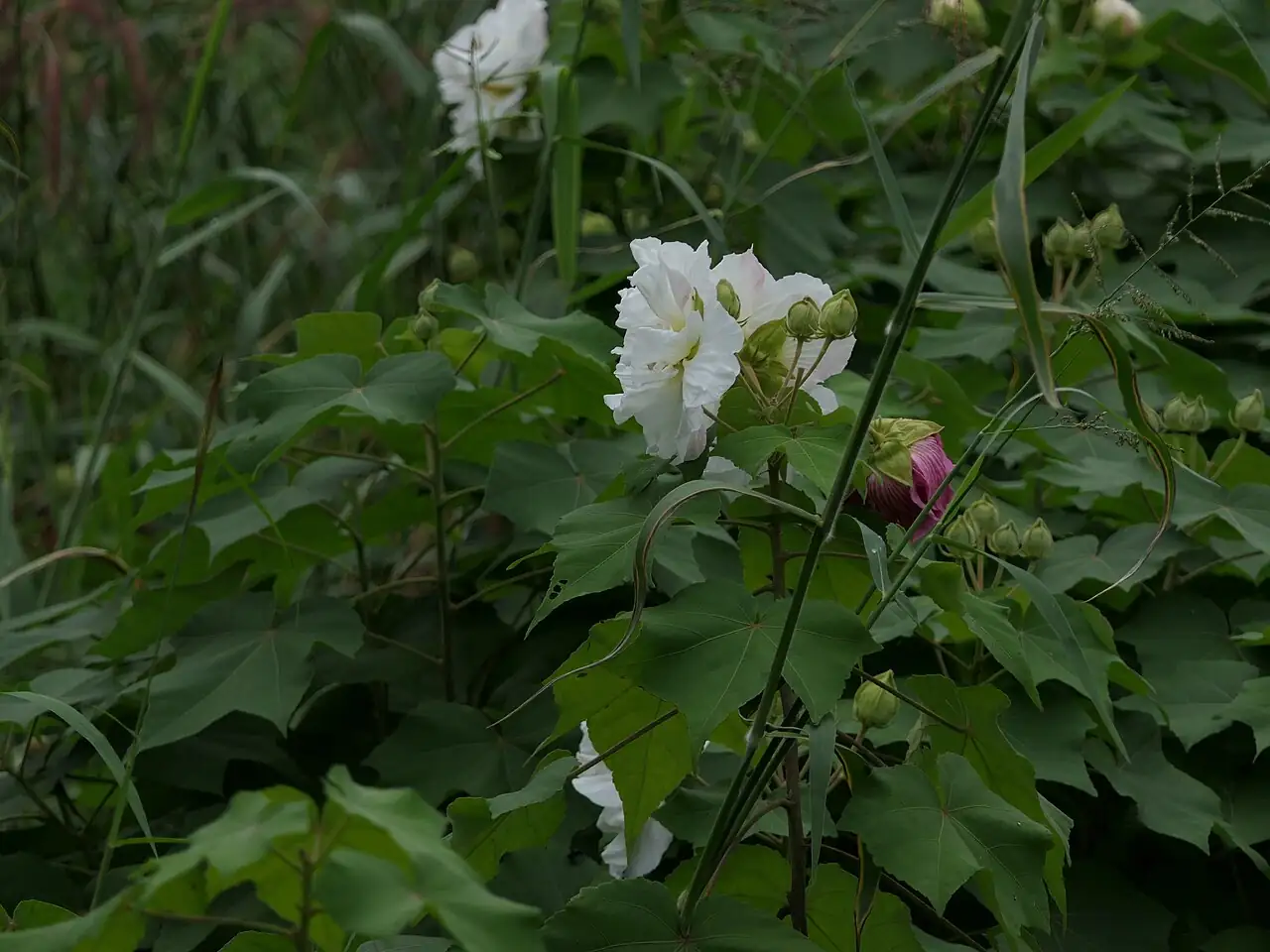
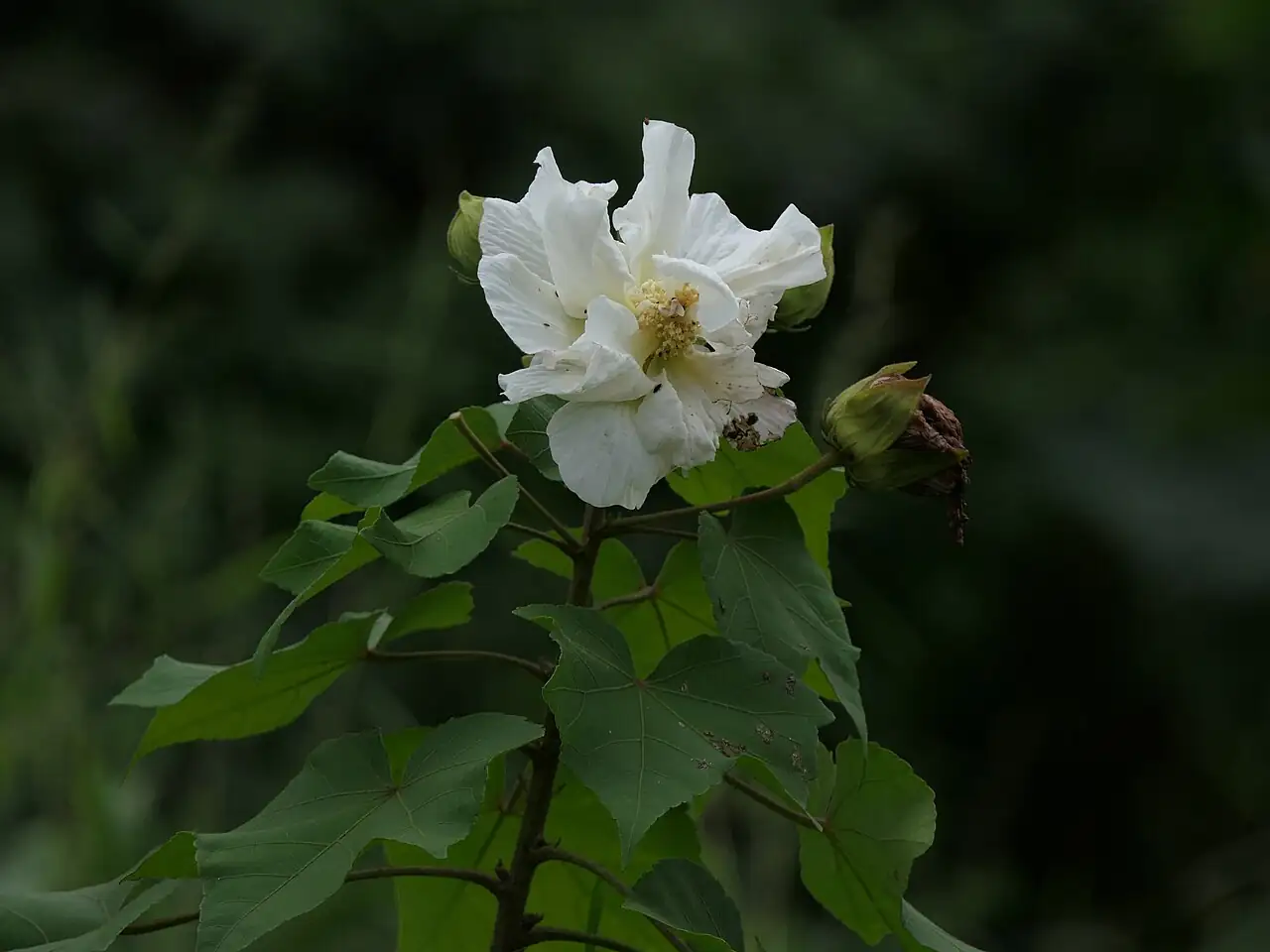
- Size: Typically 2–5 m (6.6–16.4 ft) tall, with a broad, bushy crown when grown as a shrub or small tree.
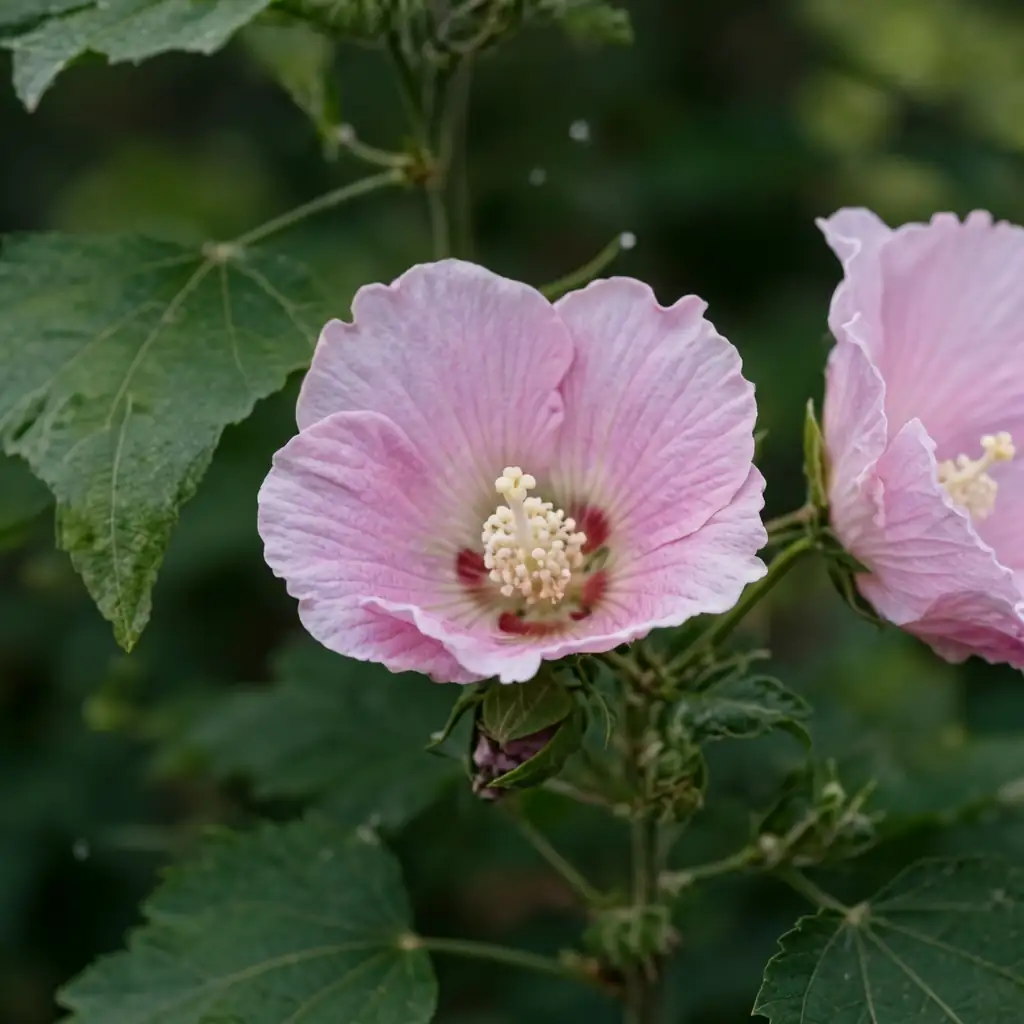
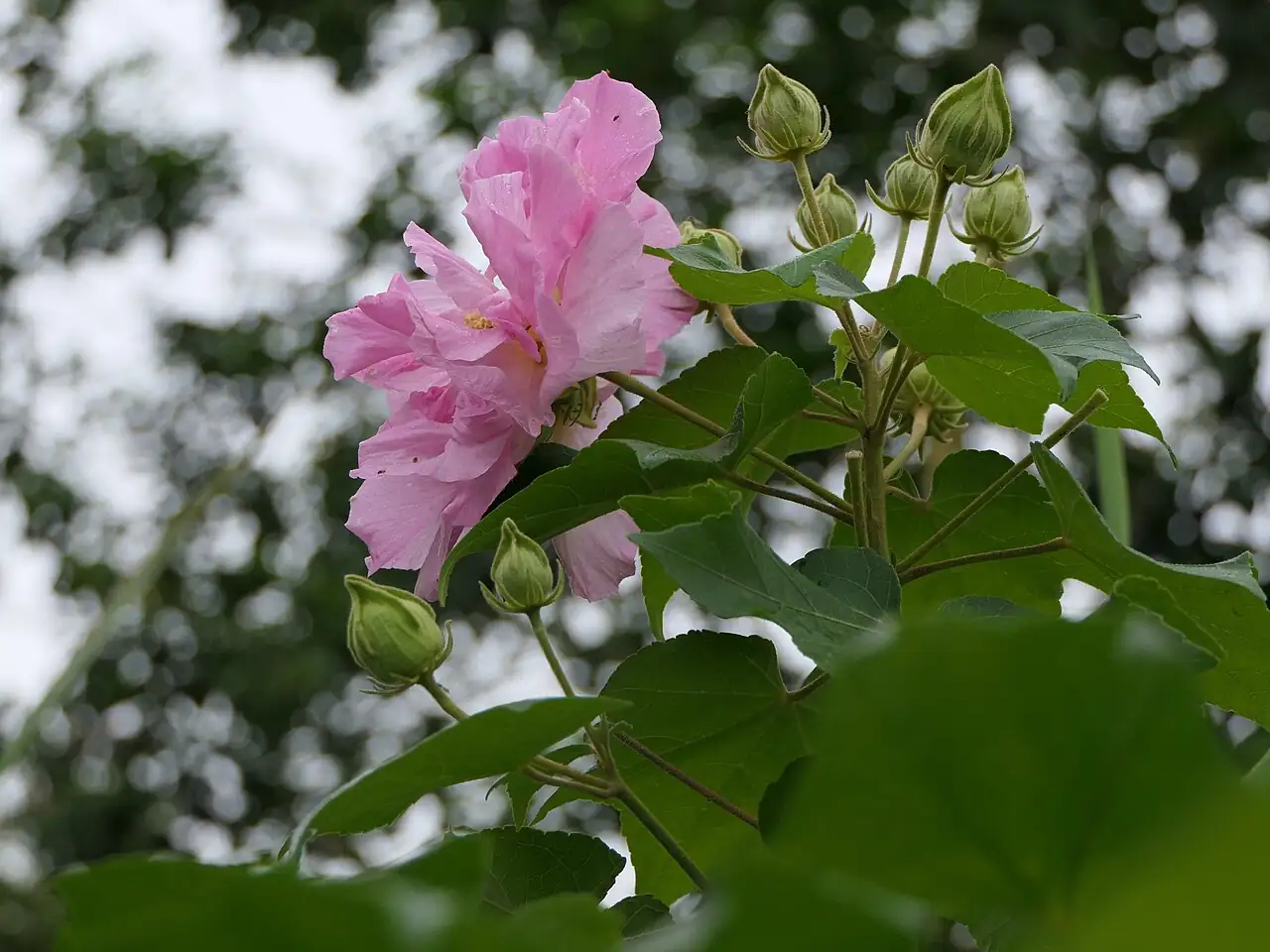
- Foliage: Leaves are large and palmately lobed, broadly ovate with a heart-shaped base and toothed edges. Foliage and young shoots are noticeably hairy; stems often carry star-shaped hairs typical of many mallows.
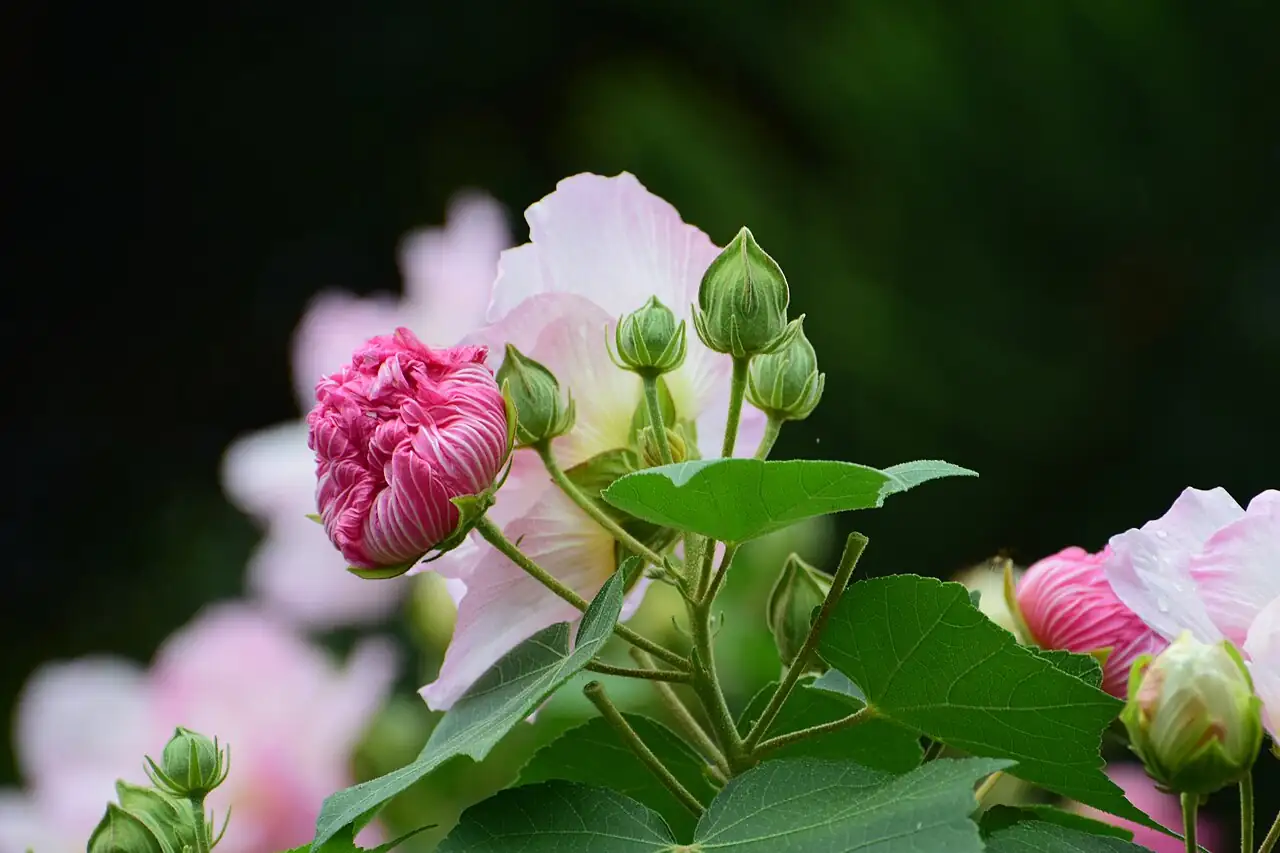
- Flower: Produces very large, showy hibiscus-type flowers, usually borne singly or in small clusters from the upper leaf axils. A signature trait is the color shift with age—commonly from white or pale pink to deeper pink.
- Flowering Season: August–October
- Growth Habit: Fast-growing shrub to small tree with strong basal shoots and suckering growth; in colder climates it may behave like a dieback shrub that regrows from the base.
Environment
Sunlight
Full sun to light shade; flowering is best in full sun.
Temperature
Prefers warmth; best growth around 18–30°C (64–86°F). Protect from hard frost—near or below 0°C (32°F) can kill above-ground stems, though plants may resprout if roots survive.
Humidity
Medium to high humidity; especially happy in warm, humid summers.
Soil
Fertile, moisture-retentive but well-drained sandy loam; avoid waterlogged conditions to prevent root problems.
Placement
Best outdoors in gardens/courtyards as a specimen or in groups along walls and paths. In cooler climates, choose a sheltered, sunny site for better winter survival.
Hardiness
Often grown around USDA Zone 7–9 (approx.). Not fully frost-hardy; winter dieback is possible in colder areas, with regrowth from the base in spring.
Care Guide
Difficulty
Moderate. Generally vigorous and forgiving once established, but it performs best with plenty of sun, consistent moisture, and some protection from severe cold; expect and manage basal suckers.
Buying Guide
Pick plants with sturdy, well-branched stems and clean, pest-free foliage. Avoid severely pot-bound specimens or plants with blackened, cold-damaged stems. For cooler regions, larger, well-established plants tend to resprout more reliably after winter.
Watering
Keep evenly moist during active growth and flowering. Water deeply when the top 2–5 cm (1–2 in) of soil dries, and make sure excess water can drain away. Reduce watering in cool weather to lower the risk of root issues.
Fertilization
Feed in spring and early summer with a balanced slow-release fertilizer, or use liquid feed every 2–4 weeks while actively growing. Ease off by late summer so new shoots can harden before winter.
Pruning
Prune in late winter or early spring. In frost-prone areas, wait until new growth shows, then cut back dead wood to healthy tissue. Thin crowded stems and remove unwanted suckers to keep a tidy shape.
Propagation
Usually propagated by cuttings: softwood cuttings in late spring to early summer, or semi-hardwood cuttings in summer. Basal shoots can also be divided and replanted when dormant or as growth resumes.
Repotting
Most often planted in the ground. In containers, repot every 1–2 years in spring into a slightly larger pot with a rich, well-draining mix; if not upsizing, refresh the top layer of soil annually.
📅 Seasonal Care Calendar
Flowers August–October; fruits September–December. Where winters freeze, expect above-ground dieback; mulch the root zone in late autumn with 5–10 cm (2–4 in) to improve survival and encourage strong spring regrowth.
Pests, Diseases & Safety
Common Pests & Diseases
Can attract aphids, whiteflies, scale, spider mites, and caterpillars. Root problems may occur in poorly drained soils. Encourage airflow, avoid waterlogging, and treat pests with horticultural soap/oil when needed.
Toxicity
Generally regarded as non-toxic to people and pets, though eating a large amount of plant material may still cause mild stomach upset.
Culture & Symbolism
Symbolism: Often linked with beauty and grace, and also the fleeting nature of blossoms—echoing its short-lived flowers and their charming color changes.
History & Legends: Long cultivated in China as an ornamental. The name “Confederate rose” became popular in the southern United States, where the plant is widely grown in warm-temperate gardens.
Uses: Primarily an ornamental plant for gardens and courtyards—used as a specimen shrub/small tree or massed in groups along paths, walls, and entry areas for late-season color.
FAQ
Why does my Confederate rose die back in winter?
It isn’t fully frost-hardy. Cold can kill the above-ground stems, but the plant often regrows from the base in spring if the roots survive. Mulch and a sheltered site improve winter survival.
Does Confederate rose need full sun?
Full sun gives the best flowering and sturdier growth, though it tolerates light shade. Too much shade usually means fewer blooms and a leggier plant.
Fun Facts
- It’s native to China, with Hunan often mentioned as part of its native range.
- In colder regions it can behave like a dieback shrub—stems may freeze back, then regrow from the base in spring.
- The fuzzy, star-haired young stems are a classic mallow-family trait.


