Plant Features
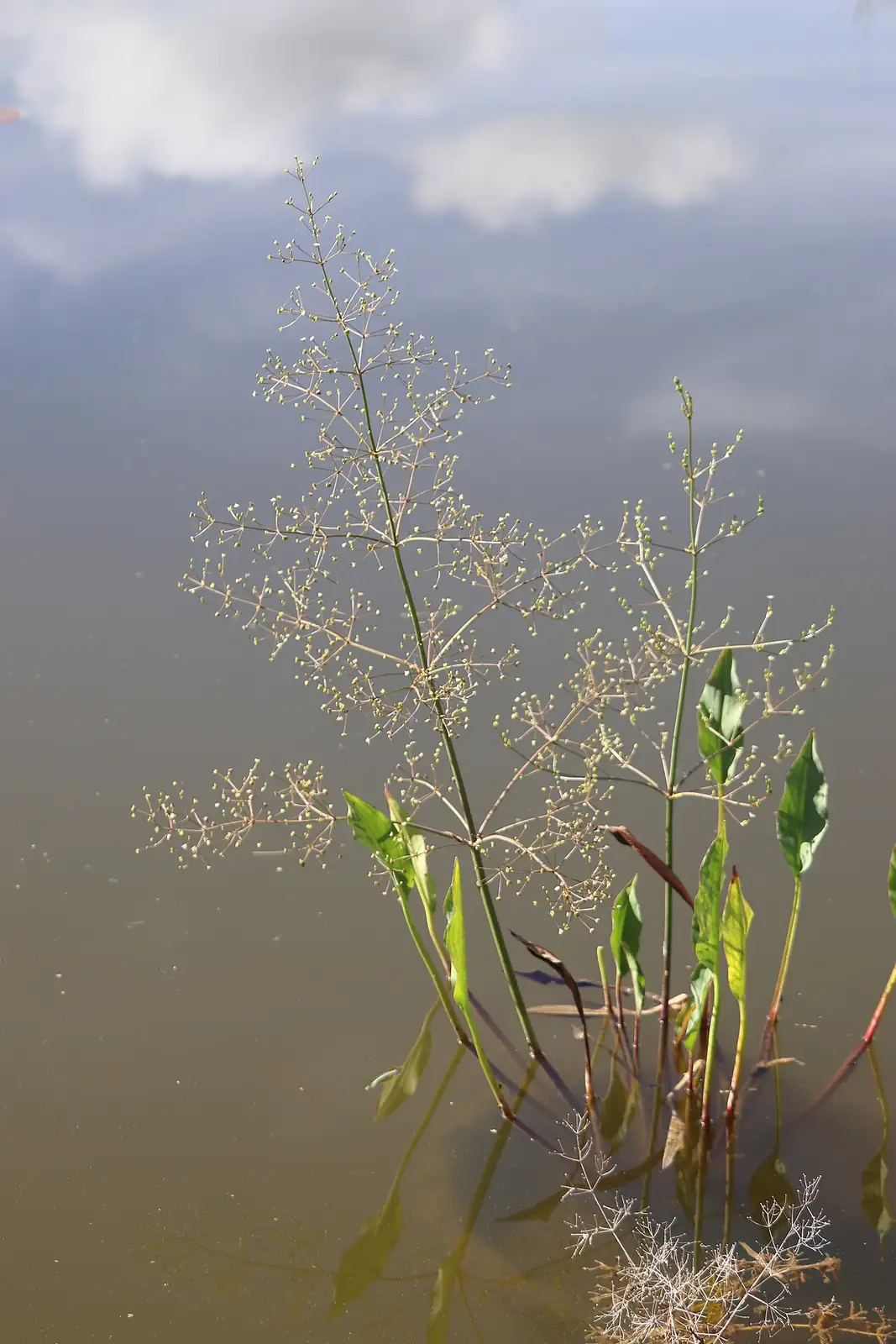
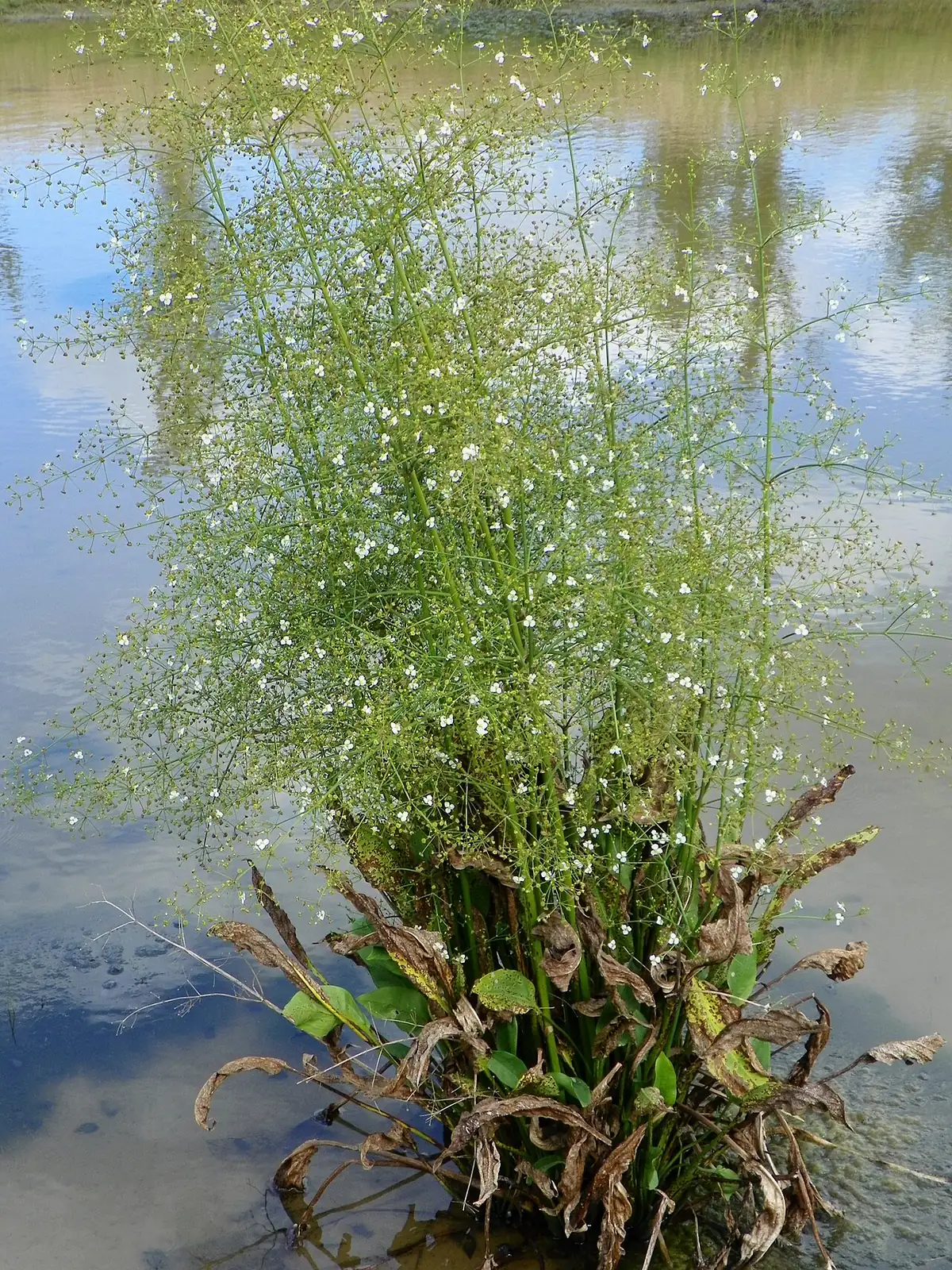
- Size: Typically 50–100 cm (20–39 in) tall.
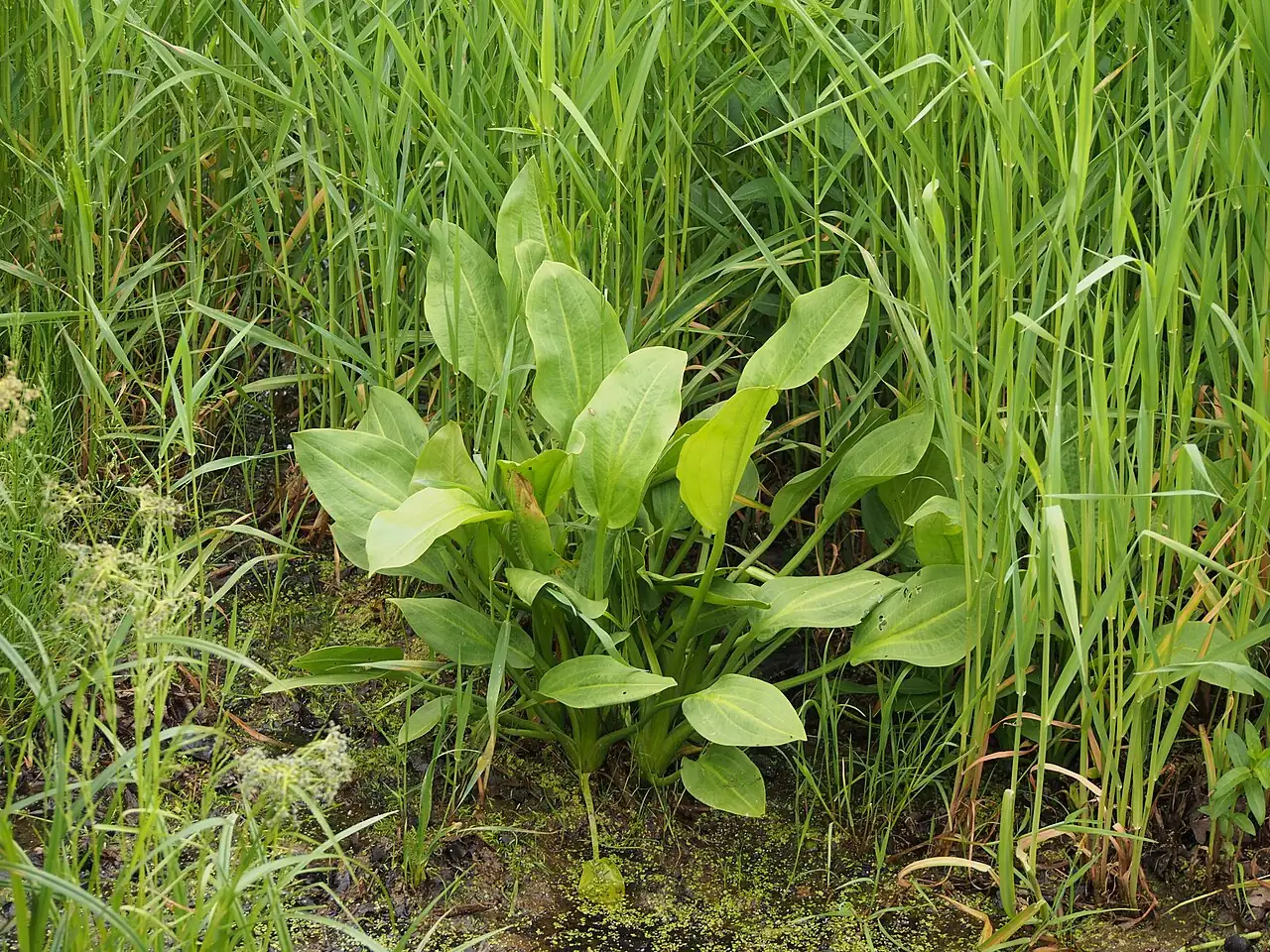
- Foliage: Leaves arise in a basal clump. When submerged they tend to be narrower (strap-like to lance-shaped), while emergent leaves become broader (lance-shaped to oval/egg-shaped). The plant forms a small tuber, typically about 1–3.5 cm (0.4–1.4 in) in diameter, sometimes larger.
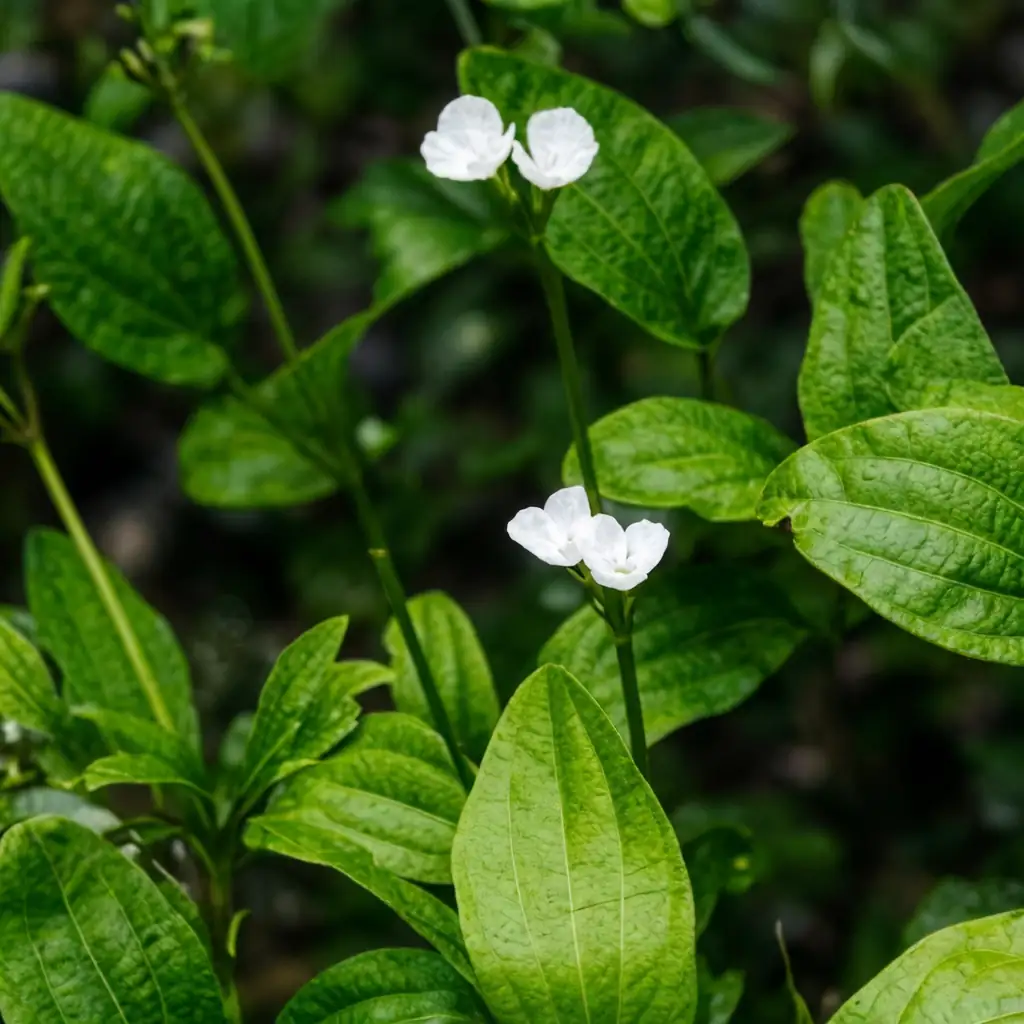
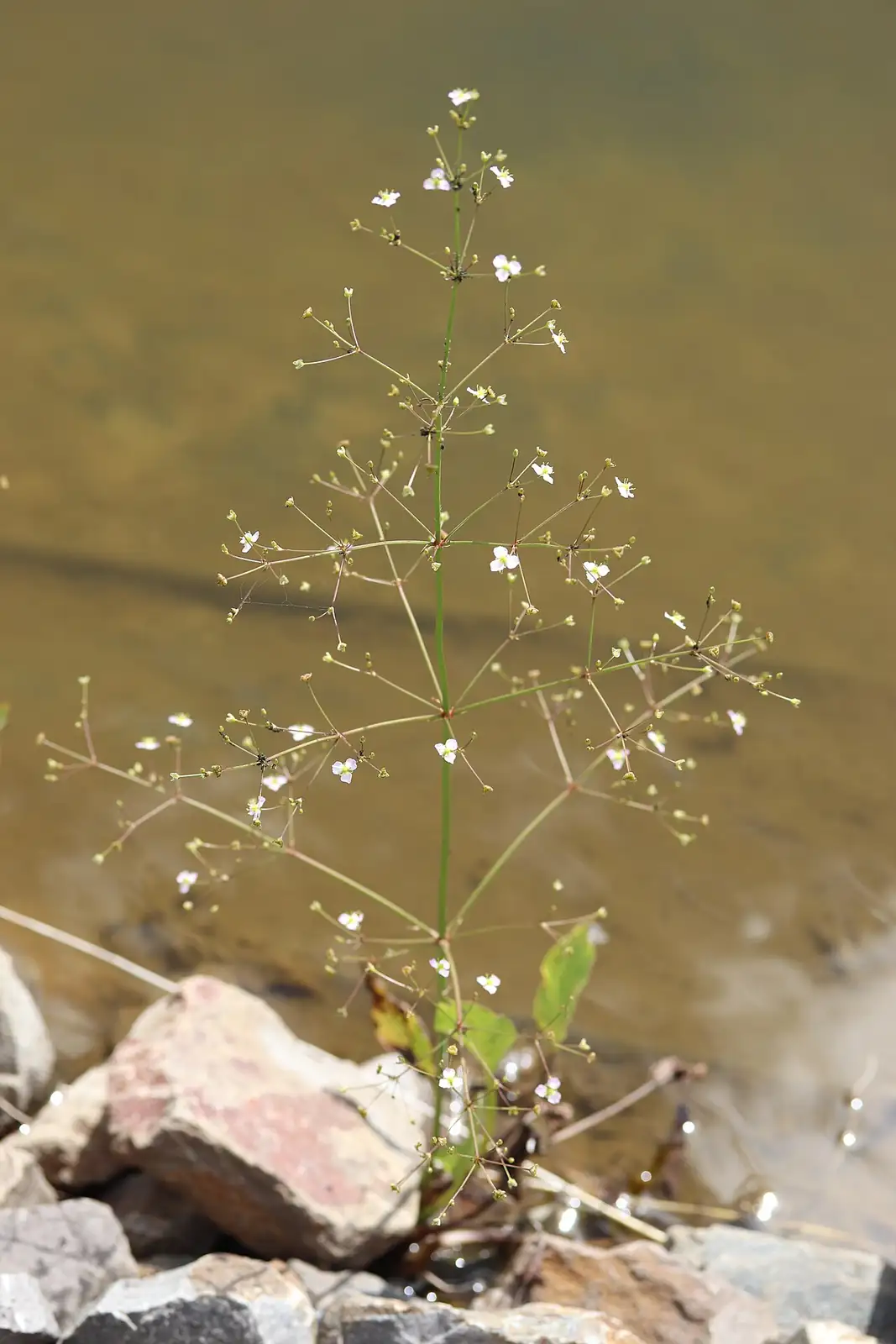
- Flower: Small, delicate, three-petaled bisexual flowers are borne in branching panicles. Blooms are usually white, but may be pale pink to light lilac. Anthers are oval and yellow to pale green. Fruits are oval achenes; seeds are purplish-brown.
- Flowering Season: May–October (5–10)
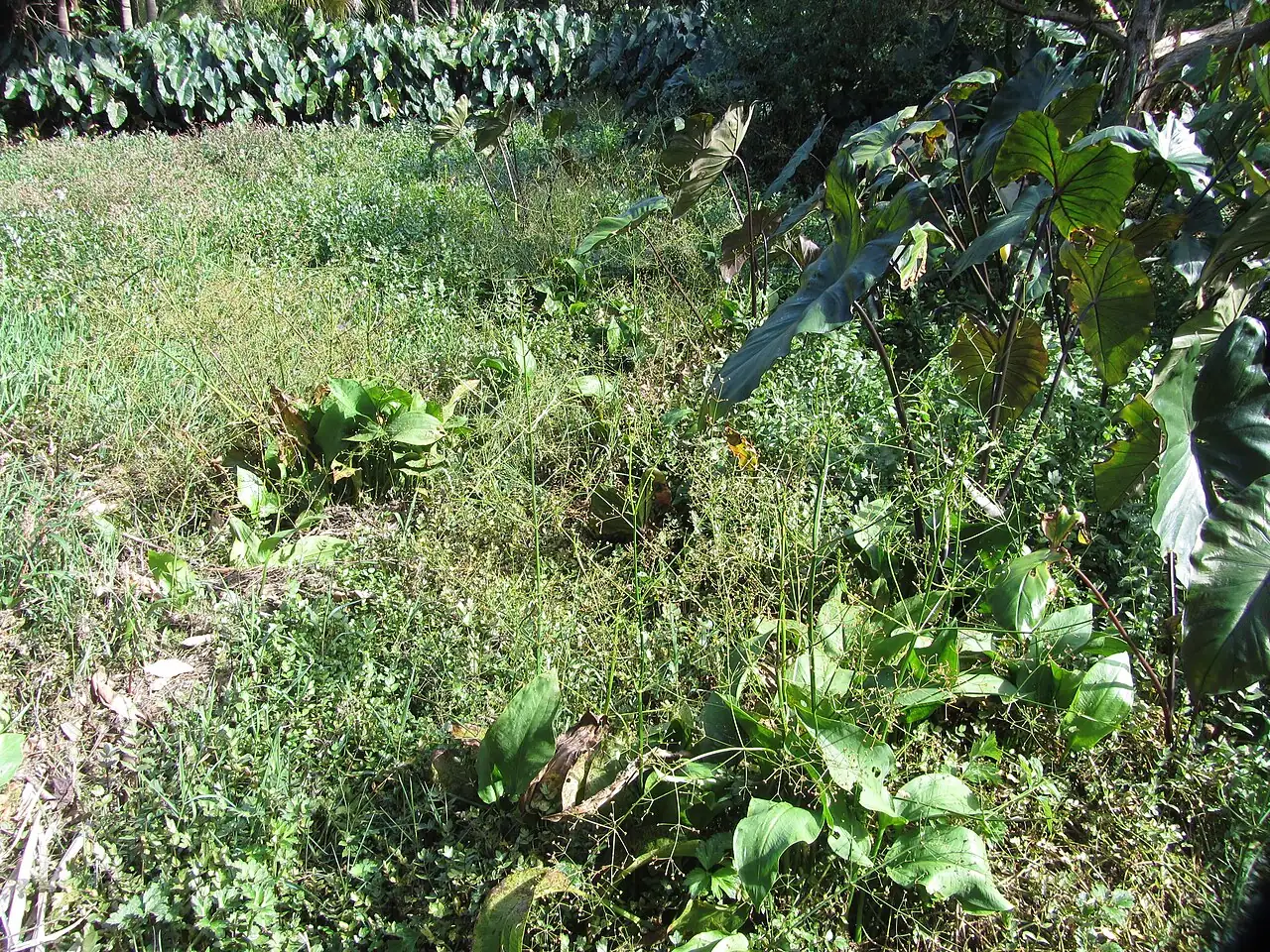
- Growth Habit: Perennial aquatic-to-marsh herb; clump-forming.
Environment
Sunlight
Full sun to light shade; flowers best in full sun.
Temperature
Prefers mild to warm conditions; most active growth around 15–27°C (59–81°F).
Humidity
High moisture required; thrives in saturated soil or shallow water.
Soil
Fertile, moisture-retentive soil; does well with heavier mixes that include clay. Tolerates silty pond mud; in containers, use heavy loam in aquatic baskets and top-dress to keep media stable.
Placement
Pond margins and shallow shelves, stream edges, ditches, marsh gardens, and other reliably wet areas; ideal for shallow-water ornamental planting.
Hardiness
Cold-hardy in many temperate regions; commonly grown outdoors in USDA Zone 4–10 (approx.).
Care Guide
Difficulty
Easy outdoors as long as it never dries out; becomes trickier if water levels fluctuate or containers dry.
Buying Guide
Look for firm, healthy crowns and clean, unblemished leaves. Avoid plants sitting in foul-smelling, anaerobic media, or anything with soft/mushy tubers. For outdoor ponds, choose vigorous clumps appropriate for your local winter conditions.
Watering
Keep constantly wet. Grow with the crown in saturated soil or in shallow water—often about 0–15 cm (0–6 in) of water over the soil surface depending on plant size and conditions. Never let containers dry out.
Fertilization
Usually modest feeding is enough. In containers or nutrient-poor ponds, use aquatic plant tablets or a slow-release fertilizer pushed deep into the soil (helps reduce algae), roughly every 4–8 weeks during the growing season (or follow the product label).
Pruning
Remove yellowing leaves and spent flower stems to keep it tidy and limit self-seeding. Cut back dead foliage at the end of the season.
Propagation
Divide established clumps in spring or early summer. Also grown from seed: let seedheads mature, then sow on wet soil or in shallow water and keep warm and bright until germination.
Repotting
Repot and/or divide every 1–2 years in spring. Use heavy loam/clay-based aquatic compost; top-dress with gravel to prevent floating soil and reduce disturbance from fish.
📅 Seasonal Care Calendar
Spring: divide/repot and return to shallow water as growth begins. Summer: keep water levels stable; tidy spent stems if desired. Autumn: let some seedheads ripen for natural reseeding or deadhead to prevent it. Winter: in cold areas, keep crowns below ice level or move pots into deeper water to avoid freeze damage.
Pests, Diseases & Safety
Common Pests & Diseases
Generally trouble-free. Occasional aphids on flower stems, slugs/snails on foliage, and leaf spotting in stagnant conditions can occur. Improve water quality/flow where possible, remove affected leaves, and use wildlife-safe controls.
Toxicity
Not commonly listed as toxic to people, cats, or dogs, though chewing any pond plant may cause mild stomach upset. If used medicinally, do so only under qualified professional guidance.
Culture & Symbolism
Symbolism: Not documented in the provided source.
History & Legends: Not documented in the provided source.
Uses: Ornamental: a classic marginal plant for pond edges and shallow shelves, appreciated for its tidy clumps and long flowering window. Traditional medicine: the tuber has been used in herbal practices (particularly in contexts related to fluid balance), but should only be used with professional guidance.
FAQ
When does it flower?
Typically May–October (5–10).
When does it fruit?
Often May–October (5–10), overlapping with flowering as seedheads mature.
How tall does common water-plantain grow?
About 50–100 cm (20–39 in) tall.
What habitat does it prefer?
Shallow water and consistently wet soils at pond/lake edges, river backwaters, streams, marshes, ditches, and other low-lying wetlands.
What is it used for?
Mostly for ornamental pond-margin planting; it also has a history of traditional herbal use involving the tuber.
What are the key leaf and flower features?
Leaves form a basal clump; underwater leaves are narrower while above-water leaves are broader (lance-shaped to oval). Flowers are small and three-petaled—usually white, sometimes pinkish to pale lilac—carried on branched stems.
Fun Facts
- It often develops a small tuber about 1–3.5 cm (0.4–1.4 in) across.
- It can bloom for months—often from May through October (5–10).
- Leaf shape changes with water level: narrow underwater, broader above the surface.
- It’s both a beloved pond-edge ornamental and a plant with a long history of traditional medicinal use.