Plant Features
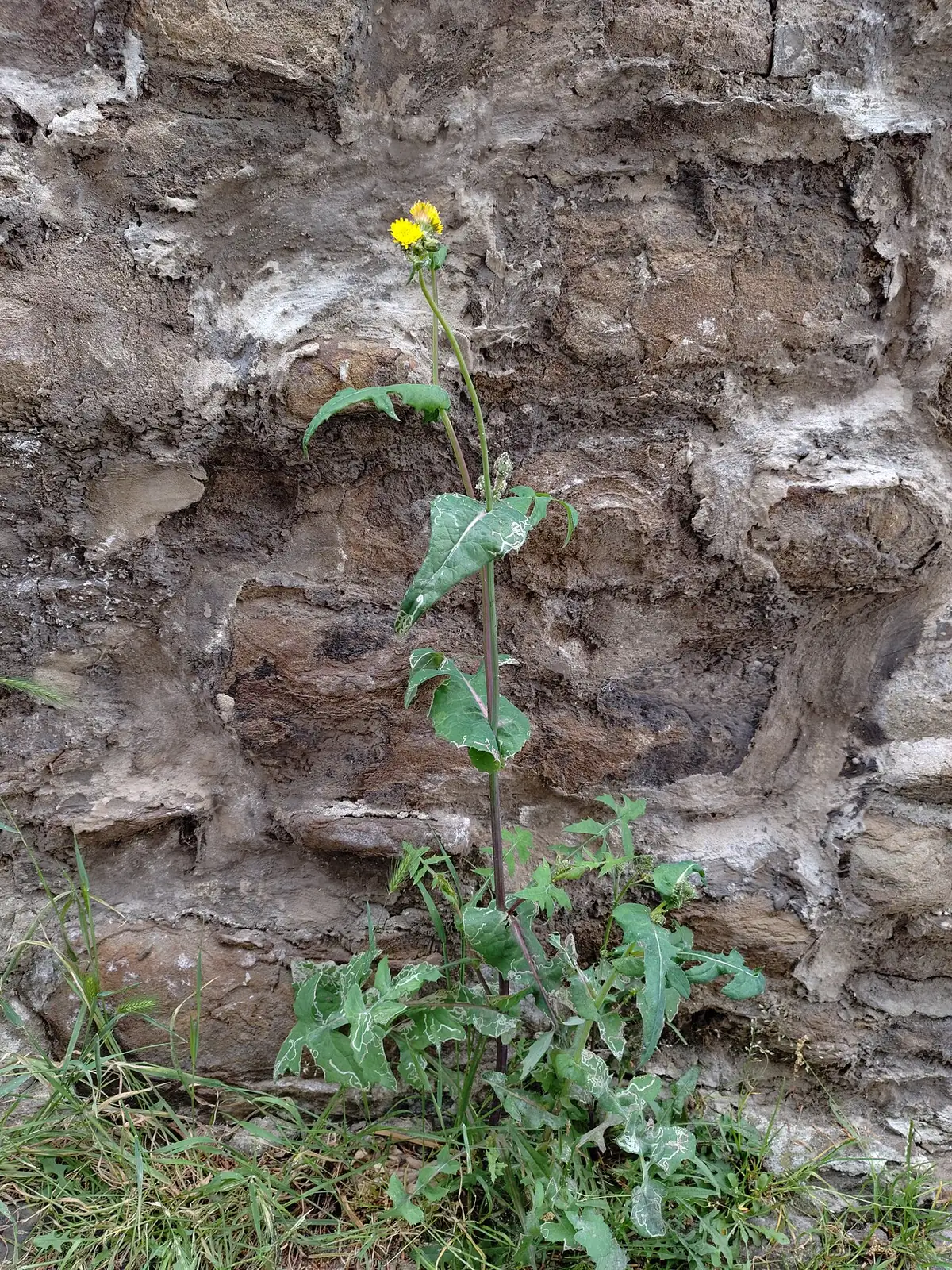
- Size: Typically 40–150 cm (16–59 in) tall, with a usual spread of about 20–60 cm (8–24 in), depending on soil fertility and competition.
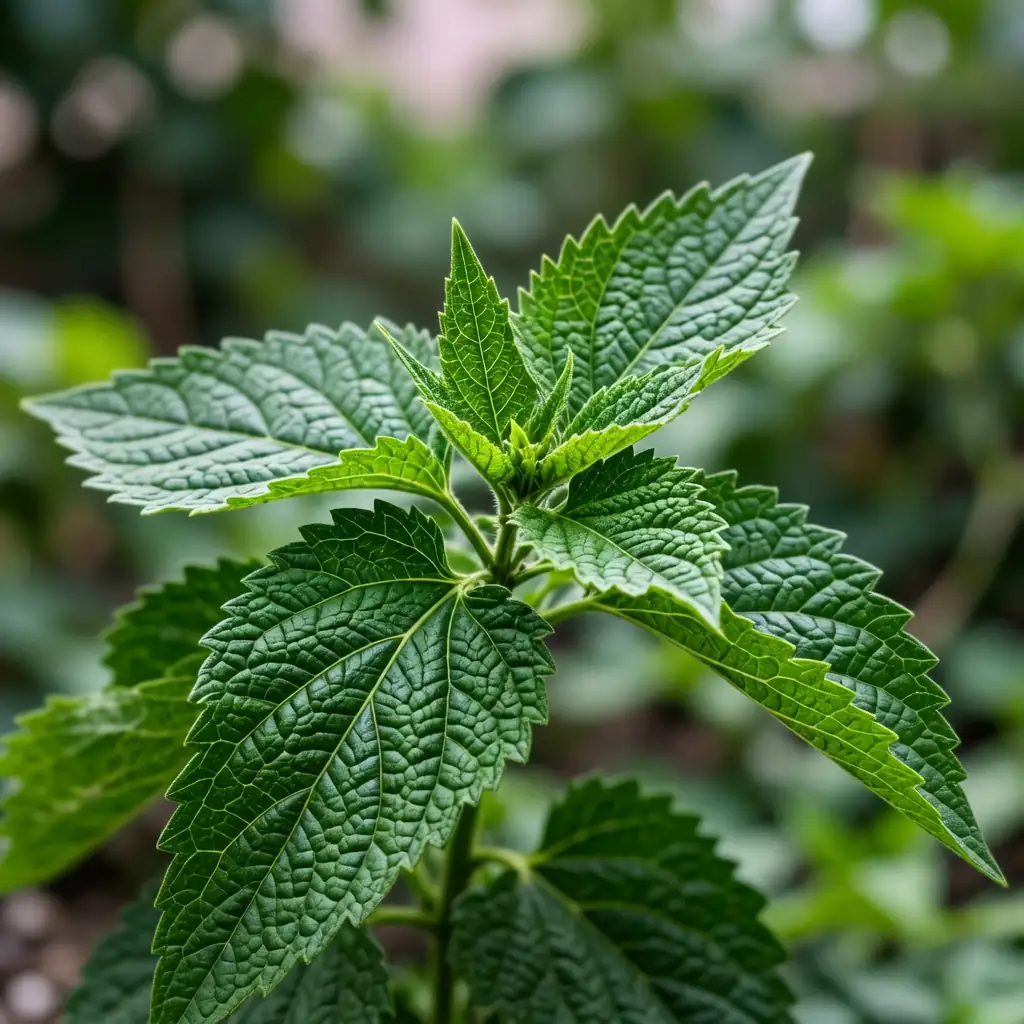
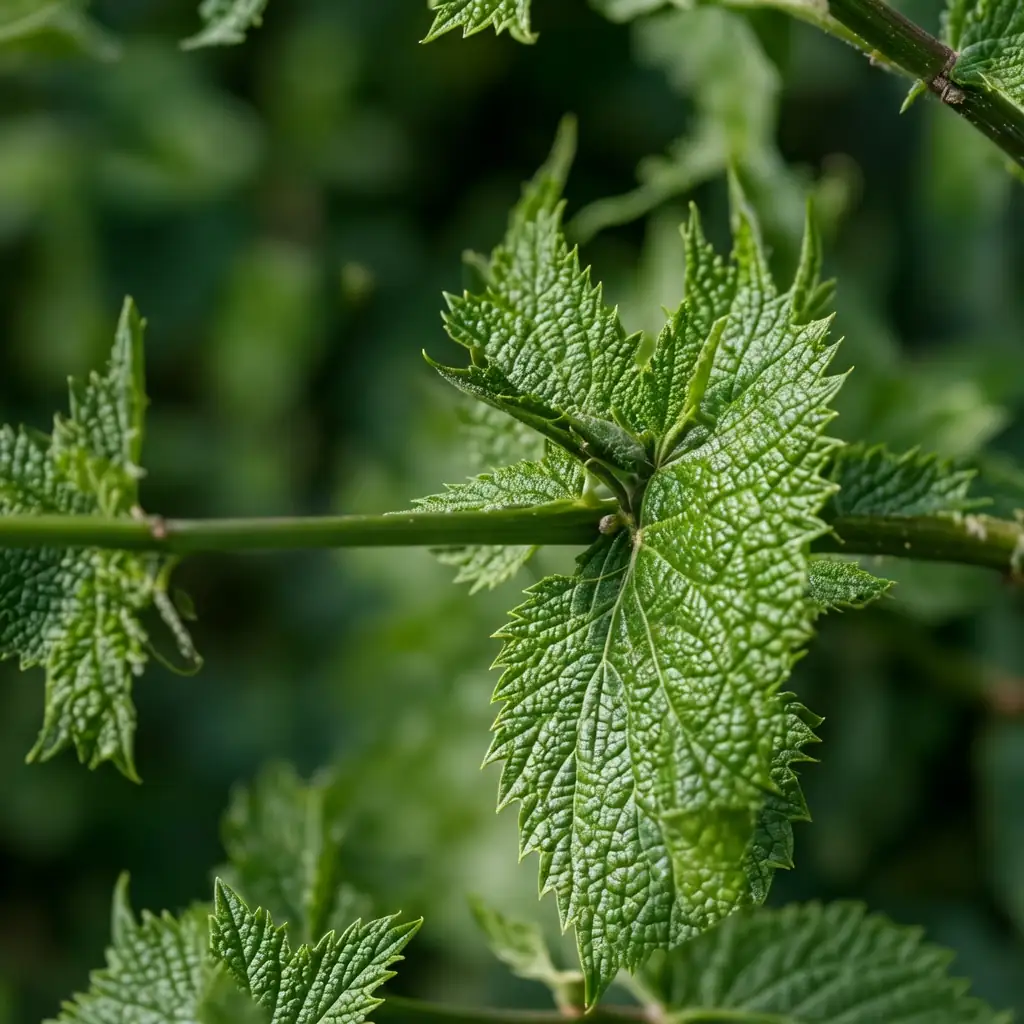
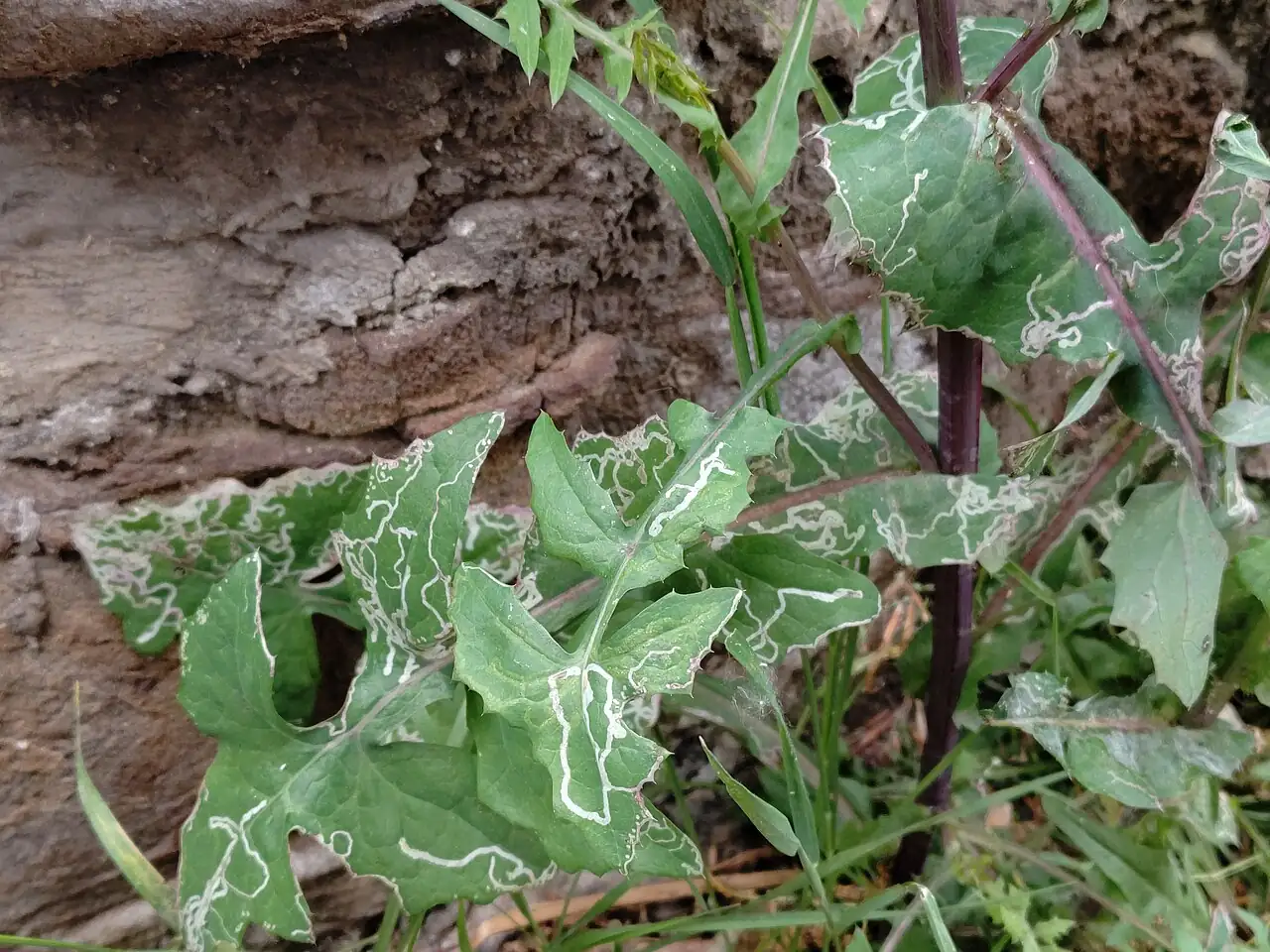
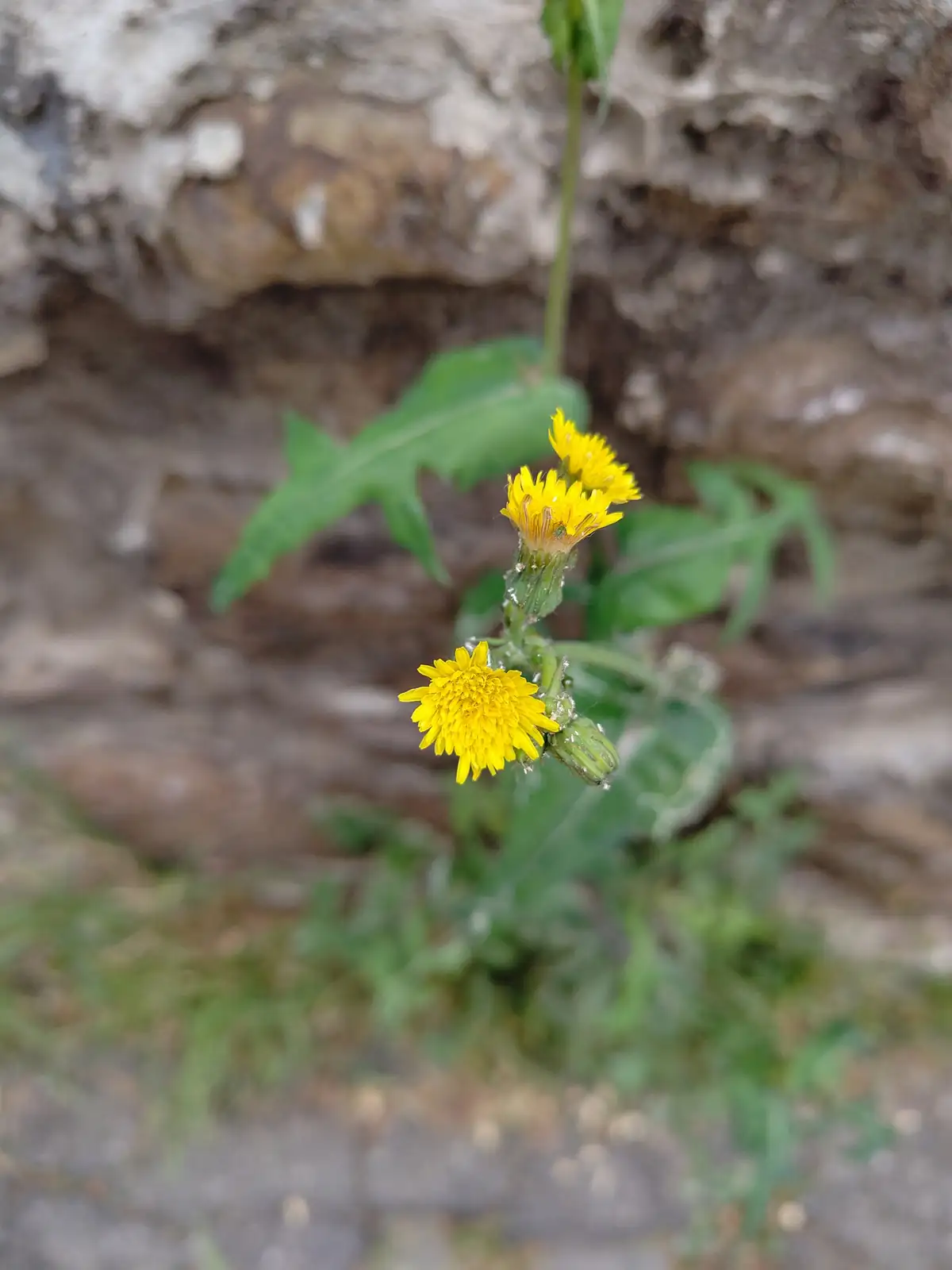
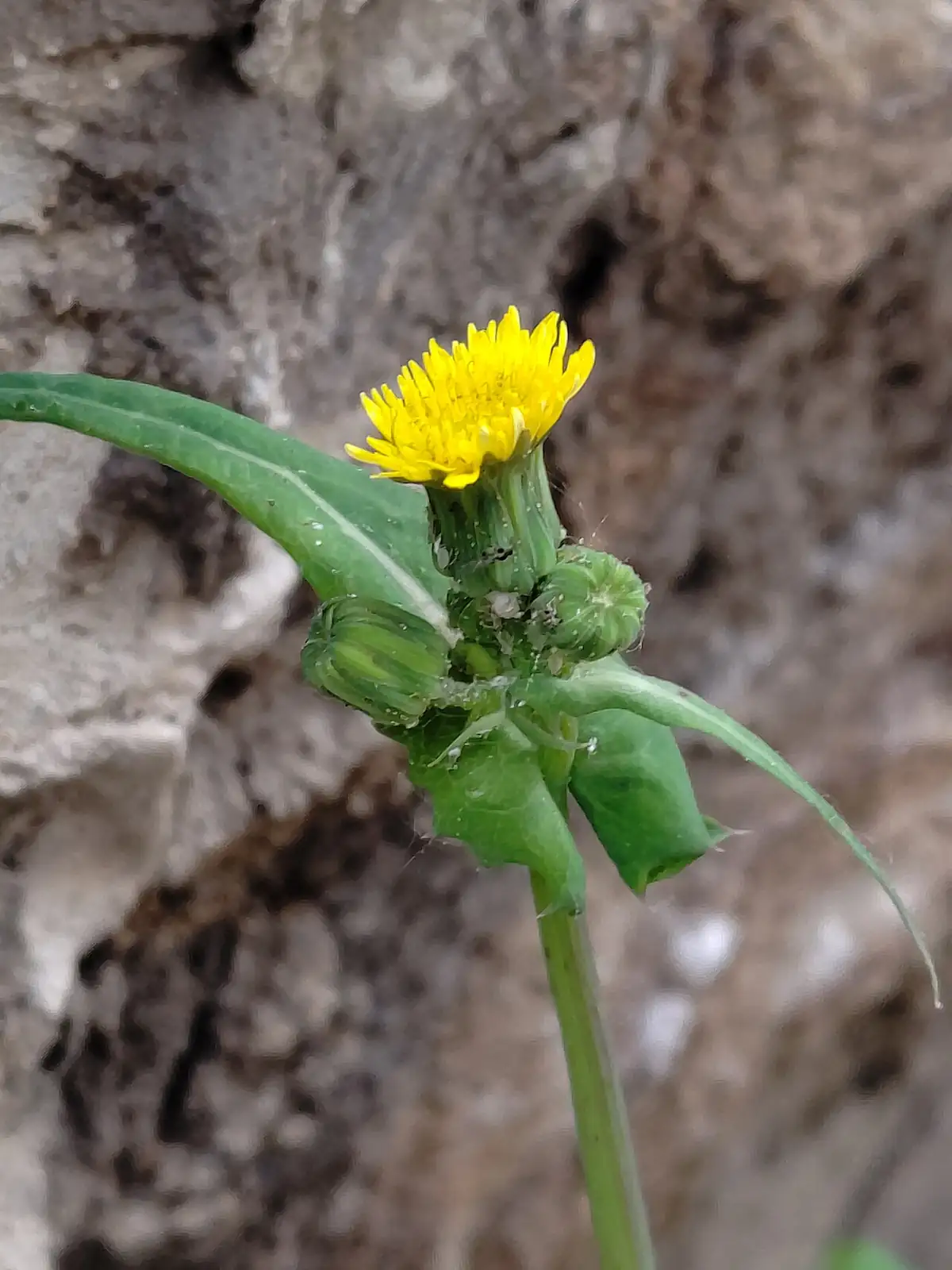
- Foliage: Leaves are soft to medium green. Basal leaves are often deeply lobed (pinnately divided), while the stem leaves become longer and more lance-shaped and commonly clasp the stem. When snapped, the plant may release a milky sap—one of its classic sowthistle clues.
- Flower: Produces branched clusters of small, dandelion-like yellow flower heads composed entirely of ray florets (no obvious central disc). After flowering, it forms brown achenes topped with a white, fluffy pappus, allowing the seeds to travel on the wind.
- Flowering Season: May–December in mild climates (often spring through autumn in many regions).
- Growth Habit: An upright annual to short-lived biennial herb, usually with a single main stem that branches toward the top; readily self-sows and can spread quickly if allowed to seed.
Environment
Sunlight
Full sun to partial shade; 4–6+ hours of direct sun is ideal, but it tolerates lighter shade.
Temperature
Grows best in mild to warm conditions around 15–25°C (59–77°F). Tolerates cool weather, but is not reliably frost-hardy in harsh winters.
Humidity
Prefers evenly moist conditions for lush, tender leaf growth, but adapts well to average outdoor humidity and variable moisture once established.
Soil
Very adaptable; prefers moderately fertile, well-drained soil, yet commonly thrives in disturbed, compacted, or rough soils where many plants struggle.
Placement
Best in naturalistic areas, wild corners, and field-edge style plantings where self-seeding is welcome. In gardens it often appears spontaneously in beds, lawns, and vegetable plots.
Hardiness
Often reported around USDA Zone 5–11, though behavior varies by winter severity; frequently acts like a cool-season annual in many climates.
Care Guide
Difficulty
Very easy outdoors—often grows without any help. The main “care” is deciding whether you want it; it can become weedy if you let it seed freely.
Buying Guide
Rarely sold as an ornamental; it’s most often encountered as a volunteer from seed. If you’re harvesting it for food, choose young plants and pick from clean locations away from traffic exhaust, pesticides, and potentially contaminated soils.
Watering
Usually only needs watering during extended dry spells, especially when young. For the best-tasting leaves, keep soil lightly and consistently moist, but avoid waterlogging.
Fertilization
Generally unnecessary. If soil is very poor, a light top-dressing of compost or a small amount of balanced fertilizer can increase leafy growth; avoid heavy nitrogen if you’d rather not encourage overly rank, fast growth.
Pruning
To prevent spread, deadhead (remove flower heads) before seeds mature. If you’re using it as a leafy green, harvest young leaves regularly or cut plants back to stimulate tender regrowth.
Propagation
By seed, and it does this enthusiastically. Seeds disperse by wind thanks to the fluffy pappus and readily colonize disturbed ground.
Repotting
Not commonly kept in containers. If grown in a pot, use a free-draining mix and move up to a larger container if roots become crowded.
📅 Seasonal Care Calendar
Spring–autumn: expect fast growth and frequent flowering; harvest early for the mildest flavor. Late season: deadhead to limit wind-blown seeding, or allow some seed set if you want it to reappear naturally next year.
Pests, Diseases & Safety
Common Pests & Diseases
Usually trouble-free. May attract aphids; in crowded, damp spots it can occasionally develop leaf spot or mildew. Improve airflow, remove badly affected leaves, and avoid overwatering in dense stands.
Toxicity
Not known to be toxic and is commonly eaten as a wild green. As with all foraged plants, avoid harvesting from polluted areas, and use moderation if you’re sensitive to bitter leafy greens.
Culture & Symbolism
Symbolism: Resilience and adaptability—this plant thrives where the ground has been disturbed and bounces back quickly after cutting or mowing.
History & Legends: A familiar plant in traditional foraging across many regions. Its dandelion-like look and milky sap have led people to group it with other well-known wild salad and pot-herb plants in everyday folk use.
Uses: Naturalistic self-seeding filler for wild areas; young leaves used as a cooked or fresh wild vegetable when tender; also used as green fodder for livestock.
FAQ
Is common sowthistle the same as dandelion?
No. They look alike at a glance, but common sowthistle typically has branched stems with multiple flower heads and stem leaves that clasp the stalk. Dandelion usually has a single flower per hollow, leafless stalk and leaves mainly in a basal rosette.
How do I stop it from taking over my garden?
Remove plants before they set seed, and deadhead flower buds/heads early and often. Because the seeds are wind-dispersed, consistent prevention is the most effective control.
Fun Facts
- Depending on climate and mowing or harvesting, it can act as an annual or a short-lived biennial.
- Its flower heads are made entirely of ray florets—no central disc florets—just like dandelion-type daisies.
- In mild climates it can bloom for a very long season, roughly May–December and sometimes even longer.
- On fertile soils it can reach about 150 cm (59 in) tall, towering over many common “weeds.”
- Those fluffy seed parachutes (pappus) are why it spreads so efficiently on the wind.
- Foragers usually prefer the youngest leaves, which tend to be less bitter and more tender.