Plant Features
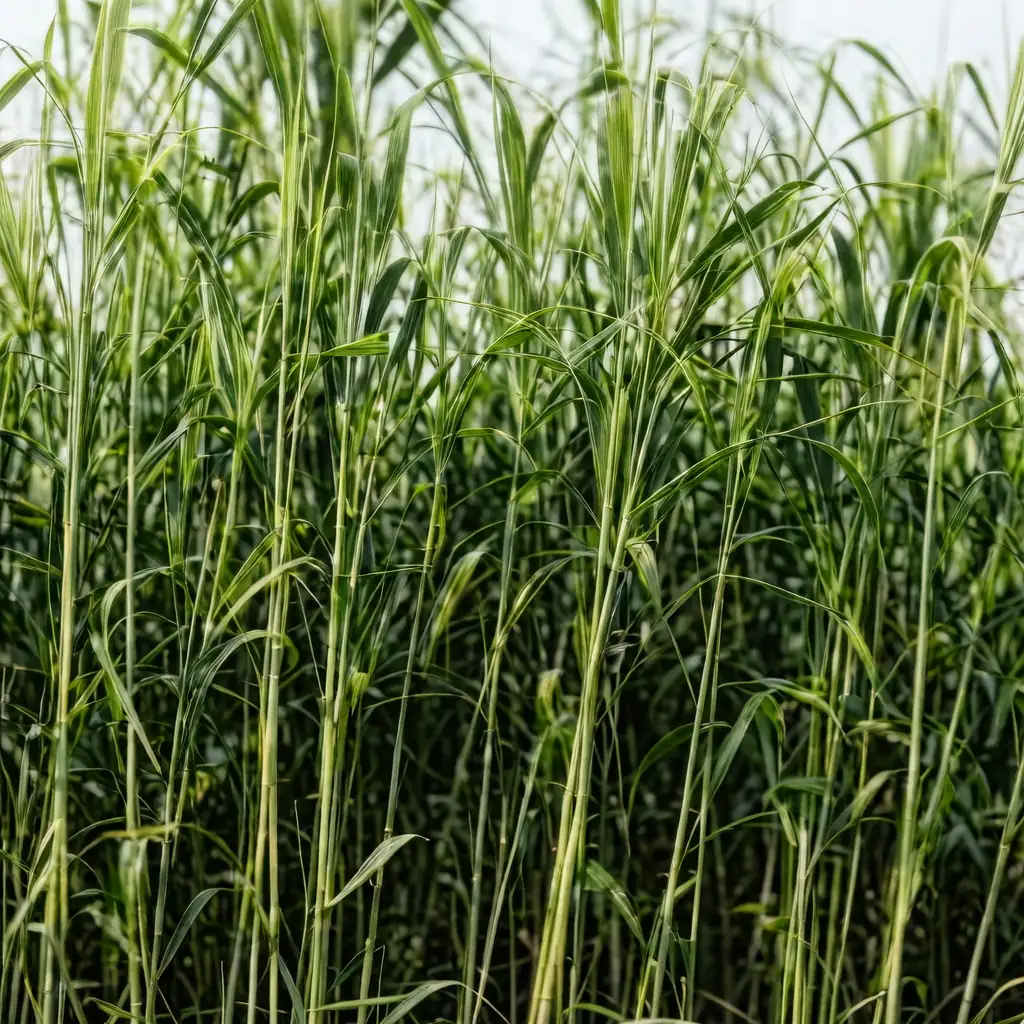
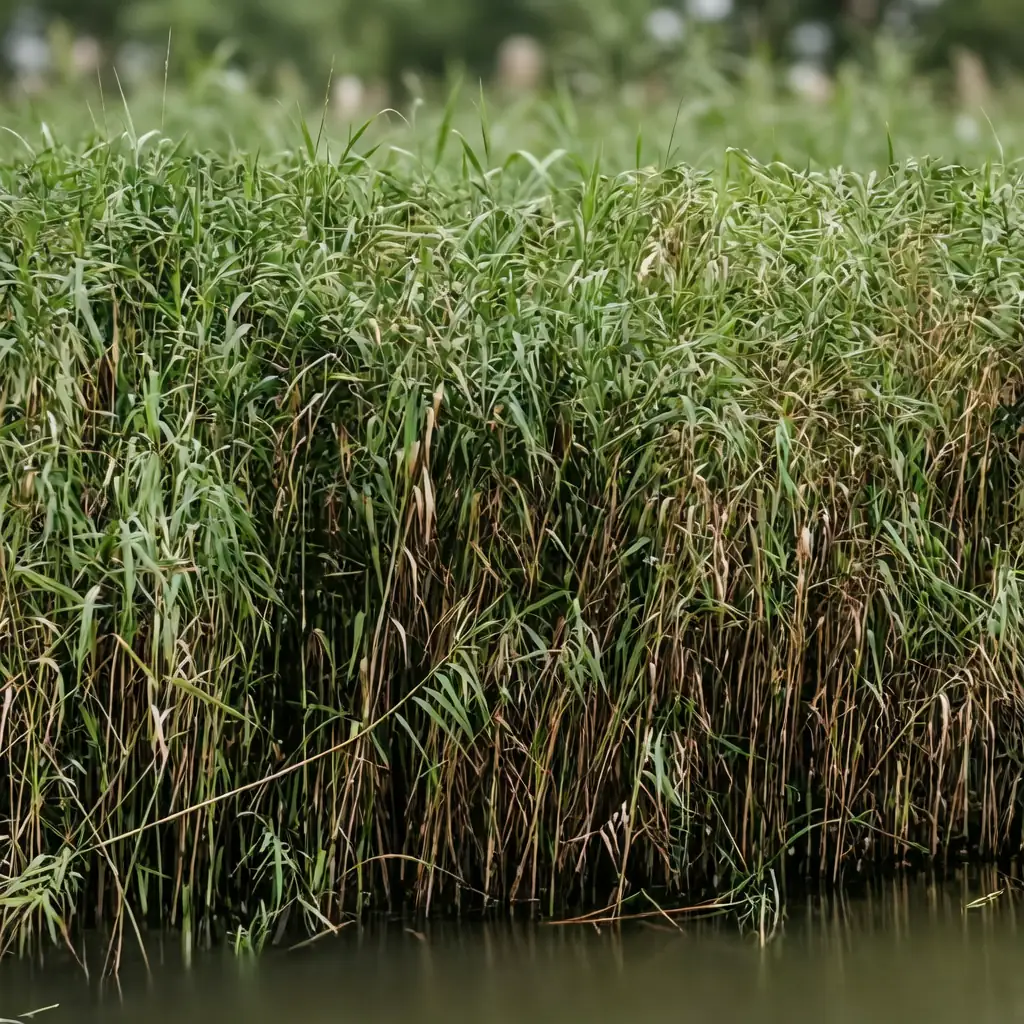
- Size: Typically 2–4 m (6.6–13.1 ft) tall; forms broad colonies via spreading rhizomes.
- Foliage: Long, narrow, linear leaves with pointed tips and a broader base; leaves are often around 30 cm (12 in) long.
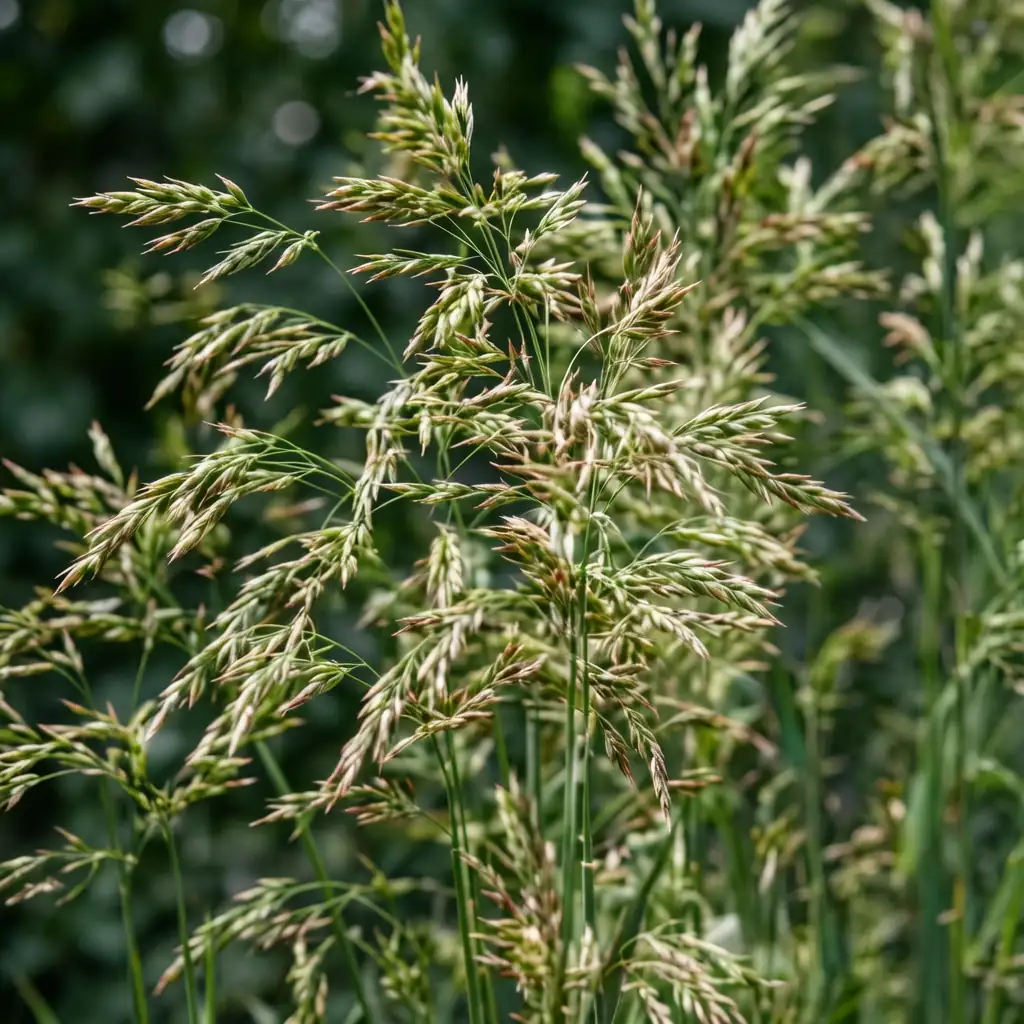
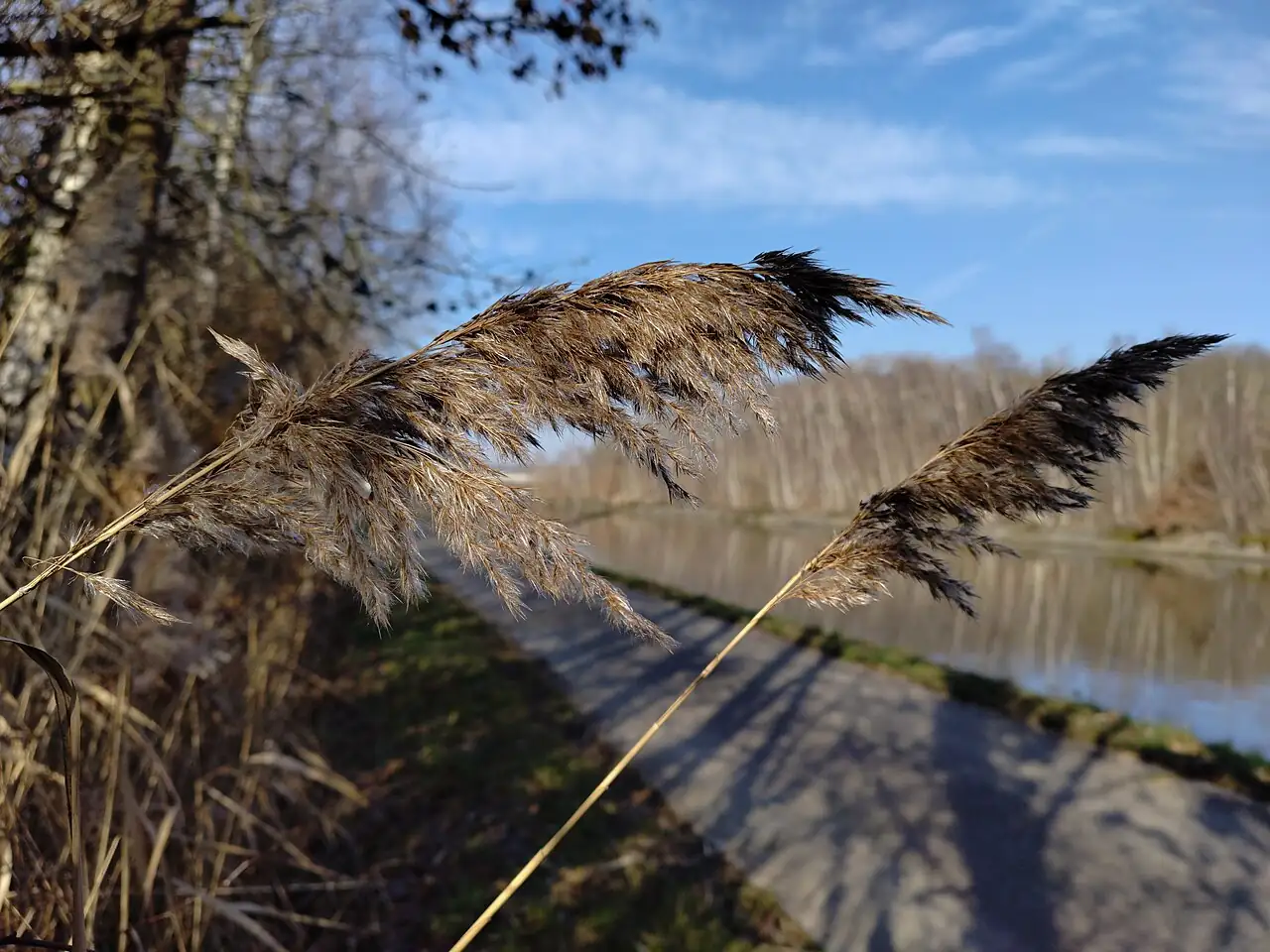
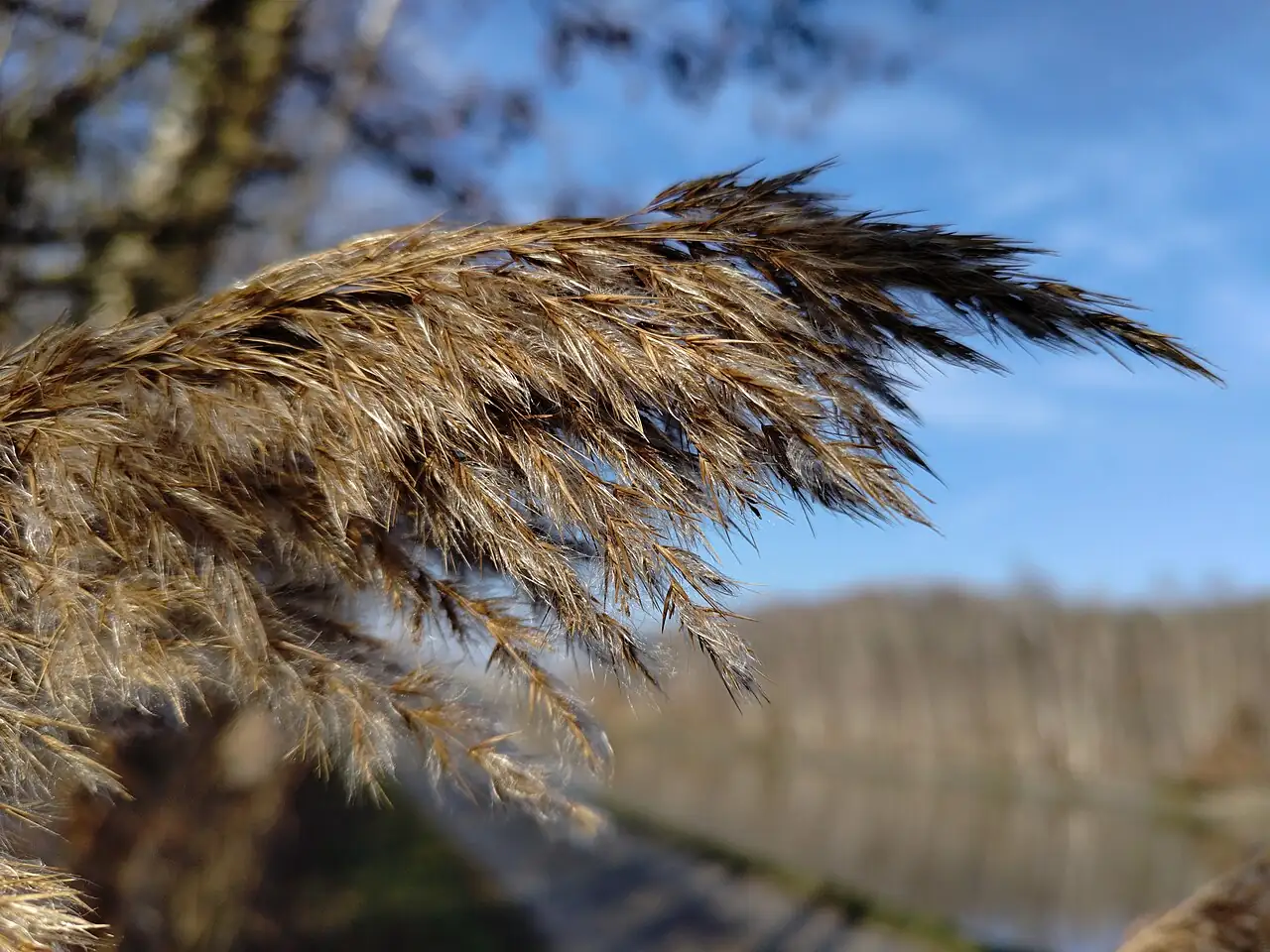
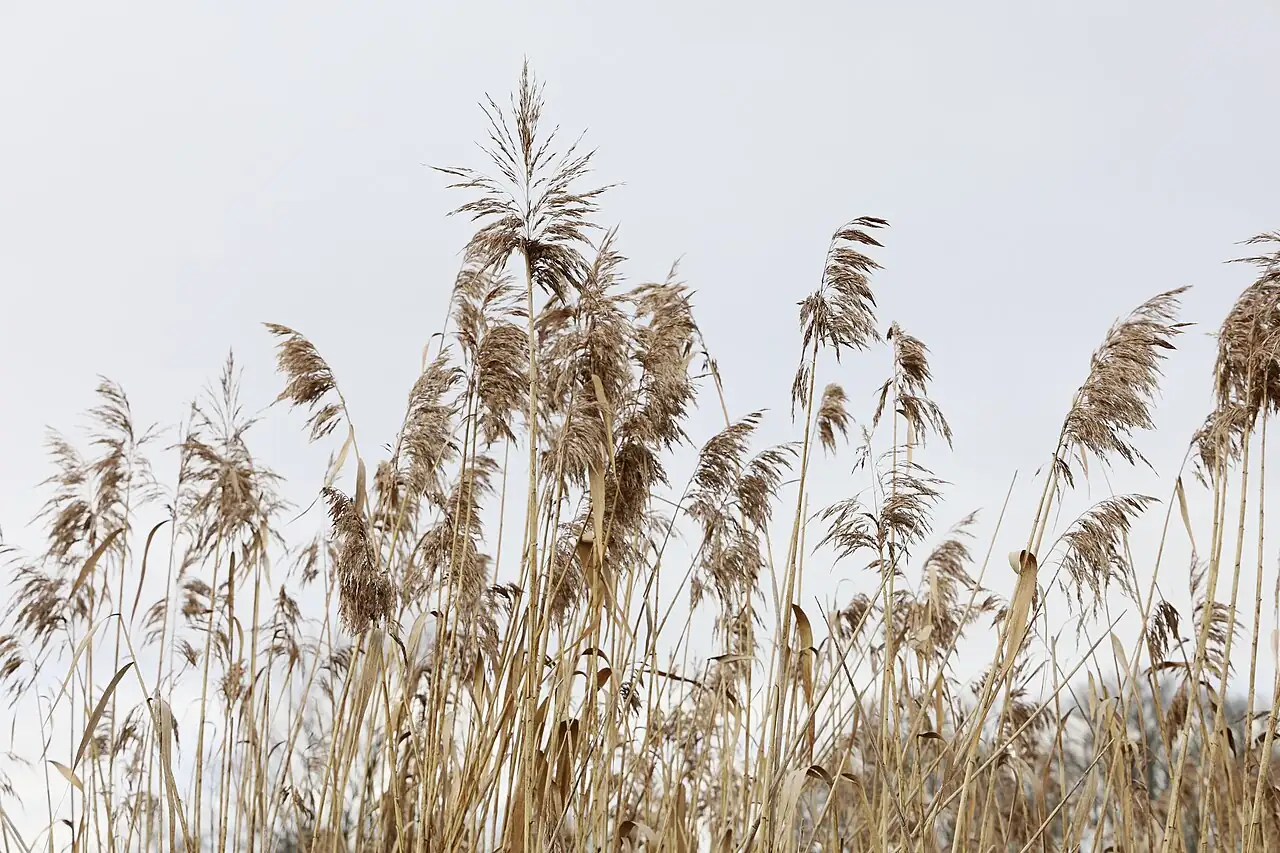
- Flower: Dense, feathery panicles (plumes) that are showy and often become slightly drooping as they mature.
- Flowering Season: Typically July; seed heads/fruits usually mature August–November (varies with climate).
- Growth Habit: Perennial grass with stout, upright stems arising in dense groups; clump-forming but often colony-forming due to thick, creeping rhizomes.
Environment
Sunlight
Full sun for strongest growth and best flowering; tolerates light shade.
Temperature
Cold-hardy and tolerant of winter freezing in many regions; grows most actively in warm weather, roughly 15–30°C (59–86°F).
Humidity
Prefers consistently moist to wet conditions; generally tolerant of variable humidity as long as roots can access water.
Soil
Moist to wet soils (including silty, muddy shoreline substrates). Tolerates many soil types if reliable moisture is available.
Placement
Ideal for pond edges, lake shores, riverbanks, drainage channels, and other low, wet areas; excellent for naturalistic planting, screening, erosion control, and habitat value.
Hardiness
Very hardy and frost-tolerant; can also tolerate some drought once established if rhizomes can reach moisture. Commonly cited for USDA Zones 3–9.
Care Guide
Difficulty
Easy in suitable outdoor wet sites. The main challenge is vigor—plan for containment or regular management if you don’t want it to spread.
Buying Guide
Pick plants with firm, healthy rhizomes and upright green stems. Avoid pots that smell sour or have blackened, mushy rhizomes. Check local regulations before buying—common reed can be invasive in some regions.
Watering
Keep soil consistently moist to wet during establishment. Once established it can handle short dry spells, but growth and plume production are best with steady moisture.
Fertilization
Often unnecessary in nutrient-rich wetland soils. If growth looks weak, apply a light, balanced fertilizer in spring; avoid heavy feeding, which can encourage excessive spread.
Pruning
Cut back dead stems in late winter to early spring before new growth starts. During the growing season, remove unwanted shoots to manage spread and keep plantings tidy.
Propagation
Most easily propagated by dividing creeping rhizomes—sections with buds and roots establish readily. It can also spread naturally by rhizome expansion and, in suitable habitats, by seed.
Repotting
If grown in containers or lined-pond settings, divide and refresh every 1–2 years to prevent overcrowding and to control spread.
📅 Seasonal Care Calendar
Spring: cut back old stems; divide/contain if needed. Summer (around July): flowering plumes appear. Late summer–autumn (August–November): seed heads mature; remove seed heads if unwanted spread is a concern.
Pests, Diseases & Safety
Common Pests & Diseases
Usually quite trouble-free. In stressed, crowded, or poorly ventilated stands, watch for leaf spots, rusts, or aphids. Improve airflow, remove badly affected stems, and avoid excess fertilizer that can make soft, pest-prone growth.
Toxicity
Not commonly listed as toxic to people or pets. However, dry leaf edges can be sharp and may cause minor cuts; discourage pets from chewing the tough stems and avoid ingesting large amounts.
Culture & Symbolism
Symbolism: Often linked with resilience and flexibility—bending with wind and water while holding its ground—plus a strong sense of “waterside” calm.
History & Legends: A familiar reed of wetlands, used for centuries in many regions for practical crafts like thatching and weaving. Ecologically, it’s famous for forming large reedbeds that provide cover and nesting habitat and help shape wetland edges.
Uses: Grown mainly for ornamental and ecological value at pond margins and damp shorelines: dramatic plumes, tall screening, erosion control, and wildlife habitat.
FAQ
Is common reed invasive?
It can be very aggressive because it spreads strongly by rhizomes (and sometimes by seed). If you want the look without the takeover, use barriers, containers, or regular division—and check local guidance before planting.
Can it grow in standing water?
Yes. It thrives in very wet soil and shallow water at the margins, as long as the crown/rhizomes aren’t kept too deeply submerged.
Fun Facts
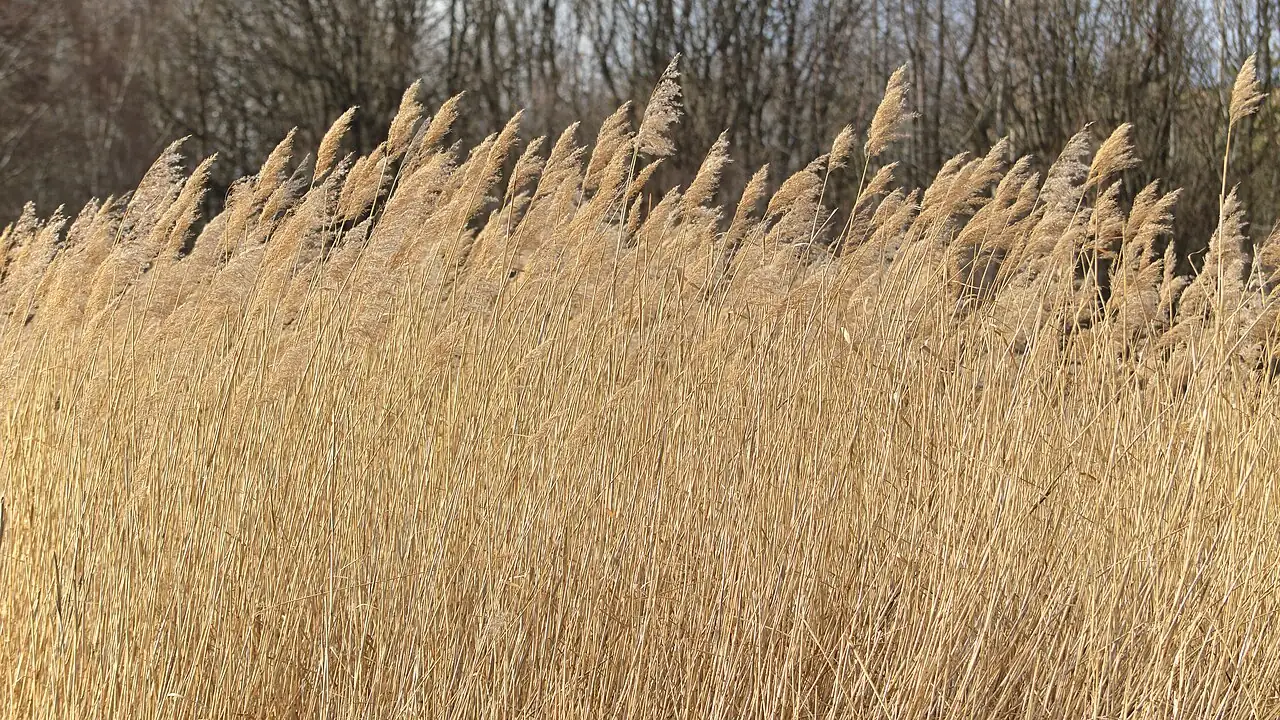
- It can form huge, continuous reedbeds that act like living shelter belts along water.
- Its thick, creeping rhizomes are the engine behind its fast spread and toughness.
- The flower plumes start upright and often arch or droop slightly as they mature.
- Leaves are often around 30 cm (12 in) long, with a pointed tip and broader base.
- In China it’s a classic sight along rivers, lakes, ponds, ditches, and other low-lying wetlands.