

Plant Features
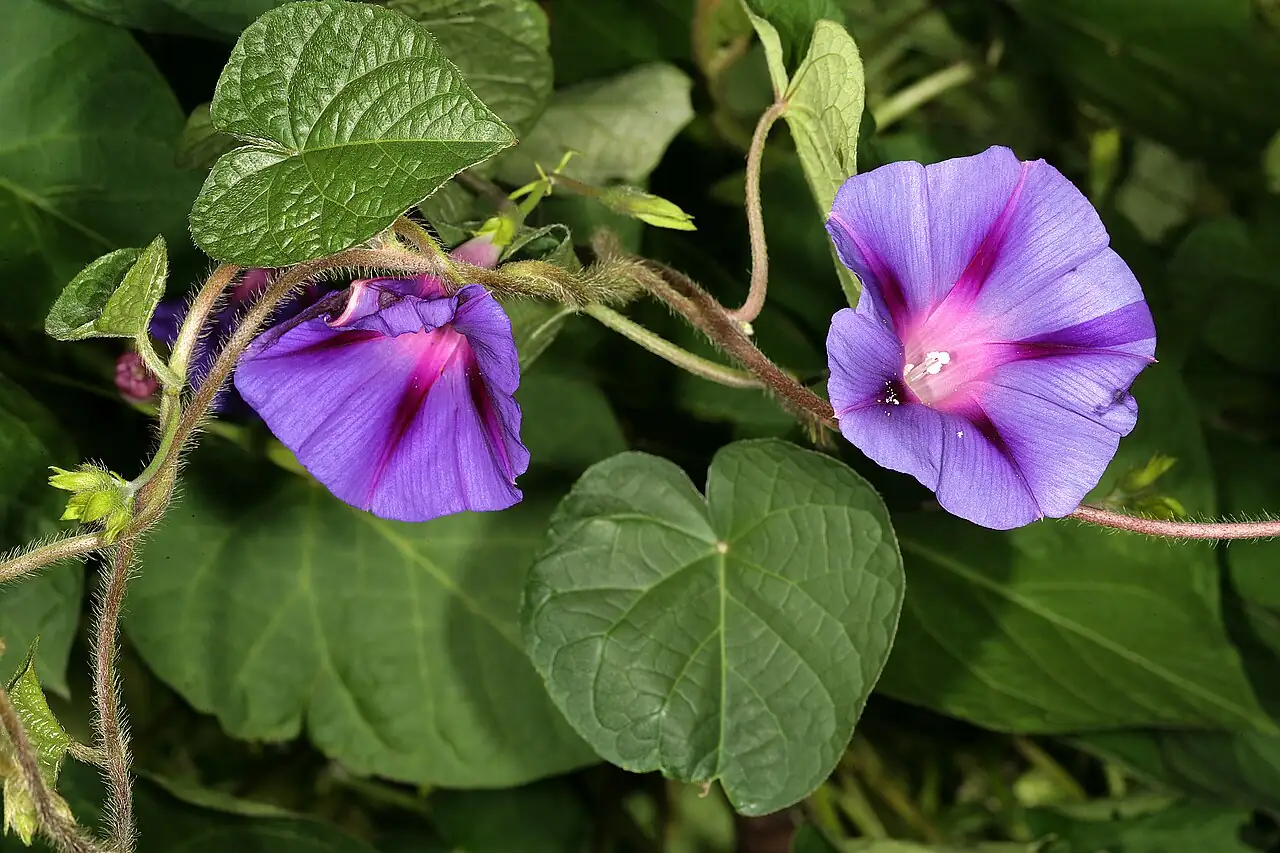
- Size: Annual twining vine; typically 2–4 m (6.6–13.1 ft) long when supported.
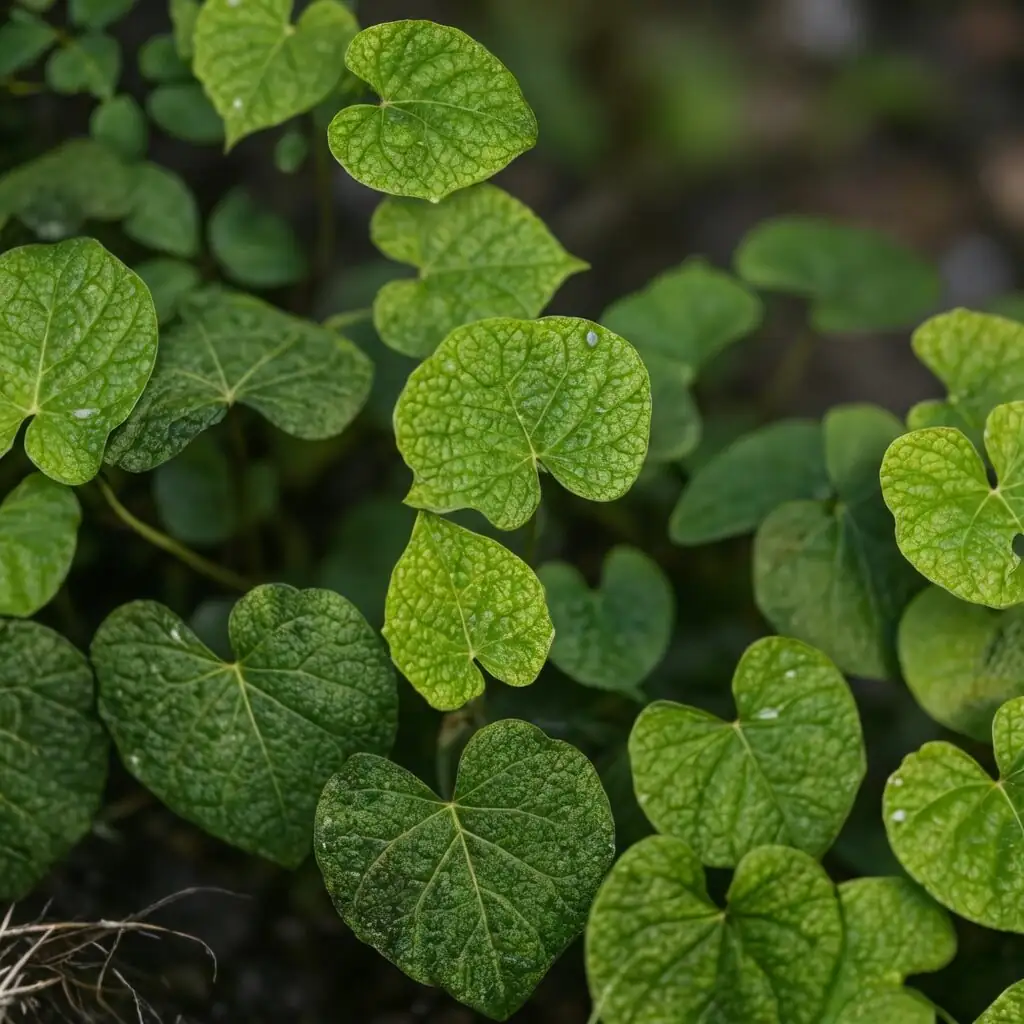
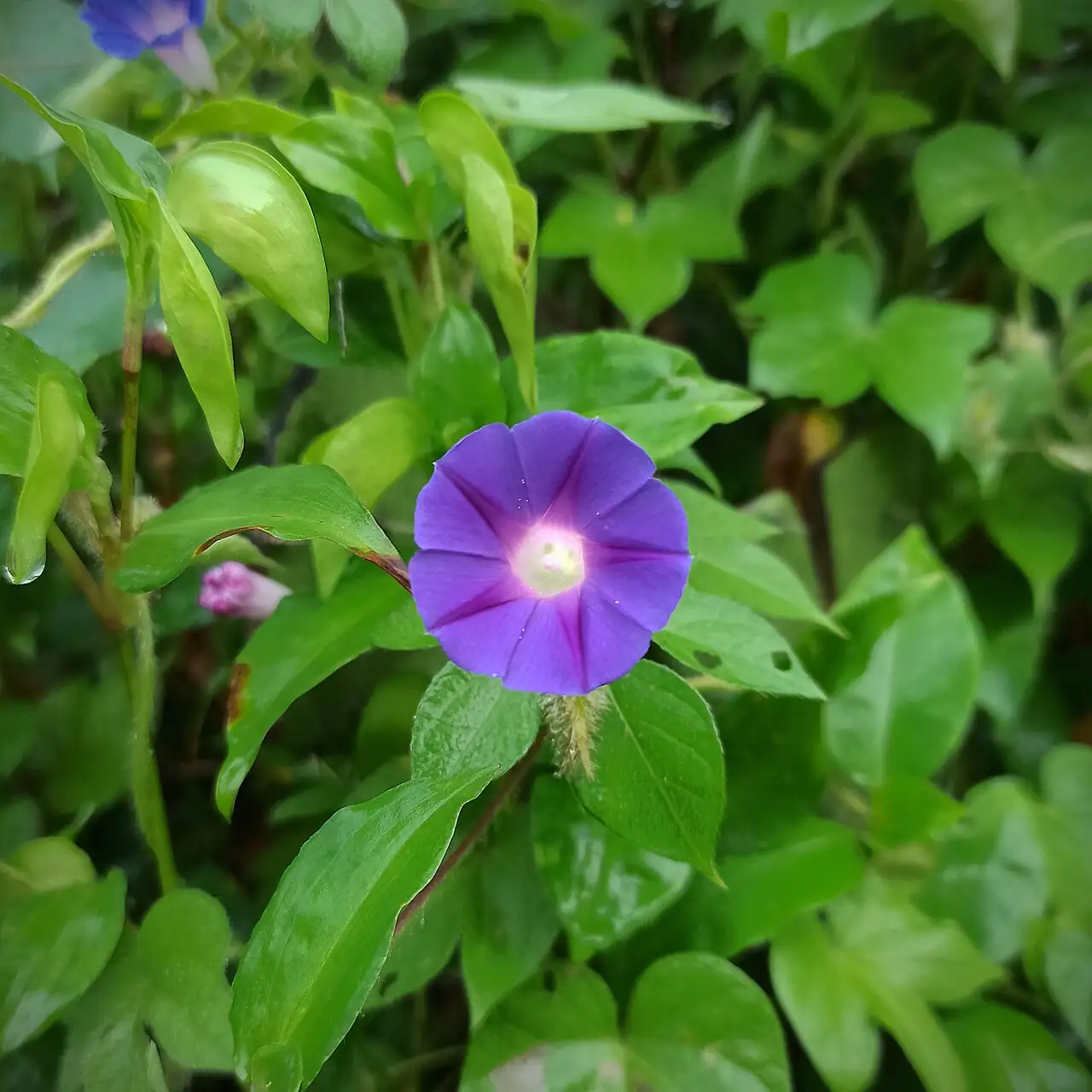
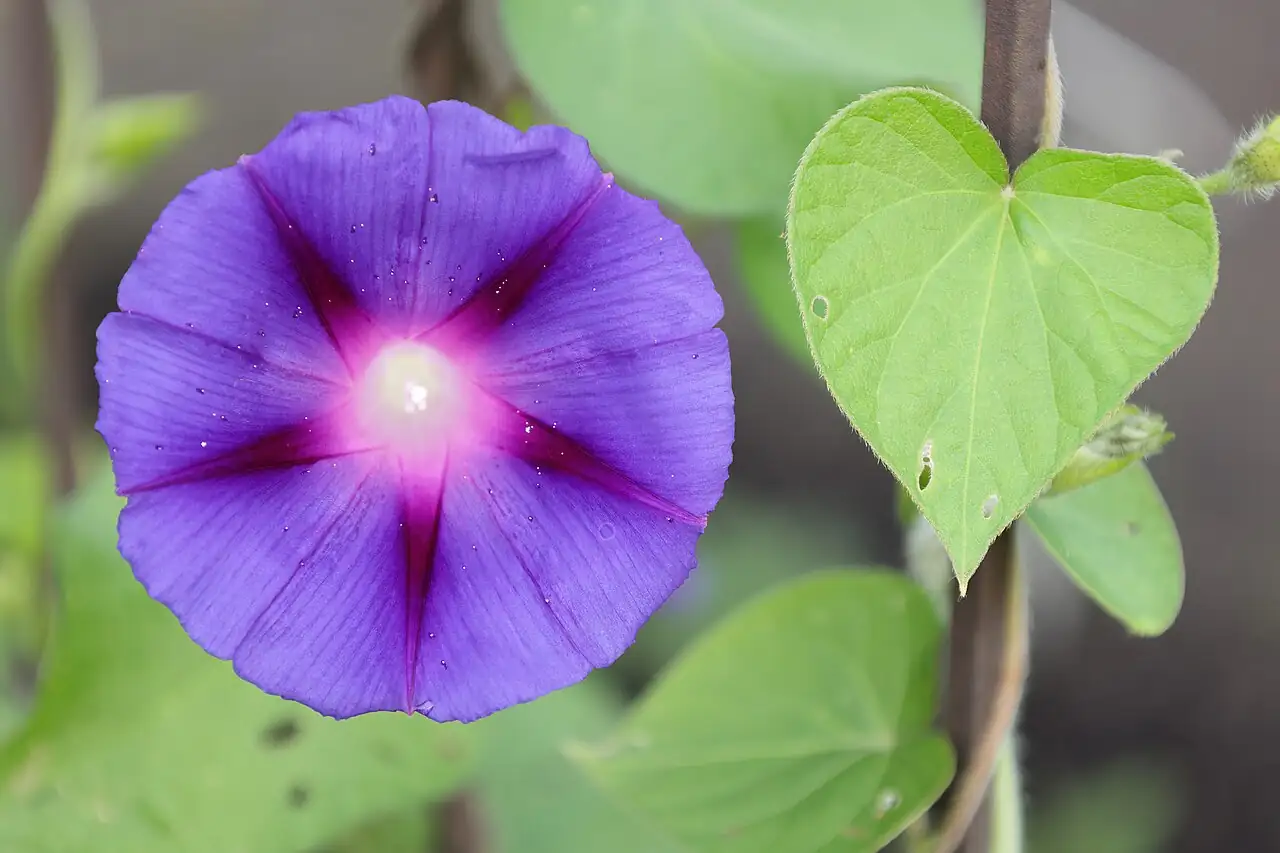
- Foliage: Leaves are simple and medium green, typically with a rounded, heart-shaped base.
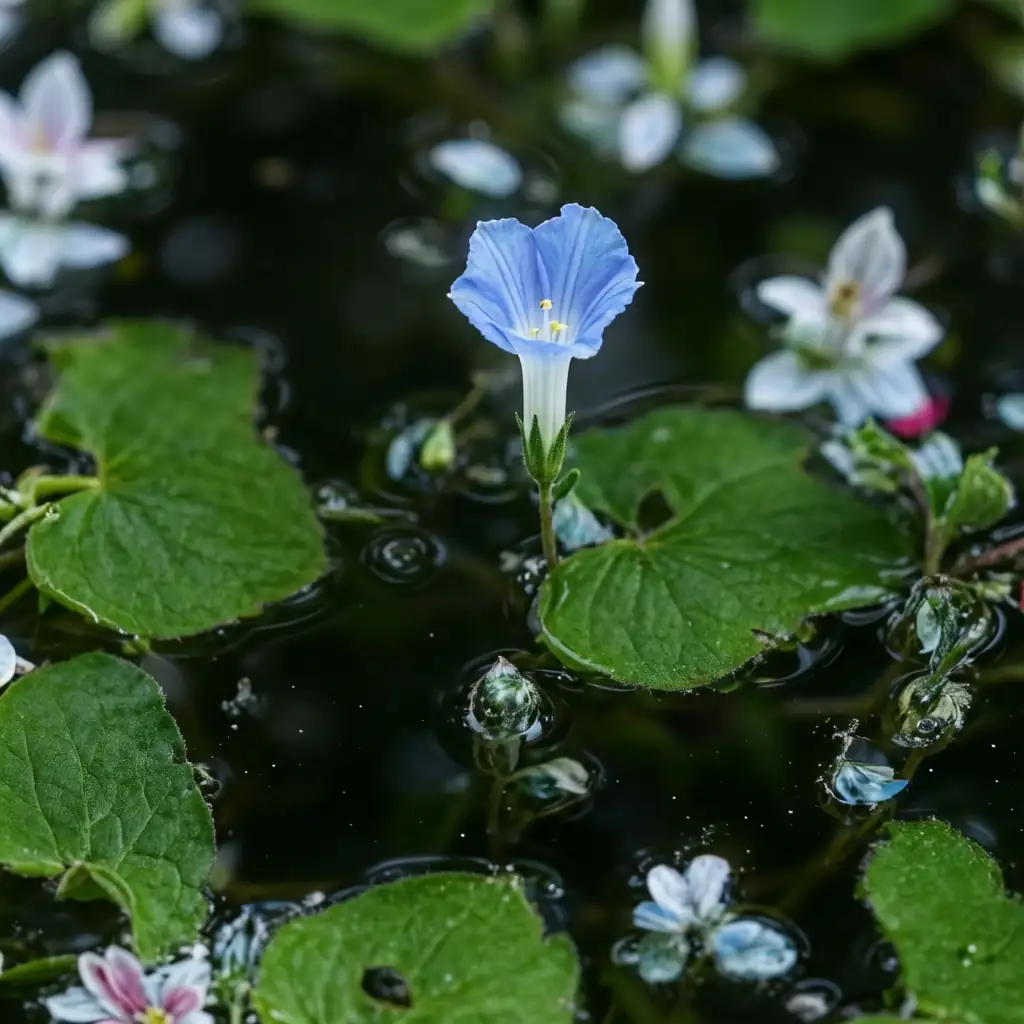
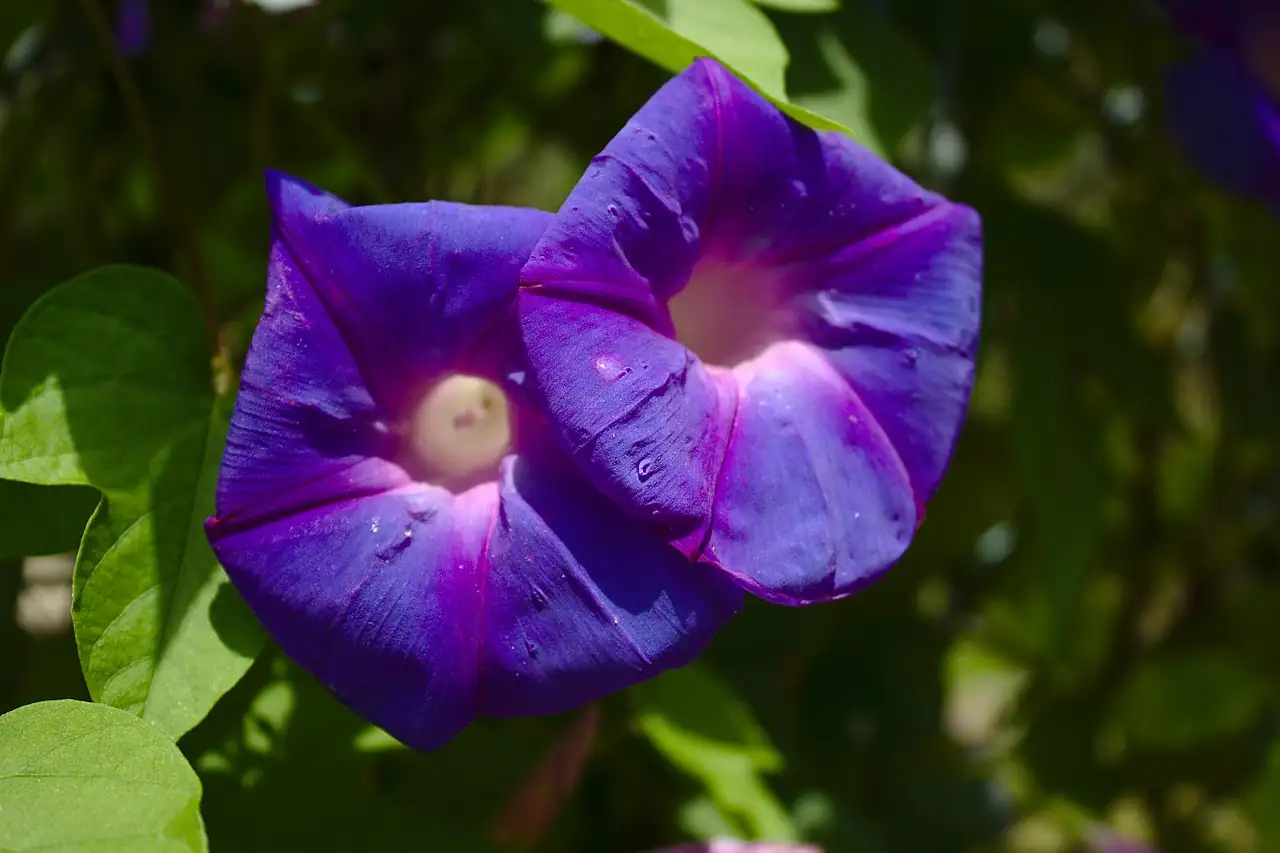
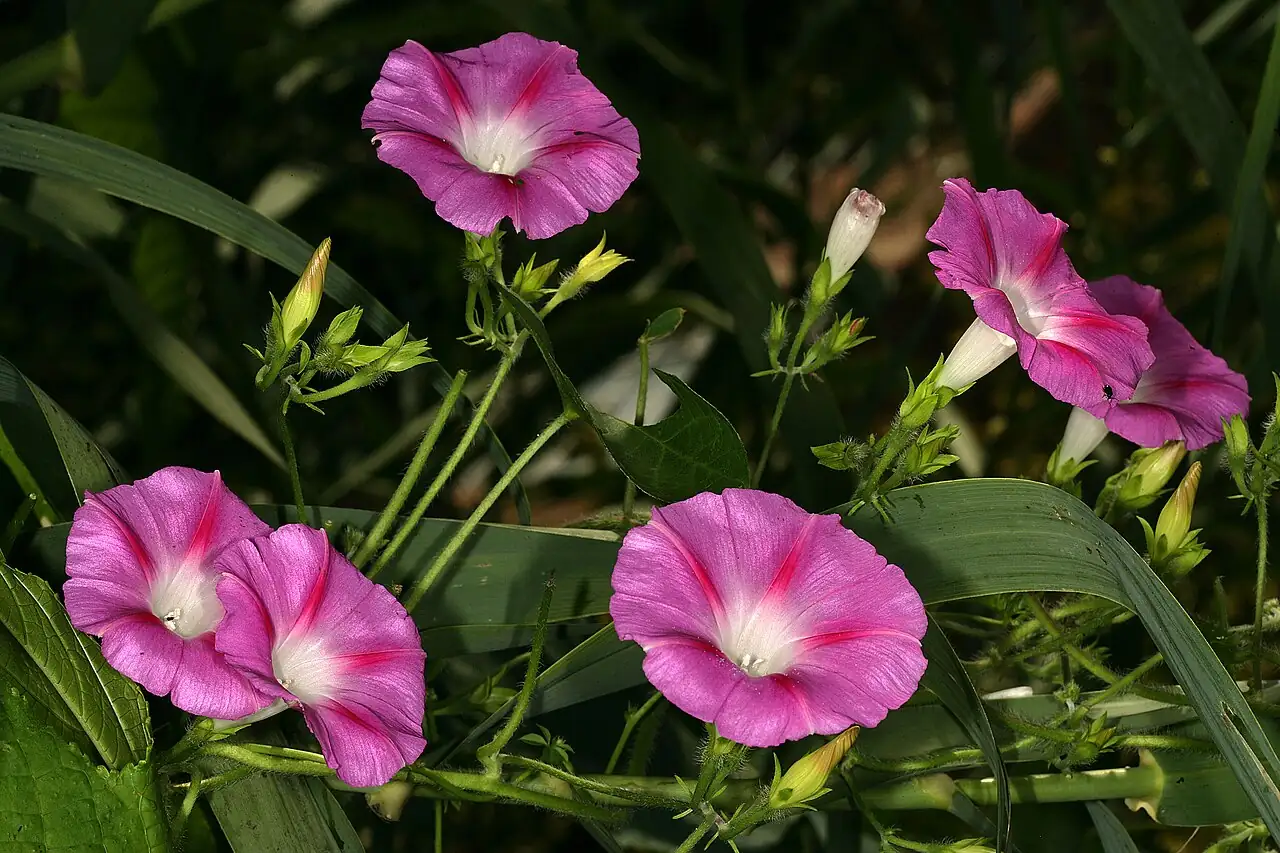
- Flower: Funnel/trumpet-shaped flowers open from the leaf axils, often appearing singly or in small clusters. Colors commonly include purple-magenta, red, or white. After flowering, the plant produces a nearly spherical capsule fruit; the seeds inside are ovoid and distinctly three-angled.
- Flowering Season: May–October
- Growth Habit: Fast-growing annual twining climber (vining); readily scrambles over supports.
Environment
Sunlight
Full sun for best flowering; tolerates light partial shade (too much shade can reduce blooms).
Temperature
Warm-season grower; ideal 18–30°C (64–86°F). Frost-tender—protect when temperatures drop below about 5°C (41°F).
Humidity
Prefers moderate to higher humidity, but performs well in average garden humidity if watering is consistent and airflow is good.
Soil
Well-drained, moderately fertile soil. Avoid waterlogged conditions; containers should have drainage holes.
Placement
Trellises, fences, arches, frames, or balcony rails—anywhere it can climb for quick seasonal coverage and color.
Hardiness
Frost-tender annual; typically grown as an annual in USDA Zones 2–11 (perennial only in frost-free climates).
Care Guide
Difficulty
Easy. Vigorous and generally forgiving once established; can self-seed freely where conditions suit it.
Buying Guide
Choose fresh, plump seed, or healthy young plants with clean leaves and no pests. If buying seedlings, select compact plants before they become root-bound.
Watering
Water regularly while establishing. After strong growth begins, water when the top 2–3 cm (0.8–1.2 in) of soil is dry. Keep moisture even but never constantly soggy to prevent root problems.
Fertilization
Feed lightly. Apply a balanced fertilizer at half strength every 2–4 weeks during active growth, or mix in a slow-release fertilizer at planting. Avoid excess nitrogen, which can encourage lush leaves at the expense of flowers.
Pruning
Pinch growing tips early to encourage branching and a fuller look. Trim or redirect vines to keep them within bounds, and remove spent vines or unwanted self-sown seedlings as needed.
Propagation
Primarily by seed. Sow outdoors after the last frost, or start indoors 4–6 weeks before the last frost. Nick the seed coat or soak seeds for 12–24 hours to speed germination.
Repotting
In containers, use a pot at least 20–30 cm (8–12 in) wide with a sturdy support. Repot only if roots fill the container; handle gently to avoid excessive root disturbance.
📅 Seasonal Care Calendar
Spring: sow/plant after frost and install support early. Summer: water consistently, train vines, and feed lightly; improve airflow if foliage is dense. Fall: let some seed mature if you want volunteers next year, then clear vines after flowering finishes.
Pests, Diseases & Safety
Common Pests & Diseases
Common issues include aphids, spider mites, and whiteflies—often managed with a strong water spray or insecticidal soap. Powdery mildew can appear in humid, crowded growth; improve airflow, avoid overhead watering late in the day, and thin/tidy vines if needed.
Toxicity
Seeds can be harmful if ingested; keep away from children and pets. Sap may cause mild skin irritation for sensitive people—wear gloves if you’re prone to reactions.
Culture & Symbolism
Symbolism: Often linked with affection and the fleeting nature of beauty, since many blooms open in the morning and fade later the same day.
History & Legends: A popular ornamental climber worldwide and known for naturalizing easily thanks to prolific seed production.
Uses: Primarily grown as an ornamental vine for vertical greening—excellent for quickly covering trellises, fences, arches, and other supports with seasonal color.
FAQ
When does it flower?
Usually from May–October, depending on climate and when it was sown.
When does it set fruit?
Typically August–November, after the main flush of flowering.
What do the leaves look like?
They are medium green, simple leaves with a rounded, heart-shaped base.
What flower colors are common?
Purple-magenta is most classic, but red and white are also common.
Where is it native and where does it grow now?
Native to tropical America; now widespread across much of China, often along roadsides, field margins, around homes, and in valley woodlands.
Fun Facts
- Although native to tropical America, it has naturalized widely in many regions due to its generous self-seeding.
- Its fruit is a nearly spherical capsule filled with distinctive three-angled seeds.
- In one warm season, a single plant can cloak a trellis or fence surprisingly quickly.


