Plant Features
- Size: Typically up to 80 cm (31 in) tall; forms spreading clumps via rhizomes.
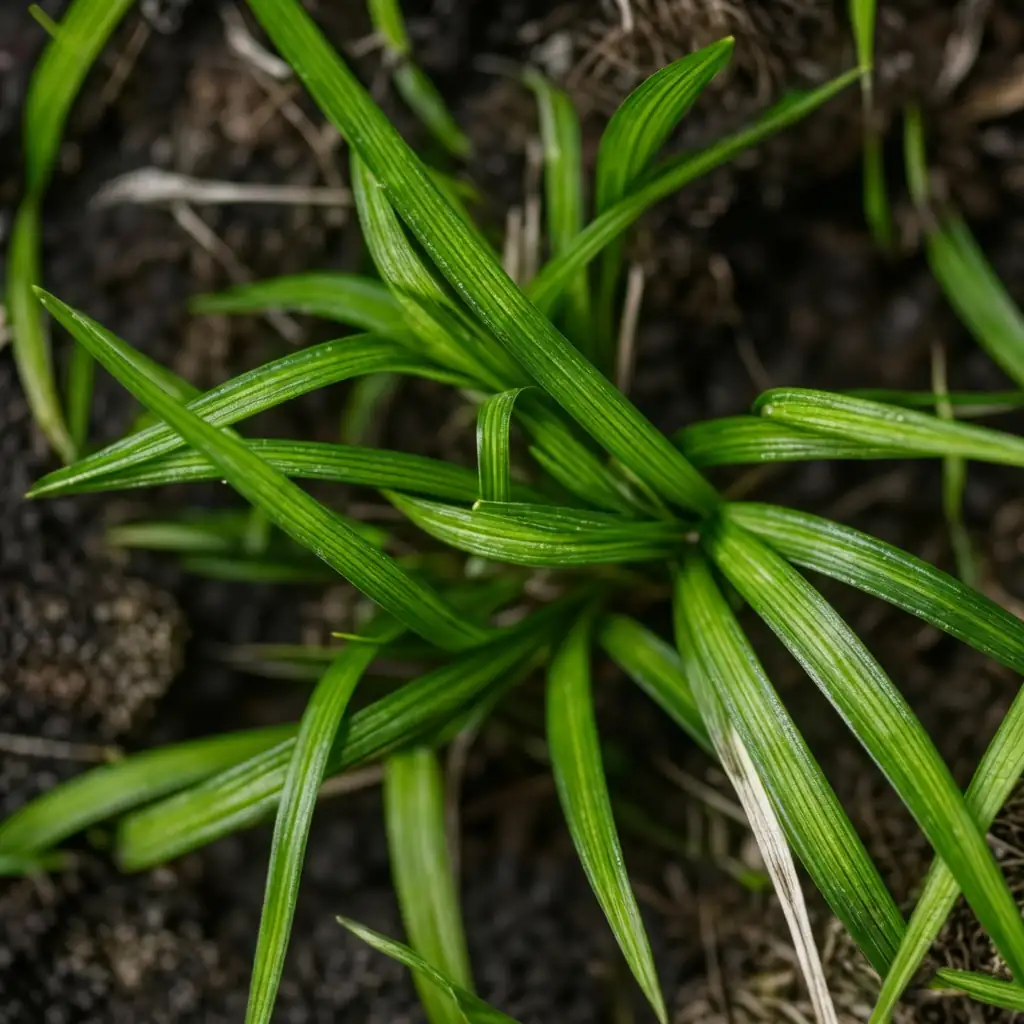
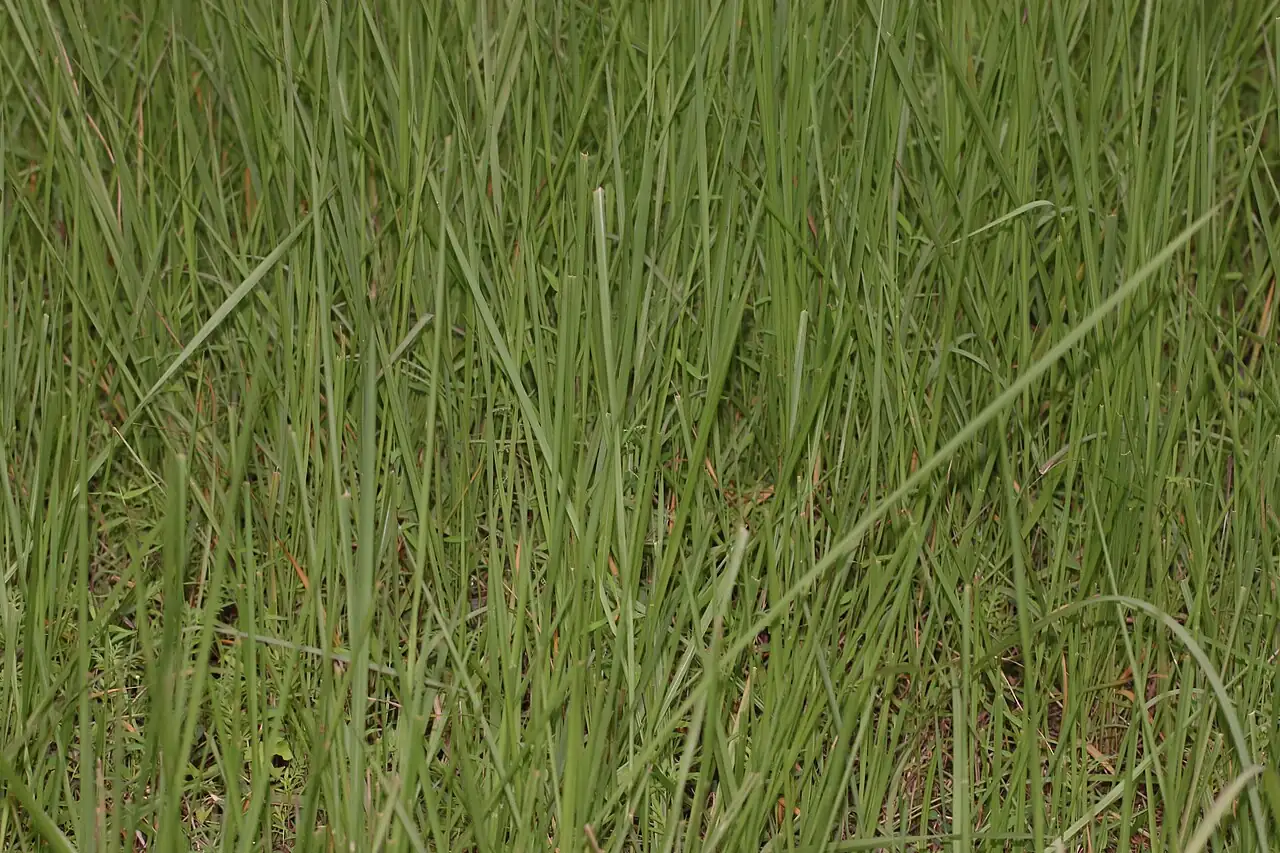
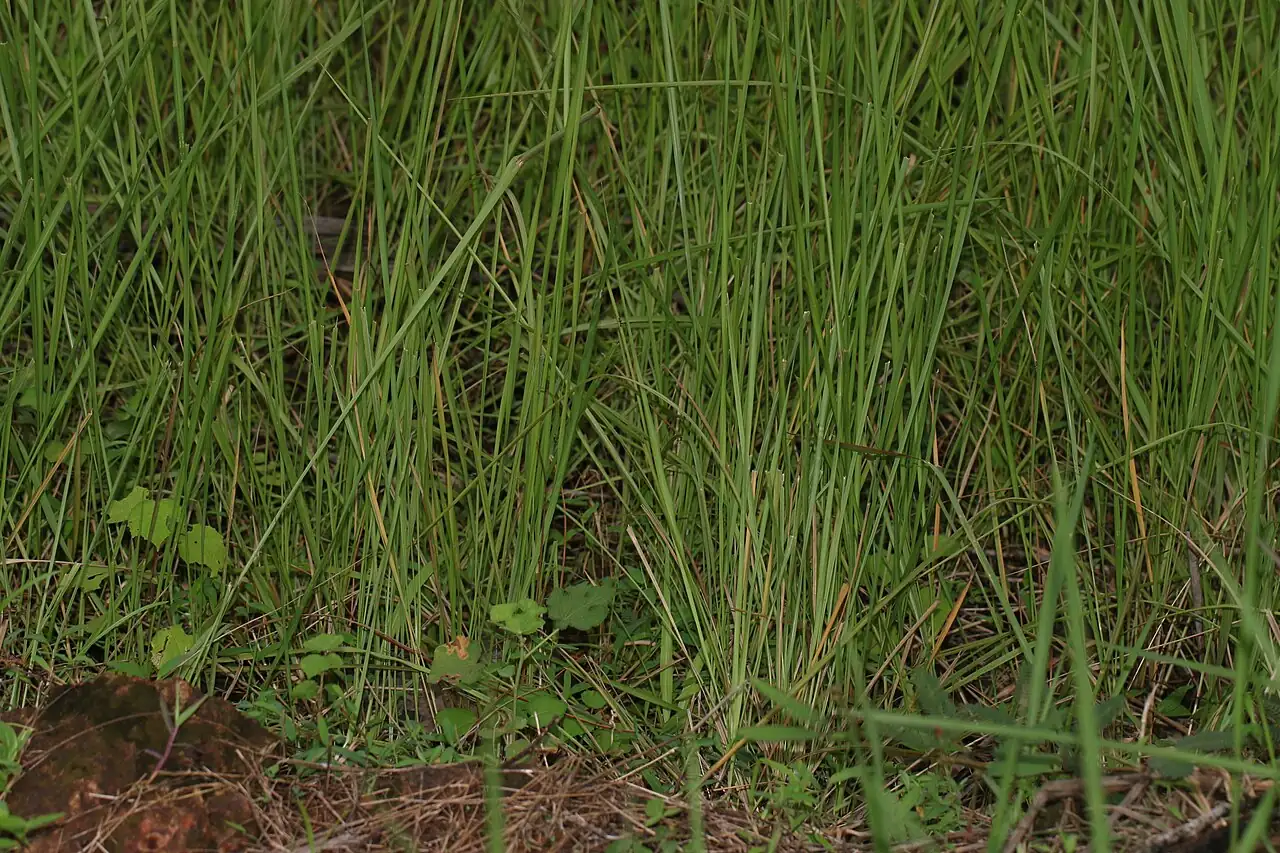
- Foliage: Leaves are narrow, linear, and often in-rolled, creating dense grassy tussocks. Leaf edges can feel sharp, so handle with care.
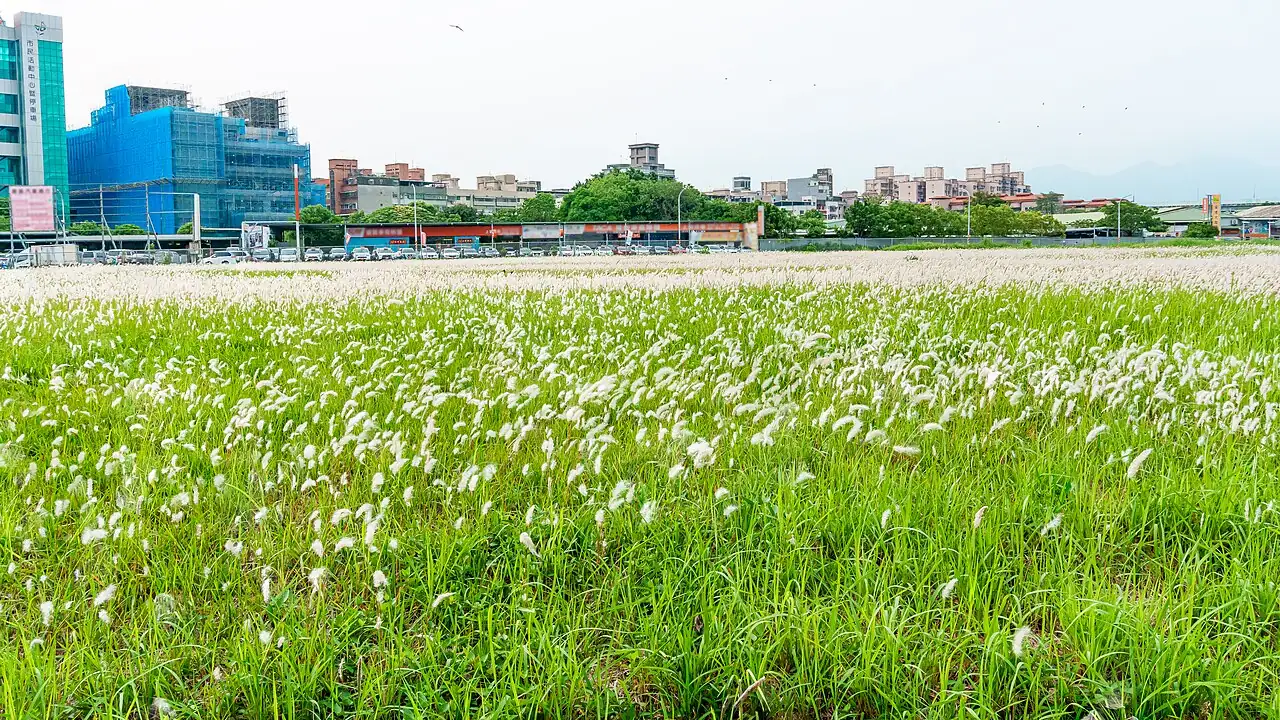
- Flower: Produces dense, cone- to plume-like panicles with conspicuous silky white hairs; these plumes are followed by small oval grains/seeds that can disperse by wind.
- Flowering Season: April–June
- Growth Habit: Upright perennial grass; strongly rhizomatous, spreading, and capable of forming dense stands.
Environment
Sunlight
Full sun to light shade; flowers best and grows most vigorously in full sun.
Temperature
Grows best around 20–30°C (68–86°F). Established plants tolerate heat and can survive cool winters depending on local conditions and ecotype.
Humidity
Very adaptable: tolerates moist sites and temporary waterlogging, but also handles dry periods once established.
Soil
Adaptable to many soils; prefers loose, well-aerated soil but will grow in sandy, nutrient-poor ground as well as more fertile soils. In pots, avoid constantly stagnant, airless (anaerobic) mixes.
Placement
Best outdoors in open, sunny areas as naturalistic groundcover or for slope/soil stabilization. Avoid planting where spread is undesirable; consider barriers, edging, or containers.
Hardiness
Generally USDA Zones 7–10 (approx.), though hardiness varies by ecotype; often not reliably frost-tender once established in suitable climates.
Care Guide
Difficulty
Easy to grow and highly adaptable; the main challenge is management, because it can spread quickly by rhizomes under favorable conditions.
Buying Guide
Look for plants with fresh green foliage and firm, healthy crowns. If you want slower establishment, avoid pots where rhizomes are already circling densely. Check local rules before buying or planting—this species may be restricted in some regions due to invasive behavior.
Watering
Water regularly while establishing, keeping soil lightly moist. After it’s established, water mainly during prolonged drought. It also tolerates short-term flooding.
Fertilization
Often unnecessary. If growth is weak, apply a light, balanced fertilizer in spring. Avoid heavy feeding—extra nutrients can encourage overly vigorous spread.
Pruning
Cut back old foliage and spent plumes in late winter or early spring before new growth begins, leaving about 5–10 cm (2–4 in) of stubble. Remove seed heads if you want to reduce self-seeding.
Propagation
Division is easiest: split rhizomes or clumps in spring or early autumn. Small divisions typically establish quickly.
Repotting
In containers, repot and/or divide when crowded—often every 1–2 years. Use sturdy pots and consider root barriers to reduce the chance of rhizomes escaping.
📅 Seasonal Care Calendar
April–June: main flowering and seed set period. Autumn–winter: plumes may remain ornamental. Late winter/early spring: cut back to refresh growth and tidy the clump.
Pests, Diseases & Safety
Common Pests & Diseases
Usually trouble-free. In humid, crowded conditions it may develop leaf spotting or rust; improve airflow, avoid excessive thatch, and remove old growth if problems appear.
Toxicity
Not generally considered poisonous to people or pets. However, the leaf margins can be sharp and may cause minor cuts or irritation—gloves are a good idea when handling.
Culture & Symbolism
Symbolism: Often linked with resilience and persistence, since it thrives in harsh, disturbed places where many plants struggle.
Uses: Commonly used as a naturalistic groundcover and for erosion control/soil stabilization in open landscapes. The silky white plumes add seasonal beauty—especially into autumn and winter—but it should be planted thoughtfully and managed to prevent unwanted spread.
FAQ
When does it flower?
Usually from April to June (spring into early summer), depending on climate.
When do the plumes look their best?
Plumes form around the flowering/seed period (April–June) and can stay attractive well into autumn and even winter.
How tall does cogon grass get?
Typically up to about 80 cm (31 in), and sometimes taller in ideal conditions.
Where does it grow naturally?
In open, sunny sites such as riverbanks, plains, sandy meadows, coastal habitats, and other disturbed or marginal ground—widespread across much of Asia.
What conditions does it prefer in cultivation?
Full sun to light shade and loose, well-aerated soil. It’s unusually adaptable—tolerating drought once established and coping with short-term flooding.
Fun Facts
- Those bright, silky white plumes are made showy by fine hairs that help the seeds travel on the wind.
- It’s unusual among ornamental grasses in that it can handle both drought and temporary flooding.
- Because it spreads by rhizomes, it can form dense stands and may be regulated or considered invasive in some areas—always check before planting.