

Plant Features
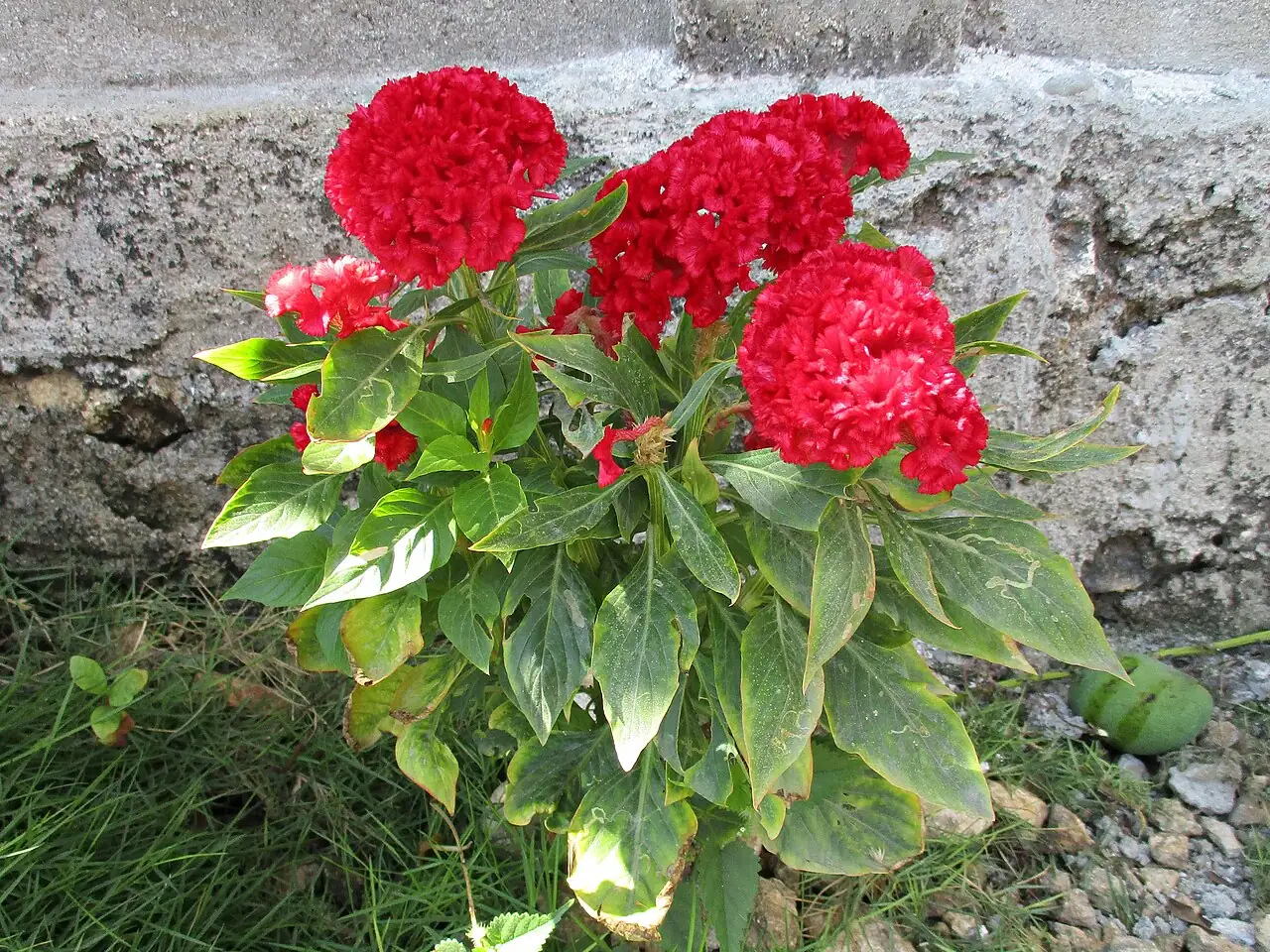
- Size: Typically 30–80 cm (12–31 in) tall; usually about 20–45 cm (8–18 in) wide, depending on cultivar.
- Foliage: Sturdy, upright stems (often green or flushed red) with alternate, stalked leaves. Leaves are smooth-edged (entire), tapering to a pointed tip; upper stems may show noticeable ridging.
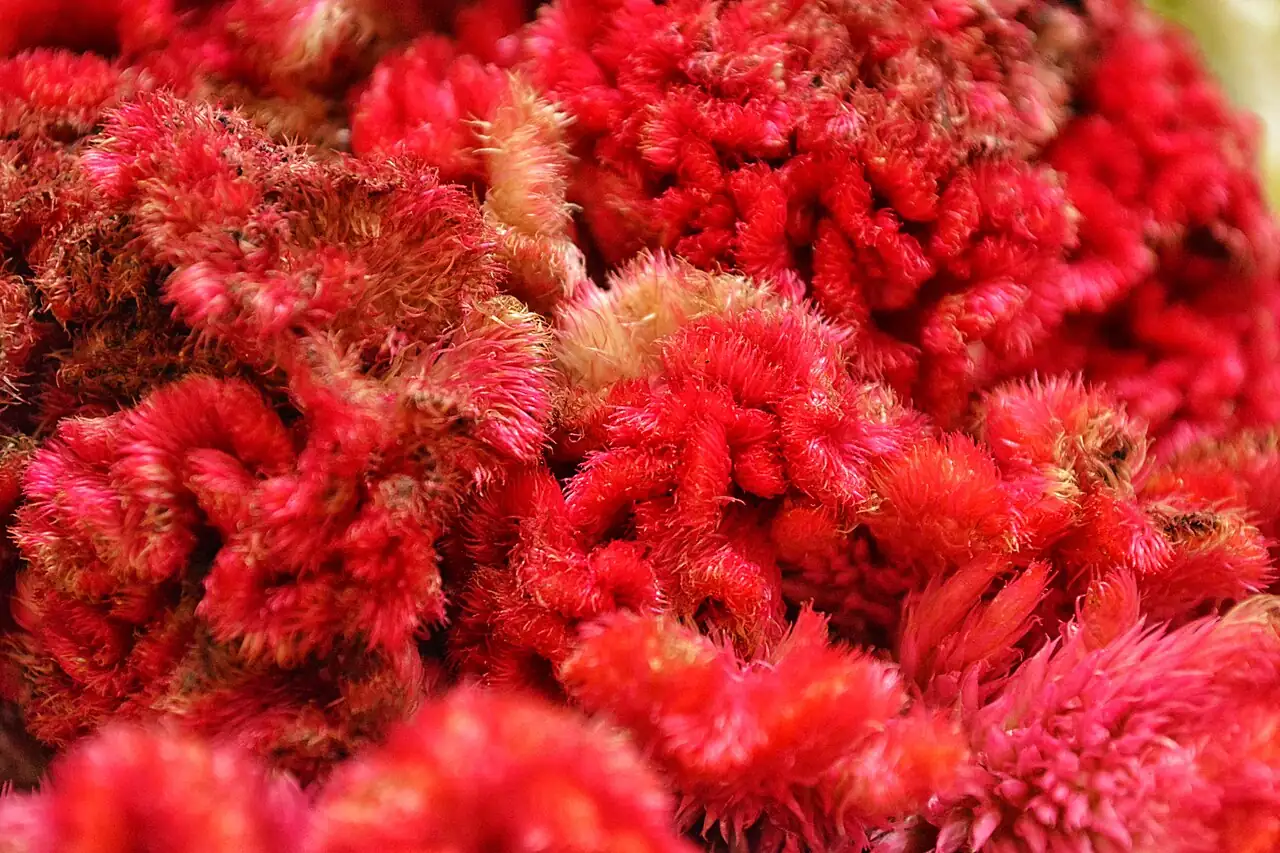
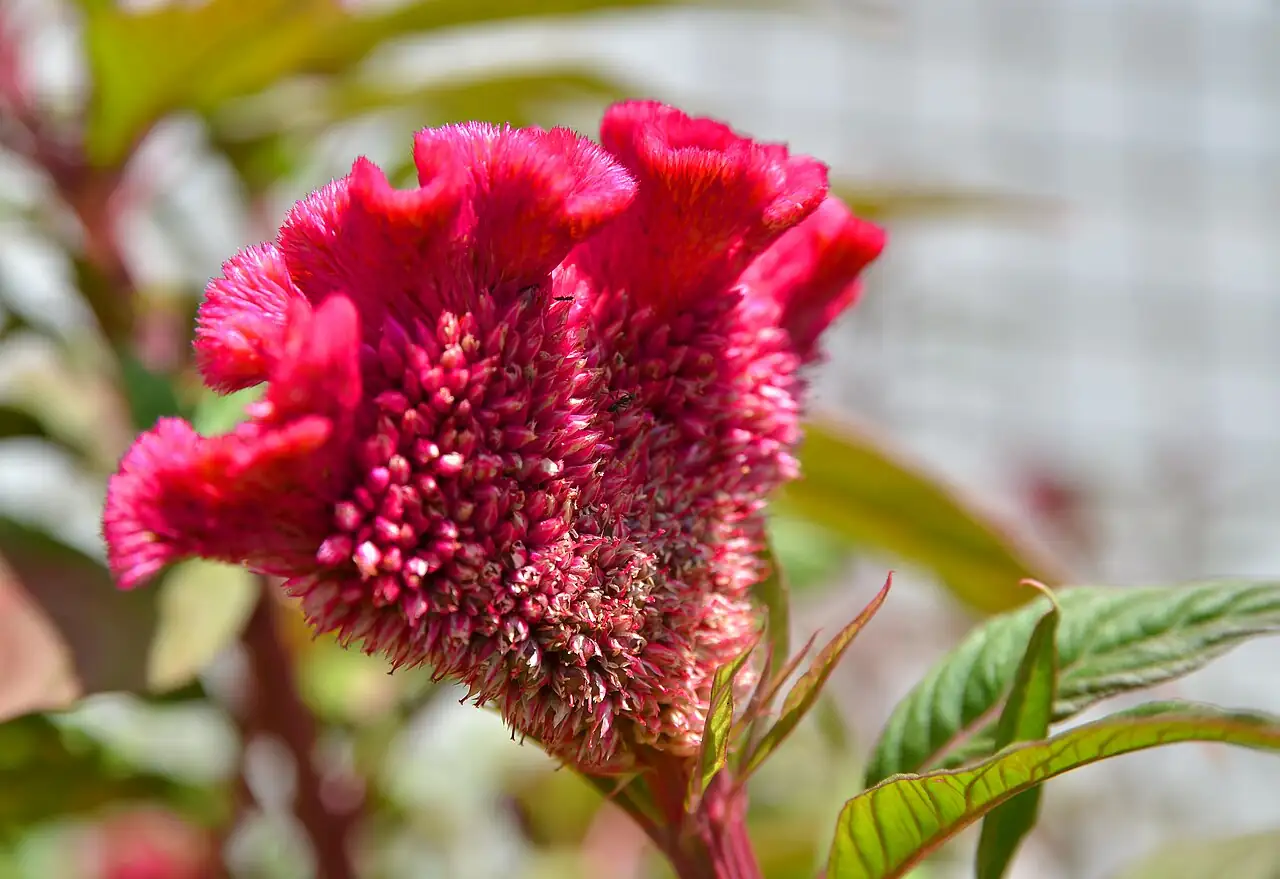
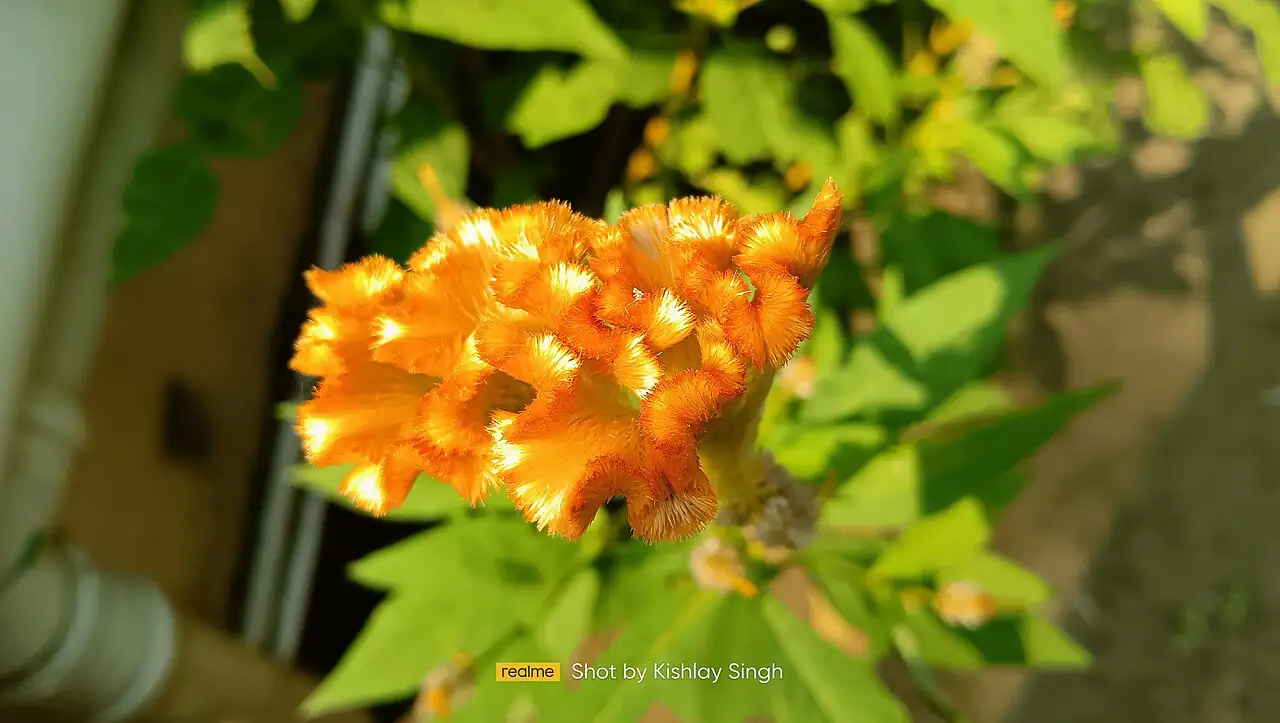
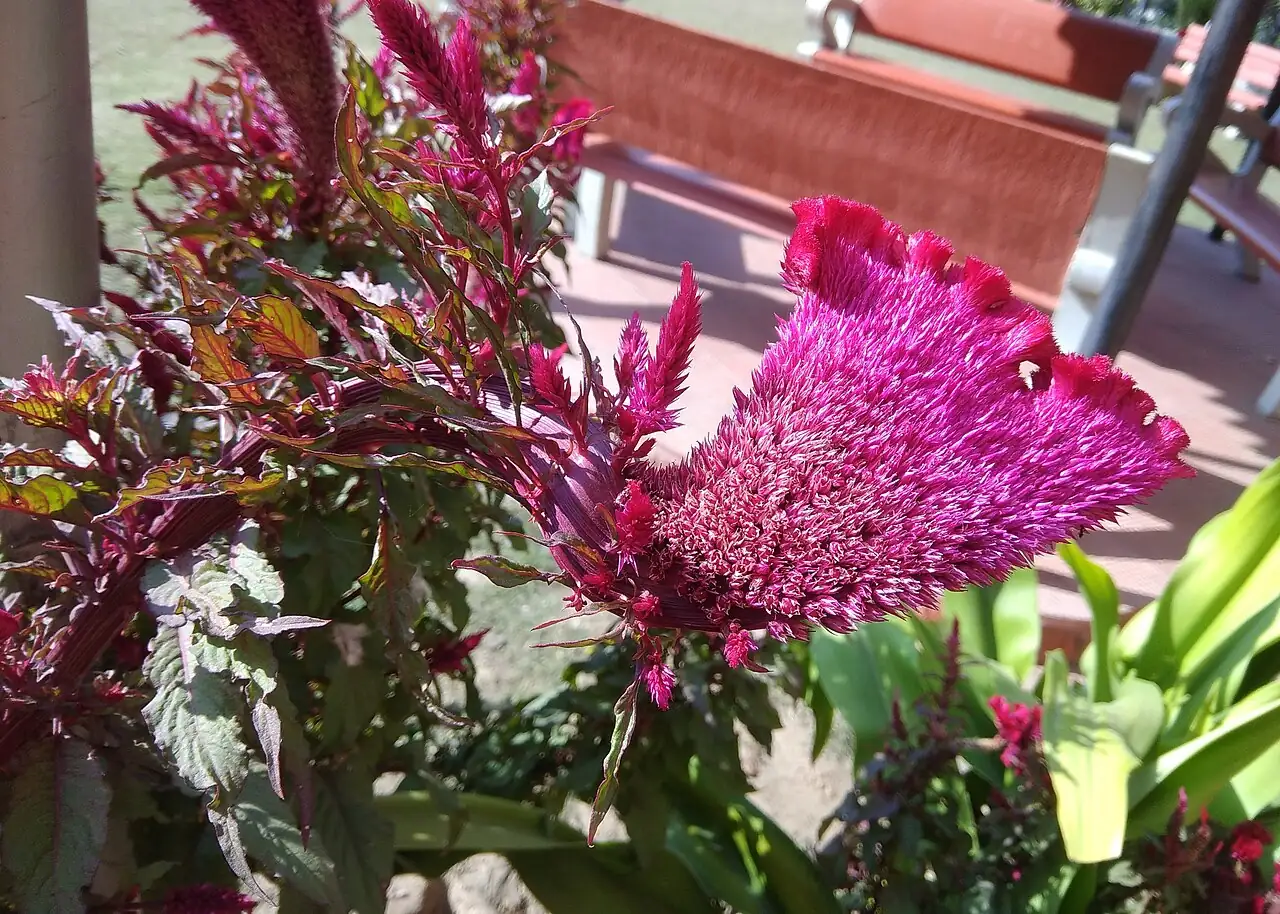
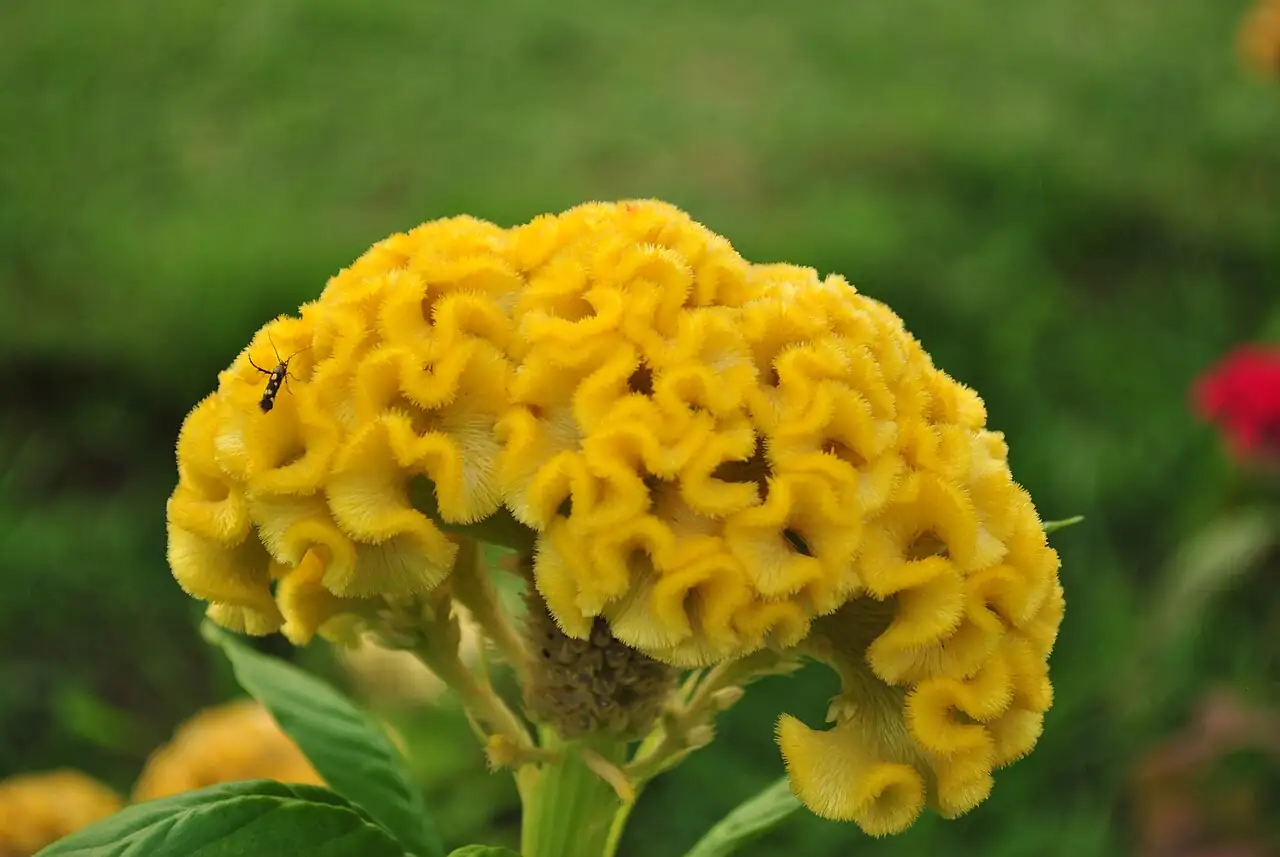
- Flower: Dense, long-lasting, velvety flower spikes/heads. Many forms are crested and brainy or fan-shaped like a rooster’s comb; others are more upright and flame- or torch-like. After flowering, small capsules develop with glossy black, kidney-shaped seeds.
- Flowering Season: July–October
- Growth Habit: Upright annual herb; stout and vertical, usually only lightly branched unless pinched.
Environment
Sunlight
Full sun for best flowering (about 6–8+ hours/day). Light shade is tolerated in very hot climates, but too much shade reduces bloom quality.
Temperature
Loves warmth; ideal around 20–30°C (68–86°F). Frost-tender—protect from cold; growth suffers below about 5°C (41°F).
Humidity
Enjoys warm, moderately humid air, but appreciates good airflow to prevent mildew and leaf spots.
Soil
Fertile, loose, well-drained soil. Performs well in enriched garden loam or a quality potting mix; avoid waterlogged sites and exhausted, nutrient-poor soil.
Placement
Sunny beds and borders, mass plantings, and containers; also great in cutting gardens for fresh or dried flowers.
Hardiness
Not frost-hardy. Commonly grown as an annual; can behave as a short-lived perennial only in frost-free regions (roughly USDA Zone 10–11).
Care Guide
Difficulty
Easy to moderate: very rewarding in heat and sun with decent drainage; tends to struggle in cold weather, heavy shade, or soggy soil.
Buying Guide
Pick plants with sturdy stems, compact growth, and richly colored, healthy flower heads. Avoid lanky, pale, stretched seedlings or pots sitting in waterlogged mix. Check leaf undersides for pests like aphids or mites.
Watering
Water regularly while establishing. After that, keep soil evenly moist but never waterlogged. Let the top 2–3 cm (0.8–1.2 in) dry slightly between waterings; reduce frequency during cool or cloudy spells.
Fertilization
Feed lightly. Work compost into the soil at planting, then use a balanced fertilizer about every 2–4 weeks during active growth (follow label rates). Avoid overdoing nitrogen, which can create lush leaves at the expense of flowers.
Pruning
Pinch once when young to encourage branching (especially for taller types). Deadhead or trim off aging flower heads to keep plants neat and extend bloom; remove plants at season’s end once they decline.
Propagation
Mostly grown from seed. Let seed capsules mature and dry, then collect the glossy black seeds. Sow in warmth at about 21–24°C (70–75°F). Start indoors 6–8 weeks before the last frost, or sow/plant out after frost danger has passed.
Repotting
In containers, pot up when roots fill the pot. Use a well-draining mix and avoid oversized pots that stay wet. Transplant outdoors only after nights are reliably above about 10°C (50°F).
📅 Seasonal Care Calendar
Spring: start seed indoors or prepare beds after frost. Early summer: plant out, keep evenly moist, begin light feeding, pinch to branch. Mid–late summer: peak flowering (July–October), deadhead to extend display. Late summer–autumn: allow some heads to dry for seed (often August–November); clear plants after they finish.
Pests, Diseases & Safety
Common Pests & Diseases
Can attract aphids, spider mites, and thrips. In humid, still air it may develop powdery mildew or leaf spots. Improve airflow, avoid late-day overhead watering, and treat early with insecticidal soap or other appropriate controls if needed.
Toxicity
Generally considered non-toxic to people and pets, though chewing or eating plant material can still cause mild stomach upset in sensitive individuals.
Culture & Symbolism
Symbolism: Often linked with boldness, pride, and celebration—fitting for a plant that looks like a little flame or a vibrant rooster’s comb.
History & Legends: A long-loved ornamental in warm climates and now grown worldwide as a classic summer annual, with many modern cultivars selected for intense colors and unusual, sculptural flower forms.
Uses: Primarily ornamental in beds, borders, and containers. Excellent as a cut flower, and especially valued for dried arrangements because the blooms hold their shape and color well.
FAQ
When does cockscomb flower?
Usually from July to October, though exact timing depends on climate and when you sow or transplant.
When do the seed pods mature?
Commonly from August to November as flower heads age and dry; seeds are ready once capsules are dry and the head feels papery.
How tall does it grow?
Most garden types grow about 30–80 cm (12–31 in) tall, with a typical spread around 20–45 cm (8–18 in), depending on the cultivar.
Where is it native?
Celosia is associated with tropical regions and has been cultivated for a very long time; references often cite Africa, tropical parts of the Americas, and India in discussions of its cultivated origins.
What light and soil does it need?
Give it full sun and warm weather, plus fertile, loose, well-drained soil. It dislikes cold, shade, and soggy ground.
Fun Facts
- The classic crested bloom really can look like a rooster’s comb—hence the name “cockscomb.”
- Not all ‘cockscombs’ are crested: some popular cultivars make upright, torch-like plumes.
- The seeds are glossy black and kidney-shaped, and they’re easy to save once the flower heads dry.
- It’s a warm-season favorite worldwide because it thrives when many cool-season flowers fade.


