Plant Features
- Size: Most clematis are climbers reaching about 6–12 ft (1.8–3.7 m) tall with support; vigorous types may stretch 20–30 ft (6–9 m). Many container-friendly or naturally compact kinds stay around 3–6 ft (0.9–1.8 m). Florida clematis (Clematis florida) is often about 6.5–10 ft (2–3 m) tall, spreading roughly 3–6.5 ft (1–2 m) with pruning and pot size. For container growing, a common starting pot is 6–8 in (15–20 cm) wide; young plants are often cut back to about 12 in (30 cm) after planting, then allowed to keep 24–28 in (60–70 cm) stems after the next repotting if vigorous.
- Foliage: Leaves are typically opposite and often divided into leaflets; the leaf stalks (petioles) twist around supports to help the vine climb. Foliage is usually mid- to deep green and can be deciduous or evergreen depending on the type. In pots, yellowing or leaf drop often points to low fertility, overly wet/airless compost, old compacted mix, or (for lime-loving types) potting media that’s too acidic.
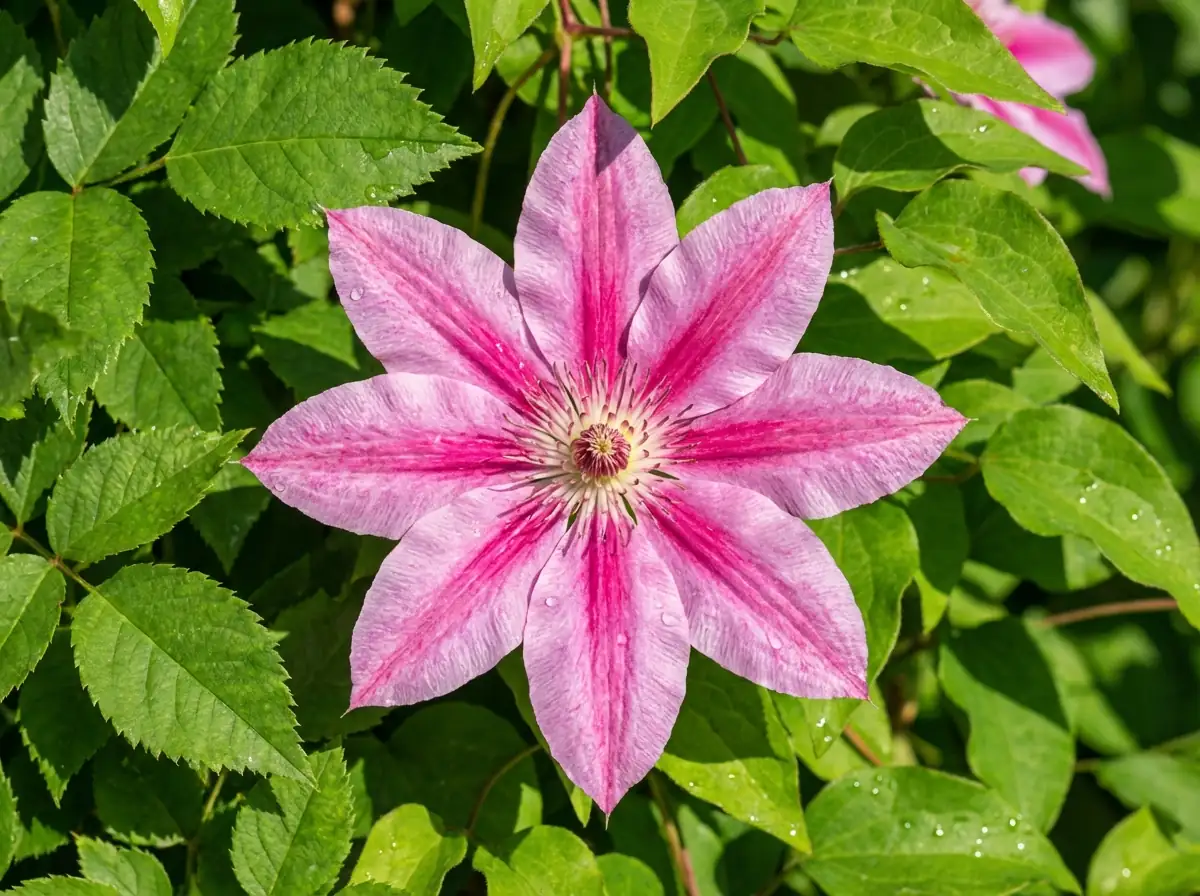
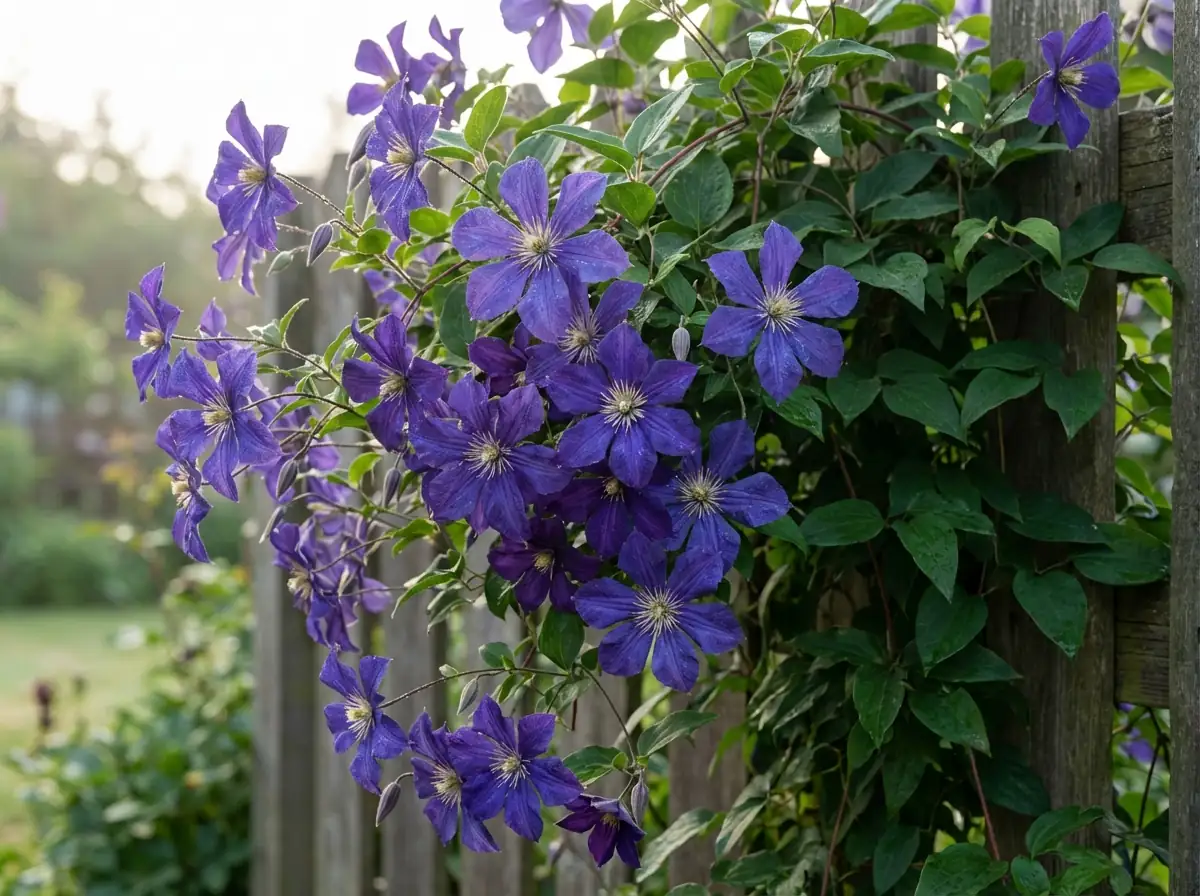
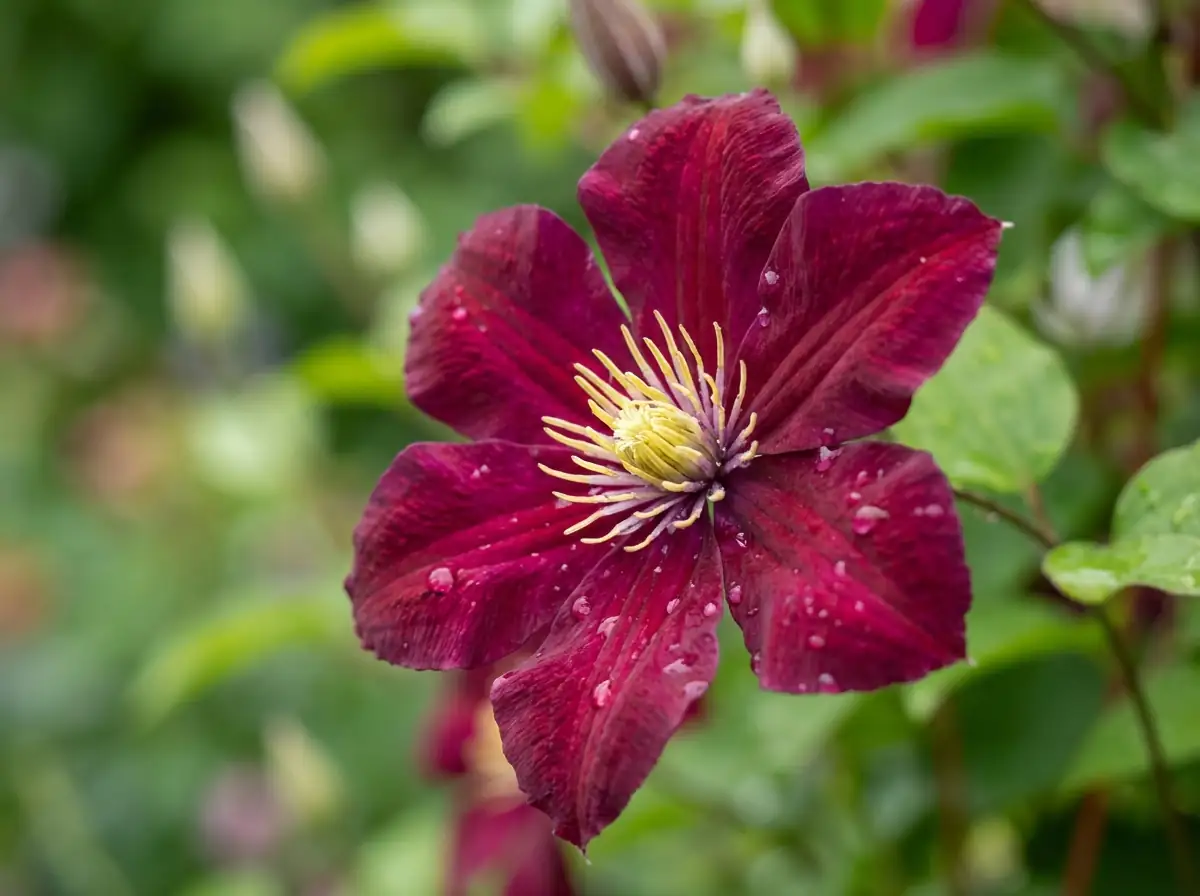
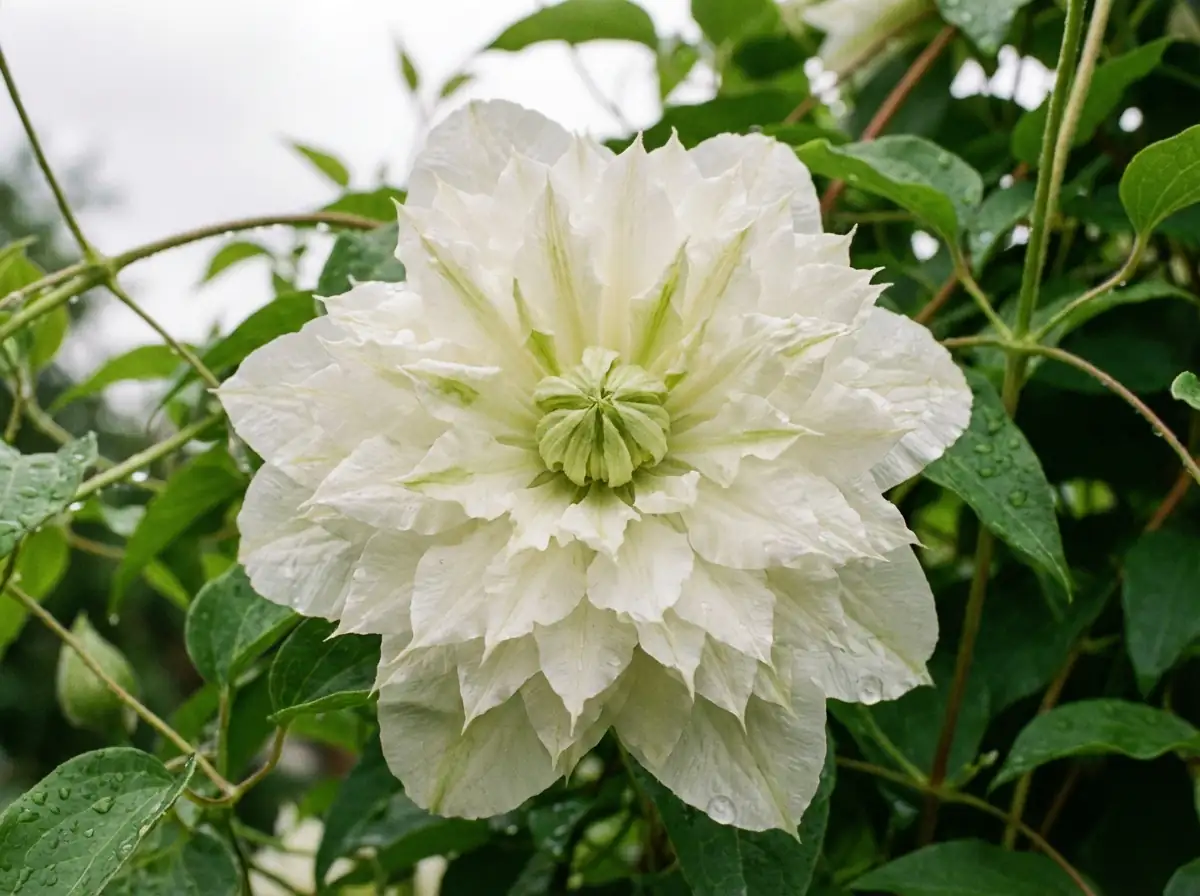
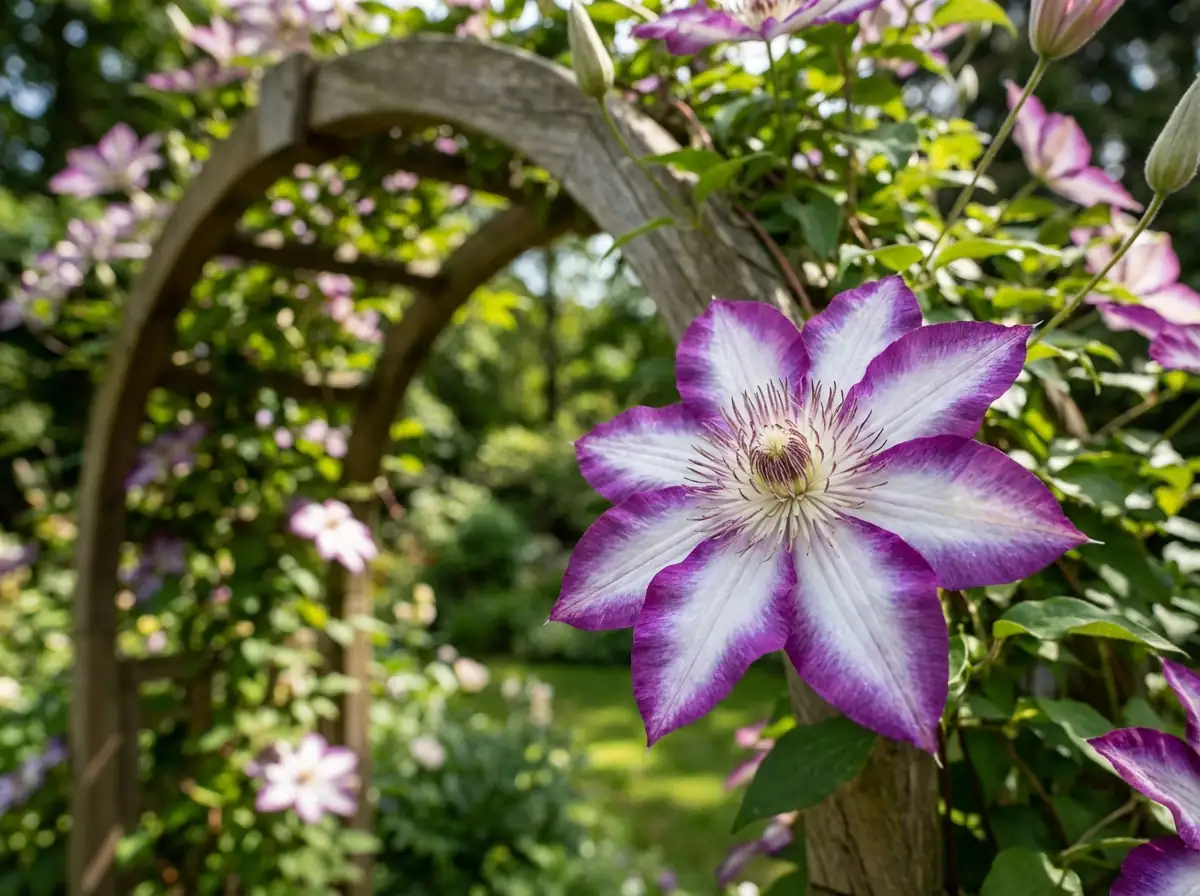
- Flower: Flowers vary dramatically by species and cultivar: many have 4–8 petal-like sepals (not true petals) forming starry or saucer shapes, while doubles stack extra layers for a ruffled look. Colors include white, cream, pink, red, purple, blue, and bicolors; centers often feature contrasting stamens, and some forms (notably many Clematis florida cultivars) have distinctive ornamental central structures. Bloom size can range from about 2 in (5 cm) to over 10 in (25 cm) across.
- Flowering Season: Variety-dependent: early spring (Group 1), late spring to early summer with possible repeat bloom (Group 2), or summer to fall (Group 3). Many Clematis florida types bloom mainly from summer into autumn.
- Growth Habit: Mostly woody (or semi-woody) climbing vines that cling by twining leaf stalks rather than tendrils or aerial roots. New stems can be surprisingly brittle, so gentle tying-in and training makes a big difference. Some clematis groups are less climbing or even herbaceous, but the classic garden clematis is a vertical, support-loving vine.
Environment
Sunlight
Bright light to full sun for best flowering (often 6+ hours), but many clematis appreciate protection from harsh midday/afternoon summer sun—especially in containers. The classic rule is “head in the sun, feet in the shade”: keep the vine bright while shading/cooling the root zone with mulch, stones, or low companion plants.
Temperature
As a broad genus, clematis spans a wide range: many garden types are hardy in USDA Zones 4–9 (down to about -20°F / -29°C), while some evergreen types are less hardy (often Zones 7–9). For warm-climate/container guidance (often used for C. florida), best growth is around 59–72°F (15–22°C); plants may tolerate short winter dips to about 23°F (-5°C) if protected and kept out of waterlogged soil. Prolonged extreme heat can stress many varieties.
Humidity
Moderate humidity suits clematis well. Good airflow is important—especially in pots and humid summers—to reduce powdery mildew and gray mold. Keep roots evenly moist, but avoid constantly wet foliage and stagnant, muggy corners.
Soil
Prefers fertile, organically rich, well-draining soil that holds moisture without becoming waterlogged. Many clematis do well at neutral to slightly alkaline pH (about 6.5–7.5) and are often lime/calcium tolerant; some varieties tolerate slightly more acidic conditions. For containers, a practical mix is compost/leaf mold + peat or coco coir + coarse sand/perlite for drainage. Avoid standing water and overly compacted, exhausted potting media.
Placement
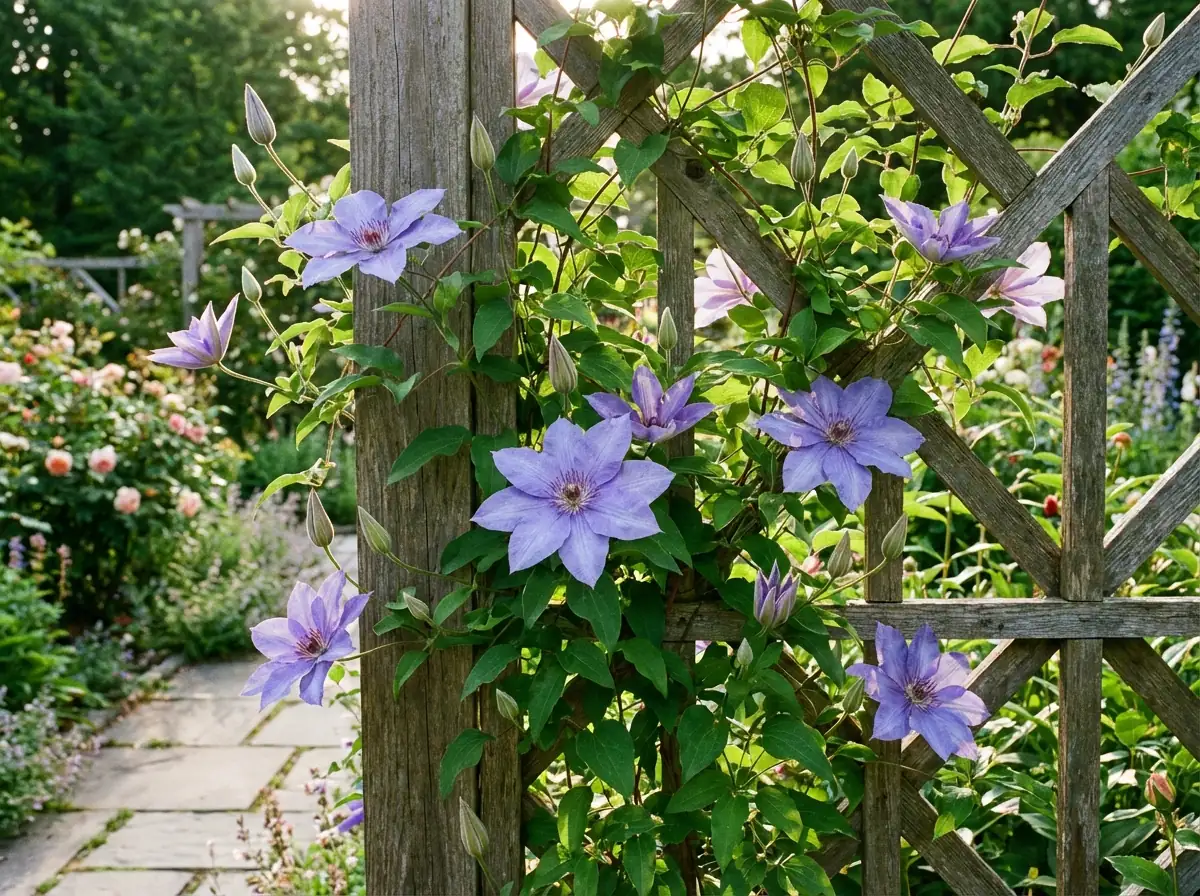
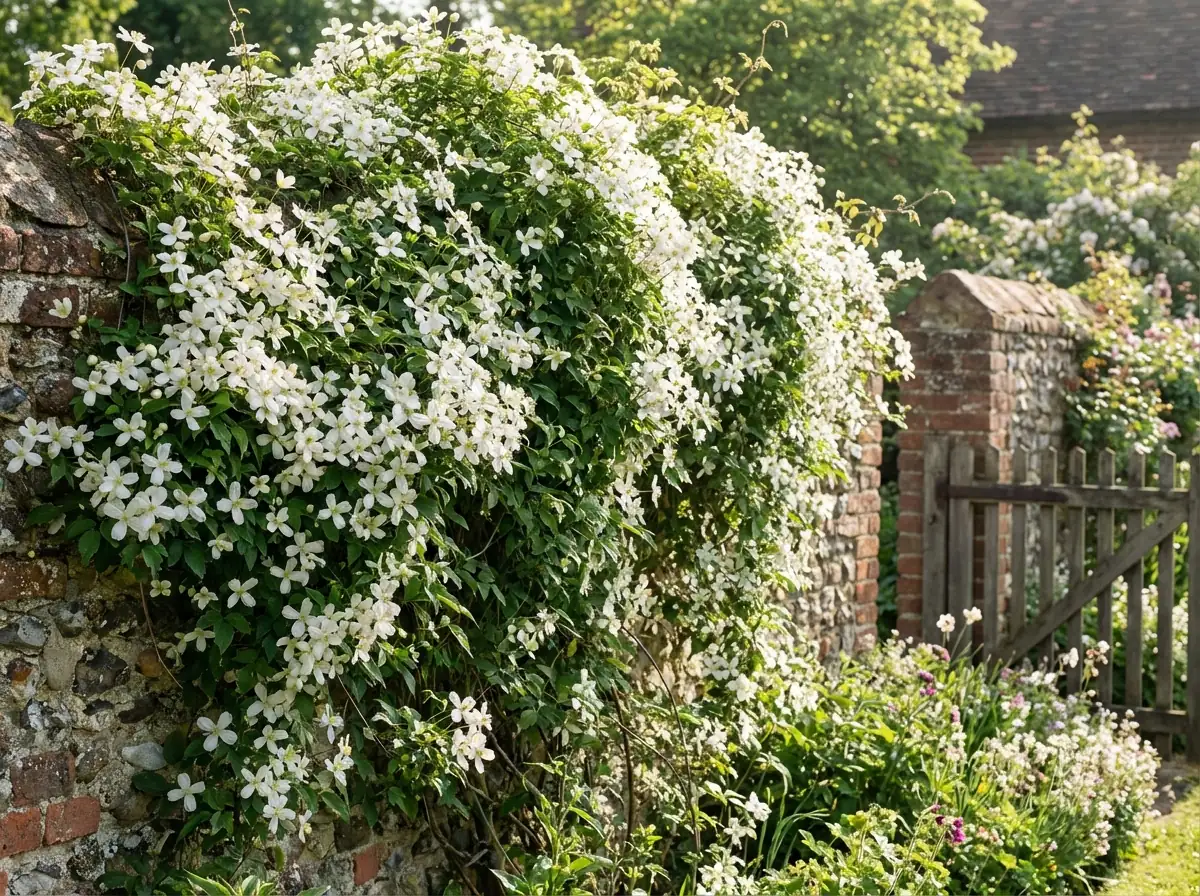
Outdoors: trellises, arbors, pergolas, fences, and walls; also looks beautiful weaving through shrubs or roses. Containers: a bright balcony/patio spot with afternoon shade is often ideal, always with a sturdy support. In colder regions, overwinter container plants in a brighter, sheltered location and protect the pot from hard freezes.
Hardiness
Generally hardy overall (many types Zone 4–9), but hardiness varies by species/cultivar group. Regardless of cold tolerance, clematis dislike waterlogging and drought; mulching helps protect roots from winter cold and summer overheating.
Care Guide
Difficulty
Moderate. Clematis is not fussy once established, but it does expect three things: reliable support, consistent moisture with excellent drainage, and pruning that matches its flowering group. Container plants also need closer attention to watering, feeding, and heat protection.
Buying Guide
Choose healthy container-grown plants with sturdy stems and plenty of evenly spaced, mid- to deep-green leaves. Ideally, pick plants with multiple shoots emerging from below the soil line and avoid yellowed foliage or signs of mold/pests. Buying while the plant is in bloom (often spring through summer depending on type) helps you confirm flower size and color. Match the cultivar to your climate (hardiness) and the bloom season you want.
Watering
Water deeply and regularly, especially in the first season. Aim for evenly moist soil/compost—never bone-dry, never soggy. Water when the surface/top 1 in (2.5 cm) begins to dry, then soak thoroughly until water drains from the bottom. Do not let pots sit in water. Water at the soil line to keep foliage drier and reduce fungal issues. In summer, increase watering during hot spells and shade the root zone; in winter, reduce watering so the rootball stays just barely moist.
Fertilization
Clematis are generally hungry plants. Mix in a base fertilizer or rich compost at planting, then feed during active growth. In-ground: a balanced feed in early spring and again in early summer works well; top-dress annually with compost or well-rotted manure. Containers: feeding about every 2 weeks through the growing season is commonly used, or use a slow-release fertilizer per label. When buds form, switch to (or emphasize) a higher phosphorus/potash “bloom” feed. Avoid excess nitrogen, which can produce lots of leaves at the expense of flowers and may shorten bloom quality.
Pruning
Pruning depends on the clematis group (this is the secret to success): Group 1 (spring bloomers on old wood) need minimal pruning—mainly dead/damaged wood after flowering; Group 2 (large-flowered, bloom on old and new wood) get light pruning in late winter/early spring (remove weak stems, tidy and shorten to strong buds); Group 3 (summer/fall bloomers on new wood) are usually hard-pruned to about 12–18 in (30–45 cm) in late winter/early spring. For container training, pinch young plants to encourage branching, tie stems in gently (they snap easily), and thin congested growth yearly; older plants can be rejuvenated with a harder prune. A common practice after planting is cutting shoots back to about 12 in (30 cm); after the next repotting, stronger plants may be left with 24–28 in (60–70 cm) stems.
Propagation
Most commonly by semi-ripe/semi-hardwood cuttings in late spring to summer (often May–June): take 4–6 in (10–15 cm) pieces with 2 nodes/buds and root in a moist, airy medium; many root in about 2–6 weeks depending on warmth and species. Layering in early spring is also reliable: lightly wound a stem and bury it about 1.2–1.6 in (3–4 cm) deep, keeping it moist until rooted. Seeds are possible but slow and variable; many benefit from cold stratification and may take weeks to months to germinate.
Repotting
Use a large, well-draining pot with drainage holes and a sturdy support. For young plants, 6–8 in (15–20 cm) diameter is common to start, but long-term container clematis perform best in much larger pots (often at least 18 in / 45 cm deep and wide) to keep roots cool and evenly moist. Set the crown slightly deeper than it was in the nursery pot (commonly with roots covered by about 2 in / 5 cm of mix). Repot every 2–3 years (or when root-bound), typically in spring or after flowering, refreshing the mix and checking drainage.
📅 Seasonal Care Calendar
Spring: plant or repot; begin feeding once growth starts; keep evenly moist; prune according to group (late winter/early spring for many). Summer: peak bloom for many types; water consistently, shade roots, and ensure airflow; tie in new growth. Autumn: a good time to plant in mild climates; take cuttings; reduce feeding and focus on drainage/airflow. Winter: dormant season for most; reduce watering; protect container roots from freezing; prune Group 3 in late winter/early spring.
Pests, Diseases & Safety
Common Pests & Diseases
Common problems include clematis wilt (often linked to Phoma clematidina) that causes sudden collapse and blackening of stems—remove affected stems down to healthy tissue (sometimes to ground level) and the plant often resprouts. Powdery mildew and gray mold (Botrytis) can appear with poor airflow, crowded growth, or persistently wet foliage—water at the base, improve ventilation, and remove infected material promptly. Other issues include leaf spots and occasional viruses. Pests may include aphids, spider mites, slugs/snails, earwigs, and caterpillars; manage early with hand-picking, barriers, rinsing, insecticidal soap, or horticultural oil as appropriate.
Toxicity
Clematis contains irritant compounds: sap can cause skin irritation/dermatitis in sensitive people, and chewing or ingesting plant parts may upset the mouth and digestive tract in people or pets. Wear gloves if you react to sap, and keep plants away from children and pets that like to nibble.
Culture & Symbolism
Symbolism: Clematis is often linked with mental beauty, cleverness, ingenuity, and aspiration—fitting for a plant that literally climbs upward. Some traditions also associate it with purity and a “beautiful heart.” In Victorian flower language, gifting clematis hinted that you admired someone’s wit and intellect; color meanings are sometimes layered in too (for example, white for purity, purple for dignity/admiration, pink for joyful admiration).
History & Legends: The name “Clematis” comes from the Greek “klēma,” meaning vine or tendril. Clematis has long been appreciated in East Asia (including China and Japan) and entered European horticulture in the 18th–19th centuries. A major turning point was the introduction of famous hybrids such as ‘Jackmanii’ (1862), which helped ignite the clematis craze and shaped many modern large-flowered garden varieties.
Uses: Primarily ornamental: trained over trellises, arches, fences, pergolas, and walls, or grown in containers to dress up balconies and patios with vertical color. Some types can be grown through companion shrubs/roses for a layered cottage-garden look, and a few are used as ground cover. Certain clematis can be used as cut flowers. While some species appear in traditional medicine history, self-medicating is not recommended due to irritation/toxicity risk. Ecologically, clematis can support insects; foliage may feed some butterfly and moth caterpillars.
FAQ
When should I plant clematis?
Early spring or fall is ideal, when temperatures are mild. Container-grown plants can be planted anytime with extra watering. Many gardeners plant clematis a little deeper than it sat in the pot to encourage stronger regrowth if stems are ever damaged by wilt.
Why is my clematis not flowering?
The usual suspects are: not enough light, the wrong pruning timing (buds cut off), too much nitrogen fertilizer, or a plant that’s still settling in (it can take 2–3 years to really shine). Also check moisture and root temperature—hot, dry roots can stall bloom.
How do I know which pruning group my clematis belongs to?
Group 1 blooms in early spring on old wood (examples include C. montana, C. alpina). Group 2 blooms in late spring/early summer mostly on old wood but can rebloom on new growth (many large-flowered hybrids). Group 3 blooms in summer/fall on new wood (examples include C. viticella and many late-flowering types). If you’re unsure, check the plant label or cultivar notes—pruning correctly makes a huge difference.
Can clematis grow in containers?
Yes—choose compact varieties when possible, use a roomy pot with excellent drainage, and provide a sturdy trellis. Container clematis need more consistent watering and regular feeding, and they benefit from shading the pot/root zone in summer and insulating the container in winter.
Why are some leaves turning yellow and drying out?
In containers, yellowing is commonly caused by low nutrients, old/compacted potting mix, waterlogged roots from poor drainage, or (for lime-loving types) overly acidic soil. Refresh the mix, improve drainage, feed appropriately, and keep moisture steady—moist, not soggy.
Fun Facts
- Clematis is nicknamed the “Queen of Climbers” for its ability to cover vertical spaces with flowers.
- What look like petals are usually sepals—true petals are often absent.
- The genus includes roughly 380 species, making it one of the larger groups in the buttercup family.
- Young clematis stems can be brittle; gentle tying-in prevents many heartbreak snaps.
- Some varieties can bloom across multiple seasons, depending on pruning group and growing conditions.
- The classic hybrid ‘Jackmanii’ (introduced in 1862) has stayed popular for more than a century.