Plant Features
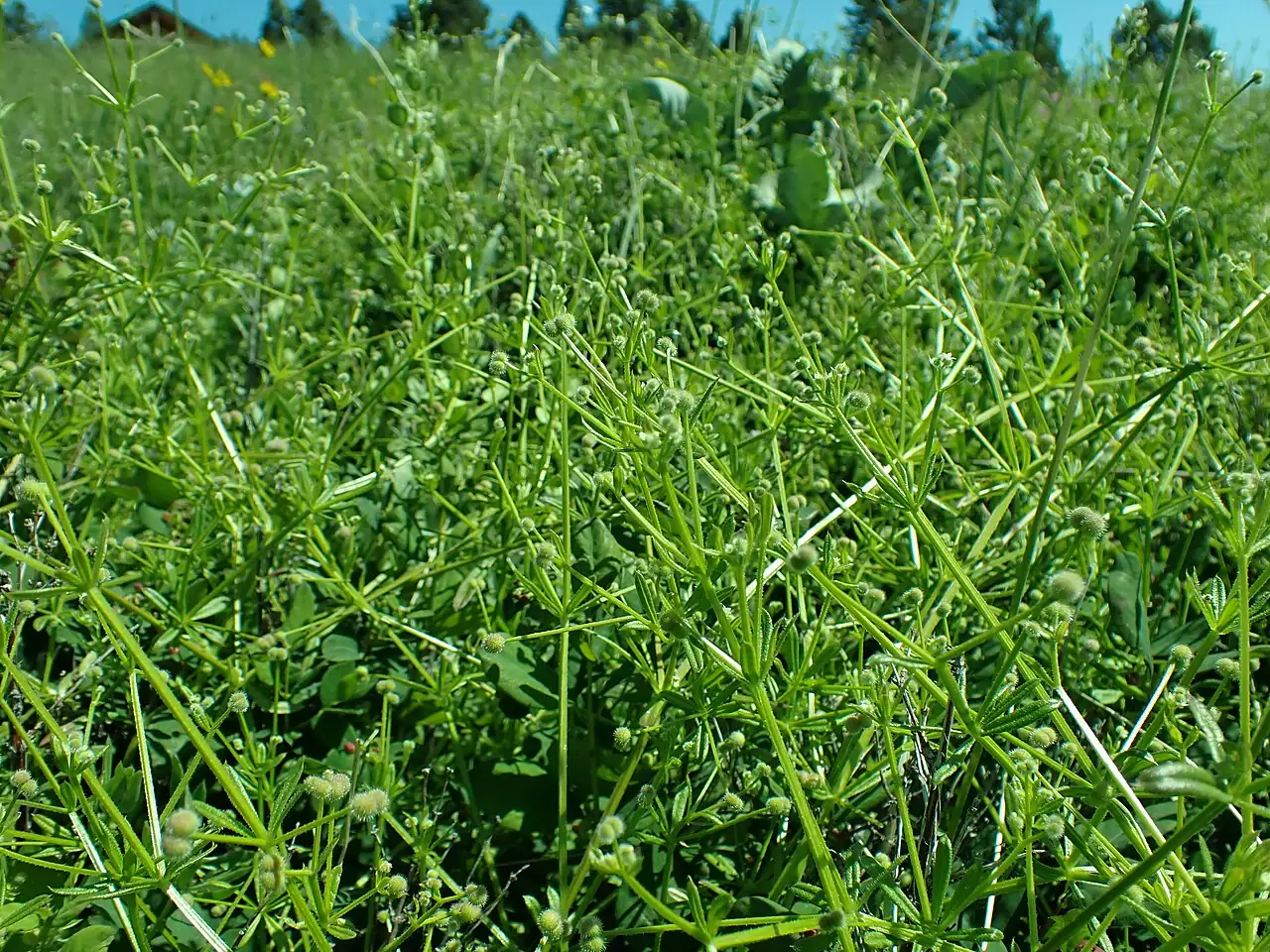
- Size: Typically 30–90 cm (12–35 in) tall, often sprawling, forming loose mats, or climbing over surrounding vegetation for support.
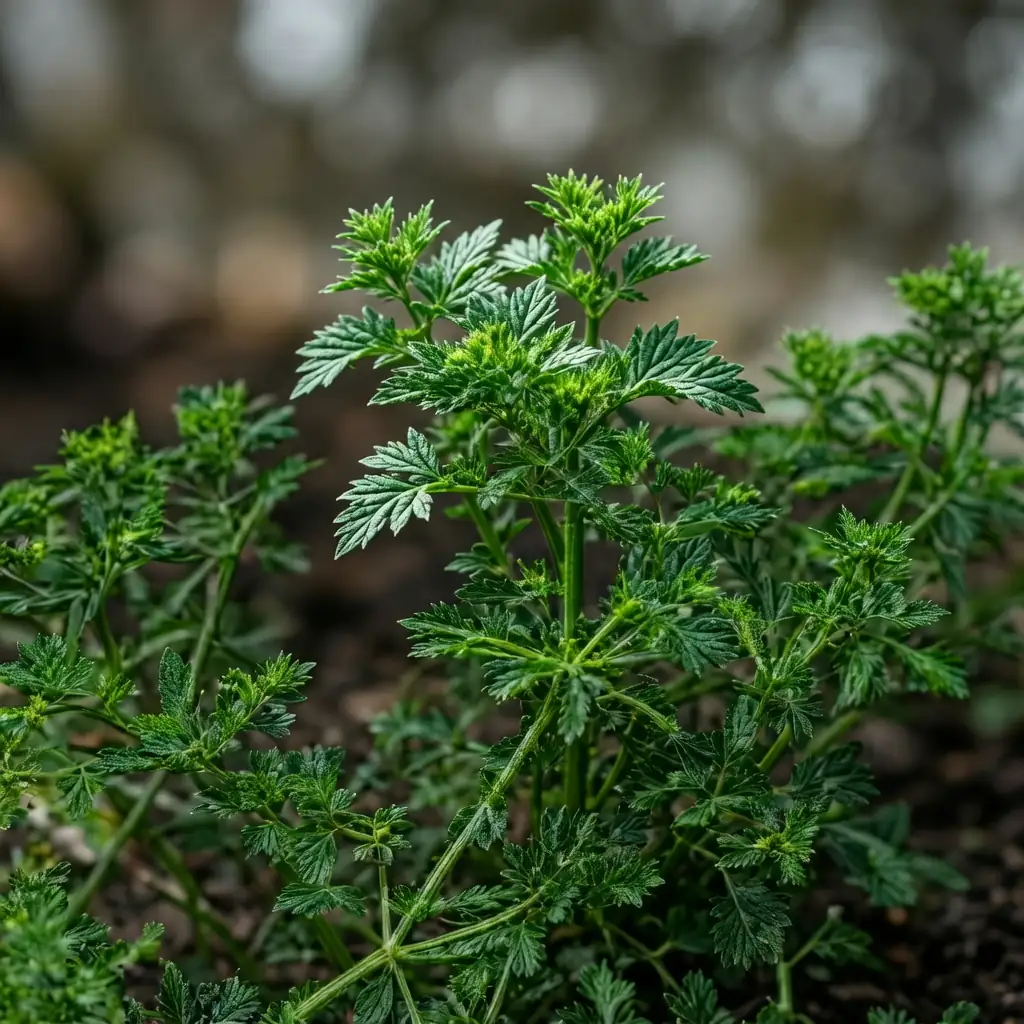
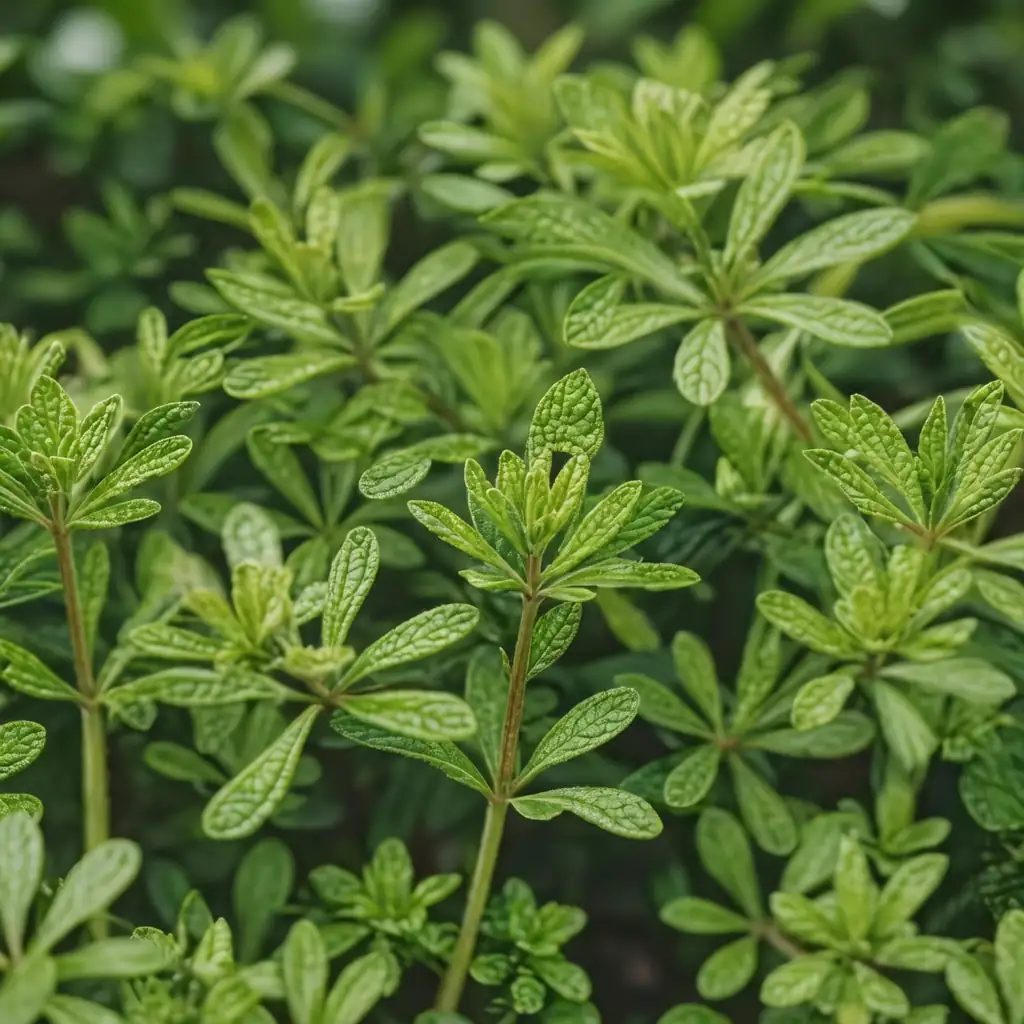
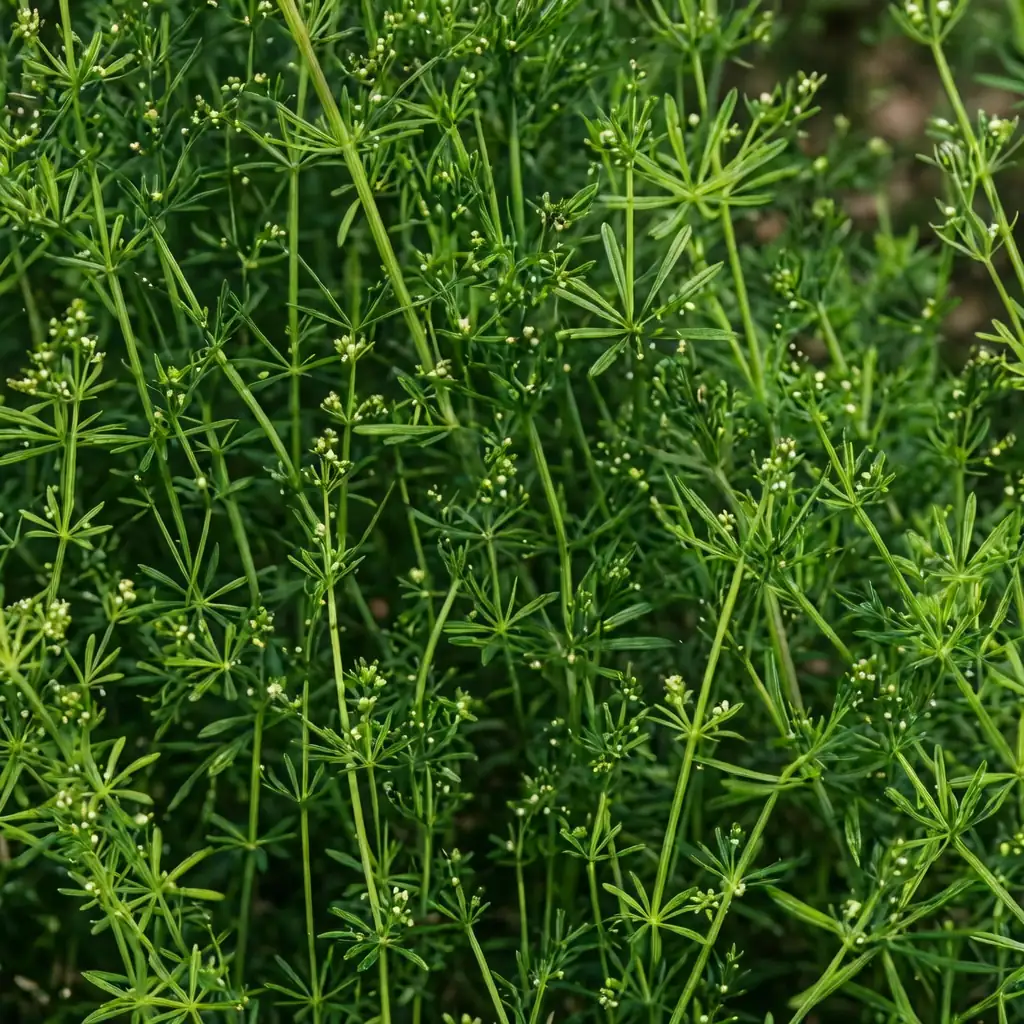
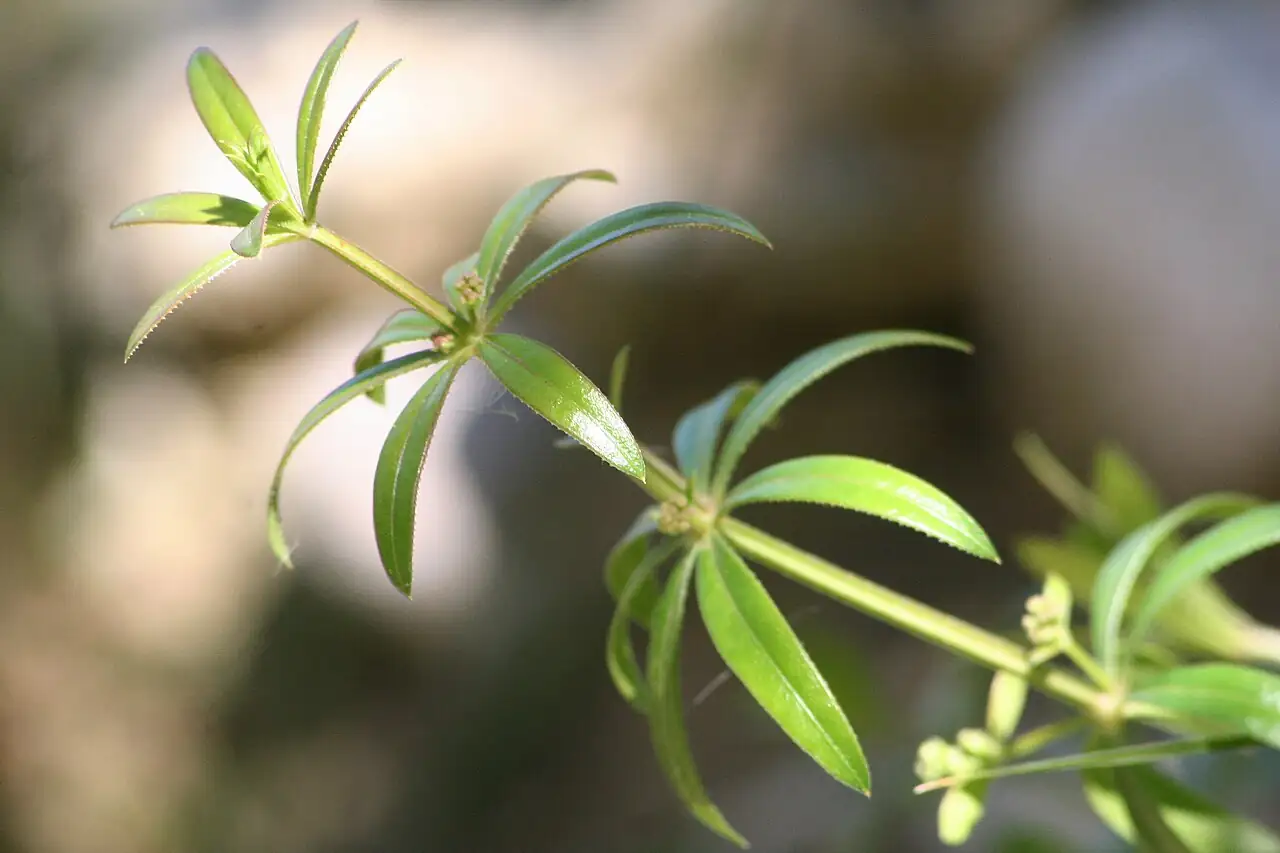
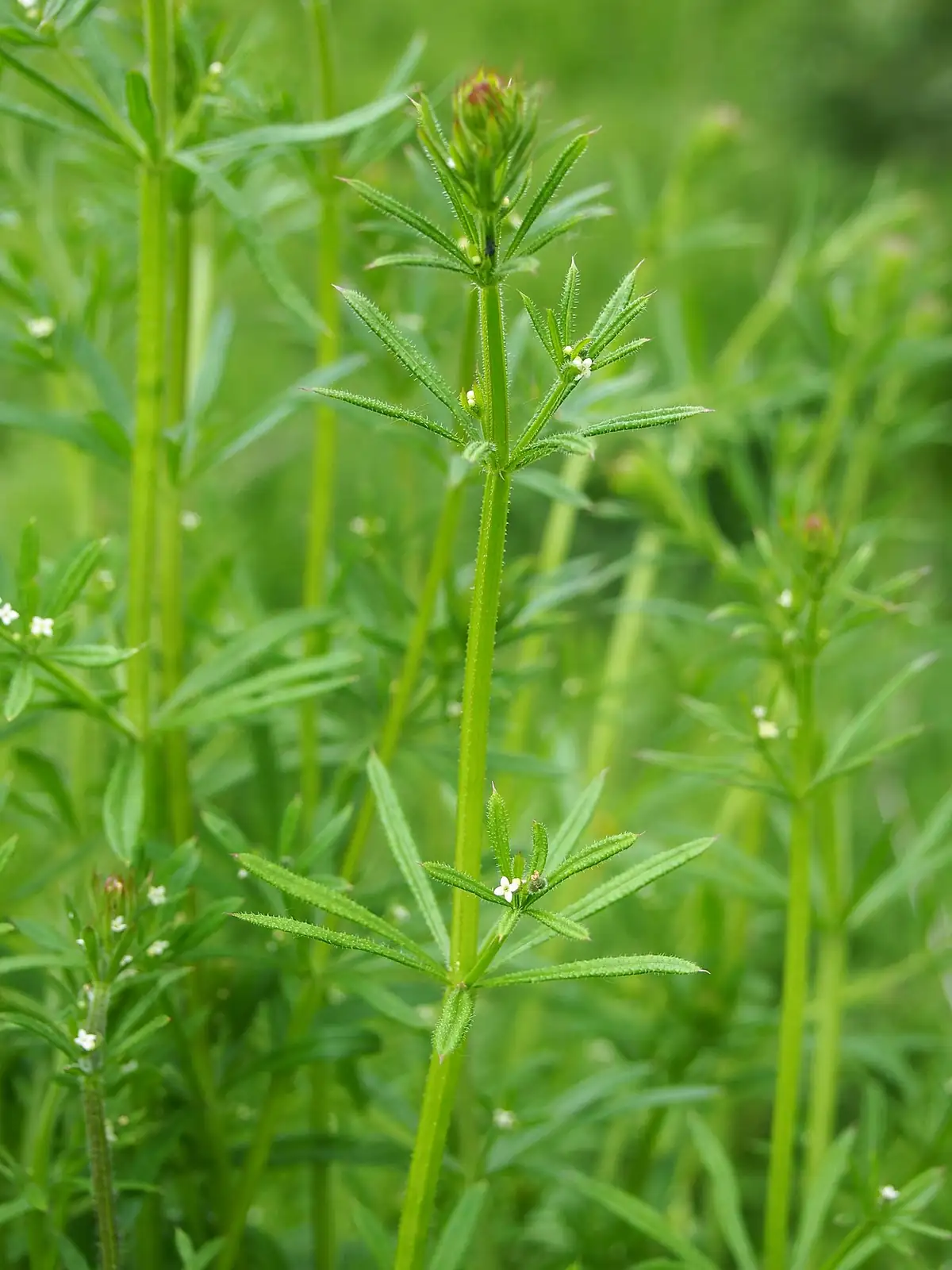
- Foliage: Leaves are papery to thin-membranous and arranged in whorls of 6–8. They are narrow with a tapered base. A key touch-and-feel trait is the roughness: stems, leaf margins, and the midrib carry backward-pointing hooked bristles that let the plant latch onto whatever brushes past.
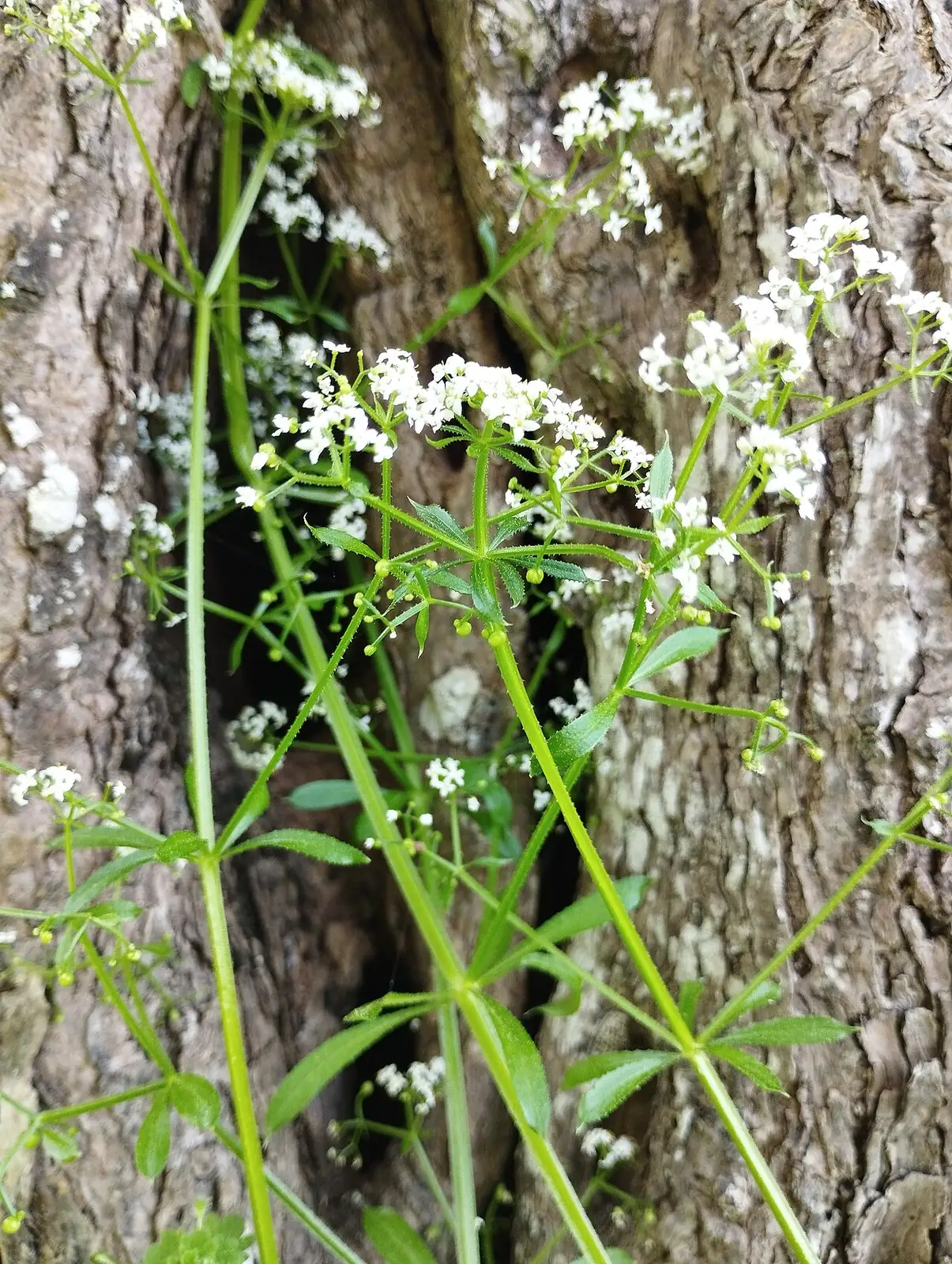
- Flower: Flowers are tiny and understated, appearing in axillary or terminal clusters. Corolla color ranges from greenish-yellow to whitish, and nearby parts can be bristly/hooked, echoing the plant’s overall “sticky” character.
- Flowering Season: March–July
- Growth Habit: Scrambling, clinging herb that tangles through other plants or spreads into loose mats; highly adaptable and quick to take advantage of open space.
Environment
Sunlight
Full sun to partial shade; happiest in open ground, edges, and lightly shaded sites.
Temperature
Cool-season tolerant; grows most actively in mild conditions around 5–20°C (41–68°F).
Humidity
Adaptable; prefers moderate moisture and tolerates humid conditions if airflow is good.
Soil
Flexible about soil type; best growth in moderately fertile, well-drained soil that stays evenly moist (not soggy).
Placement
Naturalistic or semi-wild areas (meadows, field edges, woodland margins). In gardens, keep it where spreading won’t be a problem, or be ready to manage it.
Hardiness
Generally cold-hardy across temperate regions; often treated as hardy to USDA Zone 3–10 (about -40 to -1°C / -40 to 30°F depending on local ecotype and interpretation).
Care Guide
Difficulty
Easy—almost too easy. Very adaptable and may spread readily if allowed to set seed.
Buying Guide
More commonly encountered in the wild than purchased. If sourcing seed, confirm the correct Galium aparine taxon, and avoid introducing it to places where it could behave invasively or become a persistent weed.
Watering
Water to establish, keeping soil lightly moist. Once settled, water mainly during extended dry spells. Avoid constantly waterlogged conditions, which can encourage mildew in dense growth.
Fertilization
Usually unnecessary. If plants look weak in very poor soil, use a light, balanced fertilizer in spring at half strength.
Pruning
To prevent spread, cut back or pull plants before fruits/seeds mature. Wear gloves if you have sensitive skin—the hooked hairs can feel scratchy and irritating.
Propagation
Primarily by seed and often self-seeds freely. Stems that remain in contact with moist soil may also root or regrow from nodes, helping patches persist.
Repotting
Not commonly grown long-term in containers. If kept temporarily in a pot, refresh the mix and move up one pot size once root-bound.
📅 Seasonal Care Calendar
Spring: rapid growth and flowering—thin, guide, or remove tangles early. Summer: remove plants before seeds mature if you don’t want more next season. Autumn: new seedlings may appear in mild climates. Winter: growth slows or dies back in colder regions.
Pests, Diseases & Safety
Common Pests & Diseases
Usually trouble-free. In dense, damp patches it may develop light leaf spot or mildew—improve airflow, thin growth, and avoid overhead watering if problems show up.
Toxicity
Not generally considered highly toxic, but the rough hooked hairs can irritate skin. Discourage pets from eating large quantities, and follow trusted local guidance before any medicinal use.
Culture & Symbolism
Uses: Often tolerated or used in naturalistic planting for a cool-season, ‘wild’ groundcover effect; also a very common hedgerow and field-edge plant recognized for its clingy habit.
FAQ
Why does cleavers stick to my clothes and other plants?
The stems and leaf edges are lined with tiny backward-pointing hooked bristles, which snag fabric, fur, and neighboring vegetation—helping the plant scramble upward for light.
How can I stop it from spreading?
Pull or cut it down before fruits and seeds mature, and patrol edges for seedlings. It’s easiest to hand-pull when the soil is moist.
Fun Facts
- In China it is widespread across most regions except Hainan and the South China Sea islands.
- It thrives in everyday ‘in-between’ habitats—ditches, lakesides, open ground, hillsides, woodland edges, and grasslands.
- Signature ID feature: hooked, backward-pointing bristles on stems, leaf margins, and the midrib; leaves appear in whorls of 6–8.
- Main flowering period is March–July; fruits are often present from April–November.
- If it’s suddenly all over you after a walk, you’ve just experienced its natural climbing strategy.