Plant Features
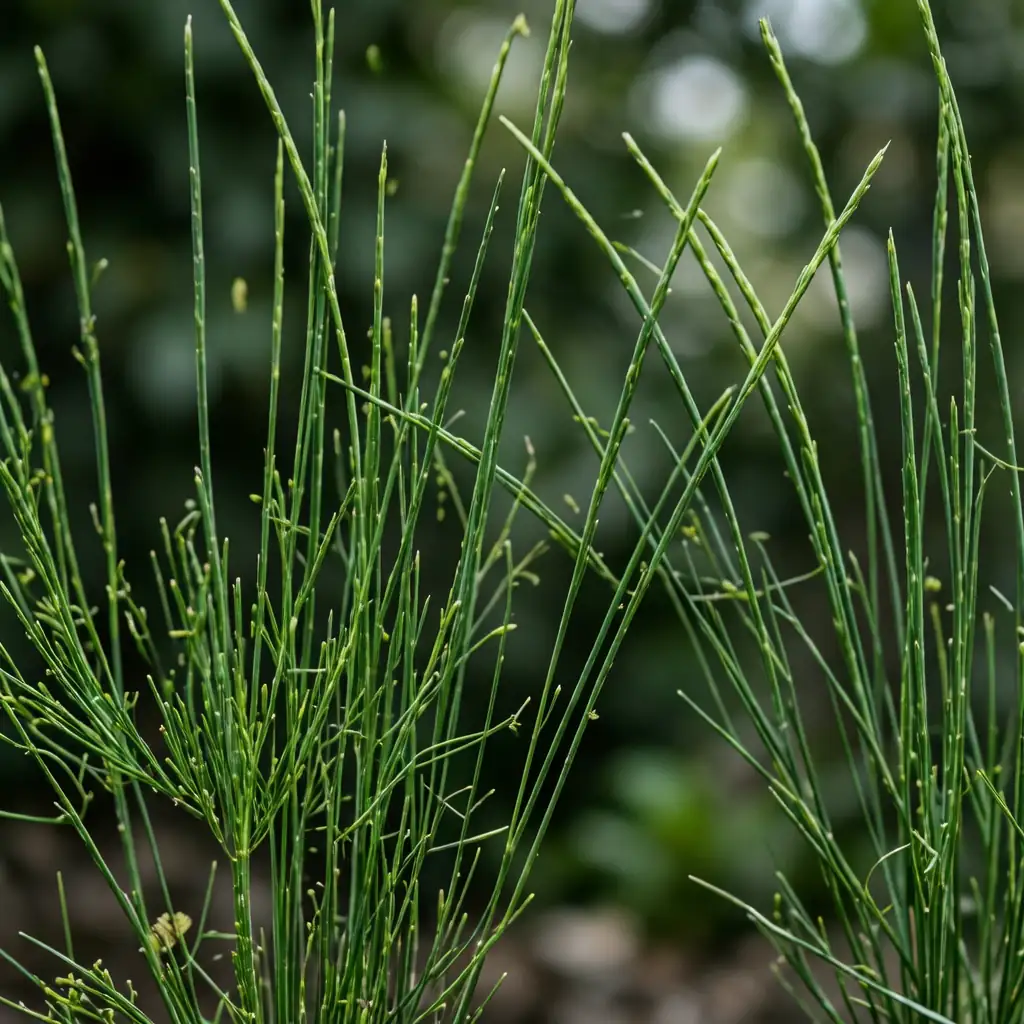
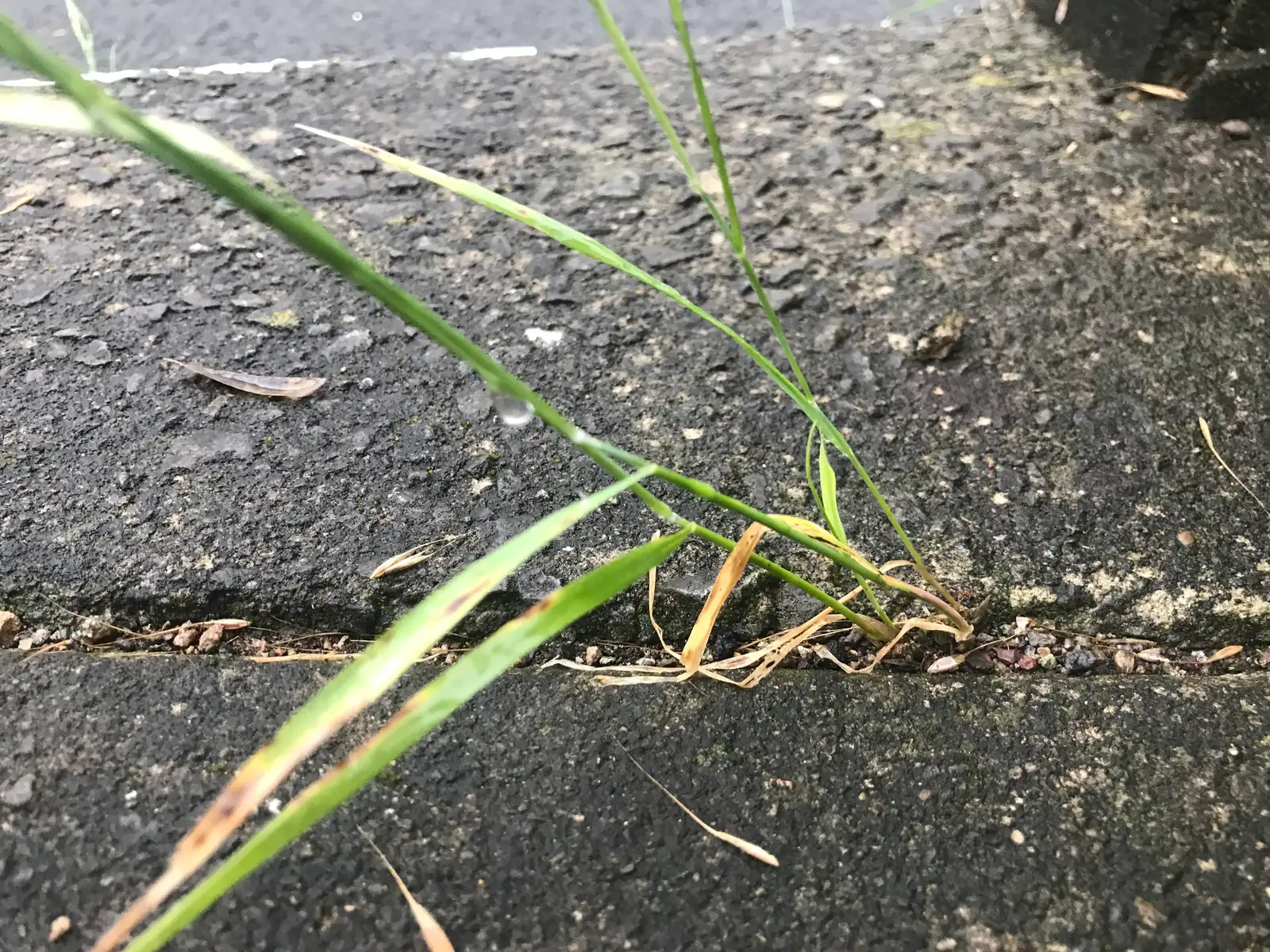
- Size:40–80 cm (16–31 in) tall; typically forms loose clumps rather than a dense tuft.
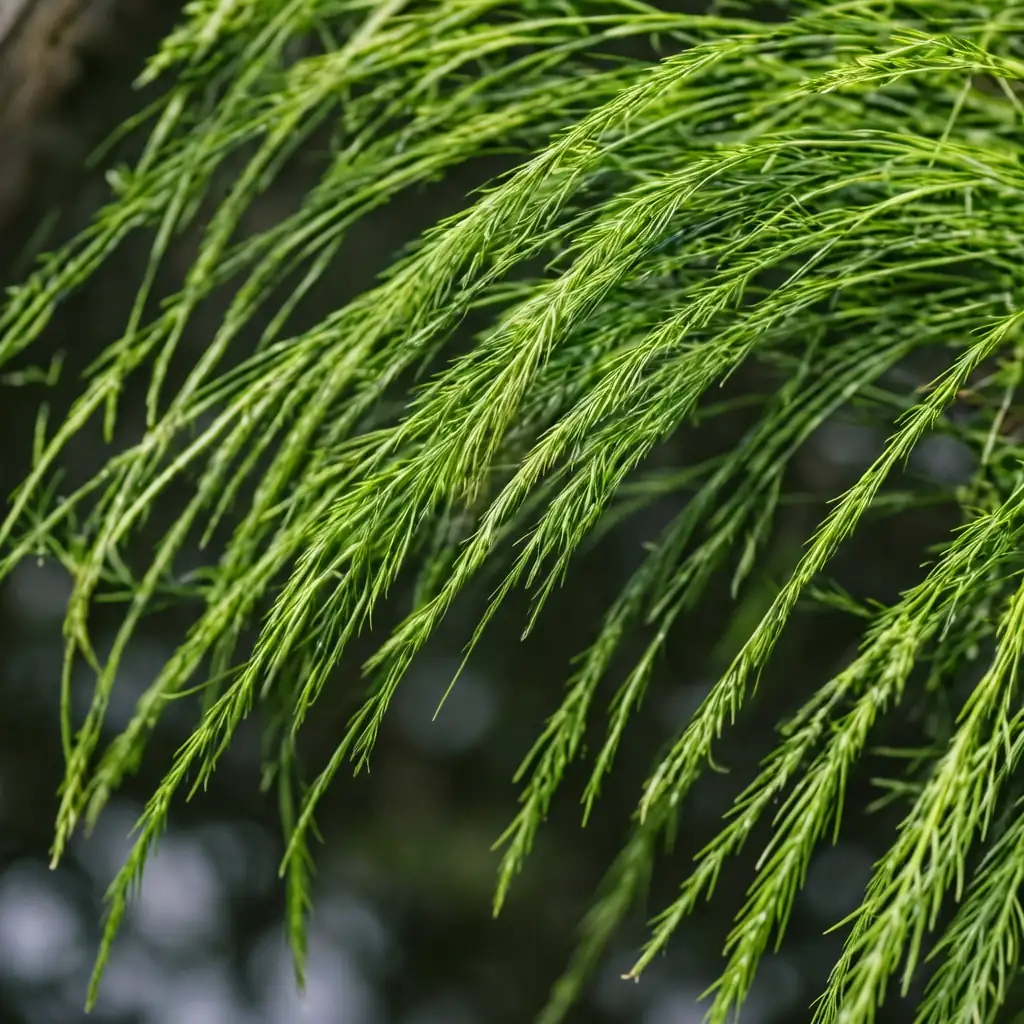
- Foliage: Leaves are flat with rough-feeling margins. Stems are upright and smooth (hairless), appearing solitary or loosely clumped. The lower nodes often bend slightly (a “kneed” look), and the stems can sometimes appear faintly whitish or powdery.
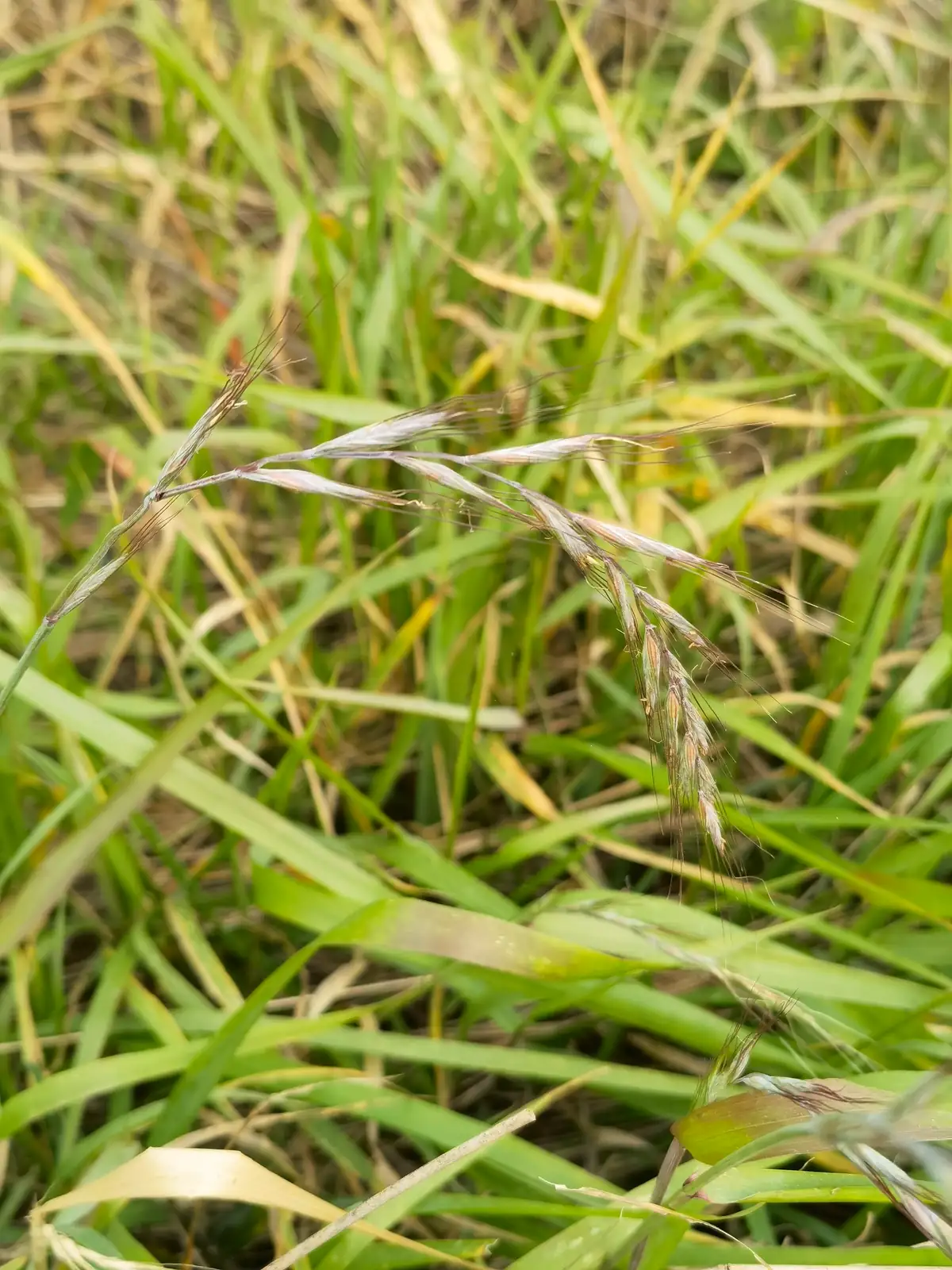
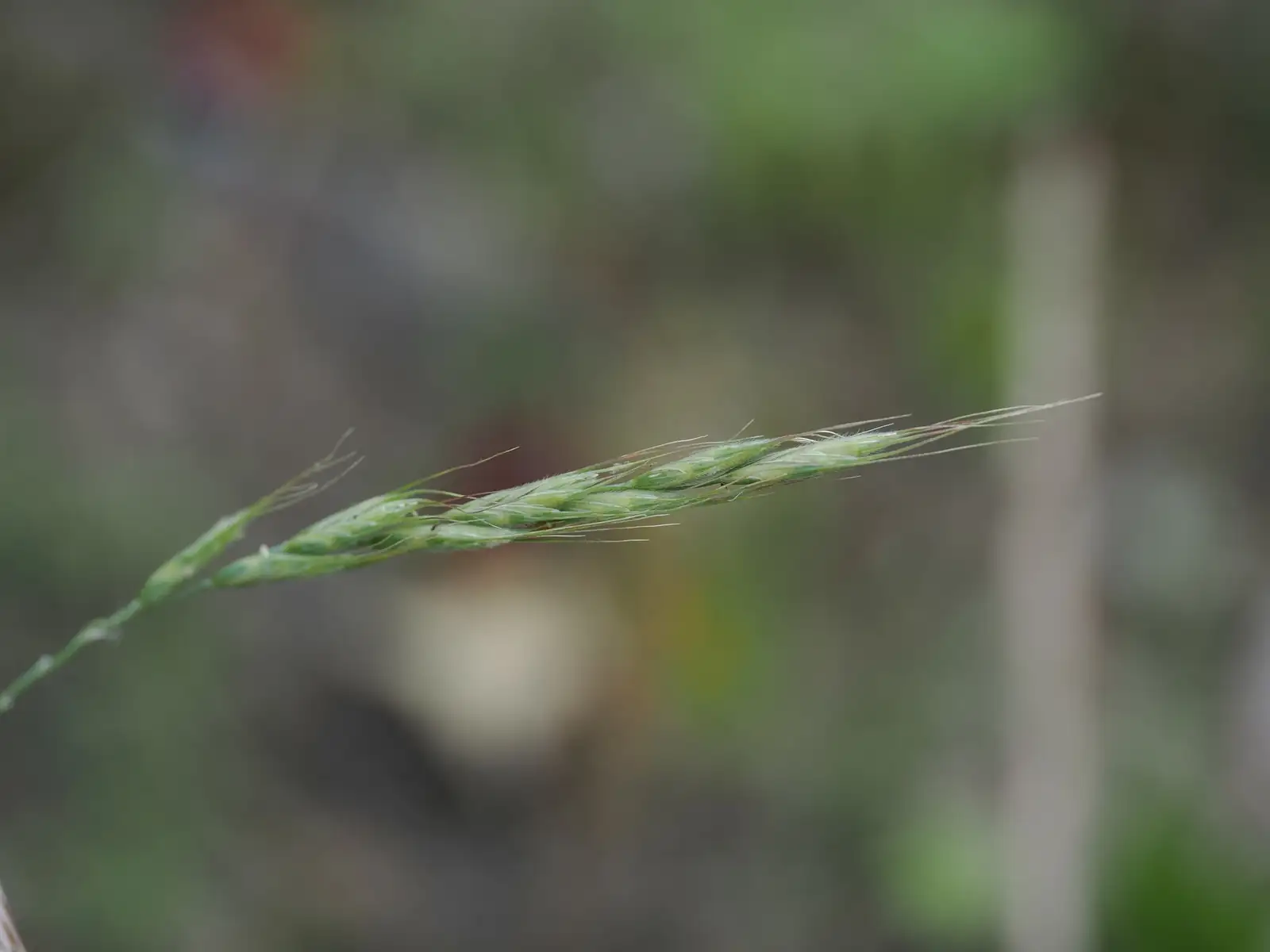
- Flower: Produces a narrow grass spike (a wheat-like head), upright to slightly drooping. Spikelets are usually green. Flowering occurs in spring, followed by seed development that ripens from late spring into early summer.
- Flowering Season: April–May (approx.)
- Growth Habit: Perennial, upright, clump-forming grass; stems solitary or in loose tufts, with slightly bent basal nodes.
Environment
Sunlight
Full sun to light shade; best flowering and seed set typically occur in full sun.
Temperature
Prefers mild to warm growing seasons; typical active growth range about 15–30°C (59–86°F).
Humidity
Does best with moderate to fairly high humidity and consistently moist soil; once established, it can tolerate short dry spells.
Soil
Moist but well-drained soil is ideal. Adapts to many soil types as long as moisture is available; commonly found on damp grassland, roadsides, and slopes.
Placement
Outdoors in meadow plantings, naturalistic borders, roadside-style seed mixes, or restoration sites where moisture is reliable.
Hardiness
Cold-hardy temperate grass; approximately USDA Zone 4–9 (down to about −34°C / −30°F in the coldest parts of that range, depending on local conditions).
Care Guide
Difficulty
Easy in suitable outdoor climates; success mainly comes down to giving it room and keeping moisture steady during active growth.
Buying Guide
If buying seed or plants, confirm the label reads Elymus ciliaris. Choose fresh, clean seed and avoid mixes contaminated with other grass species if you want true-to-type plants.
Watering
Keep soil evenly moist while establishing. After establishment, water during extended dry periods; avoid persistently waterlogged conditions.
Fertilization
Usually unnecessary in average soils. For extra-lush growth, use a light balanced feed in spring, but avoid heavy fertilization (too much can cause lodging/flopping).
Pruning
Cut back old stems after seeds drop, or tidy in late winter/early spring before new growth starts. For a neater look, shear after flowering.
Propagation
Primarily by seed (sow in autumn or spring). Clumps can also be divided in spring or early autumn where practical.
Repotting
Not commonly kept long-term in containers. If grown in a pot, refresh the mix and divide when crowded every 1–2 years.
📅 Seasonal Care Calendar
Spring: active growth and flowering—keep evenly moist. Late spring to early summer: seeds ripen. Late summer–autumn: optional division and site management. Winter: cut back dead stems before new growth resumes.
Pests, Diseases & Safety
Common Pests & Diseases
Generally low-maintenance and trouble-free. Occasional issues may include rusts, leaf spots, or aphids. Improve airflow, avoid excess nitrogen, and remove heavily infected material if needed.
Toxicity
Not known to be toxic to people or pets and is commonly treated as a forage grass. As with many grasses, the seed heads can be mildly irritating if they get into the eyes/ears of animals.
Culture & Symbolism
Symbolism: Often linked with resilience and adaptability—fitting for a grass that handles open, disturbed, and reliably moist places with ease.
History & Legends: No widely documented legends; it’s best known as a regional wild grass with practical value as forage and ground cover in suitable habitats.
Uses: Forage: young shoots and leaves are tender and readily grazed by livestock. Also useful in naturalistic planting schemes and for habitat/soil-cover roles in moist sites.
FAQ
Is ciliate wild rye suitable for gardens?
Yes—especially in meadow-style or naturalistic plantings. Give it sun (or light shade), reliably moist but well-drained soil, and a bit of room to form loose clumps.
When does it flower and set seed?
It typically flowers in spring (around April–May), with seeds ripening from late spring into early summer (often May–June), depending on local climate.
Fun Facts
- Its young growth is notably soft, which is one reason grazing animals often prefer it.
- It’s widely recorded across much of China, especially in places with dependable moisture.
- The flower head is a true grass “spike,” giving it a clean, wheat-like silhouette in spring.