Plant Features
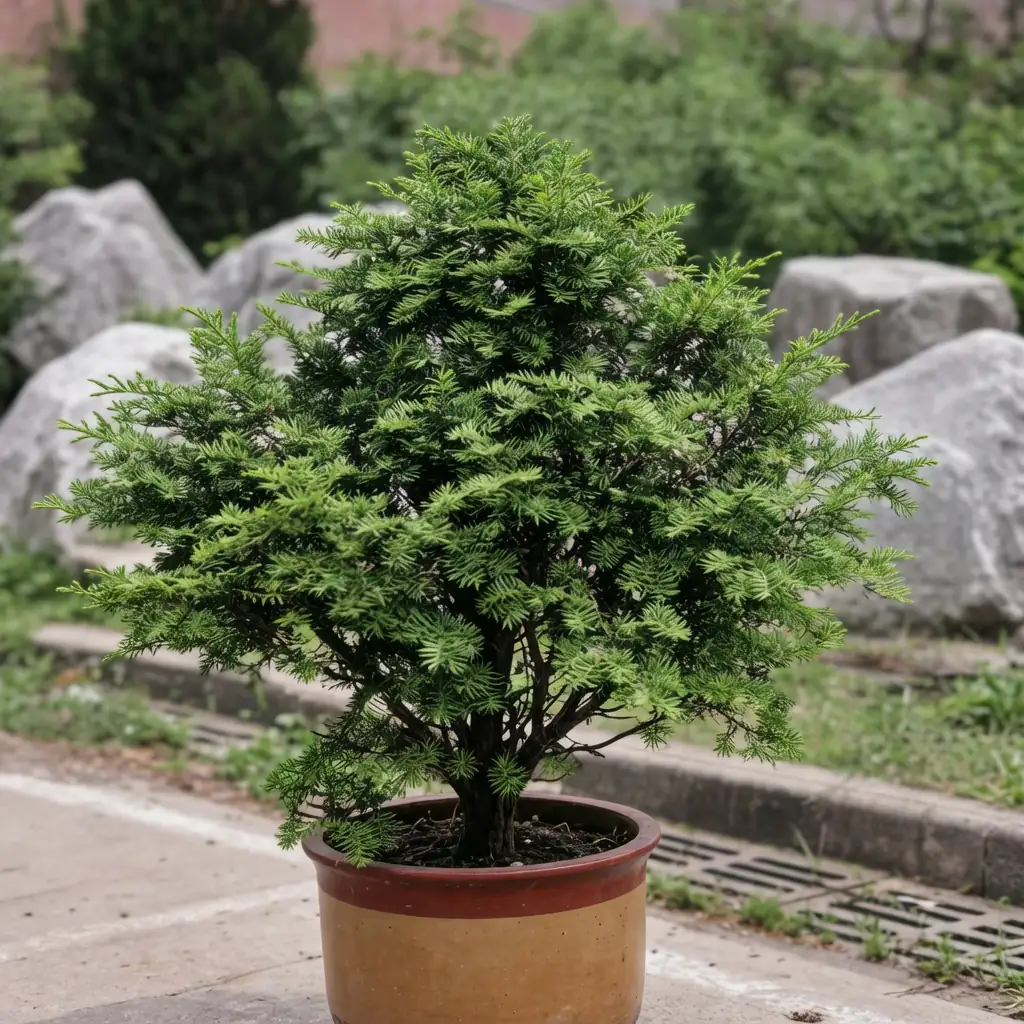
- Size: Evergreen tree; in landscapes it commonly reaches about 10–20 m (33–66 ft) or more with time. Potted plants sold commercially are typically young (around 3–4 years old). Example trunk diameters seen in trade: 2–4 cm (0.8–1.6 in).
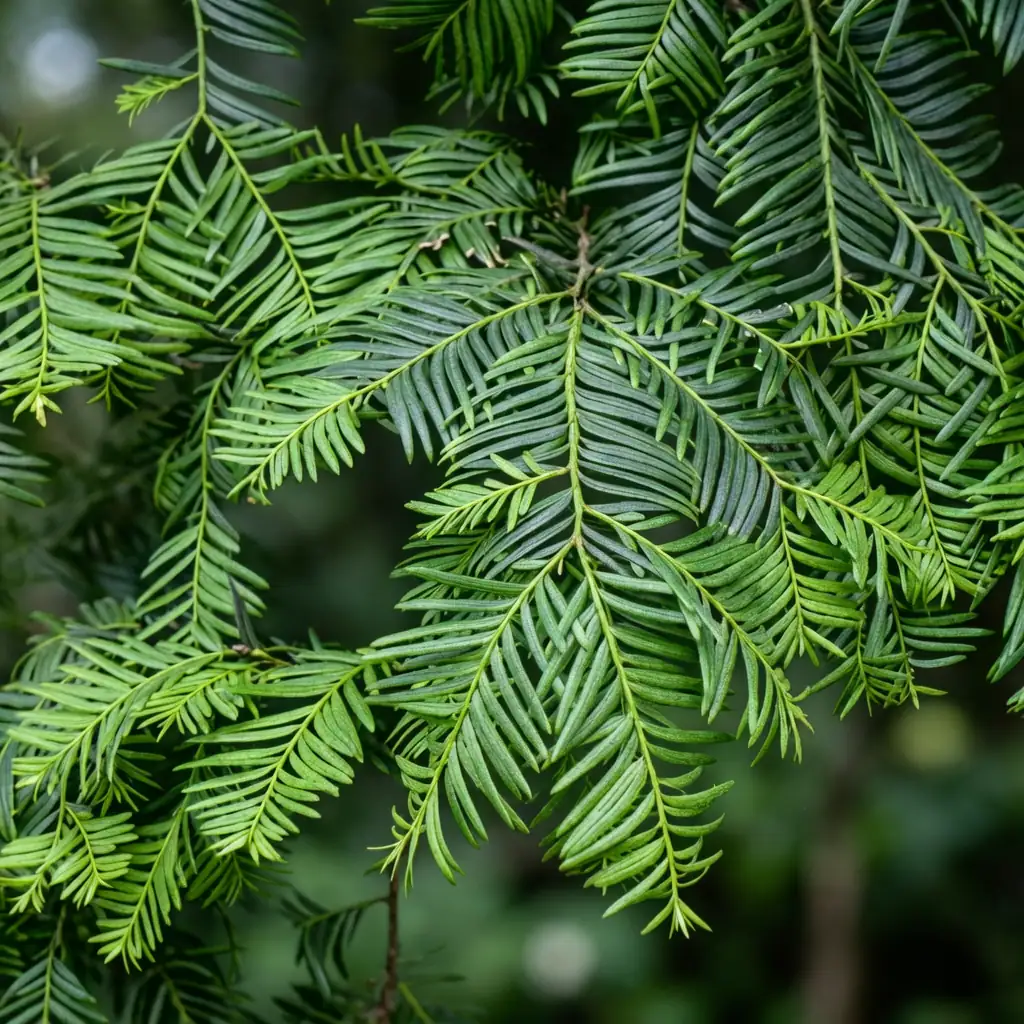
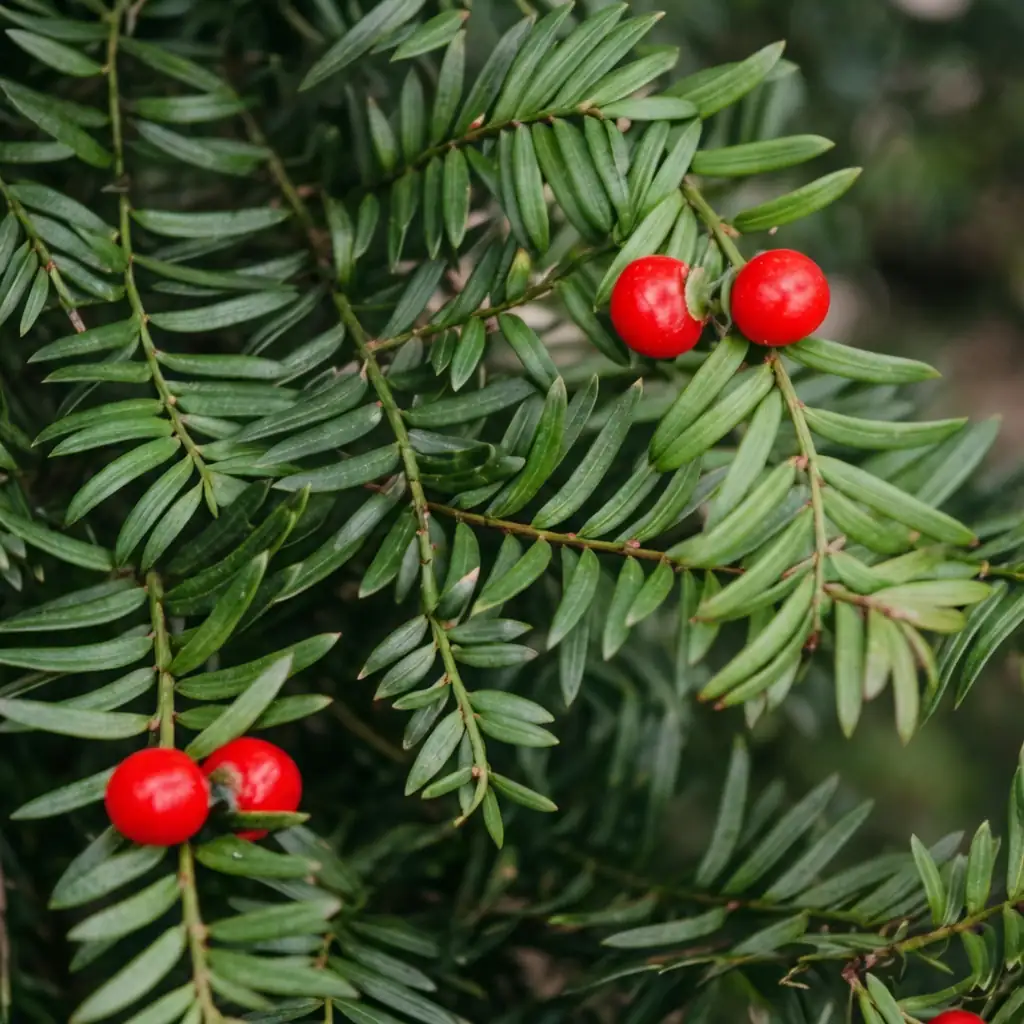
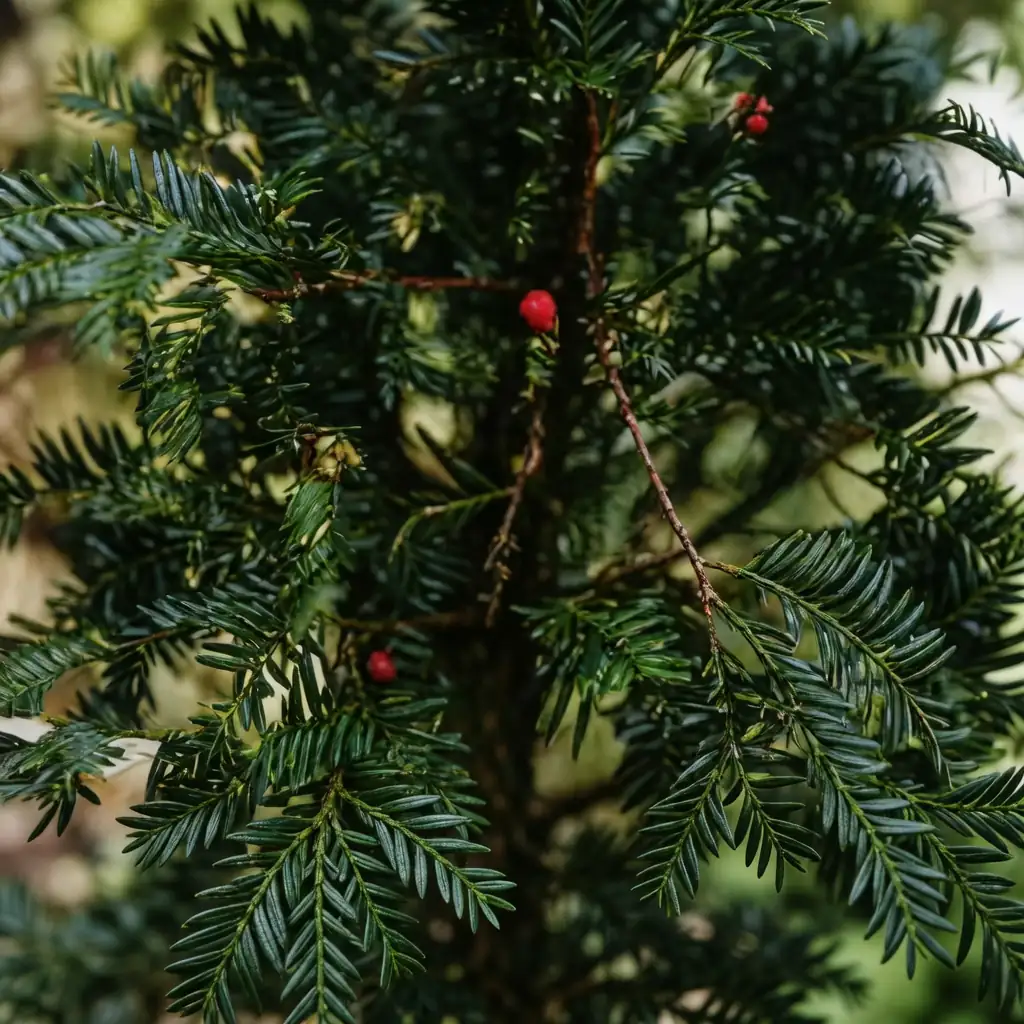
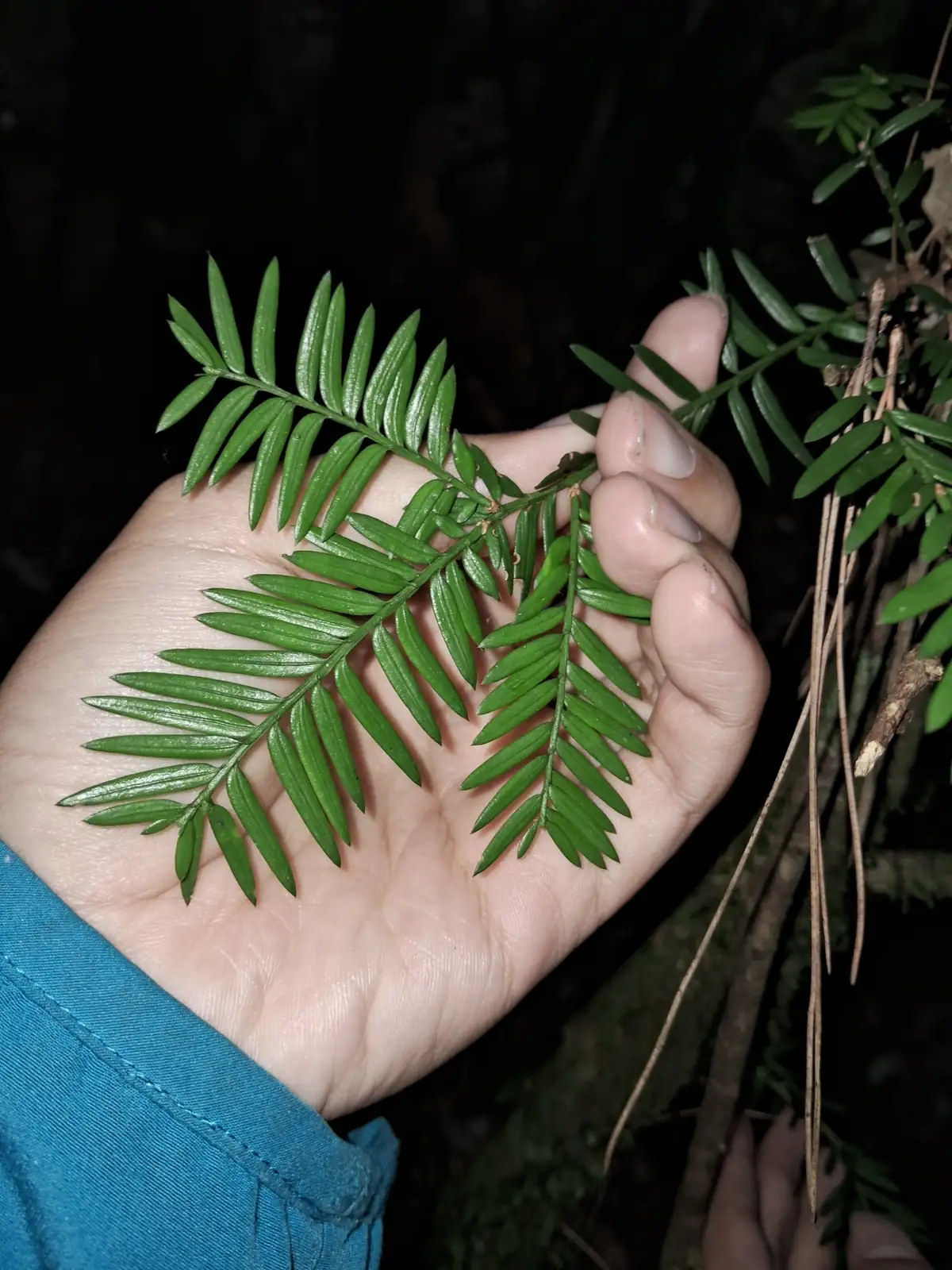
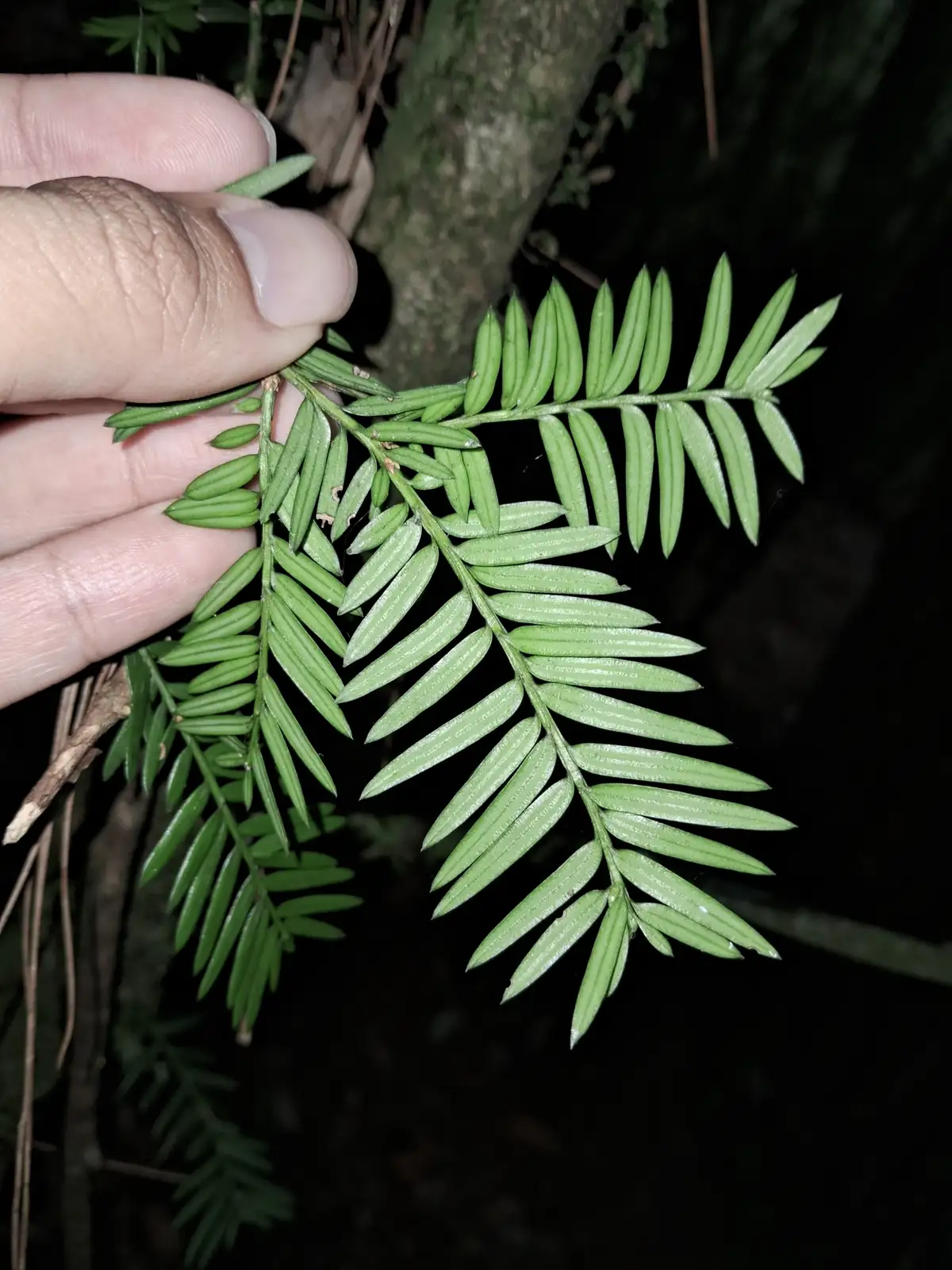
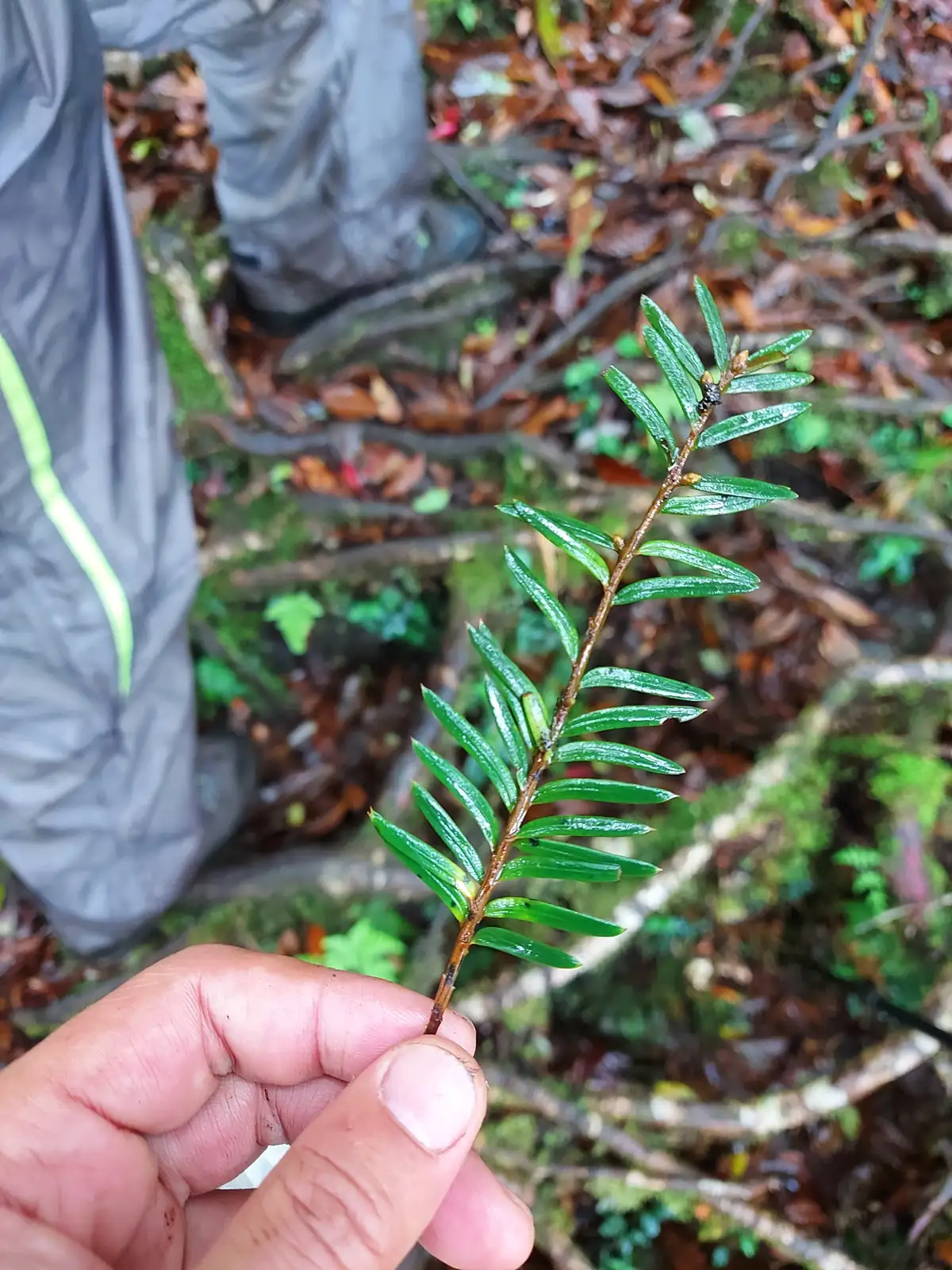
- Foliage: Needle-like leaves are deep green with a slightly thick texture. Fresh new growth often starts yellow-green before deepening in color. Branching is typically dense, creating a full, compact canopy.
- Flower: Flowers are small and inconspicuous in spring; Chinese yew is mainly grown for its handsome evergreen needles and showy red arils rather than for floral display.
- Flowering Season: Spring
- Growth Habit: Upright, woody evergreen with a composed, architectural silhouette and dense branching. Performs best in cool, moist, partially shaded conditions; dislikes scorching sun and waterlogged soil.
Environment
Sunlight
Partial shade to bright, indirect light. Avoid strong direct midday sun. Indoors, a helpful guide is placing it about 1 m (3.3 ft) back from an east- or south-facing window or balcony door so it gets filtered light.
Temperature
Grows best around 16–26°C (61–79°F). Once established outdoors it can tolerate winter lows near -15°C (5°F), but container plants should be protected from severe freezes.
Humidity
Prefers a cool, slightly moist atmosphere; prolonged hot, dry air can stress it.
Soil
Humus-rich, well-drained, acidic soil or potting mix. Keep evenly moist, but never let the pot sit in water.
Placement
Bright shade outdoors, or indoors near an east/south exposure with filtered light. Avoid scorching sun and avoid places where drainage is poor or the pot can stand in water.
Hardiness
Cold tolerant; roughly to about -15°C (5°F) (container plants are less hardy than in-ground plants).
Care Guide
Difficulty
Easy overall as long as you keep it cool, provide acidic well-drained soil, and avoid overwatering.
Buying Guide
Best purchased in spring. Look for a straight, balanced plant with healthy gray-brown to reddish-brown bark, well-spaced main branches, and plenty of fine, tightly arranged branchlets. Needles should be slightly thick, flat (not curled), deep green, with lively yellow-green new growth. Skip plants that are crooked, missing/damaged branchlets, showing yellowing older leaves, or sitting in loose/unstable potting soil.
Watering
In active growth, water thoroughly so the whole root ball is evenly wetted, then keep the mix consistently moist—but never soggy and never standing in water. In winter, growth slows: water less, letting the surface dry slightly between waterings, while still preventing the root ball from drying out completely.
Fertilization
During the growing season, feed about once a month. Options include well-rotted organic cake fertilizer or a balanced fertilizer such as NPK 20-20-20, used according to label directions.
Pruning
Usually not needed because the natural form is attractive. If the plant gets too dense, lightly thin to improve airflow and maintain a clean shape.
Propagation
Can be propagated by seed or cuttings. Seeds often need a long cold stratification period—commonly about 1–2 years—before spring sowing. Cuttings root more reliably when taken from relatively young plants (often under ~10 years old). Grafting (onto yew rootstock) and layering are also possible.
Repotting
Repot in winter through early spring. Replace a portion of the old soil with fresh, fertile, acidic mix; for best survival, disturb the root ball as little as possible when moving to a new container.
📅 Seasonal Care Calendar
Growing season: water deeply as needed to keep soil evenly moist (not waterlogged) and fertilize monthly. Winter: reduce watering and keep the mix slightly drier. Winter to early spring: repot. Spring: a great time to buy—prioritize strong structure and healthy deep-green foliage.
Pests, Diseases & Safety
Common Pests & Diseases
Generally fairly resistant. Scale insects can occasionally appear; monitor regularly, trap flying adults with yellow sticky cards, and treat infestations using an appropriate scale-control product (often horticultural oil or other labeled insecticide), following label instructions.
Toxicity
Highly toxic if ingested. Needles, bark, and especially the seeds contain potent toxins. The red aril is less toxic than other parts, but the seed inside is dangerous. Keep away from children and pets, and seek urgent medical/veterinary help if ingestion is suspected.
Culture & Symbolism
Symbolism: Often associated with longevity, endurance, and resilience thanks to its evergreen nature and long-lived habit.
History & Legends: Yews have a long cultural history worldwide as enduring evergreens; in China, “红豆杉” is widely known and valued, though it should always be respected as a poisonous plant despite its fame in medicinal discussions.
Uses: Primarily grown as an ornamental for evergreen structure and seasonal red arils. Yews are also noted in horticultural literature for medically important compounds found within the genus—however, the plant itself is poisonous and should never be used for self-medication.
FAQ
How do I choose a good potted Chinese yew?
Buy in spring and choose a plant with a straight, well-balanced shape, healthy gray-brown to reddish-brown bark, well-spaced main branches with dense fine branchlets, and deep-green needles with fresh yellow-green new growth. Avoid crooked plants, missing branchlets, yellowing older leaves, or loose potting soil.
Why did my potted Chinese yew’s leaves turn yellow in the second year?
It often comes down to soil chemistry and drainage. Chinese yew prefers humus-rich, acidic soil, but potting mix can drift toward neutral/alkaline over time, leading to yellowing. Repot into a fresh acidic mix, consider an appropriate iron supplement (such as chelated iron) according to label directions, and double-check that you’re keeping the soil evenly moist without waterlogging.
Fun Facts
- The most dramatic display is the contrast between dense dark-green needles and bright red arils in autumn and winter.
- Yew seeds are famously slow—many need 1–2 years of stratification before they germinate well.
- Cuttings taken from younger yew plants usually root more readily than those from older plants.
- Even a cold-tolerant yew can suffer in a pot during deep freezes because roots are more exposed than in the ground.
- The red aril looks tempting, but yews are poisonous—especially the seed inside.