


Plant Features
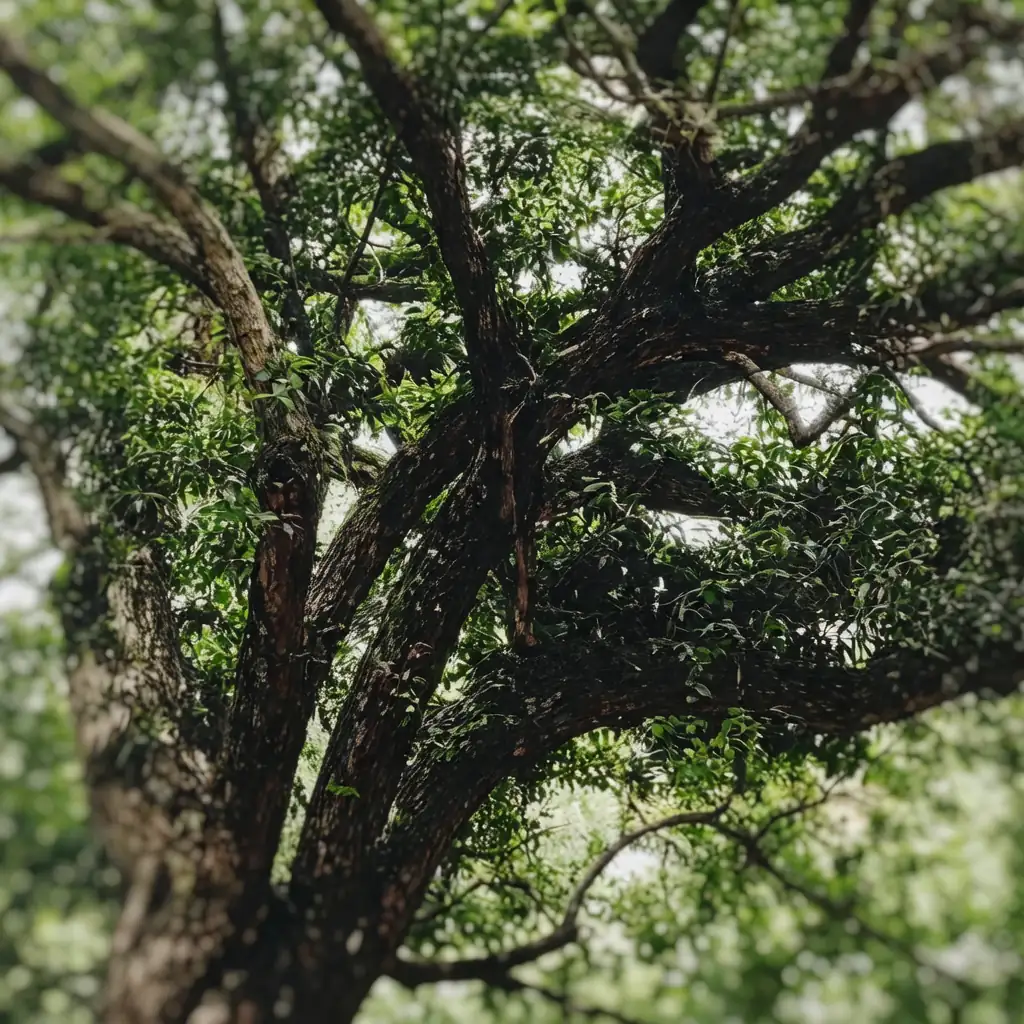
- Size: Typically 4–15 m (13–49 ft) tall, forming a large shrub or small tree.
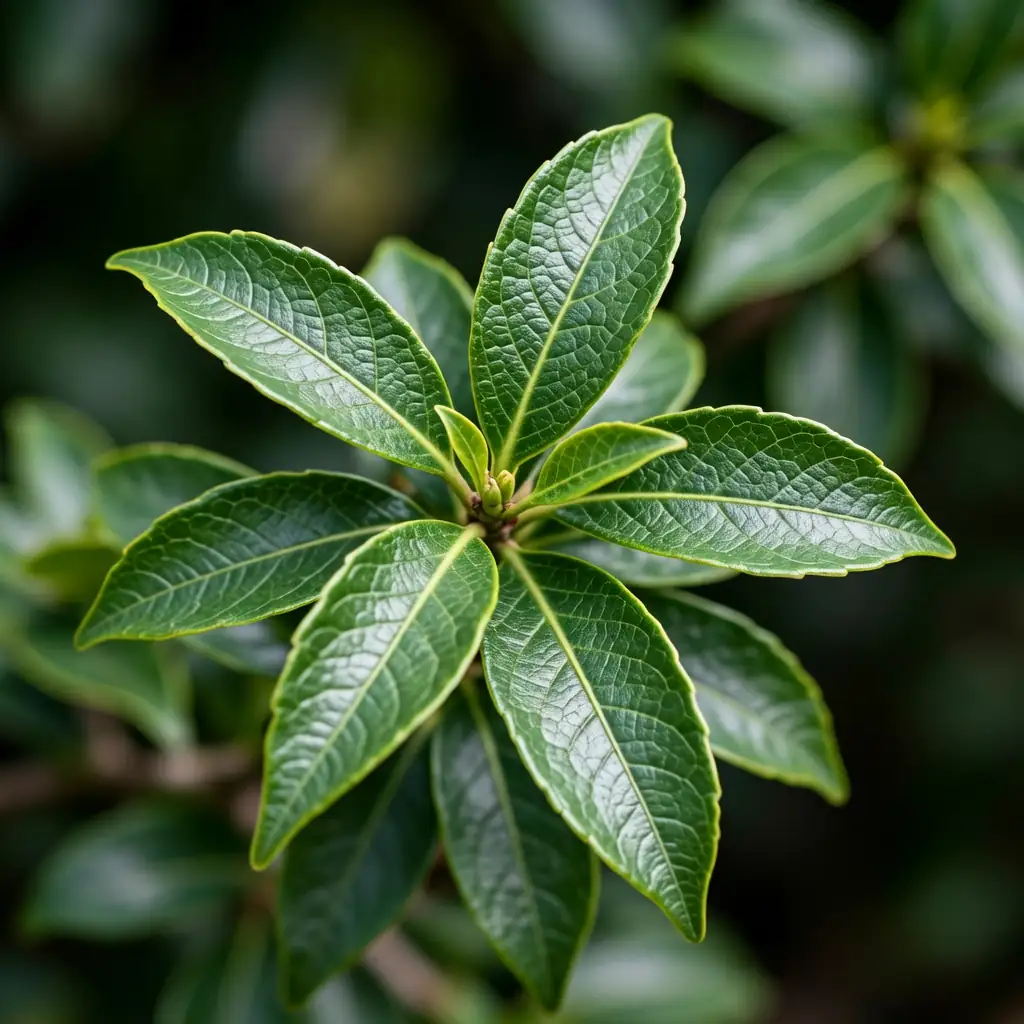
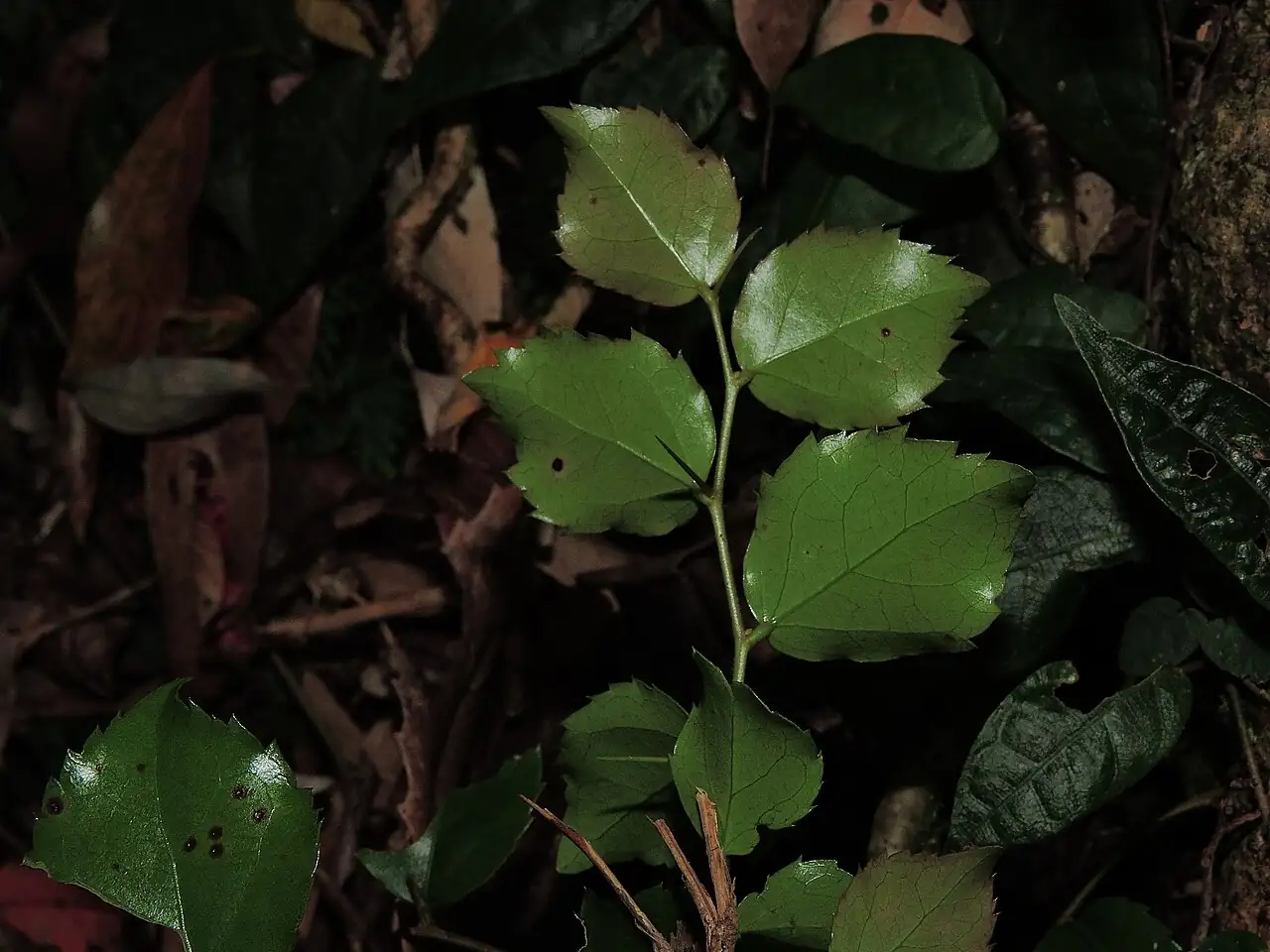
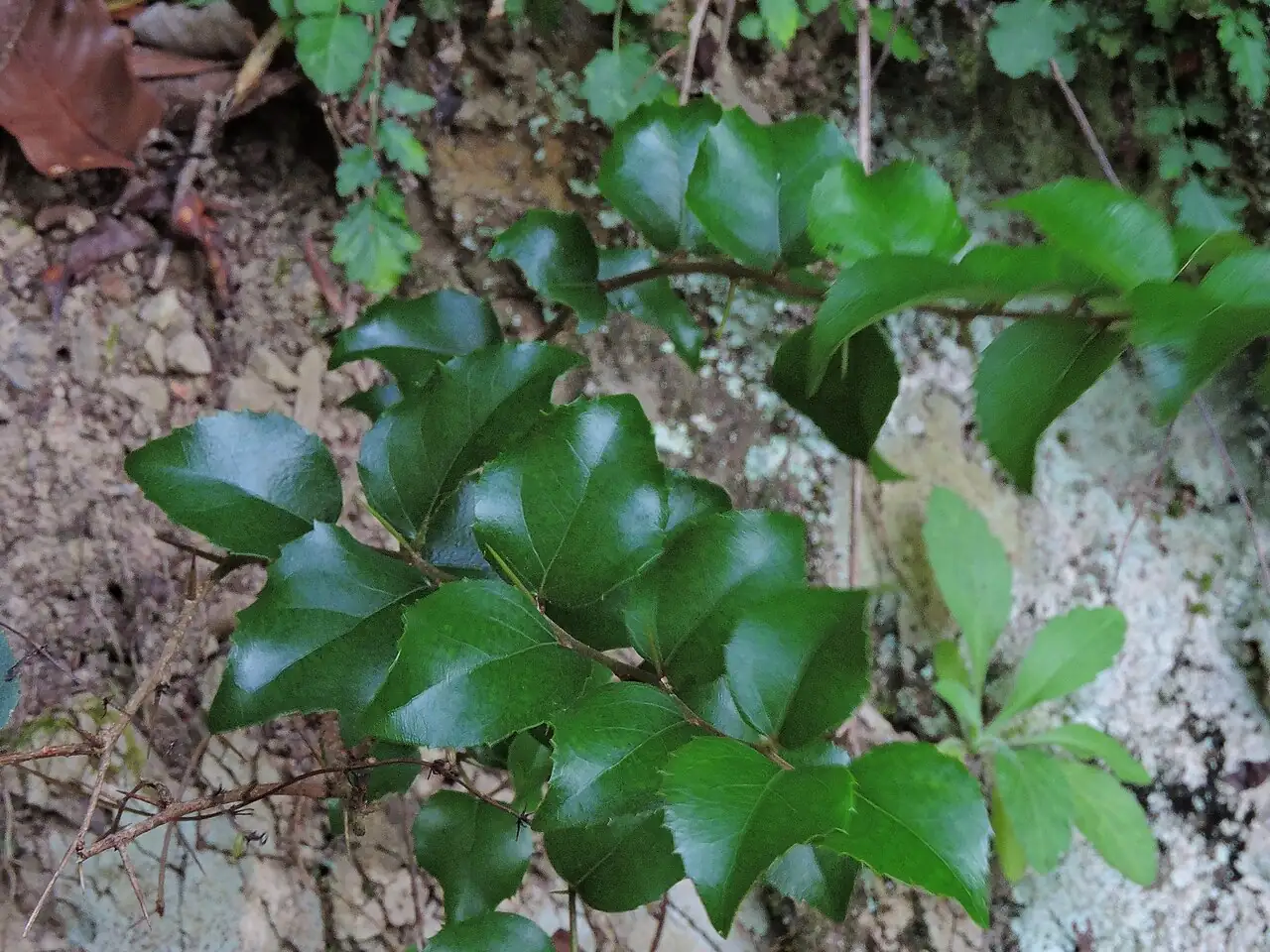
- Foliage: Leaves are thinly leathery and somewhat variable in shape, commonly rhombic-elliptic to ovate-elliptic. Male and female plants can show slight differences, with females sometimes showing more variation in leaf form.
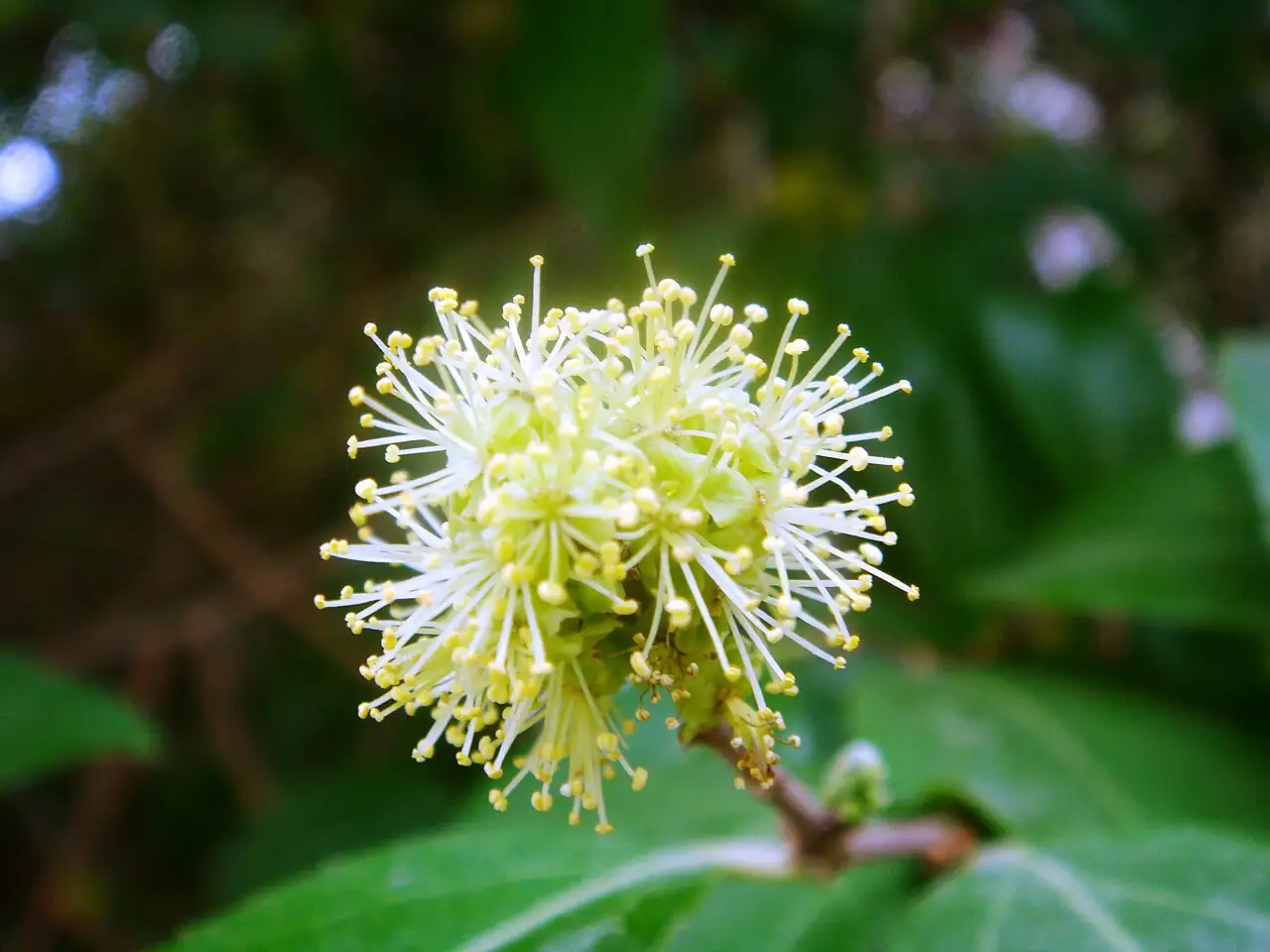
- Flower: Flowers are small and borne in axillary racemes. The fruit is a spherical black berry with a persistent style at the tip; each berry usually contains 2–3 seeds. Seeds are about 2–3 mm (0.08–0.12 in) long—green when fresh, turning brown with darker striping when dry.
- Flowering Season: Spring
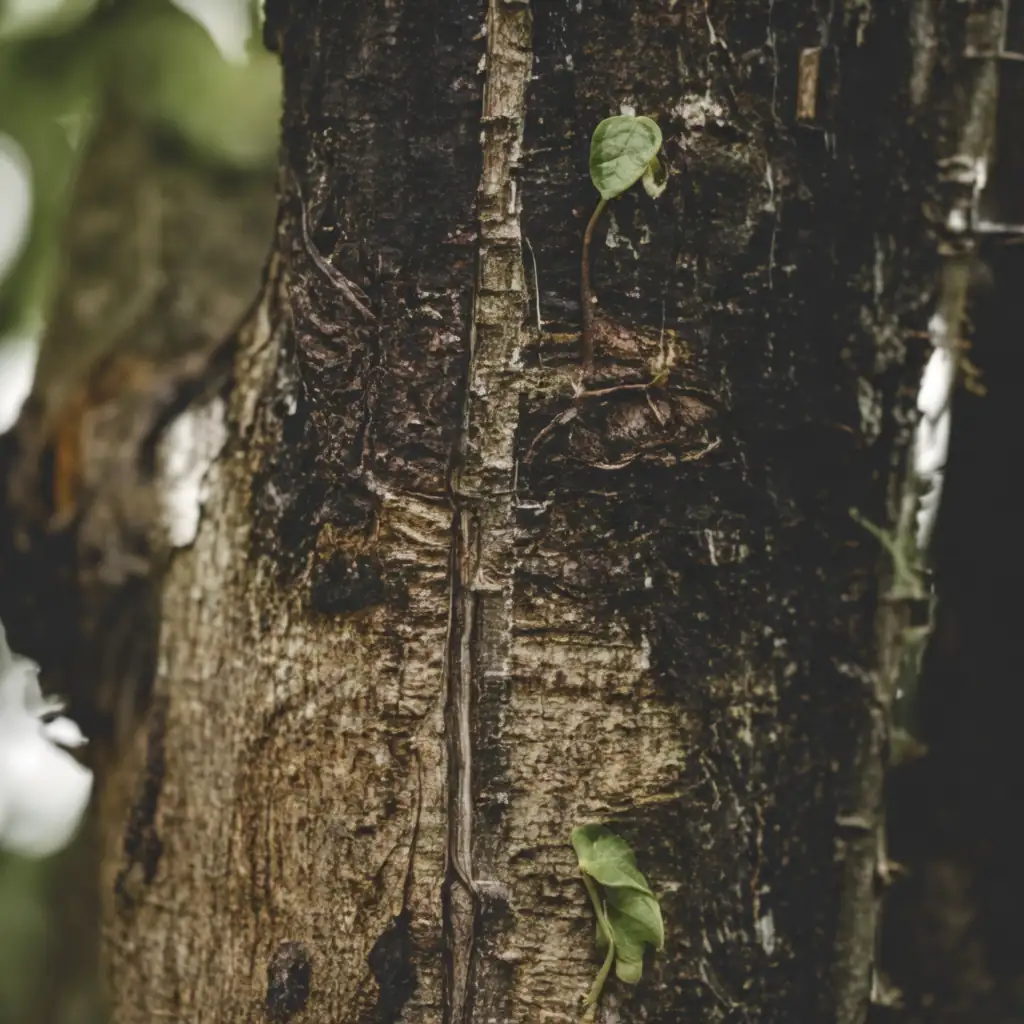
- Growth Habit: Evergreen large shrub or small tree with a tidy form and brownish-gray bark.
Environment
Sunlight
Full sun is best, especially for denser growth and better flowering/fruiting. Tolerates light shade, but may become looser and set fewer berries.
Temperature
Prefers cool-to-mild conditions; tolerates light frost down to about -5°C (23°F).
Humidity
Not fussy about humidity; once established it copes well with dry conditions.
Soil
Adaptable; does well in well-drained soils and tolerates relatively poor ground. Prefers neutral to acidic soils, but is generally forgiving as long as drainage is good.
Placement
Best grown outdoors: gardens, courtyards, hedges/screens, and mixed shrub borders. Especially useful for sunny, drier, more challenging landscape spots (similar to woodland edges and open slopes in its native habitat).
Hardiness
Tolerates light frost to about -5°C (23°F). Roughly suited to USDA Zone 9+ (depending on wind exposure, moisture, and microclimate).
Care Guide
Difficulty
Easy and resilient once established—well-suited to gardeners who want a hardy evergreen that doesn’t demand rich soil or frequent watering.
Buying Guide
Pick plants with dense, evenly green foliage and healthy new growth. Avoid plants with heavy leaf spotting, obvious dieback, or severely rootbound pots (tight circling roots). If you’re buying it mainly for berries, remember plants may be male or female—fruit typically requires a female plant and usually a nearby male for pollination.
Watering
Water regularly during the first growing season to help roots establish. After that, water deeply during prolonged dry spells, but avoid constantly wet soil (good drainage matters more than frequent watering).
Fertilization
Low feeder. In spring, use a light application of balanced slow-release fertilizer or a thin top-dressing of compost. Avoid heavy feeding that can push soft, weak growth.
Pruning
Prune late winter to early spring to remove dead/crossing branches and maintain a pleasing shape. It can also be clipped to form a hedge or screen.
Propagation
Propagate by seed (clean and sow when fresh for best results) or by semi-hardwood cuttings in summer. Cuttings typically root better with steady humidity and bottom heat.
Repotting
Primarily an outdoor shrub/tree rather than a long-term container plant. If grown in a pot, repot in spring every 1–2 years into a free-draining mix and a slightly larger container.
📅 Seasonal Care Calendar
Spring: light feeding, shaping prune, keep evenly moist during new growth. Summer: watch for drought stress; take semi-hardwood cuttings. Autumn: reduce feeding; plant out while soil is still warm. Winter: protect young plants from harder freezes; enjoy the persistent black berries where present.
Pests, Diseases & Safety
Common Pests & Diseases
Usually trouble-free. Possible pests include aphids on soft new growth and scale insects. Leaf spot can show up in damp, poorly ventilated conditions. Improve airflow, avoid overhead watering, and treat sap-suckers with horticultural oil or insecticidal soap as needed.
Toxicity
Clear, widely agreed toxicity data is not consistently documented for this species. As a precaution, treat berries and foliage as inedible and keep away from pets and small children.
Culture & Symbolism
Symbolism: Often associated with resilience and endurance—an evergreen that stays presentable through heat, drought, and light winter cold.
History & Legends: No widely recorded legends are commonly cited in English-language references; it’s best known as a hardy native Chinese shrub/tree used in practical landscaping.
Uses: Ornamental: evergreen structure for gardens, courtyards, shrub borders, and hedges/screens; valued for winter berries where fruiting occurs. Economic: locally, the wood may be used as a timber resource.
FAQ
Does Chinese xylosma need full sun?
It’s happiest in full sun, especially if you want the best flowering and berry display. It will tolerate light shade, but growth may be less dense and fruiting can be reduced.
Why does my plant flower but not produce berries?
Xylosma congesta can have separate male and female plants. A female plant usually needs pollen from a nearby male to set berries. Too little sun can also reduce fruiting.
How cold can it tolerate?
It typically handles light frost down to about -5°C (23°F). In colder climates, grow it in a sheltered spot and protect young plants during hard freezes.
Fun Facts
- It can be grown either as a large evergreen shrub or trained into a small tree with a trunk.
- The round black berries can persist into winter, adding off-season interest when many shrubs look bare.
- Its tiny seeds are only about 2–3 mm (0.08–0.12 in) long and shift from green (fresh) to brown with darker striping as they dry.
- In nature it often grows along woodland edges and on sunny, relatively dry slopes—good clues for where it will thrive in a garden.
- Its tolerance of drought, poor soils, and light frost makes it a strong candidate for low-maintenance landscapes.


