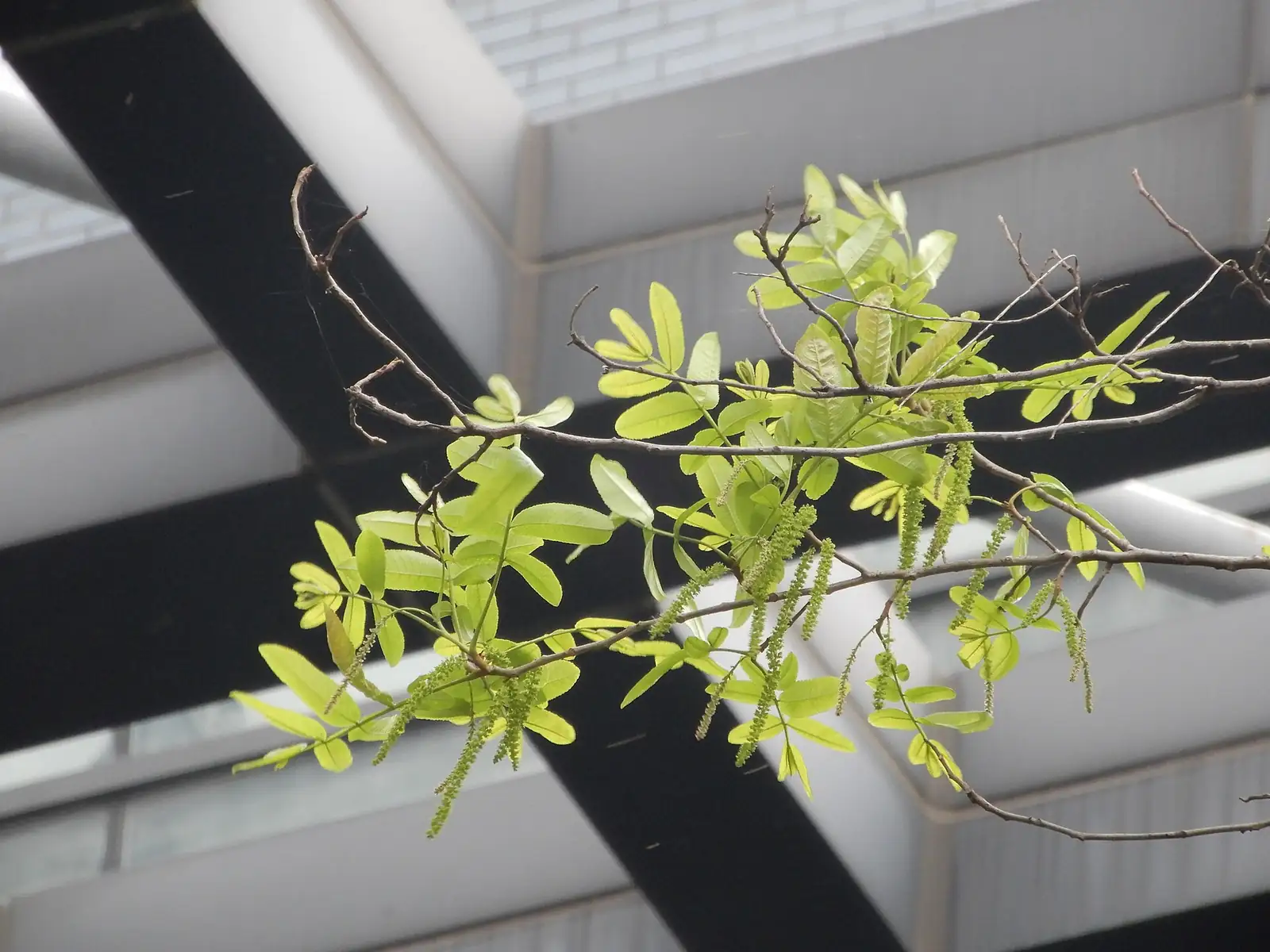
Plant Features
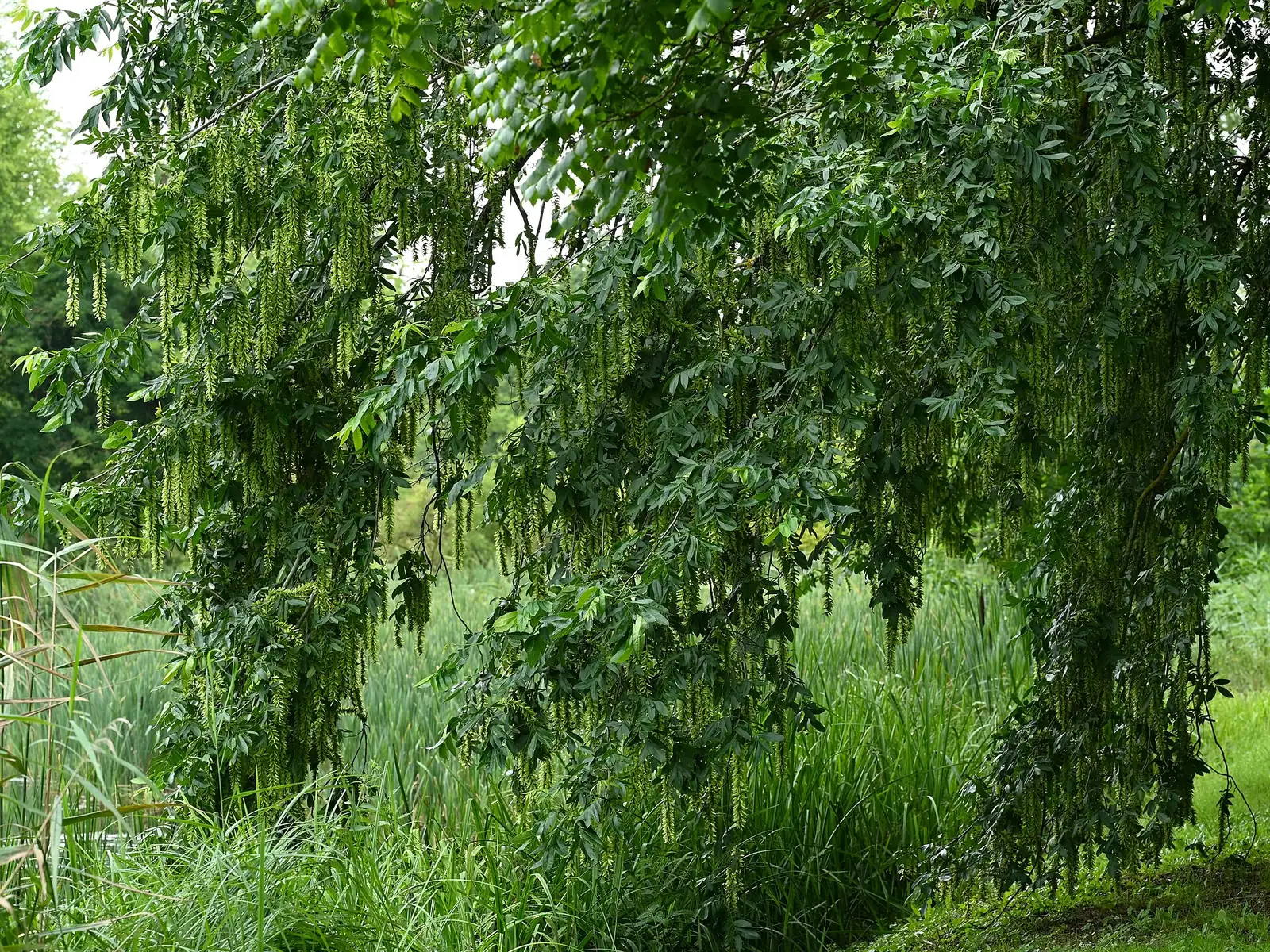
- Size: Up to 30 m (98 ft) tall; broad-crowned large tree.
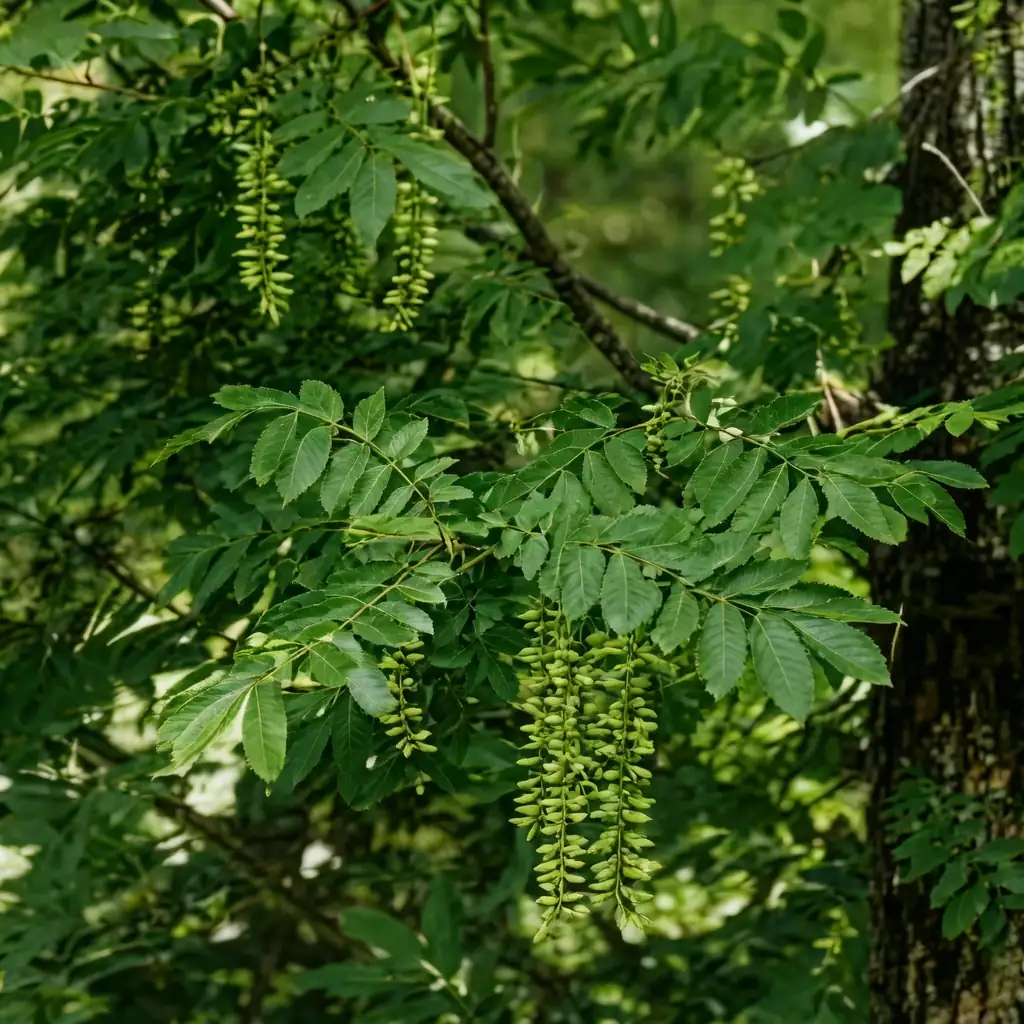
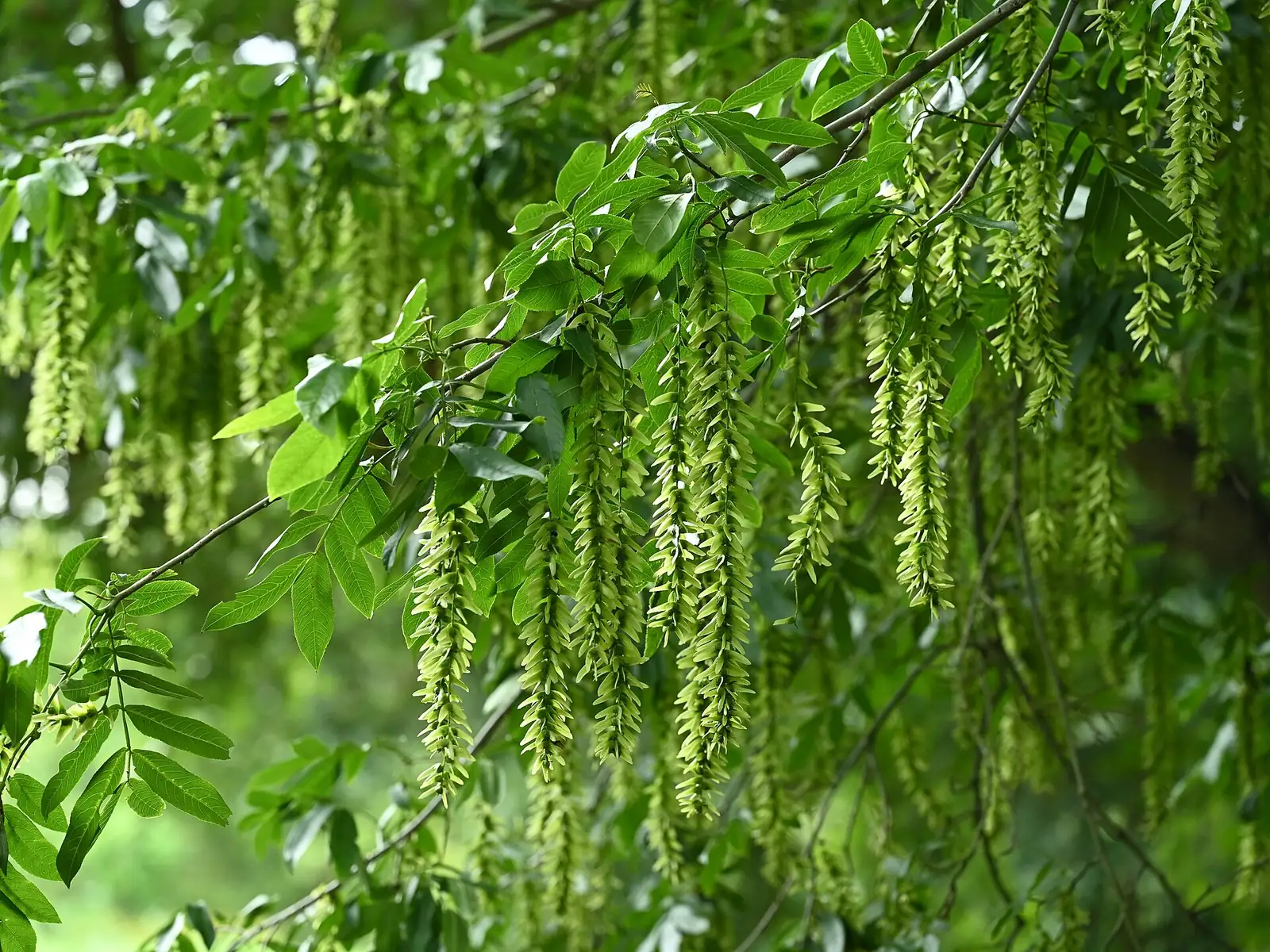
- Foliage: A deciduous tree with alternate, pinnate compound leaves. The leaf axis (rachis) is conspicuously winged—a signature ID feature. Leaves typically carry 9–23 leaflets that are short-oval to narrowly elliptic with fine serrations; the terminal leaflet is often reduced or absent. Buds are “naked” (lacking protective bud scales) and densely covered in rusty-brown hairs; lateral buds can look stacked along the twig.
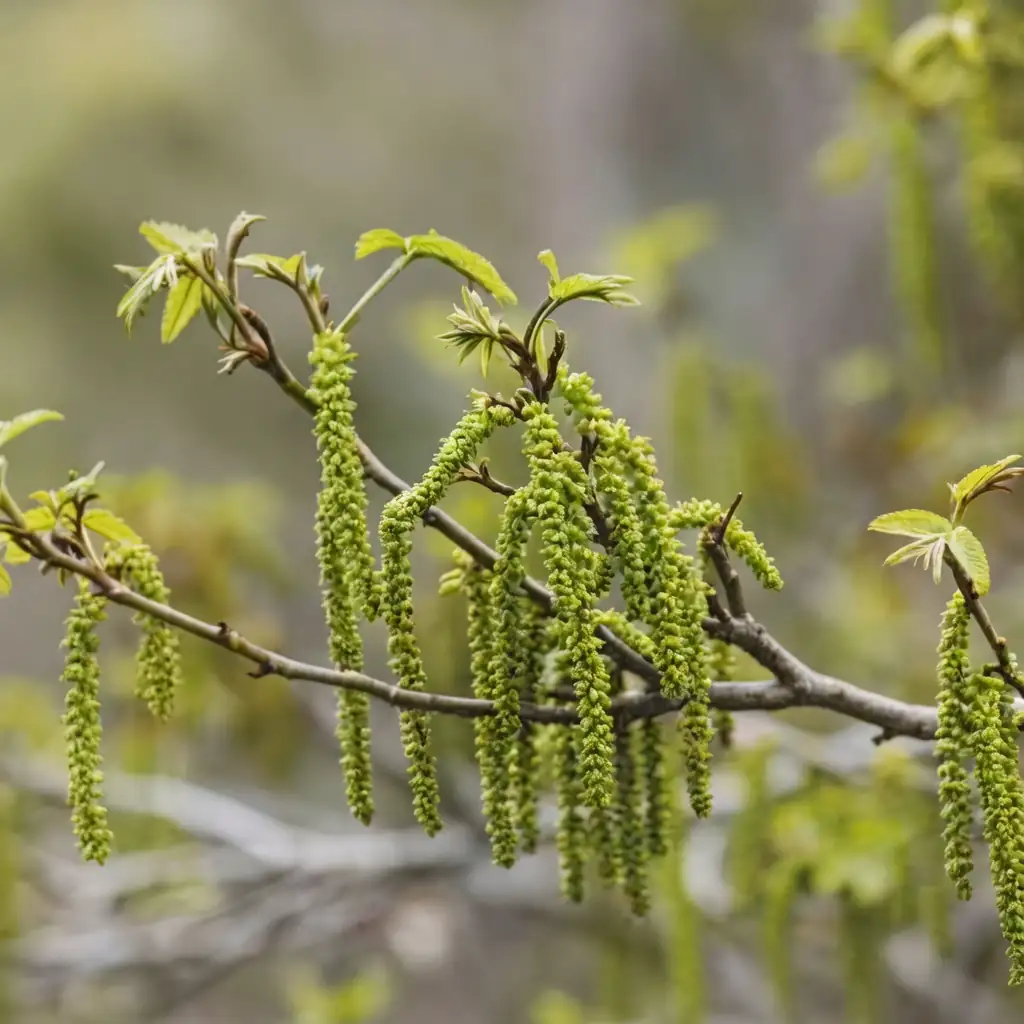
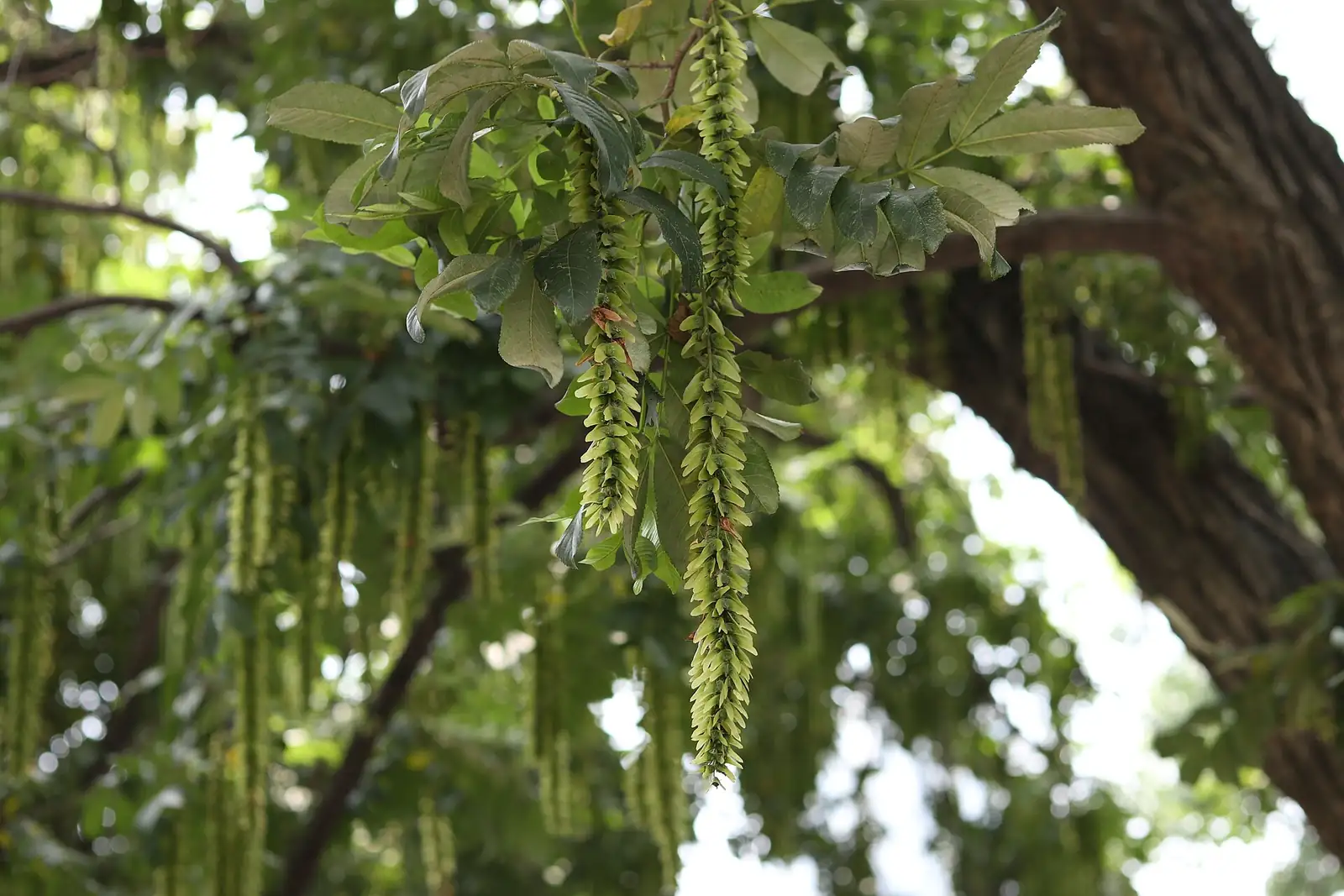
- Flower: Flowers are small and not especially showy, produced in catkin-like clusters typical of wingnuts and other walnut relatives. The real ornamental moment comes later, when long, dangling fruiting chains develop and become very eye-catching.
- Flowering Season: April–May
- Growth Habit: Large, vigorous deciduous tree with a broad crown. Deep-rooted and notably strong at resprouting and producing suckers (coppicing/suckering), which contributes to its toughness.
Environment
Sunlight
Full sun to light shade; best canopy shape and growth in full sun.
Temperature
Prefers warm, humid climates; grows best around 15–30°C (59–86°F) during the growing season.
Humidity
Moderate to high humidity is ideal; generally adaptable as long as soil moisture is adequate.
Soil
Very adaptable. Tolerates wet, poorly drained, waterlogged, or periodically flooded soils—one of its standout strengths. Once established it can handle some drought; it may also tolerate mildly saline or alkaline conditions. For fastest, lushest growth, provide deep, fertile, consistently moist but well-drained loam.
Placement
Outdoors only; best as a park, street, or large-garden tree. Give generous clearance from buildings, paving, and drains due to its mature size and strong rooting.
Hardiness
Approximately USDA Zone 6–9 (about −23 to −1°C / −10 to 30°F), depending on local conditions and provenance; generally not a frost-tender tree.
Care Guide
Difficulty
Moderate (outdoors). It’s forgiving of wet sites and urban challenges once established, but it needs space and benefits from early training/pruning for good structure.
Buying Guide
Pick a healthy young tree with a straight central leader and well-spaced scaffold branches. Avoid plants that are pot-bound or showing circling/girdling roots. For bare-root stock, choose roots that are firm and moist (not dried out), and plant promptly.
Watering
Water regularly for the first 1–2 growing seasons to help it establish—deep soaking is better than frequent light watering. Keep soil evenly moist during hot weather. After establishment it is fairly drought-tolerant, but it looks and grows best with consistent moisture; it will also tolerate wet ground and occasional flooding.
Fertilization
Often unnecessary in reasonably fertile soil. If growth is weak, apply a balanced slow-release fertilizer in spring according to label directions. Avoid heavy nitrogen late in the season, which can encourage soft growth going into cold weather.
Pruning
Prune in late winter to early spring while dormant. Focus on building a strong framework: remove crossing, damaged, or crowded branches and maintain a clear leader when young. On mature trees, avoid drastic pruning. Remove basal suckers if you don’t want a thicket-forming habit.
Propagation
Most commonly by seed; fresh seed often performs best after cold stratification. It can also be propagated by hardwood cuttings, and in some situations by lifting and transplanting suckers.
Repotting
Not applicable for a landscape tree. If grown in a container when young, step up to a larger pot before roots circle, and plant out before it becomes too large to handle.
📅 Seasonal Care Calendar
Spring: plant, mulch, water well; fertilize lightly only if needed. Summer: deep water during establishment; watch for pests on tender new growth. Autumn: reduce extra watering as temperatures cool; collect seed if you want to propagate. Winter: structural pruning during dormancy.
Pests, Diseases & Safety
Common Pests & Diseases
Generally robust. Potential issues include aphids and scale insects on young shoots, plus leaf spots or cankers if the tree is stressed. Keeping the tree vigorous, avoiding trunk wounds, and maintaining good airflow usually prevents most problems.
Toxicity
No widely recognized toxicity is documented for Pterocarya stenoptera for humans or pets. As with many ornamental trees, chewing or ingesting large amounts of plant material may still cause mild stomach upset.
Culture & Symbolism
Symbolism: Often associated with resilience and adaptability—especially because it thrives where many trees struggle, such as damp ground and challenging urban sites.
History & Legends: A long-used native Chinese shade and avenue tree, commonly planted near waterways and in regions with humid summers where its vigorous growth and wet-soil tolerance are especially valued.
Uses: Ornamental shade tree for streets, parks, courtyards, campuses, and waterside landscapes; particularly useful for low-lying or moisture-retentive sites.
FAQ
Can Chinese wingnut grow in soggy or flooded soil?
Yes. It’s notably tolerant of wet, poorly drained, even periodically flooded ground, making it a great candidate for low spots and near ponds or streams.
How big does Chinese wingnut get?
It can grow to about 30 m (98 ft) tall with a broad crown, so it’s better for parks, streets, and large gardens than small yards.
Is it suitable as a street tree?
Often yes—if there’s enough rooting volume and canopy clearance. Early structural pruning helps it develop a strong, street-friendly framework.
Fun Facts
- Its hanging fruit chains are often around 20–30 cm (8–12 in) long, packed with nearly round nuts that have two wings—hence the name “wingnut.”
- The “winged” leaf rachis is a quick, satisfying identification clue once you know to look for it.
- It forms unusual naked buds covered in rusty-brown hairs rather than the typical scaly buds seen on many temperate trees.
- It can resprout strongly and produce suckers, which is part of why it’s so tough and adaptable in landscapes.