

Plant Features
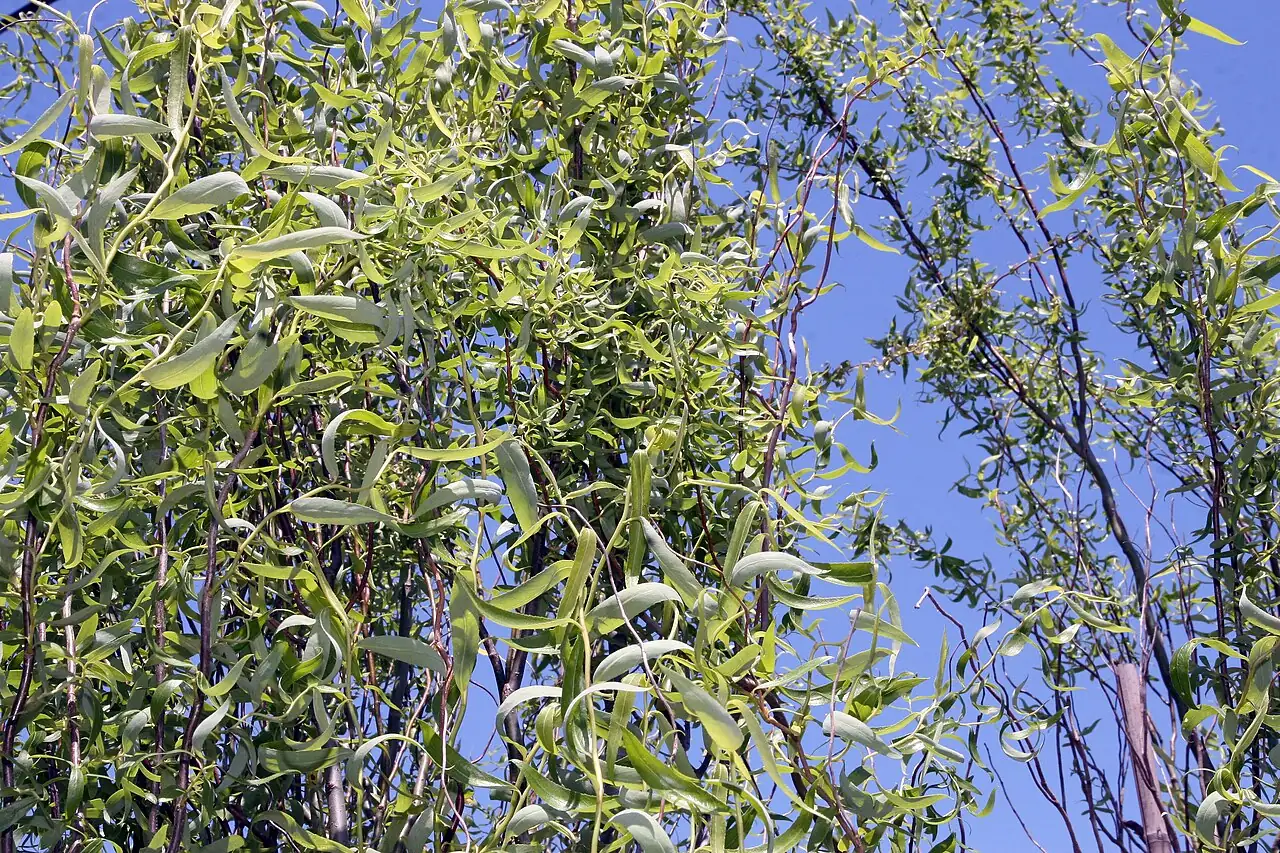
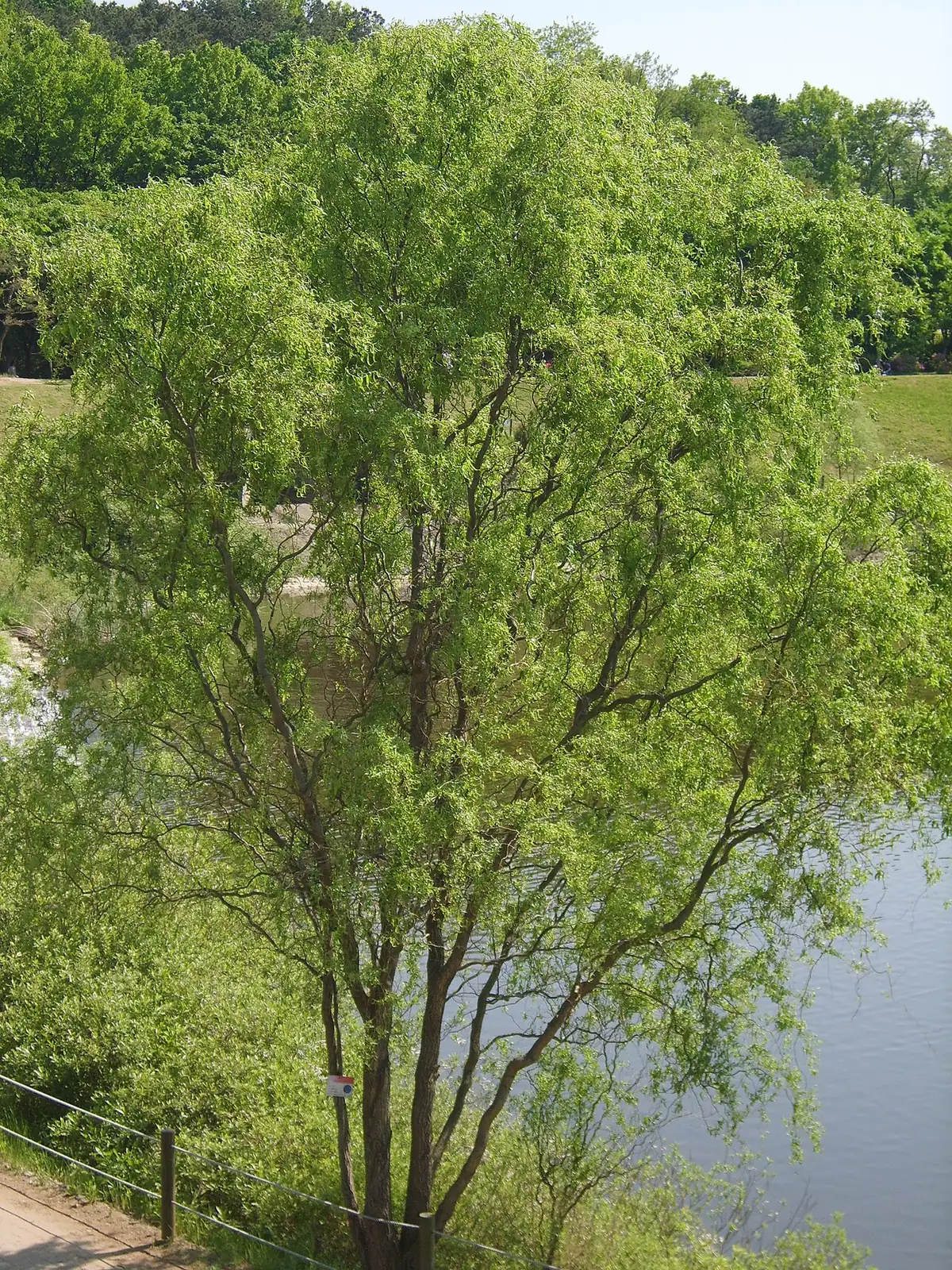
- Size: Typically a medium-to-large deciduous tree, reaching up to about 20 m (66 ft) tall; trunk diameter up to about 80 cm (31 in) at breast height; usually forms a broad, rounded crown.
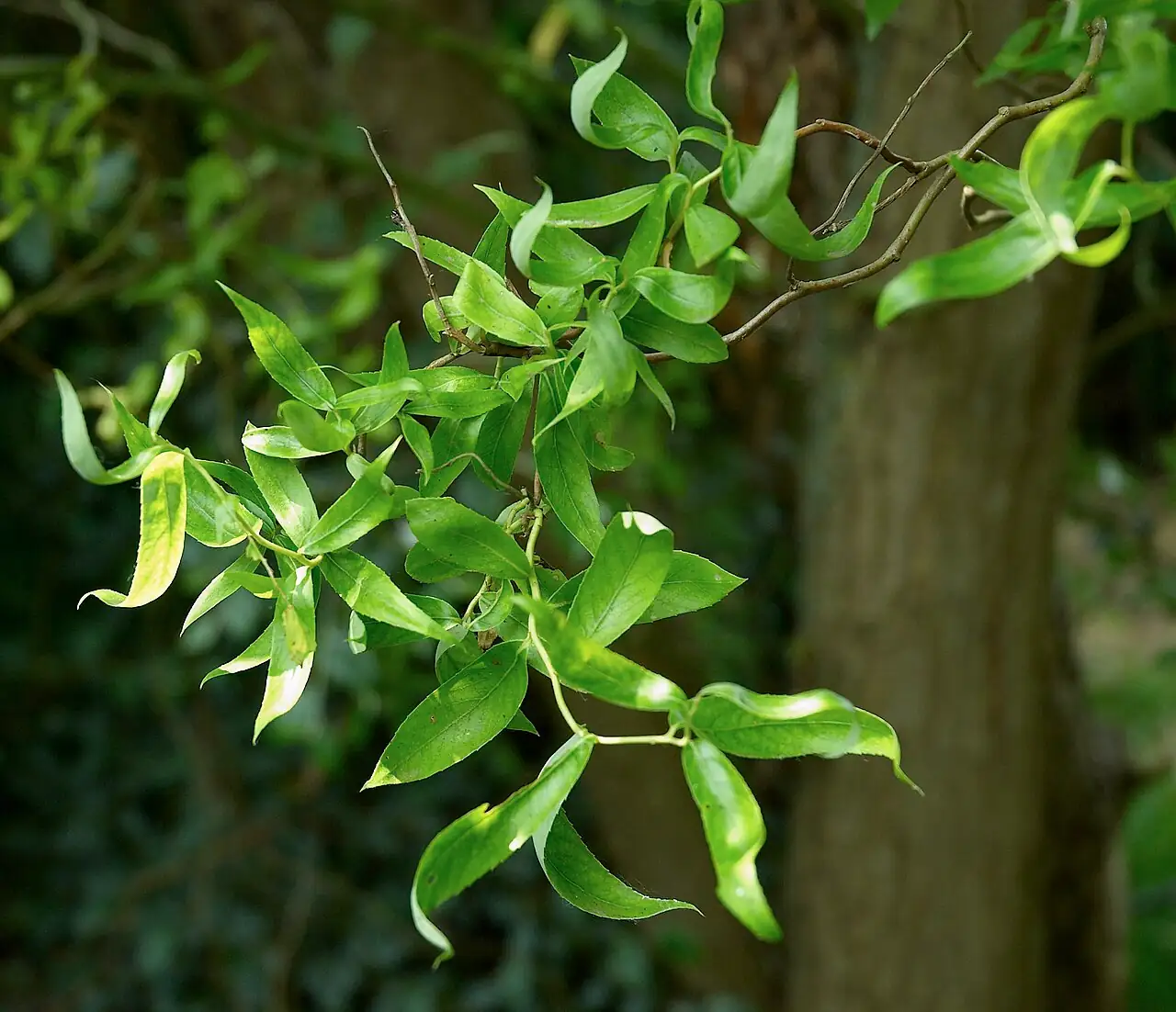
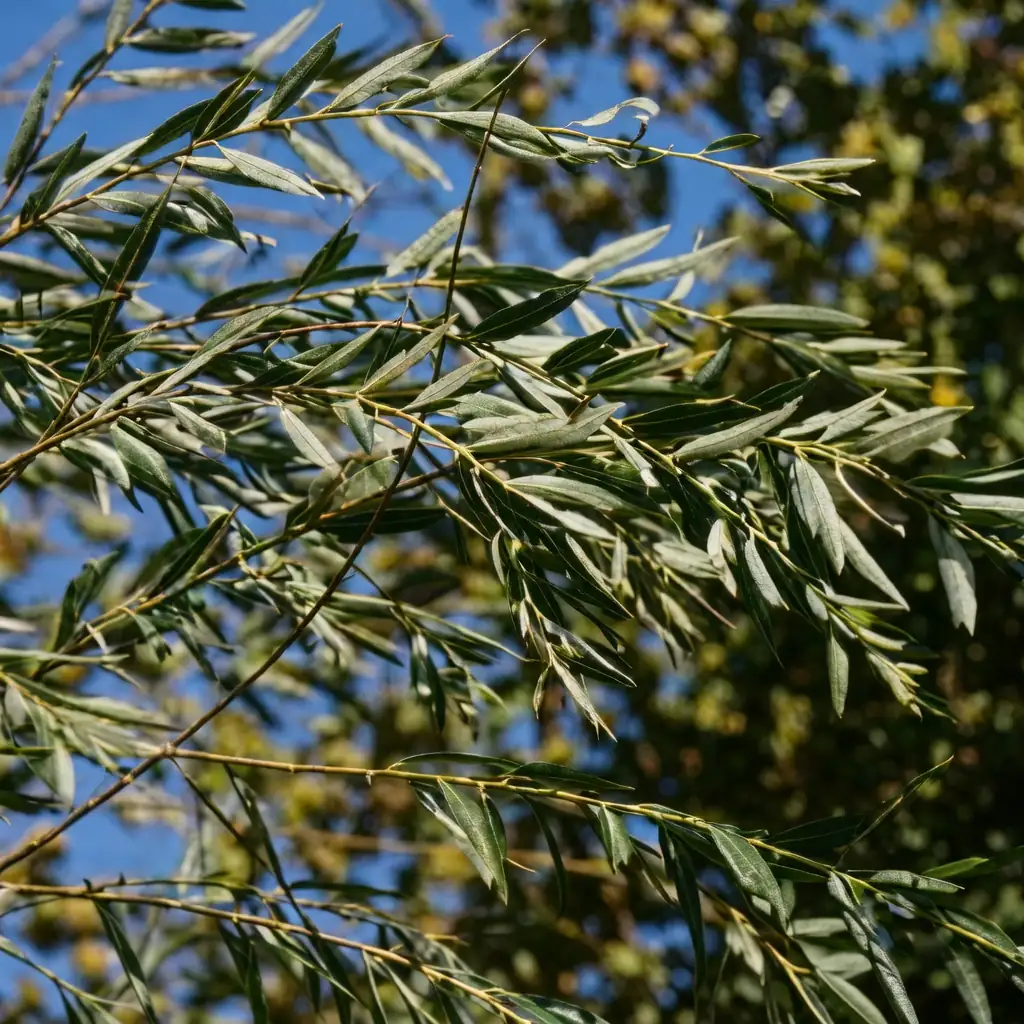
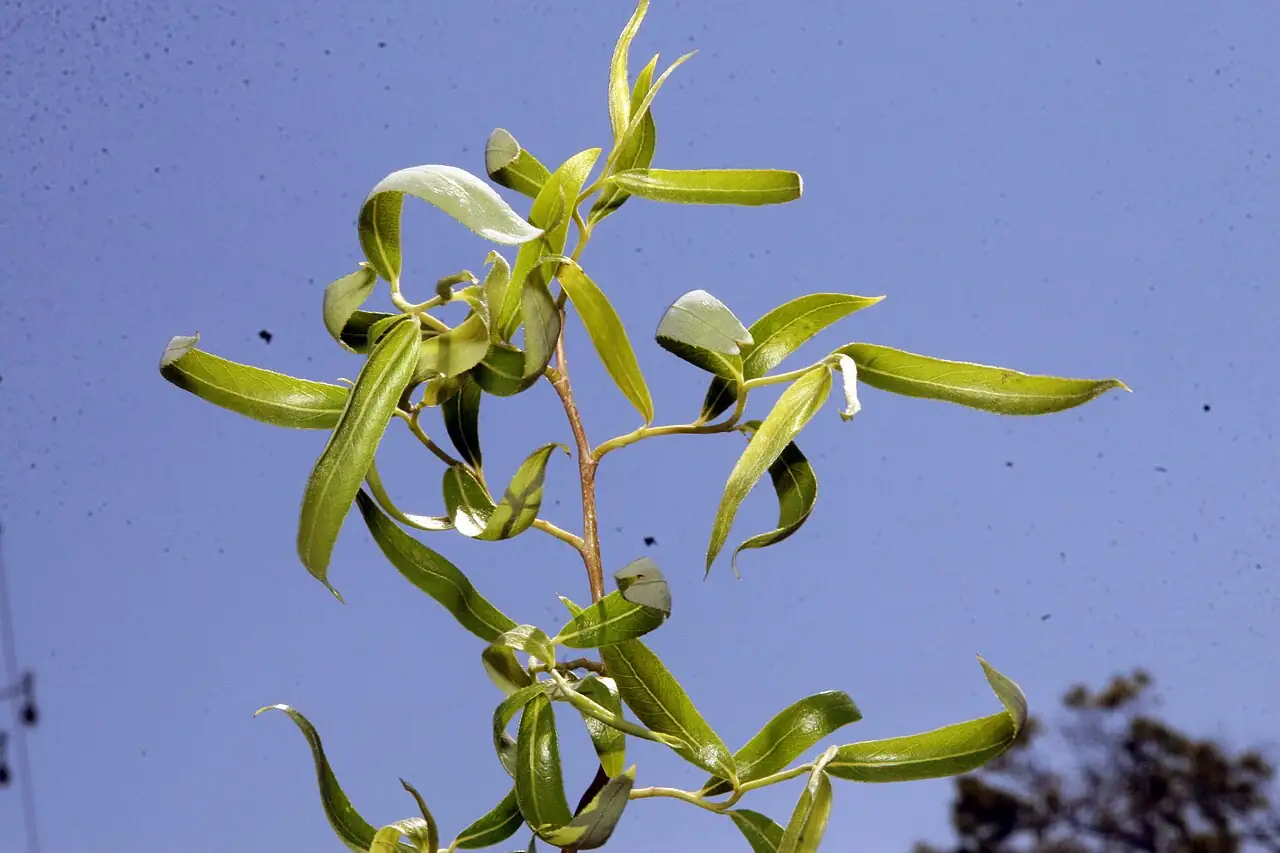
- Foliage: Leaves are narrow, lance-shaped, and willow-typical in look. Buds may be slightly downy. Young twigs are slender and upright to spreading, yellow-brown to greenish at first, later turning brown; new growth can be lightly hairy before becoming mostly smooth.
- Flower: Flowers are produced in catkins that appear at the same time as the leaves. Male catkins are cylindrical; female catkins are generally shorter. After flowering, the fruiting catkins reach about 2–2.5 cm (0.8–1.0 in).
- Flowering Season: April (flowering); April–May (fruiting)
- Growth Habit: Upright, vigorous, fast-growing deciduous tree with strong, well-developed roots. Noted for good wind resistance and an enthusiastic response to propagation and pruning.
Environment
Sunlight
Full sun for best growth, shape, and overall vigor.
Temperature
Cold-hardy and tolerant of freezing winters; performs best in cool to temperate climates. In areas with prolonged extreme heat, it benefits from reliable soil moisture.
Humidity
Adaptable—handles both moist and relatively dry sites, but looks and grows best with consistent moisture.
Soil
Prefers moist, fertile, well-drained soil; tolerates a range of soils as long as they are not waterlogged for extended periods.
Placement
Outdoors in open, sunny places: front yards, streetscapes, parks, lawns, and along rivers/ditches or other areas with dependable moisture. Give it room for roots and crown spread.
Hardiness
USDA Zone 4–8 (approx. -34 to -7°C / -30 to 20°F), depending on local conditions.
Care Guide
Difficulty
Easy. A vigorous, adaptable willow that’s generally low-maintenance once established; valued for rapid growth and strong wind tolerance.
Buying Guide
Choose a young tree with healthy buds and no trunk wounds. If you want a classic single-trunk tree, look for one straight leader. Avoid pot-bound plants and trees showing twig-tip dieback. Note: willows can form strong, far-reaching roots—use extra care when planting near watercourses and follow local guidance where spread is a concern.
Watering
Water regularly during establishment (about the first 1–2 years). Aim for evenly moist soil—moist but not stagnant. During dry spells, deep-water to soak the root zone rather than sprinkling lightly.
Fertilization
Often unnecessary in average garden soils. If growth is weak, apply a balanced slow-release fertilizer in spring at label rates. Avoid excessive nitrogen, which can push soft, breakable shoots.
Pruning
Prune in late winter to early spring while dormant. Remove crossing, broken, or wind-damaged branches and maintain a stable structure. Willows respond vigorously, so avoid overly heavy pruning in a single season if you want a strong, balanced crown.
Propagation
Very easy from hardwood cuttings. Take dormant one-year shoots, insert into moist soil, and leave 1–2 buds above the surface; keep evenly moist until rooted.
Repotting
Not applicable as a landscape tree. If temporarily container-grown, up-pot in early spring and plant out as soon as practical because roots develop quickly.
📅 Seasonal Care Calendar
Late winter–early spring: dormant pruning for structure. April: catkins and leaf-out. Spring to early summer: keep young trees consistently watered and monitor moisture during dry periods.
Pests, Diseases & Safety
Common Pests & Diseases
Common issues include aphids, willow leaf beetles, scale insects, and caterpillars; diseases may include rusts, leaf spots, and cankers. Improve airflow, avoid frequent overhead watering, and remove heavily infected leaves/branches. Keeping the tree well-watered (without waterlogging) helps reduce stress-related problems.
Toxicity
Generally not considered highly toxic to people or pets. Like many willows, tissues contain salicylates; chewing or eating large amounts may cause gastrointestinal upset, especially in pets.
Culture & Symbolism
Symbolism: Often linked with resilience, flexibility, and renewal—willows bend with the wind and are among the early trees to green up in spring.
History & Legends: A long-cultivated willow in China, widely planted for shelterbelts and landscaping thanks to its fast growth and wind resistance. Numerous horticultural selections have been derived from this species.
Uses: A practical and ornamental landscape tree for streets, parks, lawns, and riverbanks; also valued as an early-season nectar source for pollinators and for large-scale greening and windbreak plantings.
Fun Facts
- It’s an important early-spring nectar source when few other trees are flowering.
- It’s widely distributed across China, from the northeast to the lower Yangtze region.
- Its strong root system and wind tolerance make it useful in exposed sites.
- Catkins appear with the leaves, and fruiting catkins are about 2–2.5 cm (0.8–1.0 in) long.


