Plant Features
- Size: Up to 40 m (131 ft) tall; broad, wide-ovoid crown.
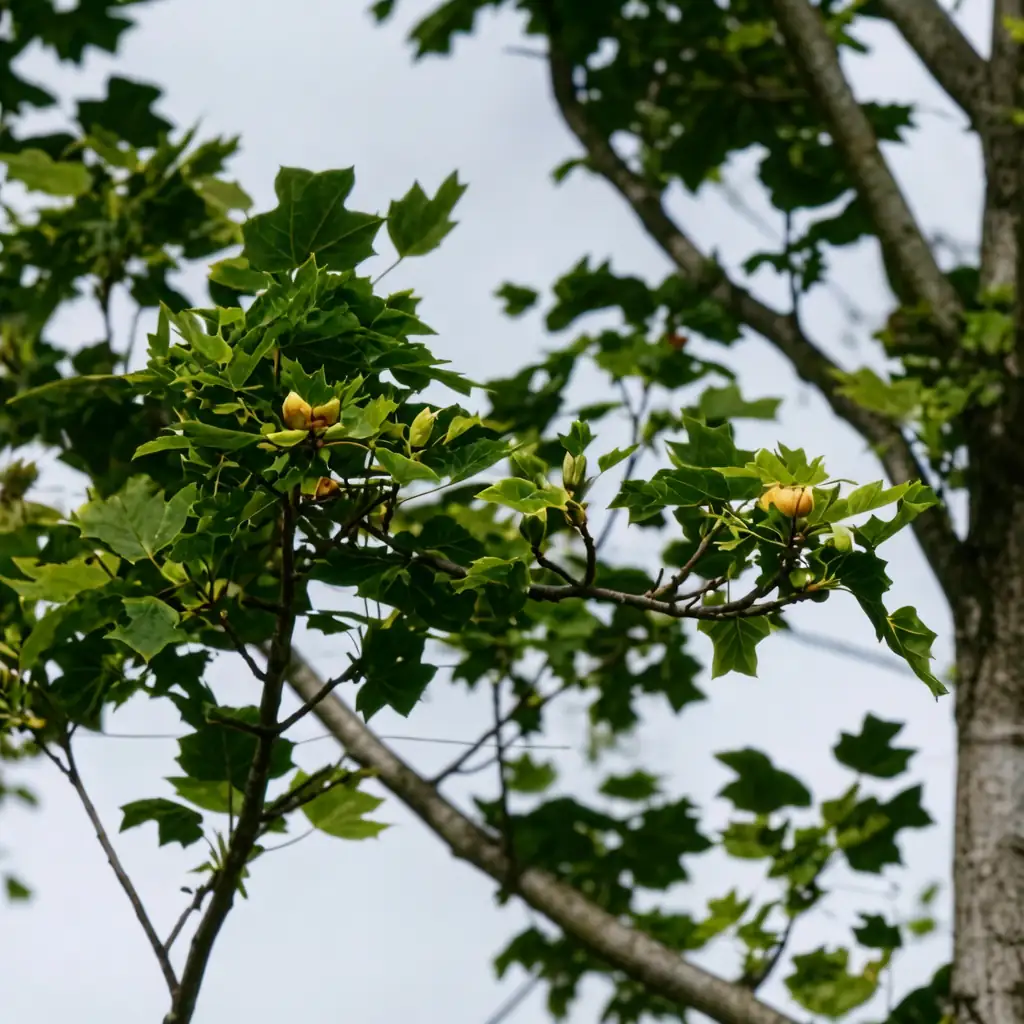
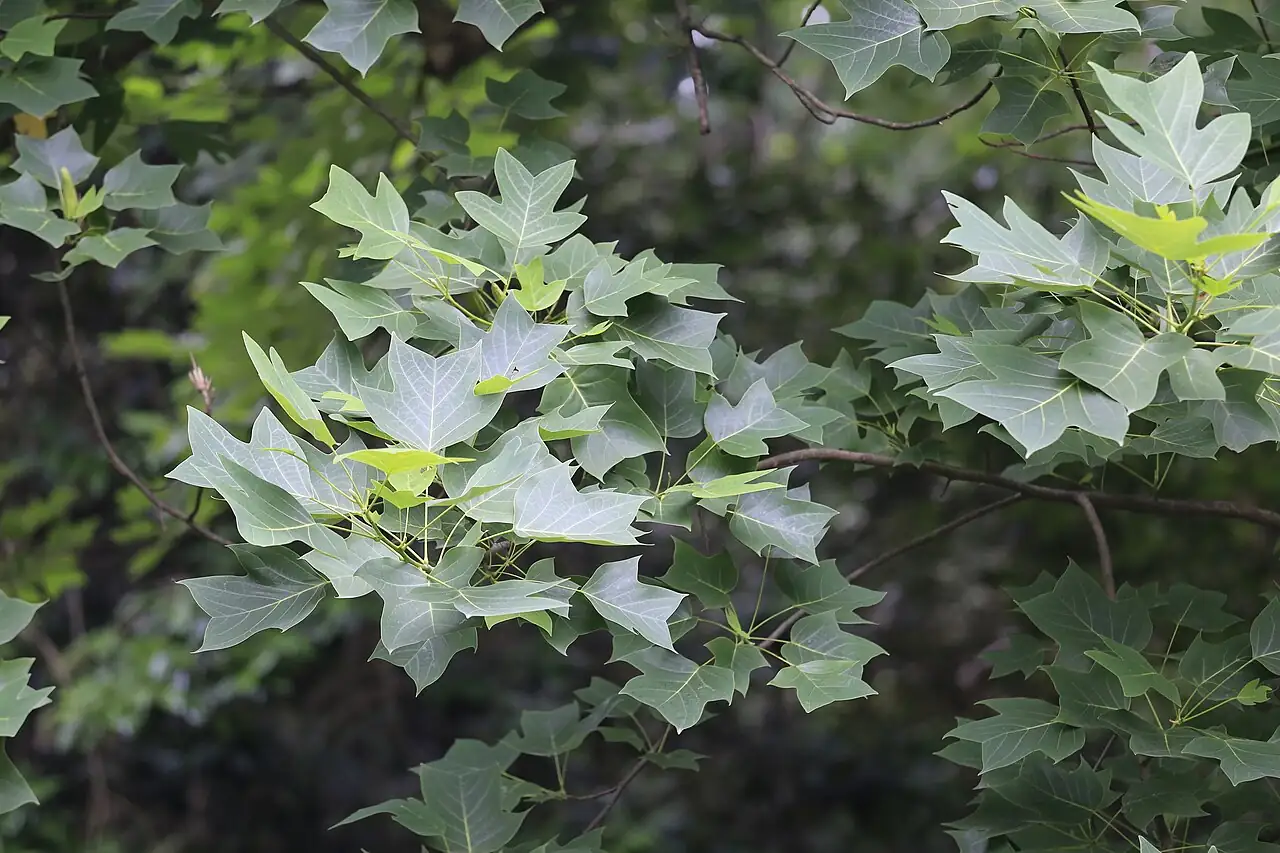
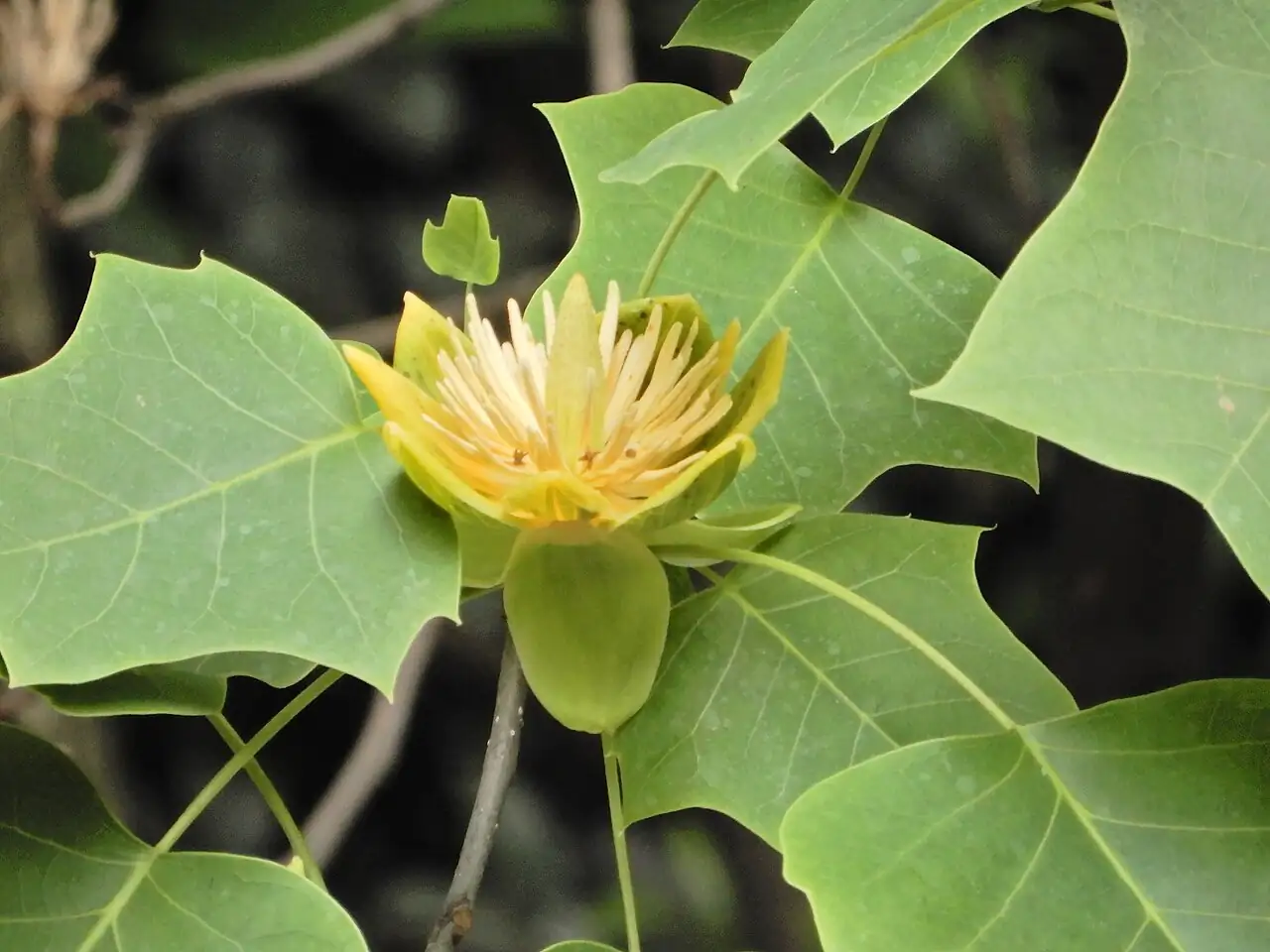
- Foliage: Leaves are uniquely lobed and often described as “coat-shaped”: two basal side lobes with a squared-off (truncate) tip. The underside is paler and may show fine whitish, papilla-like speckling.
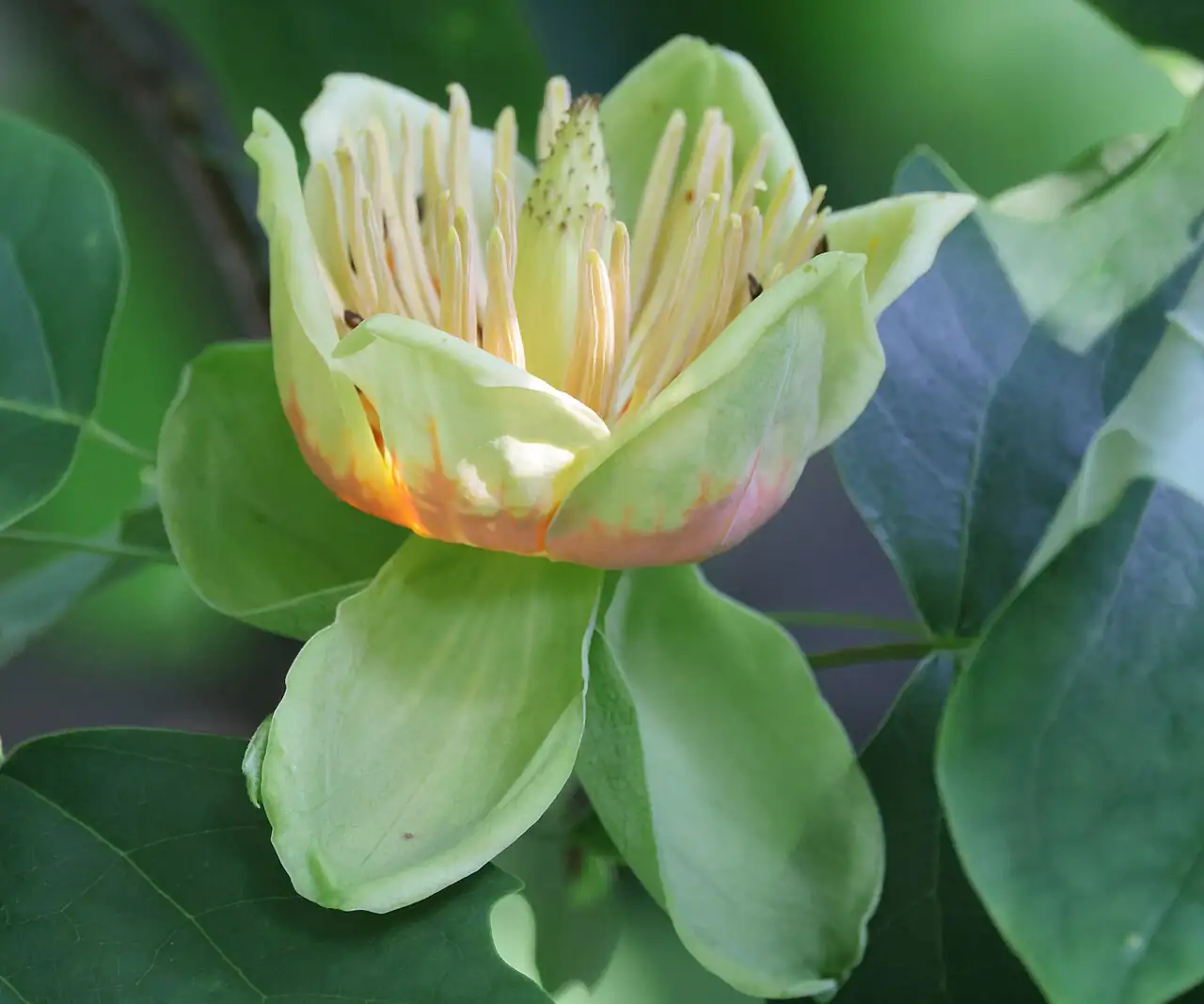
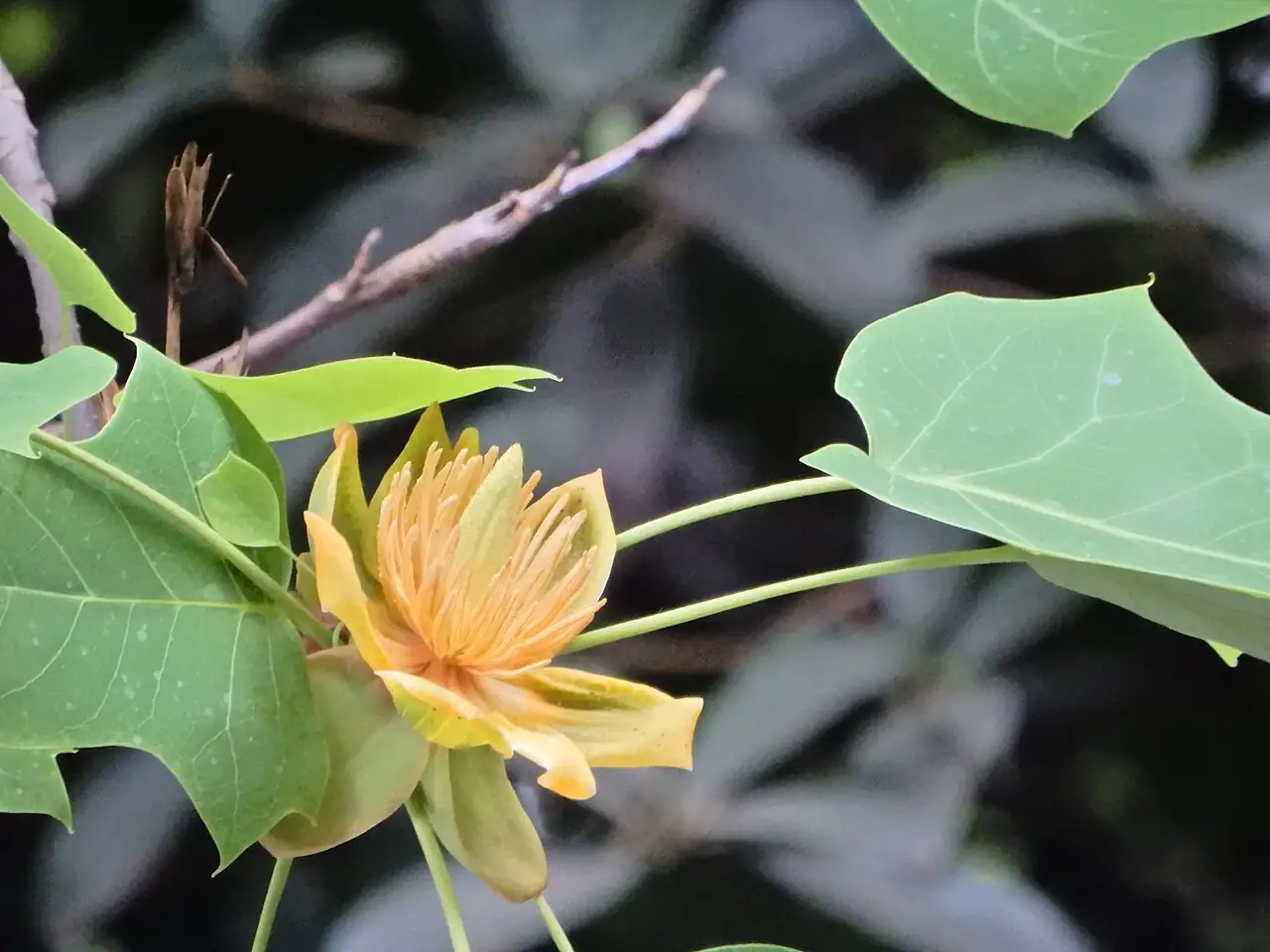
- Flower: In late spring it bears cup-shaped, lightly fragrant flowers in yellow‑green tones—greener on the outside and more yellow toward the inside—typically with about 9 perianth segments. After flowering, it forms an elongated, spindle-shaped aggregate fruit made up of many winged, pointed nutlets.
- Flowering Season: May–June
- Growth Habit: Upright, large deciduous tree with a broad, wide-ovoid crown.
Environment
Sunlight
Full sun to partial shade; tolerates light shade once established.
Temperature
Prefers a warm, humid climate; grows best around 15–30°C (59–86°F). Established trees tolerate cool winters, but young plants should be protected from severe frost and harsh exposure.
Humidity
Moderate to high humidity is ideal; appreciates consistently moist air and soil, but not stagnant dampness.
Soil
Deep, fertile, moisture-retentive yet well-drained soil; often performs best in acidic conditions. Avoid waterlogged ground and places where water stands after rain.
Placement
Outdoors only long-term—best as a specimen, shade, or avenue tree in parks, large gardens, and broad streets where it has room to reach full height and spread.
Hardiness
Comparable to USDA Zone 6–9 (−23 to −1°C / −10 to 30°F) depending on local provenance and siting; dislikes prolonged waterlogging.
Care Guide
Difficulty
Moderate. Straightforward once established in the right spot, but it needs real space, deep soil, and steady moisture with excellent drainage. Seed propagation can be frustrating due to low germination.
Buying Guide
Pick a healthy young tree with a straight central leader, clean bark (no wounds), and evenly spaced branches. Avoid pot-bound plants and anything with blackened roots or sour-smelling, soggy potting mix. Locally grown stock is often best, since it’s already adapted to your winter temperatures.
Watering
During the first 1–2 years, keep the root zone evenly moist. Water deeply, then allow the upper soil to begin drying slightly before watering again—frequent shallow watering encourages weak roots. It enjoys moisture, but it really dislikes waterlogged soil, so prioritize drainage and avoid low-lying wet spots.
Fertilization
In spring, use compost or a balanced slow-release fertilizer if growth looks weak. Don’t overdo nitrogen, which can push soft, vulnerable growth. Mature trees in good soil often need little to no feeding.
Pruning
Prune in late winter to early spring while dormant. Remove dead, damaged, or crossing branches and aim to keep a single, strong central leader. Avoid heavy pruning—especially in summer.
Propagation
Most often grown from seed, but germination is frequently low and cold stratification is commonly needed. The tree can resprout strongly from dormant buds after damage, showing good regenerative vigor.
Repotting
Not a true container plant long-term. If started in a pot, shift up to a deeper container in early spring and transplant into the ground as soon as practical to prevent root restriction.
📅 Seasonal Care Calendar
Plant or transplant in early spring or autumn. Watch watering closely for the first 1–2 years. Flowering: May–June. Fruiting: October–November.
Pests, Diseases & Safety
Common Pests & Diseases
Usually fairly resilient. Possible problems include aphids, scale insects, and leaf-spot diseases in humid conditions. Reduce stress with good siting and drainage; use horticultural oil for scale where appropriate and encourage beneficial insects to help manage aphids.
Toxicity
Not generally considered highly toxic to people or pets, but ingestion isn’t recommended. Sap/plant tissues may cause mild irritation in sensitive individuals.
Culture & Symbolism
Symbolism: Often linked with elegance and refined, “architectural” beauty—thanks to its distinctive leaf shape and tulip-like blooms.
History & Legends: A close relative of the American tulip tree (Liriodendron tulipifera) and one of only two species in the genus Liriodendron—making it a botanically special, relict lineage within the magnolia family.
Uses: Ornamental planting in parks, avenues, and large gardens as a shade and specimen tree. Its wood is used for construction, furniture, and general woodworking. The bark has also been used historically in traditional herbal contexts.
FAQ
When does it flower?
Typically May–June.
When does it set fruit?
Usually October–November.
How tall can the Chinese tulip tree grow?
In good conditions it can reach about 40 m (131 ft) tall.
What conditions does it like best?
Full sun to partial shade, a warm humid climate, and deep, fertile soil that stays moist but drains well (often slightly acidic). Avoid waterlogged ground and standing water.
Is it easy to grow from seed?
Not always—germination can be low and cold stratification may be needed. Many gardeners prefer buying a young tree instead.
Fun Facts
- The leaf shape is so distinctive it’s often compared to a little coat silhouette with a squared-off tip.
- The flowers are tulip-like, yellow-green, and lightly fragrant—subtle but charming up close.
- There are only two species of Liriodendron in the world: this one and the American tulip tree.
- Even though seeds can be tricky to start, the tree can resprout vigorously from dormant buds after damage.
- It’s both a showy landscape tree and a practical timber species.