
Plant Features
- Size: Up to about 25 m (82 ft) tall; typically forms an oval crown on a straight trunk.
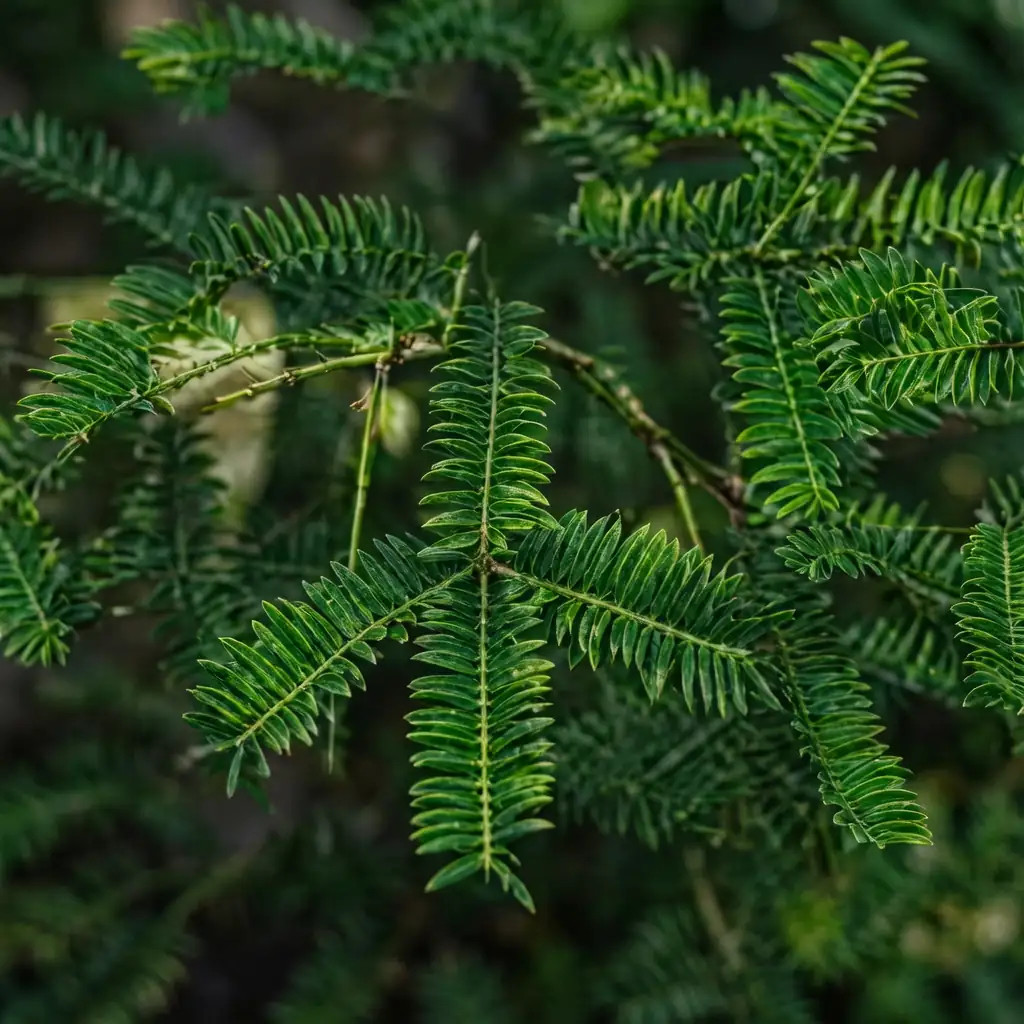
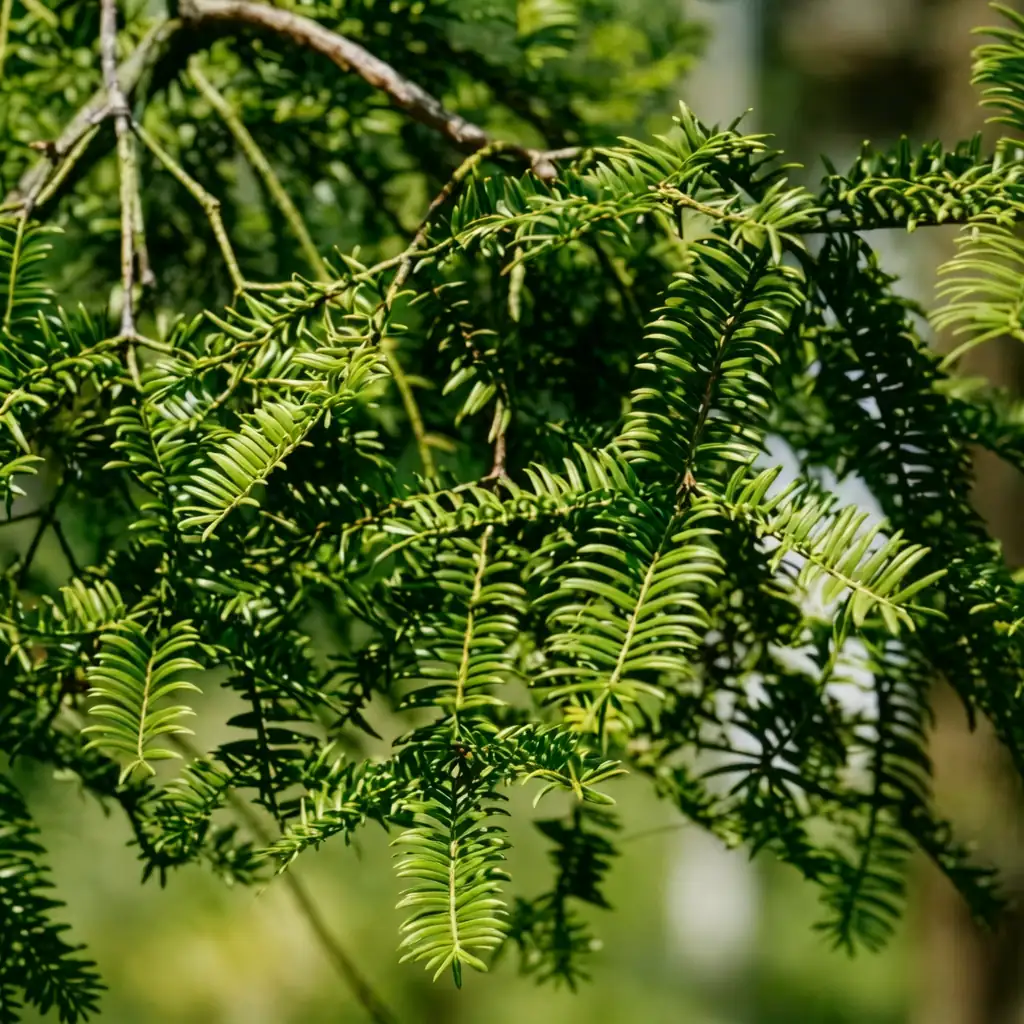
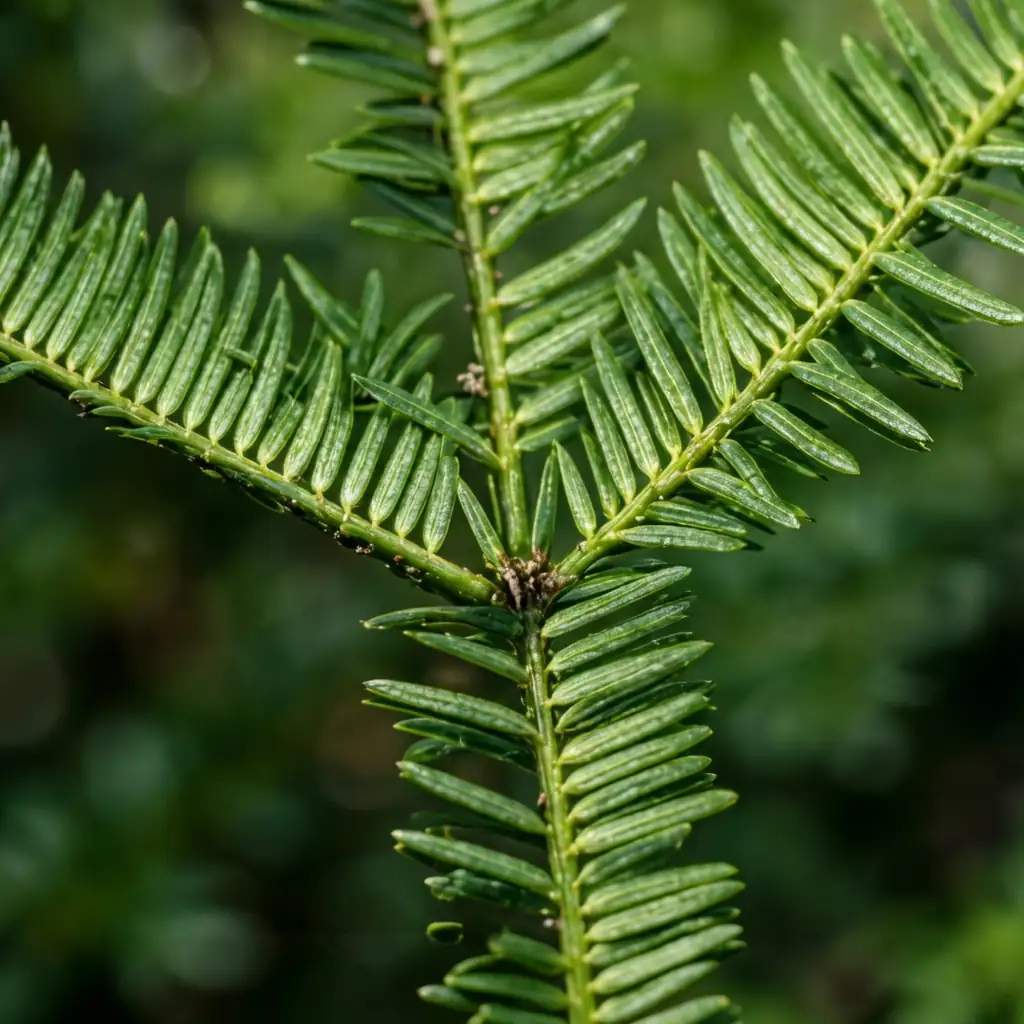
- Foliage: Evergreen with dense, rich-looking foliage. Winter buds are brownish green and often appear clustered (commonly three) at the tips of small branchlets.
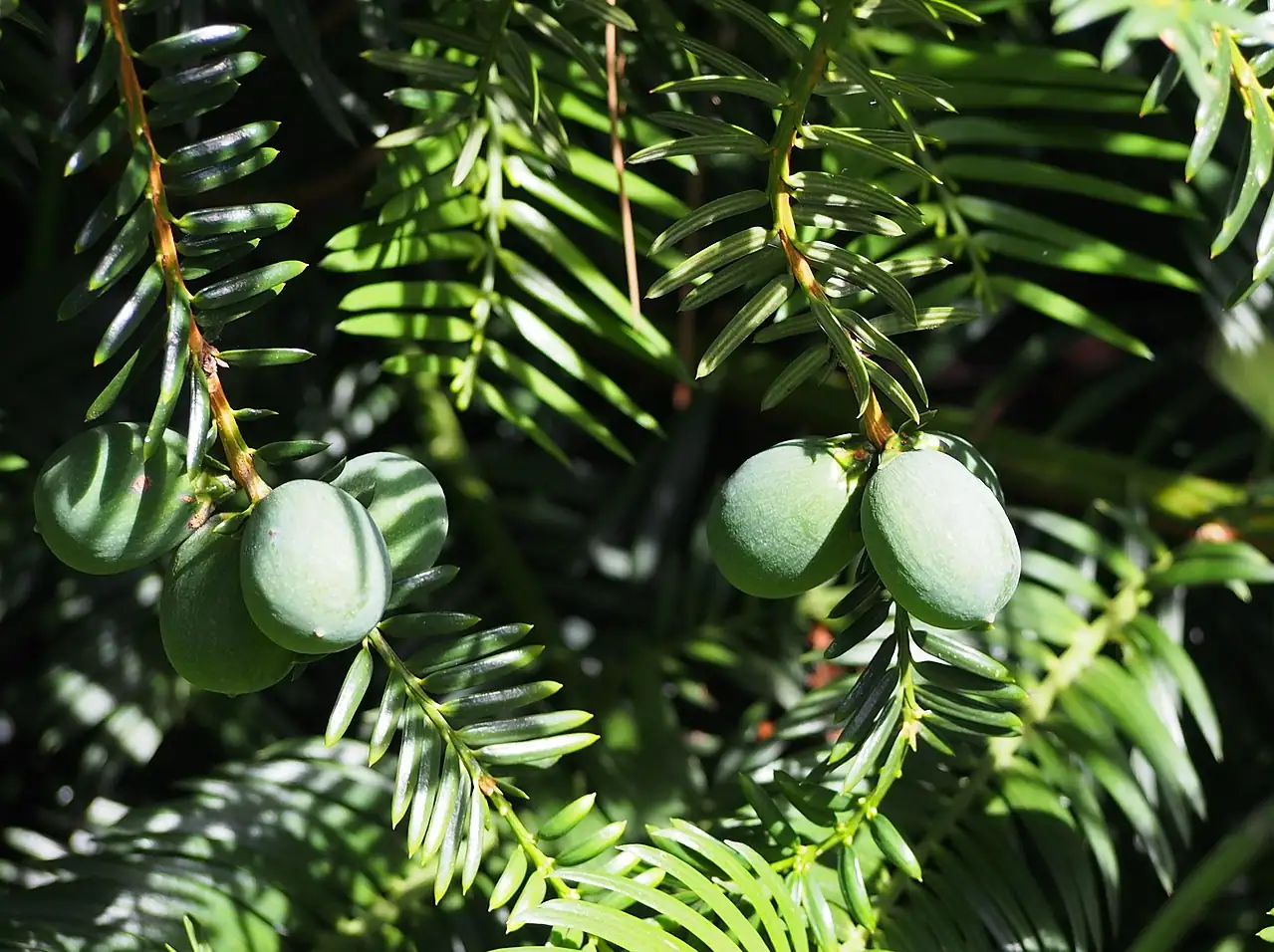
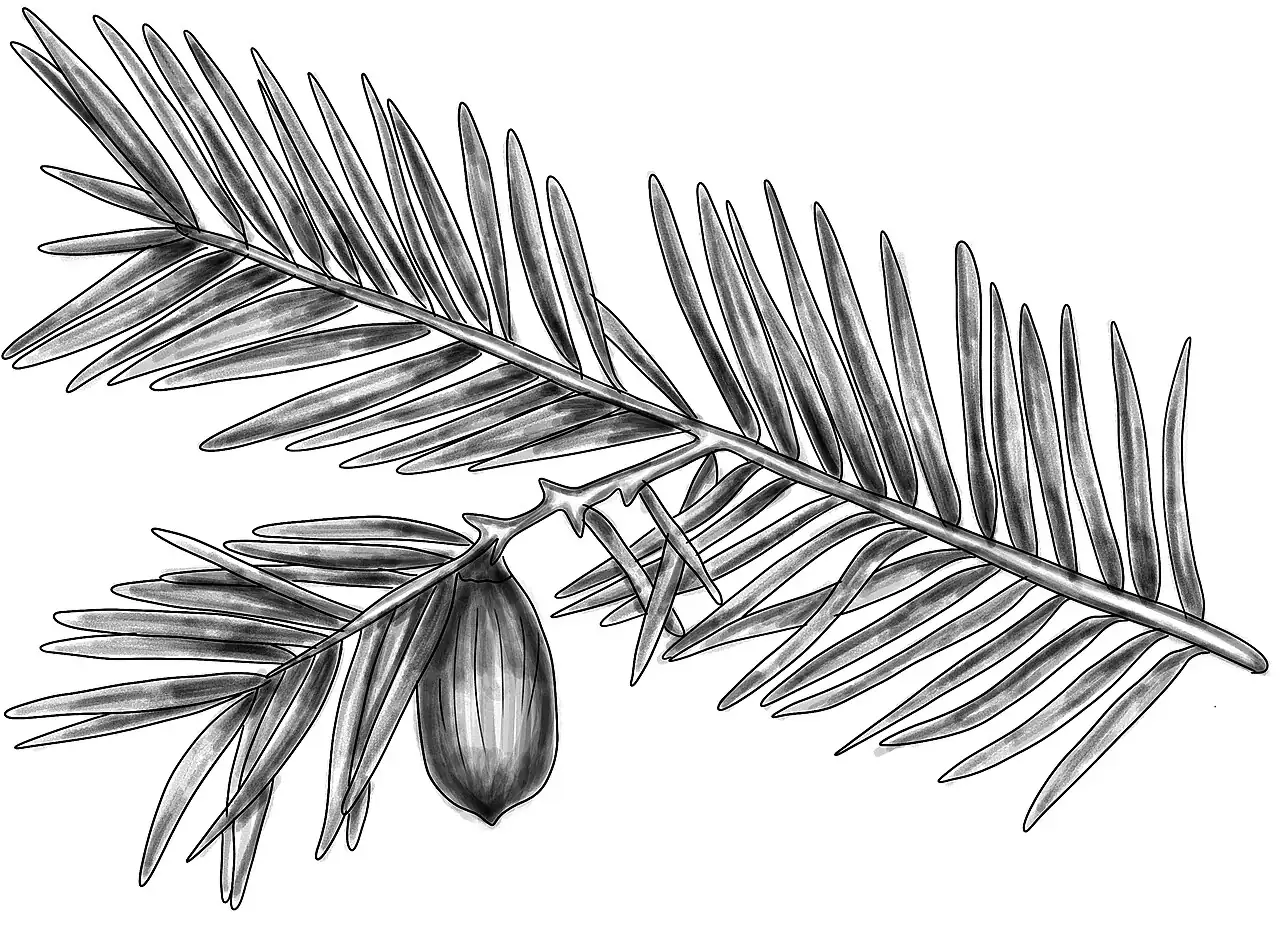
- Flower: Dioecious. Male pollen cones are borne singly in leaf axils. Female seed cones occur in pairs in leaf axils. The seed is oval to oblong and becomes enclosed by a fleshy aril that ripens to a pale purplish-red and often develops a whitish waxy bloom.
- Flowering Season: Mid to late April
- Growth Habit: Evergreen, upright tree with a straight trunk and an oval crown
Environment
Sunlight
Full sun to light shade. For best growth, give bright light with a cool, moist site—think “sunny but not baked,” with steady moisture rather than extremes.
Temperature
Prefers cool, moist conditions; generally performs best around 5–25°C (41–77°F). Once established, it can tolerate colder winter temperatures depending on provenance, but dislikes prolonged hot, dry stress.
Humidity
Moderate to high humidity is ideal. In very hot, dry air, growth can slow and stress symptoms may appear.
Soil
Deep, fertile, well-drained loam is ideal. Performs well in yellow, red, and yellow-brown forest soils. Avoid waterlogged ground; it also struggles in very dry, thin, or infertile soils.
Placement
Best outdoors as a specimen or background evergreen in gardens and parks; also planted in orchards where the edible kernels are harvested.
Hardiness
Cold tolerant for a torreya; roughly USDA Zone 7–9 depending on local conditions. Not tolerant of prolonged waterlogging.
Care Guide
Difficulty
Moderate (outdoors). It’s fairly adaptable and cold tolerant, but it really insists on good drainage and suffers if drought or soggy soil becomes routine. With the right site, it can live and stay productive for 200 years or more.
Buying Guide
Pick vigorous young trees with a clear central leader, healthy buds, and no signs of root rot or sour-smelling potting mix. If you want seeds, plan for pollination: because trees are usually male or female, you’ll need both sexes (or a known fruiting cultivar plus a compatible pollinator).
Watering
Water deeply after planting and keep evenly moist during establishment. Avoid low spots that stay soggy—standing water invites root problems. After establishment, water during prolonged dry spells; drought and poor soils reduce vigor and overall performance.
Fertilization
If growth is sluggish, feed in spring with a balanced slow-release fertilizer. Avoid heavy fertilization late in the season so new growth can harden before winter. In naturally fertile soils, minimal feeding is often enough.
Pruning
Prune lightly in late winter to early spring. Remove dead, damaged, or crossing branches and maintain a strong central leader. Avoid heavy pruning into old wood whenever possible.
Propagation
Most commonly grown from seed. Collect ripe arillate seeds, remove the fleshy aril, and sow after appropriate cold stratification; germination may be slow and uneven. Named selections are often grafted to keep traits consistent and encourage earlier, more reliable production.
Repotting
Not ideal as a long-term container plant. If kept potted while young, shift up in early spring into a deeper container with excellent drainage, and plant out before it becomes root-bound.
📅 Seasonal Care Calendar
Flowers in mid–late April. Seeds typically mature around September of the following year (after overwintering), varying with climate and whether a female tree has been successfully pollinated.
Pests, Diseases & Safety
Common Pests & Diseases
Generally robust. The biggest preventable issue is root rot in poorly drained soils. Also watch for scale insects, mites, and other sap-suckers; good airflow, healthy watering habits, and avoiding waterlogged soil help keep problems minor.
Toxicity
Not widely listed as a highly toxic ornamental, but it’s still wise to prevent pets or children from chewing foliage or swallowing seeds. If eating the kernels, use only properly processed edible seeds from a trusted, food-appropriate source.
Culture & Symbolism
Symbolism: Often linked with longevity and resilience—an evergreen tree that can live for centuries naturally invites that kind of admiration.
History & Legends: Kernels from the Kuaiji Mountains area near Shaoxing (Zhejiang) are especially renowned. Beyond food, local traditions have used the kernels and even leaves/young shoots in remedies. The wood has also been prized in East Asia for fine work, including high-quality Go boards.
Uses: Ornamental evergreen for parks and large gardens; nut production for its edible kernels; traditional medicinal use in local practices; valued timber for fine items such as Go boards.
Fun Facts
- Chinese torreya is endemic to China and occurs across a broad range of provinces in both cultivation and wild populations.
- A mature tree can reach about 25 m (82 ft) tall.
- Given good conditions, it can remain vigorous for around 200 years or more.
- The mature seed is wrapped in a fleshy, purplish aril that often looks dusted with a pale waxy bloom.
- In some regions, the kernels are a prized edible nut.
- Its timber has been used for premium Go boards in East Asia.