

Plant Features
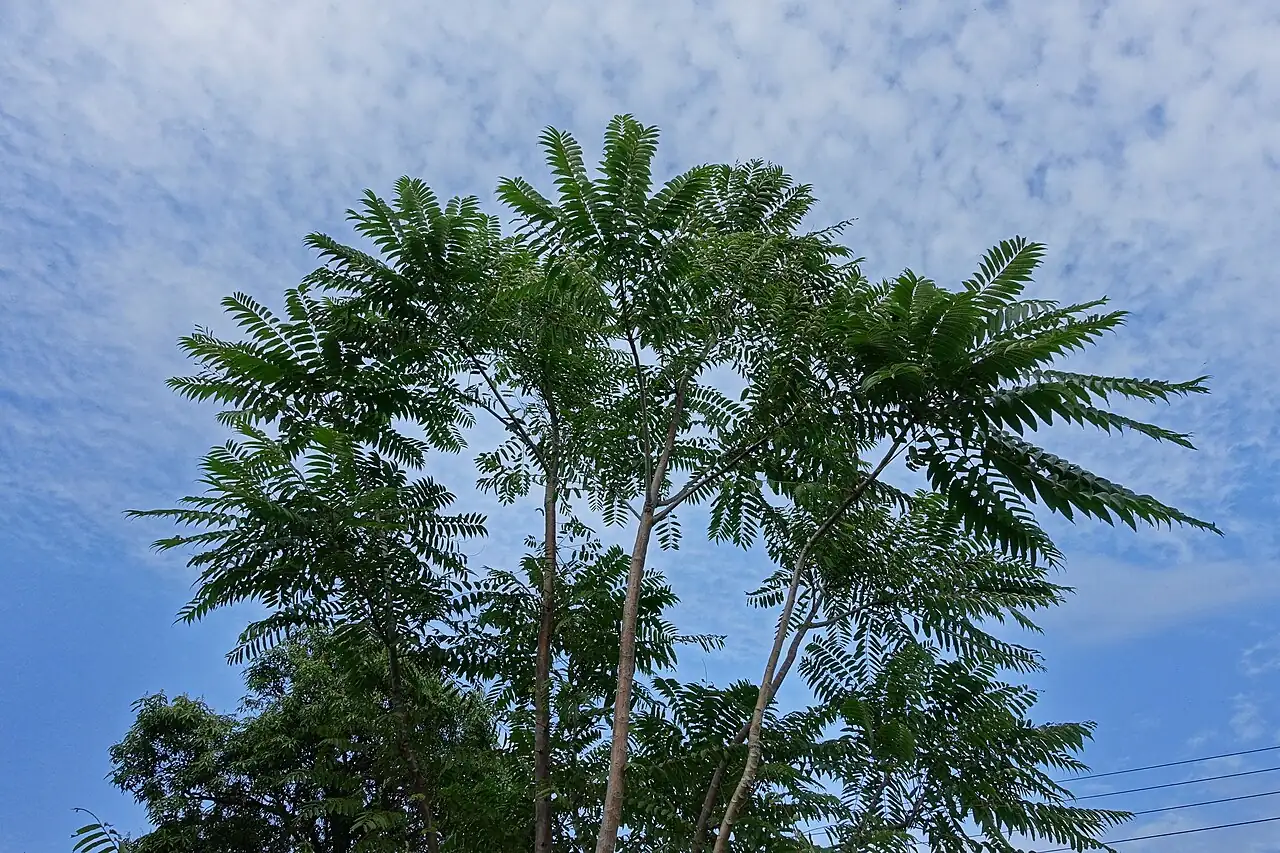
- Size: Up to about 25 m (82 ft) tall with a broad, open crown.
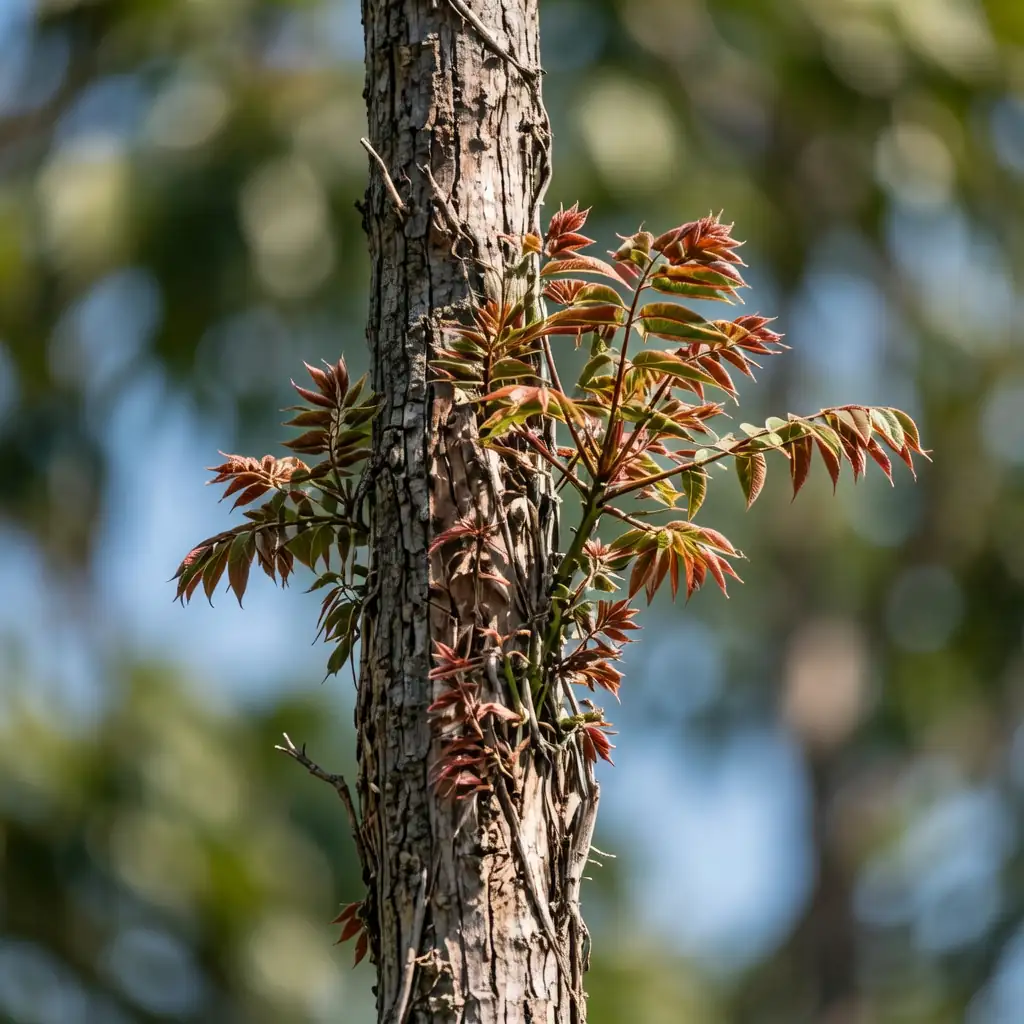
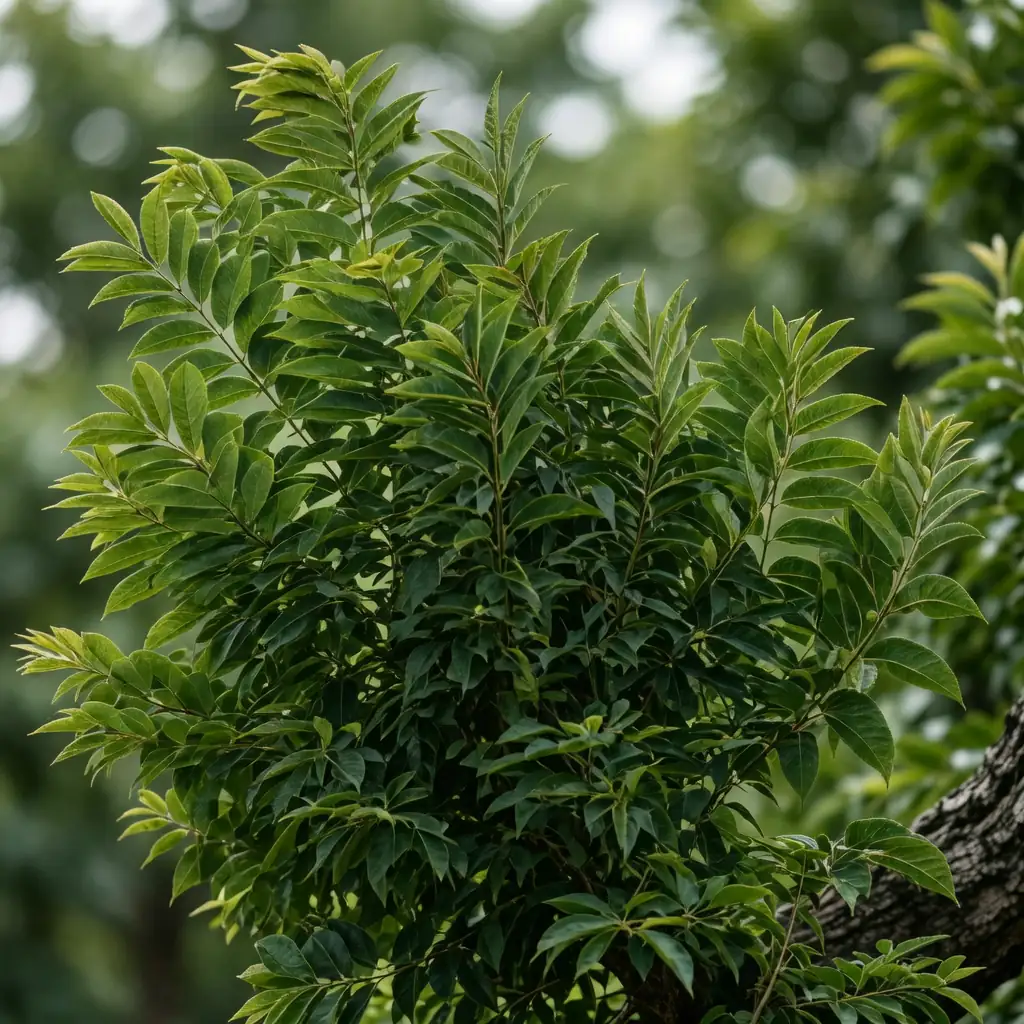
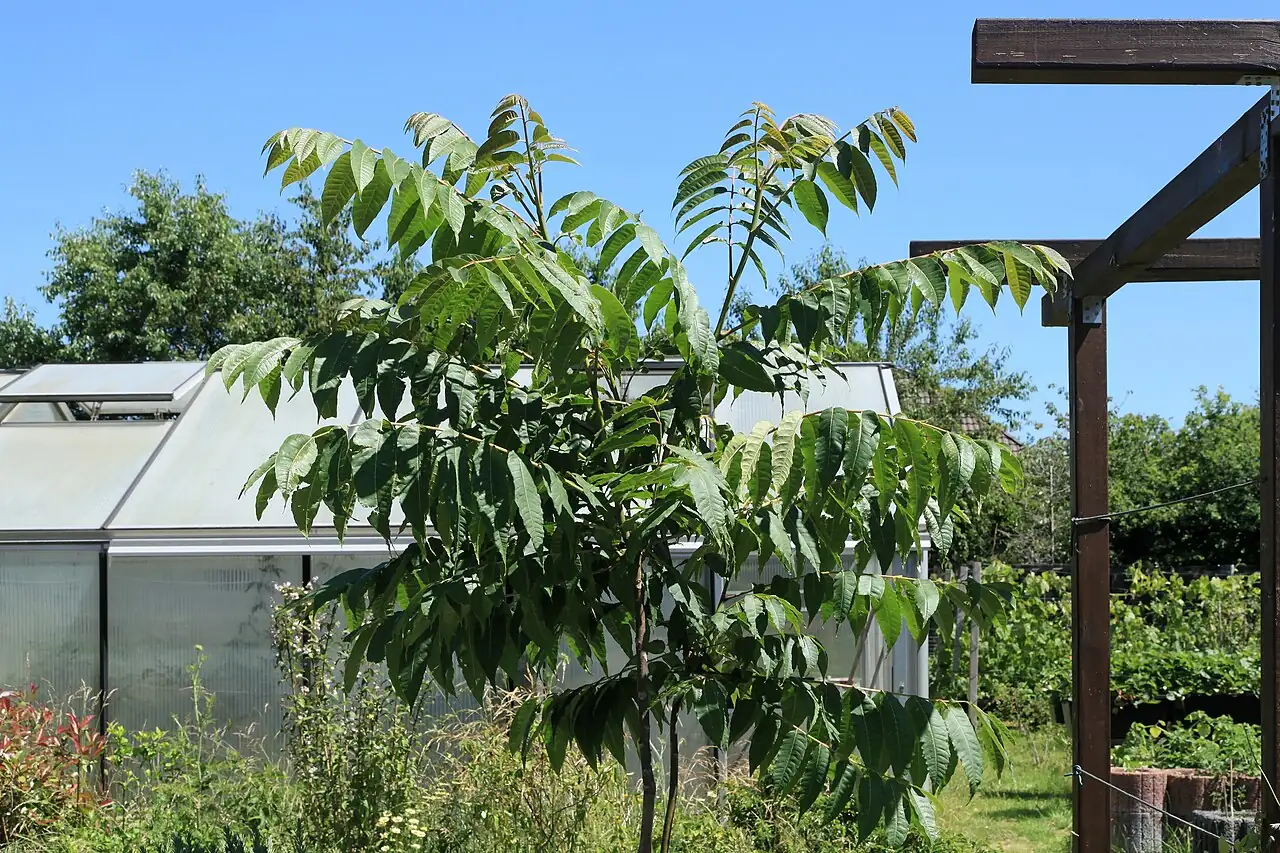
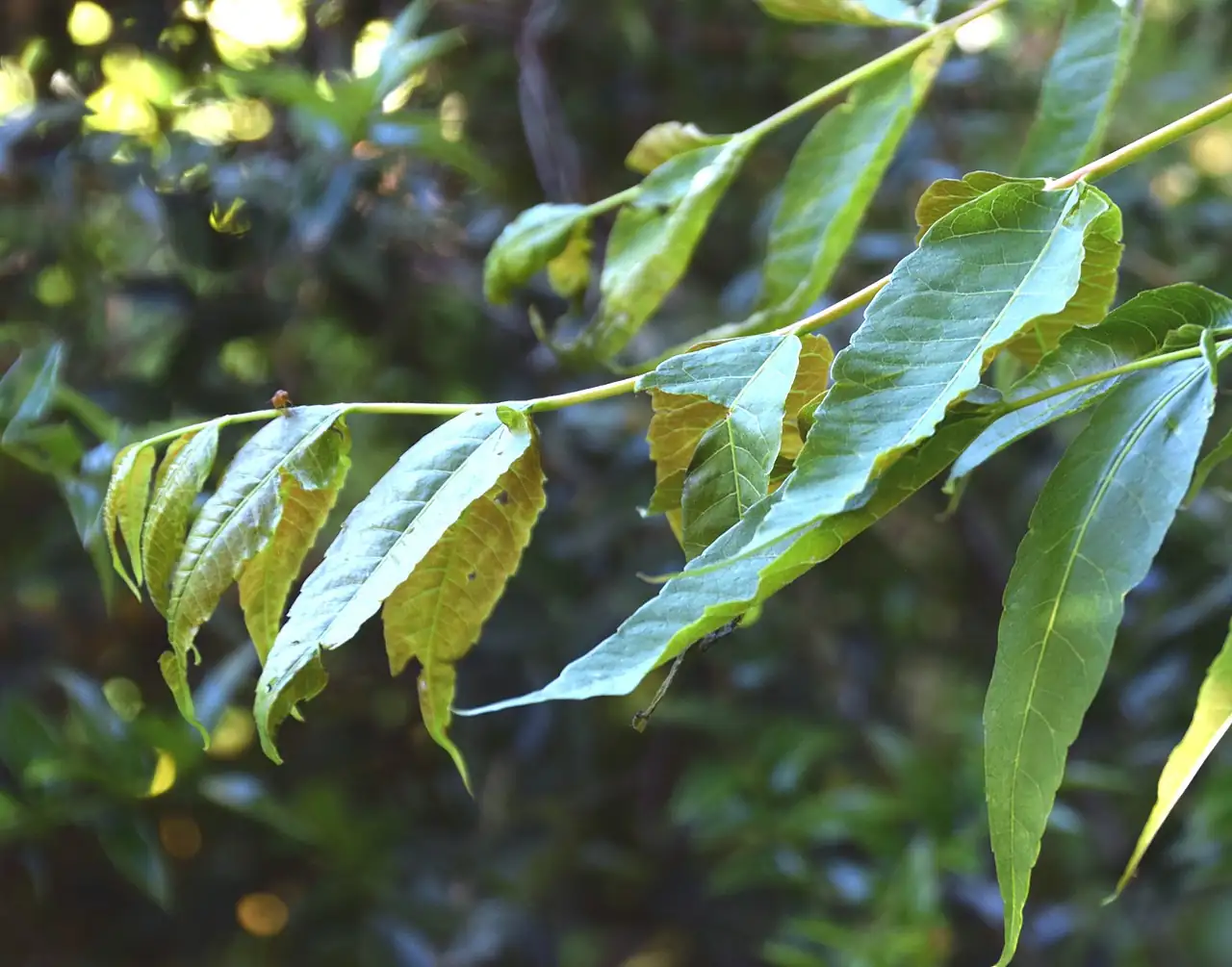
- Foliage: Large pinnate (feather-like) leaves made up of many leaflets (often around 10–20). The young growth is notably aromatic; individual leaflets are oval to narrowly oval and commonly have an uneven (asymmetric) base.
- Flower: Small, whitish, fragrant flowers carried in branched clusters; fruits are dry capsules (often described as obovoid to elliptic).
- Flowering Season: June–August
- Growth Habit: Deciduous, upright tree with a broad crown; deep-rooted, vigorous sprouter that tolerates pruning extremely well. Often described as fairly tolerant of urban conditions, including air pollution.
Environment
Sunlight
Full sun for best growth and best-quality shoots; tolerates light shade.
Temperature
Cold-tolerant; grows best in temperate conditions around 15–30°C (59–86°F).
Humidity
Adaptable; tolerates moist conditions and short periods of waterlogging once established.
Soil
Adaptable to many soils; prefers well-drained loam, but can handle poorer soils and shows some tolerance of salinity/alkalinity.
Placement
Outdoors in the ground as a shade tree or street/avenue tree; also grown in edible gardens specifically for spring shoot harvest.
Hardiness
Approximately USDA Zone 6–10 (about -23 to -1°C / -10 to 30°F), varying with provenance and site.
Care Guide
Difficulty
Easy outdoors in suitable climates; forgiving of soil variation and notably tolerant of heavy pruning once established.
Buying Guide
Pick young trees with a straight main trunk (leader) and healthy, uninjured bark. Avoid plants showing dieback, cankers, or severe root-binding. For bare-root stock, roots should be moist and fibrous—never dried out.
Watering
Water consistently during establishment (the first 1–2 growing seasons), keeping soil evenly moist but not waterlogged. After establishment, water during long dry spells; scale back watering in cooler seasons.
Fertilization
In spring, top-dress with compost or use a balanced slow-release fertilizer. If growing mainly for edible shoots, a light, nitrogen-leaning feed in early spring can boost leafy growth; avoid heavy late-season nitrogen so the tree can harden off for winter.
Pruning
Prune in late winter to early spring while dormant to shape the crown, manage size, and remove crossing or damaged branches. For edible shoot production, coppicing or pollarding (cutting back hard to stimulate fresh shoots) is commonly used—this species resprouts enthusiastically.
Propagation
Usually grown from seed; also readily regenerates from root suckers and resprouts strongly after cutting back.
Repotting
Not ideal as a long-term container tree. If started in a pot, up-pot in spring into a larger container with a free-draining mix, and transplant into the ground when practical.
📅 Seasonal Care Calendar
Spring: harvest tender shoots/leaves and feed lightly. Summer (June–August): flowering period. Autumn to early winter (about October–December): fruiting and seed maturity; reduce feeding and irrigation as growth slows. Winter: do structural pruning during dormancy.
Pests, Diseases & Safety
Common Pests & Diseases
Generally robust. New growth can attract aphids; scale insects and occasional caterpillars may appear. Stressed trees can develop canker or dieback—minimize trunk wounds, improve airflow, and prune diseased wood back to healthy tissue.
Toxicity
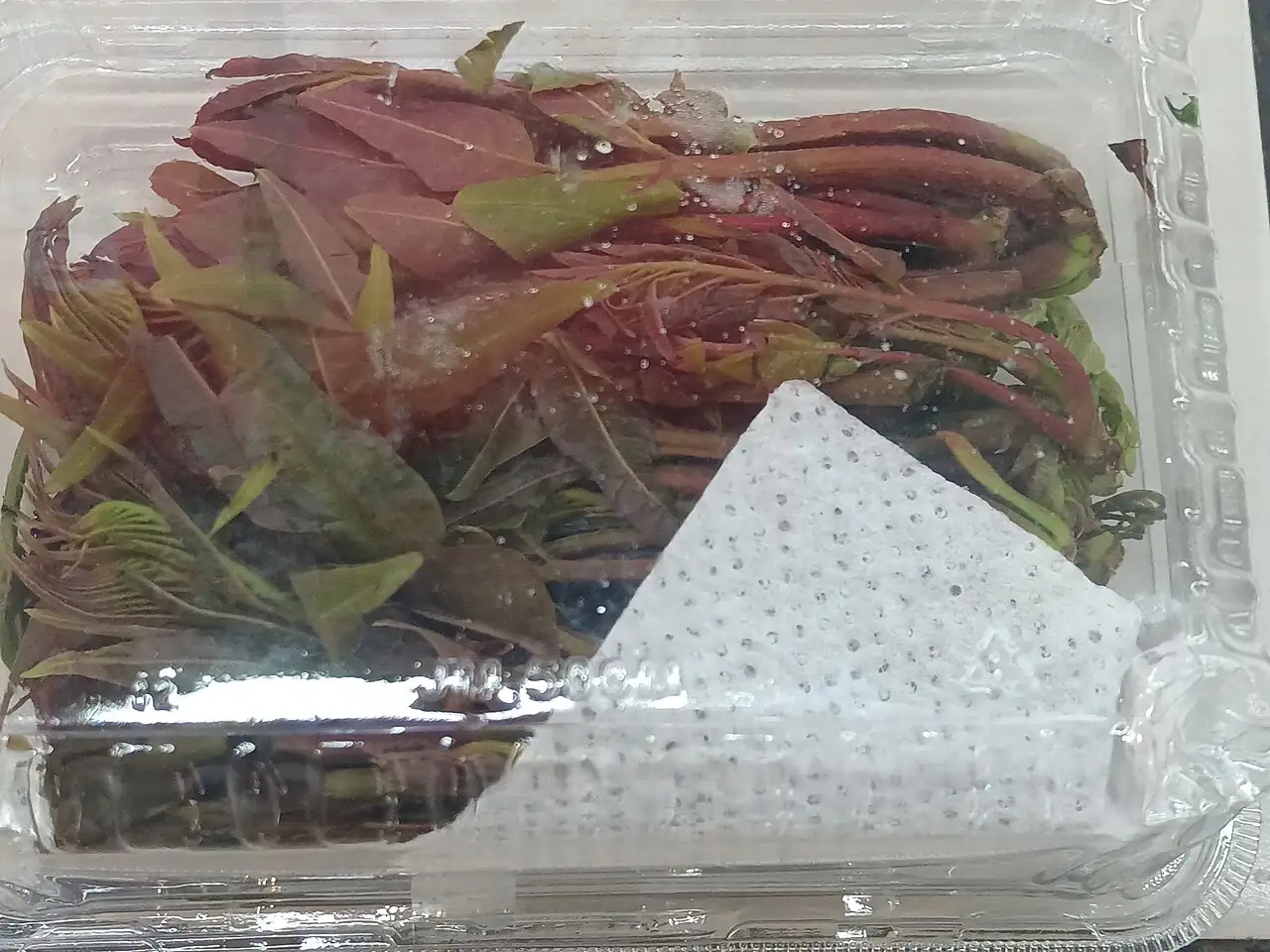
Not known to be poisonous when prepared and eaten traditionally; young shoots and leaves are typically cooked (e.g., blanched or stir-fried). Do not eat foliage from trees that may have been sprayed, and use caution if you have plant/food allergies.
Culture & Symbolism
Symbolism: Often linked with the feeling of early spring and seasonal freshness, since its fragrant shoots are a classic springtime delicacy.
History & Legends: Long cultivated in China as both an ornamental tree and a valued edible plant, celebrated in regional cuisines for its distinctive aroma.
Uses: Ornamental: shade tree and street/avenue planting, appreciated for its broad crown and urban toughness. Edible: young shoots and young leaves harvested as a seasonal vegetable. Seed oil: seeds can be pressed for oil used for culinary or industrial purposes.
FAQ
Can I eat Chinese toon leaves raw?
It’s usually eaten cooked (often blanched or stir-fried) to mellow the strong aroma and improve texture. Avoid eating from ornamental trees that may have been treated with pesticides.
Why does my tree keep sending up shoots from the base?
Chinese toon naturally suckers and resprouts vigorously, especially after pruning or damage. Remove unwanted suckers early, or embrace the habit by coppicing/pollarding to produce lots of tender edible shoots.
Fun Facts
- The spring shoots are famous for a distinctive oniony-nutty fragrance and are treated as a seasonal delicacy in many cuisines.
- It tolerates pruning exceptionally well and can be managed by coppicing or pollarding to produce repeated flushes of tender shoots.
- It is often planted in cities because it copes relatively well with pollution and tough roadside conditions.
- Seeds can be pressed for oil used for food or industrial purposes.


