Plant Features
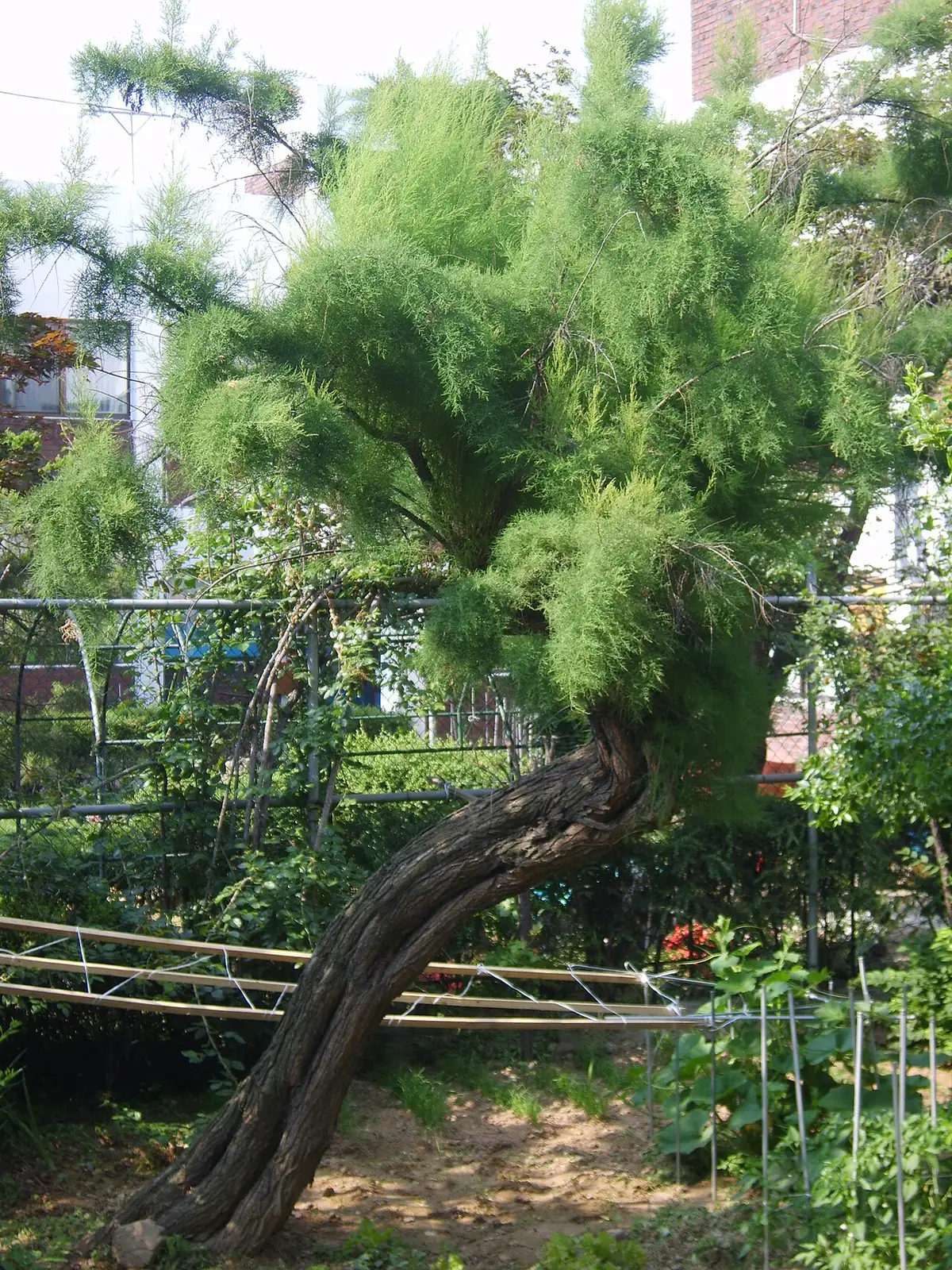
- Size: Typically 3–8 m (10–26 ft) tall, growing as a shrub to small tree.
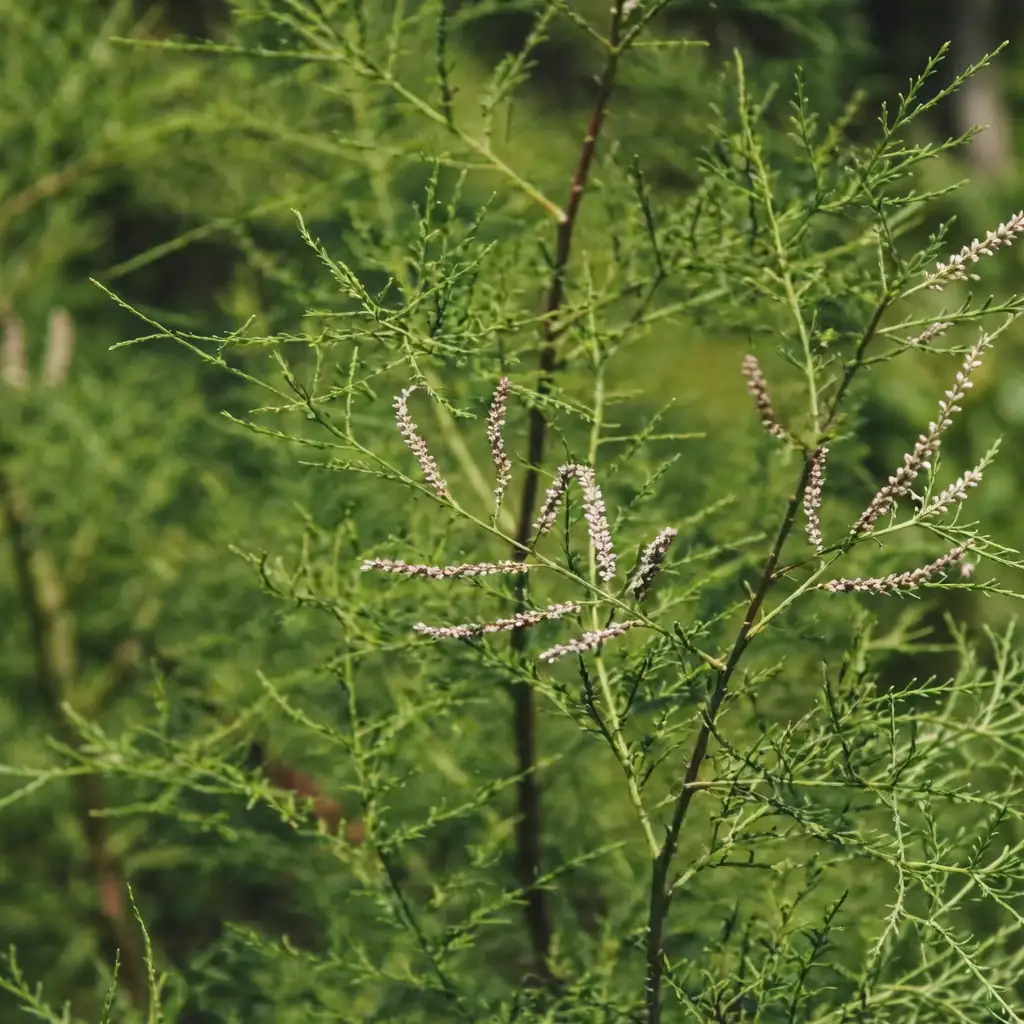
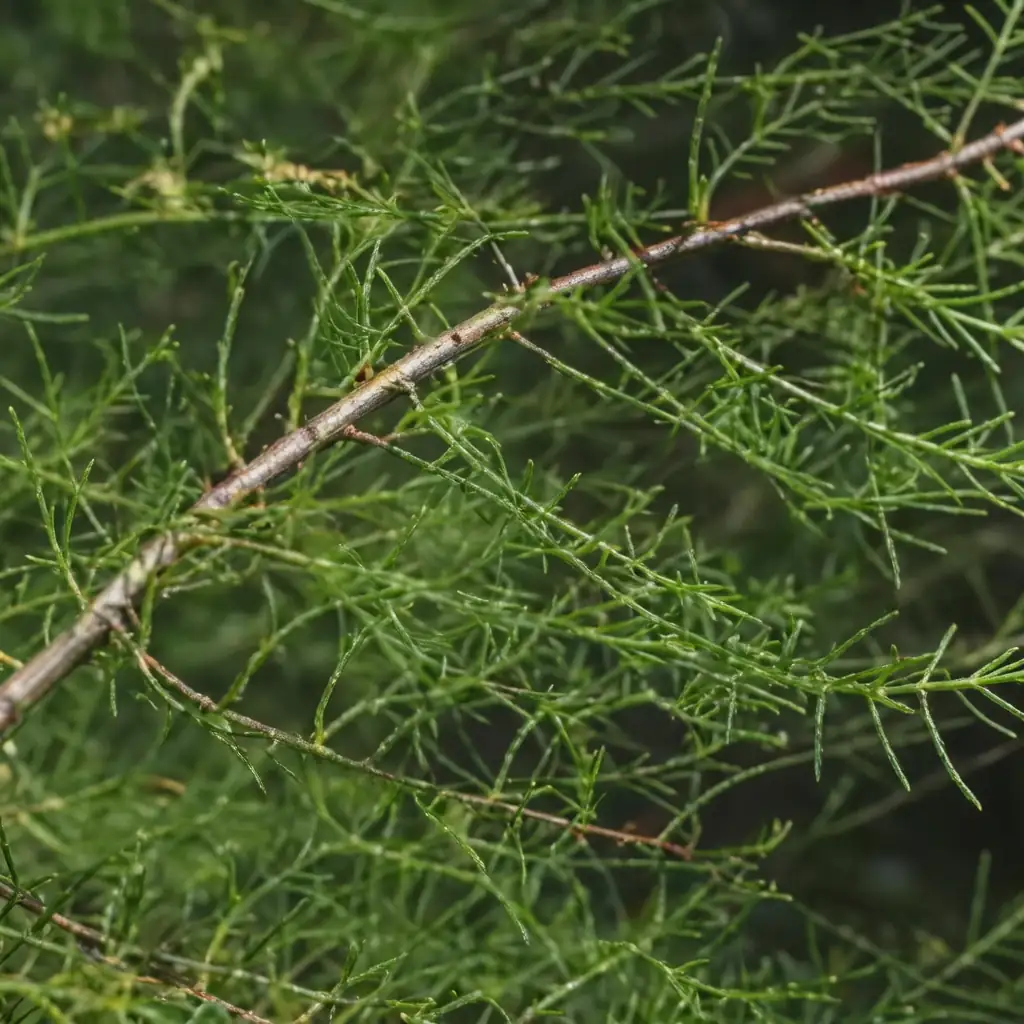
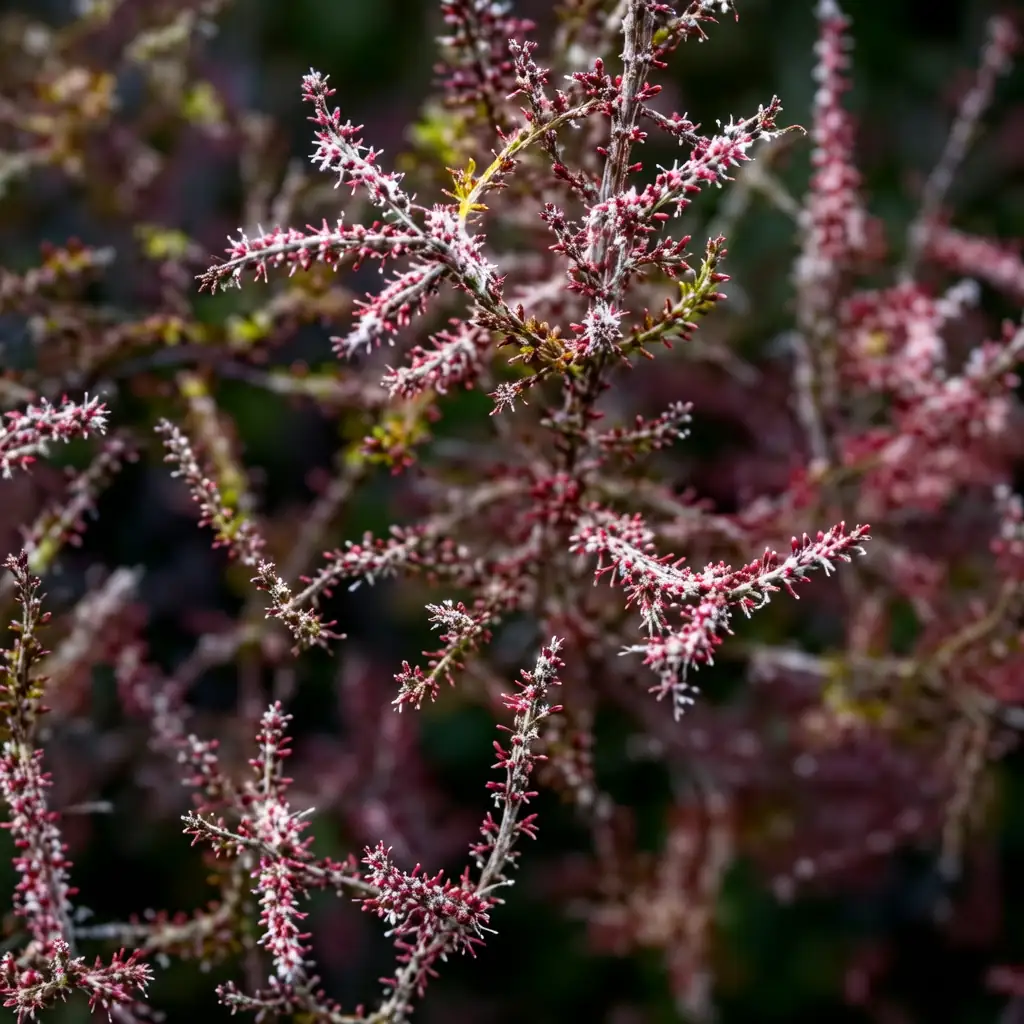
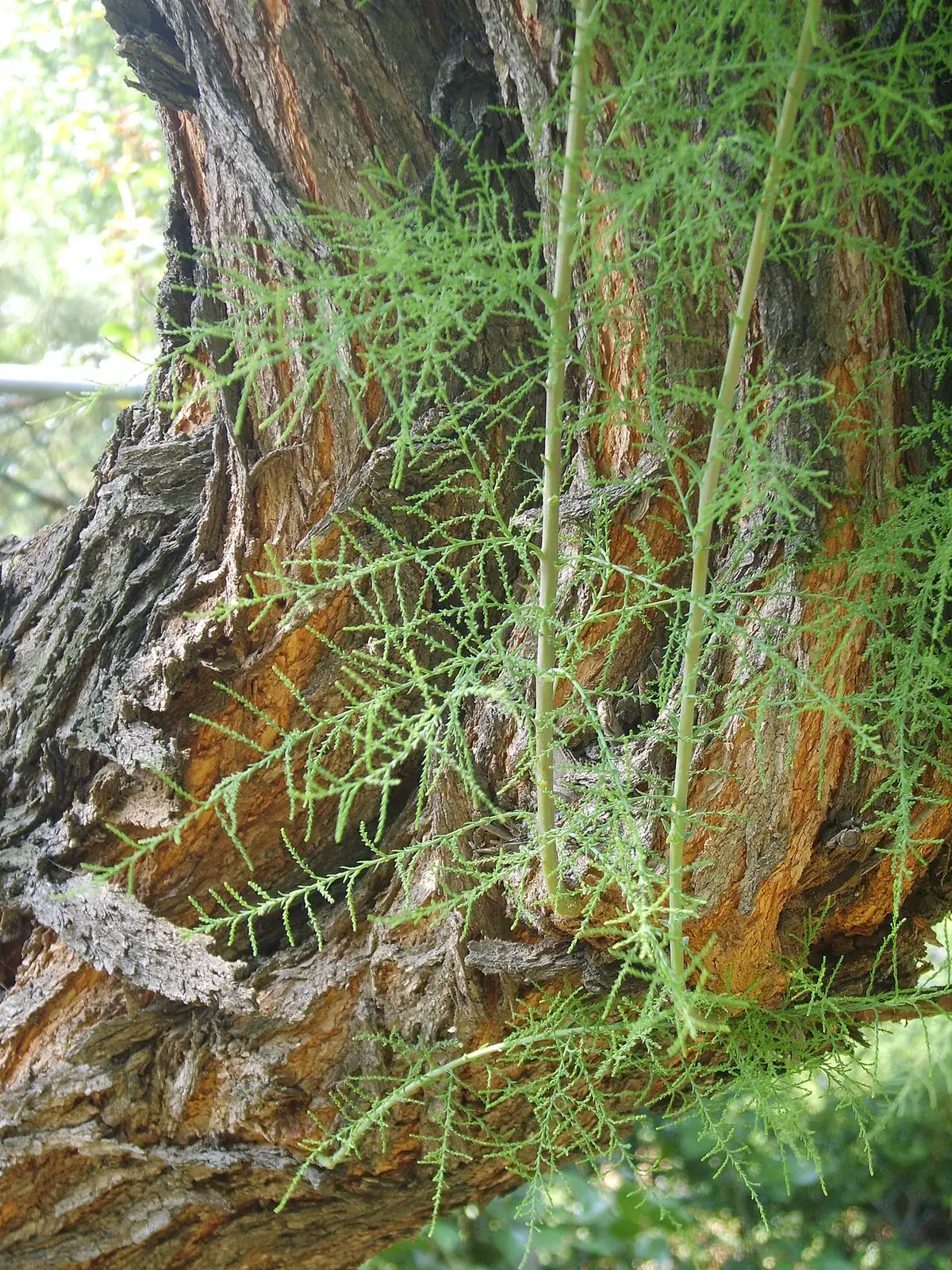
- Foliage: Fresh green foliage made up of very small, narrow lance-shaped to ovate-lanceolate leaves on slender green shoots that emerge from woody branches. Overall, the plant reads as light, airy, and finely textured.
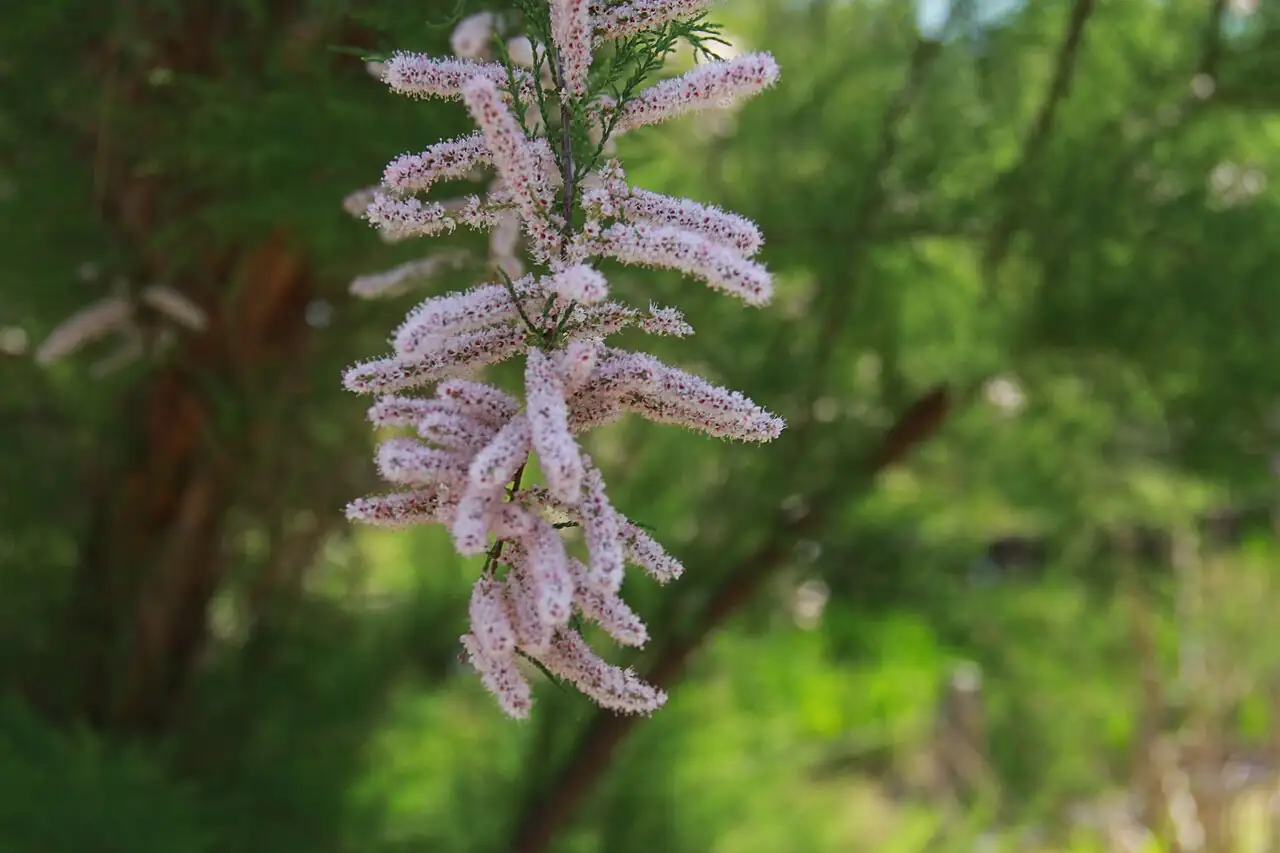
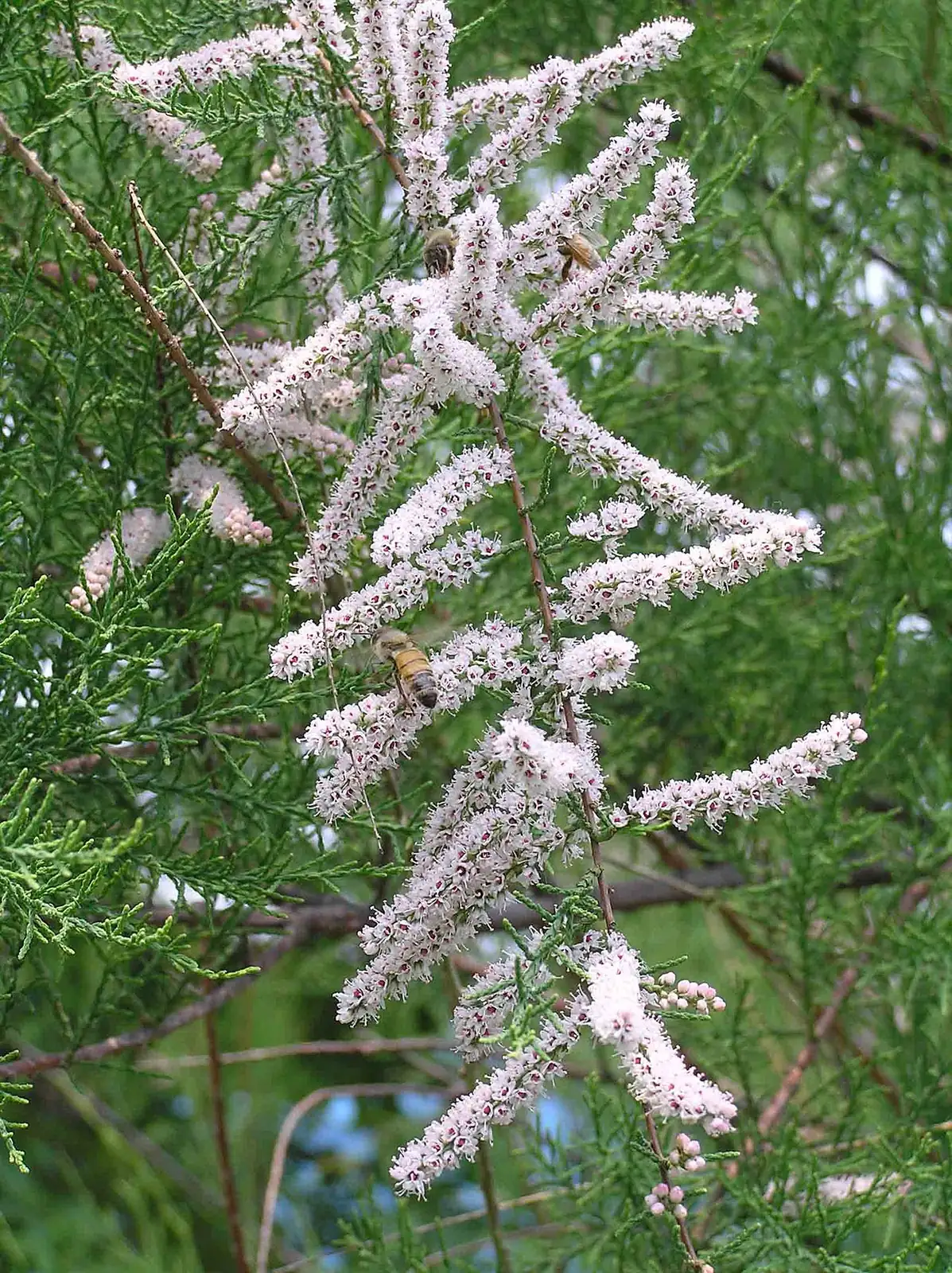
- Flower: Carries masses of tiny pink flowers packed along slender racemes on young woody twigs. Flowering often comes in two to three flushes per year. Fruits develop as small capsules.
- Flowering Season: April–September (Apr–Sep), often in repeated flushes.
- Growth Habit: Fast-growing, deep-rooted, and usually upright; forms a shrub or small tree. Can be long-lived in suitable sites (often many decades, sometimes 100+ years).
Environment
Sunlight
Full sun is best; it performs poorly in shade and is not shade-tolerant. Handles intense sun exposure well.
Temperature
Broadly heat- and cold-tolerant in temperate climates; withstands hot summers and winter frost (exact optimum range varies with local conditions and provenance).
Humidity
Very adaptable—tolerates dry air and drought, but also copes with moist soil and periodic waterlogging once established.
Soil
Exceptionally tolerant of poor soils, sand, and saline-alkaline ground; reported to handle heavily saline soils (around 1% salt). Prefers well-drained soils but adapts well to riverbank and coastal substrates.
Placement
Primarily an outdoor landscape plant: ideal for riverbanks, lakesides/pond edges, bridge approaches, embankments/levees, coastal sites, roadsides, and difficult saline-alkaline or sandy wasteland. Works well in rows and as hedging/windbreak planting.
Hardiness
Cold hardy and heat tolerant; suitable for regions with frost. USDA zone can vary by provenance and local conditions; notably salt tolerant and wind tolerant.
Care Guide
Difficulty
Easy (outdoors, in the right place). It’s famously tough—tolerant of salt, alkalinity, drought, wind, heat, cold, and periodic wetness—but it does need strong light and won’t thrive in shade.
Buying Guide
Look for plants with healthy, flexible twigs and no dieback. Avoid pot-bound stock, and check containers for dried-out rootballs or signs of salt burn. For windy/coastal projects, choose well-rooted nursery plants rather than freshly lifted material.
Watering
After establishment, watering needs are usually low. Water deeply during the first growing season and during prolonged drought. In the ground it can tolerate moist or periodically wet soils, but in containers avoid keeping the mix constantly saturated.
Fertilization
Generally a light feeder. On poor soils, use a light, balanced slow-release fertilizer in spring. Avoid heavy nitrogen, which can push weak, overly soft growth.
Pruning
Prune in late winter to early spring to shape, remove dead or wind-damaged wood, and encourage fresh flowering shoots. Tolerates harder pruning when grown as a hedge.
Propagation
Most commonly propagated from hardwood or semi-hardwood cuttings. Seed propagation is possible but tends to be less consistent for garden production.
Repotting
Mainly grown in the ground. If kept in a container, repot every 1–2 years (or when rootbound) into a deeper pot to suit its strong rooting habit.
📅 Seasonal Care Calendar
Spring: plant/repot, light feeding if needed, structural pruning. Summer: water during establishment or drought; enjoy repeat blooms. Autumn: reduce feeding, watch for any dieback. Winter: minimal care; prune before spring growth in colder regions.
Pests, Diseases & Safety
Common Pests & Diseases
Usually resilient. Under stress it may see aphids, scale insects, or spider mites; container plants can develop root issues if drainage is poor. Promote airflow and avoid chronic waterlogging in pots.
Toxicity
No well-established toxicity concerns are widely cited for typical ornamental use, but it’s still best to prevent pets or children from chewing any plant material.
Culture & Symbolism
Symbolism: Often linked with resilience and protection—an emblem of standing strong against salt wind, drought, and other harsh conditions, and of safeguarding coasts and riverbanks.
History & Legends: A long-used landscape and conservation plant in northern China, valued for stabilizing sand and coping with saline-alkaline soils. The folk nickname “Three-Spring Willow” comes from its tendency to flower in multiple flushes each year.
Uses: Ornamental shrub/small tree and practical ecological workhorse. Widely used for hedges, windbreaks, roadside and riverside planting, embankments/levees, coastal greening, sand fixation, and reclamation of saline-alkaline or sandy sites.
FAQ
When does Chinese tamarisk flower?
Typically April–September (Apr–Sep), often in two or three flowering flushes.
When does it set fruit?
Usually August–September (Aug–Sep), forming small capsule fruits.
How tall does it grow?
About 3–8 m (10–26 ft) tall.
Where does it grow naturally and what habitat does it prefer?
It’s native to northern and eastern China, naturally found on river alluvial plains and coastal areas such as shores and sandbars, as well as wet saline-alkaline ground and sandy wasteland; it’s also widely cultivated beyond its wild range.
What are its main ecological and landscape uses?
It’s commonly planted in rows or hedges for windbreaks, riverside and roadside greening, embankment planting, and restoration of saline-alkaline or sandy sites—especially for sand stabilization.
Fun Facts
- It’s nicknamed “Three-Spring Willow” because it can bloom roughly three times in a year.
- It can tolerate very salty soils (reported around 1% salt content).
- Deep roots and fast growth make it especially useful for tough, windy coastal and riverside sites.
- In good conditions it can live for many decades—and sometimes more than 100 years.