

Plant Features
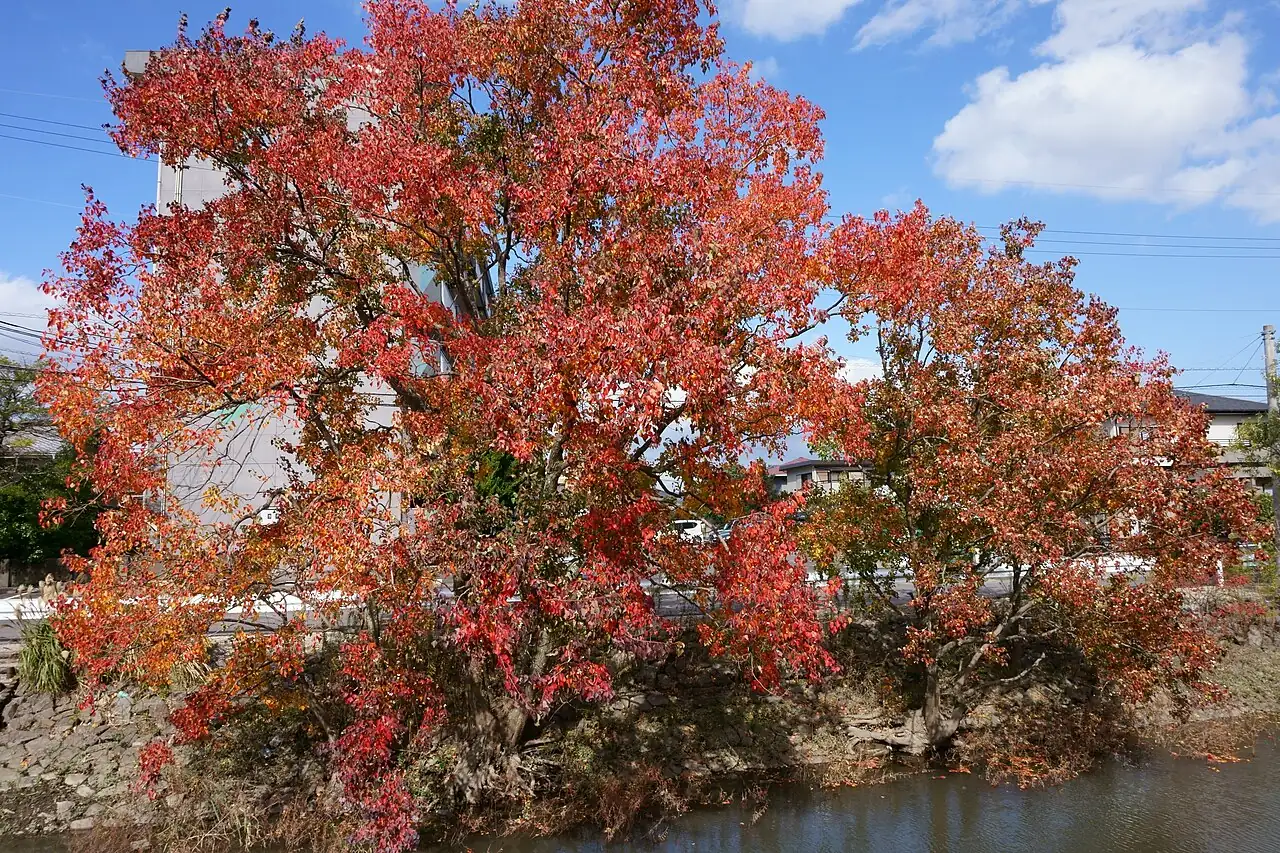
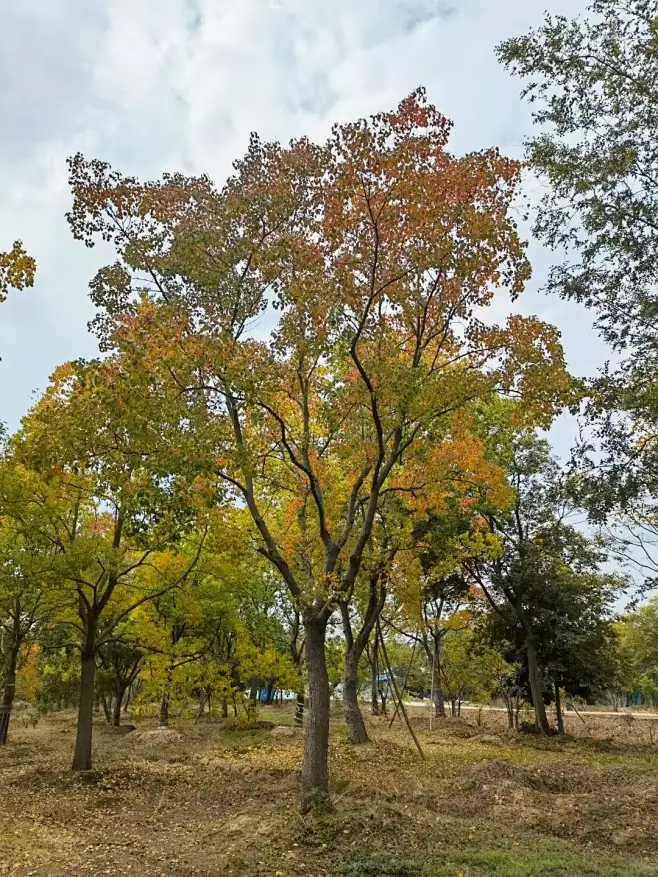
- Size: Typically up to about 15 m (49 ft) tall; crown width varies with site conditions and pruning.
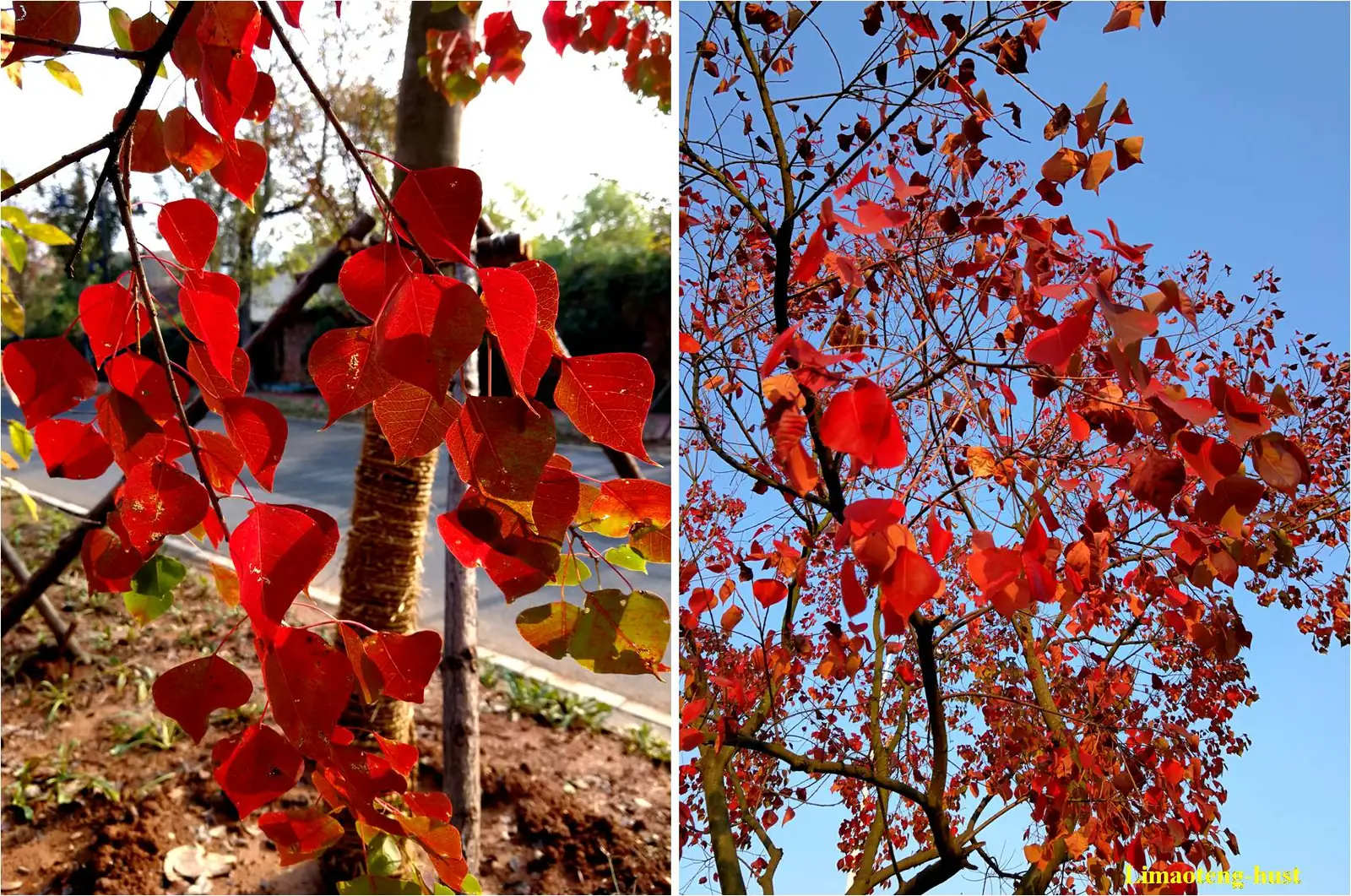
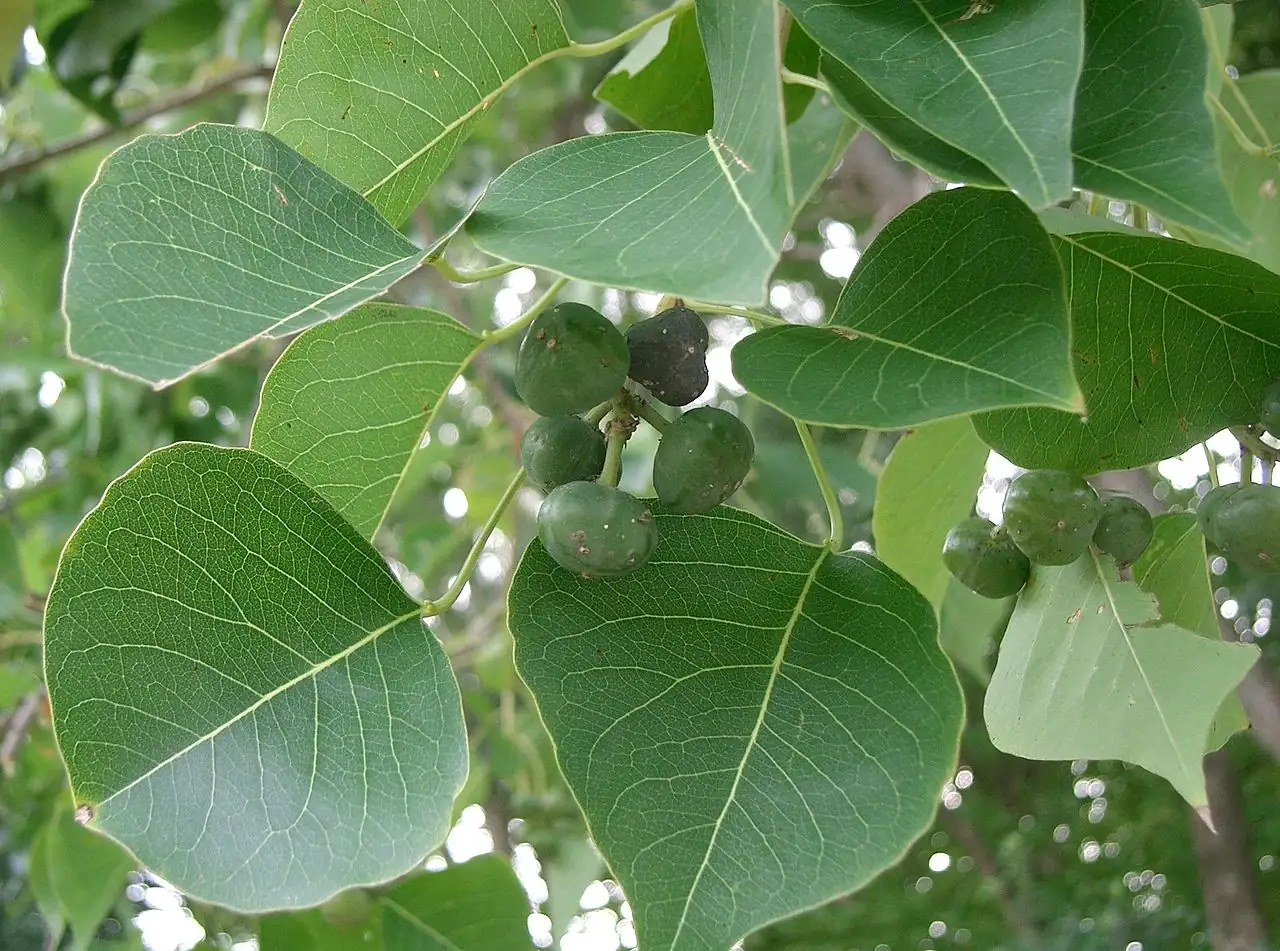
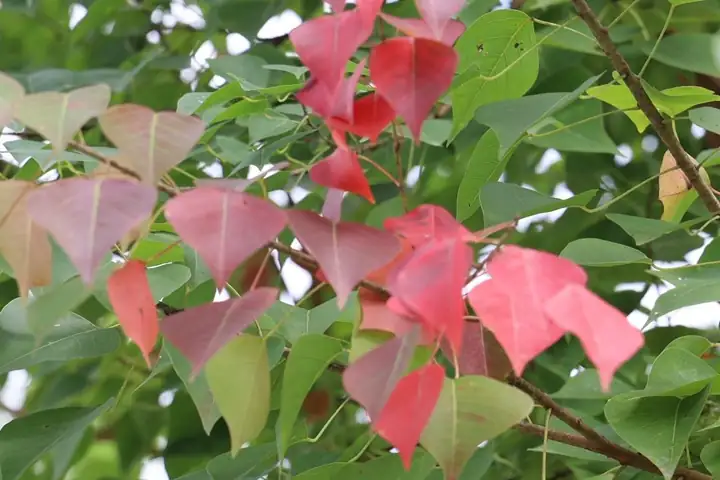
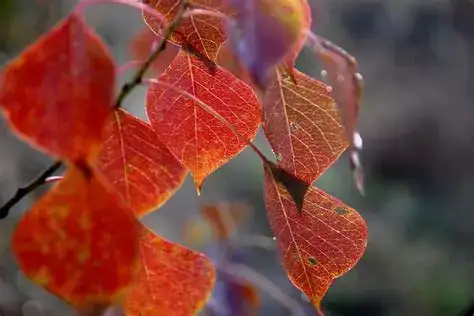
- Foliage: Leaves are rhombic to rhombic-ovate (diamond-shaped to slightly oval), about 5–9 cm (2–3.5 in) long, usually with a pointed tip. The leaf stalk often has two small glands near where it meets the blade. Twigs are slender, and broken tissues exude a milky latex.
- Flower: Flowers are small and yellow-green, borne in spike-like clusters. The fruit is a three-lobed capsule about 1.5 cm (0.6 in) across; it darkens as it matures and splits into three parts. Inside are black seeds coated with a white, waxy aril that may persist on the tree into winter.
- Flowering Season: May–July
- Growth Habit: Deciduous, upright tree
Environment
Sunlight
Full sun for strongest growth and best autumn color; tolerates light shade.
Temperature
Warm-temperate to subtropical climates; best growth around 15–30°C (59–86°F).
Humidity
Moderate; tolerates dry periods once established.
Soil
Highly adaptable: tolerates many soil types, including acidic soils and seasonally wet ground; can handle mild salinity up to about 0.25% (about 2.5 g/L).
Placement
Best in sunny open sites as a specimen or avenue/street tree; also used along roadsides, embankments, and waterways where an adaptable, resilient tree is desired.
Hardiness
Generally suited to USDA Zone 8–10 (approx.); young plants are less reliably frost-hardy. Also noted for tolerance to some urban air pollutants.
Care Guide
Difficulty
Easy in warm climates. It’s sun-loving, tolerant of drought once established, and forgiving of poor, acidic, wet, and mildly saline soils. Often performs well in urban settings and shows tolerance to some air pollutants.
Buying Guide
Pick a healthy young tree with a straight central leader, intact bark (no trunk wounds), and a strong, non-circling root system (avoid severely pot-bound plants). Look for vigorous buds and no obvious dieback.
Watering
After planting, water deeply and keep evenly moist through the first growing season. Once established, water during extended droughts. In containers or poorly drained situations, avoid constant waterlogging.
Fertilization
Usually needs little feeding. If growth is weak, apply a balanced slow-release fertilizer in spring according to the label. Avoid heavy nitrogen, which can encourage weak growth and may reduce fall color intensity.
Pruning
Prune in late winter to early spring (while dormant) to build a strong framework and remove crossing, damaged, or crowded branches. Remove basal shoots/suckers if they appear.
Propagation
By seed (best sown fresh after removing the waxy coating) or by semi-hardwood cuttings in summer under mist/bottom heat.
Repotting
Not applicable for in-ground trees. For container growing, shift up in spring before active growth, using a free-draining mix and a stable, heavy pot.
📅 Seasonal Care Calendar
Spring: plant, mulch, and start training/structural pruning. Summer: water during heat or drought; monitor for pests. Autumn: enjoy peak foliage; collect seed if desired. Winter: prune for structure while dormant; protect young trees in severe cold.
Pests, Diseases & Safety
Common Pests & Diseases
Generally resilient. Occasional issues include scale insects, aphids, leaf spots, or stress-related dieback. Prevent problems by siting well, avoiding trunk injuries, and maintaining steady vigor; horticultural oil can help with scale when needed.
Toxicity
The milky sap (latex) can irritate skin and eyes. Seeds and other parts may be harmful if eaten by people or pets. Wear gloves when pruning and keep fallen seeds away from children and animals.
Culture & Symbolism
Symbolism: Often linked with autumn brilliance and the feeling of seasonal change thanks to its fiery fall foliage.
History & Legends: Long valued in parts of Asia for the waxy coating around its seeds, historically used in candle- and soap-making, as well as for its toughness as a landscape tree.
Uses: Primarily ornamental (parks, streets, gardens), and also planted for difficult sites such as roadsides, slopes, and riverbanks where soil and moisture conditions can vary.
FAQ
When does it flower?
Typically May–July.
When does it fruit?
Typically October–November.
How tall does Chinese tallow tree get?
Often up to about 15 m (49 ft) tall, depending on climate and site.
What family and genus does it belong to?
Family: Euphorbiaceae. Genus: Triadica.
What soil does it prefer?
It’s very adaptable—handling most soils, including acidic and seasonally wet sites, and even mildly saline soils up to about 0.25% (about 2.5 g/L).
Where is it best planted in landscapes?
In full sun as a specimen or avenue tree; it’s also used along roadsides, embankments, and waterways where a tough tree is needed.
Fun Facts
- The white, waxy seed coating can hang on into winter and looks like little kernels of popcorn.
- It can tolerate some urban air pollutants better than many ornamental trees.
- It may cope with mildly saline soils up to about 0.25% (about 2.5 g/L).
- In good sun, its fall foliage can turn an intense, showy red.
- It’s sometimes planted to help stabilize embankments thanks to its toughness and adaptability.


