Plant Features
- Size: Typically 1–3 m (3–10 ft) tall in the landscape; can be kept much smaller in containers and bonsai.
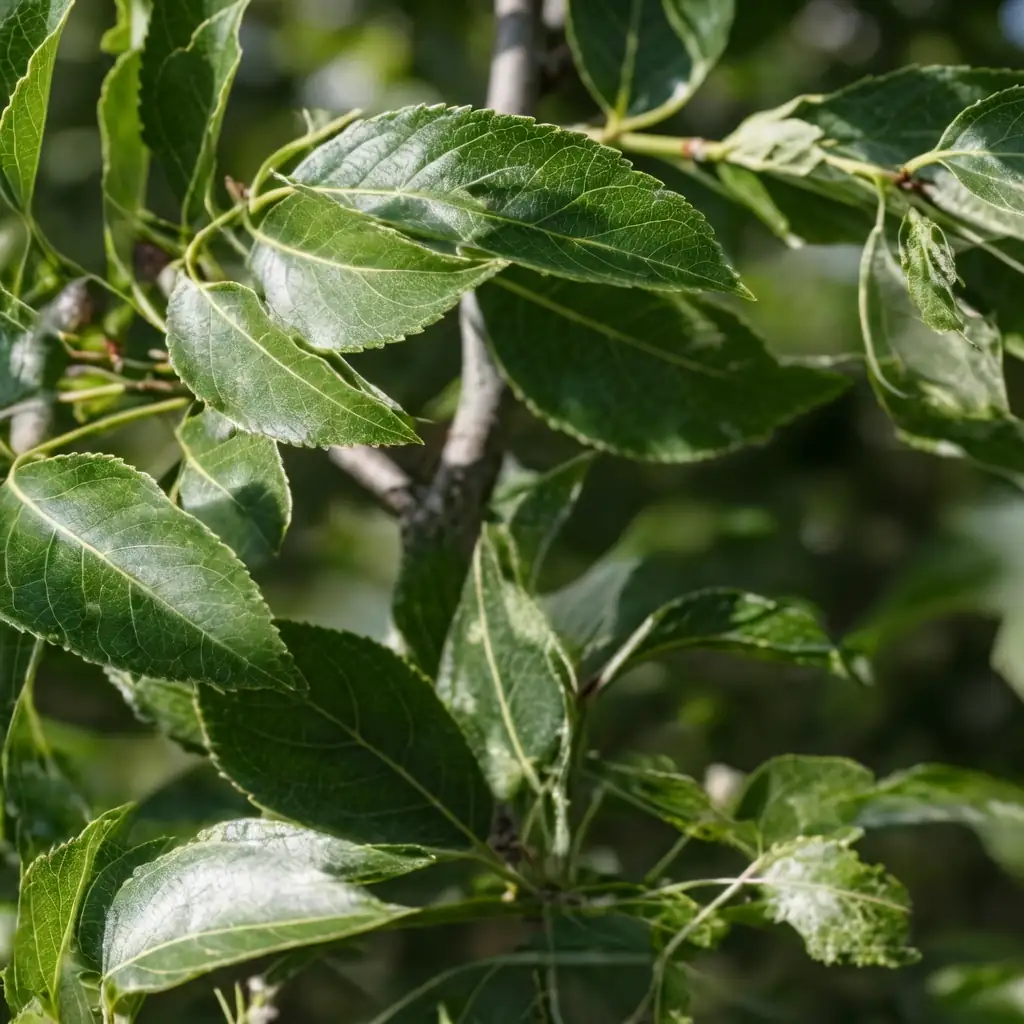
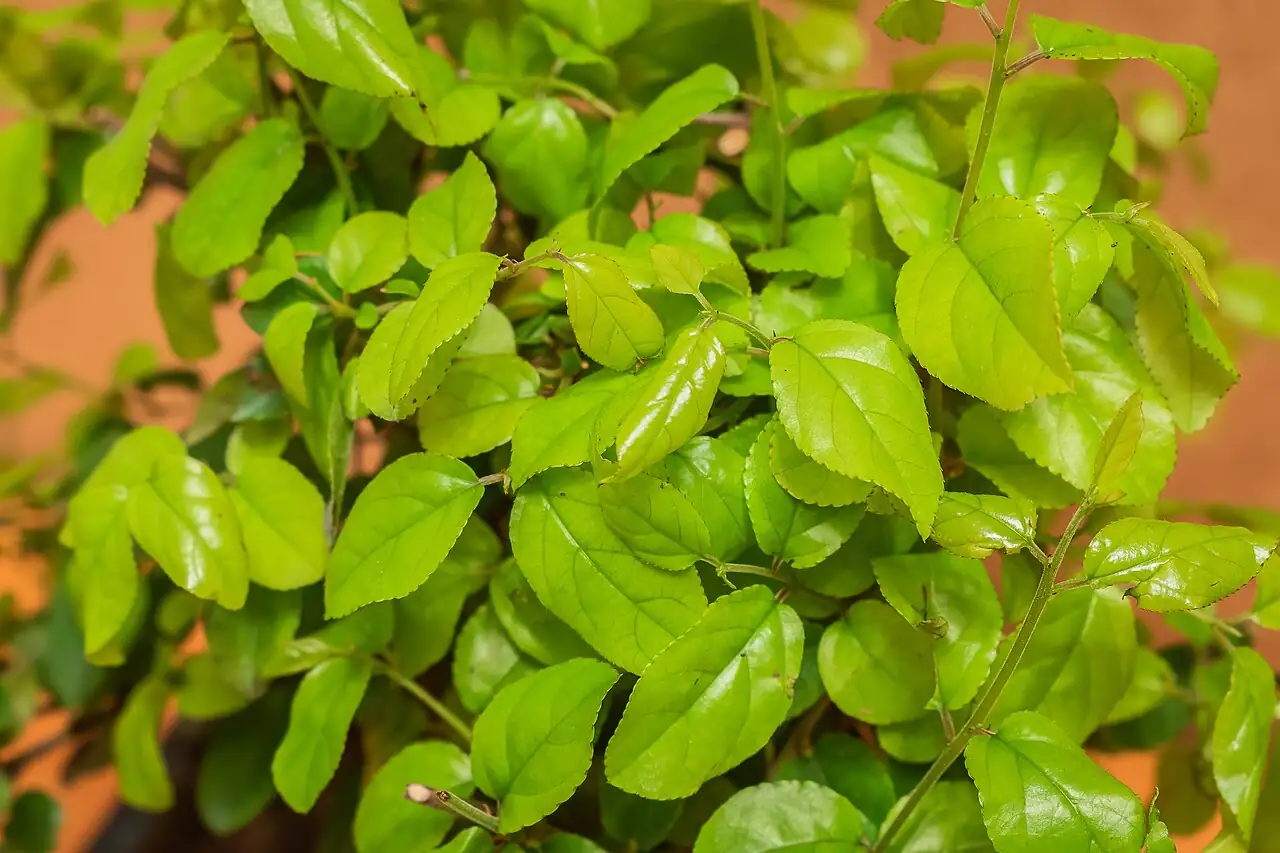
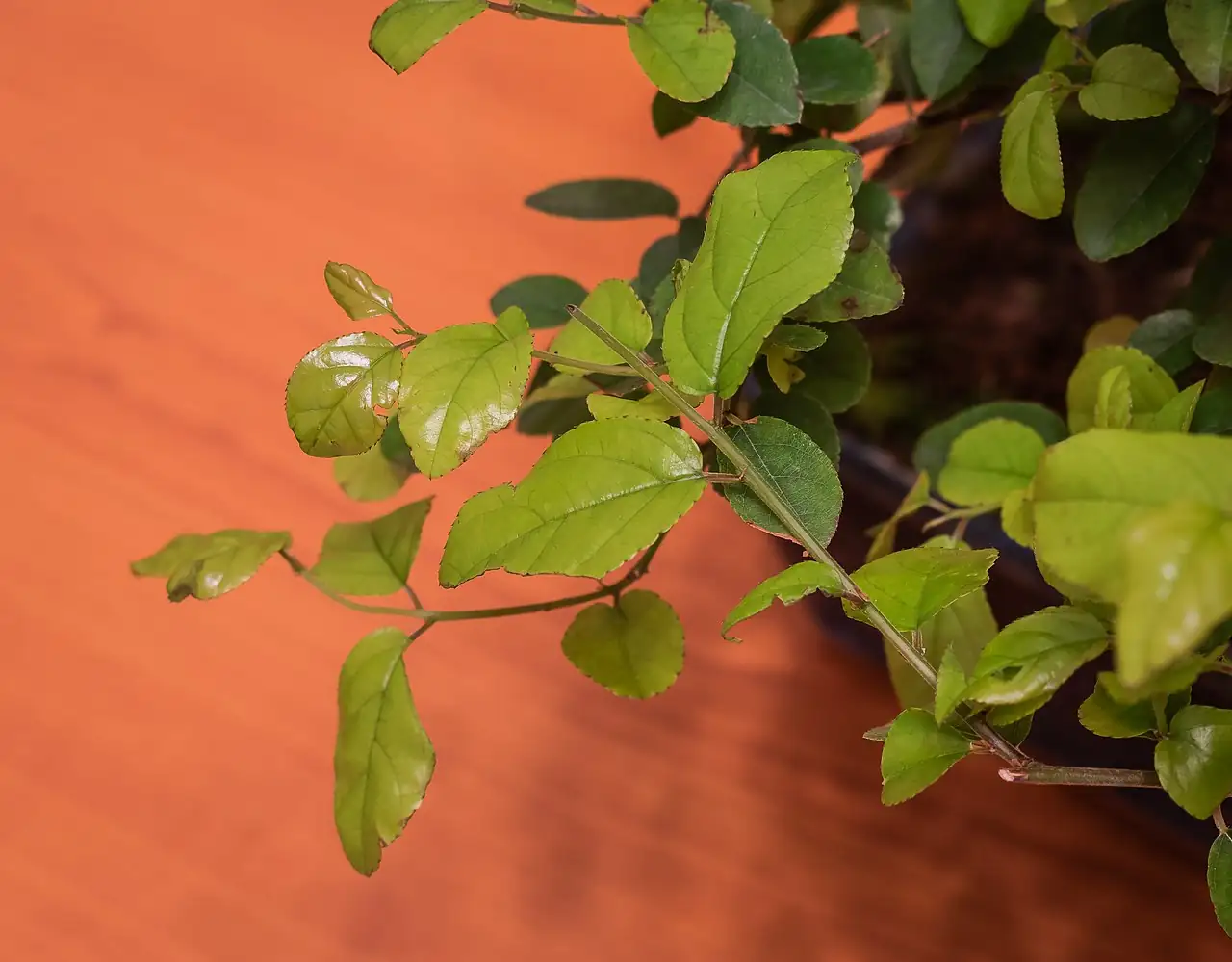
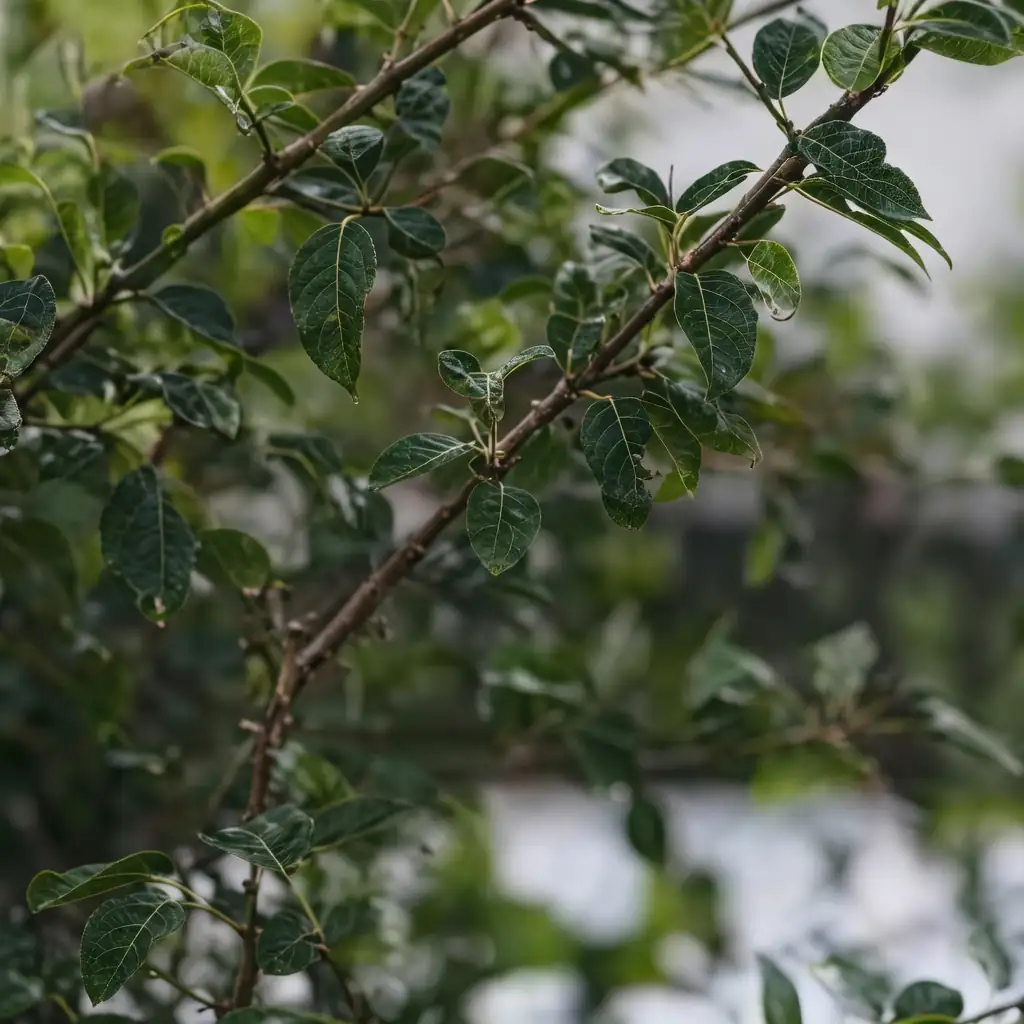
- Foliage: Leaves are papery to thinly leathery and usually oval to elliptic (sometimes ovate‑elliptic). They’re arranged alternately or nearly opposite and, with regular clipping, create a fine-textured, dense canopy that looks especially crisp in bonsai or formal hedging.
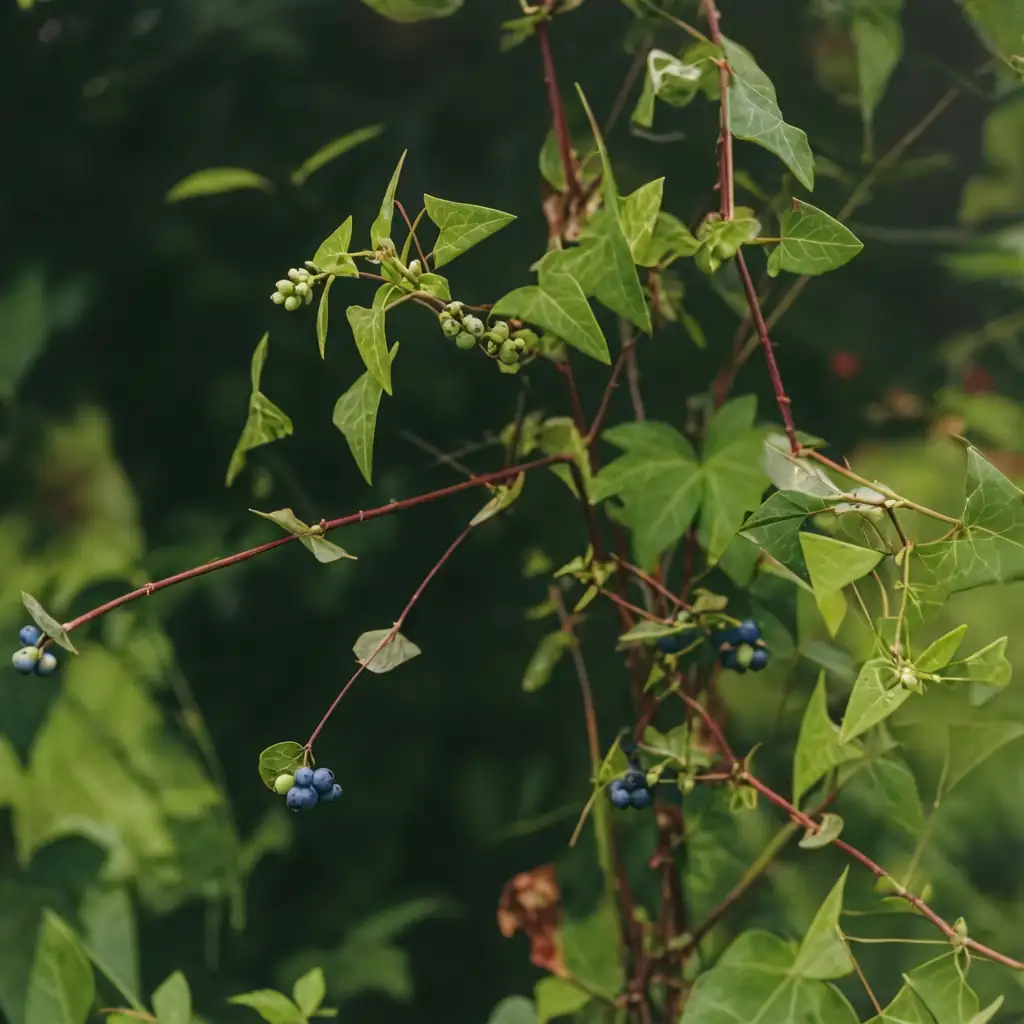
- Flower: Flowers are very small, yellow to yellow‑green, and pleasantly fragrant, appearing in clusters. The fruits are nearly spherical drupes about 5 mm (0.2 in) across; seeds are flattened with slightly indented ends.
- Flowering Season: July–November
- Growth Habit: Evergreen to semi-evergreen, densely branched shrub that can scramble; twigs often bear sharp spines.
Environment
Sunlight
Partial shade to bright filtered light. It can tolerate full sun if kept evenly watered, though some afternoon shade is helpful in very hot summers.
Temperature
Prefers warmth; best growth around 18–30°C (64–86°F). It has some cold tolerance, but protect from hard freezes—especially plants grown in pots.
Humidity
Prefers moderate to high humidity, but adapts to average humidity if watering is steady and the plant isn’t kept overly dry.
Soil
Well-drained loam or a gritty bonsai mix with excellent drainage. Avoid waterlogged soil; slightly acidic to neutral conditions are ideal.
Placement
Great for bonsai training on a bright patio, balcony, or in a greenhouse. In mild-winter areas it also works well outdoors as a dense, thorny hedge.
Hardiness
Approximately USDA Zone 8–11 (10–40°F / -12–4°C), depending on local conditions; container plants are typically less cold-hardy.
Care Guide
Difficulty
Easy to moderate. Very forgiving of pruning and shaping; the main things to get right are drainage (to prevent root trouble) and winter protection for potted plants in colder areas.
Buying Guide
Pick plants with dense branching and fresh green foliage, and check carefully for scale insects. For bonsai, prioritize a strong trunk base (nebari) and good taper. Avoid plants with blackened roots or sour-smelling, soggy potting media.
Watering
Water thoroughly when the top 2–3 cm (about 1 in) of soil begins to dry. In summer heat it may need frequent watering; in winter, reduce watering but don’t let the rootball dry out completely. Consistently good drainage is essential.
Fertilization
Feed during active growth (spring through early autumn) with a balanced fertilizer at half strength every 2–4 weeks. In bonsai culture, lighter but more regular feeding helps keep growth compact and twiggy.
Pruning
Handles pruning extremely well. Clip new shoots to keep the silhouette and encourage dense branching (ramification); remove crossing branches and overly strong upright shoots. Wear gloves—stems can be spiny.
Propagation
Most commonly propagated from semi-hardwood cuttings in warm weather. Seed propagation is possible, but slower and less uniform.
Repotting
For bonsai, repot every 1–3 years in spring as buds begin to swell. Trim roots moderately and refresh with a free-draining mix; shelter from strong sun and wind for 1–2 weeks afterward.
📅 Seasonal Care Calendar
Spring: repot, start feeding, do structural pruning. Summer: keep moisture even, pinch back vigorous growth, and give light shade in extreme heat. Autumn: enjoy flowering; reduce nitrogen and continue light trimming. Winter: protect from hard frost, water sparingly, and avoid heavy pruning.
Pests, Diseases & Safety
Common Pests & Diseases
Can get scale insects, aphids, and spider mites (especially in dry air). Sooty mold may appear when sap-sucking pests are present. Root problems are most likely in poorly drained soil. Improve airflow, avoid overwatering, and treat pests with horticultural oil or insecticidal soap when needed.
Toxicity
No well-documented toxicity to humans or pets in major horticultural references, but the spines can cause puncture injuries. Keep thorny stems away from curious hands and mouths.
Culture & Symbolism
Symbolism: Often linked with resilience and endurance—this is a plant that takes repeated trimming in stride and still comes back looking better, which is exactly why bonsai lovers admire it.
History & Legends: A familiar and respected choice in Chinese bonsai traditions, valued for its dense branching and its ability to be shaped into rugged, aged-looking forms through clipping and wiring.
Uses: Ornamental. Especially popular for bonsai (including trunk-and-root “stump” style training) and also used as a dense, thorny hedge in warm regions.
FAQ
When does it flower?
Typically July–November.
When does it fruit?
Fruits commonly mature the following spring, roughly March–May.
What light does it prefer?
Partial shade to bright filtered light; it can take more sun if moisture stays consistent.
What kind of climate suits it best?
Warm, humid conditions are ideal. It can handle some cold, but protect it from severe freezes—especially when grown in containers.
What are common uses?
Bonsai training and thorny hedging (a living barrier) in mild-winter climates.
Fun Facts
- Bonsai growers love it because it back-buds readily and develops fine twigging after repeated pruning.
- Its dense, thorny branching makes it surprisingly effective as a living ‘security hedge’.
- The fruits are tiny, nearly spherical drupes about 5 mm (0.2 in) across.