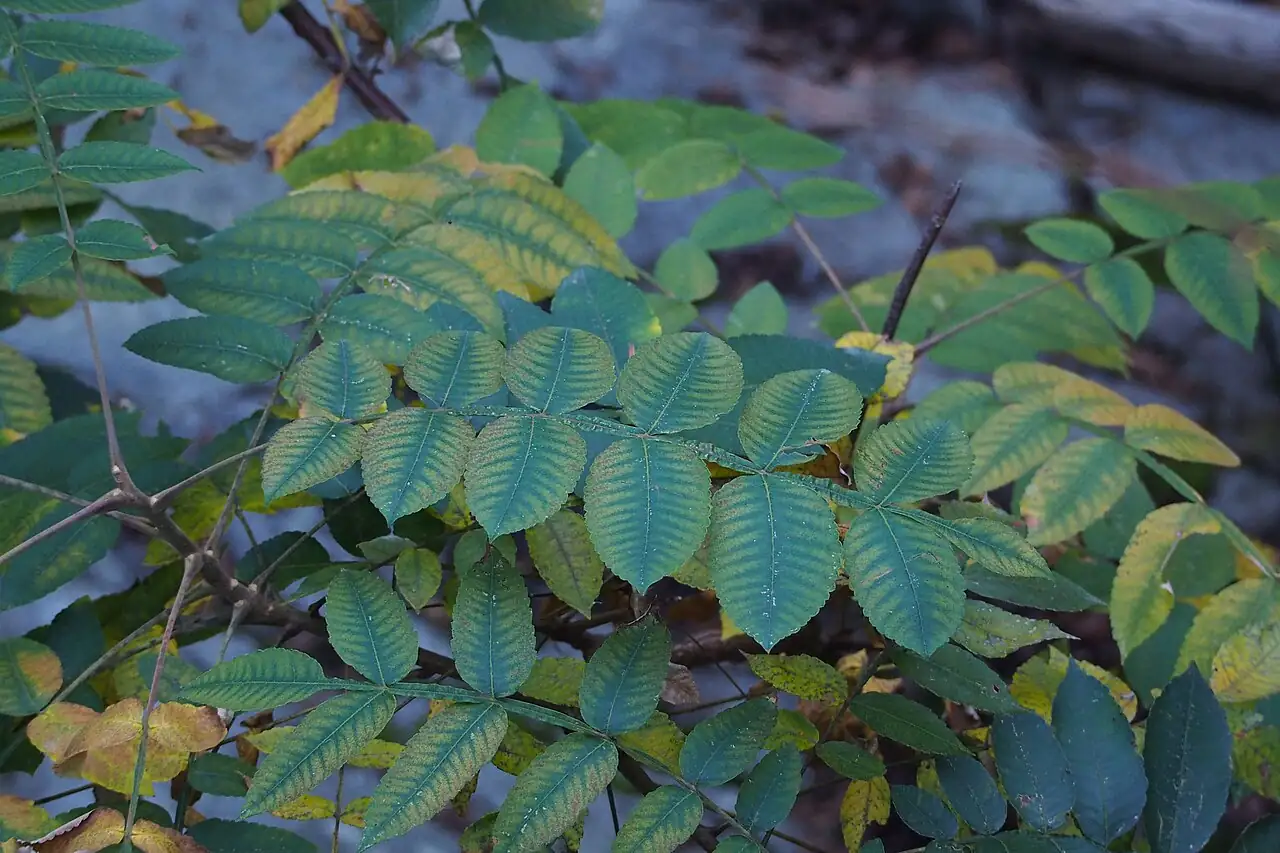
Plant Features
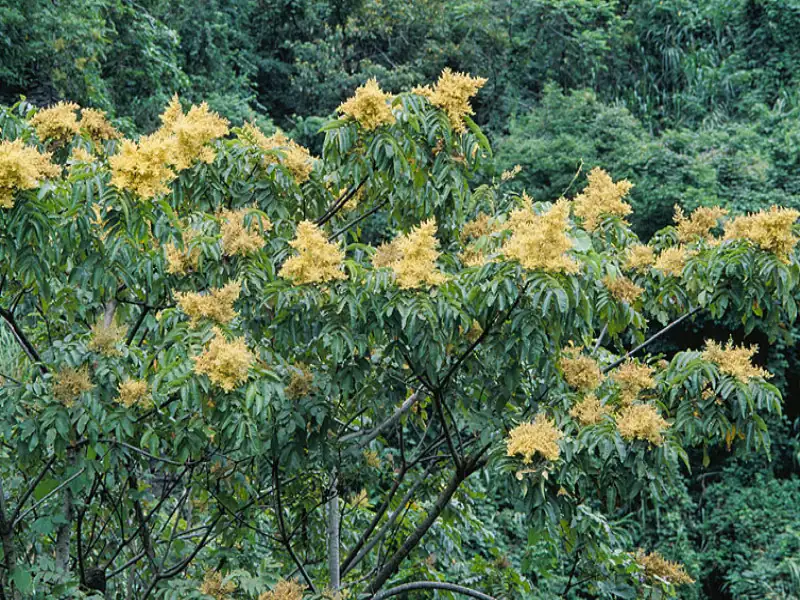
- Size:2–10 m (6.6–32.8 ft) tall, typically forming a rounded, spreading crown.
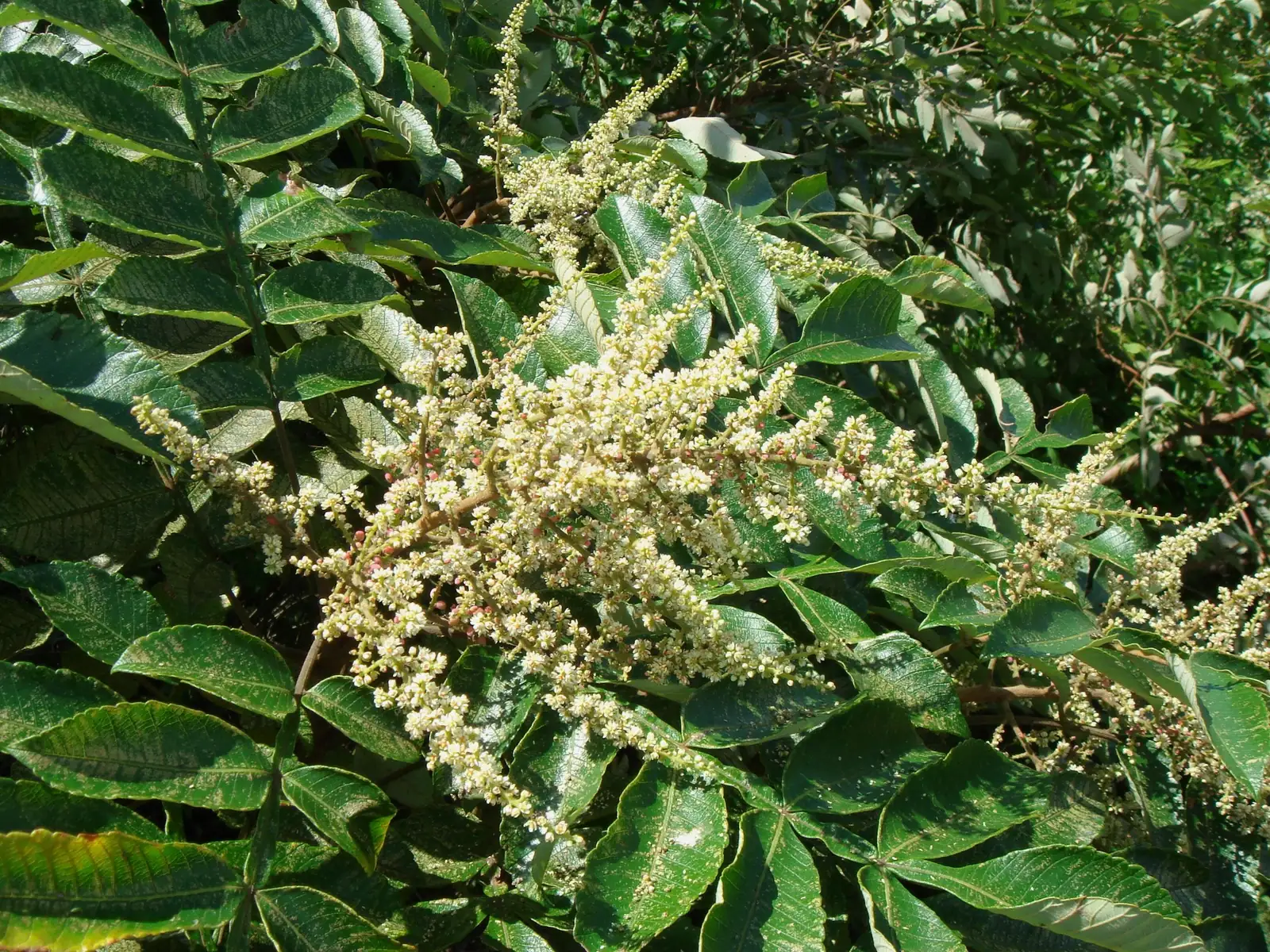
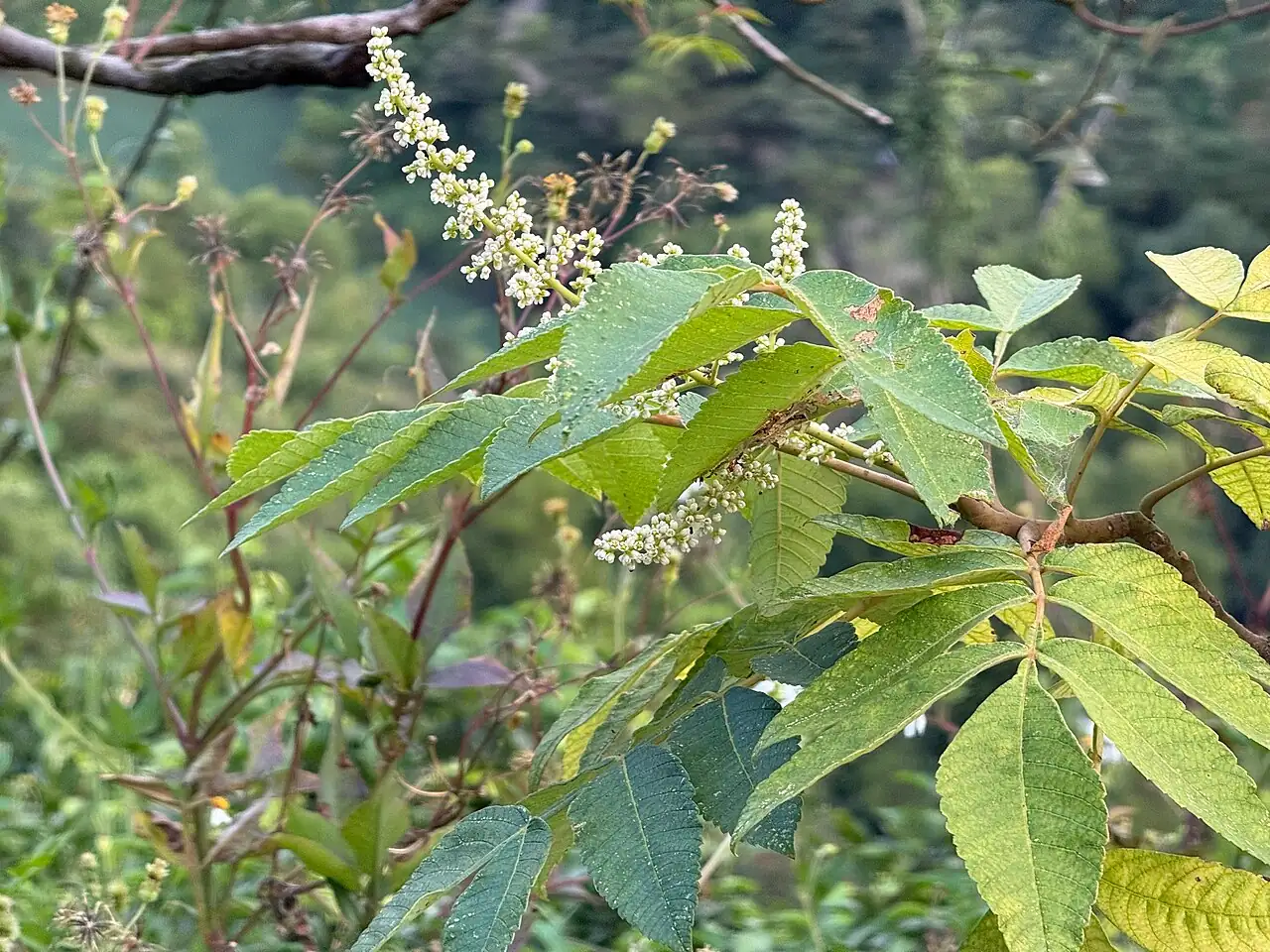
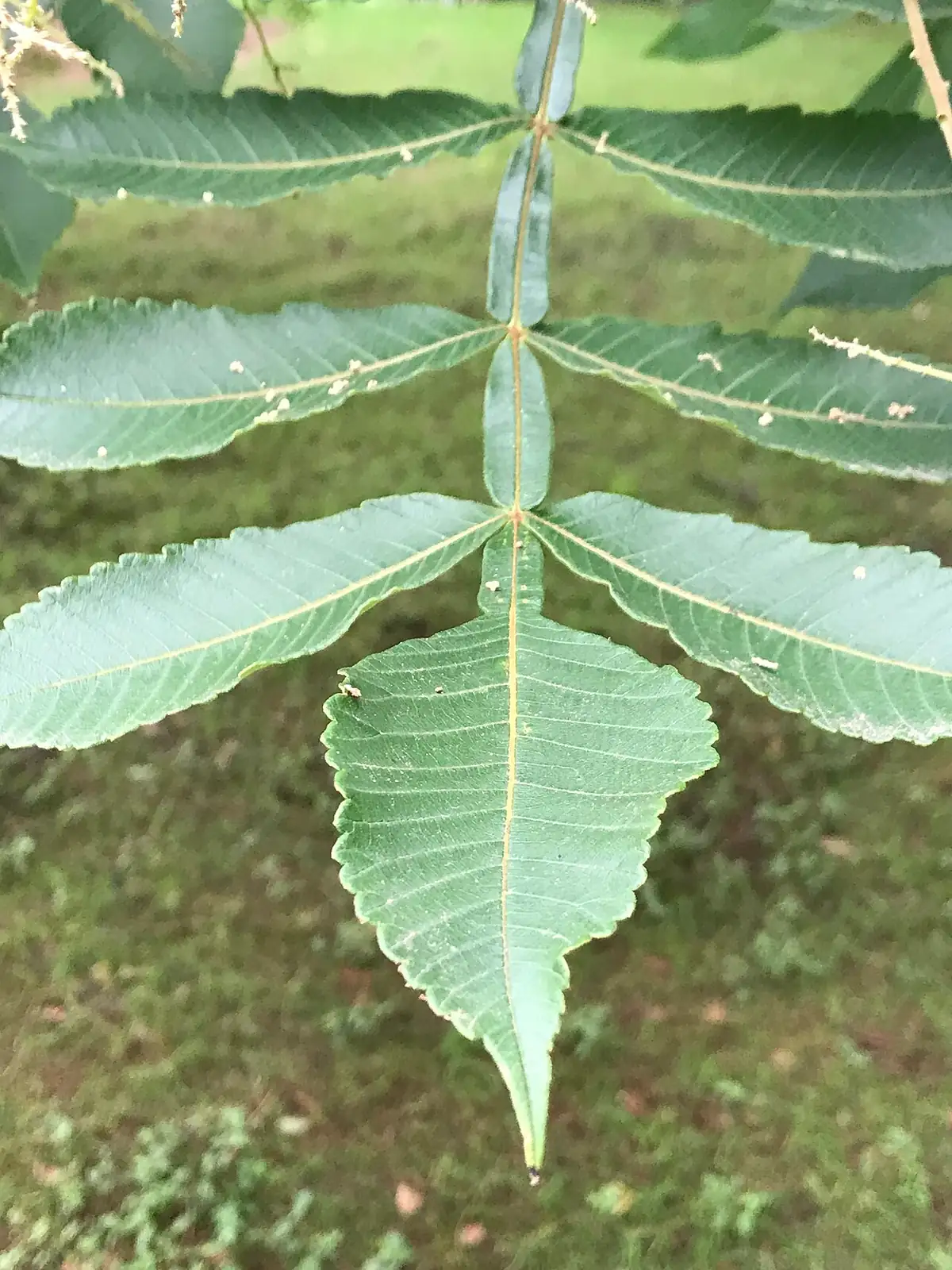
- Foliage: Odd-pinnate compound leaves with a narrowly winged rachis; typically 7–13 ovate to elliptic leaflets with coarse, blunt serrations. Leaflets are nearly sessile, and the undersides are densely covered with gray-brown, soft hairs.
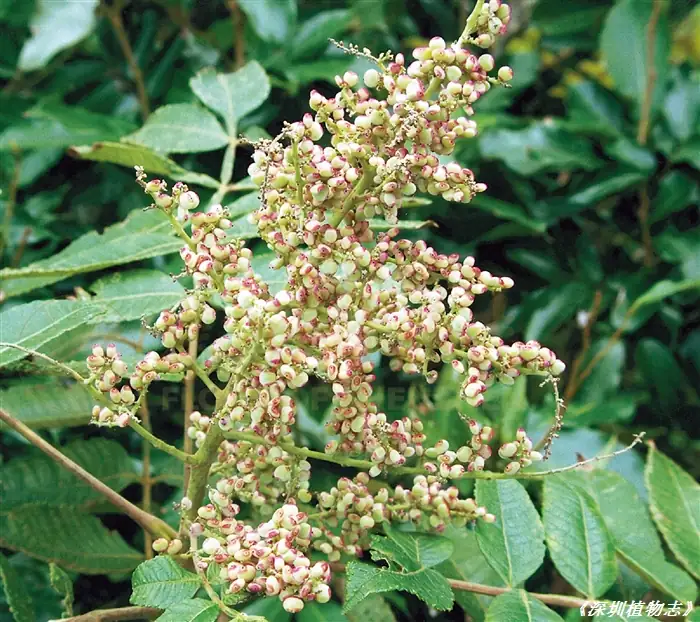
- Flower: Small, creamy-white flowers carried in terminal panicles; the flower clusters are densely soft-hairy and look light and airy from a distance.
- Flowering Season: July–August
- Growth Habit: A deciduous shrub or small tree with spreading branches and a rounded crown. Young twigs are hairy. Noted for quick growth, though it is often relatively short-lived compared with many other small trees.
Environment
Sunlight
Full sun for strongest flowering, fruiting, and fall color; tolerates light shade.
Temperature
Adaptable in temperate climates; prefers warm conditions but tolerates cold and drought once established. A broad tolerance is often cited at about -20 to 35°C (-4 to 95°F), but performance depends on local provenance and site conditions. Avoid combining high heat with waterlogged soil.
Humidity
Generally adaptable in normal outdoor humidity. Handles periodic dryness, but dislikes persistently wet, stagnant conditions.
Soil
Tolerant of many soils (including limestone-derived soils) as long as drainage is good. Avoid heavy, water-retentive soils and locations where water stands after rain.
Placement
Outdoors in gardens, parks, sunny slopes, woodland margins, and naturalistic plantings—especially where soil drains well (including limestone hills).
Hardiness
Cold-hardy and drought-tolerant once established; sensitive to waterlogging. Approximately USDA Zone 5–9 (local provenances may vary).
Care Guide
Difficulty
Easy in the ground if you give it sun and drainage. The main “gotcha” is soggy soil—avoid that, and it’s generally trouble-free. Expect quick growth, but don’t be surprised if it isn’t a long-lived tree.
Buying Guide
Look for a healthy, well-branched plant with no dieback and a sturdy framework. Avoid pot-bound plants and any stock sitting in waterlogged or sour-smelling media (a red flag for root stress).
Watering
Water consistently during establishment. After that, water more sparingly: let the top layer of soil dry slightly between waterings. In-ground plants should not be placed in low spots where rainwater collects; prolonged saturation can cause decline.
Fertilization
Usually needs little feeding. If growth is weak, use a balanced slow-release fertilizer in spring at label rates. Avoid heavy nitrogen, which can push soft, floppy growth.
Pruning
Prune in late winter to early spring: remove dead, damaged, and crossing branches, and lightly thin to improve airflow. Avoid heavy pruning during active growth unless you need to correct damage or hazards.
Propagation
Most commonly grown from seed; fresh seed may benefit from pretreatment such as brief scarification to improve germination. It can also be propagated from root suckers in situations where the plant produces them naturally.
Repotting
If container-grown, repot in early spring every 1–2 years into a free-draining mix. Use a pot with generous drainage holes and avoid leaving it standing in a water-filled saucer.
📅 Seasonal Care Calendar
Flowering: July–August. Fruiting: October–November. Major pruning: late winter–early spring. Planting/transplanting: spring, or autumn in mild climates.
Pests, Diseases & Safety
Common Pests & Diseases
Generally robust. Possible issues include aphids and scale insects; leaf spots may appear in humid, poorly ventilated sites. Prevention is simple: full sun, good airflow, and no overwatering. Treat outbreaks with horticultural oil or insecticidal soap when needed.
Toxicity
Like many Anacardiaceae, the sap can irritate sensitive skin. Wear gloves when pruning or handling broken stems. Not recommended for ingestion; keep plant parts away from pets and children.
Culture & Symbolism
Symbolism: Often associated with the drama of seasonal change—vivid autumn color and red fruits can feel like a celebration of resilience and late-year abundance.
History & Legends: Rhus chinensis has long been connected to Chinese gallnuts (formed when certain aphids induce galls on the plant). These galls were historically valued as a tannin-rich material for dyes and other traditional uses.
Uses: A popular ornamental for parks and naturalistic landscapes thanks to its fast growth, fiery fall foliage, and fuzzy red fruits. Historically associated with gallnut production and tannin/dye uses in parts of Asia.
Fun Facts
- It typically flowers in July–August and carries fruit in October–November.
- The red fruits are noticeably fuzzy, adding texture as well as color in autumn.
- It’s widespread across China, from the northeast down to Hainan.
- It often grows on limestone hills and in open woodland, showing strong soil adaptability as long as drainage is good.
- It grows fast, but compared with many small trees it’s often relatively short-lived.