

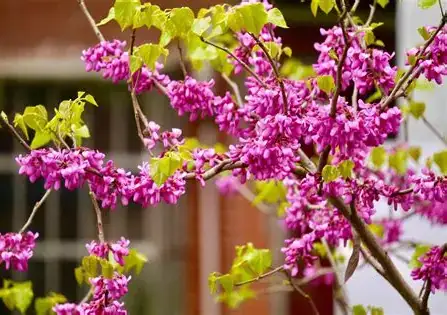
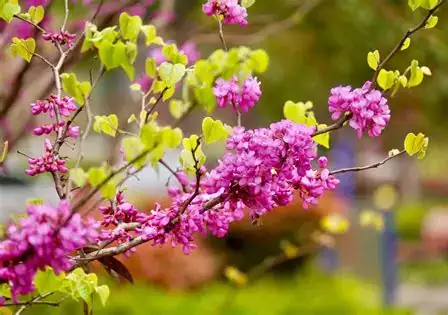
Plant Features
- Size: Up to 16 m (52 ft) tall; crown spread varies with site and pruning.
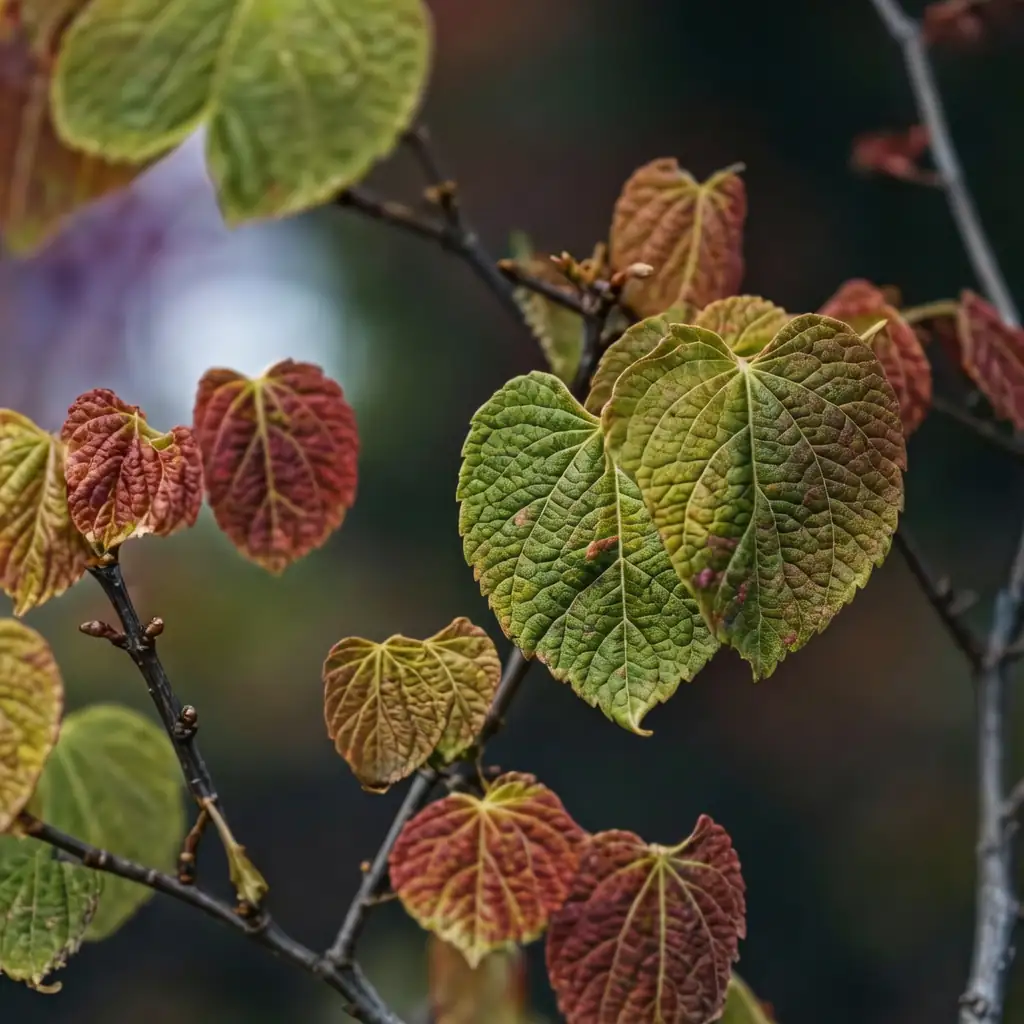
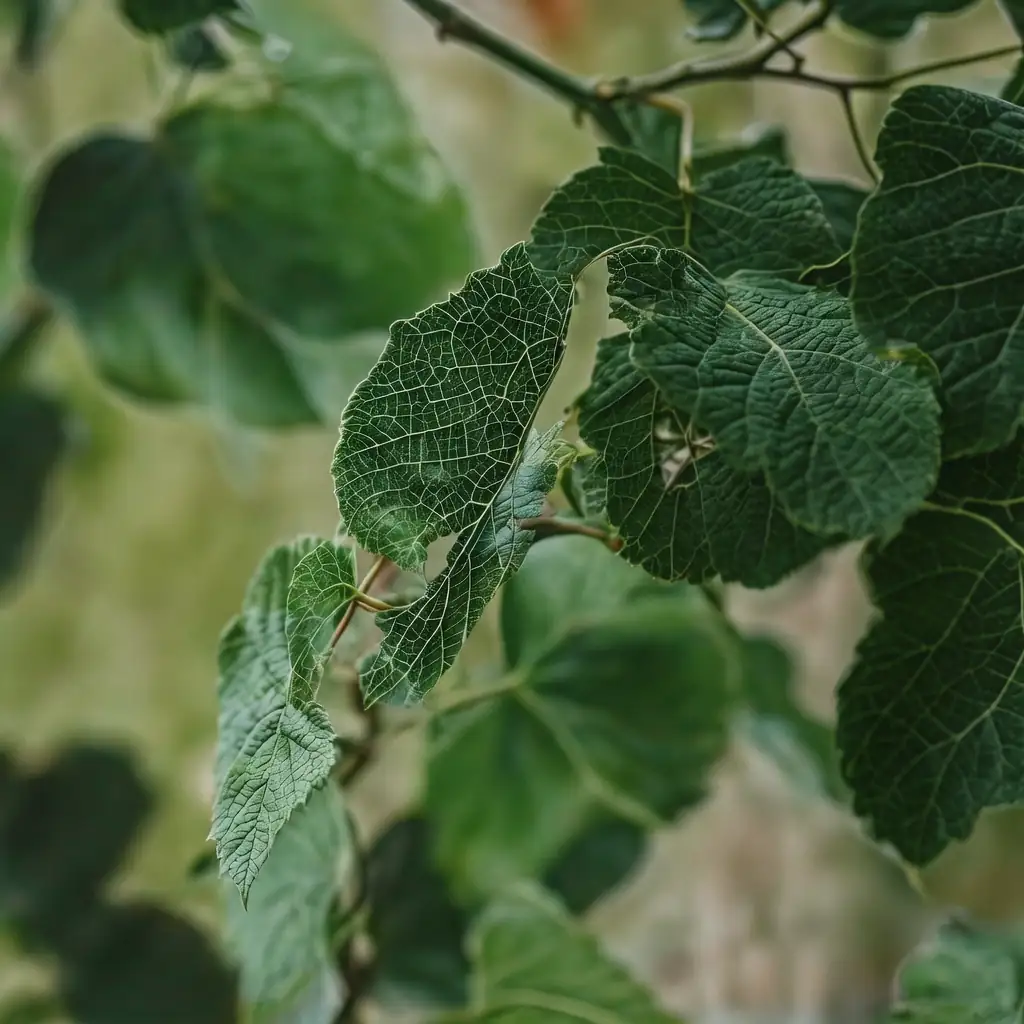
- Foliage: Leaves are relatively large and noticeably thick-textured, ranging from papery to almost leathery.
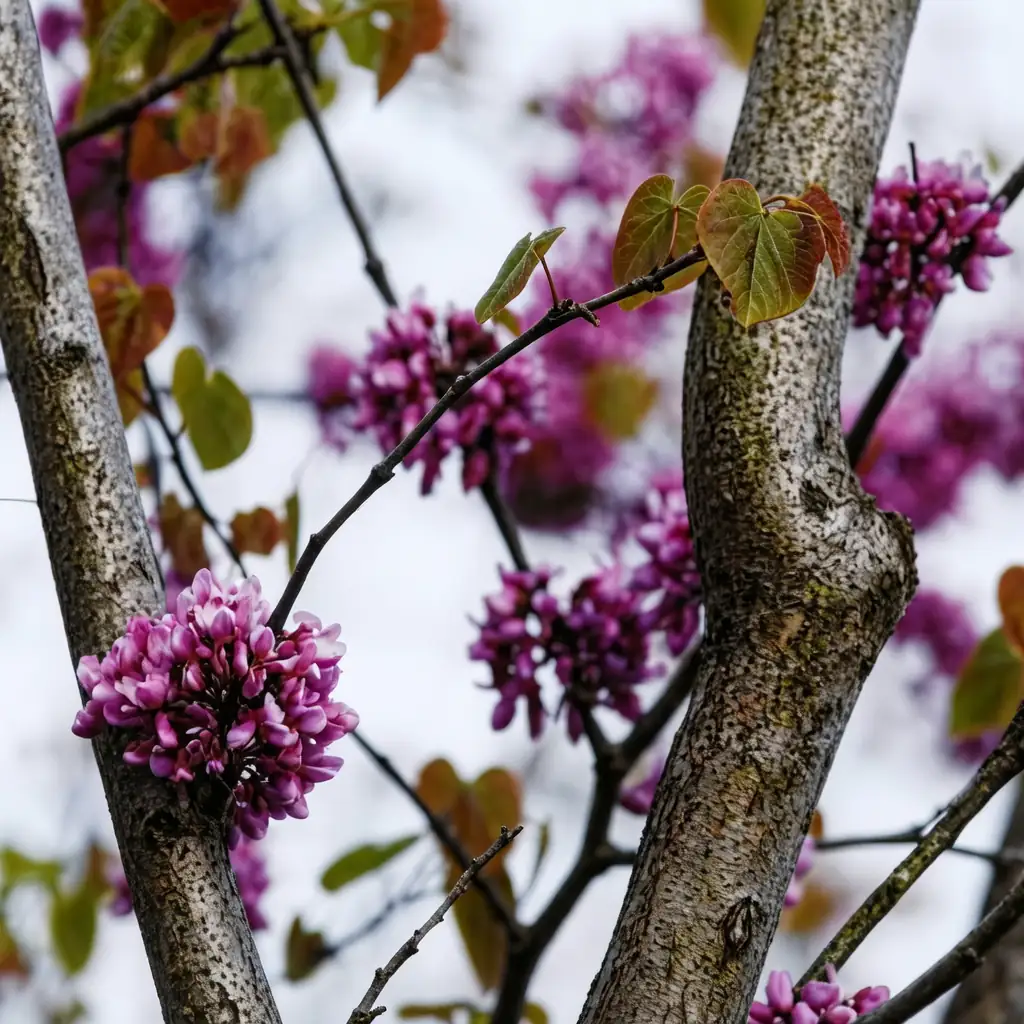
- Flower: Flowers are borne in short racemes with several slightly larger blooms per cluster. The color ranges from pale purplish-red to pink, and flowering may occur before leaf-out or alongside emerging leaves. Flower stalks are slender and relatively long. Fruit is a narrow, elongated pod that may be tinged purplish-red; seeds are nearly round and flattened.
- Flowering Season: March–April
- Growth Habit: A deciduous tree with gray-black bark and young twigs; naturally forms an elegant canopy and responds very well to pruning, with strong resprouting.
Environment
Sunlight
Full sun to partial shade; flowering is typically best in sunnier positions.
Temperature
Temperate conditions; typical growing range about 5–30°C (41–86°F). Young plants benefit from protection in extreme cold.
Humidity
Average outdoor humidity is fine; tolerates seasonal swings as long as the soil drains well.
Soil
Prefers fertile, well-drained soil. Avoid waterlogging; suitable for loam and well-drained clay/rocky soils.
Placement
Best used outdoors in gardens, parks, roadsides, and naturalistic plantings. In the wild it grows in mountain woodland (open or denser), valleys, and rocky slopes—choose a well-drained site.
Hardiness
Roughly comparable to USDA Zone 6–9 (local performance can vary with provenance and winter conditions).
Care Guide
Difficulty
Easy to moderate. Forgiving in landscapes thanks to strong resprouting and good tolerance of pruning.
Buying Guide
Look for a straight, undamaged trunk and healthy buds. Avoid plants with soggy rootballs or any signs of root rot—good drainage is key for successful establishment.
Watering
Water regularly during establishment. After it’s settled in, water during extended dry spells. Keep soil evenly moist but never waterlogged; poor drainage is the most common cause of decline.
Fertilization
Usually thrives in fertile soils. If growth is weak, apply a balanced slow-release fertilizer in spring. Avoid heavy nitrogen, which can encourage leafy growth at the expense of flowers.
Pruning
Prune in late winter to early spring before active growth, or prune just after flowering to shape. It tolerates pruning well and can be trained as a single-trunk small tree or a multi-stem specimen.
Propagation
Most commonly propagated by seed. Seeds may benefit from scarification and/or cold stratification depending on dormancy. In landscapes, its strong sprouting also makes renewal pruning an effective management technique.
Repotting
Not typically a long-term container/houseplant. For container-grown young plants, up-pot in early spring into a free-draining mix and avoid overwatering.
📅 Seasonal Care Calendar
Flowering: March–April. Pods and seeds mature: September–November.
Pests, Diseases & Safety
Common Pests & Diseases
Generally trouble-free in well-drained soils. Waterlogged conditions can lead to root problems/rot. Watch for common outdoor pests such as aphids or scale where they occur.
Toxicity
No well-established toxicity issues for typical garden use. As a sensible precaution, discourage chewing/ingestion and keep plant parts away from pets and small children.
Culture & Symbolism
Symbolism: Often linked with spring renewal and fresh beginnings because of its early-season blossoms.
History & Legends: A Chinese native redbud long appreciated as an ornamental for its multi-season appeal—flowers in spring, bold foliage in summer, pods in autumn, and a pleasing branch structure in winter.
Uses: Primarily an ornamental tree for gardens, parks, and roadside greening, especially where a tough, prune-tolerant flowering tree is wanted and soils drain freely.
FAQ
Why is my tree flowering before it has leaves?
That’s normal for redbuds. Cercis species often bloom on bare or nearly bare branches; leaf emergence may follow or overlap depending on temperature and spring weather.
Can Chinese redbud handle pruning?
Yes. Cercis glabra resprouts strongly and tolerates pruning well, making it suitable for shaping, training, and periodic renewal pruning.
What’s the biggest watering mistake with this tree?
Keeping the soil constantly wet. It prefers moisture during establishment, but it really needs good drainage—waterlogging can lead to root decline and rot.
Fun Facts
- In good conditions it can grow to about 16 m (52 ft) tall—much bigger than many people expect from a “spring flowering” ornamental.
- Its pink to purplish-red flowers can appear before the leaves, creating a dramatic early-spring look on otherwise bare branches.
- The seed pods are long and narrow and may show a purplish-red tint; the seeds inside are nearly round and flattened.
- It naturally occurs in a wide range of Chinese habitats, including mountain woods, valleys, roadsides, and rocky slopes.


