Plant Features
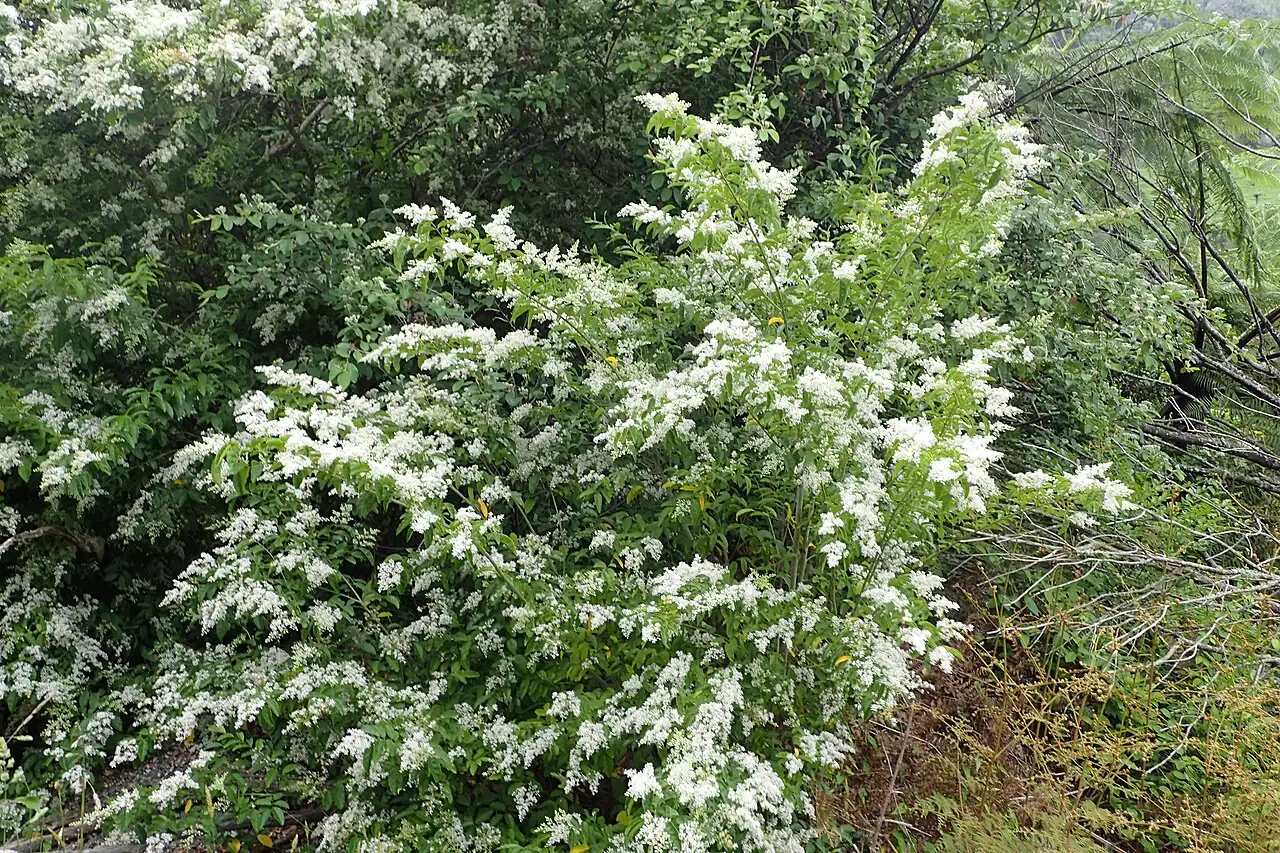
- Size: Typically 2–4 m (6.6–13.1 ft) tall if left untrimmed; often kept much lower and tighter when maintained as a clipped hedge.
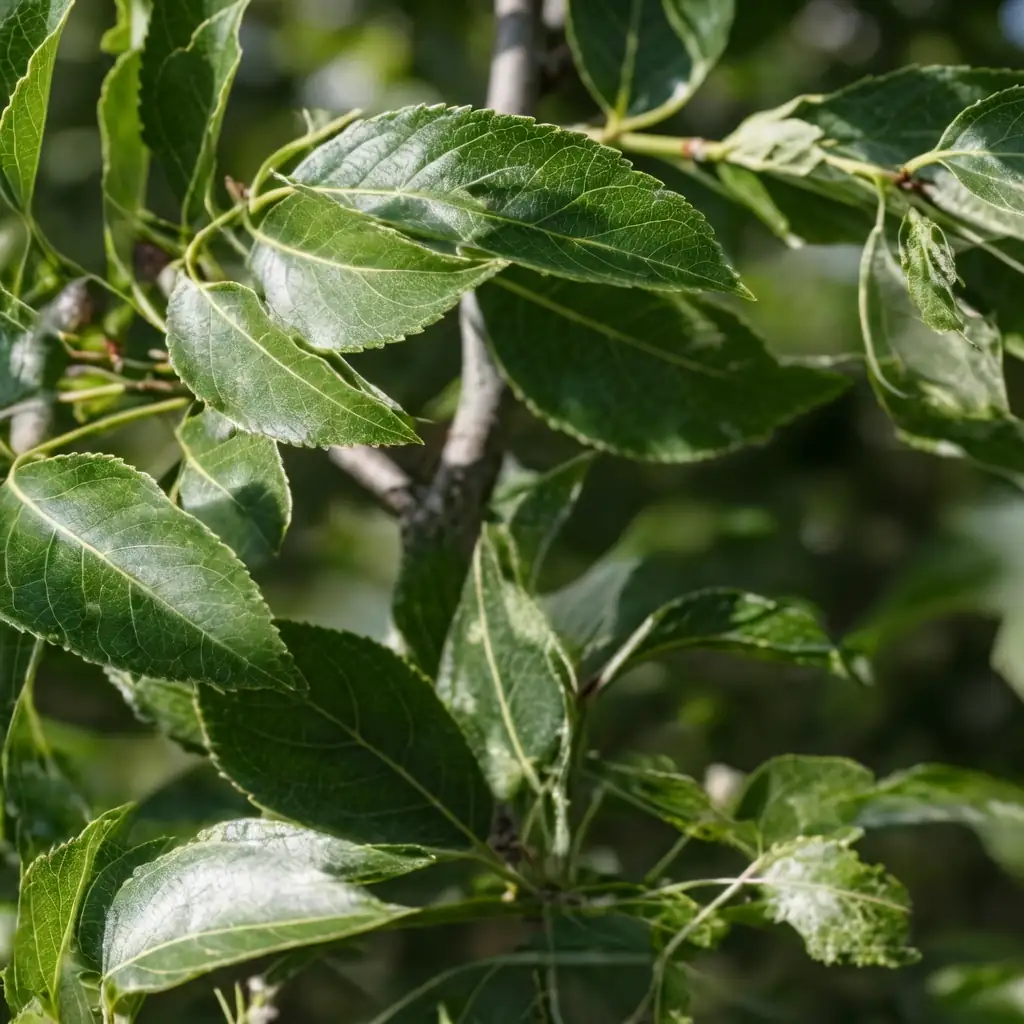
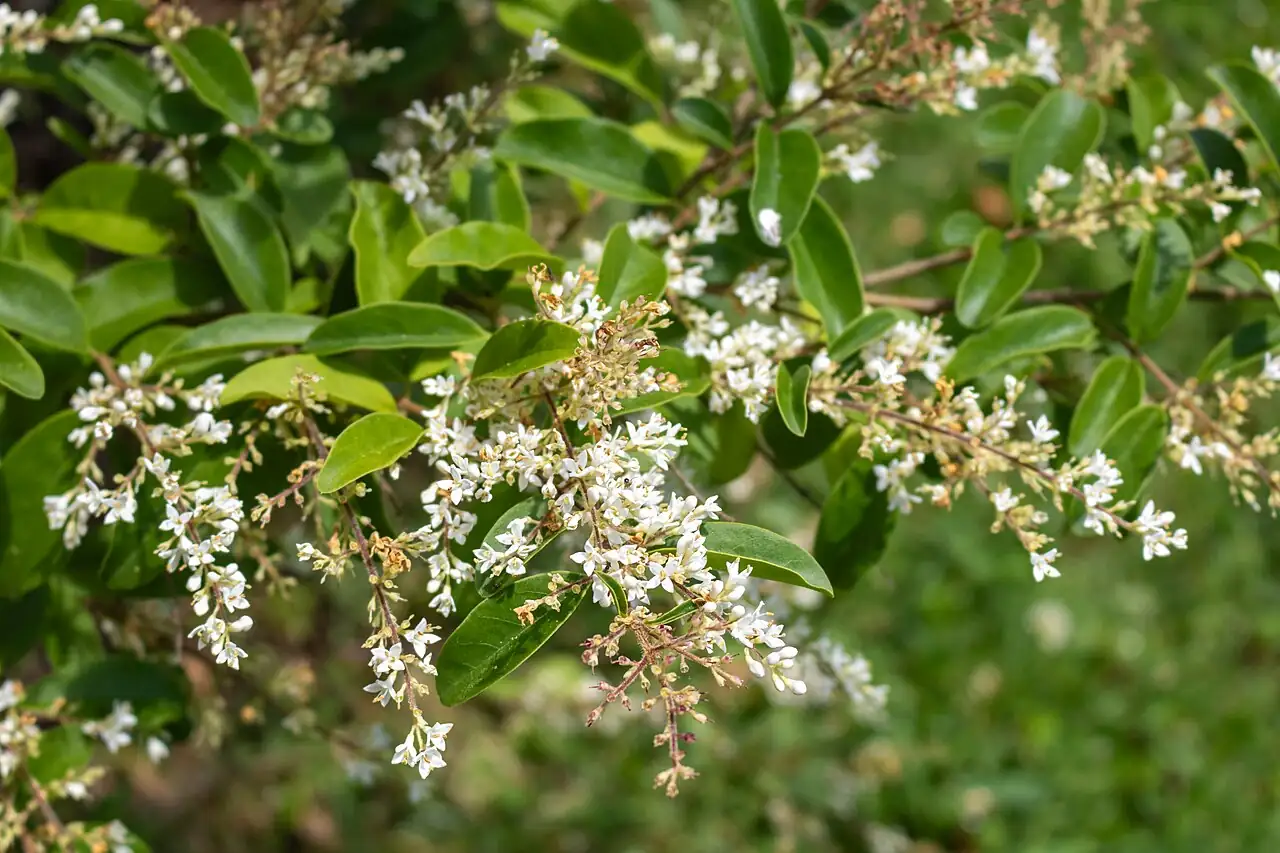
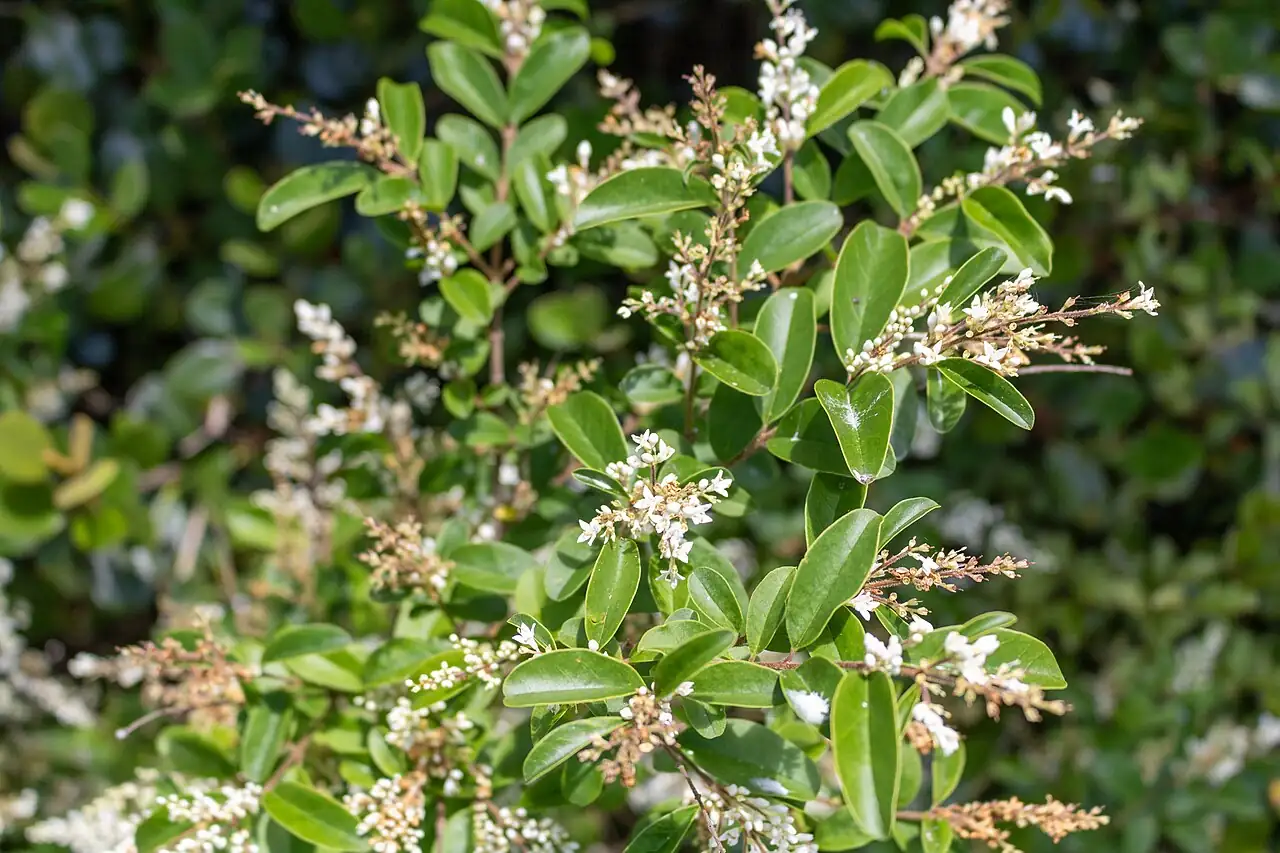
- Foliage: Leaves are papery to thinly leathery, usually ovate to elliptic-ovate. As leaves age they tend to become nearly hairless, giving mature foliage a smoother look.
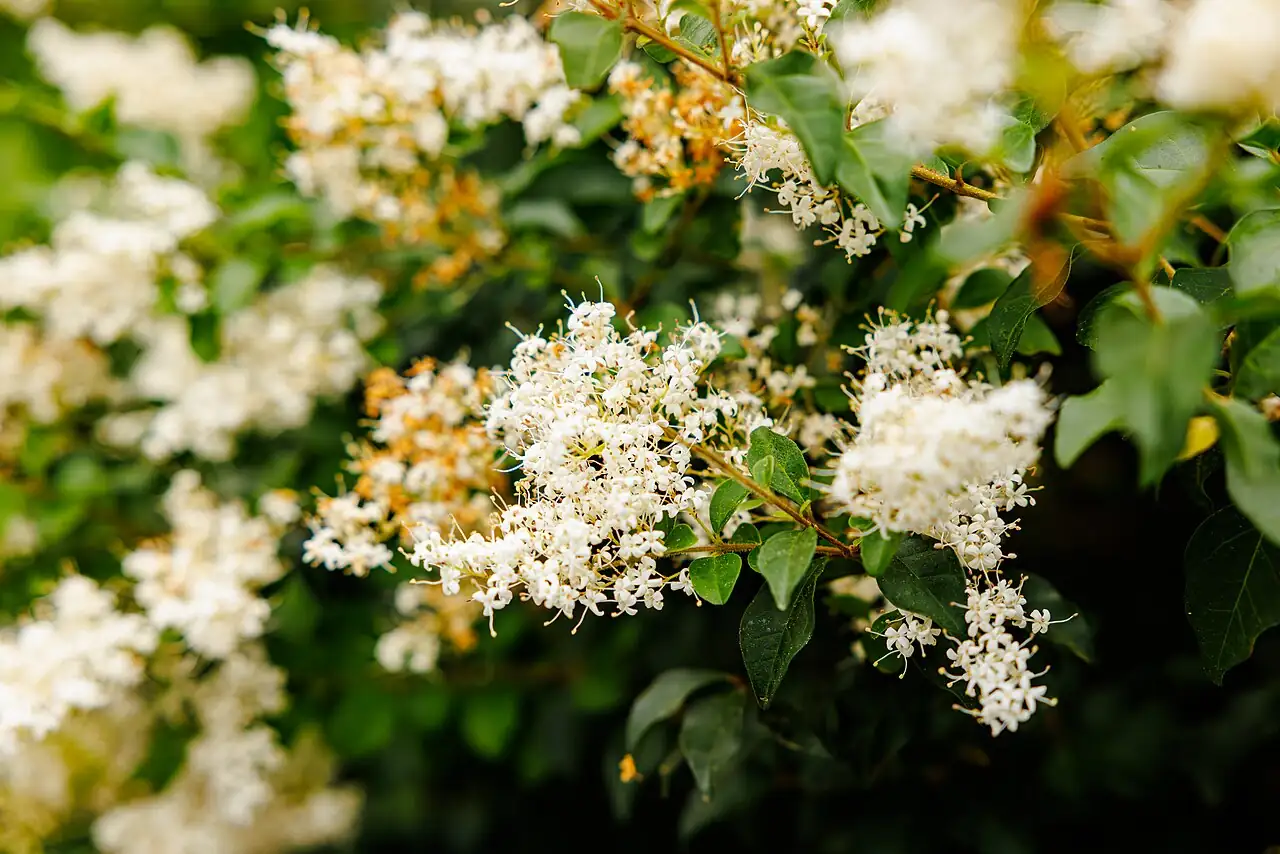
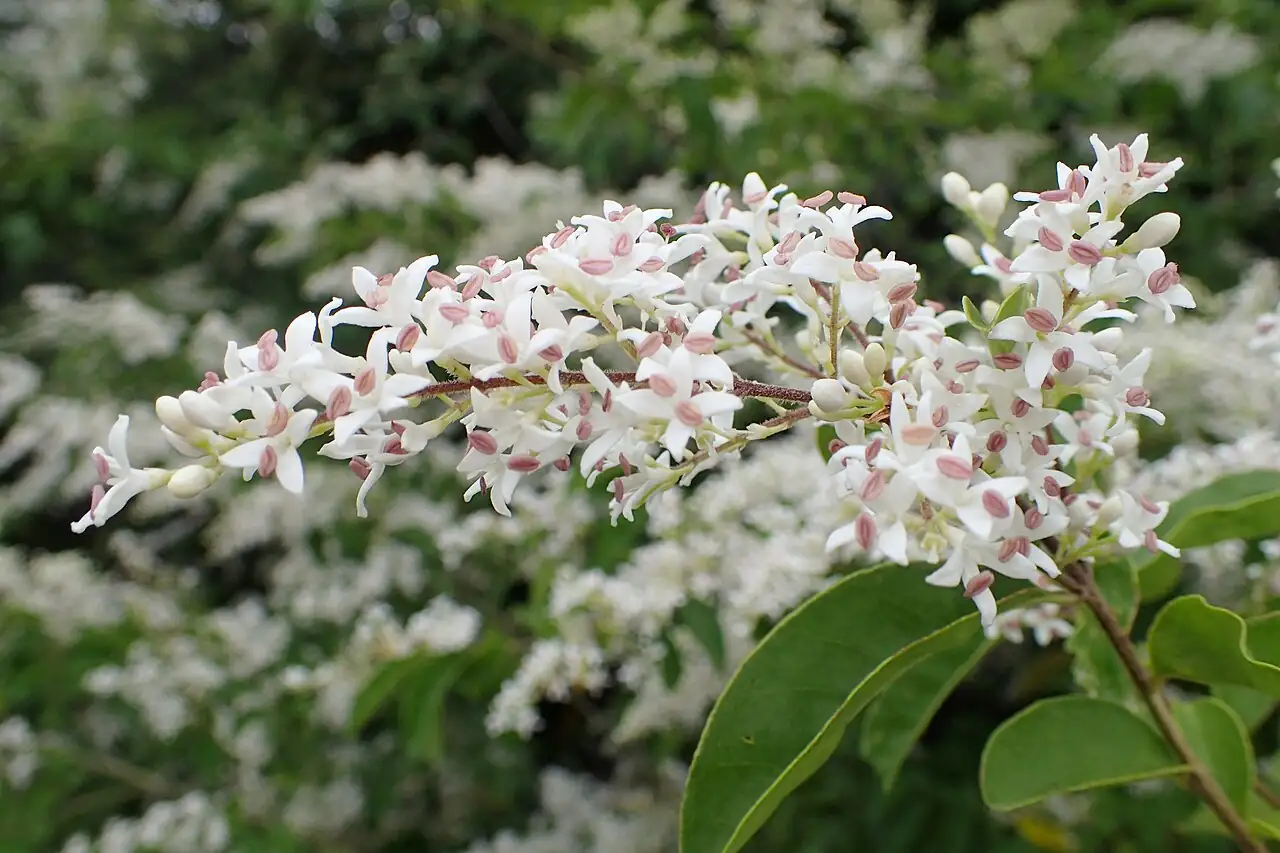
- Flower: Produces terminal or axillary panicles with a distinctly pyramidal, tower-like outline. The individual flowers are small and carried in clustered sprays, creating an airy but upright bloom display.
- Flowering Season: March–June
- Growth Habit: Vigorous deciduous shrub to small tree that responds extremely well to pruning and shaping, forming dense branching—ideal for hedges, screens, and topiary.
Environment
Sunlight
Full sun to partial shade; full sun generally gives the densest growth and best flowering.
Temperature
Prefers warm conditions; once established it tolerates winter cold. Roughly 15–30°C (59–86°F) during active growth is ideal.
Humidity
Comfortable in humid air, but roots must not stay wet—good drainage is more important than high humidity.
Soil
Performs best in fertile, well-drained sandy loam, yet adapts well to poorer soils as long as they drain freely. Avoid heavy, waterlogged sites to reduce root issues.
Placement
Best outdoors in a sunny to lightly shaded location with well-drained soil; commonly planted as hedging, screens, and along foundations.
Hardiness
Approx. USDA Zone 6–10; generally cold-tolerant but not suited to persistently soggy soils.
Care Guide
Difficulty
Easy: resilient, tolerant of cold and lean soils, and famously forgiving of frequent pruning. The main thing it won’t forgive is poor drainage and waterlogged roots.
Buying Guide
Look for plants with dense branching and healthy green leaves. Avoid pots that smell sour or have soggy media/blackened roots—classic signs of poor drainage and potential root rot.
Watering
Water regularly while establishing. After that, water deeply when the top layer of soil begins to dry. Don’t keep soil constantly wet; prioritize drainage to prevent root rot.
Fertilization
Feed in spring with a balanced slow-release fertilizer or compost. In very poor soil, a light second feeding in early summer can help push strong hedge regrowth after clipping.
Pruning
Prunes very well for shape and density. Clip hedges during the growing season as needed; do a harder renewal prune in late winter or early spring to refresh older, woody plants.
Propagation
Usually propagated by semi-hardwood cuttings in summer or hardwood cuttings in winter. Seed propagation is also possible where fruits develop.
Repotting
If grown in containers, repot every 1–2 years into a well-draining mix. Don’t upsize too aggressively, and never leave standing water in saucers.
📅 Seasonal Care Calendar
Flowering: March–June. Fruiting: September–December.
Pests, Diseases & Safety
Common Pests & Diseases
Common issues include aphids, scale insects, and spider mites. Root rot is the big risk in poorly drained soils. Promote airflow, avoid overwatering, and use horticultural soap/oil if pest populations build up.
Toxicity
Privet (Ligustrum) leaves and especially the berries are generally considered mildly to moderately toxic if eaten, particularly to pets. Ingestion can cause gastrointestinal upset—keep fruiting branches away from children and animals.
Culture & Symbolism
Symbolism: Often linked with neat boundaries, order, and protection—fitting for a plant so often used as a living fence.
History & Legends: Long valued in gardens and streetscapes for its durability and willingness to be clipped repeatedly into formal shapes.
Uses: Primarily grown as a hedge, screen, and topiary/shaping shrub; also used as a tough landscape shrub in foundations and borders.
FAQ
What is the scientific name of Chinese privet?
Ligustrum sinense.
When does Chinese privet flower?
Usually from March to June (spring into early summer).
When does it fruit?
Typically September–December.
How tall does it grow?
About 2–4 m (6.6–13.1 ft) if untrimmed, but it’s commonly kept much shorter as a clipped hedge.
Where is it native and what habitats does it grow in?
Native to China and Vietnam, often found on hillsides, in valleys, and along streams in woodlands and shrub thickets.
Fun Facts
- It’s a favorite for crisp, formal hedges because it tolerates frequent clipping without sulking.
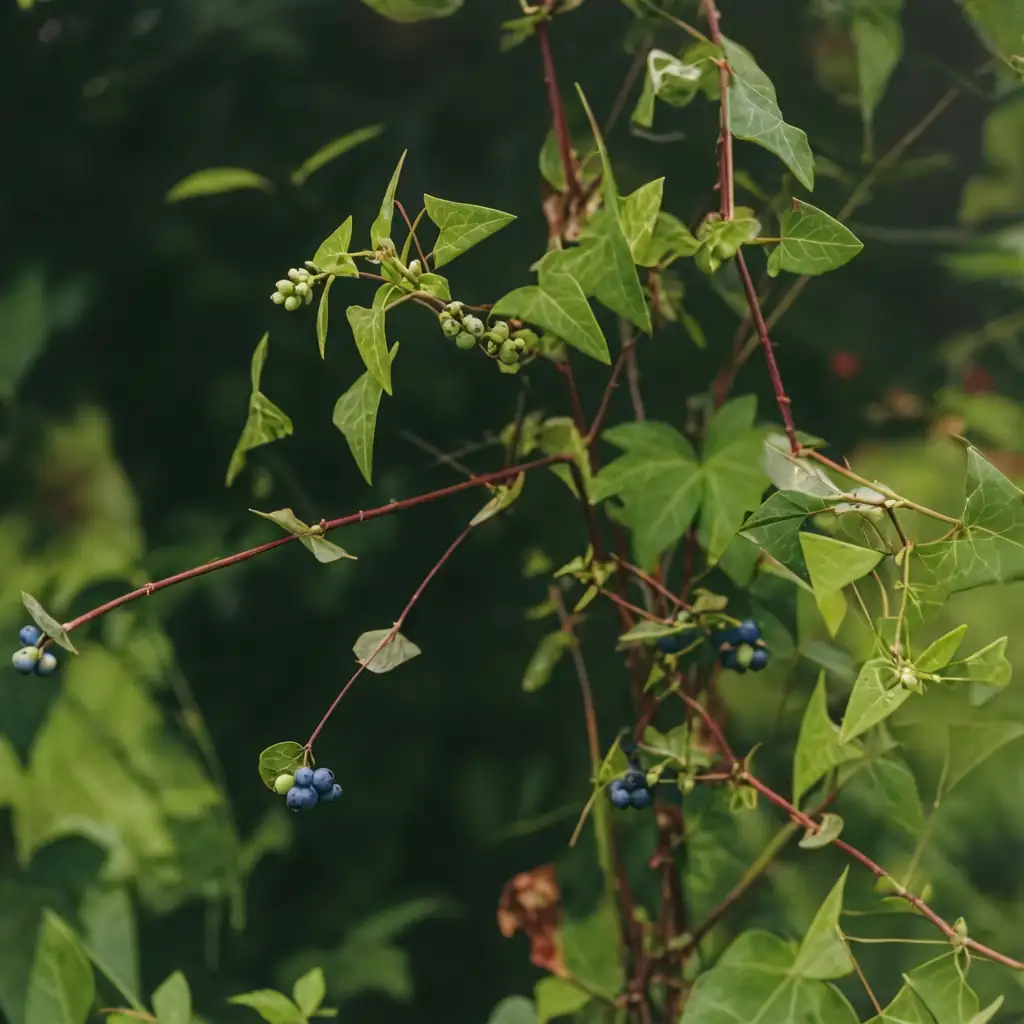
- The fruits are small and nearly spherical, about 5–8 mm (0.20–0.31 in) across.
- As the leaves mature they become almost hairless, making older foliage look smoother.