Plant Features
- Size: Up to about 20 m (66 ft) tall; typically develops a rounded, dense canopy.
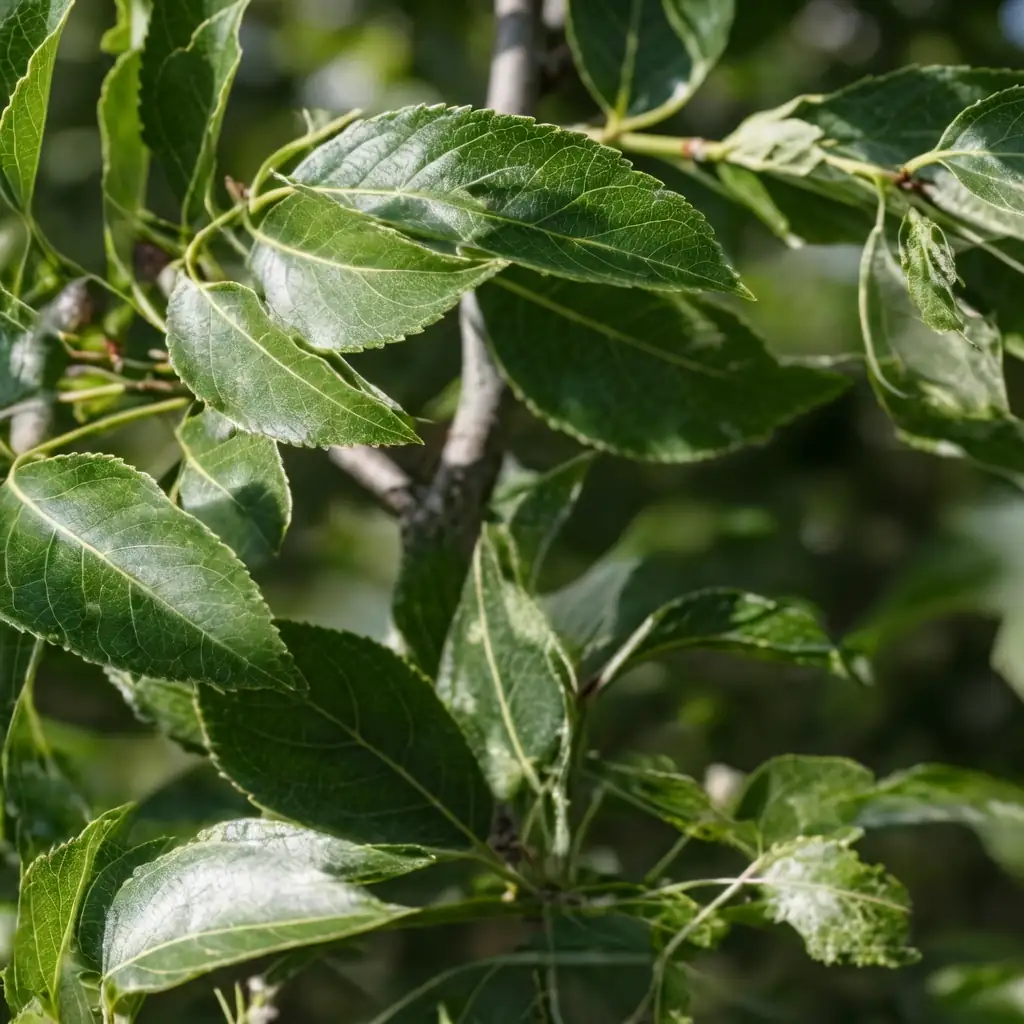
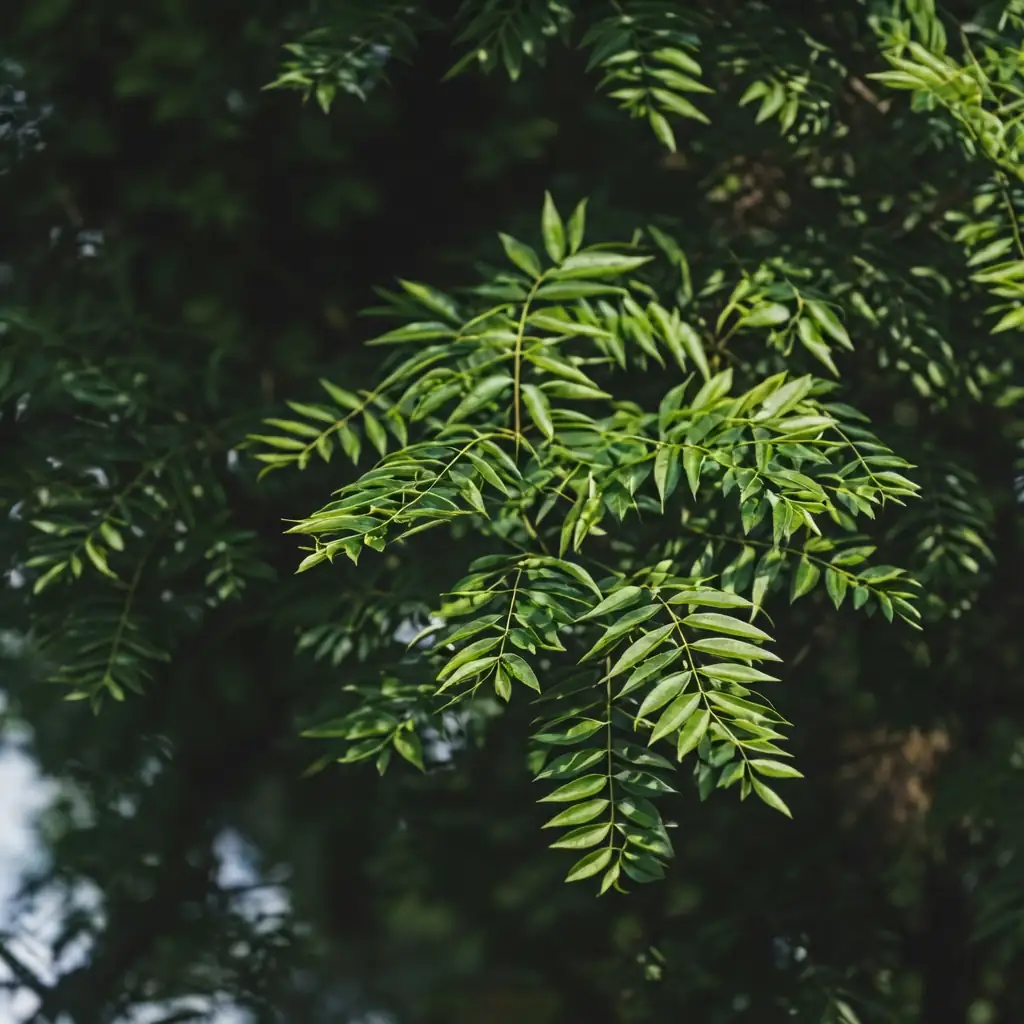
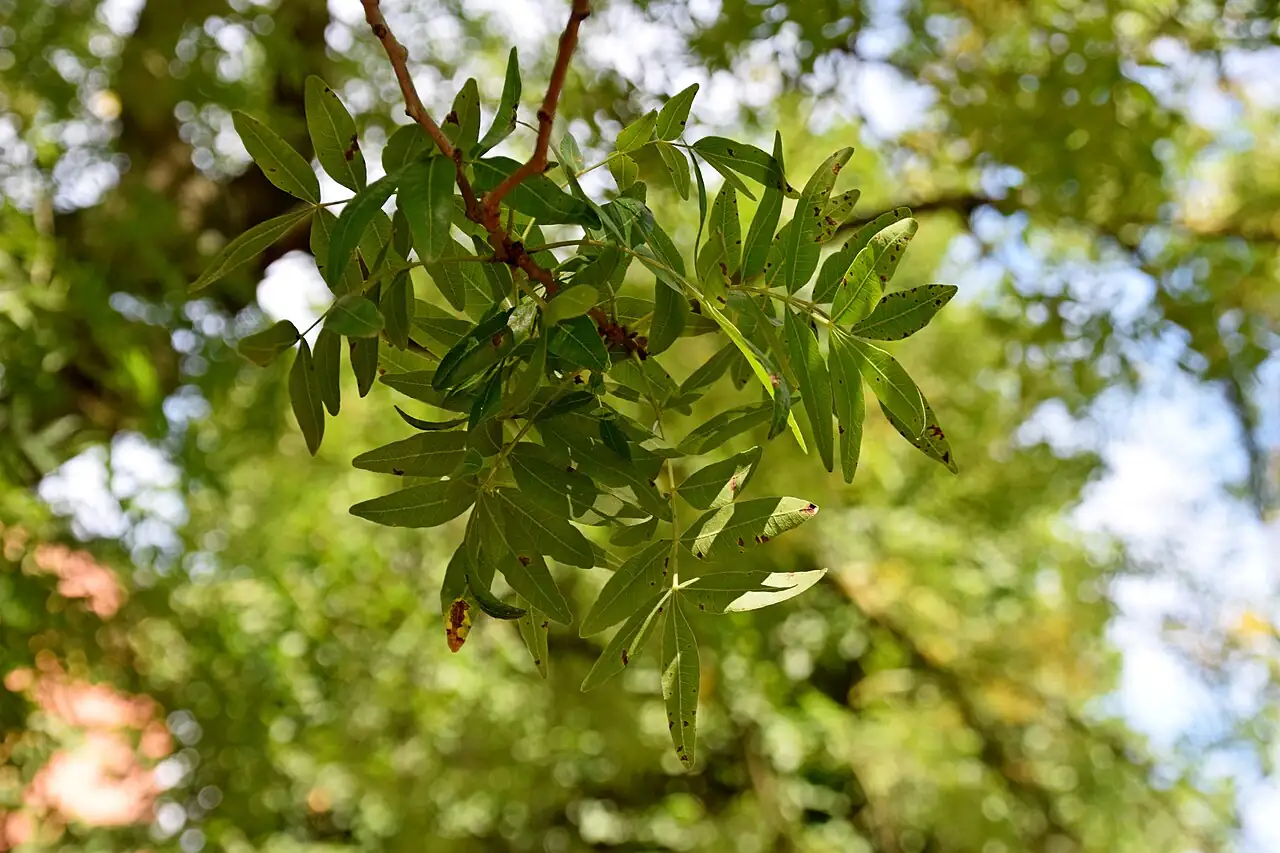
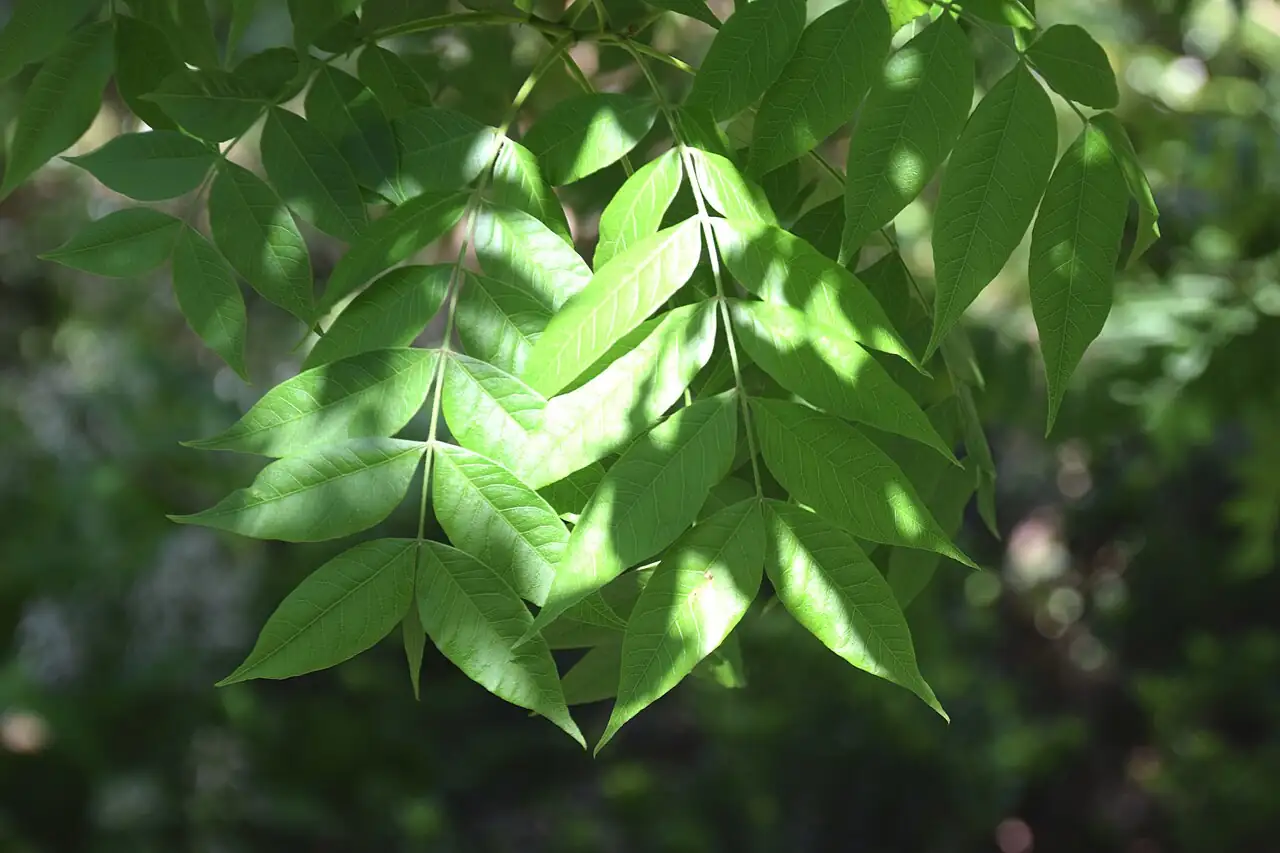
- Foliage: Leaves are even-pinnate compound, usually with about 10–14 leaflets. Leaflets are lanceolate to ovate-lanceolate with smooth (entire) margins, and they often smell aromatic when crushed. The trunk bark can exfoliate in thin flakes, adding subtle texture.
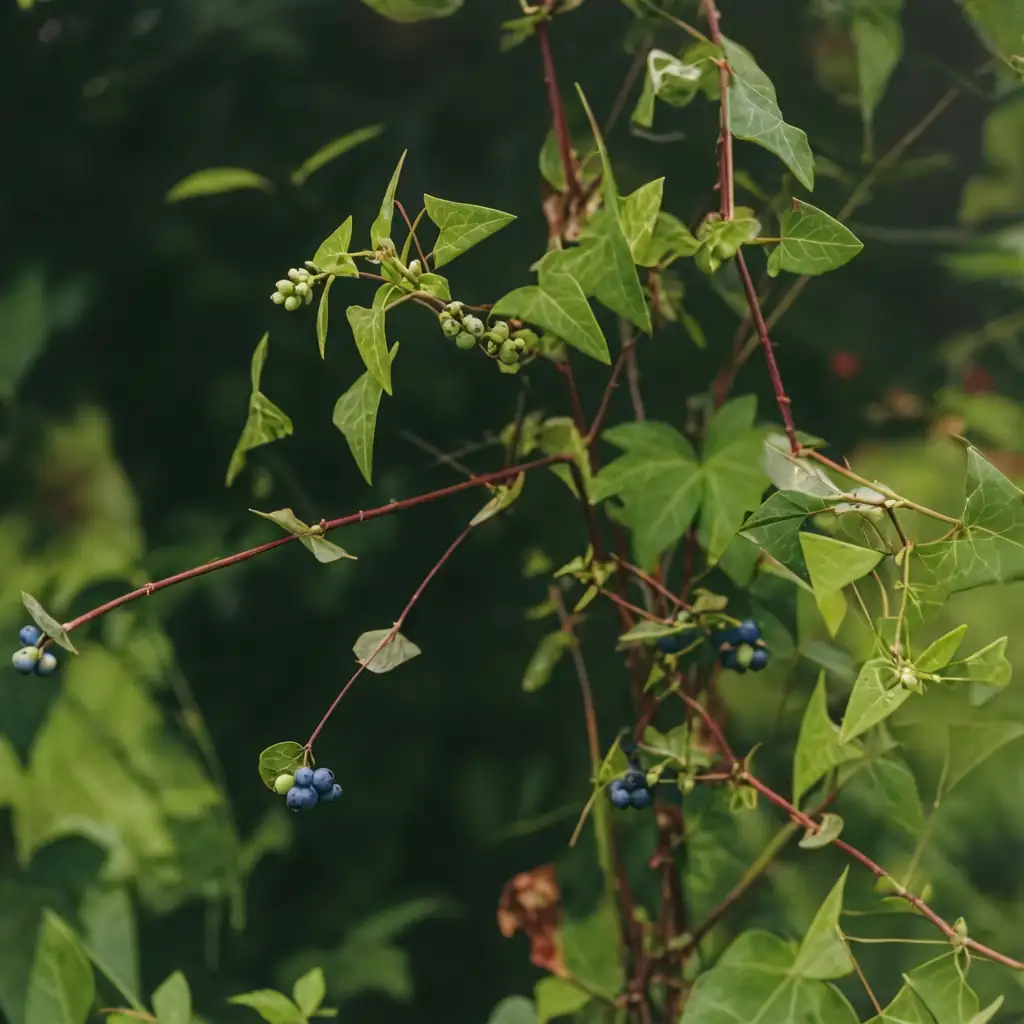
- Flower: Dioecious: male and female flowers occur on separate trees. Flowers are small and held in panicles. Female trees can produce drupes that change color as they ripen—often from pale yellowish/whitish to red, then to bluish-purple.
- Flowering Season: March–April (early spring)
- Growth Habit: A deciduous tree with a nearly spherical, dense crown. Typically slow-growing but notably resilient—wind-tolerant and capable of strong resprouting after pruning or damage.
Environment
Sunlight
Full sun for best growth and strongest fall color; tolerates light shade.
Temperature
Prefers warm-temperate conditions; broadly adaptable. Typical active growth range about 15–30°C (59–86°F).
Humidity
Doesn’t require high humidity; drought tolerant once established.
Soil
Adaptable to many soil types, but happiest in fertile, moderately moist, well-drained soil. Often noted to perform especially well on well-drained limestone-derived soils. Avoid chronically waterlogged sites.
Placement
Outdoors in an open, sunny spot—ideal as a street, park, or garden shade tree where its rounded crown can spread and fall color can be enjoyed.
Hardiness
Commonly grown in USDA Zones 6–9; cold-hardy and drought tolerant once established.
Care Guide
Difficulty
Easy to moderate outdoors: generally low-fuss once established, though it’s relatively slow-growing. Appreciated for wind tolerance and its ability to resprout strongly after stress or pruning.
Buying Guide
Pick a tree with a straight central leader, clean trunk (no wounds), and well-spaced scaffold branches. Avoid severely pot-bound plants—check for circling roots. If you want fruit, remember it’s dioecious: only female trees fruit, and having a male tree nearby improves pollination.
Watering
First 1–2 growing seasons: water regularly to establish, keeping soil evenly moist but never soggy. After establishment: water deeply during extended dry spells rather than frequent light sprinkling.
Fertilization
Usually minimal. If growth seems weak, use a balanced slow-release fertilizer in spring. Avoid heavy nitrogen, which can reduce fall color quality and push overly soft growth.
Pruning
Late winter to early spring is best. Focus on building a strong framework and removing crossing, dead, or damaged branches. Light formative pruning is usually enough, though the tree can resprout vigorously even after harder cuts.
Propagation
Most commonly by seed (best sown fresh or after cold stratification). Can also be increased from root suckers or vigorous shoots where they occur, reflecting its strong resprouting habit.
Repotting
Not ideal as a long-term container plant. For nursery stock, pot up only when roots fill the container; transplant into the ground while young for easier establishment.
📅 Seasonal Care Calendar
Spring: plant and keep watering consistent; lightly fertilize if needed. Summer: mulch and deep-water during drought. Autumn: enjoy fall color; collect seed from female trees if desired. Winter: structural pruning and a general health check for branch issues.
Pests, Diseases & Safety
Common Pests & Diseases
Generally robust. Possible issues include aphids, scale insects, and occasional leaf spots. Prevention helps most: good airflow, sensible watering, and keeping the tree healthy. Treat infestations with targeted horticultural oils or insecticidal soaps when needed.
Toxicity
Not widely considered highly toxic, but as a member of the cashew family (Anacardiaceae), sap may irritate sensitive skin. It’s sensible to discourage chewing of any plant parts by pets or children.
Culture & Symbolism
Symbolism: Often linked with resilience and the beauty of seasonal change—tough through summer heat and drought, then finishing the year with a show of color.
History & Legends: Long used as an ornamental and shade tree in East Asia, and now popular in modern urban planting thanks to its tolerance of heat, wind, and periodic drought.
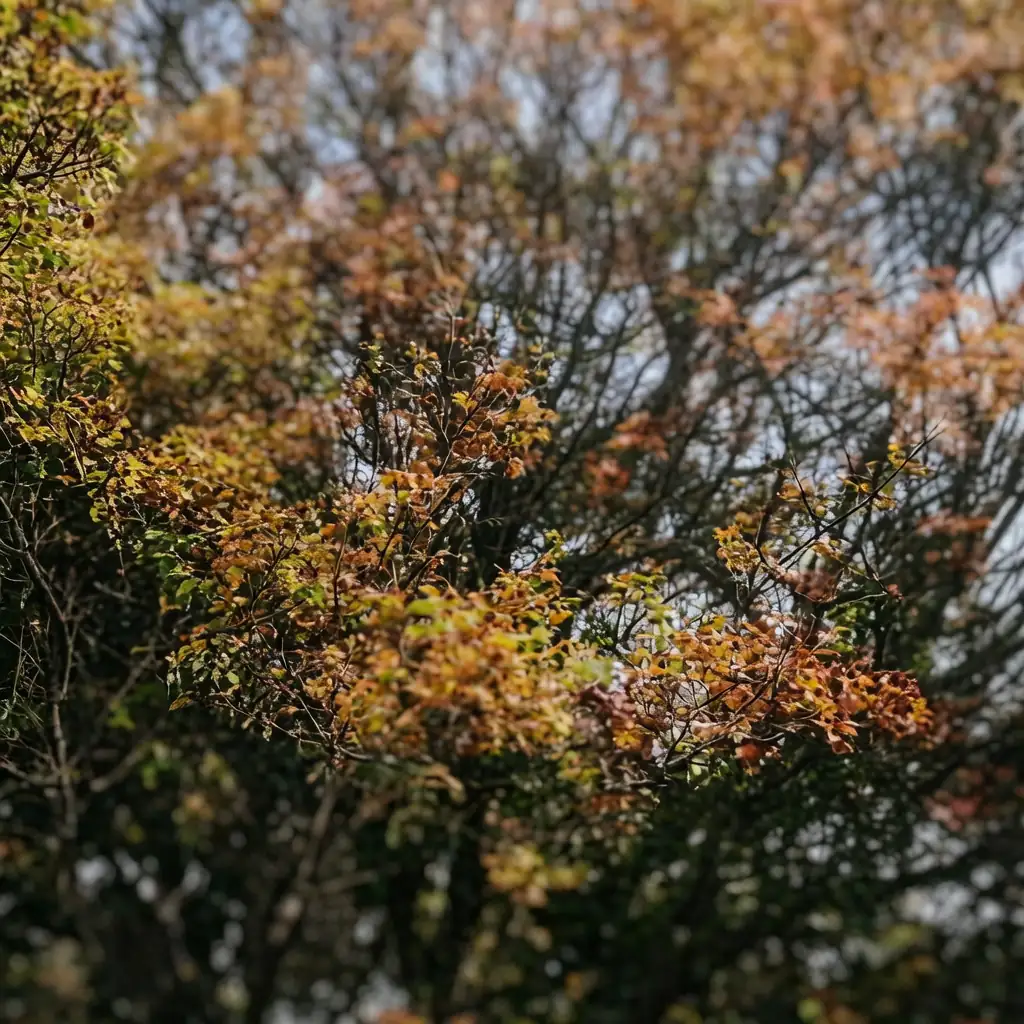
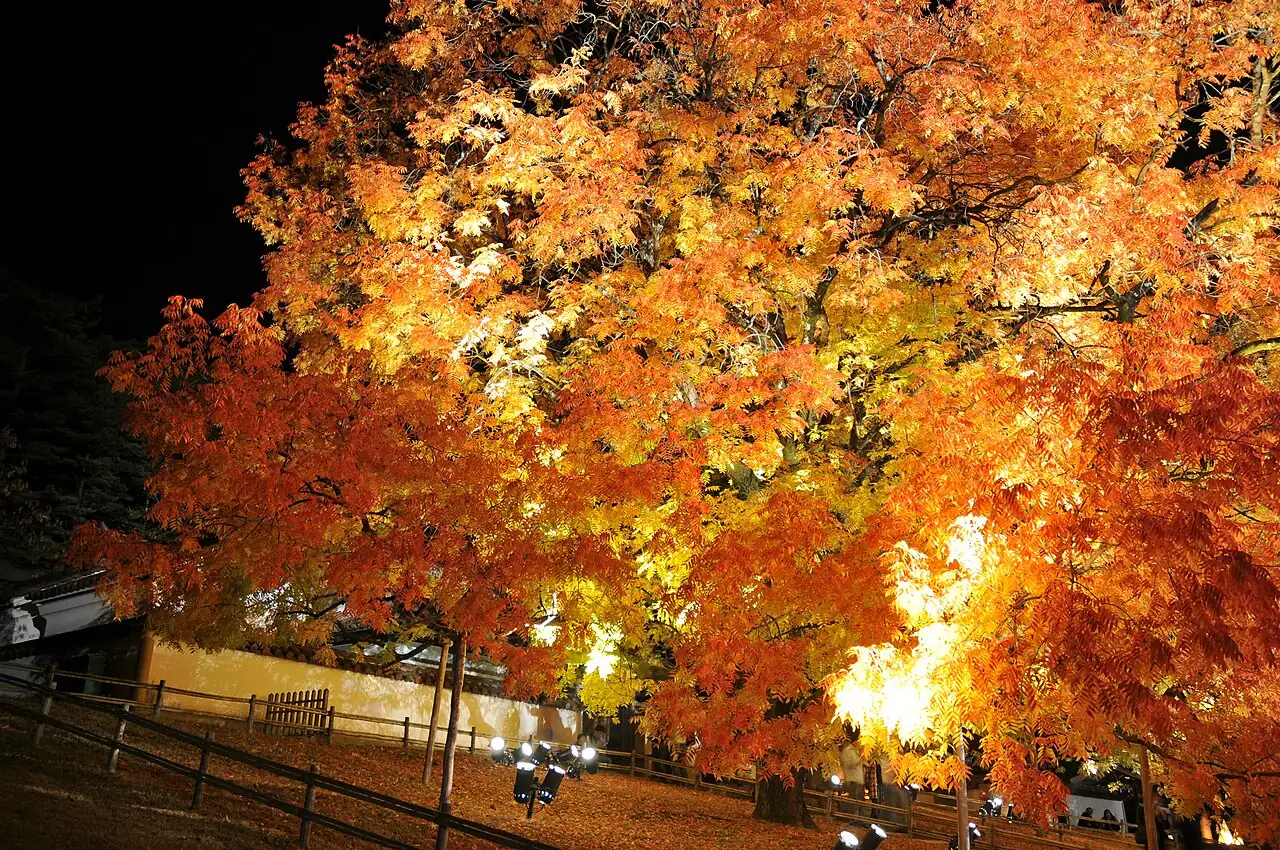
Uses: Primarily ornamental: a reliable shade tree for streets, parks, and gardens, prized for its rounded canopy, exfoliating bark texture, and especially its vivid red fall foliage. Female trees also add decorative fruit clusters.
FAQ
Why doesn’t my tree produce fruit?
Chinese pistache is dioecious—male and female flowers are on separate trees. Only female trees make fruit, and they typically need a male nearby for good pollination.
How can I get the best fall color?
Give it full sun, avoid heavy nitrogen fertilization, and establish it with consistent watering in the first year or two. Once established, a bit of seasonal dryness often helps intensify fall color.
Fun Facts
- The drupes can shift through several colors as they ripen: pale yellowish/whitish to red, then bluish-purple.
- The bark may exfoliate in thin flakes, adding subtle winter texture.
- It’s dioecious—male and female flowers occur on separate trees.
- It’s widely planted because its fall foliage often turns a vivid red.
- In the wild it grows in mountain woodlands and is native to China and the Philippines.