
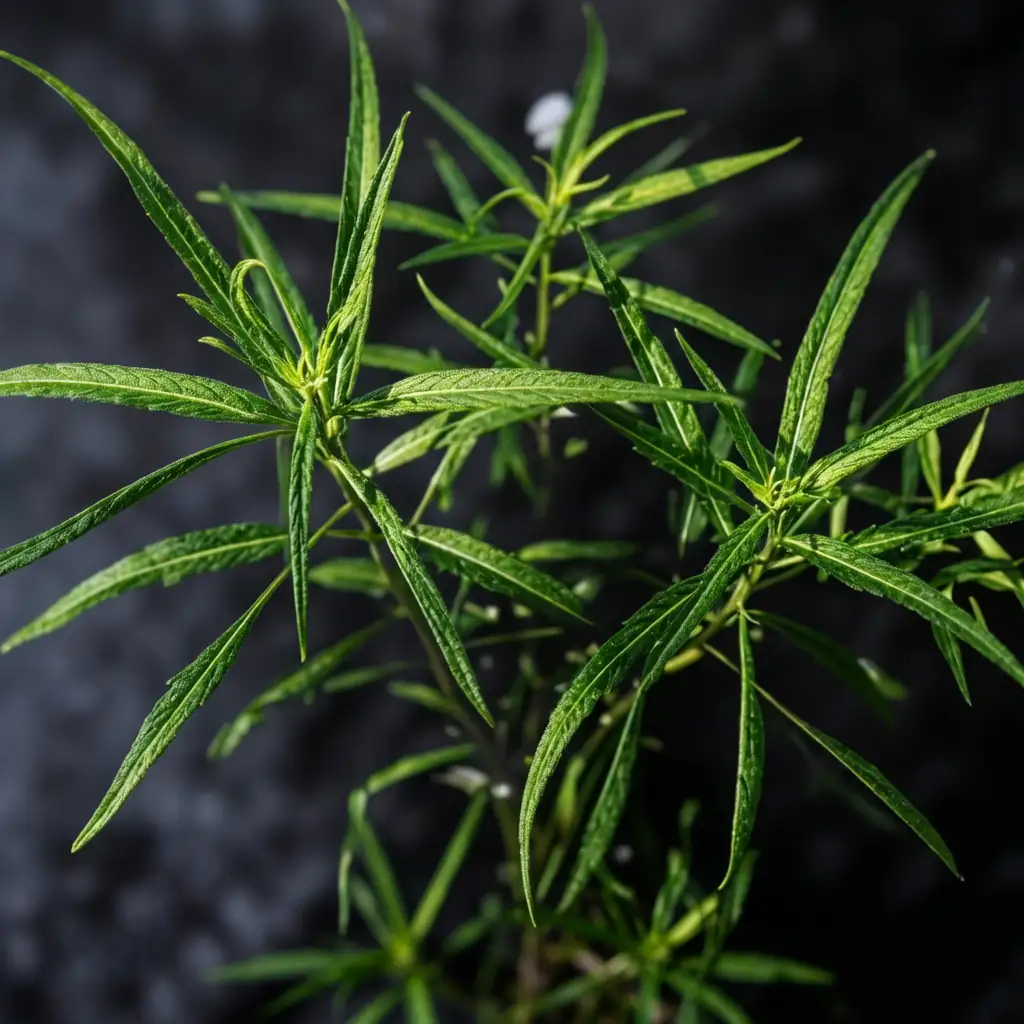
Plant Features
- Size:40–90 cm (16–35 in) tall; typically forms clumps and can spread into small colonies via rhizomes.
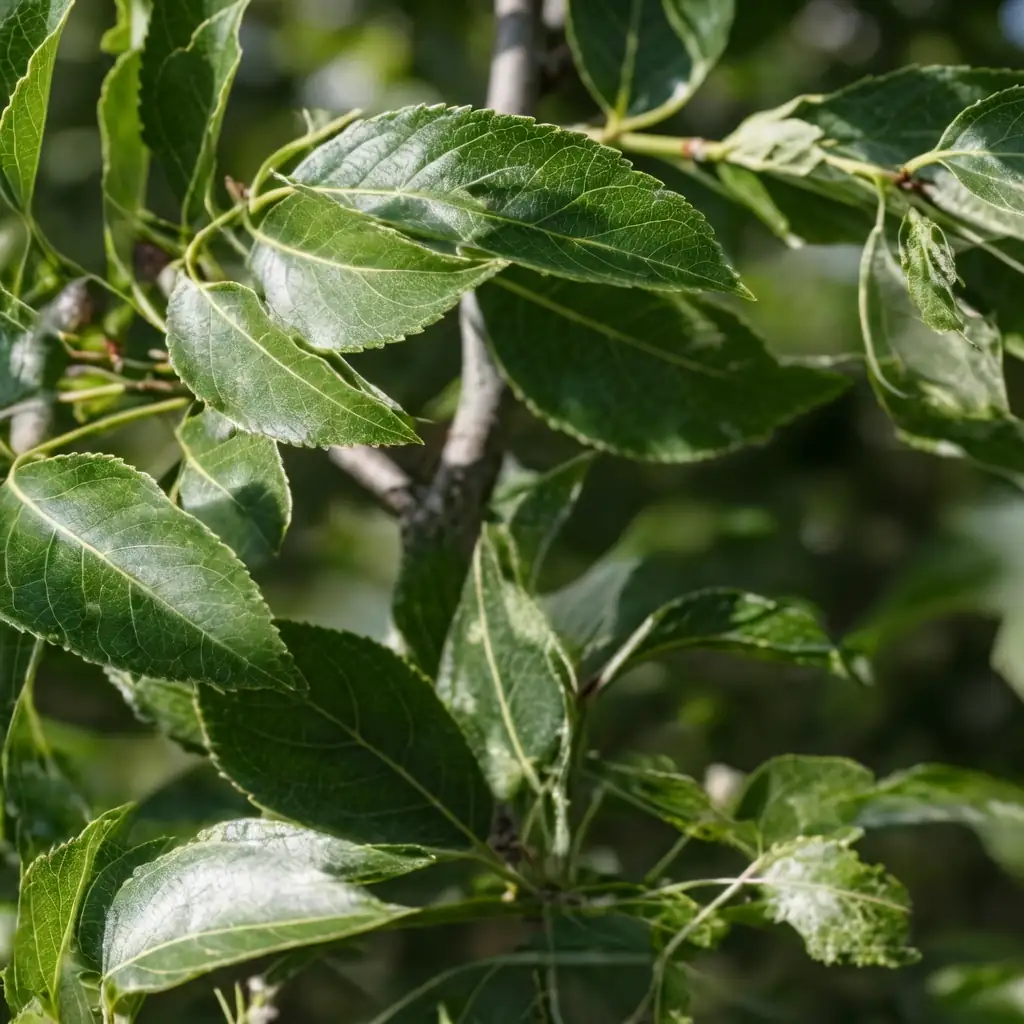
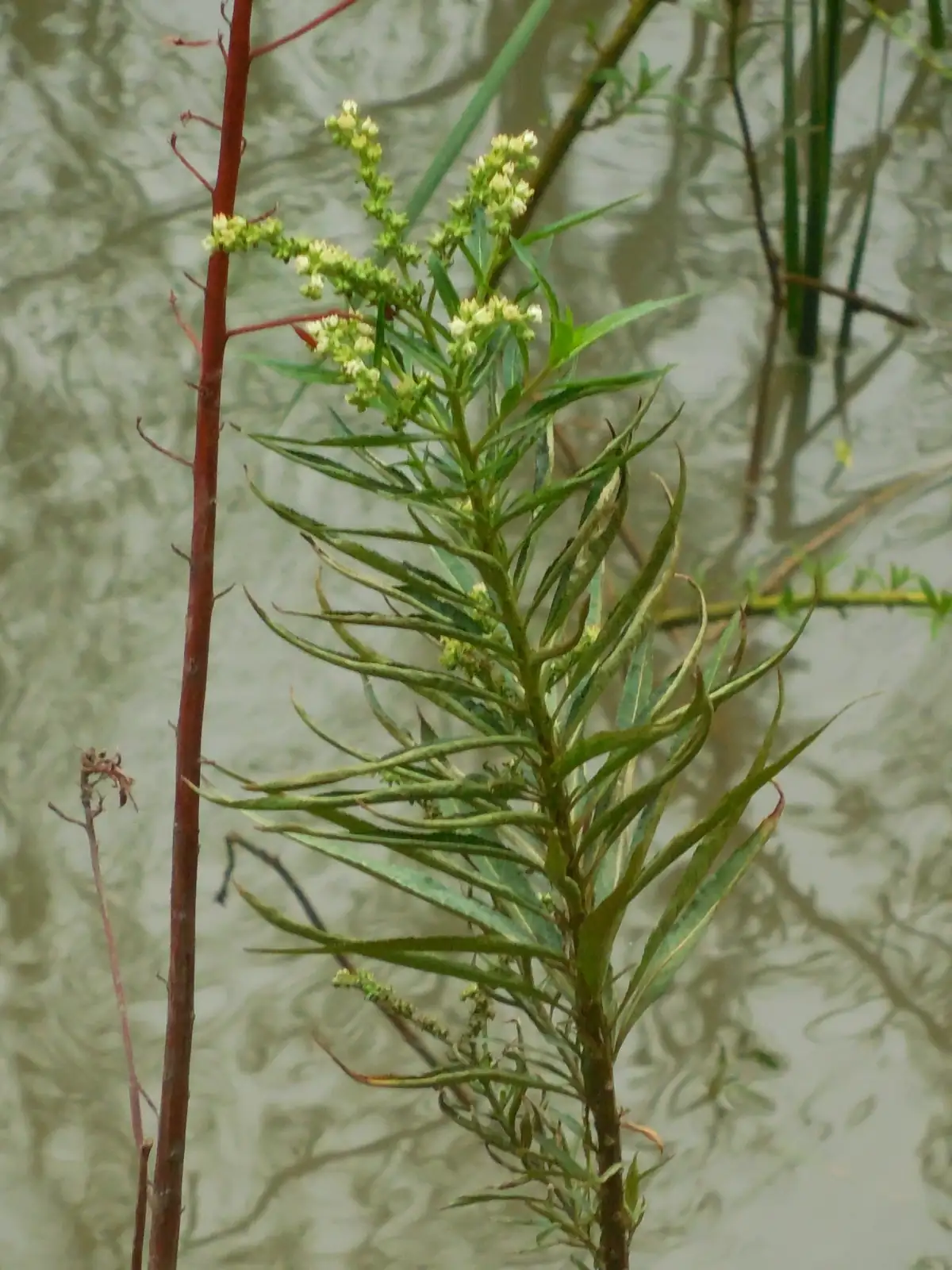
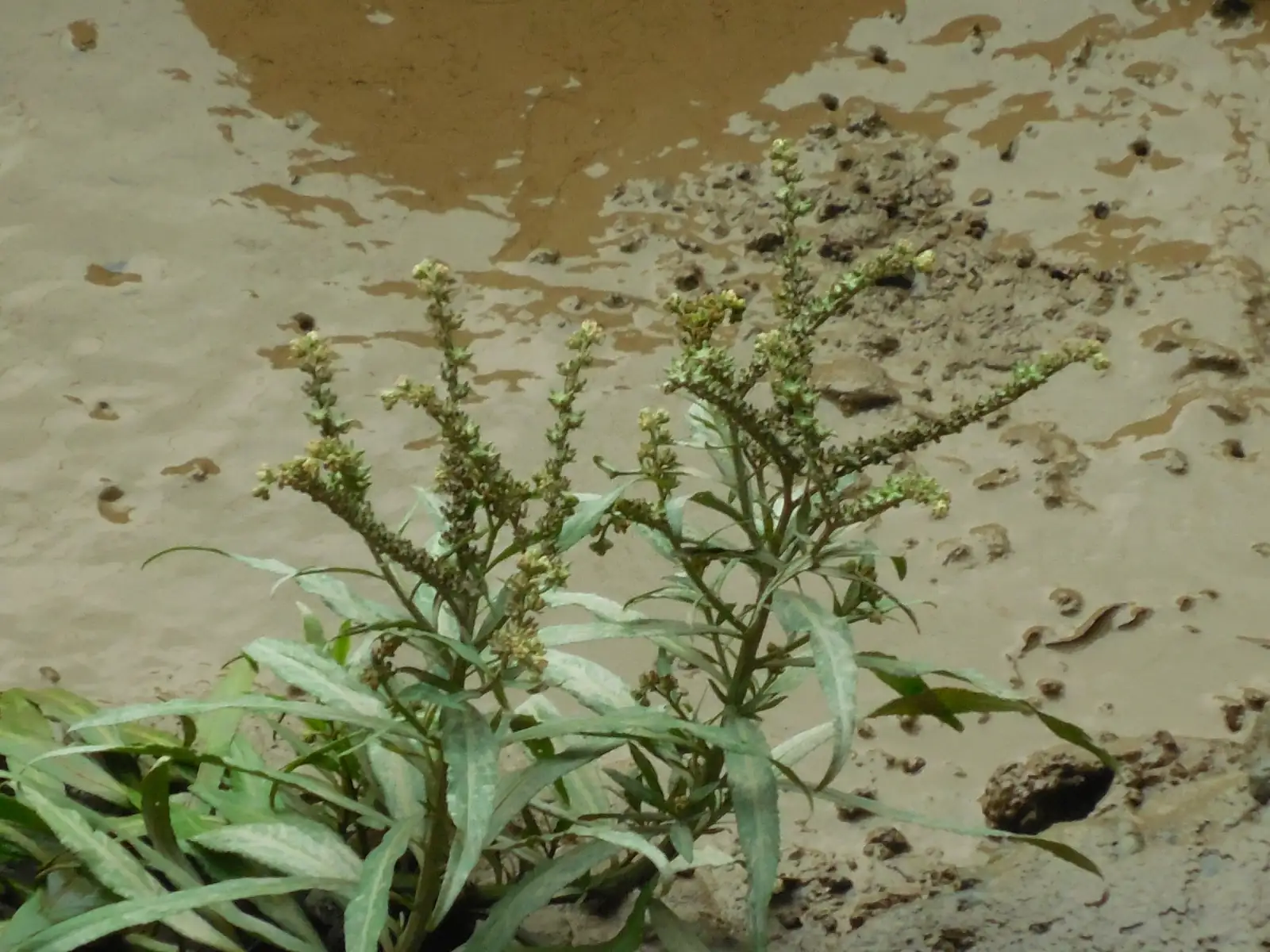
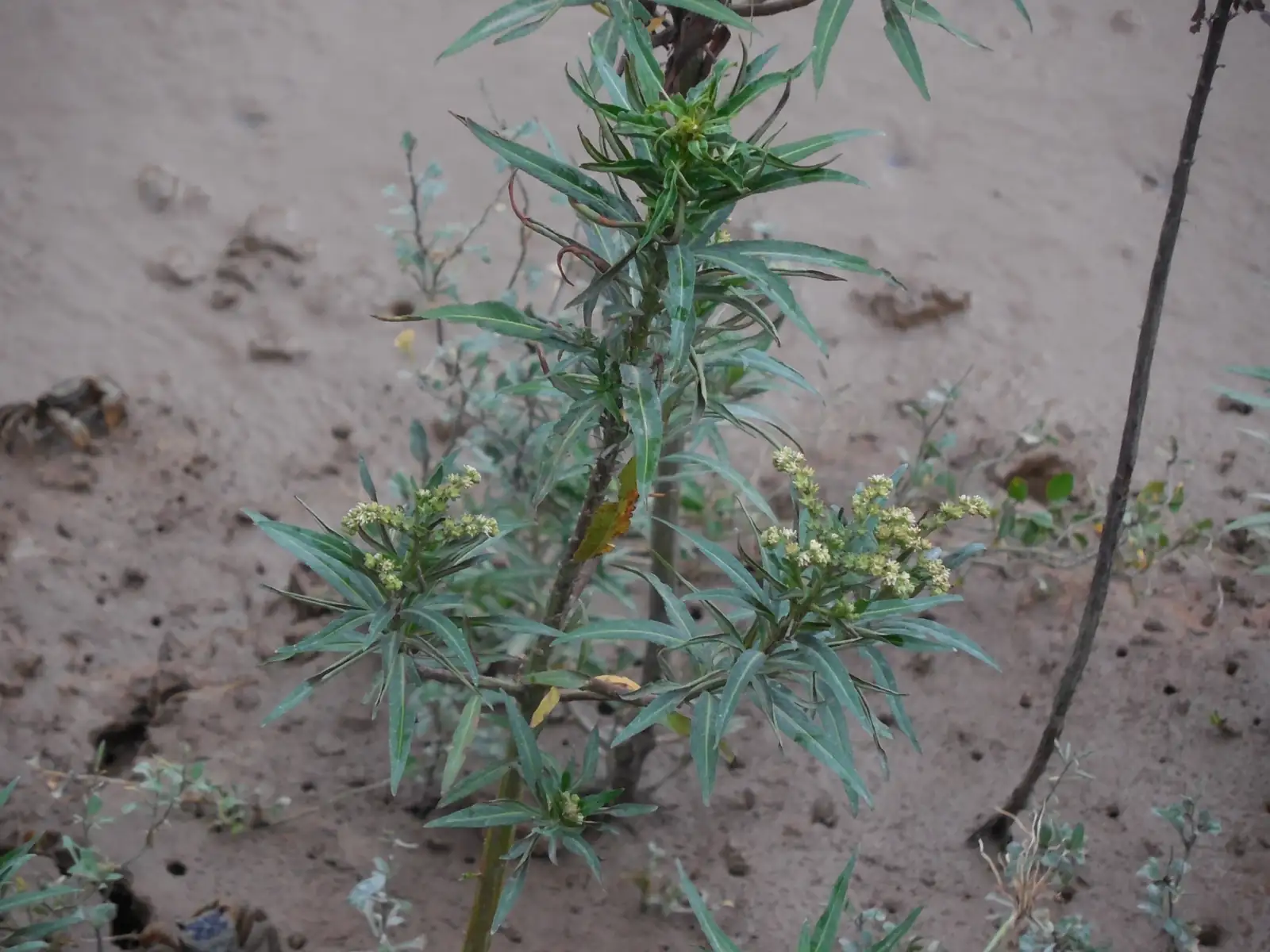
- Foliage: Leaves are alternate and sessile or nearly sessile, usually lanceolate to narrowly lanceolate. Stems rise from branching rhizomes and are commonly unbranched, though some plants may branch near the base. Overall, the plant reads as a leafy, upright clump with many leaves along the stem.
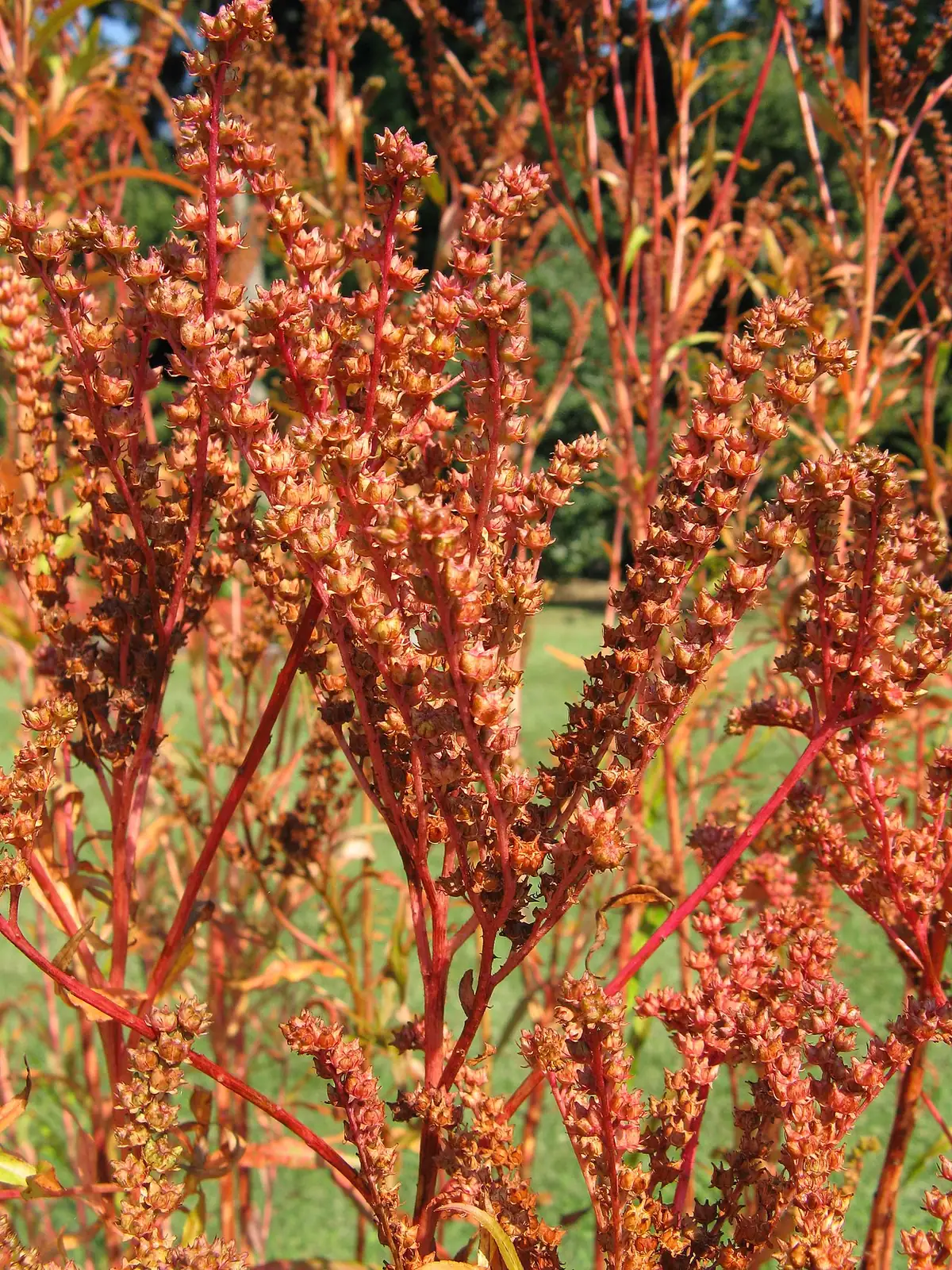
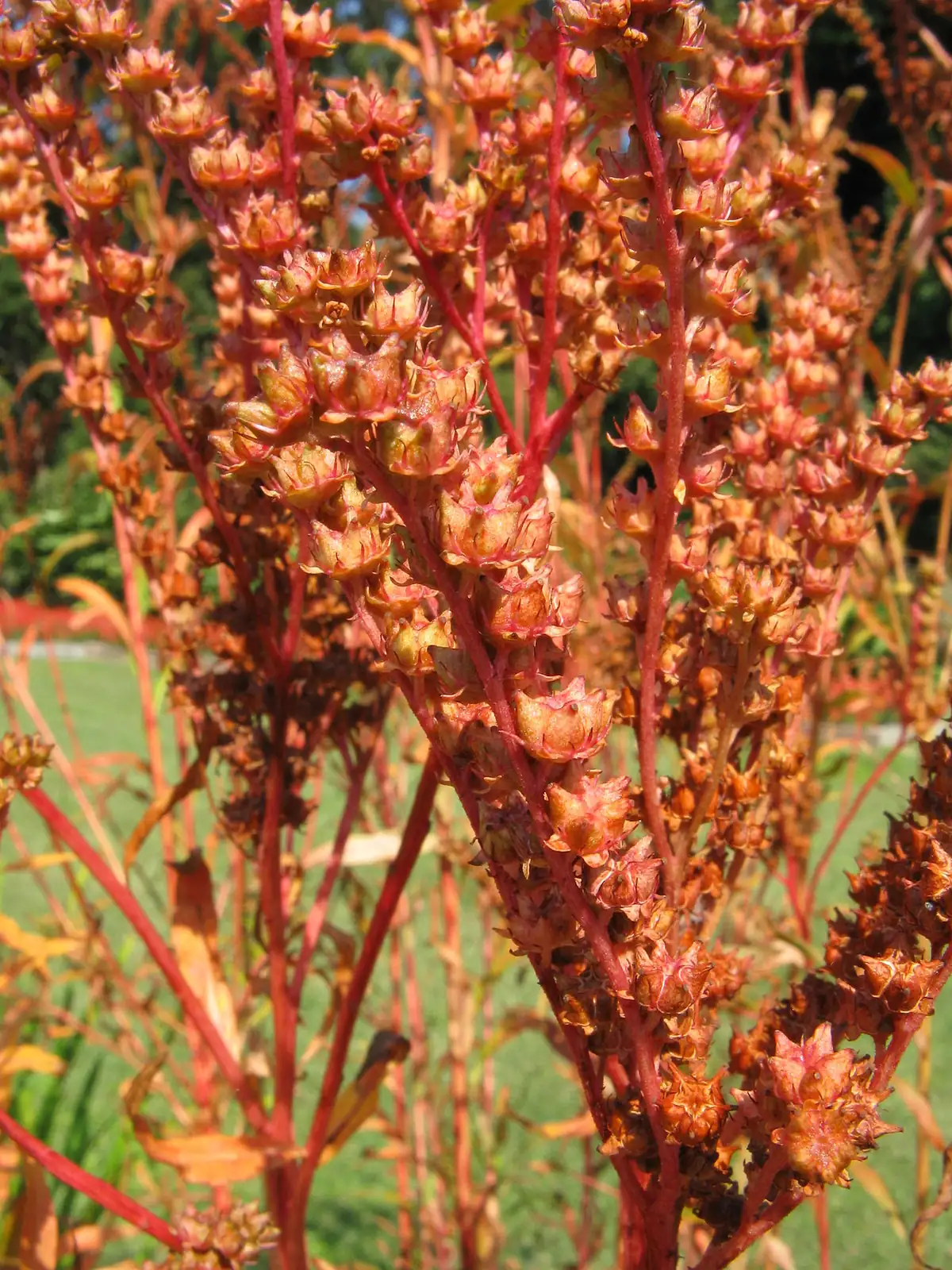
- Flower: Produces many tiny flowers held in a branched cyme about 1.5–4 cm (0.6–1.6 in) long. After flowering, it develops capsule fruits that may blush reddish-purple; each capsule is about 4–5 mm (0.16–0.20 in) across and contains many seeds.
- Flowering Season: July–October
- Growth Habit: Herbaceous perennial with branching rhizomes; upright leafy stems that usually stay unbranched, gradually forming clumps and spreading over time.
Environment
Sunlight
Full sun to partial shade; it will flower best with brighter light, but appreciates some shade in hot climates—especially if soil moisture is less consistent.
Temperature
Cold-tolerant; grows well in cool to warm conditions, roughly 10–28°C (50–82°F).
Humidity
Moisture-adaptable: happiest in damp ground and waterside habitats, and can handle brief dry spells once established, but prolonged drying will reduce vigor (especially in pots).
Soil
Moist to wet, humus-rich soil. Excellent for pond margins, bog gardens, rain gardens, and seasonally waterlogged areas. For best growth, keep the root zone evenly moist and avoid sour, airless mixes in containers.
Placement
Pond edge, bog/rain garden, wet corner of the yard, or any consistently moist border; can also be grown in containers (even standing in shallow water in summer) where drying out can be prevented.
Hardiness
Approximately USDA Zone 4–8; generally hardy in temperate climates and not fond of extended drought.
Care Guide
Difficulty
Easy to moderate. It’s forgiving once established in the ground, but in containers it needs steady moisture to look its best.
Buying Guide
Pick plants with firm, sturdy stems and fresh green leaves. Avoid pots that have been allowed to dry out completely, and skip plants with blackened or mushy stem bases (a potential sign of rot or poor growing conditions).
Watering
Keep soil consistently moist to wet, especially through summer. In pots, don’t let it dry out—standing the pot in a shallow tray of water during hot spells can be very helpful. Aim for “evenly wet,” not stagnant and sour.
Fertilization
Often minimal feeding is needed if planted in rich, organic soil. If growth looks weak, feed lightly with a balanced fertilizer in spring and again in early summer at about half strength.
Pruning
Cut back spent stems in late autumn after dieback, or in early spring before new growth starts. During the growing season, you can trim damaged or floppy stems to keep clumps neat.
Propagation
Most easily propagated by dividing clumps/rhizomes in spring or early autumn. It can also be grown from seed—sow on the surface of a moist seed mix and keep consistently damp (do not bury deeply).
Repotting
If container-grown, repot or divide every 1–2 years, ideally in spring. Use a moisture-retentive mix and choose a pot that won’t dry out quickly.
📅 Seasonal Care Calendar
Spring: divide/repot, refresh soil, begin light feeding if needed. Summer: maintain constant moisture; flowering period begins/continues. Autumn: reduce feeding; enjoy seed/fruit display; cut back after dieback. Winter: dormant—keep pots from drying out completely.
Pests, Diseases & Safety
Common Pests & Diseases
Usually trouble-free. In very wet, stagnant, oxygen-poor conditions, crowns/roots can rot—avoid anaerobic mixes and refresh soil if it turns sour. Slugs and snails may nibble tender new growth, especially in damp gardens.
Toxicity
Not known to be toxic. Young shoots have traditionally been eaten in some regions, but only eat any wild plant with confident identification and safe, clean sourcing.
Culture & Symbolism
Uses: Ornamental wetland/marginal plant valued for leafy stems and late-season interest (flowers and colorful capsules). In some local traditions, young shoots are used as a vegetable.
Fun Facts
- It naturally ranges from woodland understory to waterside wetlands—one reason it adapts so well in gardens.
- Its seed capsules can turn a handsome reddish-purple and are only about 4–5 mm (0.16–0.20 in) across.
- It’s a rare combo: a plant grown for pond-side beauty that also has a history of edible young shoots.
- Once established, it can cope with brief dryness, but it truly shines in consistently moist soil.