

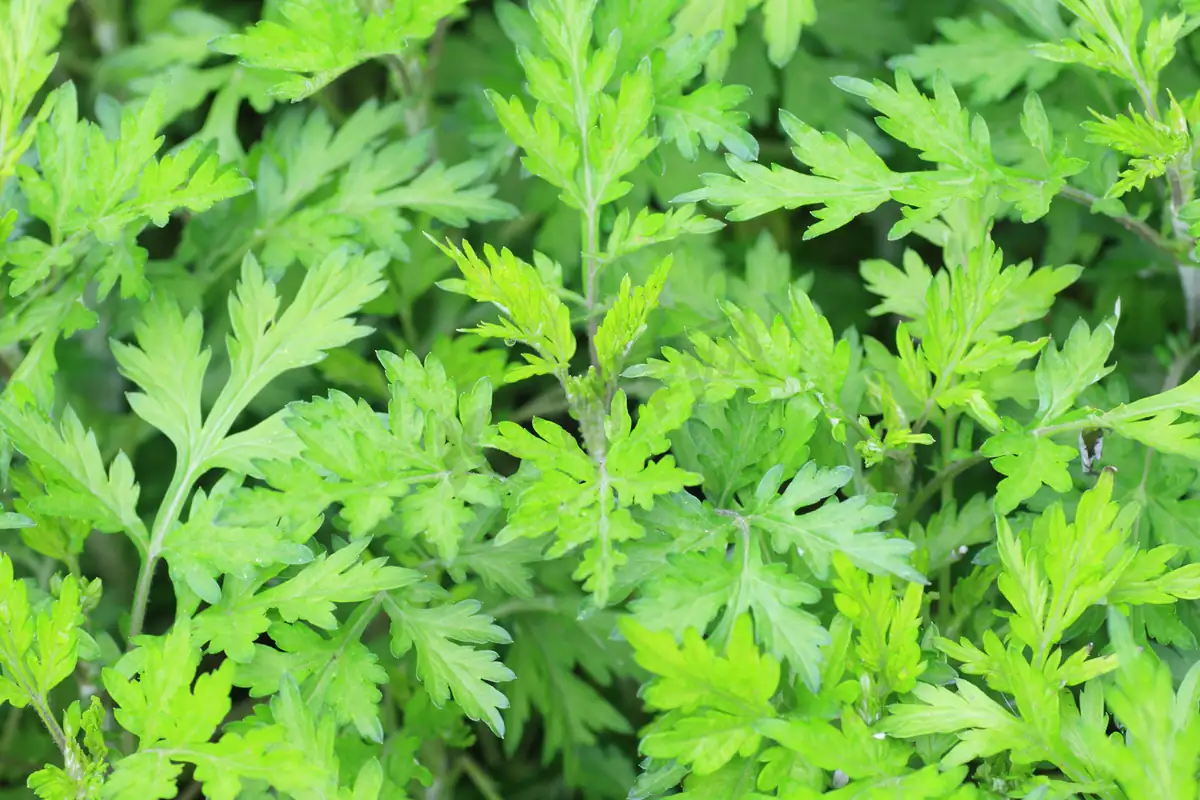
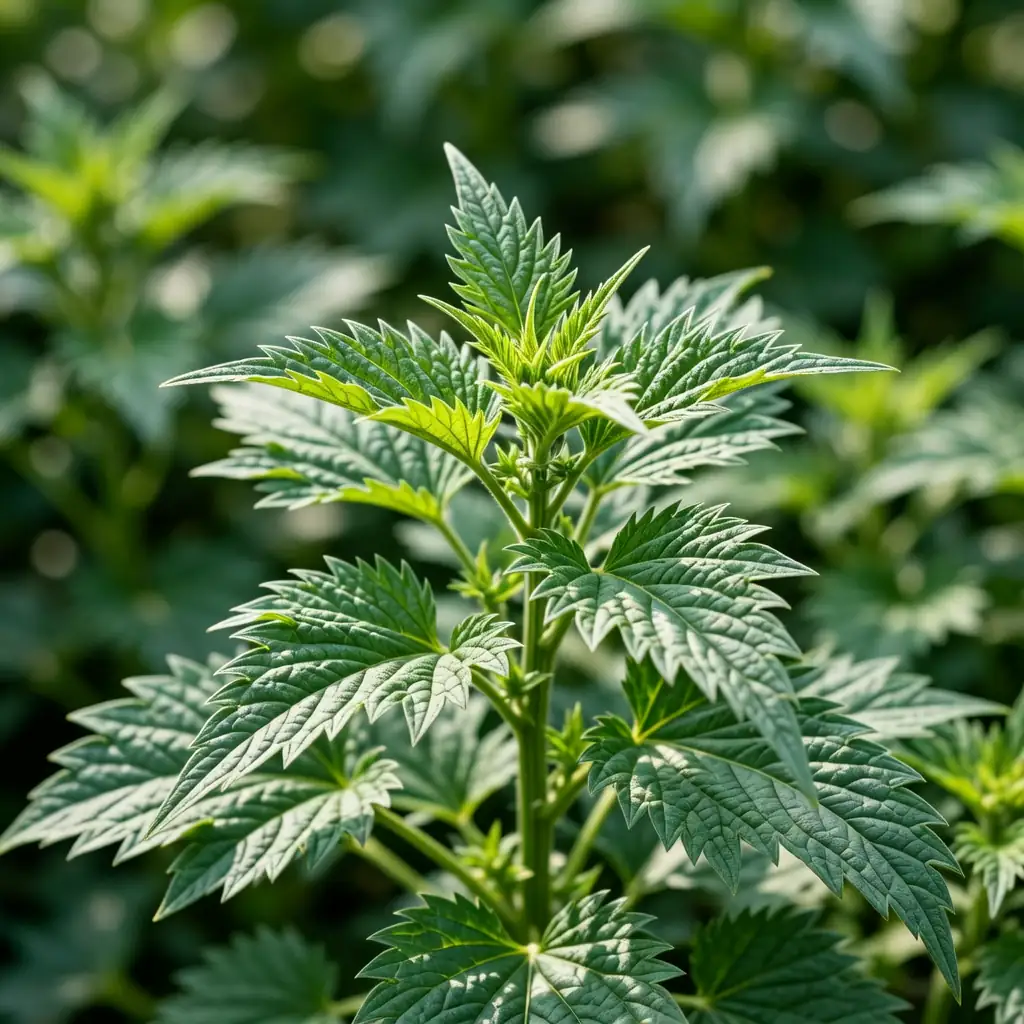
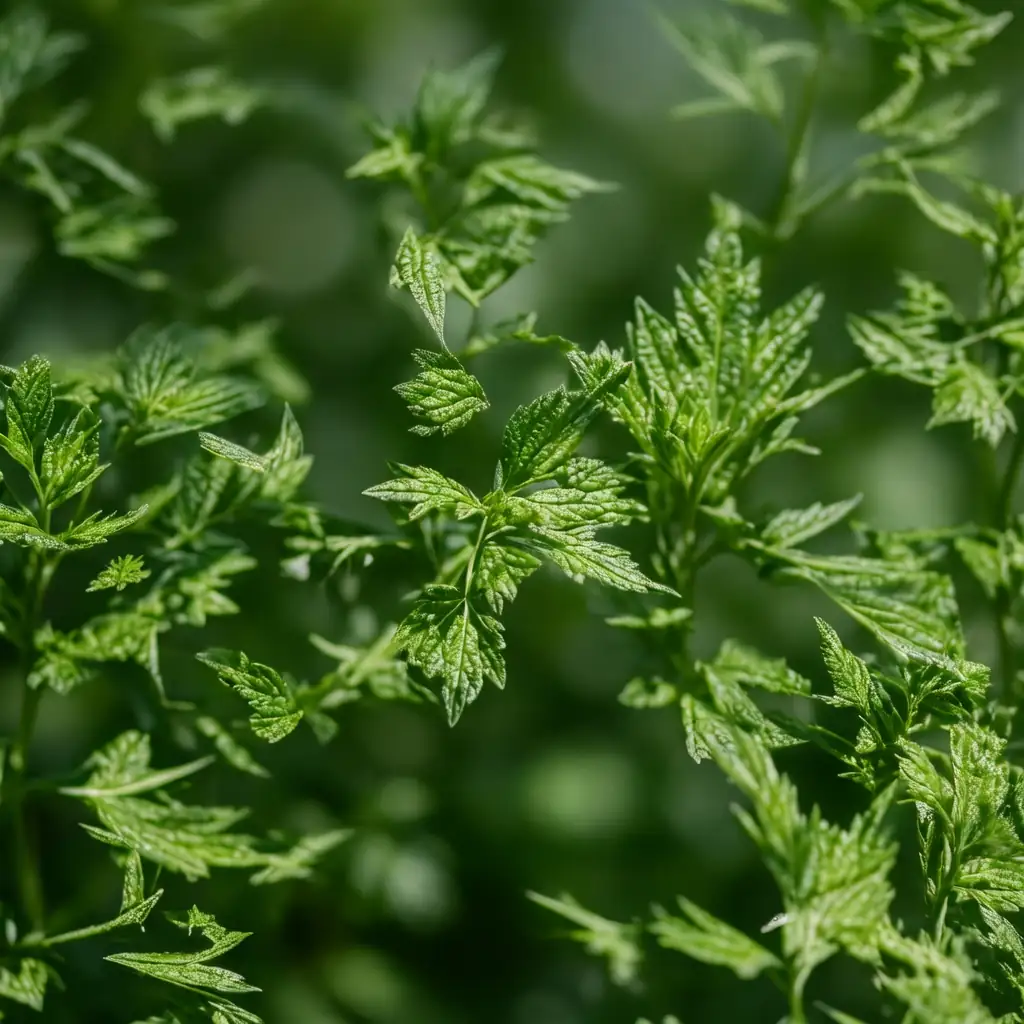
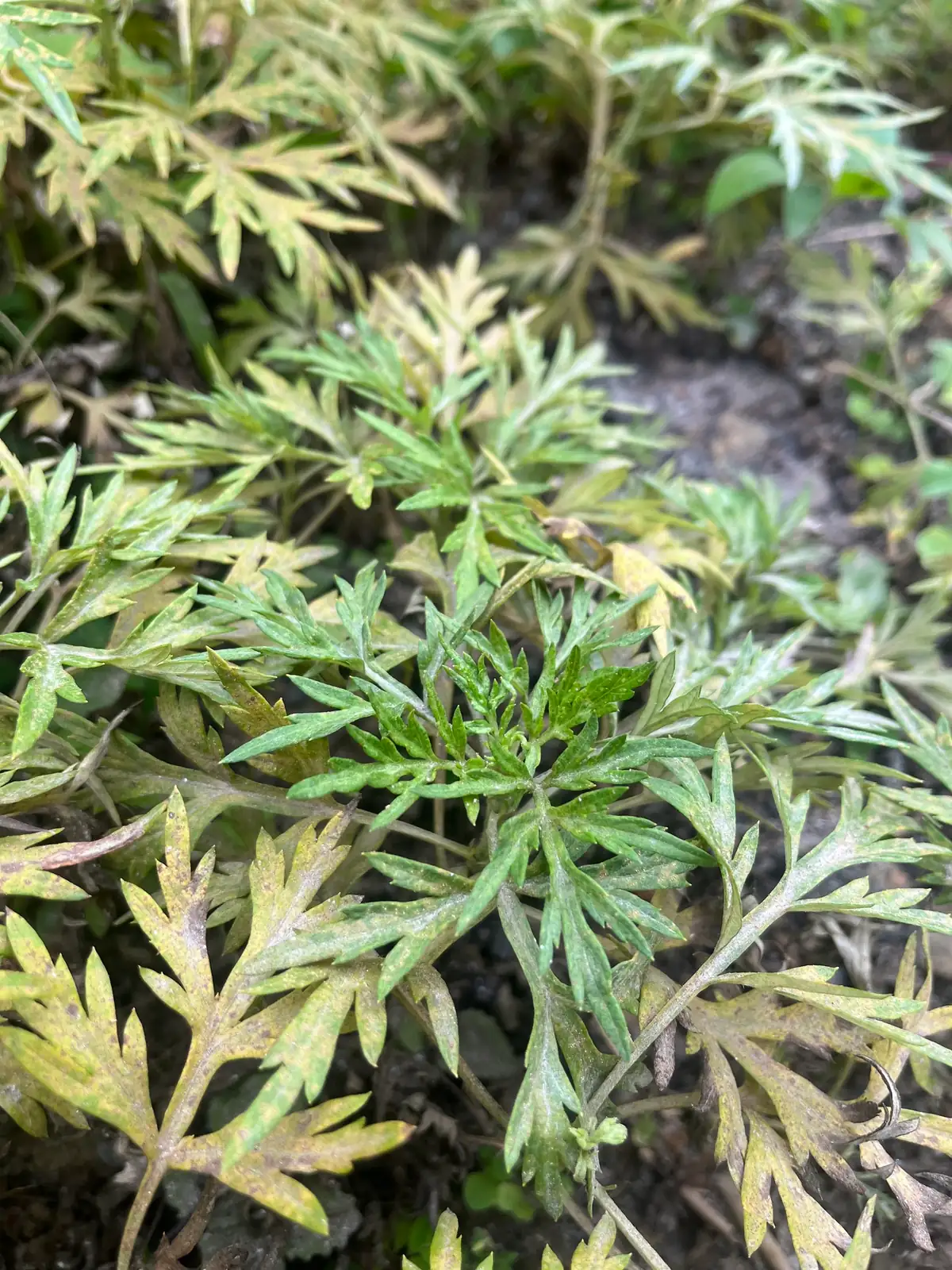
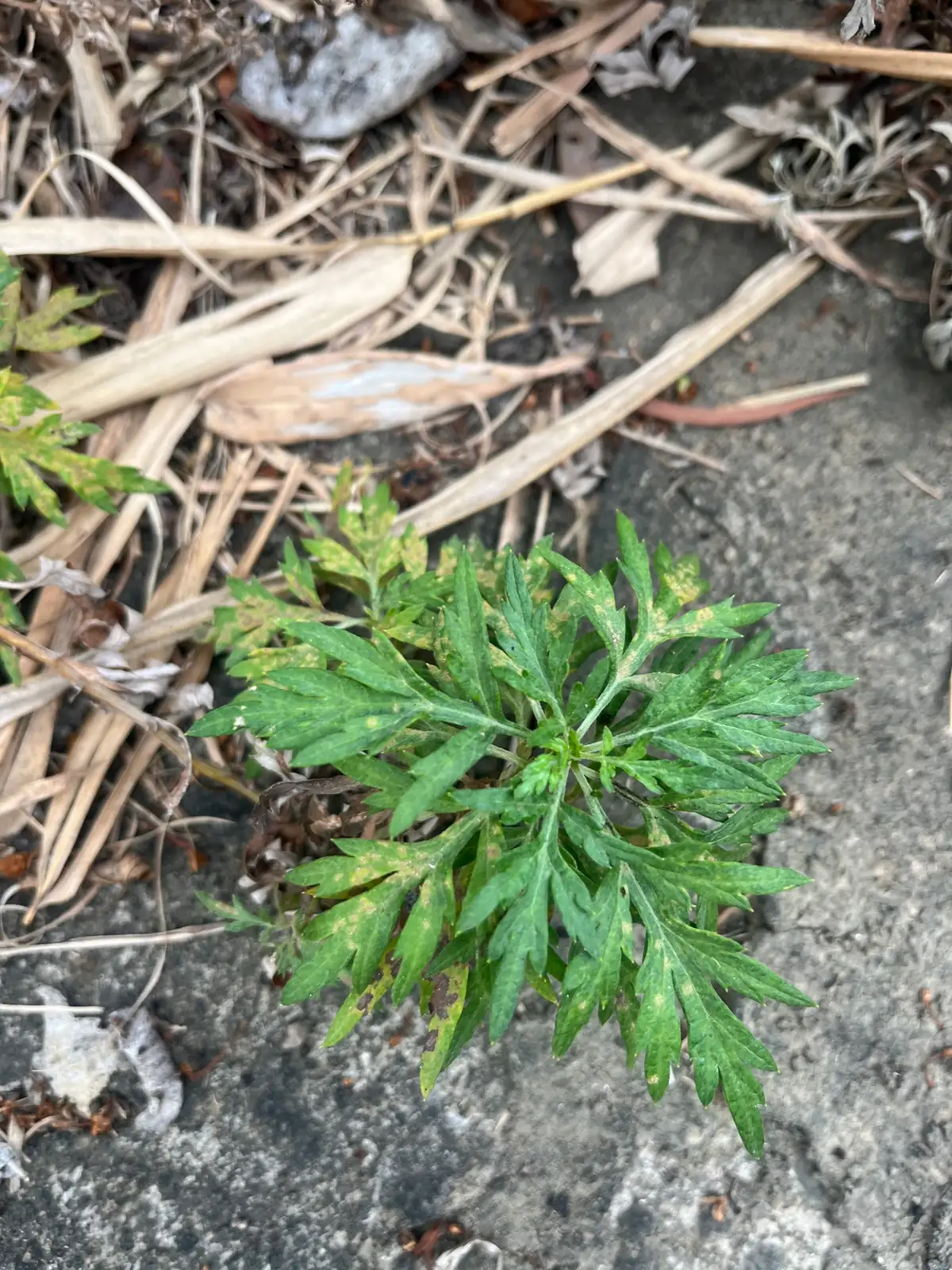
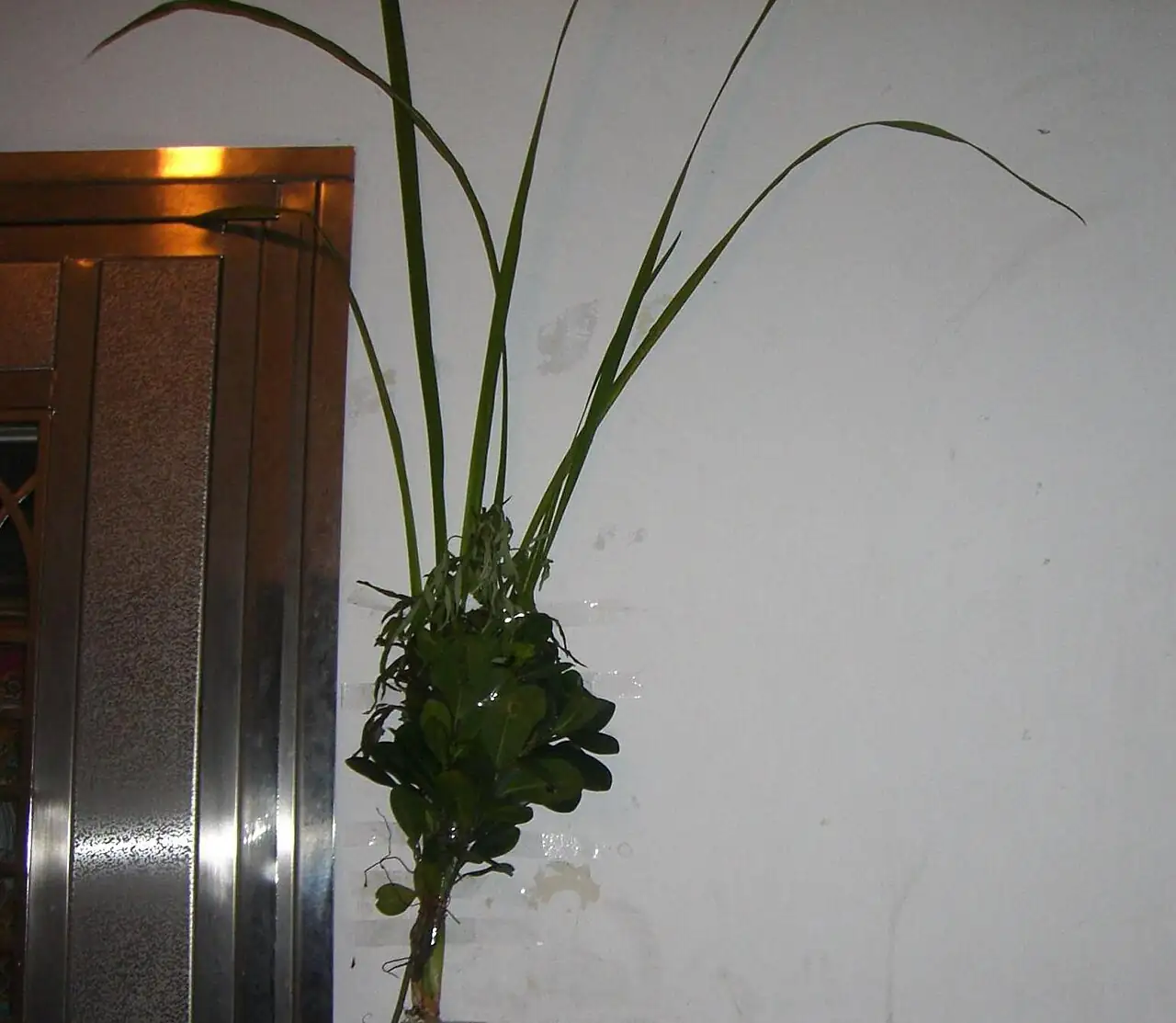
Plant Features
- Size: Typically 80–250 cm (31–98 in) tall; forms vigorous clumps and may spread via roots/rhizomes depending on site conditions.
- Foliage: Leaves are thick and papery. The surfaces appear gray-white from short, fine hairs, and are marked with tiny pale glandular dots and small depressions—these glands hold much of the plant’s aromatic oils.
- Flower: Produces small, oval Artemisia-style flower heads held in clusters. After flowering, it sets small, egg-shaped to oblong achenes (dry fruits).
- Flowering Season: July–October
- Growth Habit: Clump-forming perennial herb (sometimes semi-shrubby) with a pronounced main root and a strong, distinctive fragrance.
Environment
Sunlight
Full sun to partial shade. It’s adaptable, but stronger aroma and better flowering usually come with more sun.
Temperature
Prefers warm growing conditions but tolerates both heat and cold. Generally grows well around 15–30°C (59–86°F) and handles cooler periods once established.
Humidity
Likes moderate humidity, yet copes well with drier air after it has settled in.
Soil
Best in moist, fertile, well-drained soil; tolerant of many soil types as long as drainage is reasonable.
Placement
Outdoors in beds, herb gardens, slopes, and naturalized areas. Also works well in containers on a sunny balcony or patio—especially useful if you want to control spreading.
Hardiness
Cold- and drought-tolerant; broadly comparable to USDA Zone 4–9 (approx. -34 to -1°C / -29 to 30°F), depending on local conditions.
Care Guide
Difficulty
Easy. A tough, adaptable plant that tolerates cold and drought; it grows most vigorously with warmth and moderate, consistent moisture.
Buying Guide
Look for plants with a strong, clean mugwort scent and firm, healthy foliage with even color (not limp, blackened, or stressed). Avoid pots with sour-smelling, waterlogged soil. If you plan to eat it or use it medicinally, confirm it’s from an edible/medicinal-safe source and hasn’t been treated with unsuitable pesticides.
Watering
Water regularly while establishing, keeping the soil evenly moist but never soggy. Once established, water when the top 2–5 cm (1–2 in) dries out. It can tolerate dry spells, but growth is fuller and more aromatic with steady moisture.
Fertilization
Light feeding is usually enough. In spring, top-dress with compost or use a balanced fertilizer at half strength. Avoid heavy nitrogen, which can lead to overly soft, floppy growth.
Pruning
Cut back stems after flowering or in late fall to early spring to encourage fresh new shoots. Remove damaged or spent stems at any time. If it spreads too enthusiastically, thin the clump and remove unwanted shoots.
Propagation
Very easy by division in spring or fall. Root cuttings and stem cuttings can also work. Seed is possible but less commonly used for home propagation.
Repotting
In containers, repot every 1–2 years in spring, or divide once rootbound. Use a well-draining potting mix and a pot that can handle its vigorous growth.
📅 Seasonal Care Calendar
Spring: divide/repot; begin light feeding. Summer: keep moderate moisture; watch for pests in heat/dryness. July–October: flowering and fruiting. Autumn: cut back after flowering; divide if needed.
Pests, Diseases & Safety
Common Pests & Diseases
Generally robust. Aphids and spider mites may appear in hot, dry weather. Leaf spot and root rot can occur if soil stays wet and poorly drained. Improve airflow, avoid overwatering, and use insecticidal soap or horticultural oil when necessary.
Toxicity
May irritate skin or trigger allergies in sensitive people, especially those allergic to the Asteraceae family. Medicinal-strength use should be guided by a qualified professional; keep concentrated preparations away from children and pets.
Culture & Symbolism
Symbolism: Often linked with protection—used in folk customs to help ward off pests and “bad influences.”
History & Legends: A classic Chinese tradition is to hang mugwort on doors during the Dragon Boat Festival, valued for its strong aroma and protective symbolism.
Uses: Popular in seasonal folk customs (notably Dragon Boat Festival door hangings). Used in traditional herbal contexts for warming and dispelling damp-cold. Also used for fumigation and as a plant-based insect deterrent. In some regional cuisines, tender young shoots/seedlings are eaten as a seasonal green.
FAQ
Does Chinese mugwort need full sun?
It does best in full sun, but it’s adaptable and can grow in partial shade. More sun usually means stronger fragrance and better flowering.
Is it drought tolerant?
Yes—once established it handles dry spells well, though it looks lusher and grows faster with moderate, regular watering.
Can I grow it in a pot?
Absolutely. Containers are a smart way to control spreading—use a well-draining mix and repot or divide every 1–2 years.
Fun Facts
- Hanging mugwort on doors is a well-known Dragon Boat Festival tradition in China.
- The plant’s strong scent comes from aromatic oils stored in tiny leaf glands.
- It has a long history of use as a natural insect deterrent and in fumigation practices.
- In some places, the young shoots are eaten as a seasonal vegetable.


