

Plant Features
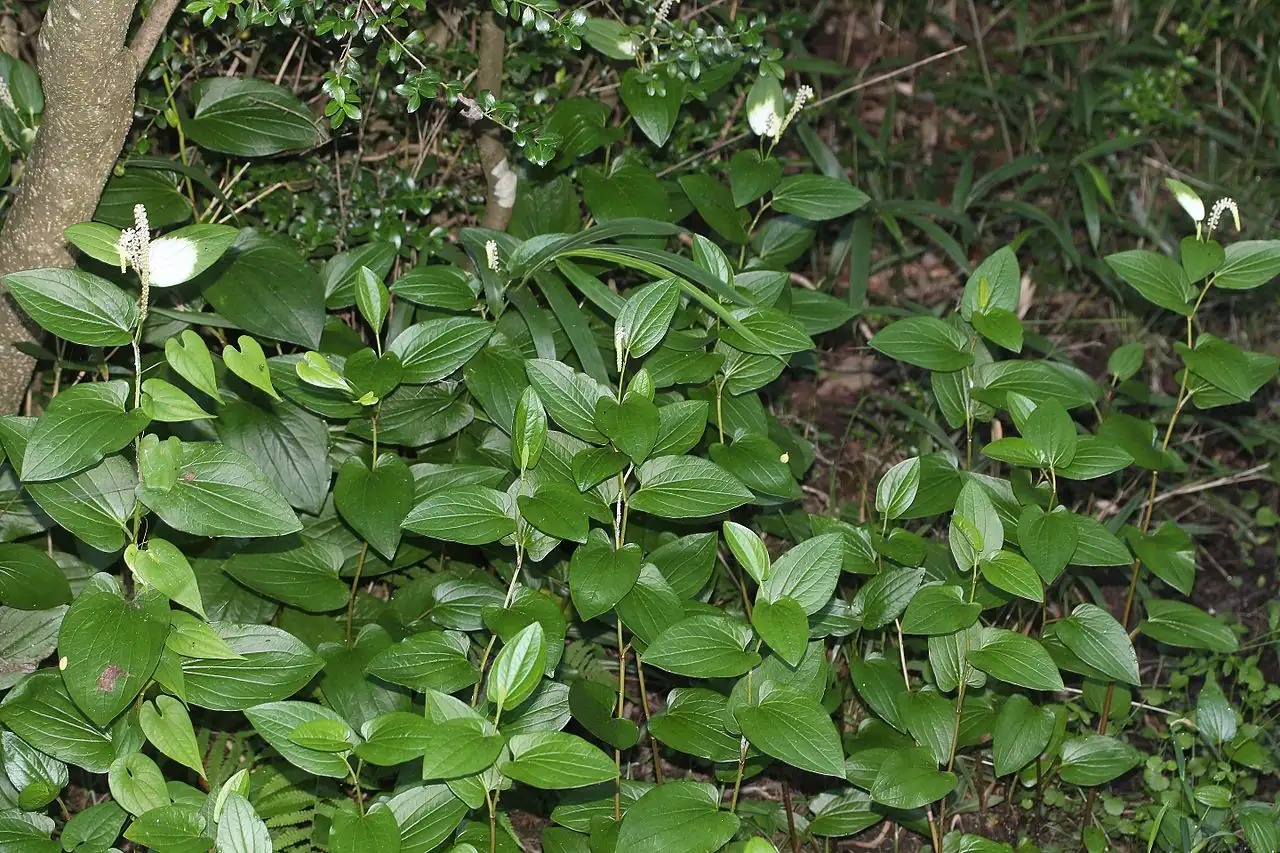
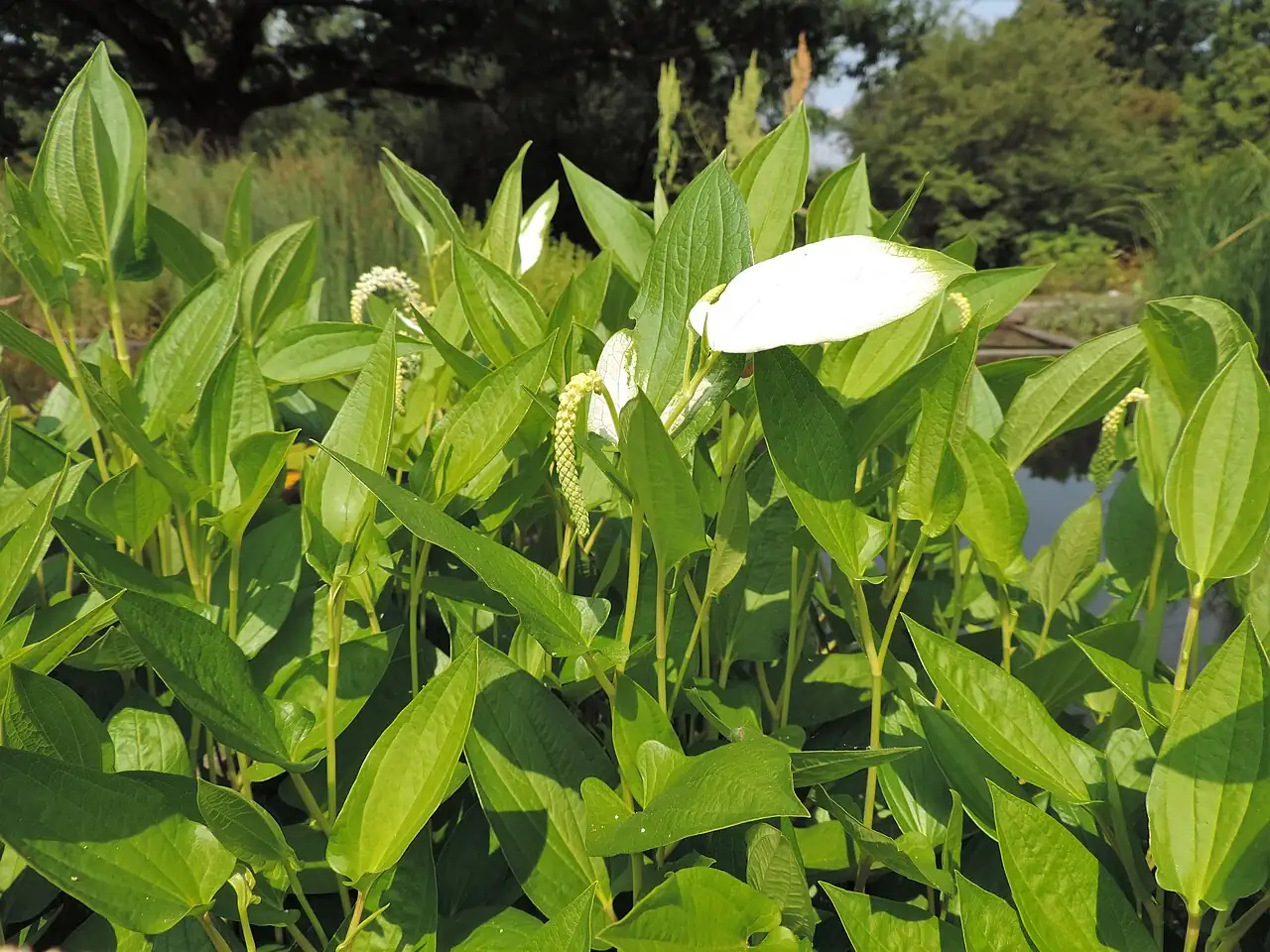
- Size: Typically 30–100 cm (12–39 in) tall; forms clumps in wet ground and can spread gradually by rhizomes.
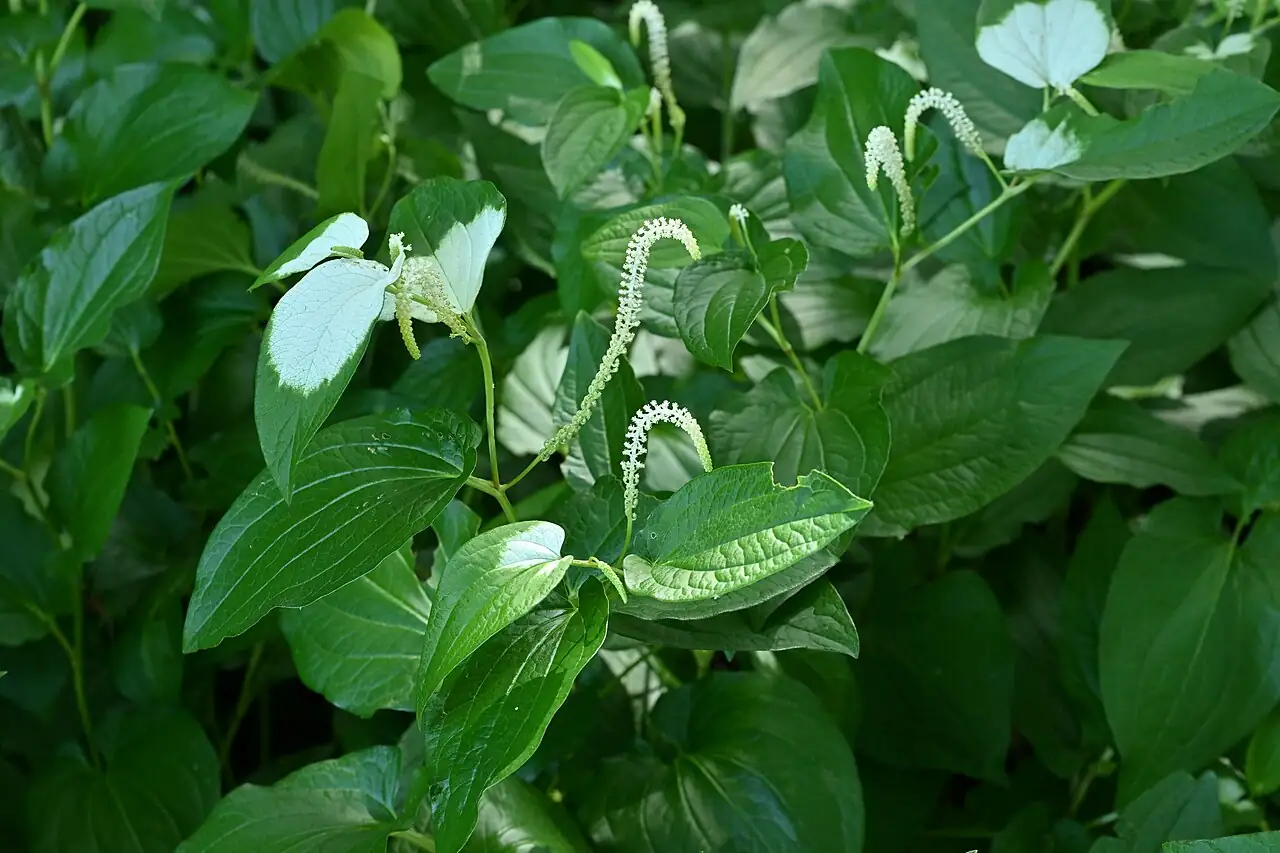
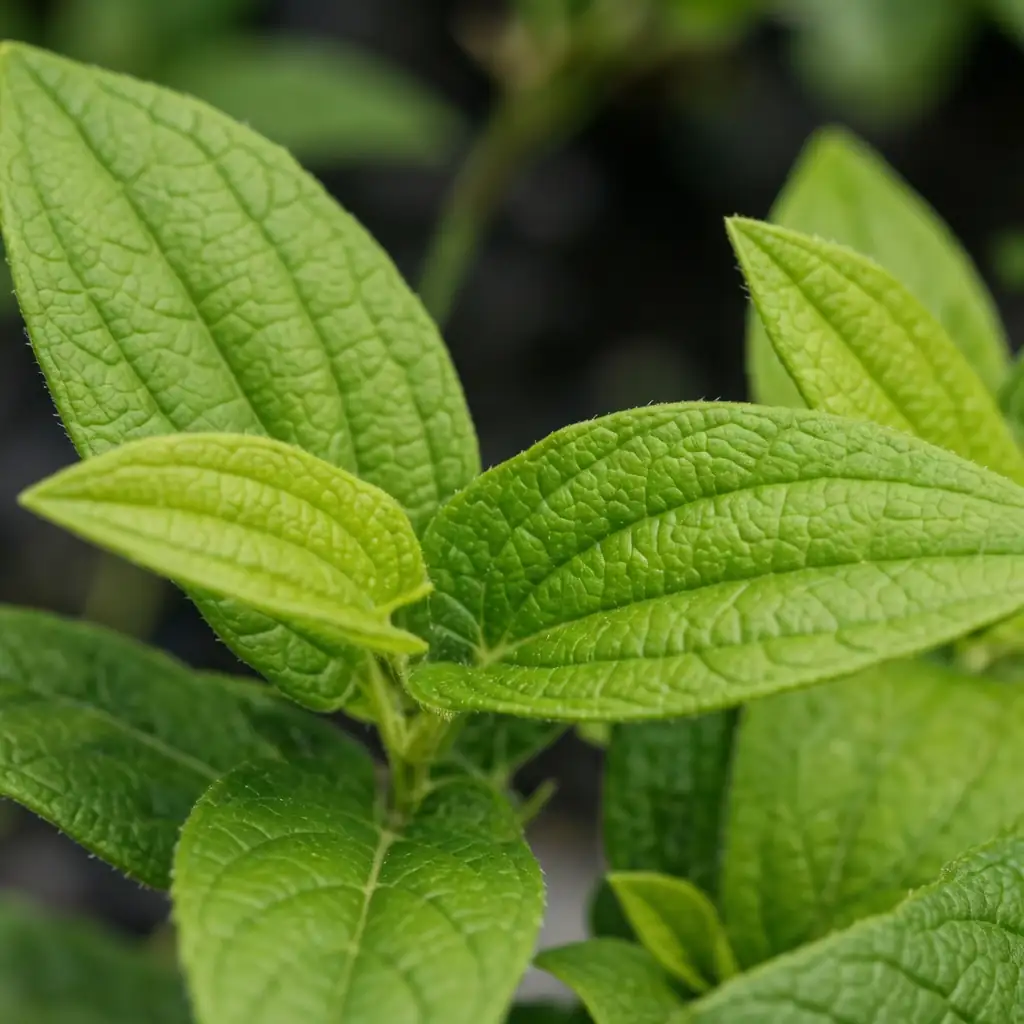
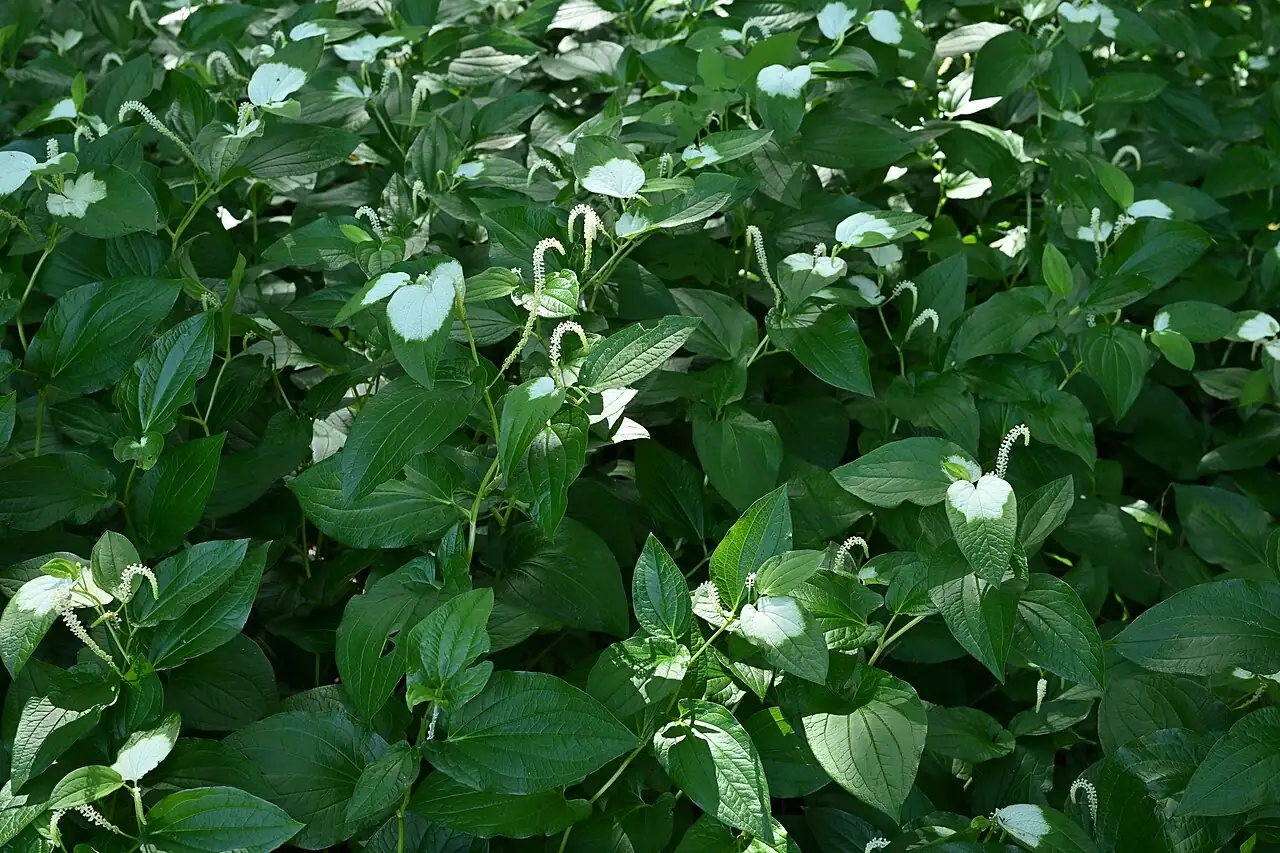
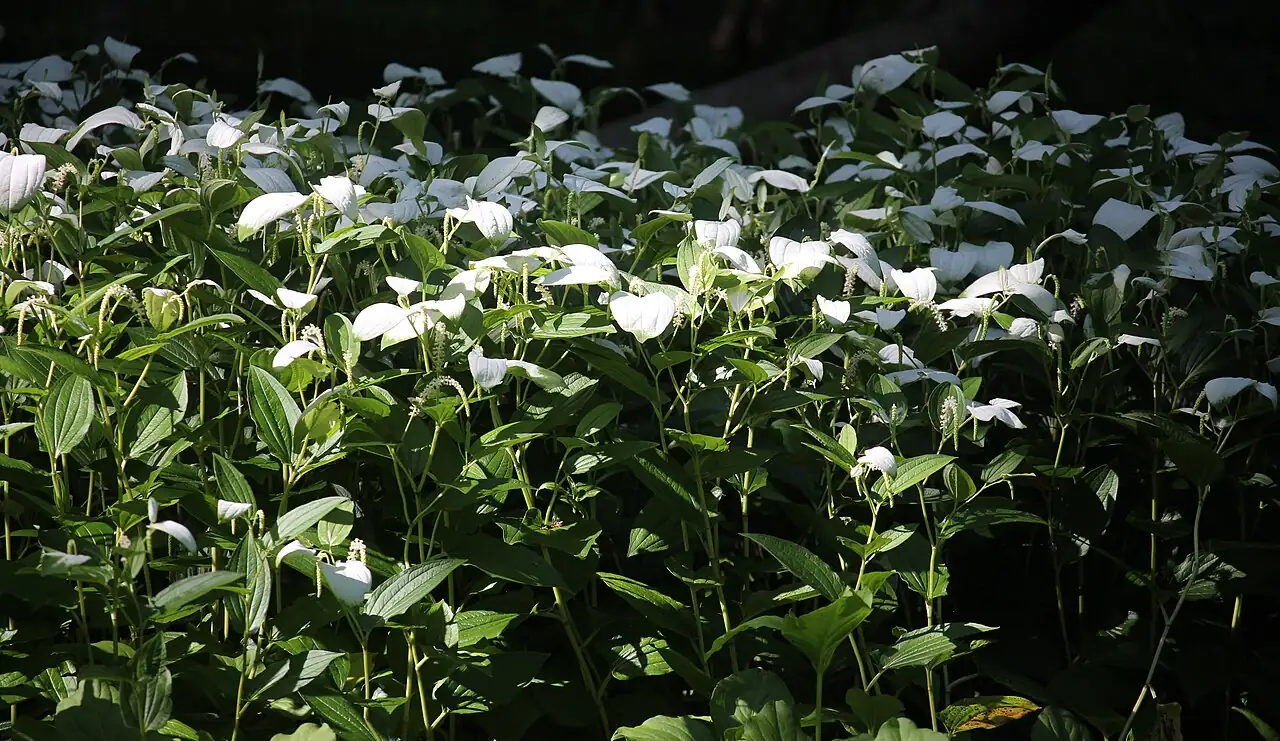
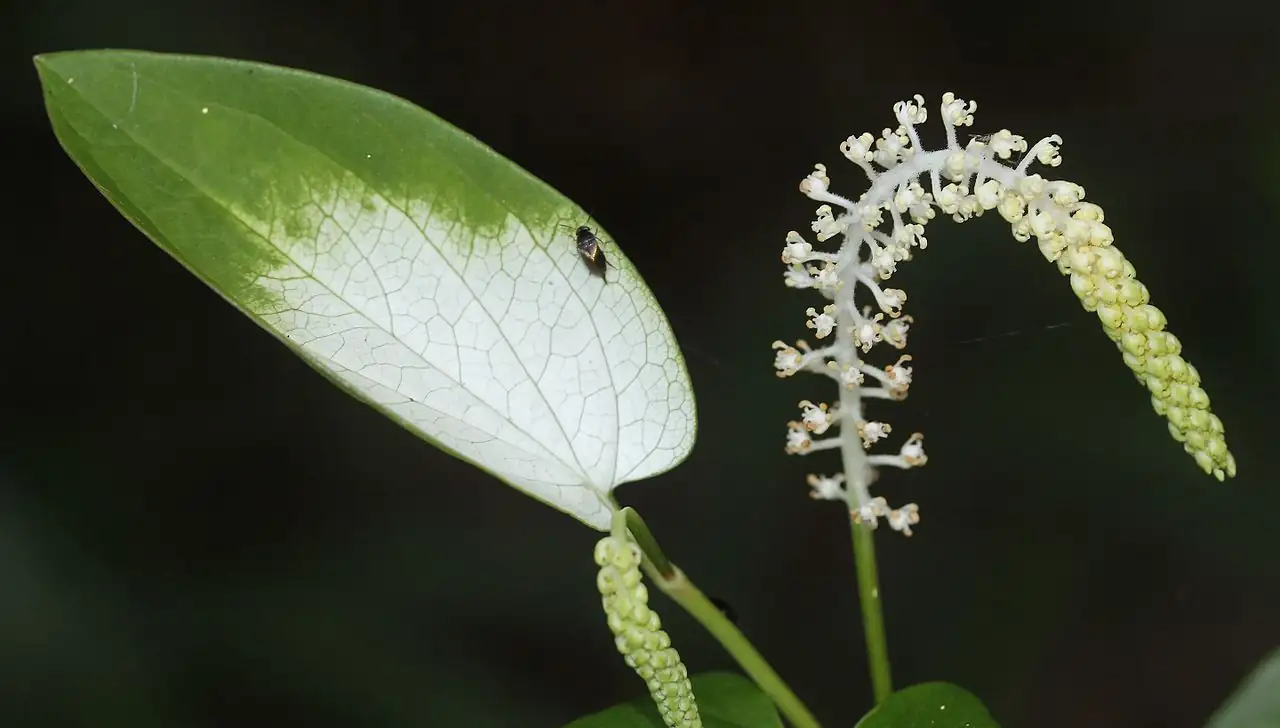
- Foliage: Leaves are papery and broadly ovate with a short-pointed tip and a heart-shaped base. They are hairless on both surfaces and dotted with tiny glands. Veins (usually 5–7) arise from the leaf base. Some plants develop several creamy-white leaves, which inspired the Chinese name meaning “three whites.”
- Flower: Produces slender white flower spikes. The inflorescence axis is softly hairy, with spoon-shaped bracts. After flowering, it forms nearly spherical fruits with many wart-like bumps on the surface.
- Flowering Season: April–June
- Growth Habit: Moisture-loving wetland herbaceous perennial that forms clumps and spreads by rhizomes; notably shade tolerant; suited to saturated soils and very shallow water.
Environment
Sunlight
Part shade to shade; tolerates low light, though brighter light often improves flowering.
Temperature
Prefers warm conditions; best growth around 18–30°C (64–86°F).
Humidity
Enjoys consistently humid conditions; performs best when the root zone stays continuously wet.
Soil
Water-retentive, fertile mud/loam. Ideal for pond margins, stream edges, ditches, rain gardens, and other low-lying wet areas. Can be grown in very shallow water about 0–10 cm (0–4 in) over the crown.
Placement
Pond edges, bog gardens, rain gardens, and wetland-style water features; anywhere reliably damp to wet.
Hardiness
Cold-hardy in temperate climates; roughly USDA Zone 5–9 (−29 to −1°C / −20 to 30°F), depending on local conditions.
Care Guide
Difficulty
Easy—so long as it never dries out. The main challenge is simply keeping constant moisture.
Buying Guide
Choose plants with firm, upright stems and clean, unblemished leaves. Avoid pots that have dried out or show blackened, mushy crowns. For pond or bog planting, pick vigorous divisions with visible, healthy rhizomes.
Watering
Keep the soil continuously wet. In the ground, plant it where water naturally collects; in pots, sit the container in a tray of water or position it at the pond margin so the medium stays saturated.
Fertilization
Usually needs little feeding in fertile, silty soils. If growth looks weak, top-dress in spring with compost or use a slow-release aquatic-plant fertilizer according to label directions.
Pruning
Remove yellowing leaves and spent flower spikes to keep it tidy. Cut back dead stems to the base in late fall or early spring.
Propagation
Divide rhizomes in spring or early autumn and replant immediately into wet soil. It can also be grown from seed where available, but division is faster and more reliable.
Repotting
Repot or divide container plants every 1–2 years in spring to prevent crowding. Use a heavy, loam-based aquatic mix to keep the plant anchored and reduce floating.
📅 Seasonal Care Calendar
Spring: divide/repot and refresh soil. Summer: maintain a steady water level and remove untidy growth. Autumn: cut back as foliage dies down. Winter: keep crowns wet—plants rest but should not dry out.
Pests, Diseases & Safety
Common Pests & Diseases
Generally trouble-free when kept in clean, consistently wet conditions. Slugs/snails may nibble young growth, and aphids can appear on flower spikes. Stagnant, foul water—or drying out followed by heavy watering—can encourage crown rot; aim for stable moisture and decent water quality.
Toxicity
Not widely reported as toxic to people or pets. Still, it’s best to discourage chewing or ingestion (especially by pets), and seek veterinary/medical advice if ingestion occurs.
Culture & Symbolism
Symbolism: Often linked with purity and a cool, calm waterside feeling, thanks to its white flower spikes and occasional creamy-white leaves.
History & Legends: A long-known Chinese wetland plant, traditionally admired for the occasional creamy-white leaves that helped earn it the name “three whites.”
Uses: Mostly grown as an ornamental for pond margins, bog gardens, and naturalistic wetland-style plantings.
FAQ
Can Chinese lizard’s tail grow in shade?
Yes. It’s notably shade tolerant and works well in part shade to shade, as long as the soil stays constantly wet.
Does it need to be planted in water?
Not necessarily. It grows well in saturated soil and also tolerates very shallow water at the margin—about 0–10 cm (0–4 in) over the crown is ideal.
Why do some leaves turn creamy white?
Some plants naturally produce a few pale, creamy-white leaves. This trait is referenced by its traditional name, and the amount of whitening can vary by genetics and growing conditions.
Fun Facts
- Its Chinese name “三白草” (“three whites”) refers to the plant’s tendency to produce several creamy-white leaves.
- The fruits are nearly spherical and covered with wart-like bumps, giving them a textured look.
- Leaves typically show 5–7 prominent veins radiating from the leaf base.


