Plant Features
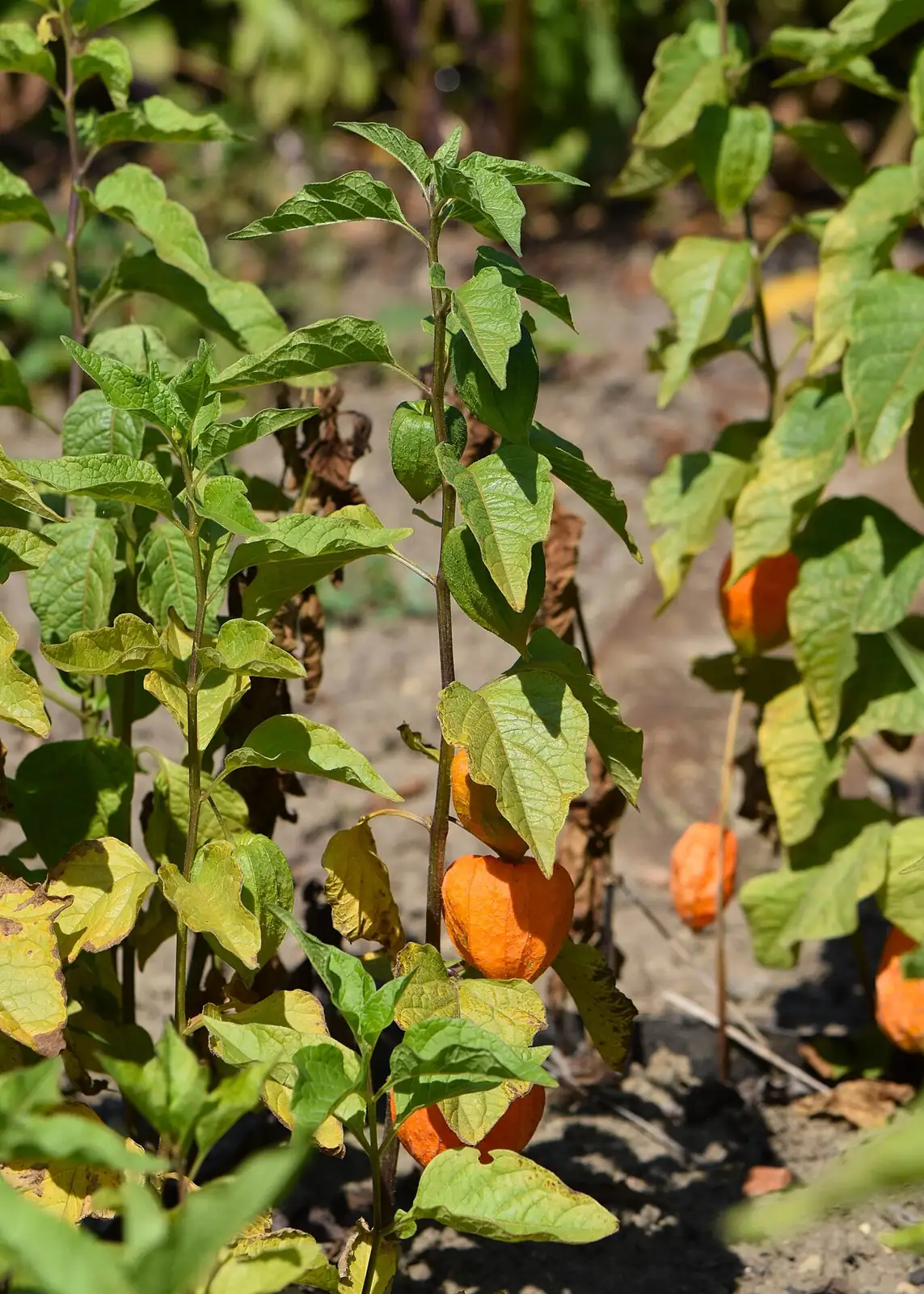
- Size: Typically 50–80 cm (20–31 in) tall; forms spreading clumps via rhizomes.
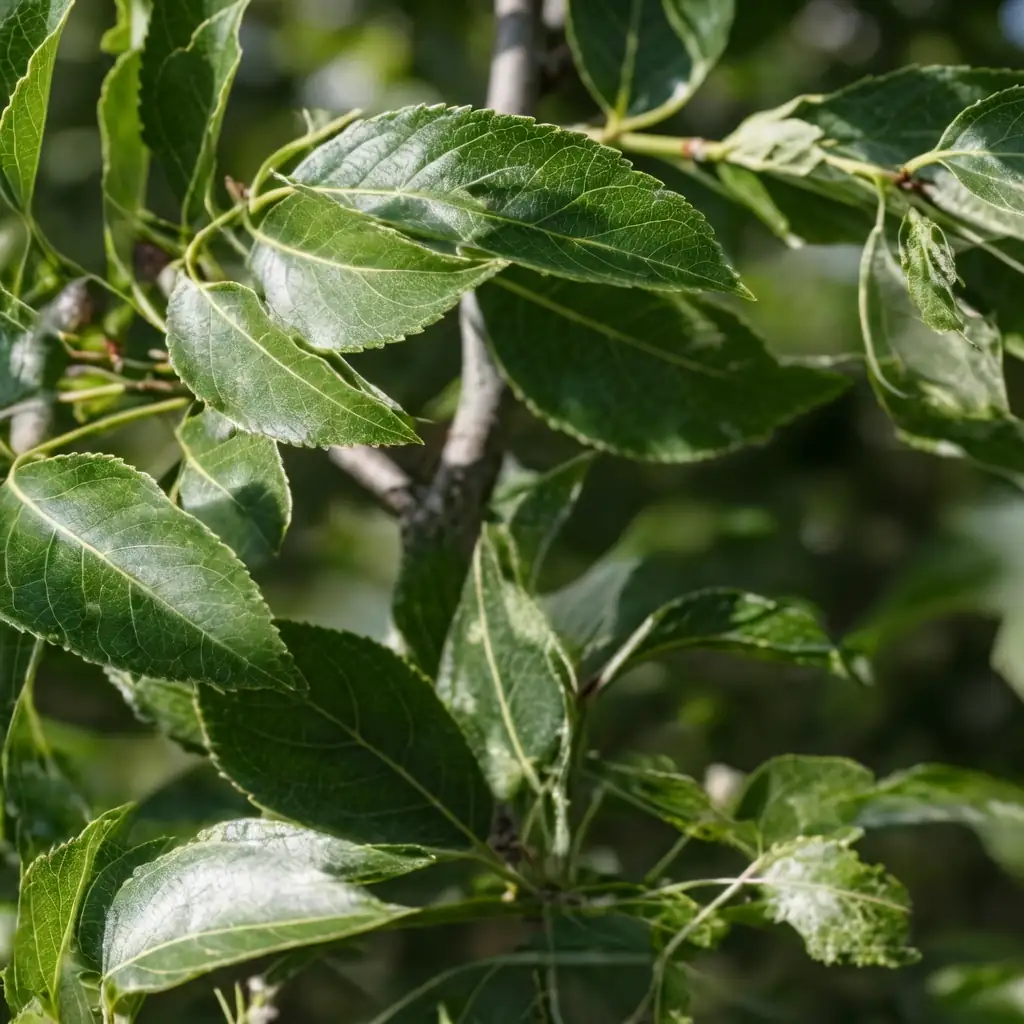
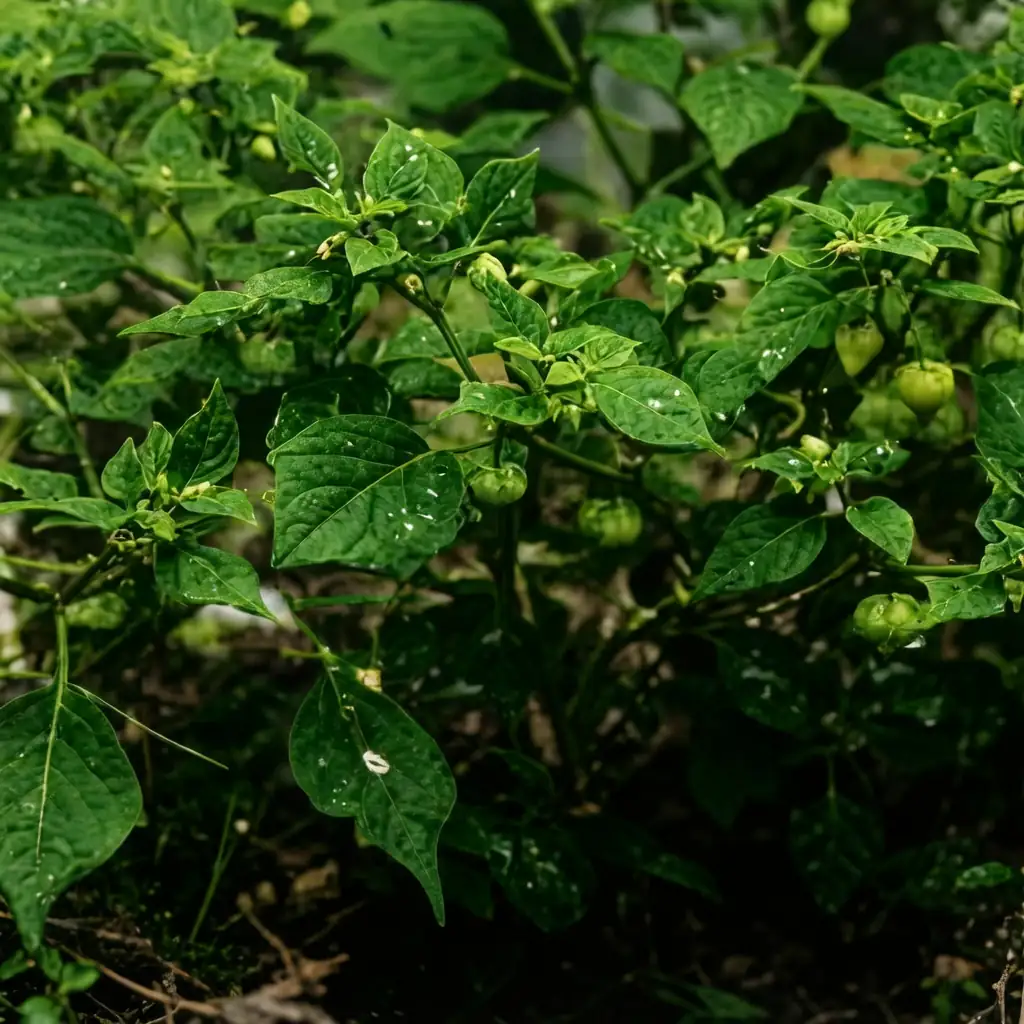
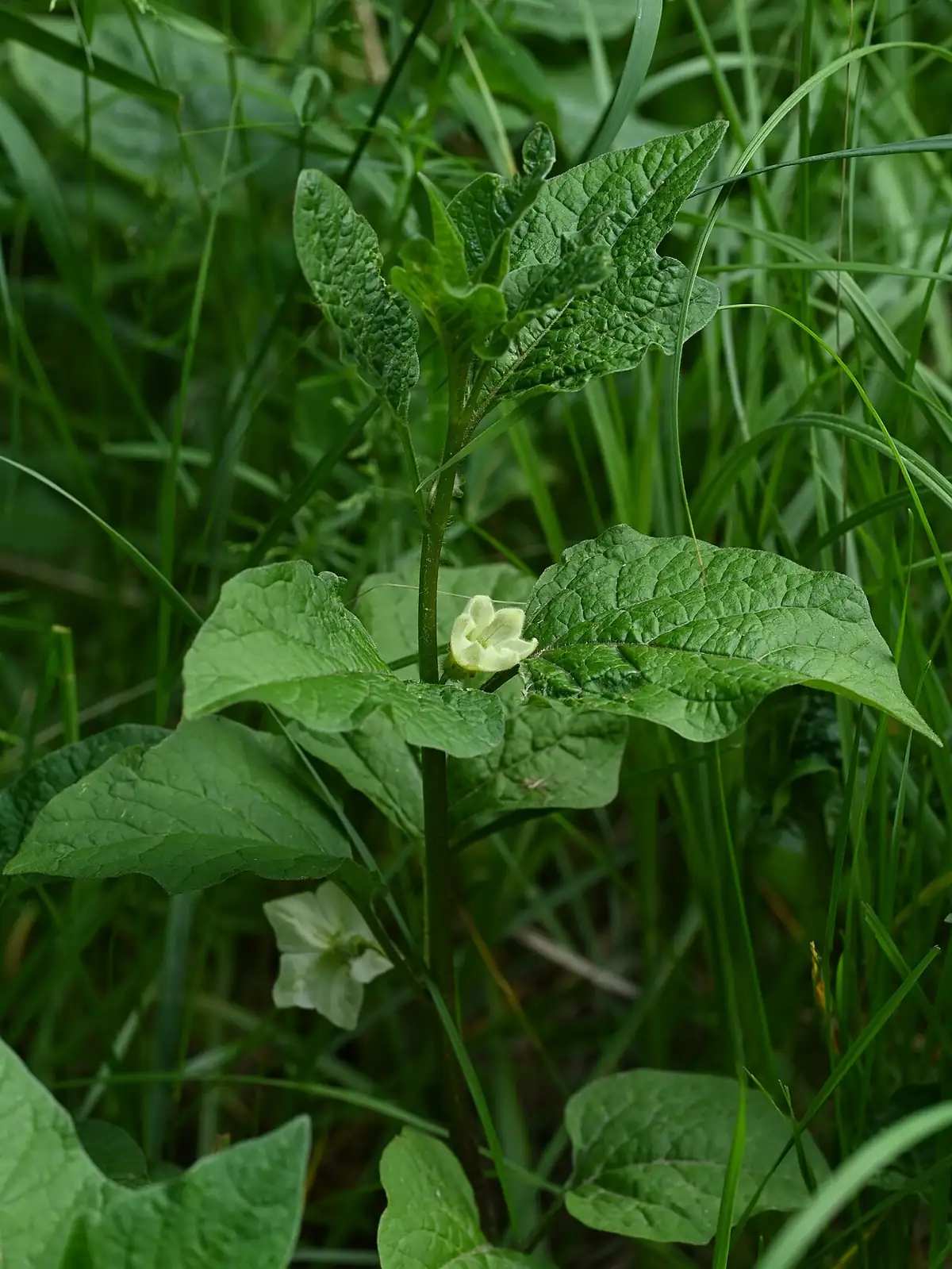
- Foliage: Upright stems carry simple leaves; lower leaves are alternate, while upper leaves can look nearly paired (sub-opposite). Overall, it reads as a leafy, upright herb before the showy lantern pods steal the spotlight.
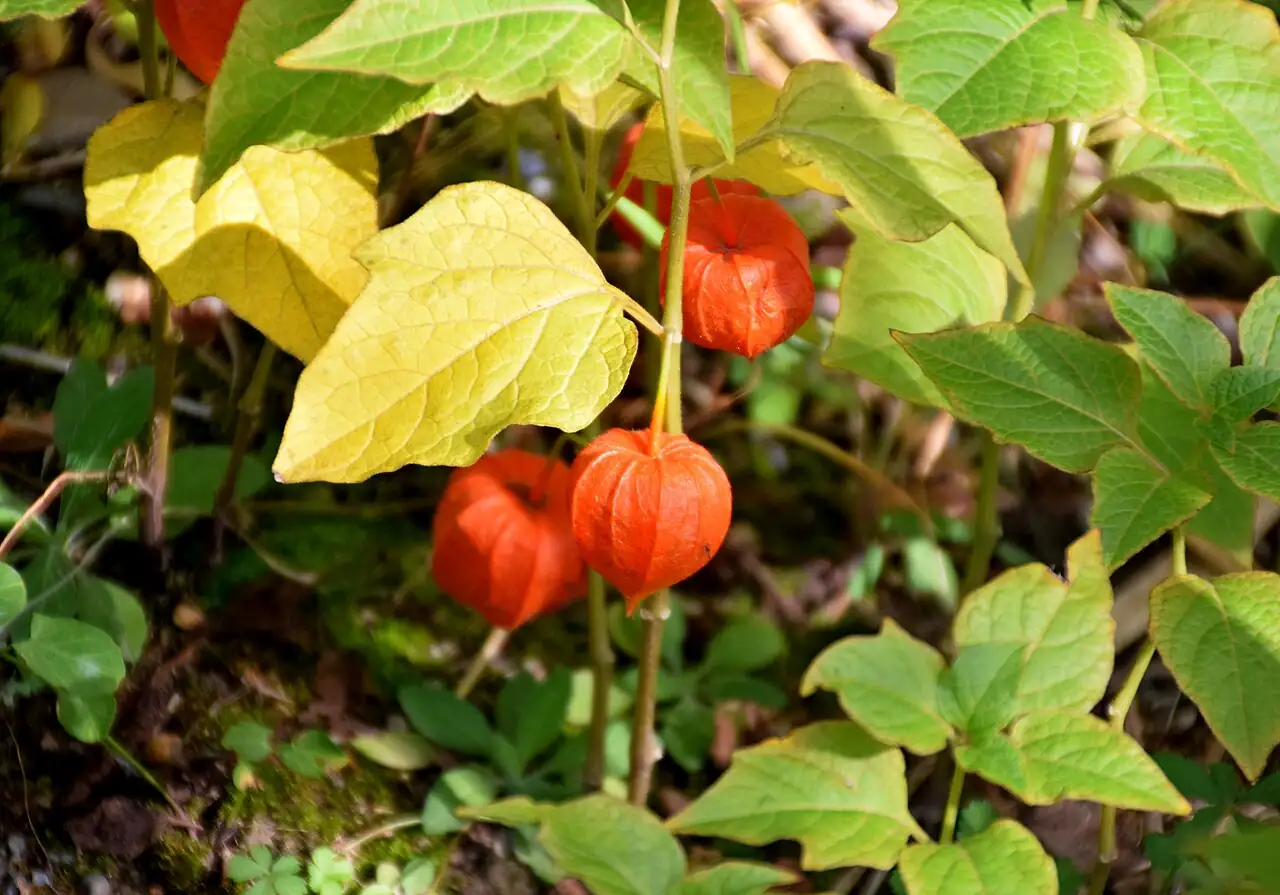
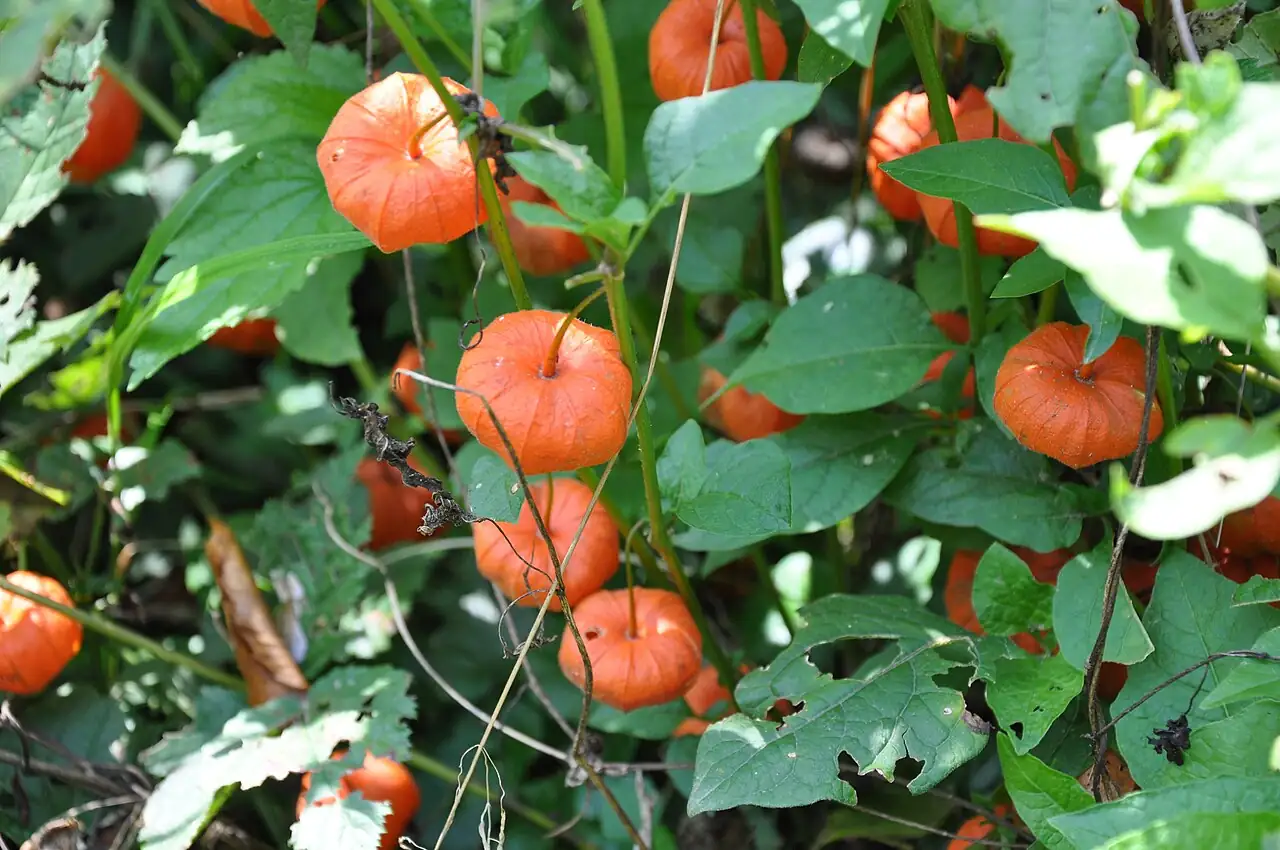
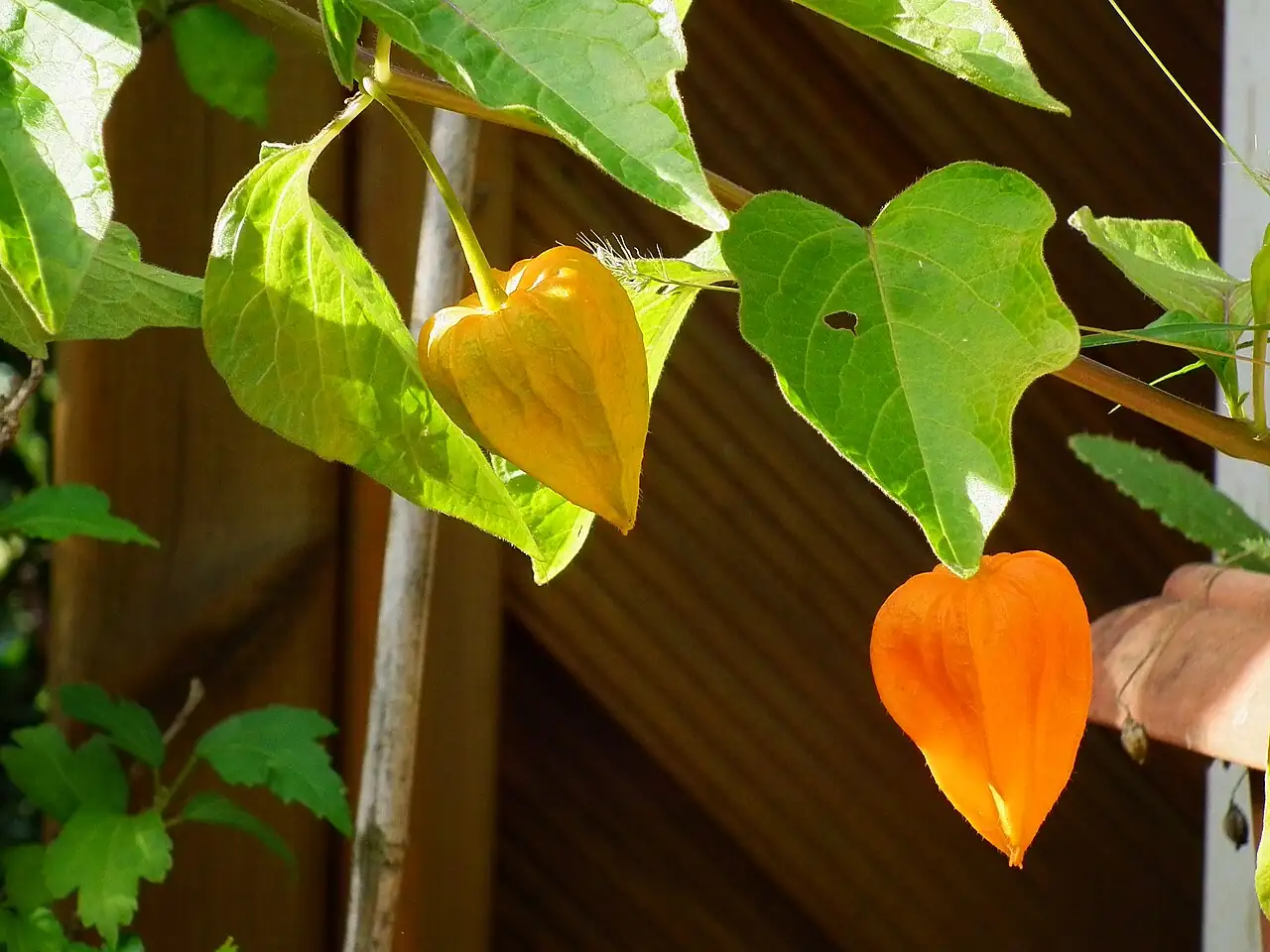
- Flower: Solitary, axillary flowers have a bell-shaped calyx and a white corolla about 2 cm (0.8 in) across. After flowering, the calyx enlarges into an inflated, papery “lantern” that turns orange-red and encloses a round berry about 10–15 mm (0.4–0.6 in) wide as it ripens.
- Flowering Season: May–September
- Growth Habit: Perennial, upright herbaceous plant with long, creeping rhizomes that spread horizontally and can form colonies.
Environment
Sunlight
Full sun to light shade; best lantern color and fruiting in full sun.
Temperature
Very adaptable; tolerates winter cold to about -25°C (-13°F) and also handles summer heat. Performs especially nicely in cool to mild conditions when available.
Humidity
Prefers cool, moderately moist conditions; tolerates average outdoor humidity as long as the soil isn’t waterlogged.
Soil
Not fussy—grows in most garden soils. Best in well-drained soil with moderate fertility; avoid persistently wet conditions that encourage rot.
Placement
Outdoor borders, beds, and naturalistic/wild garden plantings. Give it room or contain it (pot/root barrier) because rhizomes can travel.
Hardiness
Cold hardy to about -25°C (-13°F) (approximately USDA Zone 4–8).
Care Guide
Difficulty
Easy and highly adaptable; the main ‘skill’ is managing its enthusiastic spreading via rhizomes.
Buying Guide
Pick plants with firm stems and healthy green leaves. If you want it contained, avoid pots with roots escaping from drainage holes and plan ahead with a deep container or barrier. For the best lantern display, choose vigorous plants and commit to a sunny spot.
Watering
Water regularly while establishing. After that, keep soil evenly moist but never soggy; water during prolonged dry spells. Consistently waterlogged soil can lead to root problems and weaker growth.
Fertilization
Usually minimal feeding is needed. If growth seems thin, apply a balanced fertilizer in spring at label rates. Avoid heavy nitrogen, which can encourage lots of leafy growth at the expense of flowering and lantern formation.
Pruning
Snip off yellowing foliage as needed. After stems die back, cut the plant to ground level. Stems with fully colored lanterns can be harvested and dried for long-lasting arrangements.
Propagation
Very easy by division of rhizomes (best in spring or autumn). It also spreads naturally via creeping rhizomes—great for filling space, less great if you want strict boundaries.
Repotting
In containers, repot or divide every 1–2 years to prevent crowding and to keep growth vigorous. Use a deep pot and consider a root barrier strategy if you don’t want it escaping.
📅 Seasonal Care Calendar
Spring: plant/divide; light top-dress if needed. Summer: keep moisture steady and provide sun. Late summer–autumn: lanterns color; harvest for fresh/dried décor. Winter: cut back after dieback; protect containers in severe cold.
Pests, Diseases & Safety
Common Pests & Diseases
Usually fairly trouble-free. Watch for aphids, flea beetles, and spider mites; in damp, stagnant conditions, leaf spot and root rot can appear. Improve airflow, avoid overwatering, and treat pests with insecticidal soap if necessary.
Toxicity
Use caution: unripe fruit and green parts (leaves/stems) can be toxic if eaten. Ripe berries are eaten in some traditions, but keep the plant away from children and pets and consume only fully ripe fruit when you’re certain of identification and ripeness.
Culture & Symbolism
Symbolism: Often linked with protection, good fortune, and the idea of a warm “light in the dark,” inspired by its glowing lantern-like pods.
History & Legends: Cultivated across Eurasia for a long time as an ornamental, it became especially popular for autumn displays and dried arrangements thanks to the bright, papery calyces that hold their shape well.
Uses: Primarily ornamental in borders and beds, and widely used as a cut (fresh or dried) decorative stem. The ripe fruit is sometimes eaten with caution, but the plant is most valued for its lantern display.
FAQ
Why does it spread so quickly?
It spreads via long, creeping underground rhizomes. To control it, grow it in a container, install a root barrier, or divide and remove wandering rhizomes regularly.
Do the lanterns appear even if it flowers?
Yes—those “lanterns” are the enlarged calyces that develop after flowering around the fruit. Full sun and a normal season help produce the best color and display.
Fun Facts
- The famous “lantern” is not a flower—it’s an inflated calyx that enlarges after flowering and surrounds the berry.
- It spreads by underground rhizomes, so a small patch can gradually turn into a colony.
- The berry is typically 10–15 mm (0.4–0.6 in) across and turns orange-red when ripe.
- It’s remarkably hardy, tolerating about -25°C (-13°F) while also coping with summer heat.
- In China it’s found in multiple provinces, often in open, disturbed habitats like roadsides and river valleys.