Plant Features
- Size: Typically up to about 20 m (66 ft) tall in the landscape (cultivars may be much smaller).
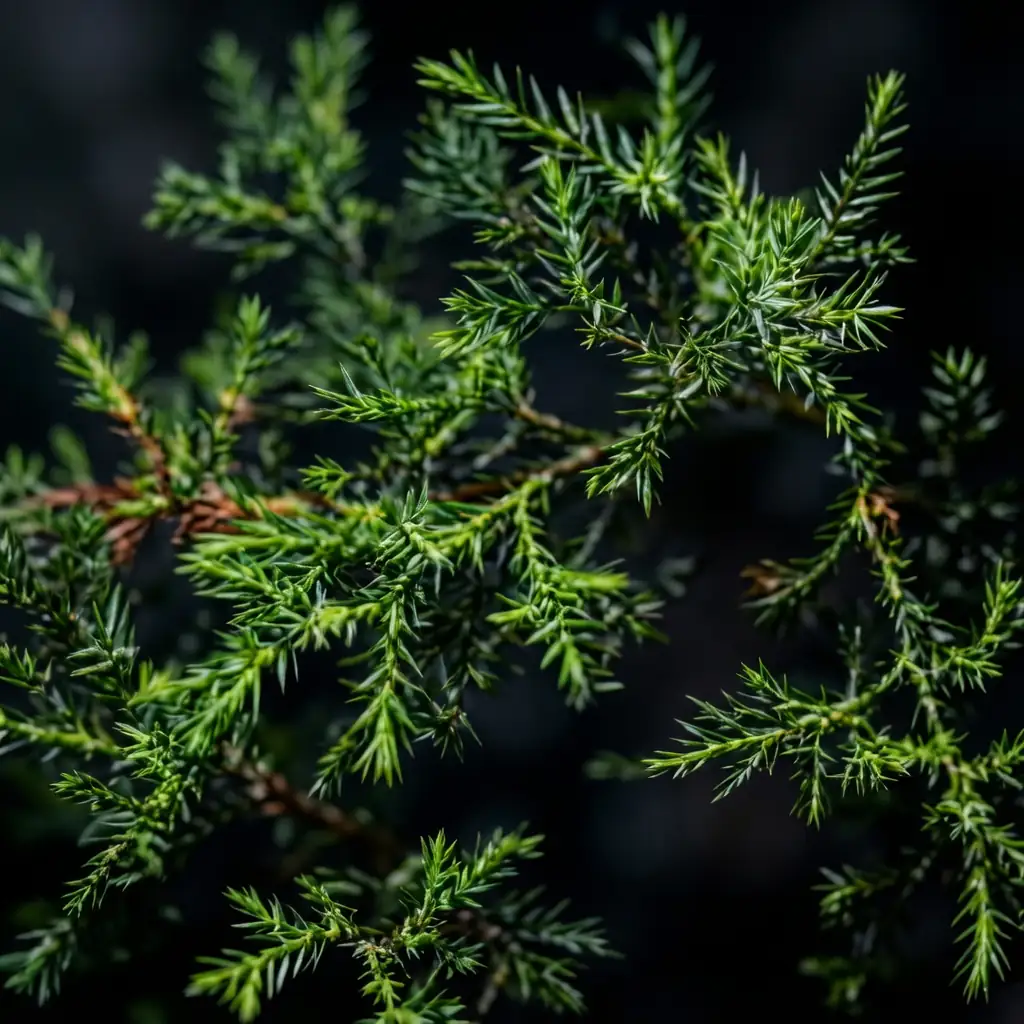
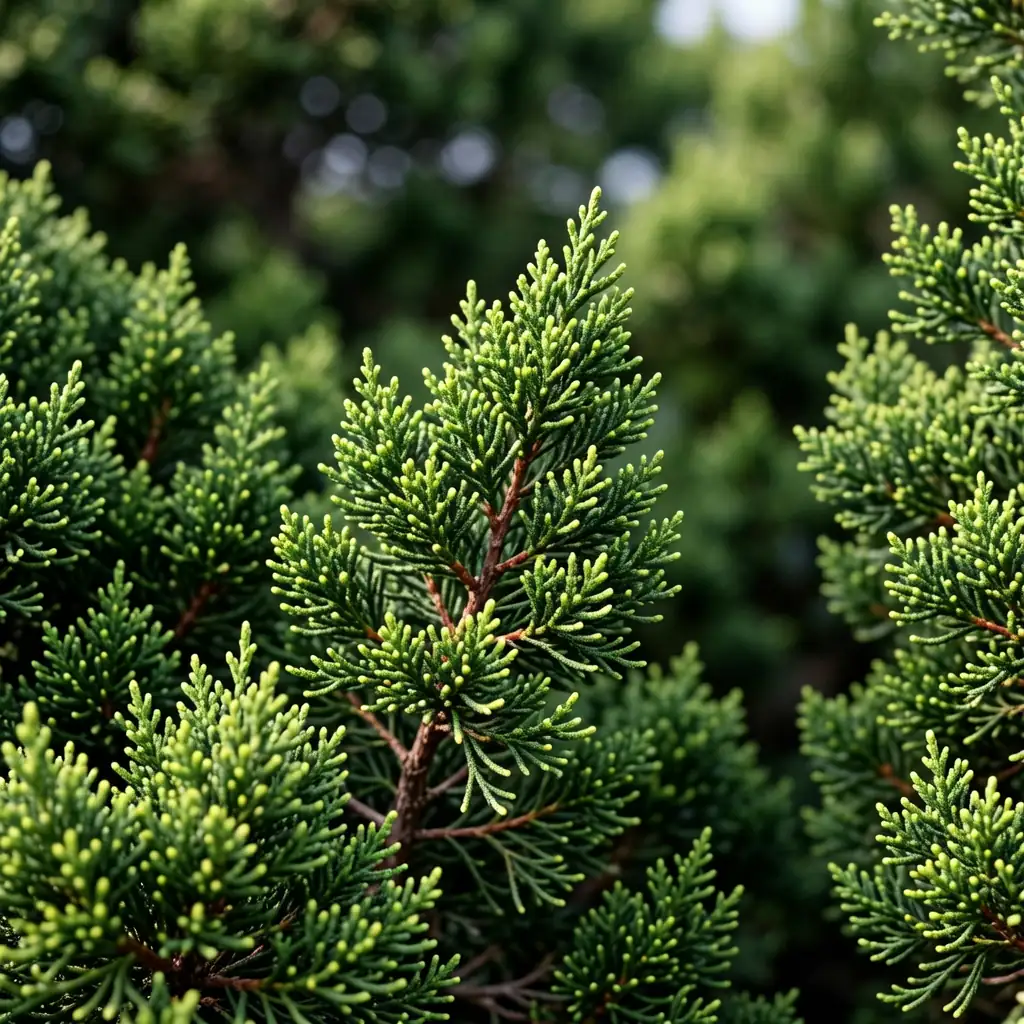
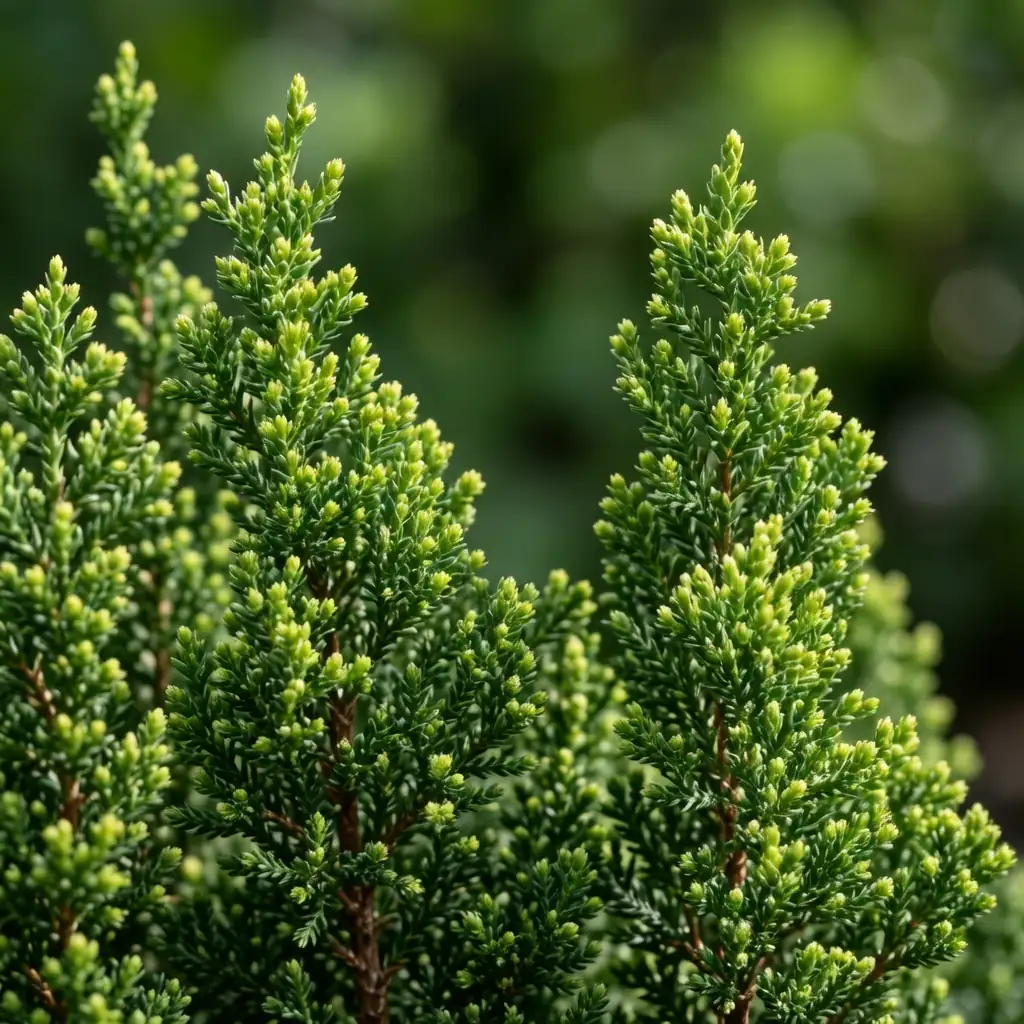
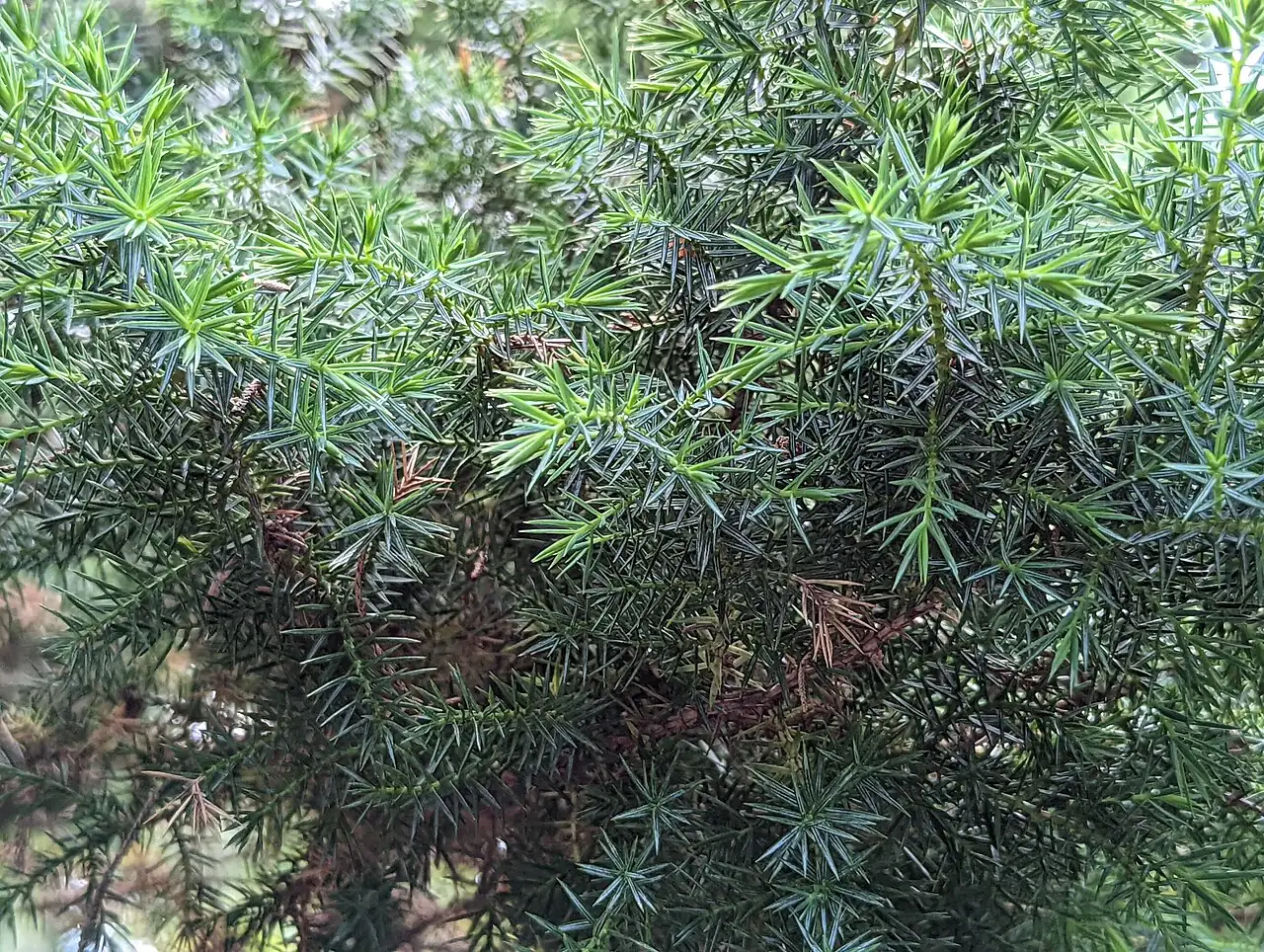
- Foliage: Shows two leaf forms across its life: younger growth carries sharp, awl-like needles, while mature plants often develop scale-like foliage—many specimens display a mix of both, and very old growth can become mostly scale-like.
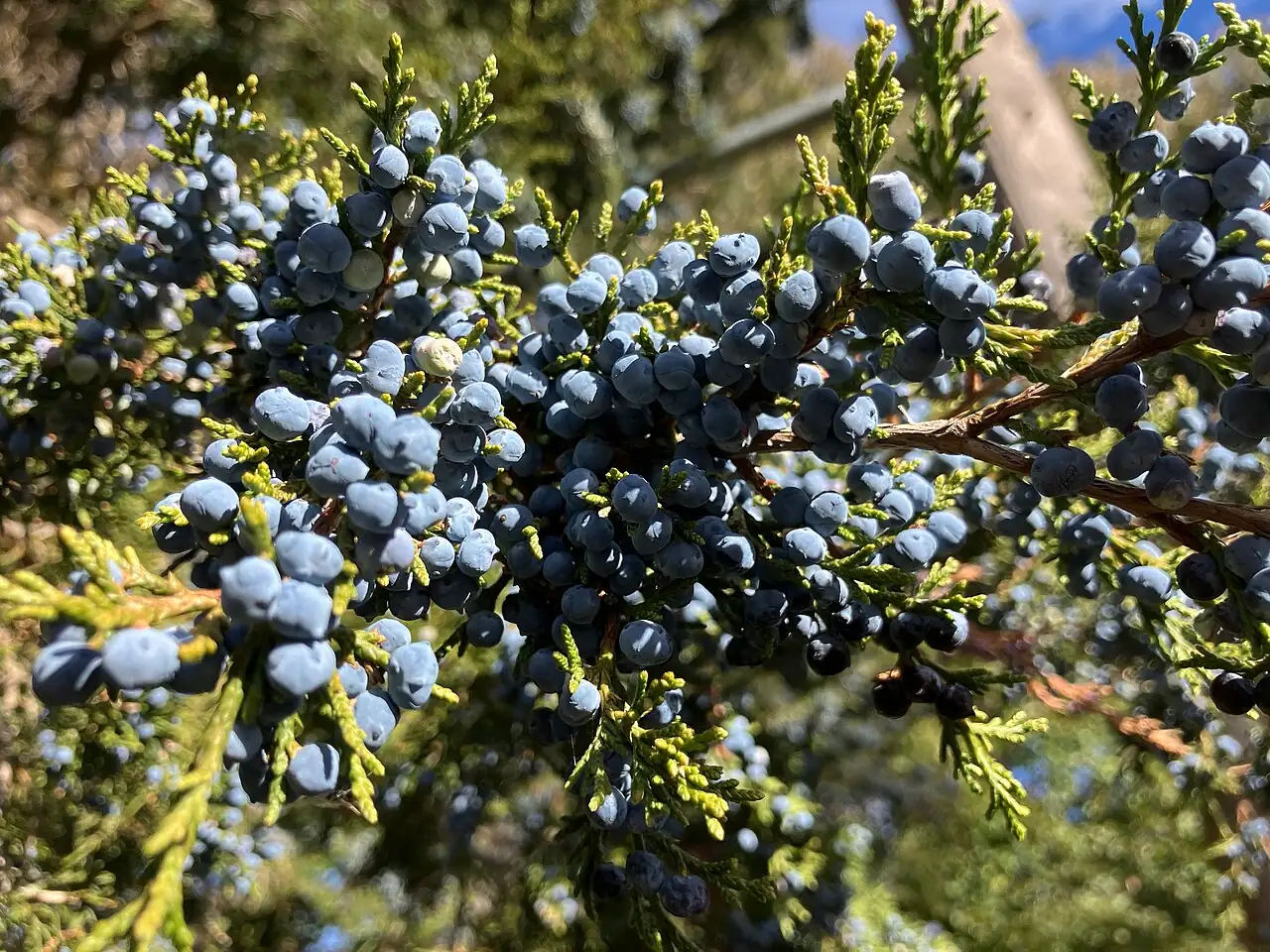
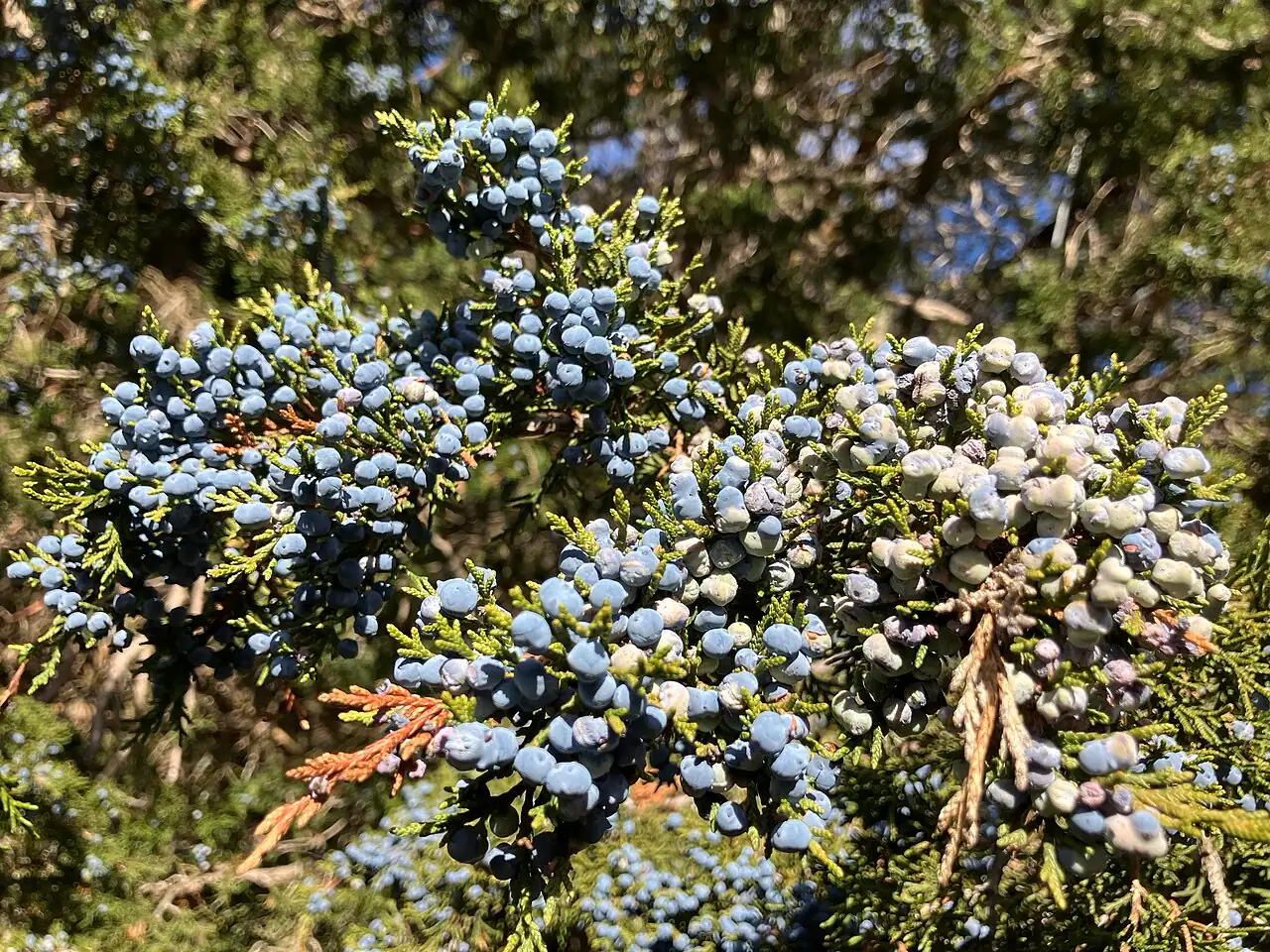
- Flower: As a conifer, it doesn’t make showy flowers. Male cones release pollen (typically in spring). Female seed cones are round and take a long time to mature, eventually becoming fleshy, closed, and “berry-like” when ripe.
- Flowering Season: April (pollen release; cones develop afterward)
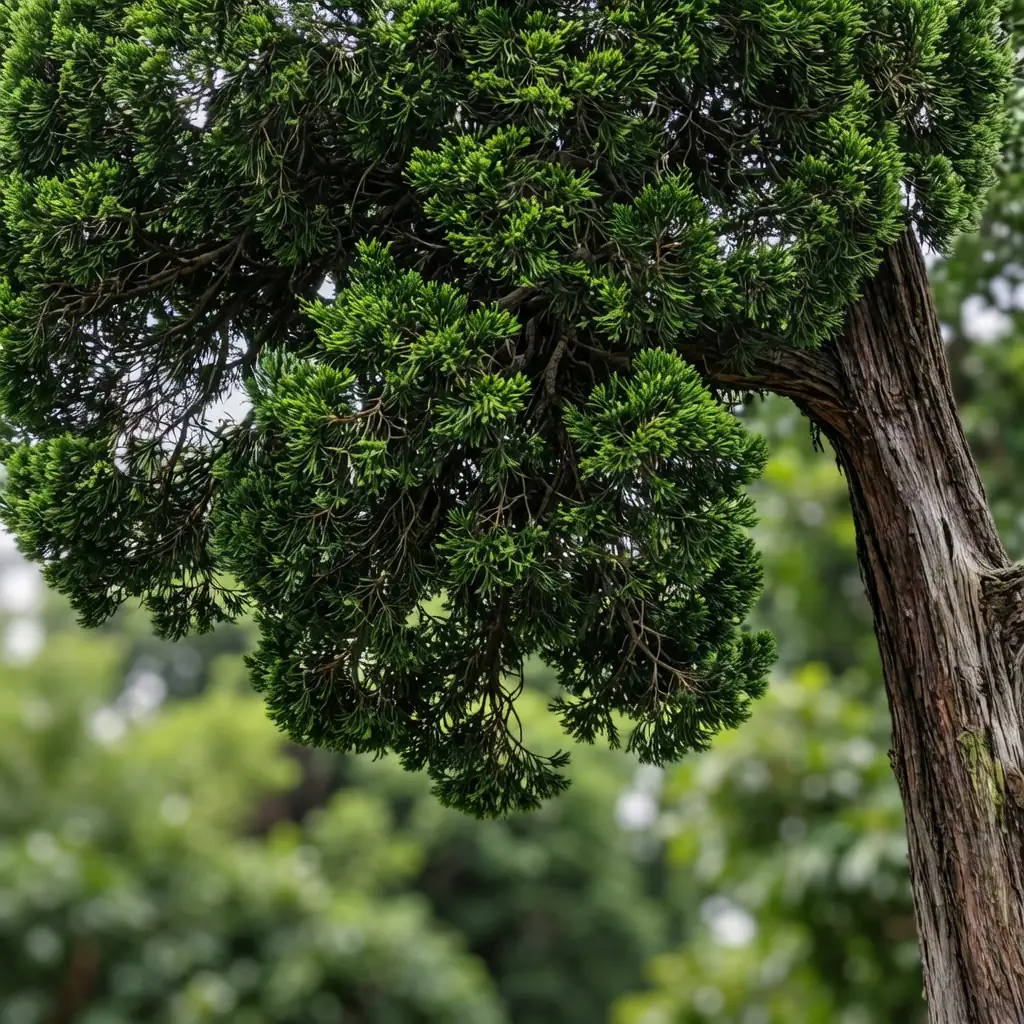
- Growth Habit: Evergreen tree or large shrub. Young plants are usually pyramidal to conical; older plants may become broadly oval, rounded, or bell-shaped. Bark peels in pale vertical strips, and mature trunks/branches may develop a distinctively twisted, contorted look.
Environment
Sunlight
Full sun is best for dense growth and strong form; tolerates partial shade, but foliage and branching can become looser in deeper shade.
Temperature
Broad tolerance to both cold and heat; performs best where drainage is good and summers aren’t persistently hot and humid. Commonly grown in USDA Zone 4–9.
Humidity
Adaptable, but appreciates good air circulation; prolonged hot, humid conditions can increase disease pressure.
Soil
Very adaptable as long as the soil drains well. Tolerates poor, sandy, or rocky soils; avoid waterlogged or constantly soggy sites.
Placement
Great for temple and memorial plantings, as a specimen or background evergreen, in lawn-edge groups, woodland margins, near buildings, clipped hedges/topiary, street plantings, and containers/bonsai/penjing (with excellent drainage).
Hardiness
USDA Zone 4–9 (generally cold-hardy; tolerates summer heat once established).
Care Guide
Difficulty
Easy to moderate—hardy, adaptable, and very tolerant of pruning and shaping once established.
Buying Guide
Pick plants with dense, evenly colored foliage and no browning at shoot tips. Avoid severely pot-bound plants with circling roots. Inspect inner foliage and stems for scale insects and spider mites before buying.
Watering
Water consistently during establishment (about the first 1–2 years). Once established, water deeply during prolonged dry spells, letting the top layer of soil dry slightly between waterings. Avoid chronically wet soil, which can lead to root problems.
Fertilization
Usually needs little feeding. If growth is weak, apply a balanced slow-release fertilizer in spring. Avoid heavy nitrogen, which can push soft growth that’s more disease-prone.
Pruning
Prune in late winter to early spring for structure, or lightly in summer to tidy. Excellent for hedges and topiary. Don’t cut hard back into leafless old wood—regrowth can be slow or may not happen.
Propagation
Most often propagated by semi-hardwood cuttings in late summer; named cultivars are also commonly grafted. Seed propagation is possible but slow and variable.
Repotting
For containers/bonsai, repot every 2–4 years (or as needed) in early spring using a free-draining mix. Trim roots moderately and avoid oversizing the pot.
📅 Seasonal Care Calendar
Spring: plant/transplant while cool; light feeding if needed; structural pruning. Summer: deep watering during drought; watch for mites/scale; light trimming to maintain shape. Autumn: reduce or stop feeding; keep watering until the ground freezes in cold regions. Winter: protect container plants from severe freeze and drying winds.
Pests, Diseases & Safety
Common Pests & Diseases
Can be affected by spider mites, scale insects, aphids, and (in some regions) bagworms. Diseases include twig blight and rusts—junipers can act as alternate hosts for rust diseases that impact apples/pears. Best prevention: full sun, good airflow, avoid overhead watering, and prune out infected shoots promptly.
Toxicity
Plant parts (foliage/cones) may cause mild gastrointestinal upset if eaten, and the aromatic foliage can irritate sensitive skin. Discourage pets and children from chewing or handling heavily.
Culture & Symbolism
Symbolism: Often linked with endurance, steadfastness, and longevity—an evergreen presence through every season.
History & Legends: Long treasured in Chinese garden tradition and frequently planted at temples and burial sites, where its lasting greenery symbolizes solemnity and permanence.
Uses: Mainly ornamental: specimen tree, group plantings, hedges, street trees, and bonsai/penjing. Also appreciated in urban landscapes for its tolerance of pruning and its ability to help trap dust and buffer noise.
FAQ
When does Chinese juniper flower?
It releases pollen in April (timing varies a bit by climate), and the cones develop afterward.
When do the cones (“berries”) ripen?
They ripen slowly—often around October–November of the following year, and sometimes not fully until the second or third year.
How big does it get?
In the landscape it can reach about 20 m (66 ft) tall, though many cultivars stay much smaller.
What’s special about the foliage?
It commonly shows both juvenile needle-like leaves and mature scale-like leaves—sometimes on the same plant—creating a subtly varied texture.
Is it a good choice for cities?
Yes—it’s relatively tolerant of urban conditions, and it’s often used in streetscapes and hedging when given sun and well-drained soil.
Fun Facts
- Very old specimens can develop naturally twisted trunks and contorted branches, giving them a dramatic “ancient” look prized in gardens and penjing.
- Its cones don’t open like many conifers—instead they mature into fleshy, berry-like cones over a long period.
- Because some junipers can host rusts that also affect apples and pears, orchard areas sometimes avoid planting them nearby.
- Its long-standing use at temples and memorial sites helped make it one of the most recognizable conifers in Chinese landscape tradition.
- It handles clipping and shaping so well that it’s a favorite for hedges, topiary, and bonsai.