

Plant Features
- Size: Up to about 25 m (82 ft) tall.
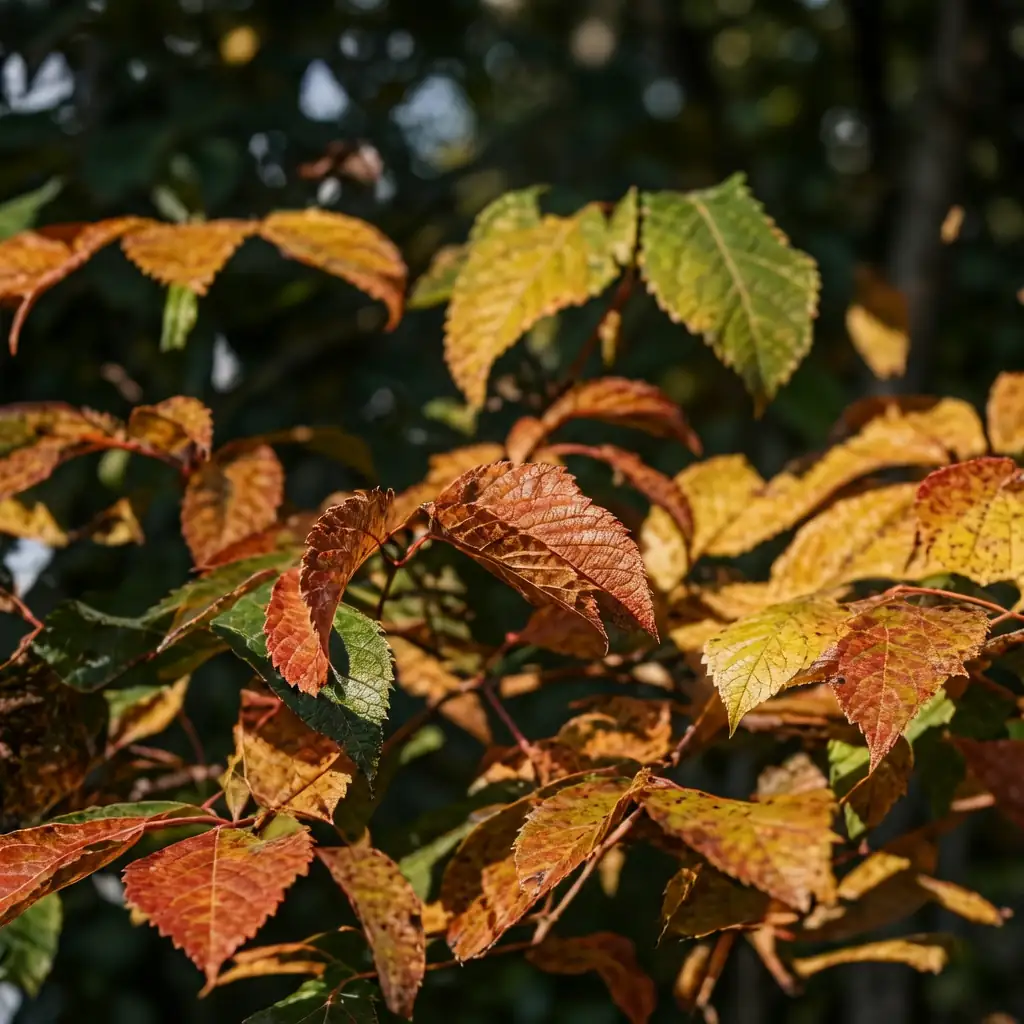
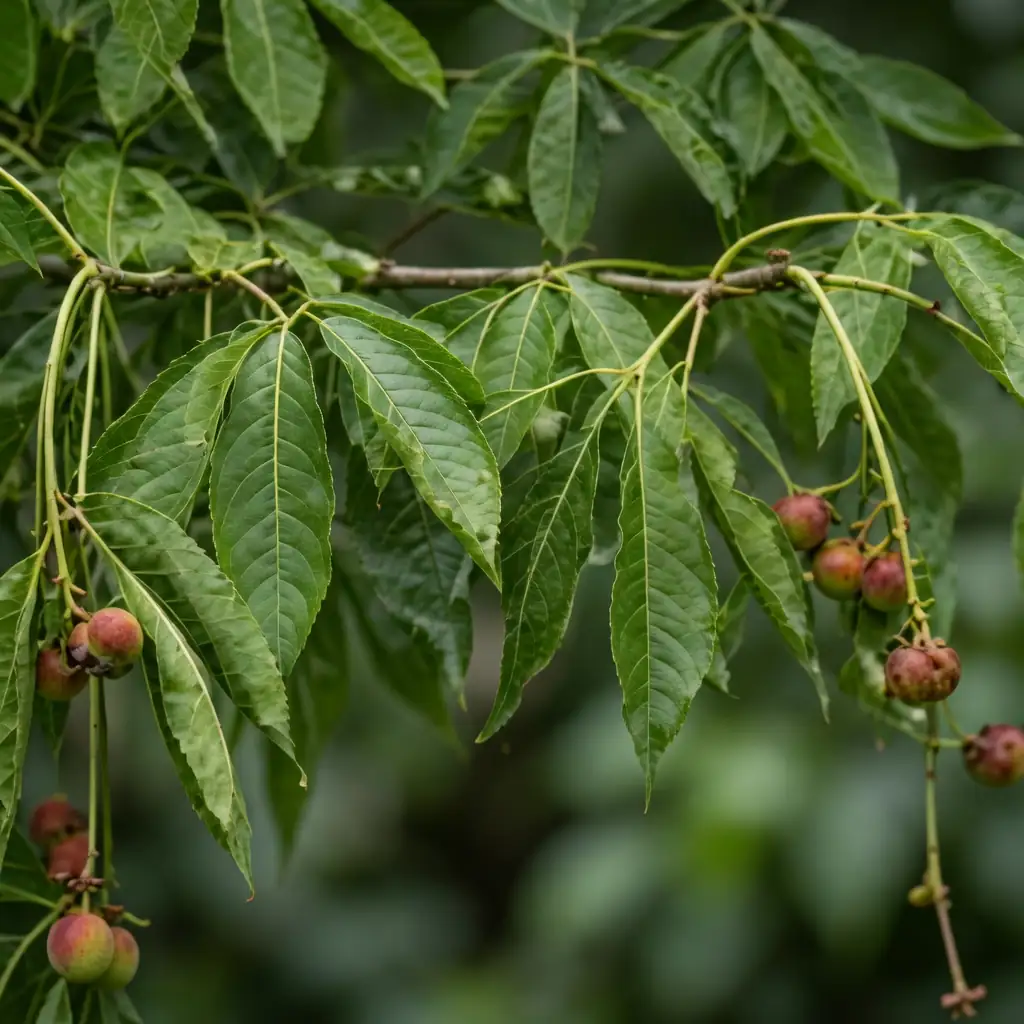
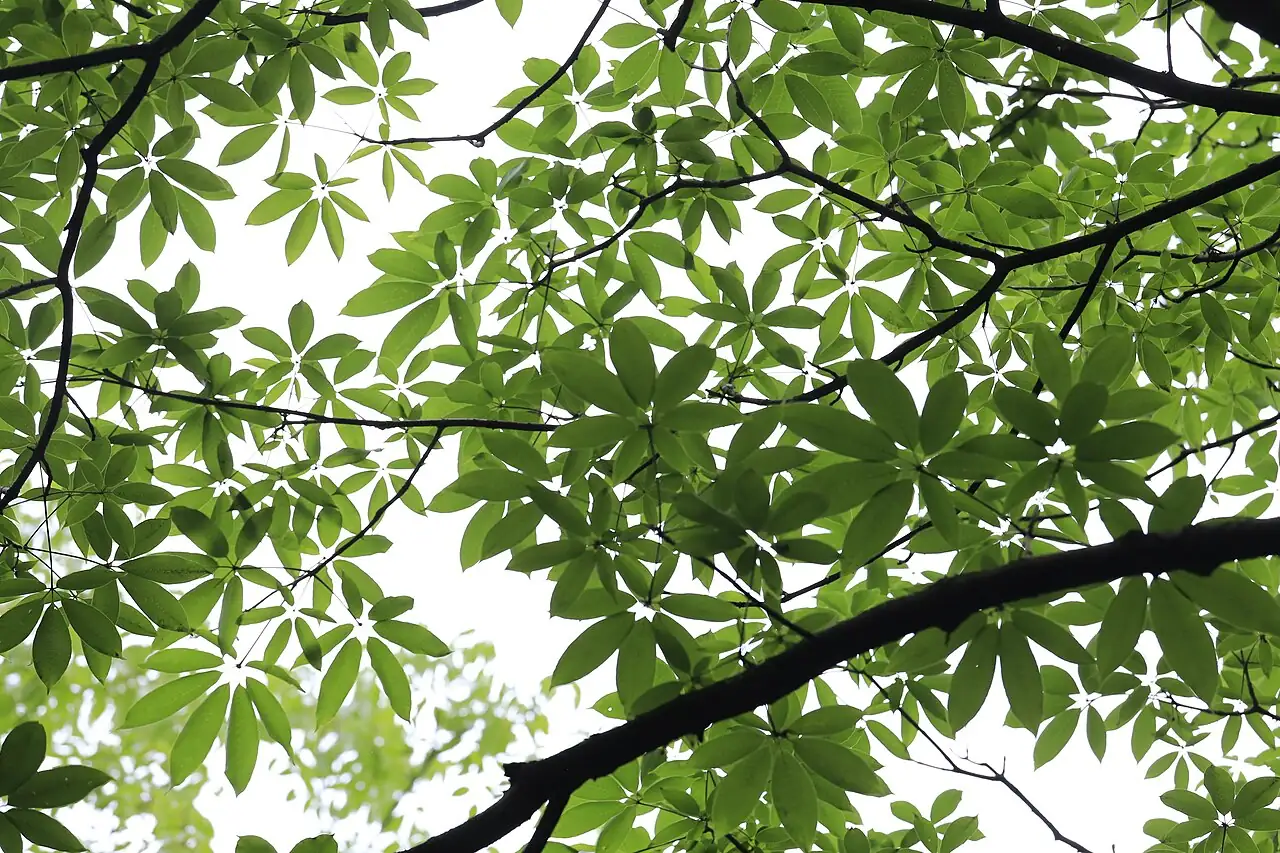
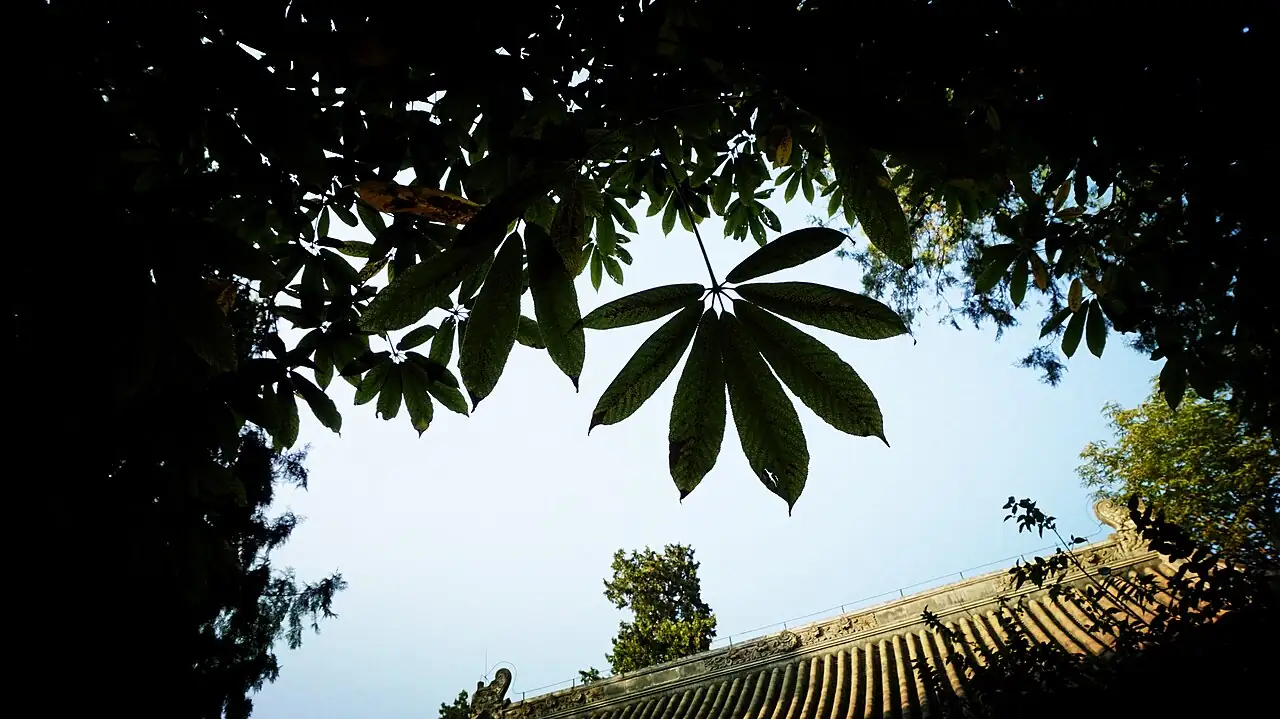
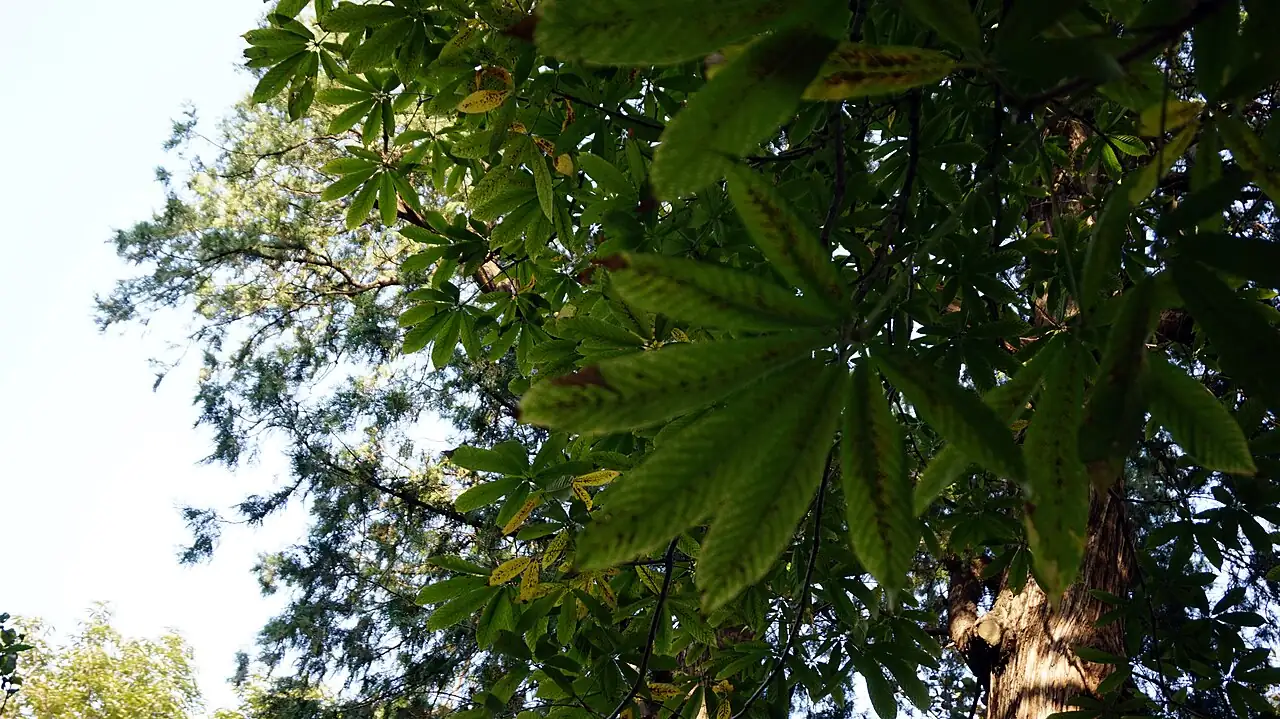
- Foliage: Leaves are opposite and palmately compound, typically with 5–7 leaflets. The leaflets narrow to a pointed tip, have a wedge-shaped base, finely serrated edges, and may show sparse, soft hairs along the veins.
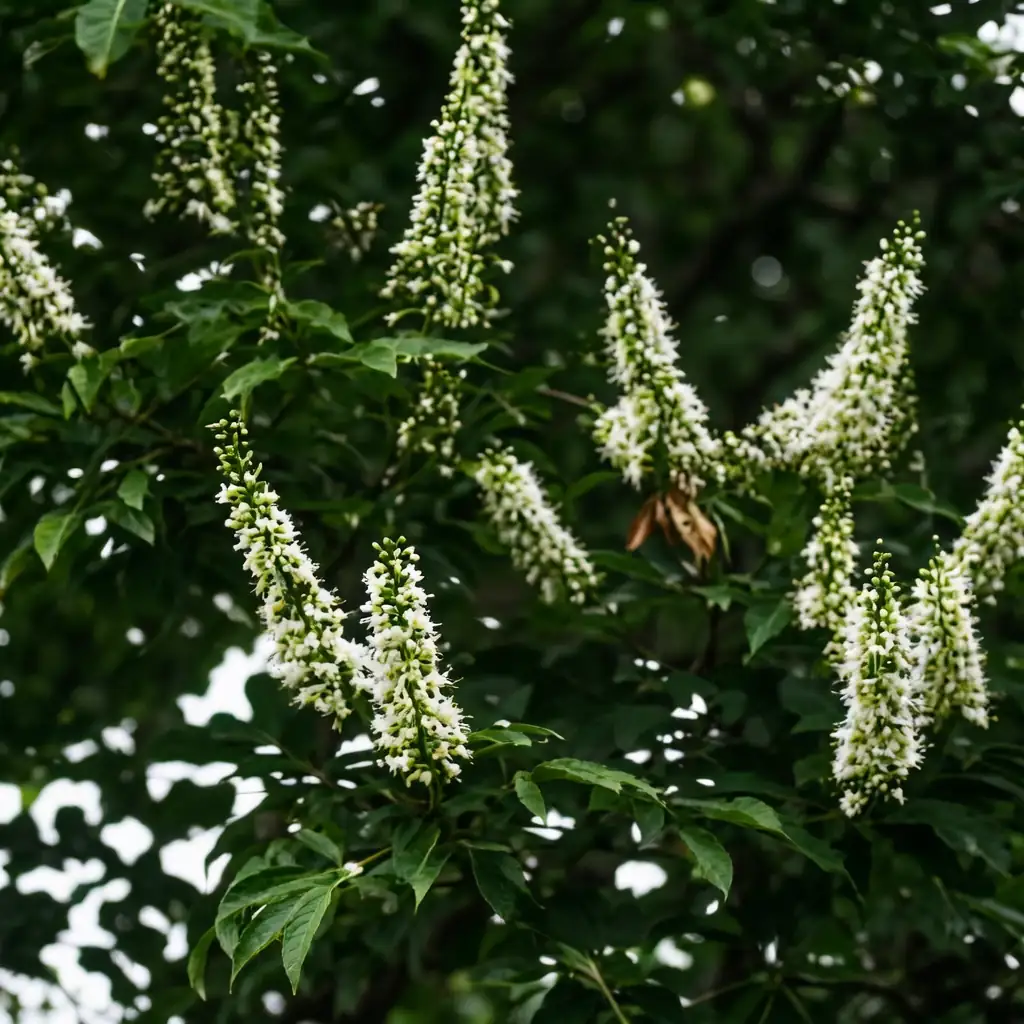
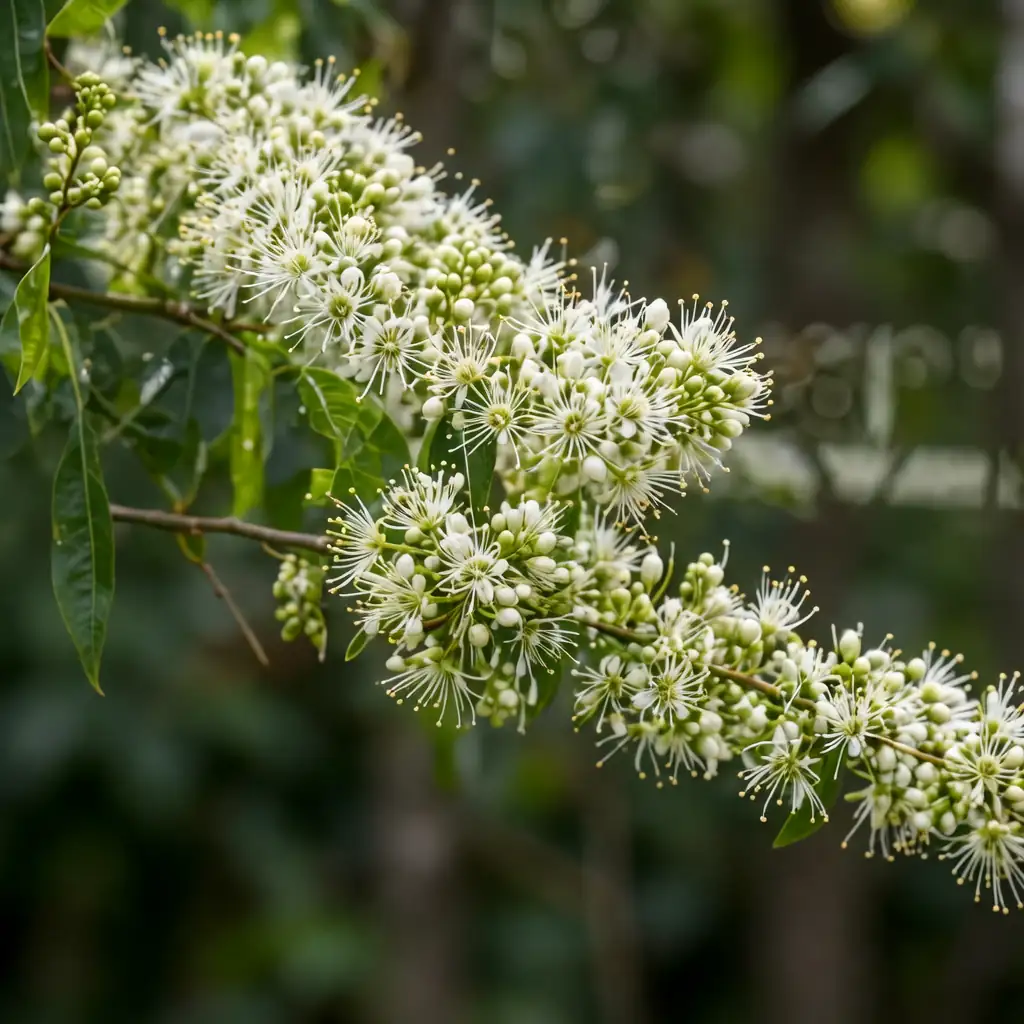
- Flower: In spring it carries terminal, upright, cylindrical panicles about 25 cm (10 in) long packed with many small white flowers. The fruits that follow are nearly spherical and densely covered with warty bumps.
- Flowering Season: April–May
- Growth Habit: Upright, long-lived deciduous tree with a deep-rooted habit. Prefers full sun but tolerates partial shade. Notably, it doesn’t rebound strongly from severe cutting, so heavy pruning is best avoided.
Environment
Sunlight
Full sun to partial shade.
Temperature
Best growth around 15–25°C (59–77°F). Fairly cold-hardy, but it dislikes hot, dry conditions; in droughty heat above about 30°C (86°F), provide extra water and reduce stress.
Humidity
Moderate to high humidity; performs best where air and soil moisture stay reasonably steady.
Soil
Deep, fertile, consistently moist but well-drained soil. It’s often associated with limestone-derived (calcareous) mountain soils in broadleaf woodland.
Placement
Outdoors in the ground—ideal as a landscape shade tree or street/avenue tree with generous rooting space.
Hardiness
Generally suitable for USDA Zone 5–8 (approx.). Cold-hardy but sensitive to hot, dry exposure.
Care Guide
Difficulty
Moderate (outdoors). Usually straightforward once established in a suitable climate, but it can struggle in compacted soils or hot, dry sites.
Buying Guide
Pick a healthy young tree with a straight central leader, clean and intact bark, and no signs of cankers. Avoid pot-bound plants with circling roots. Locally grown stock is often the easiest to establish.
Watering
Water deeply while establishing and during dry spells. Aim for evenly moist soil without waterlogging—good drainage matters. Mulch about 5–8 cm (2–3 in) to conserve moisture and buffer soil temperature.
Fertilization
If growth is weak, apply a balanced slow-release fertilizer in early spring. Avoid heavy nitrogen in late summer. In naturally fertile soils, extra feeding is often unnecessary.
Pruning
Prune in late winter to early spring to remove dead/damaged/crossing branches and maintain a strong central leader. Avoid severe cutting because resprouting vigor is relatively weak.
Propagation
Most commonly grown from seed (conkers). Sow fresh seed in autumn, or cold-stratify for about 90–120 days at 1–5°C (34–41°F) before sowing in spring.
Repotting
Not typically suited to long-term container growing. Transplant young trees while dormant, and plant where roots can grow deep and wide.
📅 Seasonal Care Calendar
Spring: keep moisture steady, refresh mulch, and feed lightly only if needed. Summer: water through heat/drought and avoid hot, dry exposure. Autumn: fruits ripen—collect seed if you want to propagate. Winter: do structural pruning while the tree is dormant.
Pests, Diseases & Safety
Common Pests & Diseases
May develop leaf spots, powdery mildew, or cankers; aphids and scale can appear occasionally. Support tree health with proper watering and soil care, improve airflow, avoid frequent overhead watering, and remove fallen infected leaves when disease is present.
Toxicity
Seeds (conkers) are generally considered not edible and may be toxic to people and pets if ingested. Keep fallen fruits away from children and animals.
Culture & Symbolism
Symbolism: Often linked with protection, endurance, and the soothing comfort of shade—perfect symbolism for a dependable street and park tree.
History & Legends: A well-known ornamental in northern China. While it’s widely planted in many regions, wild populations are most notably associated with the Qinling Mountains.
Uses: Widely planted as a shade and street tree. Wood is fine-textured and used for small wooden goods. Seeds have been used in traditional medicine, and seed oil has been used for soap-making.
FAQ
When does Chinese horse chestnut flower?
Usually in April–May.
When do the fruits ripen?
Typically September–October.
How tall can it get?
It can reach about 25 m (82 ft) tall in good conditions.
Where is it found or cultivated in China?
It’s cultivated in places like southern Hebei, southern Shanxi, northern Henan, and southern Shaanxi; wild populations are mainly known from the Qinling Mountains.
What site conditions help it thrive?
Give it sun to part shade, deep fertile soil that stays evenly moist but drains well, and protection from hot, dry exposure.
Fun Facts
- Many trees seen outside the Qinling region are cultivated plantings rather than wild individuals.
- The fruits are almost ball-shaped and noticeably warty—an easy ID clue.
- It’s prized as a long-lived avenue tree in places with reliable moisture and summers that aren’t excessively hot and dry.
- Its seeds have historically been used for oil extraction, including traditional soap-making.


