Plant Features
- Size: Up to about 30 m (98 ft) tall; typically a medium to large deciduous tree that becomes more broadly crowned with age.
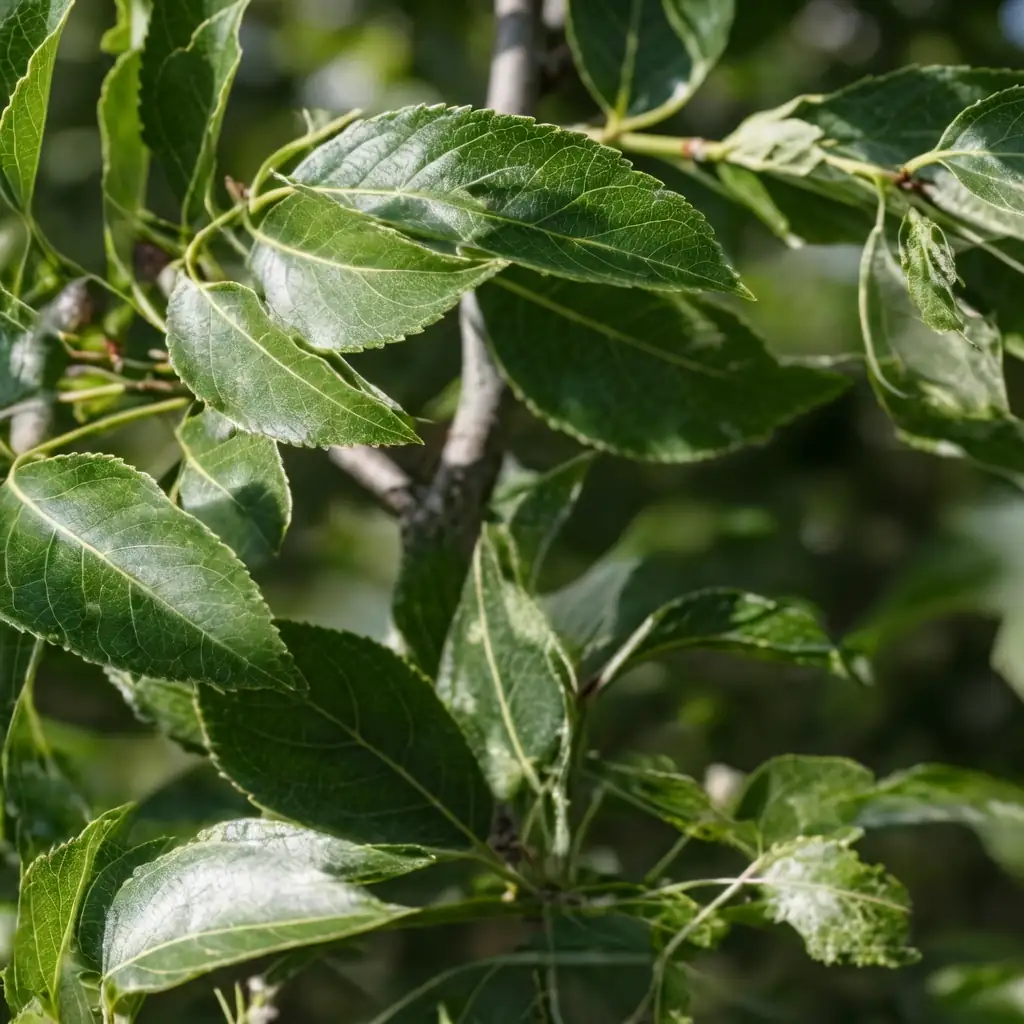
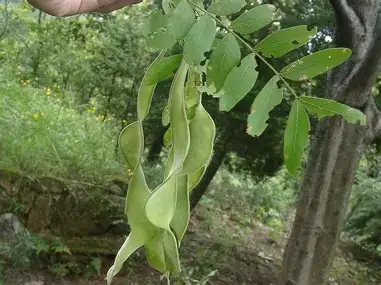
- Foliage: Leaves are pinnate compound, and on especially vigorous growth they may appear bipinnate. Each leaf carries many small leaflets, giving the canopy a light, feathery look. Young twigs are gray to dark brown. Trunks and older branches often bear stout, cylindrical thorns that can branch into dramatic, clustered “antler-like” formations.
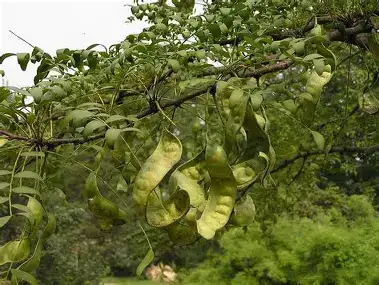
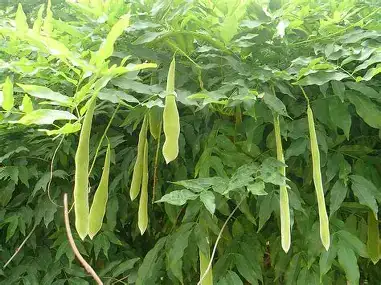
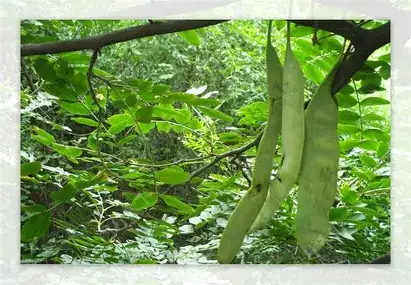
- Flower: Flowers are small and not showy—usually greenish-white to yellowish-white—borne in racemes in spring. After flowering, the tree produces long, flattened, strap-like pods containing multiple glossy brown seeds.
- Flowering Season: March–May (spring).
- Growth Habit: Upright deciduous tree with a deep root system; strongly thorned, highly adaptable, and increasingly shade-giving as the crown develops.
Environment
Sunlight
Full sun for strongest growth and best structure; tolerates light/partial shade.
Temperature
Temperate-climate tree; commonly reported as hardy to about -20 to -10°C (-4 to 14°F) once established (local performance varies with site and provenance).
Humidity
No special humidity requirements; handles average outdoor humidity and tolerates dry air once established.
Soil
Very adaptable: grows in clay, loam, or sand as long as drainage is reasonable. Tolerates slightly acidic through alkaline/limestone soils and can handle mildly saline-alkaline conditions; avoid chronically waterlogged ground.
Placement
Outdoors only—best as a courtyard, roadside, or park tree. Plant well away from paths, play areas, and tight garden spaces because the trunk thorns and fallen thorny branches can be hazardous.
Hardiness
Cold-hardy and notably drought-tolerant after establishment; long-lived (often reported at 600–700 years under favorable conditions).
Care Guide
Difficulty
Easy to moderate outdoors once established. The main “care challenge” is safety: planning placement and pruning around the large thorns.
Buying Guide
Select vigorous nursery stock with a straight central leader, healthy bark, and an undamaged root system. Avoid plants with cracked bark, trunk wounds, or compromised roots. Think ahead about thorn risk—choose a planting location where people and pets won’t brush against the trunk or low branches.
Watering
Water consistently for the first 1–2 growing seasons to build deep roots: soak thoroughly, then allow the top layer of soil to dry before watering again. Once established, water mainly during prolonged drought. Avoid soggy, poorly drained sites to prevent root problems.
Fertilization
Usually minimal. If growth is weak, apply a balanced slow-release fertilizer in spring at label rates. Don’t overdo nitrogen—too much can push excessively vigorous shoots (often with more thorns) at the expense of sturdy structure.
Pruning
Prune in late winter to early spring before budbreak. Remove dead, crossing, damaged, and dangerously low branches; develop a strong framework early. Wear protective clothing and use care—thorns are stout and can cause injury.
Propagation
Primarily by seed. Improve germination by scarifying the hard seed coat (e.g., hot-water soaking or carefully nicking the seed coat) before spring sowing. In cultivation it can also be propagated by grafting.
Repotting
Not typically a container plant long-term. If started in a pot when young, up-pot in early spring and plant out as soon as practical—its deep-rooting habit makes it unsuitable for long-term containers.
📅 Seasonal Care Calendar
Spring (Mar–May): sow scarified seeds; feed lightly only if needed; watch for fresh shoots. Summer: mulch and deep-water only during drought; avoid frequent shallow watering. Autumn: collect mature pods/seeds; ease off watering as growth slows. Winter: prune while dormant for structure and safety; check for storm damage and remove hazardous thorny debris.
Pests, Diseases & Safety
Common Pests & Diseases
Generally robust. In poor drainage it may develop root issues; occasional cankers or leaf spots can occur. Sap-suckers such as aphids or scale may appear at times. Good airflow, avoiding waterlogging, and pruning out affected wood are the main preventive steps.
Toxicity
Not commonly listed as highly poisonous, but the pods and seeds are not considered food. The primary risk is physical: the large, hard thorns can puncture skin and remain dangerous even after branches fall—keep children and pets away from the trunk and thorny litter.
Culture & Symbolism
Symbolism: Often linked with protection and resilience—an easy association when you meet its formidable thorns and tough, drought-enduring nature.
History & Legends: Across parts of China, the pods have long been used as a natural detergent, especially prized for washing delicate textiles like silk and wool.
Uses: Ornamental and functional landscape tree for shade, courtyards, parks, and roadsides (with safe siting). Pods have been used as a soap substitute for washing. The wood is very hard and durable for tools, furniture, and turned/craft items. Pods, seeds, and thorns also appear in traditional herbal practice (use only with qualified guidance).
FAQ
Why does my Chinese honeylocust have so many thorns?
That’s normal for the species—especially on the trunk and older branches. The best approach is smart placement (away from traffic) and careful dormant-season pruning to reduce hazards.
Is it drought-tolerant?
Yes. Once its deep roots are established, it handles drought very well. Young trees still need regular deep watering for the first 1–2 seasons.
Can it grow in poor or alkaline soils?
It’s notably adaptable and can grow in slightly acidic through alkaline/limestone soils, and even tolerates mild saline-alkaline conditions—as long as the site drains well and doesn’t stay waterlogged.
Fun Facts
- It’s often said to live 600–700 years in good conditions, making it a true “generational” tree.
- The long pods were traditionally used like a natural soap for washing silk and wool.
- Those dramatic branched thorns can form dense clusters on mature trunks—beautiful at a distance, dangerous up close.
- It tolerates a wide range of soils, from clay to sand, and from slightly acidic to alkaline.