Plant Features
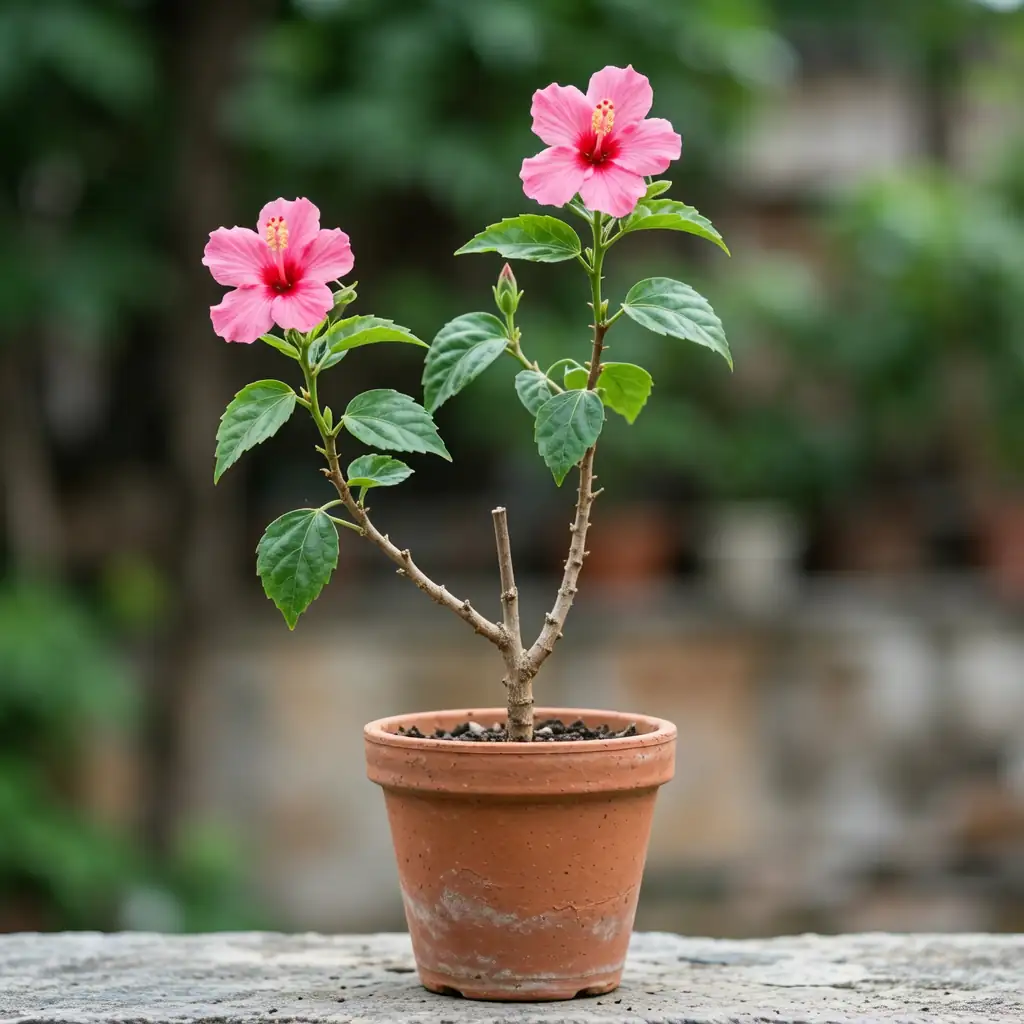
- Size: In containers, plants are often kept around 50 cm (20 in) tall or less for easy management and heavier blooming. Typical pot diameter is 15–20 cm (6–8 in). Pinch the growing tips when the plant reaches about 20 cm (8 in) to encourage branching and a fuller shape.
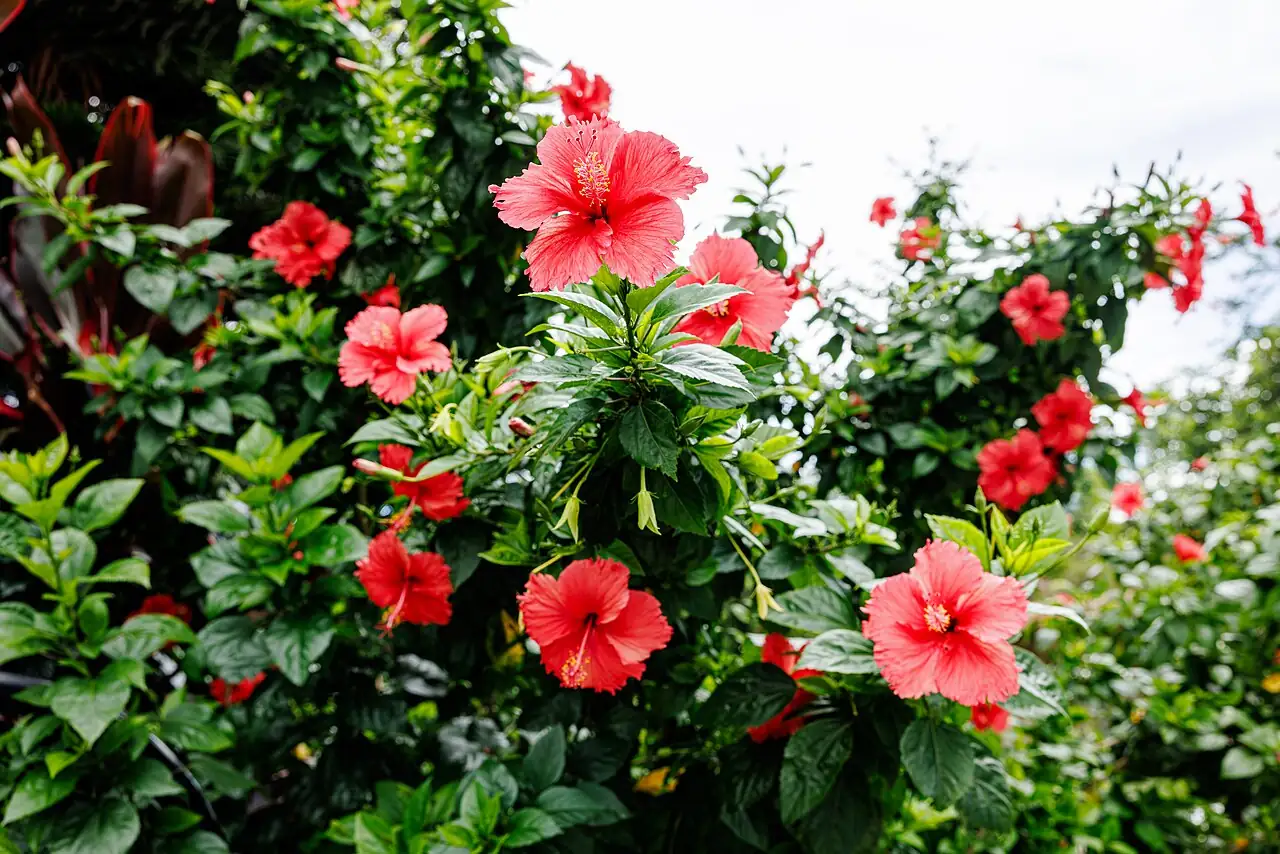
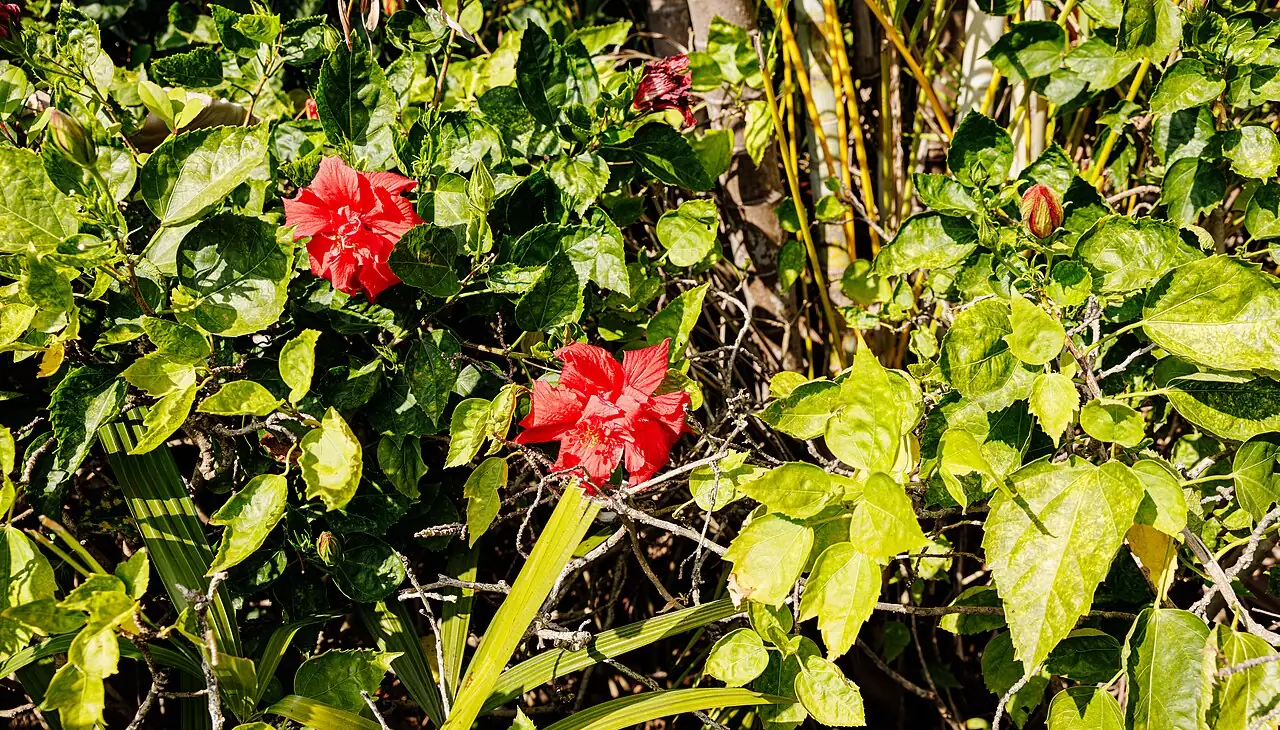
- Foliage: Dense, glossy, deep-green leaves that give the plant a lush, tropical look. If temperatures dip too low (around 5°C / 41°F), leaves may yellow and drop.
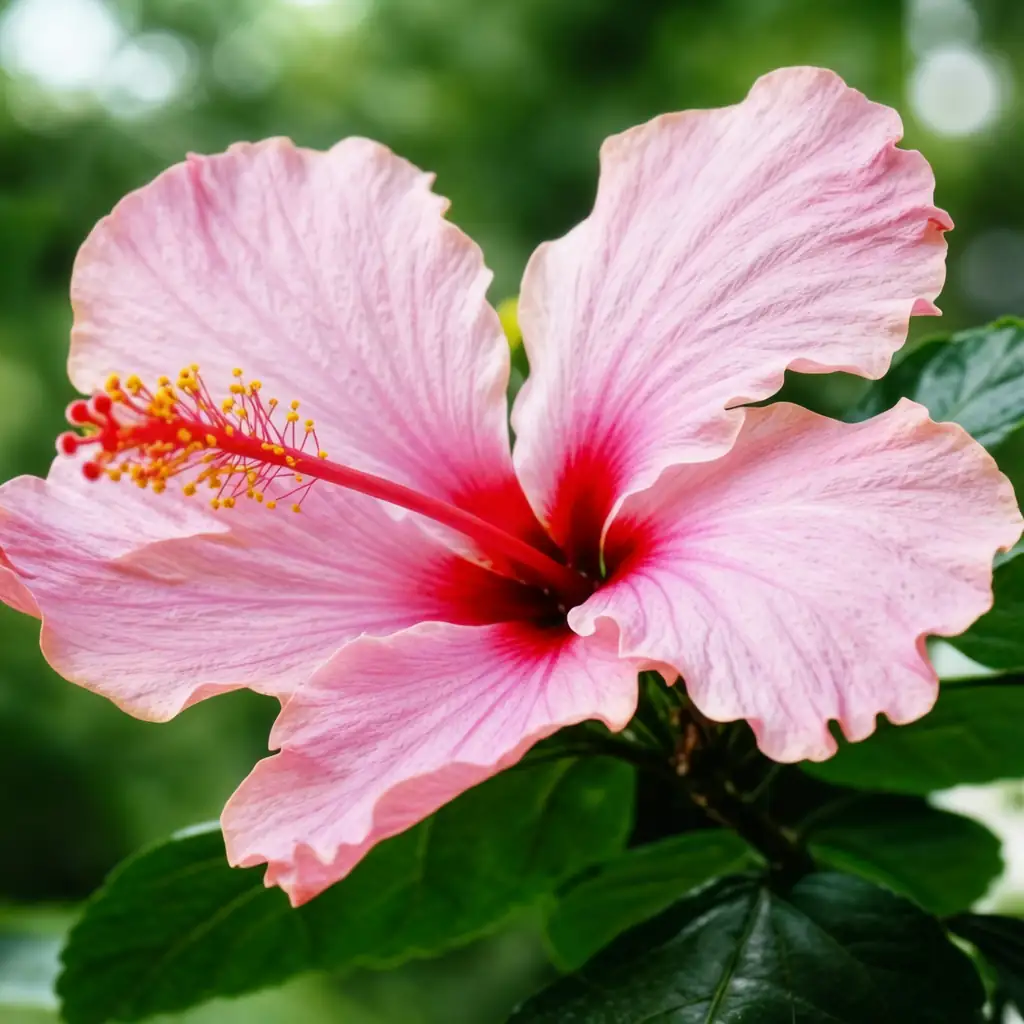
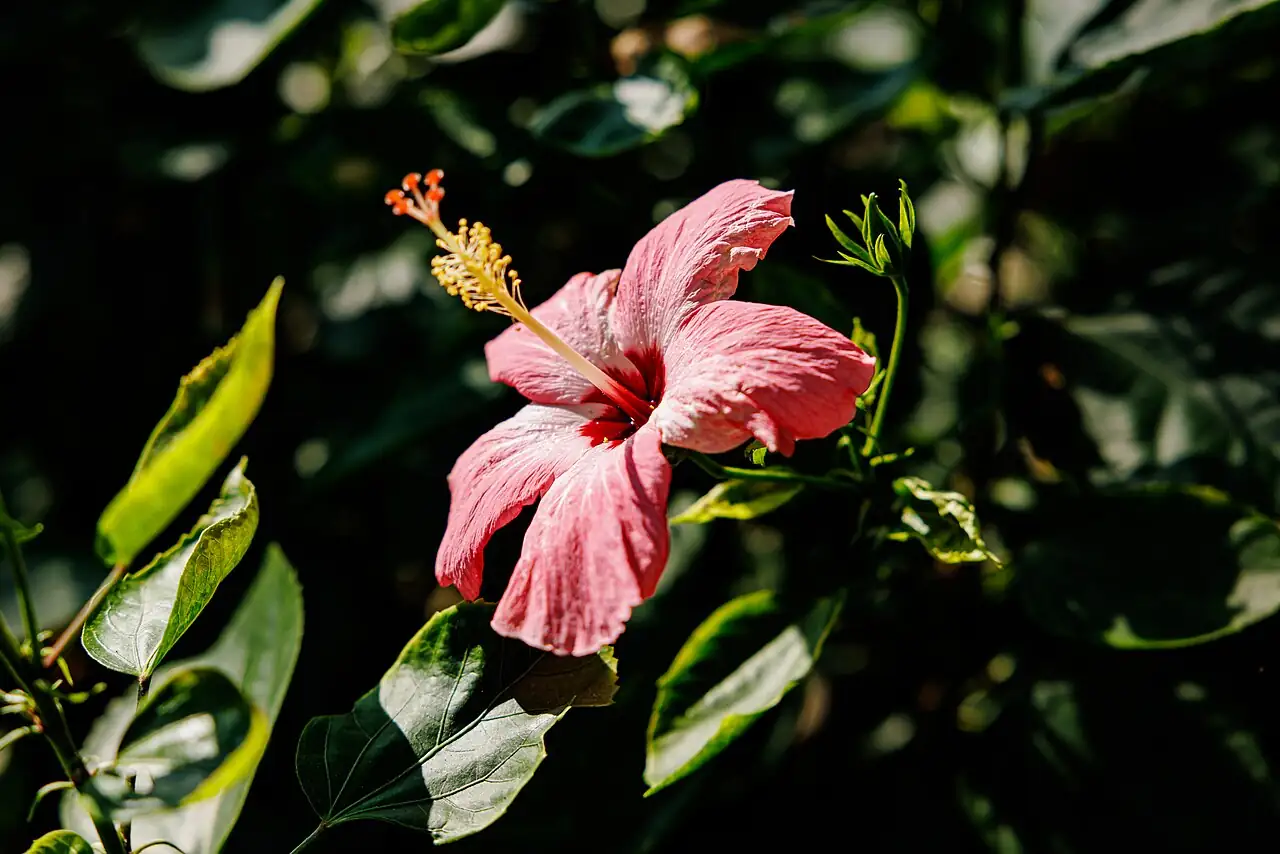
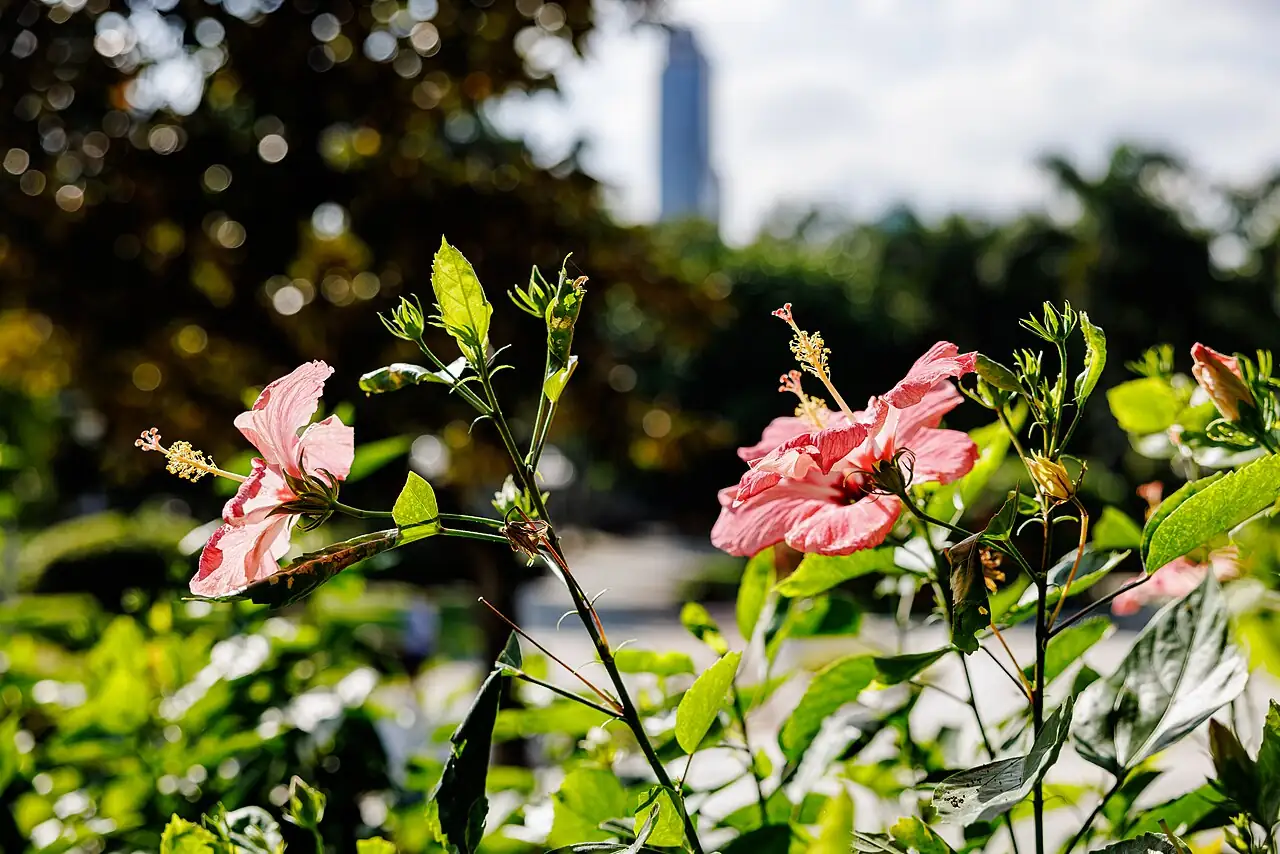
- Flower: Large, flamboyant blooms that can be single or double depending on the cultivar. In warm, bright conditions it can flower repeatedly for long periods, sometimes continuously through a long warm season.
- Flowering Season: Late summer to early winter (timing varies with climate and indoor/outdoor culture).
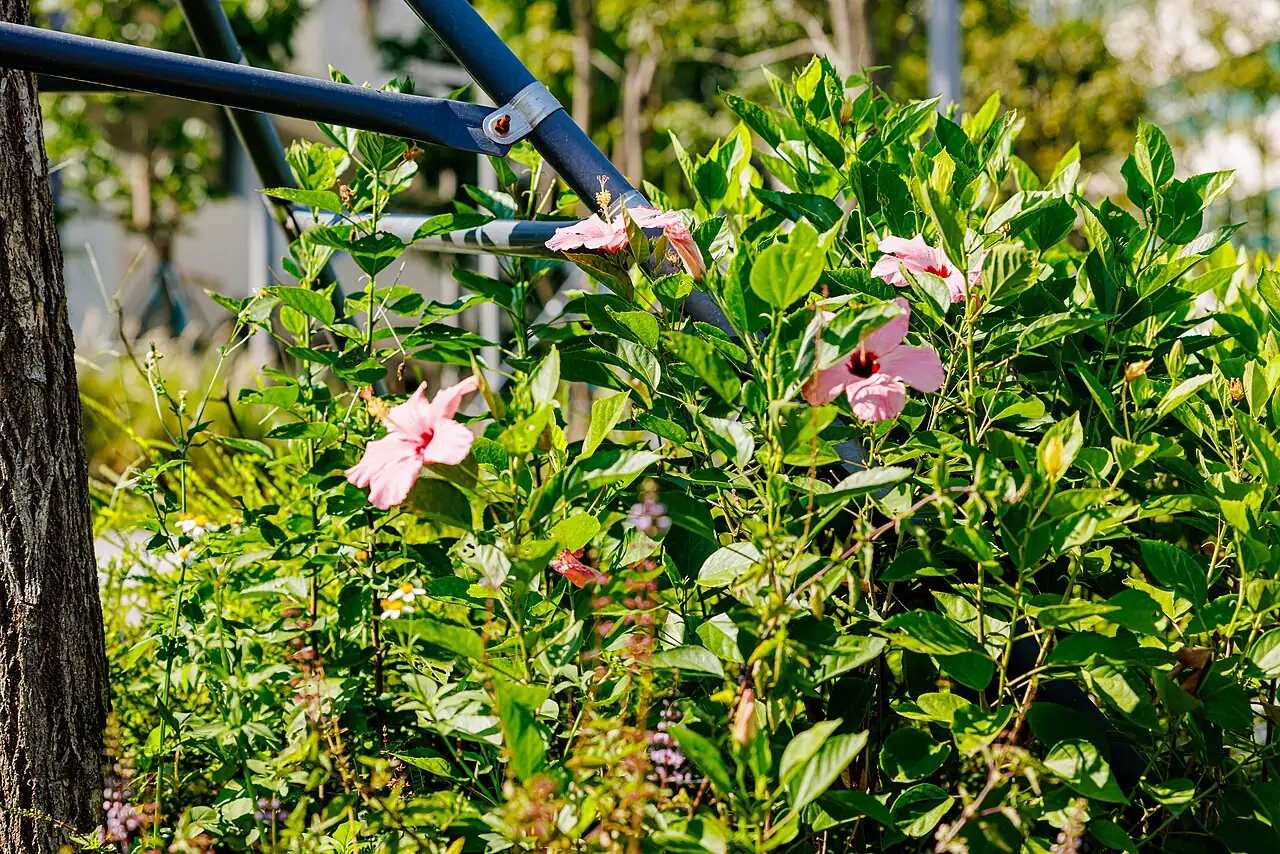
- Growth Habit: A bushy, many-branched shrub. It responds very well to pinching and pruning, which helps prevent legginess and encourages more flowering shoots.
Environment
Sunlight
Full sun for best flowering. It can tolerate light shade, but deep shade (especially indoors) usually leads to weak growth and fewer blooms.
Temperature
Grows best at 15–25°C (59–77°F). Keep above 10°C (50°F) in winter; foliage may yellow below about 5°C (41°F). Frost below 0°C (32°F) can kill tender growth.
Humidity
Prefers moderate to high humidity. In dry indoor air, occasional misting (avoiding constant wet leaves) or a humidity tray can help support leaves and bud development.
Soil
Rich, fertile, free-draining, slightly acidic mix. A practical container blend is loam/garden soil plus peat/coco-based medium, with coarse sand or perlite added for airflow and drainage.
Placement
Place outdoors in a sunny, airy spot during the growing season. For potted plants, bring indoors before nights fall near 10°C (50°F) and overwinter in the brightest window or a sunny room.
Hardiness
Not frost-hardy; generally suited to year-round outdoor growing in USDA Zone 10–12 (or any reliably frost-free climate).
Care Guide
Difficulty
Moderate. It thrives when you consistently provide strong light, warmth, steady moisture, and regular feeding. It can sulk with cold, low light, or drought (often by dropping buds or leaves).
Buying Guide
Pick a compact, sturdy plant ideally no taller than about 50 cm (20 in), with lots of branches and dense, deep-green foliage. Choose one with many buds and a few open flowers so you can confirm bloom color and form before buying.
Watering
Aim for evenly moist soil during active growth and flowering, but never let the pot sit waterlogged. As a seasonal guide for container plants: spring—about 2× per week; flowering period—about 3× per week in a sunny, ventilated spot; peak summer bloom—about every 2 days to keep moisture steady. After moving indoors in autumn, reduce to about 2–3× per week; at cooler indoor temperatures around 12–15°C (54–59°F), about 1× per week may be enough. In winter, keep in bright light and water as needed (often about 2–3× per week in warmer rooms), avoiding extremes of soggy or bone-dry soil.
Fertilization
A heavy feeder. During the growing season, fertilize every 2 weeks (about twice monthly) with a balanced-to-blooming fertilizer (for example, similar to 15-15-30). Reduce feeding in autumn to avoid soft, weak growth, and stop fertilizing in winter.
Pruning
Prune after a flowering flush to encourage fresh flowering shoots. Regular tip-pinching—especially when the plant is around 20 cm (8 in)—helps create a shorter, bushier plant with more bloom sites.
Propagation
Cuttings: take soft tip cuttings about 10 cm (4 in) long in warm, humid weather; remove the lower leaves, keep a few at the tip, and insert into clean sand or a very free-draining medium. Keep high humidity and 18–21°C (64–70°F); rooting usually takes about 20–25 days, and rooting hormone can speed success. Grafting: often done in spring or autumn, especially for double-flowered or harder-to-root cultivars; single-flowered plants are commonly used as rootstock.
Repotting
Repot yearly in spring. For typical small specimens, a 15–20 cm (6–8 in) pot is common; refresh the soil mix and trim circling roots if needed.
📅 Seasonal Care Calendar
Spring: increase watering, restart feeding, and pinch tips to branch. Summer: maximum sun, frequent watering, and watch for spider mites/scale in hot, dry spells. Autumn: reduce fertilizer and move indoors before nights approach 10°C (50°F). Winter: provide the brightest light possible, keep above 10°C (50°F), and water sparingly without letting the root ball completely dry.
Pests, Diseases & Safety
Common Pests & Diseases
Leaf spot can trigger heavy leaf drop—improve airflow, avoid wetting foliage late in the day, and remove affected leaves. Common pests include aphids, spider mites, scale insects, and caterpillars; manage with rinsing, horticultural soap/oil, or appropriately labeled treatments.
Toxicity
Generally considered non-toxic to people and pets, though the sap may cause mild irritation for sensitive individuals. It’s still best to discourage pets from chewing the leaves or flowers.
Culture & Symbolism
Symbolism: Often linked with a thriving home and cheerful prosperity. In gifting traditions, single-flowered forms may be used to congratulate success and family flourishing, while double-flowered forms can suggest tenderness and thoughtfulness in romance.
Uses: Primarily ornamental—grown as a flowering landscape shrub in warm climates and as a container plant for patios, balconies, and bright indoor overwintering.
FAQ
Why are my Chinese hibiscus flowers staying small?
Small blooms are most often caused by not enough sun and/or not enough feeding during bud and bloom time. Move the plant to stronger light (full sun if possible) and feed about every 2 weeks during active growth with a bloom-supporting fertilizer so buds can develop fully.
Fun Facts
- In warm, sunny conditions, many cultivars can bloom repeatedly for months.
- Simple tip-pinching is one of the best tricks for turning a leggy plant into a compact, flower-packed shrub.